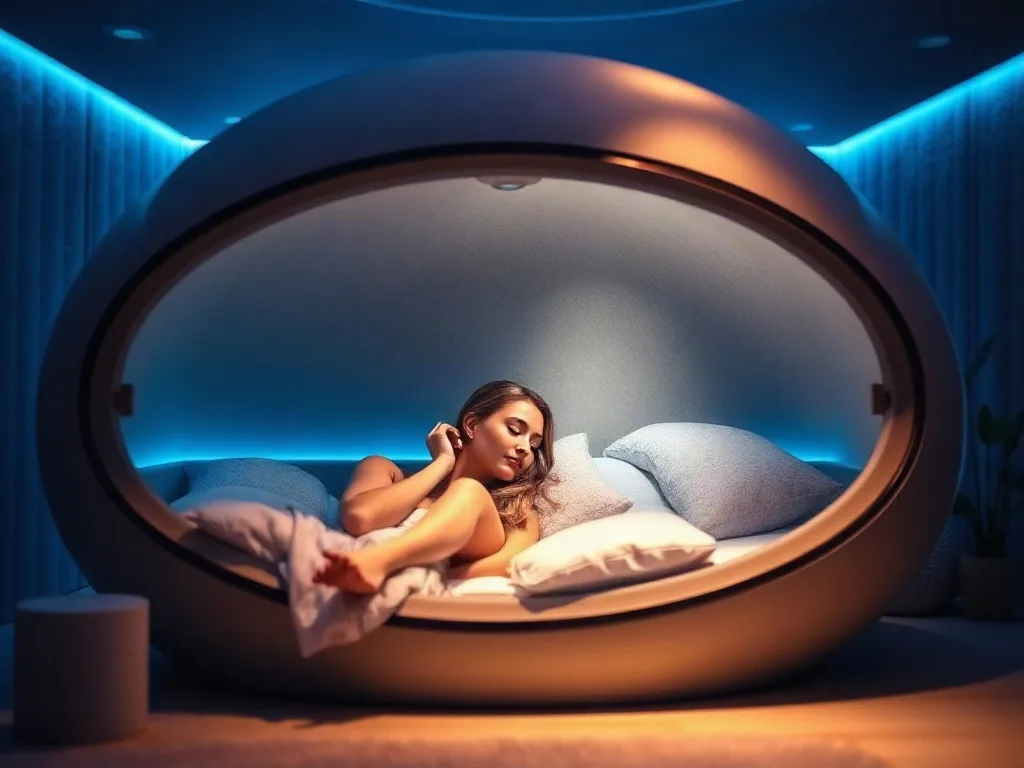
In our always-on culture where burnout has become the norm rather than the exception, a curious wellness trend is gaining momentum: nap bars. These dedicated spaces offer weary urbanites a chance to catch some midday sleep in specially designed pods or recliners, promising restoration and renewed energy. As our understanding of sleep science deepens and workplace wellness becomes a priority, the question isn’t whether napping is beneficial—research has long confirmed its cognitive and physical advantages—but whether commercial nap spaces represent a sustainable solution or merely another symptom of our exhaustion epidemic.
Key takeaways
- Aim for 10-20 minute power naps for alertness or 60-90 minutes for memory consolidation and creative problem-solving.
- Schedule naps between 1:00 PM and 3:00 PM to align with the body's natural circadian rhythm dip.
- Prioritize seven to nine hours of nightly sleep before using naps as a supplementary wellness tool.
- Commercial nap sessions typically cost $15-$30, offering features like blackout pods, white noise, and temperature control.
- Consult a doctor if you consistently need midday naps despite adequate sleep, as it may indicate underlying disorders.
The emergence of nap bars reflects a broader cultural shift in how we view rest. No longer dismissed as laziness, strategic napping is being reframed as a productivity tool and self-care practice. But before you book your next power nap session, it’s worth examining what these spaces actually offer, who benefits most, and whether sleeping your way to wellness is truly the innovation we need.
The Science Behind Strategic Napping
Sleep researchers have identified distinct benefits associated with different nap durations. A 10-20 minute power nap can enhance alertness and motor performance without the grogginess that comes from deeper sleep stages. These brief rest periods allow you to dip into the lighter stages of non-REM sleep, providing mental refreshment without sleep inertia—that disoriented feeling when you wake from deeper sleep.
Longer naps of 60-90 minutes allow you to complete a full sleep cycle, including REM sleep, which supports memory consolidation, creative problem-solving, and emotional regulation. However, these extended naps require more time and may leave you feeling temporarily foggy upon waking. The key is understanding your goals: quick energy restoration versus deeper cognitive benefits.
Research from NASA found that a 26-minute nap improved pilot performance by 34% and alertness by 54%. Other studies have shown that napping can lower blood pressure, reduce stress hormone levels, and improve cardiovascular health. The evidence is clear: when done correctly, napping is far from lazy—it’s a legitimate health intervention.
The challenge most people face isn’t whether to nap but where and when. Traditional workplaces rarely accommodate rest, and home environments may not be conducive to midday sleep. This is precisely the gap nap bars aim to fill.
What Nap Bars Actually Offer
Nap bars vary in their approach, but most share common features designed to optimize the napping experience. Private pods or semi-enclosed recliners provide physical separation from the outside world, often with blackout capabilities to block light. Temperature control, white noise or ambient soundscapes, and ergonomic positioning help facilitate faster sleep onset.
Many facilities offer different session lengths, typically ranging from 20-minute power naps to 60-90 minute extended sessions. Some locations have incorporated additional wellness elements: aromatherapy, guided meditation audio, wake-up light therapy, or post-nap amenities like refreshment stations and quiet workspaces.
The aesthetic matters too. Unlike the sterile feel of a medical facility, successful nap bars create calming, hospitality-style environments with natural materials, soft lighting, and thoughtful design. The goal is to signal to your nervous system that it’s safe to rest, even in an unfamiliar commercial space.
Pricing models vary considerably, from pay-per-session rates (typically $15-30 for a basic nap) to monthly memberships for frequent nappers. Some high-end locations are positioned as luxury wellness experiences, while others take a more utilitarian approach focused on functionality and accessibility.
Who Benefits Most From Commercial Nap Spaces
Nap bars serve several distinct populations, each with different needs. Shift workers, particularly those in healthcare or emergency services, often struggle with irregular sleep schedules and may use nap bars to supplement insufficient nighttime rest. The controlled environment helps them maximize limited rest opportunities.
Urban professionals facing long commutes or back-to-back obligations find nap bars useful for strategic rest between work and evening commitments. Rather than trudging home exhausted or pushing through fatigue, they can refresh themselves in a location convenient to their daily routine.
Travelers, especially those managing jet lag or layovers, represent another key user group. Airport nap pods have become increasingly common, offering a more restorative option than uncomfortable gate seating. City-center nap bars similarly serve business travelers who need rest between meetings or before evening flights.
New parents, particularly those returning to work while managing infant sleep schedules, sometimes turn to nap bars as a way to reclaim rest that’s difficult to achieve at home. However, this raises questions about whether commercial rest solutions are masking deeper structural problems around parental leave and workplace flexibility.
The common thread among these groups is environmental constraint—they need rest but lack access to appropriate space. Nap bars solve a logistical problem, but they don’t address the underlying reasons why so many people are chronically under-rested.
The Limitations and Valid Criticisms
While nap bars offer genuine utility, they’re not without significant limitations. The most obvious is cost. Regular use can easily exceed $100-200 monthly, making this form of wellness accessible primarily to those with discretionary income. This creates an uncomfortable dynamic where rest becomes a luxury amenity rather than a basic human need.
Critics argue that normalizing commercial nap spaces may inadvertently enable unsustainable work cultures. If employees can pay to nap rather than demanding reasonable work hours and adequate time off, companies face less pressure to address systemic overwork. The nap bar becomes a band-aid on a deeper wound.
There’s also the question of sleep quality. While nap bars optimize environmental factors, falling asleep in an unfamiliar commercial space is inherently more difficult for many people than resting at home. Some individuals never fully relax in shared facilities, regardless of how well-designed the space may be.
Additionally, frequent napping can sometimes indicate or exacerbate underlying sleep disorders. If you consistently need midday naps despite adequate nighttime sleep, it may signal conditions like sleep apnea, narcolepsy, or other issues that require medical attention rather than commercial rest solutions.
Finally, the sustainability of the business model itself remains uncertain. Many nap bars have opened with fanfare only to close within a few years, suggesting that while interest exists, converting that interest into viable long-term business proves challenging.
Integrating Napping Into a Holistic Wellness Approach
Whether or not you use commercial nap spaces, incorporating strategic rest into your routine requires intention. Start by assessing your actual sleep needs. Most adults require 7-9 hours nightly. If you’re consistently falling short, prioritizing nighttime sleep should be your first focus—naps are supplementary, not primary.
Timing matters significantly. The ideal nap window falls between 1:00-3:00 PM, when your circadian rhythm naturally dips. Napping too late in the afternoon can interfere with nighttime sleep, while morning naps may indicate sleep deprivation rather than strategic rest.
Create your own nap-conducive environment if commercial spaces aren’t accessible or appealing. This might mean setting boundaries around a home office, using a parked car during lunch breaks, or advocating for workplace rest spaces. Simple tools—an eye mask, earplugs, a phone alarm, and a door that closes—can transform available space into a rest zone.
Consider napping as part of a broader energy management strategy rather than an isolated tactic. Adequate hydration, balanced meals, movement breaks, and stress management all influence your energy levels and rest quality. Naps work best when supporting overall wellness, not compensating for its absence.
If you work from home or have flexibility, experiment with different nap durations and times to discover what serves you best. Keep a simple log noting how you felt before and after rest, and adjust accordingly. Individual responses vary significantly.
The Future of Rest in Workplace Culture
Some forward-thinking companies are incorporating rest spaces directly into their facilities, recognizing that providing nap rooms, quiet zones, or flexible rest periods may improve productivity and employee wellbeing more effectively than expecting people to seek commercial solutions.
This workplace integration represents a potentially more equitable approach than commercial nap bars, removing cost barriers and normalizing rest as part of the workday rather than a luxury purchase. However, implementation varies widely, and cultural stigma around workplace napping persists in many organizations.
The success of workplace rest initiatives depends heavily on leadership modeling and policy support. If taking a rest break is theoretically allowed but practically penalized through performance reviews or workplace culture, the benefit remains largely theoretical.
Looking ahead, the conversation around workplace rest is expanding beyond physical spaces to include questions about scheduling flexibility, remote work options, and compressed work weeks—structural changes that address root causes of exhaustion rather than just symptoms.
Technology may also play a role, with wearable devices providing data about individual sleep needs and optimal rest timing. However, this raises important questions about privacy, surveillance, and whether biometric optimization represents genuine wellness or simply more refined productivity extraction.
Cultural Attitudes Toward Rest and Productivity
The nap bar phenomenon sits at the intersection of competing cultural values around rest and productivity. On one hand, these spaces represent growing acknowledgment that human beings aren’t machines and require regular restoration. On the other, they risk commodifying rest and reinforcing the idea that every moment, including recovery, should be optimized for performance.
Different cultures approach rest with varying attitudes. Mediterranean countries with siesta traditions have long recognized the value of midday rest, while Northern European countries with shorter work weeks demonstrate that productivity doesn’t require constant availability. American hustle culture, by contrast, has historically stigmatized rest as weakness.
The challenge is distinguishing between rest as genuine self-care and rest as a productivity tactic. Napping solely to increase output perpetuates problematic relationships with rest, while napping as an end in itself—because your body needs it and rest has inherent value—represents a healthier paradigm.
As wellness culture evolves, there’s opportunity to reclaim rest as a right rather than a luxury or productivity hack. This means questioning why so many people are exhausted in the first place and addressing systemic issues around work hours, caregiving support, and economic security that make adequate rest difficult to achieve.
Making Your Own Decision About Nap Bars
If you’re considering using a nap bar, start with your specific circumstances. Do you have genuine environmental barriers to rest that a commercial space would solve? Are you regularly sleep-deprived in ways that strategic napping could address? Can you afford regular use without financial stress?
Try a single session before committing to a membership. Pay attention not just to whether you sleep but how you feel afterward and whether the experience feels restorative or stressful. Some people find the novelty and pressure to “perform” sleep in a commercial setting counterproductive.
Consider alternatives before investing in commercial solutions. Could you negotiate with your employer for a rest space or flexible schedule? Can you optimize your home or vehicle as a rest zone? Are there free or lower-cost community resources available?
If you do use nap bars, view them as a tool within a broader wellness strategy, not a complete solution. Continue prioritizing nighttime sleep, stress management, and sustainable life structures. Rest should support your life, not compensate for a life that’s fundamentally unsustainable.
Ultimately, the question isn’t whether nap bars work—for some people in some circumstances, they absolutely do—but whether they represent the kind of society we want to build. Do we want a world where rest requires purchasing access to specialized facilities, or one where rest is protected and accessible to everyone regardless of economic status?
The Economics of Commercial Rest: Who Really Profits From Exhaustion
The nap bar industry operates within a complex economic landscape where chronic fatigue has become a market opportunity. Understanding who benefits financially from commodified rest reveals important dynamics about how wellness is packaged and sold in modern economies. Venture capital has flowed into sleep-related businesses, with investors betting that exhaustion represents a growth market rather than a problem to solve systemically.
The typical nap bar business model relies on high-traffic urban locations with premium rent, requiring significant customer volume to achieve profitability. Most facilities need to maintain 60-70% utilization during peak hours just to cover operational costs, which include staffing, cleaning supplies, utilities, and lease payments. This explains why many nap bars cluster in financial districts or near transportation hubs where potential customers are most concentrated and have disposable income.
Membership structures create predictable revenue streams that investors favor, but they also introduce an interesting behavioral economics element. Like gym memberships, nap bar subscriptions often rely on overestimation of future use—customers pay monthly fees while using services less frequently than planned. This subsidizes per-visit costs for regular users but raises ethical questions about business models that profit from customers’ unrealized intentions.
The broader wellness industry context matters here. Nap bars exist alongside meditation apps, boutique fitness studios, and adaptogenic supplement brands—all positioned as individual solutions to stress that’s often structurally produced. When exhaustion stems from inadequate wages requiring multiple jobs, unaffordable childcare, or healthcare systems that fail to address sleep disorders, commercial rest spaces treat symptoms while the underlying conditions remain profitable for other industries.
Some nap bar operators have pursued B2B models, partnering with corporations to provide subsidized or free sessions for employees. This shifts the economic equation significantly—companies pay bulk rates, workers get benefits without direct cost, and nap bars secure stable revenue. However, this arrangement can also function as a retention tool that reduces pressure on employers to address workload issues. The question becomes whether corporate-sponsored napping represents genuine investment in employee wellbeing or a relatively inexpensive way to extract more productive hours from tired workers.
Real estate trends intersect with the nap bar phenomenon in revealing ways. As commercial office space evolves and remote work reduces demand for traditional desk space, landlords seek alternative tenants. Nap bars, along with coworking spaces and micro-gyms, fill this niche. This means the viability of nap bars partly depends on broader real estate market dynamics rather than just sleep needs. When commercial rents drop or landlords offer favorable terms to attract novel tenants, nap bars become more financially feasible. Conversely, when space is at a premium, only the most successful locations survive.
Design Psychology: How Nap Spaces Engineer Relaxation
The physical design of nap bars draws from multiple disciplines—hospitality design, sleep medicine, neuroscience, and environmental psychology—to create spaces that actively facilitate rest despite their commercial, unfamiliar nature. Every design choice serves the goal of lowering physiological arousal and signaling safety to your nervous system, though approaches vary based on target demographics and brand positioning.
Lighting design operates on multiple levels in sophisticated nap facilities. Circadian-sensitive lighting that mimics natural daylight transitions helps regulate your internal clock, while individual pod lighting can be gradually dimmed to encourage sleep onset. Some locations use amber-spectrum lighting that doesn’t suppress melatonin production the way blue-spectrum light does. Upon waking, light therapy panels that simulate sunrise can ease the transition back to alertness, particularly valuable for people napping during winter months when natural light is limited.
Acoustic engineering addresses one of the biggest barriers to public rest—noise. Beyond simple white noise machines, premium nap bars use architectural acoustics: sound-absorbing materials in walls and ceilings, strategic pod placement away from HVAC systems and foot traffic, and sometimes active noise cancellation technology. The goal is creating what acousticians call a “low ambient noise floor”—not perfect silence, which can actually feel uncomfortable and make small sounds more noticeable, but consistent, non-alerting background sound that masks disruptive noise without itself being intrusive.
Temperature control recognizes that core body temperature naturally drops during sleep onset. Cooler environments (around 65-68°F or 18-20°C) facilitate this process, which is why many nap pods offer individual climate control or provide blankets in a cooler ambient space. Some high-end facilities even incorporate cooling mattress technology that draws heat away from your body, similar to systems used by athletes for recovery.
Spatial enclosure creates psychological boundaries that help your mind disengage from external stimuli. This is why most nap bars use pods or partitioned spaces rather than open rooms with multiple recliners. The semi-enclosed design provides what researchers call “prospect and refuge”—you can see out if needed (prospect) but feel protected from being observed (refuge). This addresses a primal vulnerability around sleeping in public spaces. Privacy curtains, curved walls that prevent sight lines between pods, and individual entry points all contribute to this sense of safe enclosure.
Material choices extend beyond aesthetics to sensory experience. Natural materials like wood and stone, soft textiles, and organic shapes activate the biophilic response—our innate affinity for natural environments—which research shows reduces stress markers. Synthetic materials can feel institutional and activate associations with medical or commercial environments that increase alertness rather than relaxation. The most successful nap bars feel more like high-end spas than airports or offices, deliberately evoking environments already associated with rest and restoration in customers’ minds.
Scent marketing plays a subtle but measurable role. Some facilities diffuse lavender, chamomile, or other aromatherapy scents research has linked to relaxation and sleep quality. However, this requires careful calibration—scents that are too strong or artificial can trigger negative reactions or headaches. The best approach uses very dilute natural scents or simply eliminates the chemical cleaning smells common in commercial spaces, which tend to activate alertness and caution.
Medical Perspectives: When Commercial Napping Masks Serious Sleep Disorders
Sleep medicine specialists hold nuanced views on the nap bar trend, seeing both potential benefits and concerning red flags. While strategic napping can supplement healthy sleep patterns, excessive daytime sleepiness often indicates underlying medical conditions that require diagnosis and treatment rather than commercial rest solutions. Understanding when napping habits warrant medical evaluation is crucial for anyone considering regular use of nap bars.
Obstructive sleep apnea (OSA) is among the most common undiagnosed sleep disorders, affecting an estimated 10-30% of adults in varying degrees of severity. People with OSA experience repeated breathing interruptions during sleep, leading to fragmented rest and profound daytime sleepiness. They may feel constantly exhausted despite spending adequate time in bed and may turn to napping as a coping mechanism. However, brief naps don’t address the underlying problem—they provide temporary relief while the condition continues causing cardiovascular strain, cognitive impairment, and metabolic disruption. If you need regular naps despite consistently getting 7-9 hours in bed, sleep apnea screening should be a priority before investing in nap bar memberships.
Narcolepsy and idiopathic hypersomnia represent neurological conditions where excessive sleepiness stems from disrupted sleep-wake regulation in the brain. People with these conditions experience overwhelming sleep attacks regardless of how much nighttime sleep they get. While strategic napping is actually part of the management strategy for narcolepsy, the condition requires proper diagnosis and comprehensive treatment including medication and lifestyle adjustments. Using nap bars without diagnosis can delay proper treatment by creating the illusion that the problem is being managed.
Chronic fatigue syndrome (CFS/ME) and fibromyalgia produce persistent exhaustion that sleep doesn’t fully relieve. For people with these conditions, the relationship between rest and restoration is disrupted—more sleep doesn’t necessarily lead to more energy. Some may find short naps helpful as part of energy conservation strategies, but napping alone doesn’t address the complex physiological dysfunction underlying these conditions. Medical management, pacing strategies, and addressing symptom triggers provide more comprehensive support than commercial napping.
Mental health conditions including depression, anxiety, and post-traumatic stress disorder frequently disrupt both nighttime sleep quality and daytime energy levels. Excessive napping can sometimes become avoidance behavior or a symptom of depression rather than a healthy rest practice. While occasional napping may help manage acute stress or sleep debt, relying on daily naps to cope with mental health symptoms suggests the need for therapeutic intervention rather than more rest opportunities. The pattern matters—are you napping because you’re strategically managing energy, or because you’re emotionally depleted and using sleep as an escape?
Medication side effects frequently cause daytime drowsiness that people might try to manage through napping. Antihistamines, blood pressure medications, antidepressants, pain medications, and many other common drugs list sedation as a side effect. If you’ve recently started a new medication and suddenly need regular naps, this warrants discussion with your prescribing doctor rather than accepting it as the new normal. Medication adjustments, timing changes, or alternative prescriptions might eliminate the excessive sleepiness without requiring compensatory napping.
Sleep physicians emphasize that the gold standard for daytime alertness is adequate, high-quality nighttime sleep—typically 7-9 hours for adults. If you need regular naps despite hitting this target, or if you fall asleep within five minutes of lying down during the day (suggesting high sleep pressure), medical evaluation should precede investments in commercial rest solutions. Many sleep disorders are highly treatable once properly diagnosed, potentially eliminating the need for extensive daytime napping altogether.
The Social Dynamics of Public Rest and Vulnerable Populations
Examining who uses nap bars and who doesn’t reveals important equity issues around rest accessibility. While marketing often features young professionals taking strategic power naps, the reality of who needs rest spaces most urgently includes populations that nap bars typically don’t serve well or actively exclude through pricing, location, and policies.
Homeless individuals face what might be called a “rest crisis”—they need safe places to sleep but are systematically denied access to both public and commercial rest spaces. Libraries, transportation hubs, and parks increasingly use hostile architecture specifically designed to prevent people from lying down or sleeping. Nap bars, despite being commercial rest spaces, maintain strict policies about appropriate appearance, payment requirements, and maximum session lengths that functionally exclude people experiencing homelessness. This creates a disturbing dynamic where paying $25 to nap in a pod is socially acceptable, but falling asleep on a bench is criminalized.
Gig economy workers—delivery drivers, rideshare operators, freelancers cycling between clients—often need rest during irregular hours in locations far from home. Nap bars could theoretically serve this population well, but pricing structures typically assume professional income levels and leisure-paced schedules. A delivery driver with a two-hour gap between shifts can’t afford $20-30 for a nap when their hourly earnings may be $15-20. Some operators have explored tiered pricing or off-peak discounts, but these remain exceptions rather than industry standards.
Elderly people, who often experience disrupted nighttime sleep due to medical conditions, medications, or age-related changes in circadian rhythms, might benefit significantly from daytime rest facilities. However, nap bars typically locate in business districts rather than residential areas, require navigating stairs or unfamiliar technology, and design spaces for younger, able-bodied users. The population most likely to need supplemental rest during the day is precisely the population least likely to access these services comfortably.
Parents with young children face compounding rest challenges—their sleep is frequently disrupted at night, yet they have little opportunity for daytime rest while managing childcare. Some nap bars explicitly prohibit children, while others simply don’t accommodate the logistics of visiting with kids. The idea of paying for rest time while also paying for childcare creates an absurd economic equation for most families. This highlights how commercial wellness solutions often serve people with the most flexibility and resources rather than those with the greatest needs.
Night shift workers constitute another underserved group. While they desperately need rest during daytime hours, their schedules often don’t align with nap bar operating hours, which typically focus on lunch hours and early afternoon when demand from conventional workers is highest. Even when open, daytime facilities may be noisy with staff cleaning, stocking, or performing maintenance during what is, for night workers, the equivalent of sleeping through vacuum cleaners in the middle of the night.
This pattern reveals a fundamental tension in commodified rest: it serves those who can pay rather than those who need it most. Public alternatives—rest rooms in libraries, designated quiet spaces in community centers, workplace rest facilities—could theoretically serve broader populations, but these require collective investment and political will rather than individual purchasing. The question becomes whether society views rest as a human right deserving public infrastructure or a consumer good allocated through market mechanisms.
Global Variations: How Different Cultures Approach Commercial Rest
The nap bar concept manifests differently across cultures, reflecting varying attitudes toward public rest, workplace norms, and wellness commercialization. Examining these international variations reveals that the same basic service—paying for daytime sleep space—carries different cultural meanings and serves different needs depending on local context.
Japan pioneered commercial napping infrastructure decades before the Western wellness industry discovered the concept. Capsule hotels, which originated in Osaka in 1979, provided inexpensive overnight accommodation in pod-like spaces, but they also functioned as daytime rest facilities for salarymen who missed the last train or needed recovery space during punishing work schedules. The cultural context differs significantly from Western nap bars: Japanese capsule hotels emerged in a society with extreme work hour expectations, limited living space, and established bathing culture (many include shared bath facilities). The pods themselves are smaller, more austere, and organized more efficiently than luxury-positioned Western nap bars, reflecting different aesthetic values and space constraints.
In China, rest facilities have proliferated rapidly in major cities as the middle class has grown and imported Western wellness concepts have merged with traditional practices. Chinese nap bars often incorporate traditional Chinese medicine principles, offering services like acupressure, cupping, or herbal tea alongside rest pods. The “lying flat” (tang ping) social movement among young Chinese people, rejecting the grind culture, has created cultural discourse around rest that differs from Western productivity optimization. Some Chinese facilities explicitly position themselves as resistance to overwork rather than performance enhancement, though this messaging coexists with the more conventional wellness marketing.
Spain’s siesta tradition creates different dynamics for commercial rest spaces. In regions where businesses traditionally closed for midday rest, the decline of this practice as Spain has integrated with broader European work schedules has created demand for alternative rest options. However, the cultural memory of siesta as a normal part of daily rhythm rather than a luxury or biohack means commercial rest spaces operate with less novelty factor. Some Spanish nap facilities frame themselves as preserving tradition in modern urban contexts where going home midday is no longer practical.
In the United Arab Emirates and other Gulf states, nap facilities in airports and transportation hubs serve the massive transit population moving between Asia, Europe, and Africa. These spaces typically operate 24 hours and accommodate diverse cultural needs, including gender-separated areas in some facilities and prayer spaces adjacent to rest areas. The extreme heat during much of the year makes climate-controlled rest spaces particularly valuable, and the concentration of wealth in cities like Dubai supports luxury nap experiences that would be economically unviable in other markets.
Scandinavian countries, despite having more regulated work hours and stronger labor protections than many other regions, have seen some adoption of nap facilities, though often integrated into workplaces rather than existing as standalone commercial ventures. The cultural emphasis on work-life balance means these spaces frame themselves around wellbeing and sustainability rather than performance optimization. Swedish and Danish facilities often incorporate nature elements and emphasize restoration for its own sake rather than as a tool for productivity.
The United States market shows perhaps the most tension between competing values. American nap bars must navigate deep cultural ambivalence about rest—simultaneously drawn to wellness trends and optimization while maintaining Protestant work ethic suspicion of daytime sleep. Marketing often emphasizes the productivity benefits and scientific validation rather than rest as inherently valuable. The result is facilities that feel more clinical or tech-forward than in cultures with more established rest traditions, and pricing that positions napping as premium self-care rather than ordinary necessity.
The Technology Layer: Apps, Wearables, and Data-Driven Rest
Technology increasingly intersects with commercial napping, creating new possibilities while raising important questions about privacy, surveillance, and whether optimization enhances or undermines rest. Many nap bars now integrate digital components, from booking apps to biometric monitoring, positioning themselves as “sleep tech” companies rather than simple rest facilities.
Booking and payment apps provide the most basic digital layer, allowing users to reserve pods, pay for sessions, and accumulate membership benefits through smartphone interfaces. This convenience factor matters significantly—spontaneous napping becomes possible when you can locate a facility, check availability, and book within minutes. However, this also creates data trails tracking when, where, and how often people nap, information with potential privacy implications especially if shared with health insurers, employers, or other third parties.
Some facilities have implemented sleep tracking technology within pods, using sensors to monitor movement, heart rate, breathing patterns, and other physiological markers. The stated purpose is optimization—understanding your sleep cycles to time wake-up alarms for lighter sleep stages, providing data about sleep quality, and personalizing the environment. The unstated reality is that this generates valuable biometric data that companies may monetize through aggregation, research partnerships, or eventual sale to health tech platforms. Users should understand what data is collected, how long it’s retained, where it’s stored, and who has access before consenting to monitored sessions.
Integration with personal wearable devices like fitness trackers and smartwatches creates another data exchange. Some nap bars allow users to connect their devices, theoretically enabling more accurate sleep stage detection and personalized recommendations. This can provide genuine utility—if your wearable indicates you’re particularly sleep-deprived, the app might recommend a longer session or specific timing. However, it also creates complex data sharing arrangements where your sleep information flows between multiple corporate entities, each with their own data use policies and security standards.
Environmental controls increasingly operate through apps, allowing users to adjust temperature, lighting, sound, and even scent from their phones rather than through physical controls. This customization can enhance comfort, particularly for people who need very specific conditions to rest. The flip side is that app-dependent controls can create barriers for less tech-savvy users, older adults, or anyone whose phone battery dies at an inopportune moment. The best implementations offer both digital and physical fallback controls.
Artificial intelligence and machine learning algorithms now appear in some premium facilities, analyzing aggregate user data to identify patterns and make predictions. The system might learn that people napping between 2-3 PM typically prefer slightly cooler temperatures, or that users who select “high stress” in pre-session surveys respond better to specific soundscapes. While this data-driven personalization can theoretically improve outcomes, it also represents the extension of algorithmic management into rest itself—the final frontier of optimization culture.
Virtual reality and guided meditation apps sometimes integrate with nap experiences, particularly in facilities targeting tech-forward demographics. VR headsets can transport users to calming environments—forests, beaches, abstract spaces—potentially helping with the challenge of relaxing in commercial settings. However, wearing devices on your face and head can physically prevent comfortable sleep positions and may increase rather than decrease stimulation for some users. The technology serves some people well while complicating the experience for others.
The broader concern is whether technology enhances rest or simply extends the logic of productivity measurement into recuperation time. When rest becomes another data point to track, optimize, and improve, does it remain restorative, or does it become another performance metric creating its own anxiety? The most helpful technology probably makes booking convenient and environments comfortable without demanding engagement during the rest period itself, allowing the experience to remain low-friction and genuinely restorative rather than another thing to manage and optimize.
Frequently Asked Questions
How long should I nap at a nap bar to feel refreshed without grogginess?
For quick refreshment without sleep inertia, aim for 15-20 minutes, which allows you to benefit from light sleep without entering deeper stages that cause grogginess. If you have more time and want cognitive benefits like memory consolidation, a full 90-minute sleep cycle can be effective, though you may feel temporarily foggy for 10-15 minutes after waking. Avoid naps in the 30-60 minute range, which often wake you from deep sleep and leave you feeling worse than before. Your individual sleep needs and how sleep-deprived you are will also influence the ideal duration—those with significant sleep debt may drop into deep sleep more quickly.
Are nap bars sanitary, and how do facilities maintain hygiene?
Reputable nap bars follow strict cleaning protocols, typically sanitizing pods or recliners between each user, providing fresh linens or disposable covers, and using antimicrobial materials on high-touch surfaces. Many facilities have increased cleaning frequency and transparency following heightened hygiene awareness. Before using any nap bar, ask about their cleaning procedures, how often pods are deep-cleaned, and what materials are used. Look for visible cleanliness, fresh linens, and well-maintained facilities. If you have concerns, you can bring your own pillowcase or small blanket, and most facilities accommodate this. Avoid locations that can’t clearly articulate their sanitation practices or appear poorly maintained.
Can regular napping interfere with my nighttime sleep quality?
Napping can interfere with nighttime sleep if done too late in the day or for too long, particularly if you’re napping to compensate for chronic sleep deprivation. Late afternoon or evening naps reduce your sleep drive, making it harder to fall asleep at bedtime. If you’re sleeping well at night and want to add strategic naps, keep them brief (20 minutes or less) and early in the afternoon. However, if you need naps just to function despite adequate nighttime sleep opportunity, this may indicate an underlying sleep disorder or health issue that requires medical evaluation rather than more napping. The goal should be optimizing nighttime sleep first, with naps as occasional supplements rather than daily necessities.
Is paying for nap bar sessions worth it compared to free alternatives?
This depends entirely on your circumstances, resources, and alternatives. If you lack access to private, quiet, comfortable space during the day—for example, you have a long commute, work in an open office without rest areas, or live in shared housing—a nap bar might provide value that free alternatives can’t match. However, if you have access to a private office, a car, or a home during rest hours, investing in simple tools like blackout curtains, a quality eye mask, and white noise may serve you better at lower cost. Consider the opportunity cost: would that monthly membership fee be better spent on addressing root causes of exhaustion, like therapy, housekeeping help, or career changes? Nap bars solve a logistical problem but shouldn’t be necessary for basic rest.
What should I do if I can’t fall asleep during my nap bar session?
If you can’t fall asleep, don’t force it—simply resting with your eyes closed in a quiet, dark environment still provides physiological benefits, reducing cortisol and giving your mind a break from stimulation. Focus on relaxing your body rather than achieving sleep, using deep breathing or progressive muscle relaxation. Performance anxiety about “wasting” paid time often makes sleep harder, so reframe the session as rest rather than sleep specifically. If you consistently struggle to sleep in nap bars despite falling asleep easily at home, the environment may not suit you, and that’s okay—not everyone relaxes in commercial spaces. Consider whether investing in optimizing a personal rest space would serve you better than continuing to pay for sessions that leave you frustrated.
Related posts:
 Nap Revolution: NYC’s Sleep Café Is Making Rest Trendy Again
 The Truth About Napping and Health
 This Natural Self-Tanning Bar Might Replace Your Fake Tan Forever
 The Power Nap Technique That Uses Falling Keys
 Napping for Better Longevity
 Why Taking Career Naps Makes Sense
 Nap Like a Pro: Mastering the Perfect 15-Minute Power Recharge
 Workplace Napping Benefits