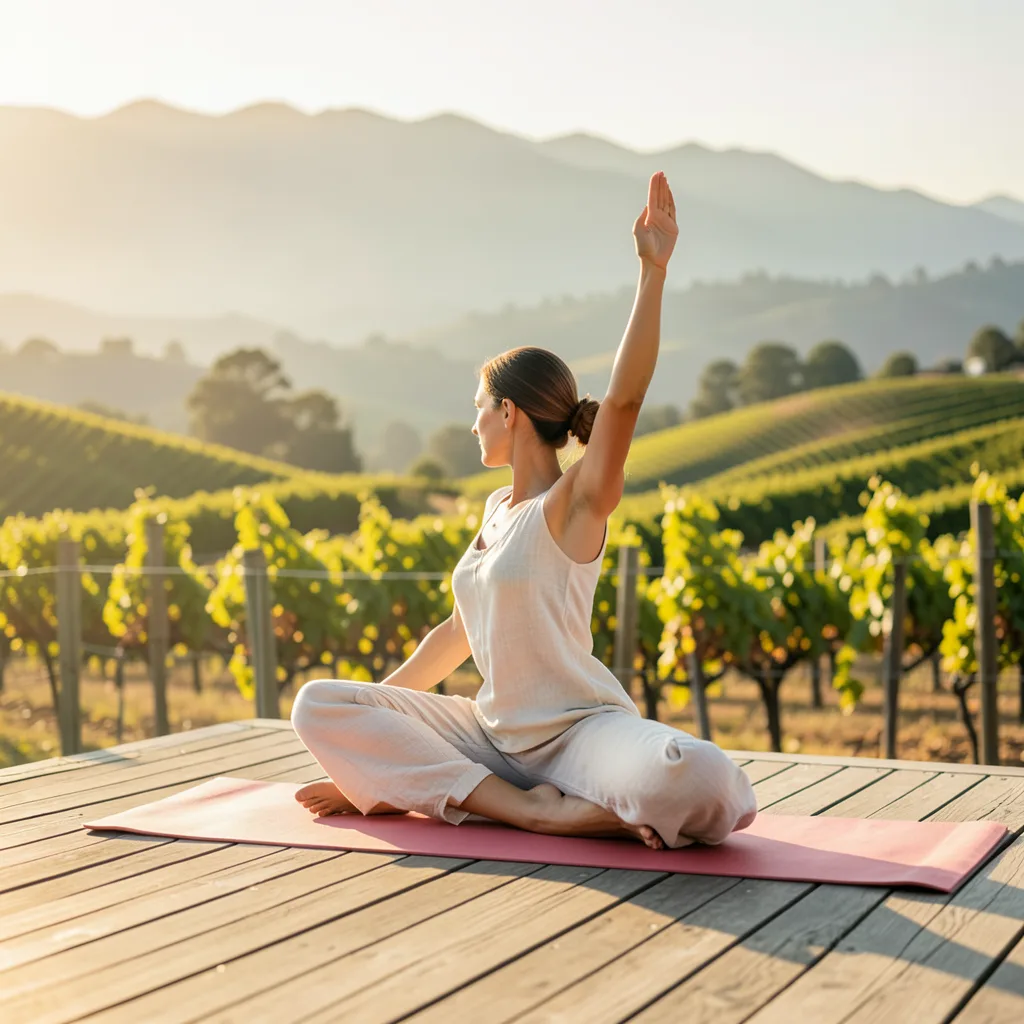
Napa and Sonoma have a reputation for wine, and deservedly so. But the same landscape that supports vineyards also supports a slower, more restorative kind of travel: morning hikes through oak woodlands, long soaks in mineral water, farm stands piled with produce, and tasting rooms where the point is attention rather than volume. A wellness trip here works best when you stop treating the region as a checklist and start treating it as a place to recalibrate.
Key takeaways
- Structure your days with one anchor activity and a dedicated afternoon block for rest to avoid travel fatigue.
- Choose a base like Calistoga for mineral springs or Sonoma for a relaxed pace to minimize time spent in the car.
- Prioritize hydration and consistent meal timing to maintain energy, especially when participating in wine tastings.
- Opt for three to five nights to allow for a mix of outdoor movement, spa treatments, and slow-paced exploration.
- Establish a digital sunset in the evenings to disconnect and enhance the restorative quality of your getaway.
This guide is for travelers who want both pleasure and balance. You do not need to swear off wine, book a spa every day, or follow a strict routine. You need a realistic plan that leaves room for movement, rest, good food, quiet, and a few memorable experiences. The suggestions below focus on how to structure a trip, what to prioritize, and how to avoid the common trap of coming home more tired than when you left.
Why Napa and Sonoma Are Built for Wellness
Wellness travel is not only about retreats and treatments. It is also about environment: weather that invites you outside, towns small enough to walk, and a food culture tied to what is growing nearby. Napa and Sonoma deliver all three. The valleys are compact enough for short drives, yet varied enough that you can hike in the morning, sit in a mineral pool in the afternoon, and eat a farm-to-table dinner without spending the whole day in the car.
The region also has a long spa and soak culture, especially around Calistoga, where mineral springs and mud baths have drawn visitors for generations. That history matters because it gives you options beyond the standard hotel gym and massage. You can build a trip around water, bodywork, quiet gardens, and long meals, then add wine tasting as one part of the experience rather than the entire point.
The key is to choose a theme. A restorative trip might emphasize sleep, walking, and spa time. A active trip might emphasize cycling, hiking, and swimming. A social trip might emphasize shared meals and tasting rooms with friends. Knowing your theme helps you say no to experiences that look impressive but leave no room to rest.
When to Go, How Long to Stay, and How to Choose Your Base
Spring and fall are the most comfortable seasons for walking, cycling, and outdoor meals. Summer brings warm days and busy weekends, while winter is quieter and often better for spa-focused trips. Harvest season is exciting but can be crowded and expensive, so book early if you want that energy. If your goal is rest, consider weekdays and shoulder seasons rather than peak Saturday afternoons.
Three to five nights is a practical length for a wellness-focused visit. A two-night trip can work if you stay in one area and resist the urge to cross the region repeatedly. A week allows you to combine Napa Valley, Sonoma Valley, and the Sonoma Coast without rushing. More time is not automatically better; an overpacked week can feel less restorative than a well-paced long weekend.
Choose your base by the kind of days you want:
- Napa or Yountville: convenient for first-time visitors, walkable dining, and easy access to central Napa Valley.
- St. Helena or Calistoga: good for slower mornings, spa time, and northern valley exploring. Calistoga is especially useful if mineral springs are a priority.
- Sonoma: a relaxed base around Sonoma Plaza, with walkable food and wine options and access to both valley and coast.
- Healdsburg or Glen Ellen: strong for food lovers, cyclists, and travelers who want a mix of town time and outdoor access.
Pick one base for short trips and two for longer ones. Changing hotels every night wastes time and energy. A simple rule is to stay put for at least two nights, then move only if the next area offers something you cannot do from your current base.
The Balanced Daily Rhythm That Makes a Trip Feel Restorative
Most people over-schedule wine country. They book a tasting at 10 a.m., lunch at noon, another tasting at 2 p.m., a spa at 4 p.m., and dinner at 7 p.m. That can be fun, but it is not restful. A better rhythm gives each day one anchor experience and one open block.
Try this structure:
- Morning: movement first. Walk, hike, cycle, or do a short yoga session before the day fills up.
- Midday: one scheduled experience, such as a tasting, spa treatment, or garden visit.
- Afternoon: a real pause. Return to your room, read, swim, or sit outside without a plan.
- Evening: a relaxed dinner and an early night if you need one.
Hydration and food timing matter more than people expect. If you are tasting wine, eat something substantial beforehand and keep water nearby. If you are hiking, start earlier than you think you need to and carry more water than you think you need. Build in a quiet hour after lunch, especially on warm days. The goal is not to be rigid; it is to avoid the familiar vacation pattern of running from one reservation to the next.
Another useful habit is a digital sunset. Choose a time in the evening when you put your phone away. Use that time for a walk, a bath, or a conversation. Small boundaries like this make a short trip feel longer and calmer.
Outdoor Movement: Hiking, Cycling, and Water Time
Napa and Sonoma reward travelers who get outside. You do not need to be an athlete to benefit. A flat walk through a town, a gentle trail under oak trees, or a swim in a pool can be enough. Match the activity to your energy and the weather, and do not treat every day as a training session.
For walking and hiking, look for state parks, regional preserves, and valley trails. Bothe-Napa Valley State Park offers shaded woodland paths and a range of easier walks. Jack London State Historic Park in Sonoma Valley combines history with walking routes. Armstrong Redwoods State Natural Reserve near Guerneville is a good choice if you want a cooler forest day and are willing to drive a bit farther. Trails vary in difficulty, so check current conditions and choose routes that fit your group.
Cycling is popular on the valley floors, but roads can be narrow and busy. If you are not an experienced road cyclist, consider a guided ride, a paved trail, or a shorter route with less traffic. The Napa Valley Vine Trail is a useful option for car-free walking and biking in sections. Always wear a helmet, use lights, and avoid tasting and cycling on the same day unless you have a designated driver or shuttle.
Water time can be simple: a hotel pool, a mineral pool, or a coastal stop. If you head to the Sonoma Coast, check tides and weather before planning a beach walk. Coastal fog and wind can change the feel of a day quickly. Bring layers, and treat the coast as a scenic add-on rather than a guaranteed sunny beach day.
Spa, Soak, and Bodywork Culture
Spa time is one of the region’s signature pleasures, but it is easy to spend a lot of money without getting much rest. Choose treatments that match your goal. If you want to slow down, a long soak, a quiet pool, or a simple massage may serve you better than a packed menu of services. If you want privacy, ask about day passes and quiet hours. If you want a social experience, look for larger mineral pools and communal spaces.
Calistoga is the best-known area for mineral springs and mud baths, and many visitors build a half-day around a soak. Arrive early, leave extra time after your treatment, and do not schedule a big dinner immediately afterward. Tell your provider about any health concerns, recent injuries, pregnancy, or medications before booking. Spa staff can advise on which services are appropriate, and it is always fine to ask questions.
Bodywork and massage can be a good way to reset after travel or hiking. Book earlier in the trip if you want to feel more comfortable during long walks, or later if you want a final decompression. Avoid treating spa time as a status symbol. The most restorative choice is often the simplest one: a quiet room, warm water, and no rush to be anywhere else.
Mindful Wine Tasting and Alcohol-Free Alternatives
Wine tasting does not have to be a marathon. The most enjoyable tastings are usually the ones where you sit down, pay attention, and leave before you are tired. Choose a small number of appointments, ideally two or three in a day, and leave space between them. Spit if you want to taste without drinking much. Share pours. Eat food. Drink water. Decide before you go how you want to feel at the end of the day, and let that guide your choices.
Many tasting rooms now offer non-alcoholic options, from sparkling water and tea to alcohol-free aperitifs. If you are not drinking, call ahead and ask what is available. Some properties have beautiful grounds and views that are worth visiting even without wine. You can also build a day around olive oil tasting, farm stands, gardens, or a picnic rather than a series of tasting rooms.
Mindful tasting is also about attention. Notice the aromas, the texture, and the setting. Put your phone away. Ask questions about farming and production. Stop when you are no longer enjoying yourself. The point is not to impress anyone with how many wineries you visited. The point is to have a pleasant afternoon that does not leave you depleted.
Eating Well, Slowing Down, and Finding Quiet
Napa and Sonoma have a strong food culture, but wellness eating here does not mean chasing the latest diet. It means eating regularly, choosing food that makes you feel good, and enjoying meals without overthinking them. Farmers markets, farm stands, bakeries, and casual cafes can be just as memorable as a formal dinner. Build a picnic, buy fruit for the car, and keep simple snacks on hand so you are not making decisions when you are hungry.
Reservations matter, especially on weekends. Book one or two special meals and leave the rest flexible. If you have dietary needs, mention them when you book and again when you arrive. Many kitchens can accommodate allergies and preferences, but advance notice helps. At tasting rooms, ask about food pairings or nearby places to eat. A little planning prevents the familiar cycle of skipping lunch and then overeating at dinner.
Quiet can be harder to find than food. Look for gardens, bookstores, galleries, and short walking paths. Sit outside in the morning before the day starts. Keep one afternoon completely unscheduled. If you are traveling with others, agree on a quiet hour and honor it. Rest is not a failure of planning; it is part of the plan.
A Practical Three-Day Wellness Itinerary and Booking Tips
This sample itinerary assumes you have a car and want a mix of movement, spa time, and food. Adjust it to your energy and the season.
Day 1: Arrive and settle. Choose a base in Napa, Yountville, or Calistoga. Take a short walk to get oriented, then book an early dinner. Do not add a tasting on arrival day if you have traveled far. Instead, swim, unpack, and go to bed early.
Day 2: Move, soak, and taste. Start with a morning walk or easy hike. Have a real lunch. In the afternoon, book one spa treatment or mineral soak, or choose one relaxed tasting. Leave the evening open for a casual meal and an early night.
Day 3: Choose your second landscape. If you started in Napa, drive to Sonoma for a plaza walk, a garden visit, or a redwood hike. If you started in Sonoma, head to Calistoga for a soak or to the coast for a brisk walk. Keep the drive under an hour if possible, and do not book a late tasting before a long drive home.
Booking tips:
- Reserve spa treatments and special dinners first, then build the rest of the trip around them.
- Use a shuttle or designated driver for any day that includes wine tasting.
- Check cancellation policies before booking, especially for spa and tasting appointments.
- Budget for parking, tasting fees, and gratuities, which add up quickly.
- Leave one unscheduled block each day. It is the difference between a good trip and a restorative one.
Finally, plan your return. Do not schedule a late dinner the night before an early flight. Give yourself a buffer, pack the night before, and keep the last morning simple. A calm ending helps the trip feel complete.
Frequently Asked Questions
Do I need a car for a wellness trip to Napa and Sonoma? A car is the most practical option if you want to combine towns, trails, spas, and the coast. Ride shares can work within a town, but they are less reliable for remote trailheads and late-night returns. If you prefer not to drive, choose a walkable base, book a shuttle for tasting days, and limit yourself to one area. Do not assume you can rely on public transit for a multi-stop itinerary.
Is Napa or Sonoma better for wellness? Neither is universally better. Napa Valley has a denser concentration of spas, restaurants, and tasting rooms, and Calistoga is a natural base for mineral springs. Sonoma Valley tends to feel more relaxed and is close to both redwoods and the coast. Choose Napa for convenience and polish, Sonoma for a slower pace and more varied landscapes, or split your stay if you have four or more nights.
Can I enjoy wine country without drinking alcohol? Yes. Many tasting rooms offer non-alcoholic options, and the region has plenty to do beyond wine: hiking, cycling, spa time, gardens, galleries, farm stands, and coastal walks. Call ahead to ask what is available, and build your days around activities that do not revolve around alcohol. You can still enjoy the scenery, food, and hospitality without drinking.
What should I pack for a wellness-focused trip? Bring comfortable walking shoes, layers for cool mornings and warm afternoons, a refillable water bottle, sun protection, and a swimsuit for pools and spas. If you plan to hike, add a small daypack and a map or offline trail app. For spa visits, check whether robes and sandals are provided. Keep clothing simple and plan for casual meals rather than a different outfit for every reservation.
Are spa and hot spring visits suitable for everyone? Not always. Pregnant travelers, people with certain health conditions, and anyone recovering from illness or injury should check with a healthcare provider and the spa before booking. Staff can explain water temperatures, treatment options, and contraindications. It is always acceptable to ask for a modified service or to skip a treatment. The goal is comfort, not completing a checklist.
Related posts:
 Wine Down After a Long Work-From-Home Day with This Interactive Happy Hour
 Williams Sonoma Warehouse Deals
 Cold Brew Wine Innovation
 A Guide to Clean Wine at Thrive Market
 Why I’m Sweet on Tasting Room
 In Napa Valley, vinyasas in a vineyard (and Pilates, then pinots)
 Science Says Wine Actually Improves Your Gut Health
 Wine-Infused Coffee Is the Latest Beverage Trend You’ll Love