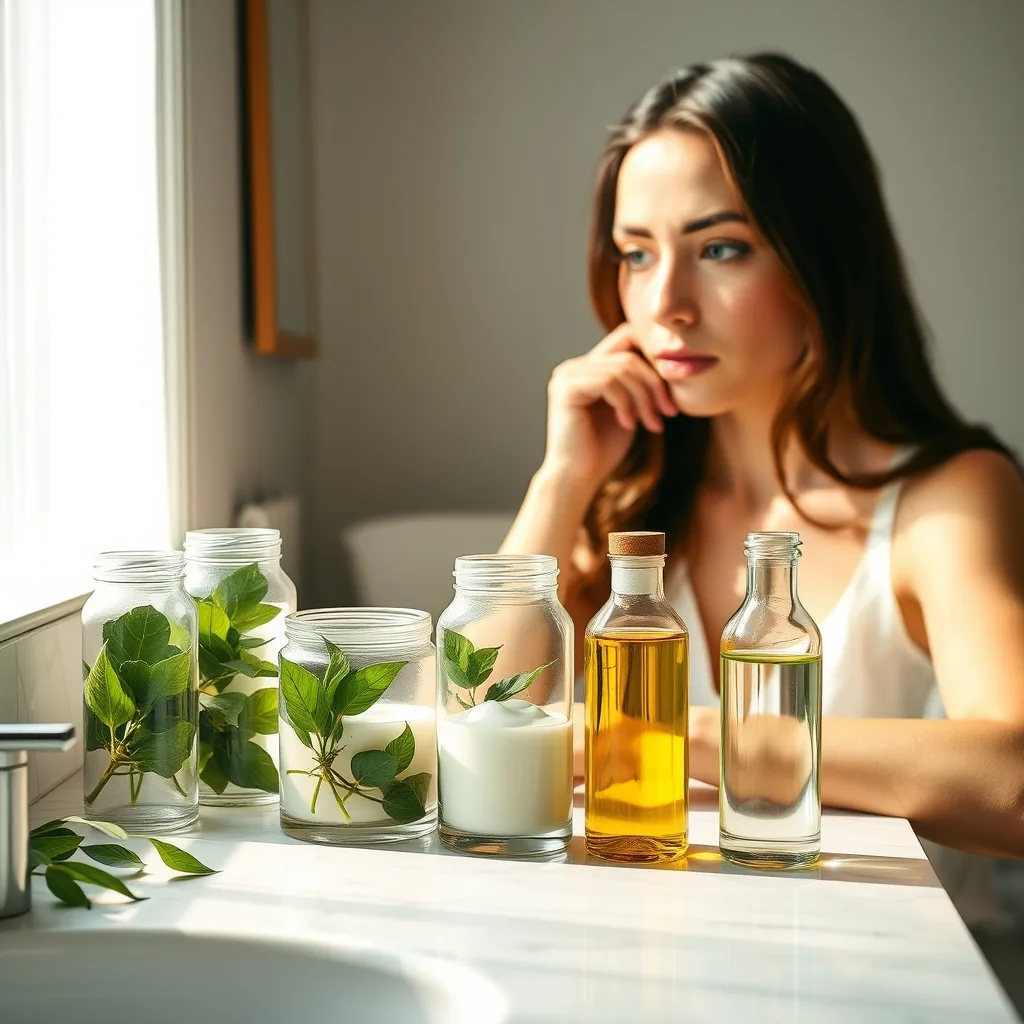
The modern beauty aisle is a landscape of promises. Walking through the cosmetics department today is vastly different from twenty years ago; where we once looked for “oil-free” or “anti-aging,” we are now met with a dizzying array of stamps, seals, and buzzwords. Terms like “natural,” “clean,” “vegan,” and “cruelty-free” are splashed across bottles of serum and tubes of lipstick, often used interchangeably by marketing departments. However, for the conscious consumer, these terms represent very different standards, ethics, and ingredient profiles.
Key takeaways
- Natural refers to ingredient sources, while clean focuses on the exclusion of potentially harmful synthetic chemicals like parabens.
- Vegan products contain no animal-derived ingredients, whereas cruelty-free signifies that no animal testing occurred during development.
- Look for third-party certifications like Leaping Bunny for cruelty-free products and Ecocert for natural and organic standards.
- Fragrance-free products contain no scent chemicals, while unscented items may use masking fragrances to hide raw ingredient smells.
- Biotechnology now creates sustainable, lab-grown versions of natural ingredients, such as squalane derived from fermented sugarcane.
Understanding the nuances between these labels is not just about being a savvy shopper; it is about aligning your purchasing power with your personal values, whether those values are rooted in environmental sustainability, animal welfare, or personal health. This guide will dismantle the complexities of the beauty label maze, providing you with the clarity needed to navigate the industry with confidence and purpose.
The Rise of Conscious Beauty: Why Labels Matter
The shift toward conscious beauty is not a passing trend; it is a fundamental change in consumer behavior. For decades, the cosmetics industry operated with minimal transparency. Ingredients were complex, and the processes behind product development were largely hidden from the public eye. As information became more accessible via the internet, consumers began to question the safety of synthetic chemicals and the ethics of animal testing.
This demand for transparency gave birth to various movements within the industry. Each label—natural, clean, vegan, and cruelty-free—emerged to address a specific concern. However, because the beauty industry is relatively under-regulated in many parts of the world, particularly in the United States, these terms are often used loosely. Unlike the “Organic” seal on food, which is strictly governed by the USDA, most beauty labels do not have a universal legal definition. This lack of regulation makes it essential for consumers to understand what a brand implies when they use these terms and to look for third-party certifications that provide a layer of accountability.
Natural Beauty: From the Earth, But Not Always Regulated
The term “natural” is perhaps the most confusing and misused label in the entire beauty industry. In its simplest form, a natural beauty product is one that contains ingredients sourced from nature—plants, minerals, and sometimes animal byproducts like honey or beeswax. These ingredients are typically processed in a way that retains their natural integrity.
However, the primary challenge with the “natural” label is that it is not legally defined by the FDA. A brand can call a product natural even if it contains only 1% plant-based extracts and 99% synthetic chemicals. This practice is often referred to as “greenwashing.” To find truly natural products, consumers should look for the ISO 16128 standard, which provides guidelines on definitions for natural and organic cosmetic ingredients, or look for certifications like Ecocert or COSMOS.
It is also important to remember that “natural” does not inherently mean “safe” or “better.” Poison ivy is natural, but you wouldn’t put it on your face. Some natural essential oils can be highly irritating to sensitive skin, while some synthetic ingredients are designed to be hypoallergenic and stable. When shopping for natural beauty, the goal should be to find products that prioritize high-quality, minimally processed botanical ingredients while maintaining a safe and effective formulation.
Clean Beauty: The Focus on Safety and Synthetic Transparency
Clean beauty is a movement focused primarily on human health and safety. While “natural” focuses on the source of the ingredient, “clean” focuses on the exclusion of ingredients perceived as harmful or irritating. A clean beauty product can contain both natural and synthetic ingredients, provided the synthetics are proven to be safe and non-toxic.
The clean beauty movement gained momentum as concerns grew over endocrine disruptors, carcinogens, and environmental toxins. Most clean beauty brands operate with a “No-Go List” or a “Dirty List.” Common ingredients excluded from clean beauty include parabens (preservatives linked to hormone disruption), phthalates (often hidden in “fragrance”), sulfates (harsh cleansing agents), and formaldehyde-releasing agents.
Because there is no official regulatory definition for “clean,” many retailers have created their own standards. For example, the “Clean at Sephora” seal requires brands to formulate without a specific list of ingredients. When choosing clean beauty, you are essentially choosing products that prioritize transparency and safety, opting for ingredients that are deemed low-risk by organizations like the Environmental Working Group (EWG). It is a middle-ground approach that embraces the best of science and nature without compromising on long-term health.
Vegan Beauty: Plant-Based Without Animal Byproducts
A product labeled as “vegan” contains no animal-derived ingredients or byproducts. This is a strictly ingredient-based definition. In the traditional beauty industry, animal-derived ingredients are surprisingly common. You might find carmine (a red pigment made from crushed beetles) in your lipstick, beeswax in your mascara, lanolin (oil from sheep’s wool) in your lip balm, or squalene (often sourced from shark liver) in your facial oil.
Vegan beauty seeks to replace these with plant-based or synthetic alternatives. For instance, carmine can be replaced with beet juice or synthetic dyes, and beeswax can be swapped for Candelilla or Carnauba wax. Choosing vegan beauty is often a choice driven by ethics and a desire to reduce one’s environmental footprint, as animal agriculture is a significant contributor to carbon emissions.
However, a critical distinction must be made: “vegan” does not mean “natural” or “clean.” A vegan lipstick could be made entirely of synthetic dyes and petroleum-based waxes. Similarly, a vegan product is not automatically “cruelty-free,” although the two often go hand-in-hand. To ensure a product is truly vegan, look for the “Certified Vegan” logo from Vegan Action or the V-Label used globally.
Cruelty-Free: Ensuring No Animal Testing Occurred
While “vegan” refers to the ingredients, “cruelty-free” refers to the testing process. A cruelty-free product is one that has not been tested on animals at any stage of its development. This includes the individual ingredients as well as the finished product.
The maze of cruelty-free labeling is particularly tricky because of international laws. For many years, China required animal testing on all imported cosmetics. This meant that a brand could claim to be cruelty-free in the US but, because they sold their products in mainland China, they were technically paying for animal testing. While these laws have significantly loosened recently, allowing for some exemptions, the distinction remains important.
To navigate this, consumers should look for the “Leaping Bunny” certification. This is considered the gold standard of cruelty-free labeling because it requires brands to implement a supplier monitoring system and undergo independent audits. PETA’s “Beauty Without Bunnies” is another common logo, though its requirements are slightly less stringent than the Leaping Bunny. It is important to note that a product can be cruelty-free but still contain animal ingredients (like honey), making it non-vegan. If you want to avoid both animal testing and animal ingredients, you must look for products that carry both labels.
The Overlap: Can a Product Be All Four?
The ideal for many conscious consumers is a product that is natural, clean, vegan, and cruelty-free. While it is becoming easier to find brands that check all these boxes, it requires careful reading of labels and an understanding of the brand’s philosophy.
A product that is all four would look like this: It uses plant-based ingredients (natural), avoids toxic synthetics (clean), contains no animal byproducts (vegan), and was never tested on animals (cruelty-free). Brands like Herbivore Botanicals, Biossance, and Tower 28 often hit many of these marks.
However, there are often trade-offs. For example, a truly “natural” brand might use beeswax for its incredible skin-protective properties, which means they cannot be labeled vegan. A “clean” brand might use a synthetic preservative to ensure the product doesn’t grow mold, which means they aren’t 100% “natural” by the strictest definitions. Understanding these overlaps helps you decide which “pillar” of conscious beauty is your highest priority. If your main concern is animal rights, you will prioritize vegan and cruelty-free. If your main concern is skin sensitivity and health, you will prioritize clean and natural.
Spotting the “Greenwashing” Red Flags
As the demand for ethical beauty grows, so does the prevalence of greenwashing—the practice of making misleading claims about the environmental or ethical benefits of a product. To avoid being misled, you must look beyond the beautiful packaging and the earthy color palettes.
One common red flag is the use of vague, unregulated terms like “eco-friendly,” “earth-derived,” or “pure.” These words have no legal weight and are often used to create a mood rather than a standard. Another red flag is a brand that highlights one “natural” ingredient on the front of the bottle while the back of the bottle is filled with harsh sulfates and synthetic fragrances.
Check the ingredient list (the INCI list). Ingredients are listed in order of concentration. If the “natural” botanical extract the brand is bragging about is the very last ingredient on the list, it is likely present in such a small amount that it provides little to no benefit. Furthermore, be wary of brands that claim to be “chemical-free.” Everything, including water and air, is a chemical. This claim is scientifically impossible and usually indicates a brand is relying on fear-based marketing rather than facts.
How to Build an Ethical Beauty Routine
Transitioning to a conscious beauty routine doesn’t have to happen overnight. In fact, the most sustainable way to change your routine is to replace products as you finish them. Here is a step-by-step guide to decoding your current stash and making better choices moving forward:
- Audit Your Current Products: Take a look at the products you use every day. Look for the logos we’ve discussed (Leaping Bunny, Vegan, etc.). Use an app like “Think Dirty” or the “EWG Skin Deep” database to scan your products and see how their ingredients rank for safety.
- Identify Your Non-Negotiables: Decide which labels matter most to you. Are you passionate about ending animal testing? Focus on Cruelty-Free. Do you have reactive skin? Focus on Clean. Are you living a plant-based lifestyle? Focus on Vegan.
- Learn to Read the INCI List: You don’t need a chemistry degree, but knowing the names of a few “red flag” ingredients can help. Look for parabens (ending in -paraben), sulfates (SLS/SLES), and synthetic fragrance (often listed simply as “Parfum” or “Fragrance”).
- Research the Parent Company: Sometimes a small, cruelty-free brand is owned by a large conglomerate that still tests on animals. For some consumers, this is a dealbreaker; for others, supporting the cruelty-free subsidiary is a way to show the parent company that there is a market for ethical products.
- Support Transparent Brands: Look for brands that go beyond the labels. Do they list the source of their ingredients? Do they use sustainable packaging? Do they have a clear mission statement? Transparency is the ultimate sign of an ethical brand.
By taking these steps, you move from being a passive consumer to an active participant in the beauty industry. Your choices send a clear message to manufacturers about what you value, ultimately driving the industry toward a more ethical, safe, and transparent future.
Biotechnology and the Rise of “Lab-Grown” Naturals
As the beauty industry evolves, the binary choice between “natural” and “synthetic” is being disrupted by biotechnology. This field, often referred to as “white biotechnology,” uses living cells—like yeast, bacteria, or algae—to ferment and produce high-performance cosmetic ingredients. This innovation addresses a major paradox in the natural beauty world: the environmental strain caused by harvesting rare plants. For example, to produce a single kilogram of high-quality rose oil, thousands of kilograms of rose petals are required, necessitating vast amounts of land and water. Biotechnology allows labs to produce the exact same molecular structure of rose oil through fermentation, creating a “natural-identical” ingredient without the agricultural footprint.
A prime example of this is Squalane. Traditionally, squalene was sourced from shark livers (non-vegan) or olives (natural but often inconsistent in purity and supply). Today, many clean beauty brands use a version of squalane derived from fermented sugarcane. This lab-grown version is chemically identical to the natural substance found in our skin’s sebum, yet it is more stable, highly sustainable, and 100% vegan. For the consumer, this represents a new category: “Biotech Beauty.” It bridges the gap between the “natural” desire for biocompatible ingredients and the “clean” demand for safety, stability, and environmental ethics. When you see ingredients like “sh-Polypeptide-121” (a vegan collagen) or “Biosaccharide Gum-1,” you are seeing the future of labels where science enhances nature’s blueprints.
The Fragrance Loophole: Why “Unscented” and “Fragrance-Free” Differ
One of the most significant challenges in the “clean” beauty movement is the lack of transparency regarding fragrance. Under current regulations in many regions, including the United States, companies are allowed to list “Fragrance” or “Parfum” as a single entry on an ingredient label. This is protected as a trade secret, meaning a brand does not have to disclose the dozens, or sometimes hundreds, of individual chemicals that make up that scent. For consumers with sensitive skin or those concerned about endocrine disruptors like phthalates, this is a major blind spot. Phthalates are often used as fixatives to make a scent last longer on the skin, but they are frequently omitted from labels because they fall under the umbrella of the fragrance formula.
Furthermore, there is a critical distinction between “unscented” and “fragrance-free.” A product labeled “fragrance-free” generally means that no fragrance chemicals or masking scents have been added. In contrast, “unscented” products may actually contain fragrance chemicals. These chemicals are used to mask the unpleasant, medicinal smell of the raw active ingredients, creating a product that has no detectable scent to the nose but still contains the potential irritants found in traditional perfumes. For a truly clean routine, consumers should look for brands that adhere to the International Fragrance Association (IFRA) standards or those that voluntarily list every component of their scent profile. Essential oils are a popular natural alternative, but they are not a universal solution; concentrated oils like bergamot, limonene, and linalool are known allergens that must be disclosed in the EU if they exceed a certain concentration, providing a higher level of transparency than is currently required in the US.
The Preservative Paradox: Safety, Stability, and “Preservative-Free” Risks
In the quest for clean and natural labels, preservatives have become the primary villain, specifically parabens. While the move away from parabens has driven innovation, it has also created a “preservative paradox.” Any beauty product that contains water (aqua)—which includes most lotions, creams, and serums—is a breeding ground for bacteria, mold, and yeast. A product that claims to be “preservative-free” while containing water is often more dangerous than one containing synthetic preservatives, as microbial contamination can lead to serious skin and eye infections. The challenge for clean beauty is finding a balance between safety and efficacy.
Many brands have pivoted to “Hurdle Technology,” a formulation strategy that uses a combination of ingredients to create an environment where microbes cannot survive. This might include adjusting the pH level to be more acidic, using airless packaging to prevent oxidation, and incorporating multifunctional ingredients like glycols or organic acids (such as Sodium Benzoate or Potassium Sorbate) that provide preservation benefits without being classified as traditional pesticides. Another edge case is the use of Phenoxyethanol. While it is a synthetic ingredient and often criticized by the strictest “all-natural” advocates, it is widely accepted in the clean beauty community as a safer alternative to formaldehyde-releasers. It is typically used at a concentration of less than 1% and is highly effective at preventing the growth of harmful pathogens. Understanding that “clean” does not mean “unpreserved” is essential for maintaining both skin health and product longevity.
Sustainable Veganism: Navigating the Synthetic vs. Plant-Based Dilemma
The label “vegan” is often conflated with “eco-friendly,” but the relationship is more complex than it appears. While avoiding animal-derived ingredients like lanolin or beeswax is a win for animal welfare, the replacements are sometimes derived from non-renewable resources. For example, many vegan lip balms swap beeswax for petroleum-based paraffin or microcrystalline wax. While these are vegan and cruelty-free, they are byproducts of the oil industry and do not biodegrade. For the environmentally conscious consumer, the goal is to find “sustainable veganism,” which utilizes plant-based waxes like Candelilla (from a shrub) or Carnauba (from palm trees).
However, even plant-based alternatives have their own edge cases. The demand for palm-derived ingredients (often used as emulsifiers in vegan products) has been a leading cause of deforestation in Southeast Asia, threatening the habitats of endangered species like orangutans. To navigate this, savvy shoppers look for the RSPO (Roundtable on Sustainable Palm Oil) certification. Similarly, the shift from animal-hair makeup brushes to synthetic bristles was a major victory for the cruelty-free movement, but those synthetic bristles are essentially plastic (nylon or taklon). The next evolution in this space is the development of biodegradable synthetic fibers and the use of recycled ocean plastics for brush handles. This demonstrates that being a conscious consumer requires looking beyond the immediate “vegan” label to the long-term environmental impact of the substitute materials.
Ethical Sourcing: The Human Element in the Beauty Supply Chain
While “cruelty-free” traditionally refers to animal testing, a growing segment of the beauty industry is expanding the definition of “clean” to include human ethics. A product can be natural, vegan, and cruelty-free while still relying on supply chains that involve unfair labor practices or child labor. The most prominent example of this is mica, the mineral responsible for the shimmer in everything from highlighters to toothpastes. A significant portion of the world’s mica is mined in regions where child labor is prevalent and working conditions are hazardous.
Clean beauty brands that prioritize ethical sourcing will often join the Responsible Mica Initiative (RMI) or use synthetic fluorphlogopite (often called “synthetic mica”). Synthetic mica is created in a lab; it is often brighter and more uniform than natural mica, and it guarantees a supply chain free of human rights abuses. Another area of concern is the sourcing of Shea butter and Argan oil. Ethical brands often seek out Fair Trade certifications, ensuring that the women’s cooperatives in West Africa and Morocco that produce these ingredients are paid a living wage and work in safe conditions. By expanding our focus from “what is in the bottle” to “how the ingredients got there,” we align our beauty routines with a broader definition of global ethics that protects both people and the planet.
Understanding Certifications: A Deep Dive into COSMOS and USDA Organic
As noted in the existing article, the lack of regulation around the word “natural” makes third-party certifications the gold standard for verification. However, not all certifications are created equal. The USDA Organic seal is one of the most rigorous. For a cosmetic product to carry the USDA Organic seal, at least 95% of its ingredients must be organically produced and meet strict federal standards for food. This is difficult for many beauty products to achieve, especially those that require complex emulsifiers or preservatives that aren’t available in organic food-grade forms. This is why you often see the “Made with Organic Ingredients” claim, which requires only 70% organic content.
In Europe and increasingly in the global market, the COSMOS (COSMetic Organic and Natural Standard) is the benchmark. COSMOS has two levels: COSMOS Natural and COSMOS Organic. Unlike the USDA, COSMOS takes into account the entire life cycle of the product, including how the ingredients are processed, the biodegradability of the formula, and the sustainability of the packaging. For instance, COSMOS prohibits certain chemical processes like ethoxylation, which can leave traces of 1,4-dioxane, a known carcinogen. When a consumer sees the Ecocert or COSMOS logo, they aren’t just getting a guarantee of natural ingredients; they are getting a guarantee of green chemistry. Understanding these nuances helps consumers realize that a brand’s refusal to use a specific seal might not be due to a lack of quality, but rather the high cost and administrative burden of certification for smaller, independent brands.
Microbiome-Friendly Labeling: The New Frontier of Clean Beauty
The latest evolution in the “clean beauty” narrative is a focus on the skin’s microbiome—the ecosystem of trillions of bacteria, fungi, and viruses that live on the skin’s surface. Emerging research suggests that many traditional beauty standards, such as “squeaky clean” skin, have actually been detrimental to our health by stripping away the beneficial bacteria that protect us from inflammation and pathogens. This has led to the rise of “microbiome-friendly” labeling. These products are formulated to maintain a skin-neutral pH (usually around 4.5 to 5.5) and avoid harsh surfactants like Sodium Lauryl Sulfate (SLS) that can disrupt the delicate acid mantle.
Microbiome-focused brands often incorporate prebiotics (food for good bacteria), probiotics (live beneficial bacteria), or postbiotics (byproducts of bacterial fermentation). However, because “probiotic” is a buzzword, many products on the market contain non-living bacterial lysates rather than live cultures, as keeping bacteria alive in a shelf-stable cream is technologically difficult. A truly microbiome-friendly product will often carry a certification from organizations like MyMicrobiome, which tests products to ensure they do not inhibit the growth of key beneficial microbes like *Staphylococcus epidermidis*. This movement represents a shift from “anti-bacterial” beauty to “pro-bacterial” beauty, emphasizing that the cleanest skin isn’t necessarily the most sterile skin, but the most balanced one.
Frequently Asked Questions
Is “natural” always better than “synthetic”?
Not necessarily. While natural ingredients offer wonderful botanical benefits, synthetic ingredients are often more stable, have a longer shelf life, and can be engineered to be less irritating for sensitive skin. Some of the most effective skincare ingredients, like Retinol and Hyaluronic Acid, can be produced synthetically to ensure purity and potency. The goal of clean beauty is to use safe synthetics alongside high-quality naturals.
Does “vegan” mean a product is also “cruelty-free”?
No. This is a common misconception. A “vegan” product contains no animal ingredients, but it could still have been tested on animals. Conversely, a “cruelty-free” product was not tested on animals but could contain ingredients like honey, milk, or lanolin. Always look for both certifications if you want a product that is both vegan and cruelty-free.
How can I verify if a brand is truly cruelty-free?
The most reliable way to verify a brand’s cruelty-free status is to check the official databases of certifying organizations. The Leaping Bunny (Cruelty Free International) and PETA both maintain searchable databases on their websites. Additionally, independent bloggers like “Cruelty-Free Kitty” or “Logical Harmony” do extensive research into brand parent companies and international selling practices to provide updated lists.
Are “clean” beauty products safer for sensitive skin?
While clean beauty products avoid many common irritants like harsh sulfates and certain preservatives, they are not a guarantee against skin reactions. Many clean products rely heavily on essential oils or plant extracts which can be highly allergenic for some individuals. If you have sensitive skin, always patch-test a new product and look for labels like “fragrance-free” or “hypoallergenic” in addition to “clean.”
What are the most common animal-derived ingredients to look for?
If you are trying to shop vegan, keep an eye out for these common ingredients: Carmine (red pigment from insects), Beeswax (Cera Alba), Lanolin (wool grease), Squalene (if it doesn’t specify “olive-derived” or “plant-derived,” it may be from sharks), Collagen (usually from bovine or fish), and Guanine (fish scales used for shimmer). Many brands now use plant-based alternatives for all of these.
Related posts:
 Step Into Compassion: The Best Vegan Shoe Brands Making Waves
 Vegan vs Plant-Based: Which is Healthier?
 Garnier’s Clean Beauty Line
 Drew Barrymore’s Cruelty-Free Beauty Line Hits Major Stores
 A Beginner’s Guide to Reading Beauty Product Labels Like a Pro
 Cruelty-Free Beauty Products That Actually Work
 Brandless Clean Beauty Products Guide
 America’s Most Vegan-Friendly City