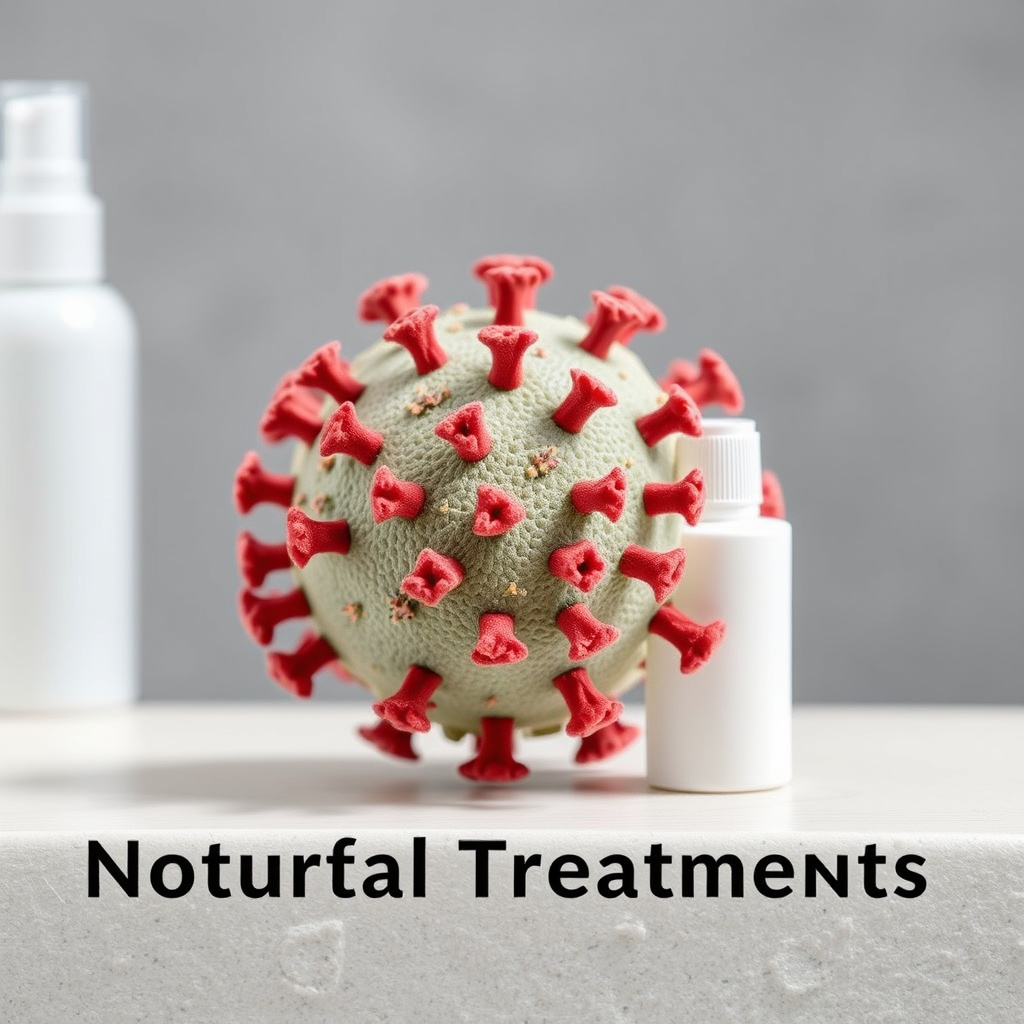
The COVID-19 pandemic has prompted many people to look for ways to support their bodies while they recover or while they aim to reduce the risk of severe illness. It is important to emphasize that no natural approach can replace proven medical treatments, vaccines, or the advice of a qualified healthcare professional. The following information focuses on general wellness practices that may help the body cope with infection, promote comfort, and support recovery when used alongside appropriate medical care. Always consult a doctor before starting any new supplement, herb, or lifestyle change, especially if you have underlying health conditions or are taking prescription medications.
Prioritize Rest and Sleep
One of the most fundamental ways to assist the immune system is to ensure adequate rest. When the body is fighting a virus, it redirects energy toward defense mechanisms, and sleep is a critical period for repair and regeneration. Aim for seven to nine hours of quality sleep each night, and consider short naps during the day if fatigue is pronounced. Create a sleep-friendly environment by keeping the room cool, dark, and quiet. Limit exposure to screens at least an hour before bedtime, as blue light can interfere with melatonin production. Gentle stretching or breathing exercises before bed may also promote relaxation and improve sleep onset.
Maintain Proper Hydration
Staying well-hydrated helps mucous membranes function effectively, supports circulation, and aids in the removal of metabolic waste. Fever, sweating, and increased respiratory rate can lead to fluid loss, so it is essential to replace fluids regularly. Water is the best choice, but herbal teas, clear broths, and electrolyte solutions can also contribute. Avoid excessive caffeine or alcohol, as these substances can have a dehydrating effect. A simple guideline is to drink enough fluids so that urine appears light yellow; dark urine may indicate dehydration and warrants increased intake.
Focus on Nutrient-Dense Foods
Nutrition provides the building blocks for immune cells and the energy needed for healing. Emphasize a variety of whole foods that deliver vitamins, minerals, antioxidants, and protein. Include plenty of colorful vegetables and fruits, which supply phytonutrients such as flavonoids and carotenoids. Incorporate lean protein sources like poultry, fish, legumes, and nuts to support tissue repair. Whole grains such as oats, quinoa, and brown rice provide sustained energy and B vitamins. Healthy fats from avocados, olive oil, and fatty fish contribute to cell membrane integrity and may help modulate inflammation. While specific nutrients like vitamin D, vitamin C, and zinc have been studied for their roles in immune function, they should be obtained primarily through food unless a healthcare provider advises supplementation based on individual needs.
Manage Stress Through Mindful Practices
Psychological stress can influence immune responsiveness, so incorporating stress-reduction techniques may be beneficial during illness. Mindful breathing, progressive muscle relaxation, or guided meditation can help calm the nervous system. Even brief periods of focused breathing—such as inhaling for four counts, holding for four, and exhaling for six—can reduce feelings of anxiety. Gentle movement practices like tai chi or qigong combine low‑impact activity with mindfulness and may be suitable if energy levels allow. Journaling or talking with a trusted friend can also provide emotional outlet and reduce the sense of isolation that sometimes accompanies illness.
Use Humidified Air to Ease Respiratory Discomfort
Dry indoor air can aggravate throat irritation and cough. Using a cool‑mist humidifier adds moisture to the air, which may help soothe nasal passages and reduce the viscosity of mucus. Ensure the device is cleaned regularly according to manufacturer instructions to prevent mold or bacterial growth. If a humidifier is not available, taking a warm shower and breathing in the steam can provide temporary relief. Elevating the head with an extra pillow while resting may also decrease post‑nasal drip and improve comfort.
Consider Gentle Movement When Tolerated
While intense exercise is not advisable during acute illness, light activity such as slow walking around the home or gentle stretching can promote circulation and prevent stiffness. Listen to your body; if you feel dizzy, short‑of‑breath, or excessively fatigued, stop and rest. The goal is to maintain some mobility without overexerting the system. As symptoms improve, gradually increase activity level in accordance with how you feel and any guidance from your healthcare provider.
Monitor Symptoms and Know When to Seek Care
Self‑care measures are most effective when paired with vigilant symptom tracking. Keep a simple log of temperature, oxygen saturation (if you have a pulse oximeter), cough severity, and overall energy level. If you experience difficulty breathing, persistent chest pain, confusion, bluish lips or face, or inability to stay awake, seek emergency medical attention immediately. Even if symptoms remain mild, it is wise to stay in touch with a healthcare professional, especially if you belong to a high‑risk group or have underlying conditions such as diabetes, heart disease, or immunosuppressed states.
Targeted Nutritional Supplements with Evidence
Several micronutrients and phytochemicals have been studied for their potential to modulate immune pathways during viral respiratory infections. Vitamin D deficiency is common in winter months and has been linked to higher severity scores; a typical repletion strategy uses 2,000 to 4,000 IU daily for adults after confirming low serum 25‑hydroxyvitamin D, with monitoring every 8 to 12 weeks. Vitamin C at 500 to 1,000 mg divided doses may shorten symptom duration when started early, though mega‑doses above 2,000 mg can cause gastrointestinal upset. Zinc lozenges delivering 15 to 30 mg elemental zinc every 2 to 3 hours for the first 24 to 48 hours have shown modest benefit in reducing viral replication, yet prolonged high intake risks copper deficiency and nausea. Quercetin, a flavonoid found in onions and apples, acts as a zinc ionophore and has demonstrated antiviral activity in vitro; a common supplemental dose is 500 mg twice daily with bromelain to enhance absorption. N‑acetylcysteine (NAC) at 600 mg twice daily supports glutathione synthesis and thins mucus, and early observational data suggest it may lower the need for mechanical ventilation. Low‑dose melatonin (1 to 3 mg at bedtime) provides antioxidant and anti‑inflammatory effects and may improve sleep quality, which indirectly supports immunity. Probiotic strains such as Lactobacillus rhamnosus GG and Bifidobacterium lactis have been associated with reduced respiratory infection incidence; a daily dose of 10 to 20 billion CFU is typical. Elderberry extract (standardized to 15% anthocyanins) at 300 mg three times daily has shown symptom reduction in influenza but lacks robust COVID‑19 data. Andrographis paniculata (andrographolide 60 mg three times daily) exhibits antiviral and immunomodulatory properties in small trials. Before initiating any supplement, verify baseline nutrient status, review medication interactions (e.g., zinc with quinolones, NAC with nitroglycerin), and obtain clinician approval, especially for patients with renal impairment, liver disease, or those on immunosuppressive therapy.
Breathing Techniques and Positional Strategies
Controlled breathing can improve ventilation‑perfusion matching, reduce dyspnea, and lower anxiety‑driven hyperventilation. Diaphragmatic breathing involves inhaling slowly through the nose for a count of four, allowing the abdomen to rise, then exhaling through pursed lips for a count of six; repeat for five to ten minutes three times daily. Box breathing adds a brief hold: inhale four, hold four, exhale four, hold four; this rhythm stabilizes autonomic tone. Prone positioning — lying on the stomach with a pillow under the chest — has been shown in hospitalized patients to increase arterial oxygenation by recruiting dorsal lung regions; at home, a 30‑minute prone session twice daily can be attempted if the individual can tolerate it without discomfort. Incentive spirometry, using a handheld device to achieve sustained maximal inspiration, encourages alveolar expansion and prevents atelectasis; aim for 10 to 15 breaths per session, three times daily. Pursed‑lip breathing (inhale nose two counts, exhale through pursed lips four counts) creates back‑pressure that keeps airways open longer, useful during exertion or coughing fits. Timing matters: perform techniques when rested, not immediately after meals, and stop if dizziness or worsening shortness of breath occurs. For patients with underlying COPD or interstitial lung disease, coordinate with a respiratory therapist to tailor depth and frequency. Document oxygen saturation before and after each session using a pulse oximeter; a rise of 2‑3% or subjective relief supports continuation.
Supporting Gut Health and Microbiome
The gut‑lung axis links intestinal microbial composition to respiratory immune responses. A diverse, fiber‑rich diet supplies fermentable substrates for short‑chain fatty acid production, which enhances regulatory T‑cell function and dampens systemic inflammation. Aim for 25 to 35 grams of total fiber daily from sources such as oats, legumes, berries, and cruciferous vegetables. Fermented foods — kefir, sauerkraut, kimchi, miso — deliver live microbes; incorporate a small serving (½ cup) daily, monitoring for bloating. Prebiotic fibers like inulin, fructooligosaccharides, and resistant starch (cooked‑and‑cooled potatoes, green banana flour) selectively feed beneficial taxa. Polyphenol‑rich foods (green tea, cocoa, pomegranate) exert antimicrobial effects against pathogenic strains while promoting Akkermansia muciniphila. Avoid unnecessary antibiotics; if prescribed, consider a concurrent probiotic (Saccharomyces boulardii 5 billion CFU twice daily) to reduce dysbiosis. Hydration and regular meal timing support mucosal integrity. For individuals with irritable bowel syndrome or small intestinal bacterial overgrowth, a low‑FODMAP approach may be needed initially, followed by gradual reintroduction of prebiotics under dietitian guidance. Stool consistency, frequency, and any new gastrointestinal symptoms should be logged; persistent diarrhea or blood warrants medical evaluation. Emerging research suggests that specific microbial signatures (e.g., higher Faecalibacterium prausnitzii) correlate with milder COVID‑19 outcomes, reinforcing the value of microbiome‑targeted nutrition as an adjunctive strategy.
Managing Post‑Acute Sequelae (Long COVID)
Post‑acute sequelae of SARS‑CoV‑2 infection (PASC) affect an estimated 10‑30% of survivors and encompass fatigue, cognitive dysfunction, dysautonomia, and persistent respiratory symptoms. Pacing — the practice of balancing activity with rest to stay within an individual’s energy envelope — is the cornerstone of fatigue management. Use a daily activity diary rating exertion on a 0‑10 scale; keep total daily score below a personalized threshold (often 3‑4) and schedule mandatory rest periods every 90 minutes. Cognitive rehabilitation can involve structured tasks: 15‑minute sessions of dual‑n‑back training, spaced retrieval practice, or guided mindfulness to improve attention and working memory. For orthostatic intolerance suggestive of postural orthostatic tachycardia syndrome (POTS), increase fluid intake to 2.5‑3 L daily, add 3‑5 g salt (if blood pressure permits), wear waist‑high compression garments, and perform recumbent exercises (supine cycling, rowing) before upright progression. Sleep hygiene remains critical; maintain consistent wake time, limit caffeine after noon, and consider low‑dose melatonin if onset latency exceeds 30 minutes. Graded exercise therapy must be approached cautiously; start with 5‑minute low‑intensity intervals (e.g., seated marching) and advance only if no symptom flare occurs within 24 hours. Multidisciplinary clinics combining neurology, cardiology, physiatry, and psychology provide coordinated care; referral criteria include symptoms persisting beyond 12 weeks, functional decline, or abnormal autonomic testing. Track biomarkers such as high‑sensitivity CRP, D‑dimer, and NT‑proBNP periodically to detect ongoing inflammation or cardiac involvement. Patient‑reported outcome measures (e.g., DePaul Symptom Questionnaire, Fatigue Severity Scale) guide treatment adjustments and validate progress.
Environmental Air Quality and Filtration
Indoor air quality influences viral load exposure and respiratory irritation. Portable high‑efficiency particulate air (HEPA) cleaners with a clean air delivery rate (CADR) matched to room volume (≥ 2 air changes per hour) reduce aerosol concentrations; place units centrally, away from walls, and run continuously during occupancy. Ultraviolet‑C (UV‑C) upper‑room fixtures, when installed by certified professionals, inactivate airborne pathogens without occupant exposure; ensure interlocks prevent direct eye or skin contact. Mechanical ventilation upgrades — increasing outdoor air fraction to ≥ 30% and using MERV‑13 or higher filters in central HVAC — dilute contaminants. Carbon dioxide (CO₂) monitors serve as proxies for ventilation adequacy; target indoor CO₂ below 800 ppm. Maintain relative humidity between 40% and 60% to preserve mucosal barrier function and limit viral stability; humidifiers must be cleaned daily to avoid microbial growth. Reduce indoor pollutant sources: avoid scented candles, limit use of gas stoves without range hoods, and choose low‑VOC cleaning products. For households with immunocompromised members, consider a dedicated “clean room” with HEPA filtration, positive pressure relative to adjacent spaces, and minimal traffic. Regular filter replacement per manufacturer schedule (typically every 6‑12 months) sustains performance. Document filter changes and CO₂ trends in a simple log; sudden spikes may indicate filter failure or occupancy changes requiring ventilation adjustment.
Safe Return to Physical Activity and Exercise Prescription
Re‑engaging in exercise after COVID‑19 requires a staged, symptom‑guided approach to mitigate risks such as myocarditis or post‑exertional malaise. Phase 1 (days 0‑7 post‑symptom onset): focus on breathing exercises, gentle range‑of‑motion movements, and activities of daily living only; keep heart rate below 60% of age‑predicted maximum. Phase 2 (days 7‑14, if asymptomatic at rest): introduce light aerobic activity — walking on level ground at a conversational pace for 10‑15 minutes, monitoring Borg Rating of Perceived Exertion (RPE) ≤ 11. Use a wearable heart‑rate monitor; if heart rate exceeds 70% max or RPE rises > 12, stop and revert to Phase 1. Phase 3 (weeks 3‑4): progress to moderate aerobic sessions 20‑30 minutes, 3‑4 times weekly, incorporating interval walking (2 min brisk, 2 min easy). Add resistance training using bodyweight or light bands (1‑2 sets of 10‑12 reps) targeting major muscle groups, ensuring no Valsalva maneuver. Phase 4 (week 5 onward): gradually increase intensity and duration toward pre‑illness levels, provided cardiac screening (ECG, troponin, echocardiogram if indicated) is normal. Throughout all phases, assess for red flags: new chest pain, palpitations, disproportionate dyspnea, syncope, or persistent fatigue > 24 hours post‑exercise. Document each session’s duration, intensity, heart‑rate response, and symptom score in a log. Consult a sports cardiology or physiatry specialist before advancing beyond Phase 2 if the patient had moderate‑to‑severe illness, known cardiac comorbidities, or abnormal biomarkers. Individualized prescriptions respect autonomic dysregulation common in PASC; some may require prolonged Phase 2 or a “pacing‑first” model rather than traditional graded exercise.
Frequently Asked Questions
- Can natural remedies prevent COVID-19 infection?
No natural remedy has been shown to prevent infection with the SARS‑CoV‑2 virus. Vaccination, mask‑wearing in high‑risk settings, hand hygiene, and physical distancing remain the most effective preventive measures. Supporting overall health through sleep, nutrition, and stress management may help the body respond better if exposure occurs, but they do not replace proven public‑health strategies.
- Is it safe to take high doses of vitamin C or zinc while sick with COVID-19?
Vitamin C and zinc play roles in immune function, but taking them in very high amounts can cause side effects such as gastrointestinal upset (vitamin C) or nausea and copper deficiency (zinc). It is best to obtain these nutrients from a balanced diet and to use supplements only under the guidance of a healthcare provider who can assess your individual needs and any potential interactions with medications.
- Should I avoid all dairy products if I have COVID-19?
There is no scientific evidence that dairy increases mucus production or worsens respiratory symptoms in most people. Some individuals may perceive that dairy makes secretions feel thicker, but this is subjective. If you notice personal discomfort after consuming dairy, you may choose to limit it, but there is no need to eliminate dairy universally based on illness alone.
- Can essential oils cure or treat COVID-19?
Essential oils may provide aromatic comfort or a sense of relaxation, but they have not been demonstrated to treat or cure viral infections. Using them in a diffuser or diluted on the skin is generally safe for most people, but they should never be ingested or applied undiluted in large amounts. Always discuss any complementary approach with your doctor, especially if you have asthma or sensitivities.
- How long should I continue self‑care measures after symptoms improve?
Even after acute symptoms subside, the body may benefit from continued attention to rest, hydration, and nutrition for a week or two as it fully recovers. Gradually resume normal activities, and maintain preventive habits such as good sleep hygiene and stress management to support long‑term wellness. If any new or worsening symptoms appear, contact a healthcare professional promptly.
Related posts:
 CDC Releases Updated Holiday Guidelines for Safe Celebrations
 Nap Bars: Is Sleeping Your Way to Wellness the Next Big Thing
 Do You Really Need Less Sleep as You Age?
 The Echinacea Benefits That Make It Nature’s Immune Booster
 Your Dirty Air Conditioner Could Be Sabotaging Your Lung Health
 Understanding Breakthrough Infections in the Era of COVID-19 Vaccines
 What Immunocompromised People Need to Know About COVID-19 Risk
 Nap Revolution: NYC’s Sleep Café Is Making Rest Trendy Again