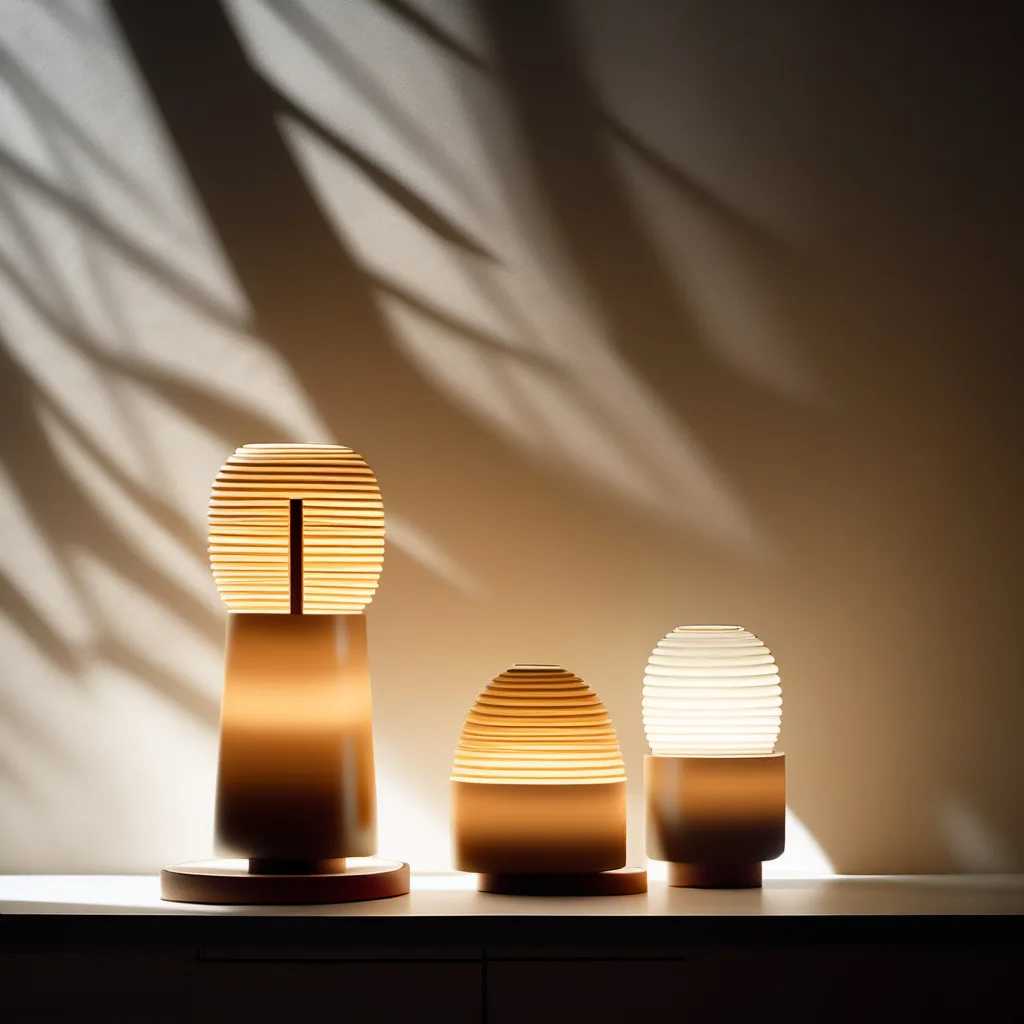
As the vibrant colors of autumn fade into the monochromatic tones of winter, many of us feel a corresponding shift in our internal landscape. The days grow shorter, the mornings remain dark longer, and the sun often hides behind a persistent veil of gray clouds. This seasonal transition is more than just a change in weather; it is a biological challenge. For many, the lack of sufficient sunlight leads to a drop in energy, a persistent low mood, and a general sense of lethargy often referred to as the winter blues or, in its more clinical form, Seasonal Affective Disorder (SAD).
In the quest for winter wellness, one of the most effective and scientifically backed tools at our disposal is the natural light lamp. These devices, often called SAD lamps or light therapy boxes, are designed to mimic the spectrum and intensity of outdoor sunlight. By bringing the benefits of the sun indoors, these lamps help regulate our internal clocks, boost our mood-regulating hormones, and provide a much-needed spark of energy during the darkest months of the year. This guide explores the science, selection, and practical application of natural light lamps to help you maintain your well-being until the spring thaw.
The Biological Connection: Why We Need Light
To understand why natural light lamps are so effective, we must first look at how our bodies respond to light. Humans are diurnal creatures, meaning our biological processes are intrinsically tied to the cycle of day and night. This 24-hour cycle is known as the circadian rhythm. Our primary internal clock is located in the suprachiasmatic nucleus (SCN) of the brain, which receives direct signals from the eyes about the presence or absence of light.
When light enters the eye, it stimulates the retina, which sends signals to the SCN. This, in turn, regulates the production of two key hormones: serotonin and melatonin. Serotonin is often called the “feel-good” hormone; it is associated with boosting mood and helping a person feel calm and focused. Melatonin, on the other hand, is the hormone responsible for sleep. In a healthy cycle, sunlight in the morning triggers the release of serotonin and suppresses melatonin, making us feel alert. As darkness falls, serotonin levels drop, and melatonin levels rise, preparing us for restorative sleep.
During winter, the decreased intensity and duration of sunlight can throw this delicate balance into disarray. Without that strong morning light signal, the body may continue to produce melatonin during the day, leading to daytime sleepiness. Simultaneously, serotonin levels may plummet, contributing to feelings of depression, irritability, and carbohydrate cravings. Natural light lamps bridge this gap by providing a high-intensity light signal that tells the brain the day has begun, effectively “resetting” the circadian rhythm.
What Defines a True Natural Light Therapy Lamp?
It is a common misconception that any bright desk lamp can serve as a light therapy device. To be effective for winter wellness and the treatment of SAD, a lamp must meet specific criteria. The most important metric is “Lux,” which measures the intensity of light as perceived by the human eye. For therapeutic purposes, the gold standard is 10,000 Lux. To put this in perspective, a typical brightly lit office is about 500 Lux, while a clear sunny day can reach 50,000 to 100,000 Lux.
A true natural light lamp should also provide “full-spectrum” light, meaning it includes all the wavelengths found in natural sunlight, though most modern therapeutic lamps are designed to filter out harmful ultraviolet (UV) rays to protect the skin and eyes. When shopping for a lamp, look for a device that explicitly states it is “UV-free.” Additionally, the size of the light-emitting surface matters. Larger panels allow for more freedom of movement during use, as the light can still reach your eyes even if you shift slightly in your seat. Smaller, portable lamps are convenient but require you to remain much closer and more stationary to receive the full 10,000 Lux dose.
Choosing the Right Lamp for Your Lifestyle
Selecting the right lamp involves balancing clinical efficacy with your personal daily routine. There are several categories of light therapy devices to consider:
- Traditional Light Boxes: These are large panels that sit on a desk or table. They provide the most consistent and powerful light source, making them ideal for those who have a dedicated morning workspace or breakfast nook.
- Compact/Portable Lamps: These are smaller, tablet-sized devices that can easily be packed in a bag. While they are convenient for travelers or those with limited desk space, they often require you to sit closer (usually within 6-10 inches) to get the full therapeutic benefit.
- Dawn Simulators: Unlike light boxes that you use while awake, dawn simulators are alarm clocks that gradually brighten the room before your scheduled wake-up time. This mimics a natural sunrise and can be an excellent supplement to a light box, helping you wake up feeling less groggy.
- Light Visors: These are wearable devices that position the light source above the eyes. They allow for complete mobility, enabling you to do chores or move around the house while receiving treatment. However, they can be less comfortable for some users and may feel more intrusive.
When choosing, consider the “flicker-free” technology. Cheaper LED or fluorescent lamps may have a subtle flicker that is invisible to the eye but can cause headaches or eye strain in sensitive individuals. High-quality therapeutic lamps use electronic ballasts to ensure a steady, smooth light output.
The Ideal Morning Routine: How to Use Your Lamp
Consistency is the cornerstone of light therapy. For most people, the best time to use a natural light lamp is within the first hour of waking up. Using the lamp in the evening is generally discouraged, as it can suppress melatonin production and interfere with your ability to fall asleep at night.
To start your routine, place the lamp on a stable surface about 12 to 18 inches away from your face. The light should be positioned at an angle—roughly 45 degrees to the left or right of your midline—rather than directly in front of your eyes. You do not need to stare at the lamp; in fact, you should not. The goal is for the light to reach your retinas indirectly while you engage in other activities. You can read the news, eat breakfast, check emails, or apply makeup while the lamp is on.
The duration of a typical session is 20 to 30 minutes if using a 10,000 Lux lamp. If your lamp has a lower intensity, such as 2,500 Lux, you may need to sit with it for up to two hours. Most users begin to feel an improvement in their energy levels and mood within 3 to 7 days of consistent use. If you don’t see results within two weeks, you might need to adjust the duration or the distance from the lamp, but always consult with a healthcare professional if you have concerns.
Safety and Precautions for Light Therapy
While natural light lamps are generally safe for the majority of people, they are powerful tools that interact with your biology. There are several precautions to keep in mind. First, individuals with certain eye conditions, such as macular degeneration, cataracts, or glaucoma, should consult an ophthalmologist before starting light therapy, as the intensity of the light could potentially aggravate these conditions.
Second, people with bipolar disorder should use light therapy only under the close supervision of a psychiatrist. In some cases, bright light can trigger a manic episode. Additionally, certain medications—including some antibiotics, anti-inflammatories, and psychiatric drugs—can increase photosensitivity, making your skin or eyes more sensitive to light. Always check the side effects of your medications or speak with a pharmacist.
Finally, while the lamps are designed to be UV-free, it is still possible to experience mild side effects such as eye strain, headaches, or nausea, especially during the first few days of use. If these occur, try reducing the session time or moving the lamp further away until your body adjusts.
Integrating Light Therapy into a Busy Home
For many, the biggest barrier to light therapy is finding the time. However, the beauty of a natural light lamp is its ability to be integrated into existing habits. If you are a parent, you can set the lamp on the kitchen island while you prepare school lunches or enjoy your first cup of coffee. If you work from home, the lamp can sit alongside your computer monitor, providing a boost of “sunlight” as you clear your morning inbox.
Practical examples of integration include:
- The Breakfast Nook: Keep the lamp on the dining table. It becomes a centerpiece for the family to gather around during the dark winter mornings, benefiting everyone’s mood before the day starts.
- The Vanity: Use the lamp while doing your hair or makeup. The high-quality light is actually excellent for seeing colors accurately, making it a functional addition to your beauty routine.
- The Exercise Corner: If you use a stationary bike or yoga mat in the morning, position the lamp nearby. The combination of physical movement and light therapy creates a powerful synergistic effect on energy levels.
By making the lamp a fixed part of your environment, you remove the friction of having to “set it up” every morning, making it much more likely that you will stick to the routine throughout the season.
Complementary Habits for Winter Wellness
While natural light lamps are a potent tool, they work best when part of a holistic approach to winter wellness. Light therapy addresses the biological need for lux, but other lifestyle factors also play a role in how we feel during the colder months.
Vitamin D Supplementation: Because our skin produces Vitamin D in response to UV rays (which therapy lamps filter out), many people become deficient in the winter. Vitamin D is crucial for immune function and mood regulation. Consult with a doctor to check your levels and determine an appropriate supplement dose.
Outdoor Time: Even on a cloudy day, the ambient light outdoors is often stronger than indoor lighting. A 15-minute walk during your lunch break provides fresh air and a different spectrum of light that can complement your morning lamp session.
Sleep Hygiene: Since light therapy helps set your internal clock, you can support this process by maintaining a consistent sleep schedule. Go to bed and wake up at the same time every day, even on weekends, to keep your circadian rhythm stabilized.
Nutrition and Movement: Winter often brings cravings for heavy, sugary foods. While comforting, these can lead to energy crashes. Focus on complex carbohydrates, proteins, and healthy fats to maintain steady blood sugar. Similarly, even light stretching or walking can help combat the physical stagnation that often accompanies winter.
The Psychological Impact of a Brighter Environment
Beyond the biological effects, there is a significant psychological component to using natural light lamps. Winter can feel restrictive and claustrophobic. By intentionally bringing “sunlight” into your home, you are performing an act of self-care that acknowledges your needs and takes proactive steps to meet them.
The aesthetic of your environment also matters. In Scandinavian cultures, the concept of “hygge” (warmth, coziness, and well-being) is used to navigate long winters. You can enhance the effect of your light lamp by incorporating warm textures, soft blankets, and candles into your space. This creates a sanctuary that feels intentional rather than a place where you are simply waiting for spring. The lamp becomes a focal point of this sanctuary—a source of literal and metaphorical warmth that reminds you that you have the tools to thrive, even in the dark.
Decoding Spectral Quality: Beyond the 10,000 Lux Metric
While the intensity of 10,000 Lux is the most frequently cited benchmark for light therapy, it is only one part of the equation for true winter wellness. To truly mimic the sun, we must look at the quality of the light, specifically its color temperature and Color Rendering Index (CRI). Color temperature is measured in Kelvins (K). Natural midday sunlight typically hovers around 5,000K to 6,500K, which is often described as “cool white” or “daylight.” This specific range is critical because it contains a higher concentration of blue-wavelength light, which is the most effective at suppressing melatonin and stimulating the production of cortisol and serotonin.
When selecting a lamp, pay close attention to the CRI, which measures how accurately a light source reveals the true colors of objects compared to natural sunlight. A CRI of 90 or higher is ideal. Not only does this make the light feel more “natural” and less like a sterile laboratory, but it also reduces the cognitive strain of working under artificial conditions. Lower CRI lamps can cast a sickly greenish or yellowish hue that may lead to subtle psychological discomfort or “visual fatigue,” even if the Lux output is technically sufficient. High-quality lamps use specialized phosphors in their LEDs to ensure a continuous spectrum that avoids the jagged spectral peaks common in cheap, hardware-store-grade bulbs.
Furthermore, consider the concept of “spectral distribution.” The human eye has specialized cells called intrinsically photosensitive retinal ganglion cells (ipRGCs). These cells are not for seeing shapes; they are dedicated solely to sensing blue light to set your internal clock. A lamp that optimizes this specific blue-light peak—without veering into the harmful ultraviolet range—can actually be more effective at lower Lux levels than a poorly designed lamp at high Lux levels. This is why some modern, high-end devices can offer therapeutic benefits at 5,000 Lux, provided their spectral output is perfectly tuned to the ipRGCs’ sensitivity.
The Inverse Square Law: Why Distance and Geometry Matter
A common mistake in light therapy is failing to account for the physics of light dispersion, specifically the Inverse Square Law. This principle states that the intensity of light decreases in inverse proportion to the square of the distance from the source. In practical terms, if you move twice as far away from your lamp, you aren’t getting half the light—you are getting only one-quarter of it. If a lamp is rated for 10,000 Lux at 12 inches, moving it to 24 inches drops the intensity to a mere 2,500 Lux, which may be insufficient to trigger the desired biological response within a 30-minute window.
To optimize your setup, use a measuring tape during your first few sessions to find your “sweet spot.” If your desk is deep and the lamp sits 20 inches away, you will likely need to double your exposure time to an hour. Conversely, if you prefer a short, intense 15-minute burst, you might position the lamp closer, provided it doesn’t cause glare or heat discomfort. The geometry of the light also plays a role. The most sensitive receptors for circadian regulation are located in the lower and nasal parts of the retina, which means they receive light from *above* the horizon. This is why the sun’s position in the sky is so effective.
To mimic this, try to position your lamp so the light originates from slightly above your eye line, angled downward. Placing a lamp flat on a desk and looking down at it is less effective than propping it up on a stack of books so the light bathes your face from a superior angle. This “overhead” orientation more accurately signals to the brain that it is daytime, enhancing the reset of your circadian rhythm. If you find the light too piercing, don’t look away entirely; instead, move the lamp slightly further to the side (maintaining that 45-degree angle) rather than pushing it further back.
Titrating the Dose: Personalizing Light for Age and Eye Color
Light therapy is not a one-size-fits-all treatment; the “dose” required can vary significantly based on individual biological factors. One often-overlooked factor is age. As we age, the lenses of our eyes naturally yellow and become denser, a process known as lenticular senescence. This means that a 60-year-old’s retina may receive significantly less blue light than a 20-year-old’s retina, even when sitting in front of the same lamp. Older adults may find they need longer sessions (45 to 60 minutes) or a closer proximity to achieve the same mood-boosting effects as younger users.
Eye color, or more specifically, retinal pigmentation, also influences sensitivity. Individuals with light-colored eyes (blue or green) generally have less pigment in the iris and retina, making them more sensitive to bright light. They may find 10,000 Lux overwhelming and might experience headaches or a “jittery” feeling. If you have light eyes, it is often better to start with 10-minute sessions and gradually increase the duration. Conversely, those with very dark eyes may require a more robust exposure to achieve the same therapeutic threshold.
Another edge case involves “night owls” versus “early birds.” If you are naturally a late-riser (a “delayed sleep phase” type), using the lamp immediately upon waking is vital to shifting your clock earlier. However, if you are an “advanced sleep phase” type—someone who wakes up at 4:00 AM and struggles to stay awake past 8:00 PM—you might actually benefit from using the lamp in the *late afternoon* to delay your sleep drive. This is a rare exception to the “morning only” rule and should be done carefully to ensure it doesn’t cause late-night insomnia.
Strategic Micro-Dosing: Managing the Afternoon Slump
While the primary dose of light should occur in the morning, many people suffer from a secondary energy crash between 1:00 PM and 3:00 PM, often called the post-prandial dip. During the winter, when ambient indoor light is low, this slump can feel particularly heavy. Strategic “micro-dosing” of light can be an effective way to bridge this gap without disrupting your sleep-wake cycle. A short, 10-to-15-minute session in the early afternoon can provide a non-pharmacological “caffeine hit” by suppressing the minor rise in melatonin that often occurs during this time.
However, there is a fine line to tread. Using high-intensity light after 3:00 PM or 4:00 PM can trick the brain into thinking the day is much longer than it is, delaying the natural evening rise of melatonin and making it difficult to fall asleep at a reasonable hour. For an afternoon boost, it is often better to use a lower intensity setting if your lamp allows it, or to sit further away. This provides enough stimulation to stay alert for the remainder of the workday without the “wired” feeling that prevents evening relaxation.
If you choose to use light in the afternoon, pay close attention to your sleep quality that night. If you find yourself tossing and turning or feeling unusually alert at 11:00 PM, your afternoon micro-dose was likely too long or too late. The goal is to support your natural rhythm, not to override it. Think of the morning session as your “anchor” and the afternoon session as an optional “stabilizer” to be used only on particularly dark, overcast days when your energy levels are flagging.
Environmental Light-Scaping: Amplifying the Lamp’s Reach
A natural light lamp is most effective when it doesn’t have to fight against a dark, somber environment. You can amplify the benefits of your lamp by practicing “light-scaping”—the intentional design of your indoor space to maximize the flow and reflection of light. Dark-colored walls, heavy navy curtains, and matte surfaces absorb light, making even a 10,000 Lux lamp feel like a localized spot of brightness in a cave. To improve the efficacy of your therapy, consider the surfaces surrounding your lamp.
Placing your lamp near a mirror can effectively double its perceived output and help diffuse the light more evenly throughout the room, reducing the harshness of the glare. If you work in a home office, choosing a white or light-gray desk surface can help bounce the light upward toward your face, ensuring that your retinas receive a consistent dose even if you are looking down at documents. Even small changes, like swapping out dark throw pillows for lighter cream or soft yellow tones, can change the psychological “weight” of a room during the winter months.
Furthermore, consider the “ambient-to-task” ratio. Using a bright light therapy lamp in a completely dark room creates high contrast, which is a leading cause of eye strain and tension headaches. Always use your lamp in conjunction with some level of ambient overhead or floor lighting. This reduces the contrast between the lamp’s surface and the background, making the experience much more comfortable for your eyes. The goal is to create a “envelope of light” rather than a single, piercing beam.
Troubleshooting Side Effects: Glare, Headaches, and Agitation
Even with the best equipment, some users experience initial discomfort when starting light therapy. The most common complaints are headaches and eye strain. Often, these are not caused by the light itself, but by glare. Glare occurs when light reflects off a secondary surface—like a computer screen or a glass-topped desk—and enters the eye at an uncomfortable angle. If you experience headaches, check for reflections. Using a matte screen protector on your laptop or placing a light-colored cloth over a glass desk can solve this issue instantly.
Another side effect is “light-induced agitation,” which feels like a mild sense of anxiety or being “over-caffeinated.” This is usually a sign that the intensity is too high or the session is too long for your specific nervous system. If this happens, don’t abandon the therapy. Instead, try the “step-up” method: start with just 5 minutes a day at a distance of 24 inches. Every two days, add 5 minutes to your session until you reach the 20-30 minute mark. This allows your brain’s neurochemistry to adjust gradually to the increase in serotonin and the suppression of melatonin.
Dry eyes are another frequent, yet rarely discussed, side effect. The slight heat generated by some lamps, combined with the fact that we tend to blink less when focusing on tasks in bright light, can lead to ocular surface dryness. If your eyes feel gritty or tired after a session, try using preservative-free artificial tears before you start, and make a conscious effort to blink more frequently. If you wear contact lenses, you might find that switching to glasses during your morning light session provides more comfort, as it allows for better oxygen flow and moisture retention on the eye surface.
The Future of Wellness: Smart Lamps and Circadian Tracking
The field of light therapy is rapidly evolving beyond the static “light box” of the past. We are entering an era of “circadian-aware” technology that integrates with our digital lives. Some of the latest natural light lamps are now Bluetooth-enabled, allowing them to sync with apps on your smartphone. These apps can track your local sunrise and sunset times and automatically adjust the lamp’s color temperature and intensity to match the progression of the sun, providing a more seamless transition from sleep to wakefulness.
Wearable technology is also playing a role. Some advanced fitness trackers now include ambient light sensors that measure exactly how much Lux you are exposed to throughout the day. This data can be invaluable for identifying “light deserts” in your routine—periods where you are staying in dim environments for too long. By syncing this data with a smart lamp, the device can suggest exactly when and for how long you should sit for a session based on your real-world exposure. This level of precision takes the guesswork out of light therapy, ensuring you get exactly what you need to maintain peak wellness.
Frequently Asked Questions
Can I get the same effect by just turning on all the lights in my house?
Unfortunately, no. Standard household lighting is significantly dimmer than therapeutic light. Even a room that feels “brightly lit” usually only provides 300 to 500 Lux. To achieve the biological effects necessary to influence serotonin and melatonin, you need an intensity of 10,000 Lux. You would need hundreds of standard bulbs to match the output of a single specialized natural light lamp.
Do I need to take off my glasses or contact lenses during light therapy?
No, you should keep your corrective lenses on. Glasses and contact lenses do not interfere with the effectiveness of light therapy. In fact, if you are reading or working during your session, you should wear your glasses as usual to prevent eye strain. However, you should avoid wearing tinted sunglasses or blue-light-blocking glasses during your session, as these can filter out the specific wavelengths of light that your brain needs to receive the therapeutic benefit.
Is it possible to get “too much” light therapy?
Yes, it is possible to overdo it. Using the lamp for too long or too late in the day can lead to overstimulation, jitters, or insomnia. Some people describe the feeling as having had too much caffeine. If you feel unusually hyperactive or have trouble sleeping, try reducing your session time by 5 or 10 minutes. Most experts agree that for a 10,000 Lux lamp, 60 minutes is the upper limit for a single session for most people.
Are natural light lamps expensive to run?
Modern natural light lamps almost exclusively use LED technology, which is incredibly energy-efficient. Even if you use your lamp for 30 minutes every single day, the impact on your monthly electricity bill will be negligible—often just a few cents per month. The initial cost of the lamp is the primary investment, but a high-quality LED lamp can last for many years without needing bulb replacements.
Can children or teenagers use natural light lamps?
Children and teenagers can also experience the winter blues, and light therapy can be effective for them. However, because their eyes are still developing and may be more sensitive to light, it is essential to consult with a pediatrician before starting a routine. If approved, sessions for children are typically shorter—often starting with just 10 to 15 minutes—and should always be supervised to ensure they aren’t staring directly into the light source.
Related posts:
 Dangerous Duo: Why Melatonin and Alcohol Don’t Mix
 Can Your Sleep Supplement Double as a Fountain of Youth?
 Turkey Day Slumber: Bedroom Inspiration for the Ultimate Food Coma
 Weekend Sleep Recovery
 Using SAD Lamps for Better Mood
 Optimal Bedtime Guide
 Do You Really Need Less Sleep as You Age?
 Three Scientific Reasons to Become a Morning Person