Maintaining clear, healthy skin is a journey that often begins deep within the pores. For many, the sight of enlarged pores or the feeling of congested skin leads to a search for the most effective solutions. While the market is saturated with synthetic treatments, natural pore-clearing masks offer a compassionate, effective, and sustainable alternative. By leveraging the power of earth-derived clays, botanical enzymes, and soothing minerals, you can effectively detoxify your skin without the harsh side effects of chemical additives. This guide explores the science of pore congestion and provides comprehensive, actionable guidance on utilizing natural ingredients to achieve a refined, radiant complexion.
Key takeaways
- Use bentonite clay for oily skin and kaolin or rhassoul clay for sensitive or dry skin types.
- Rinse clay masks off when they feel tacky; allowing them to crack can strip essential moisture from the skin.
- Apply fruit-based enzyme masks containing papaya or pumpkin to dissolve dead skin cells without using abrasive physical scrubs.
- Use activated charcoal to adsorb urban pollutants and toxins, especially when combined with soothing aloe vera or witch hazel.
- Follow treatments with non-comedogenic moisturizers or jojoba oil to help regulate sebum production and maintain hydration.
The Science of Pore Congestion and Skin Health
To effectively clear pores, one must first understand what they are and why they become blocked. Pores are small openings in the skin that allow sebum (the skin’s natural oil) and sweat to reach the surface. Each pore is connected to a sebaceous gland. When these glands produce an optimal amount of oil, the skin remains hydrated and protected. However, several factors can disrupt this balance, leading to congestion.
Congestion typically occurs when a combination of excess sebum, dead skin cells, and environmental pollutants becomes trapped within the pore. This mixture can harden, forming a plug. If the plug remains beneath the surface, it may form a whitehead; if it is exposed to air and oxidizes, it turns into a blackhead. Over time, persistent congestion can stretch the pore walls, making them appear larger. Natural pore-clearing masks work by using osmotic pressure, physical adsorption, and enzymatic exfoliation to gently lift these impurities out of the skin, allowing the pore to return to its natural size and function.
Furthermore, the skin’s microbiome and acid mantle play crucial roles. Using harsh, alcohol-based cleansers can strip the skin of its protective barrier, prompting the sebaceous glands to overcompensate by producing even more oil. Natural masks, particularly those formulated with pH-balancing ingredients like raw honey or apple cider vinegar, help maintain this delicate equilibrium while providing a deep cleanse.
Essential Natural Ingredients for Deep Cleansing
Nature provides a sophisticated toolkit for skincare. When formulating or choosing a natural pore-clearing mask, several key ingredients stand out for their ability to draw out toxins and refine skin texture.
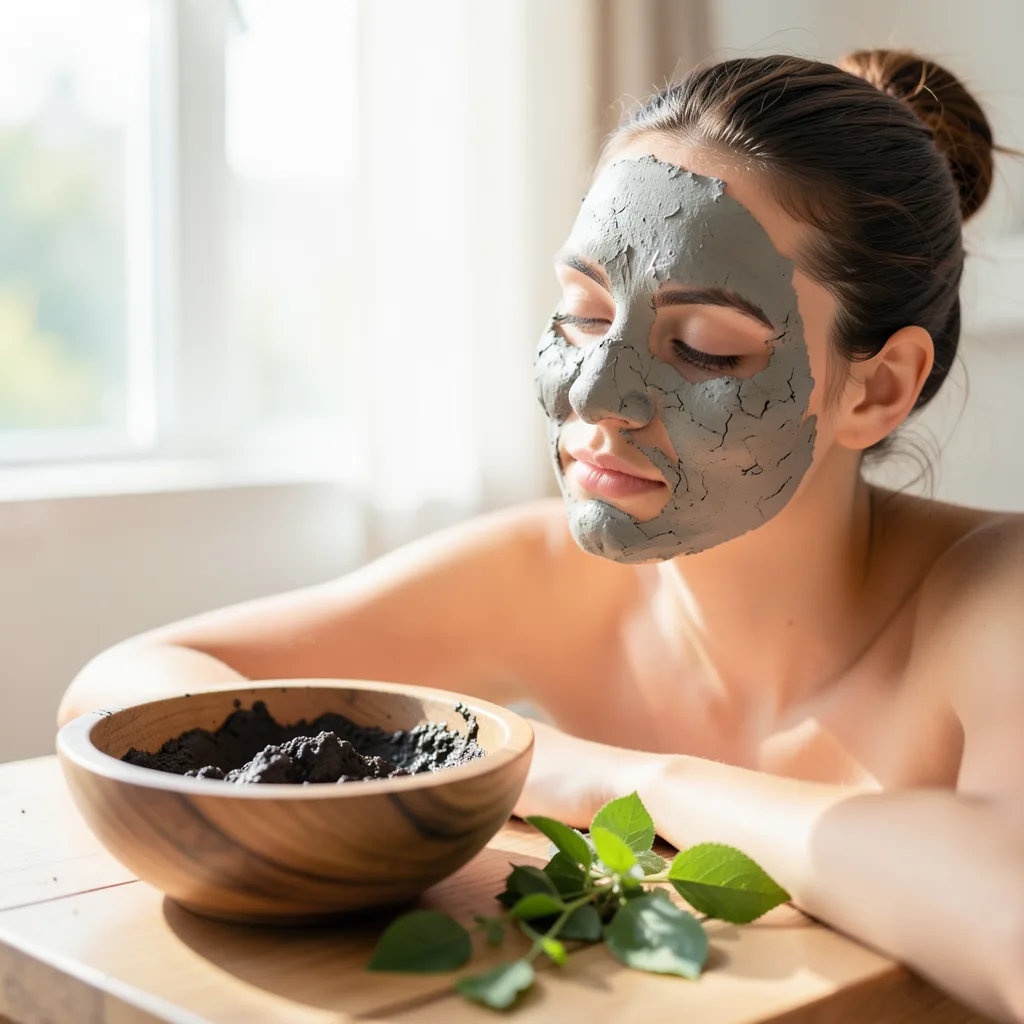
Clays: Clays are perhaps the most well-known natural pore cleaners. Bentonite clay, formed from volcanic ash, has a strong negative electromagnetic charge when hydrated, which allows it to act like a magnet for positively charged toxins and heavy metals. Kaolin clay, or white cosmetic clay, is much gentler and is ideal for sensitive skin types. It focuses on mild exfoliation and improving circulation without drying the skin excessively.
Activated Charcoal: This is not the same as the charcoal used in a grill. Activated charcoal is processed at high temperatures to create tiny, low-volume pores that increase the surface area available for adsorption. It is incredibly effective at trapping chemicals and micro-particles, making it a powerhouse for detoxifying skin exposed to urban pollution.
Botanical Enzymes: Ingredients like papaya (containing papain) and pineapple (containing bromelain) act as proteolytic enzymes. They work by breaking down the proteins that hold dead skin cells together. This process, known as enzymatic exfoliation, is often gentler than physical scrubs because it doesn’t involve abrasive particles that could cause micro-tears in the skin.
Raw Honey: A natural humectant with antibacterial properties, honey ensures that a deep-cleansing mask doesn’t leave the skin feeling parched. It contains trace amounts of gluconic acid, a mild alpha-hydroxy acid that aids in brightening the skin and clearing the pores.
Clay-Based Masks for Oily and Combination Skin
Oily and combination skin types often benefit most from the intensive drawing power of earth clays. For those dealing with persistent blackheads or a shiny T-zone, a weekly clay mask can be transformative.
The Bentonite Detox Mask: To create this potent treatment, mix one tablespoon of calcium bentonite clay with equal parts raw apple cider vinegar or water. Using apple cider vinegar is often preferred as it helps balance the high pH of the clay. Apply a thick layer to the face, avoiding the eyes. As the mask dries, you may feel a pulsing sensation; this is the clay increasing local blood flow and drawing out impurities. Rinse after 10-15 minutes. This mask is particularly effective for those with active acne or very oily skin.
French Green Clay Refiner: French green clay (illite) is rich in decomposed plant matter and iron oxides. It is famous for its ability to stimulate blood flow while absorbing excess oil. Mix this clay with a few drops of rosemary essential oil (which has antiseptic properties) and enough water to form a paste. This mask is excellent for “de-gunking” pores that feel sluggish or congested due to sweat and environmental buildup.
When using clay masks, it is vital not to let them dry until they crack and crumble. The mask goes through three stages: the damp phase (where the skin absorbs minerals), the cooling/contracting phase (where it draws out oil), and the dry phase (where it begins to draw moisture from the skin). For the best results, rinse the mask off just as it starts to lighten in color but still feels slightly tacky to the touch.
Enzyme-Rich Fruit Masks for Gentle Exfoliation
If your skin is prone to redness or if you find clay masks too drying, enzyme-based masks offer an elegant solution for clearing pores. These masks use the chemical power of fruit acids to dissolve the “glue” between skin cells.
The Tropical Glow Mask: Mash a quarter cup of fresh papaya with a teaspoon of honey. Papaya contains papain, which is highly effective at digesting dead skin cells that clog pores. Apply this to clean skin for 10 minutes. You might feel a slight tingling, which is the enzymes at work. The result is a smoother surface and pores that look significantly clearer because the debris at the opening has been dissolved.
Pumpkin Purifying Treatment: Pumpkin is a skincare powerhouse, loaded with fruit enzymes and alpha-hydroxy acids (AHAs) that increase cell turnover. It also contains Zinc, which can help control oil production. Mix two tablespoons of organic pumpkin puree with a pinch of cinnamon (to stimulate circulation) and a teaspoon of plain yogurt (for lactic acid). This combination provides a multi-layered approach to pore clearing, combining enzymatic and chemical exfoliation in one gentle step.
These fruit-based masks are best used in the evening, as AHAs can increase sun sensitivity. Always follow up with a broad-spectrum sunscreen the following morning to protect the fresh, new skin cells.
Soothing Masks for Sensitive, Congested Skin
It is a common misconception that sensitive skin doesn’t need deep pore cleansing. In fact, sensitive skin can often become congested because many traditional “pore-clearing” products are too irritating to use. The key for this skin type is to use anti-inflammatory ingredients that calm the skin while gently lifting impurities.
The Colloidal Oatmeal and Yogurt Mask: Colloidal oatmeal is renowned for its ability to soothe irritation and provide a protective barrier. When mixed with full-fat plain yogurt, the lactic acid in the yogurt gently dissolves pore-clogging debris while the oatmeal calms any redness. To enhance this, add a teaspoon of matcha green tea powder. Matcha is rich in epigallocatechin gallate (EGCG), which has been shown to reduce sebum production and fight the bacteria that cause breakouts.
Aloe Vera and Charcoal Soother: While charcoal is usually associated with deep detox, combining it with pure aloe vera gel creates a mask that is both purifying and incredibly hydrating. Aloe vera contains salicylic acid in its natural form, which is oil-soluble and can penetrate deep into the pores to clear out blockages. Mix one teaspoon of activated charcoal powder with two tablespoons of fresh aloe vera gel. This mask is ideal for clearing pores after a long day in a polluted environment or after wearing heavy makeup.
For sensitive skin, the duration of the mask is crucial. Start with 5-7 minutes and gradually increase as your skin builds tolerance. Always patch test a small area behind the ear before applying any new natural mask to your entire face.
Charcoal and Detoxifying Treatments for Urban Skin
Living in a city exposes the skin to microscopic particles of soot, smoke, and heavy metals. These pollutants are often smaller than the pores themselves, allowing them to lodge deep within the skin, leading to oxidative stress and chronic congestion. Natural charcoal treatments are the ultimate defense against this “urban aging.”
The Magnet Mask: Activated charcoal works through a process called adsorption (not absorption). This means that toxins bind to the surface of the charcoal particles. To create a DIY urban detox mask, combine activated charcoal with a small amount of bentonite clay and a splash of witch hazel. Witch hazel acts as a natural astringent, helping to shrink the appearance of pores once they have been emptied by the charcoal and clay.
Detoxifying with Seaweed: Seaweed and kelp powders are another excellent natural resource. They are rich in minerals and help to draw out toxins while replenishing the skin with essential nutrients like iodine and magnesium. A mask made from kelp powder and warm water can help stimulate the lymphatic system, which aids in the natural detoxification process of the skin. This is particularly useful for those who experience puffiness along with pore congestion.
To maximize the effectiveness of these detoxifying masks, try applying them after a warm shower. The steam helps to soften the sebum plugs, making it much easier for the charcoal or seaweed to draw them out.
Application and Removal Best Practices
The efficacy of a natural pore-clearing mask depends significantly on how it is applied and removed. Following a consistent ritual ensures you get the most out of your ingredients without causing unnecessary stress to the skin.
Preparation: Always start with a clean canvas. Use a gentle, pH-balanced cleanser to remove surface dirt and makeup. If you have particularly stubborn congestion, you might consider a brief facial steam. Boil water, pour it into a bowl, and lean over it with a towel over your head for 3-5 minutes. This softens the keratin in the skin and opens the “doorway” to the pores.
Application: Use a dedicated mask brush or clean fingertips to apply the mask. Focus on areas where pores are most visible, such as the nose, chin, and forehead. Avoid the delicate skin around the eyes and the lips, as these areas do not have sebaceous glands and can become easily dehydrated.
Removal: Never scrub a mask off. This can cause micro-abrasions and inflammation. Instead, soak a soft washcloth in lukewarm water and press it against your face for thirty seconds to rehydrate the mask. Gently wipe away the residue in upward, circular motions. Follow with a splash of cool water to soothe the skin and help the pores constrict.
Post-Mask Care: After clearing the pores, the skin is in a highly receptive state. This is the perfect time to apply a lightweight, non-comedogenic moisturizer or a soothing facial oil like jojoba oil. Jojoba oil is molecularly similar to human sebum; applying it can actually trick the skin into thinking it has produced enough oil, thereby regulating future sebum production.
Creating a Sustainable Skincare Routine
Consistency is more important than intensity when it comes to pore health. Using a powerful mask once a month will not yield the same results as a gentler, more frequent routine. For most skin types, a pore-clearing mask once or twice a week is the “sweet spot.”
Listen to Your Skin: Your skin’s needs change with the seasons, your diet, and your stress levels. In the humid summer months, you may need a clay mask twice a week. In the dry winter, you might switch to an enzyme mask once every ten days. Pay attention to how your skin feels—if it feels tight or looks flaky, dial back the frequency.
Holistic Habits: Beyond masks, several lifestyle factors influence pore clarity. Staying hydrated helps maintain the fluidity of sebum, making it less likely to harden into plugs. Changing your pillowcase frequently prevents the transfer of bacteria and old oils back onto your face. Finally, avoiding the urge to manually squeeze or “pop” blackheads is essential; doing so can damage the pore structure permanently and lead to scarring or infection.
By integrating these natural masks into a broader lifestyle of self-care, you aren’t just treating a symptom; you are fostering a healthy environment for your skin to thrive. Natural beauty is about working with your body’s biology, not against it.
The Role of Rare Earth Minerals and Specialized Clays
While bentonite and kaolin are the cornerstones of natural pore care, a deeper look into mineralogy reveals specialized clays with unique cation exchange capacities (CEC). This measurement determines how effectively a clay can swap its beneficial minerals for the toxins and heavy metals lodged in your pores. Rhassoul clay, mined from the Atlas Mountains of Morocco, is a prime example of a high-CEC mineral. It is exceptionally rich in magnesium and silica. Unlike bentonite, which can be quite aggressive, Rhassoul has a silkier texture and acts as a non-stripping cleanser. It works by swelling when hydrated, creating a molecular vacuum that pulls out blackheads while depositing silica, which is a key component in skin elasticity and collagen synthesis.
Another potent but often overlooked mineral is Multani Mitti, also known as Fuller’s Earth. Historically used in the textile industry to degrease wool, its oil-absorbing properties are unparalleled in the natural world. Multani Mitti is particularly effective for those with severe congestion or “clogged-pore-induced” hyperpigmentation. It contains high concentrations of aluminum magnesium silicate, which provides a mild bleaching effect on the darkened sebum of blackheads. For an advanced treatment, one might combine Multani Mitti with a splash of rose water; the clay addresses the sebum, while the rose water acts as a mild anti-inflammatory to prevent the post-extraction redness often seen in oily skin types.
For those living in extremely dry climates where even mild clays might feel too tight, Cambrian Blue Clay offers a solution. Sourced from Siberian lakes, its distinct color comes from its high zinc and silver content. Silver is naturally antimicrobial, making this clay an excellent choice for “maskne” or congestion caused by bacterial overgrowth rather than just excess oil. Because it is a sediment clay, it is finer than volcanic clays, allowing it to penetrate the smallest follicular openings without disrupting the skin’s lipid barrier.
Salicin and Natural Beta-Hydroxy Acids (BHAs)
The previous discussion on enzymes touched on the power of dissolving surface debris, but to truly clear a pore, one must address the oil-soluble blockages deep within. This is where natural Beta-Hydroxy Acids (BHAs) become indispensable. While Alpha-Hydroxy Acids (AHAs) like lactic or glycolic acid are water-soluble and work on the skin’s surface, BHAs are lipophilic. They can literally “travel” into the oil of the pore to dissolve the glue holding a blackhead together.
White Willow Bark (Salix alba) is the botanical precursor to synthetic salicylic acid. It contains salicin, which, when applied to the skin, provides a gentle, time-released exfoliation. To incorporate this into a natural mask, one can use willow bark extract or a finely ground powder of the bark. Unlike synthetic versions which can sometimes cause peeling, the natural tannins in willow bark provide an astringent effect that tones the skin as it clears the pores. A powerful DIY synergy involves mixing willow bark powder with a base of raw honey. The honey provides the moisture and enzymatic action, while the salicin penetrates the sebaceous unit to break down hardened plugs.
Wintergreen leaf is another natural source of methyl salicylate. When used in extremely low concentrations, it provides a “cooling” chemical exfoliation. This is particularly useful for “sleepy” pores that appear large and sluggish. The natural salicylates stimulate the lining of the pore, encouraging the natural shedding of dead cells (desquamation) that would otherwise contribute to future blockages. However, because these natural BHAs are potent, they should be used with a “slow and steady” approach, ideally limited to twice weekly to avoid sensitizing the skin.
Multi-Masking Strategies for Complexion Zoning
The skin on the human face is not uniform; the density of sebaceous glands in the T-zone (forehead, nose, and chin) is significantly higher than on the cheeks or the U-zone. Applying a heavy-duty clay mask to the entire face can lead to dehydrated, flaky cheeks while the nose remains congested. Multi-masking is the practice of applying different natural formulas to specific areas of the face simultaneously to address these varying needs.
For a comprehensive pore-clearing session, start by mapping the face. On the nose and chin, where blackheads are most prevalent, apply a high-adsorption mask like a blend of activated charcoal and bentonite. This area can handle the intensive pulling power of these ingredients. On the forehead, which may deal with both oil and fine lines, an enzyme-based mask using pumpkin or papaya is ideal. The enzymes will clear the pores while the antioxidants in the fruit address environmental damage.
The cheeks and the area around the mouth are often prone to “closed comedones” or small, flesh-colored bumps that aren’t quite blackheads. These areas require a gentler approach, such as a mixture of kaolin clay and raw yogurt. The lactic acid in the yogurt provides a mild chemical peel to open the closed comedones, while the kaolin gently lifts the debris without stripping the thinner skin of the cheeks. By zoning the face this way, you ensure that every pore receives exactly what it needs without over-treating the more delicate areas. This method also reduces the “rebound oiliness” that often occurs when the skin is over-stripped and tries to protect itself by producing even more sebum.
Hydrosols and Botanical Waters as Mask Activators
Most people use tap water to hydrate their dry clay masks, but tap water can be “hard,” containing minerals like calcium and magnesium that can react with the clay and reduce its efficacy. Furthermore, tap water usually has a neutral or slightly alkaline pH, whereas the skin’s acid mantle is slightly acidic (around pH 5.5). Using botanical hydrosols—the aromatic water produced during the steam distillation of essential oils—can significantly enhance the pore-clearing process.
Witch hazel hydrosol is perhaps the most famous for pore care. Unlike the drugstore versions which are often distilled with high percentages of drying alcohol, a true witch hazel distillate is rich in hamamelitannins. These compounds are naturally astringent, meaning they temporarily shrink the skin tissue, making the pores appear smaller and more refined after the mask is rinsed away. Helichrysum hydrosol, often called “Everlasting,” is another excellent choice for those with congested skin that is also prone to scarring or redness. It promotes skin regeneration and helps clear the “shadows” left behind by old breakouts.
For those dealing with hormonal congestion, Neroli (Orange Blossom) hydrosol is particularly effective. It has a natural ability to balance sebum production and is mildly antibacterial. When you mix your clay with Neroli water instead of tap water, you are adding a layer of active plant chemistry that begins working the moment the mask touches your skin. To use these, simply replace the liquid component of any DIY recipe with your chosen hydrosol. You can also mist the hydrosol over a clay mask as it wears to keep it in the “damp phase” longer, extending the time the minerals have to interact with your skin.
Fermented Ingredients and the Pore Microbiome
Modern dermatology is increasingly focused on the microbiome—the ecosystem of bacteria living on the skin. Pore congestion is often exacerbated by an imbalance in this ecosystem, where P. acnes bacteria thrive in the anaerobic (oxygen-free) environment of a clogged pore. Fermented natural ingredients introduce probiotics and postbiotics that can help recalibrate this balance, making the environment less hospitable to the bacteria that cause inflammation and deep-seated clogs.
Fermented rice water (Sake Lees) is a traditional Japanese beauty secret that is incredibly effective for pore refinement. The fermentation process produces kojic acid and various amino acids that help to brighten the skin and dissolve the keratinized cells that plug pores. You can create a mask by mixing rice flour with fermented rice water to create a paste. This mask not only clears the pores but also provides a “blurring” effect on the skin’s texture. Similarly, using kefir or unflavored kombucha as a mask base introduces live cultures that compete with acne-causing bacteria.
Another emerging ingredient in natural pore care is fermented honey. When honey is fermented, its gluconic acid content increases. This is a Poly-Hydroxy Acid (PHA) which is even gentler than AHAs. PHAs have a larger molecular size, meaning they penetrate the skin more slowly and are less likely to cause irritation. A fermented honey mask is the ultimate “slow-release” pore cleaner, making it perfect for individuals with rosacea or extremely reactive skin who still struggle with blackheads. The fermentation process also breaks down the nutrients into smaller, more bioavailable forms, allowing the skin to absorb the minerals and vitamins more efficiently.
Thermal Dynamics and Pore Manipulation
The physical state of the sebum inside a pore can range from a liquid oil to a waxy solid. The more solid the sebum (often due to oxidation or diet), the harder it is for a mask to remove. Manipulating the temperature of the skin can change the viscosity of this sebum, making your natural masks significantly more effective. This is the science behind the “warm start, cold finish” technique.
Before applying a mask, using a “warming” botanical can help liquefy the sebum. Ginger root powder or a tiny amount of mustard seed powder (used with extreme caution and heavily diluted) creates a localized thermogenic effect. This increases vasodilation, bringing fresh oxygenated blood to the surface and softening the “wax” inside the pores. A safer way to achieve this for most is by mixing a pinch of turmeric into a clay mask; turmeric provides a gentle warming sensation and is a powerful anti-inflammatory. However, be mindful that turmeric can temporarily stain very pale skin, so it is best used in a base of kaolin or yogurt which acts as a buffer.
Conversely, the removal process should focus on “cold dynamics.” After the mask has been rinsed with lukewarm water, finishing with a cold-pressed compress or a mask containing cooling agents like peppermint or cucumber juice can help “lock in” the results. While pores do not have muscles to “open and close” like doors, cold temperatures cause the surrounding skin tissue to contract slightly through a process called vasoconstriction. This gives the skin a firmer, more taut appearance and can help reduce the swelling that sometimes occurs after a deep-cleansing treatment. Using a chilled jade roller over the skin after a mask is another natural way to encourage lymphatic drainage, moving the “waste” drawn out by the mask into the lymphatic system for processing.
Advanced Synergy and Ingredient Compatibility
Creating an effective natural mask is as much about what you don’t mix as what you do. Some natural ingredients can neutralize each other or cause unexpected irritation when combined. For instance, mixing highly acidic ingredients like lemon juice with alkaline clays like bentonite can cause a rapid chemical reaction (fizzing) that alters the pH of the mask so much that it becomes ineffective or irritating. Instead, aim for “synergistic pairs” that enhance each other’s properties.
A classic power pair is Vitamin C-rich Hibiscus powder and Kaolin clay. Hibiscus is often called the “Botox plant” because of its high AHAs and antioxidant content. When paired with the gentle drawing power of Kaolin, the acids in the hibiscus help to loosen the pore plugs while the clay mops them up. Another effective duo is Activated Charcoal and Jojoba oil. While it seems counterintuitive to add oil to a detox mask, charcoal can be so drying that it causes the skin to “lock down,” trapping impurities inside. A few drops of jojoba oil keep the charcoal mobile on the skin’s surface and prevent it from stripping the essential moisture that keeps the pore lining flexible.
Edge cases to consider involve the use of essential oils. Many people add Tea Tree or Oregano oil to their masks for their antibacterial properties. However, these are extremely potent and can cause chemical burns if not diluted properly. A safe ratio is no more than 1 drop of essential oil per tablespoon of mask base. Furthermore, always add the essential oil to the “liquid” part of your mask (like honey or oil) before mixing it with the dry clay. This ensures the oil is evenly distributed and doesn’t hit the skin in a concentrated “hot spot.” Understanding these nuances of natural chemistry allows you to create professional-grade treatments at home that are both safe and exceptionally effective at maintaining clear, refined pores.
Frequently Asked Questions
1. How often should I use a natural pore-clearing mask?
For most people, once or twice a week is ideal. If you have very oily skin, you might benefit from three times a week, but watch for signs of over-drying. If you have sensitive or dry skin, once a week or even once every two weeks is sufficient. The goal is to assist the skin’s natural exfoliation process, not to replace it entirely.
2. Can I use these masks if I have active cystic acne?
While natural masks like bentonite clay can help draw out impurities, cystic acne is often internal and inflammatory. You should be very gentle. Avoid scrubbing or using masks with harsh exfoliants like cinnamon if your skin is highly inflamed. Ingredients like honey and aloe vera are generally safe and can help soothe the redness associated with acne.
3. Why do my pores look larger immediately after a mask?
This is a common observation and is usually temporary. When a mask deep-cleans a pore, it removes the dark plug (the blackhead) that was previously filling the space. The “empty” pore may look more noticeable for an hour or two. However, once you apply moisturizer and the skin regains its elasticity, the pore will appear smaller because it is no longer being stretched open by debris.
4. Do natural masks have a shelf life?
DIY masks made with fresh ingredients (like yogurt, papaya, or honey) should be used immediately and not stored, as they lack preservatives and can grow bacteria quickly. If you are mixing dry ingredients like clay or charcoal powder, the dry mix will last for years as long as it stays dry. Only add the liquid component right before you plan to apply the mask.
5. Is it normal for my skin to turn red after a clay mask?
A slight pinkish glow is normal, especially with clays like bentonite or French green, because they increase blood circulation to the surface of the skin. This redness should fade within 20-30 minutes. However, if the skin feels itchy, painful, or stays bright red for hours, you may be having a reaction to an ingredient or have left the mask on for too long.
Related posts:
 Fast Beauty Co: Is This Skincare Brand Worth the Hype?
 The Best Toners for Acne-Prone Skin That Won’t Strip Your Face
 Managing Maskne (Mask Acne)
 DIY Natural Acne Treatment
 Foundation’s Impact on Skin
 The Slow Beauty Movement’s Secret Hydration Recipes
 Australian Pink Clay Benefits
 Proper Order of Skincare Application