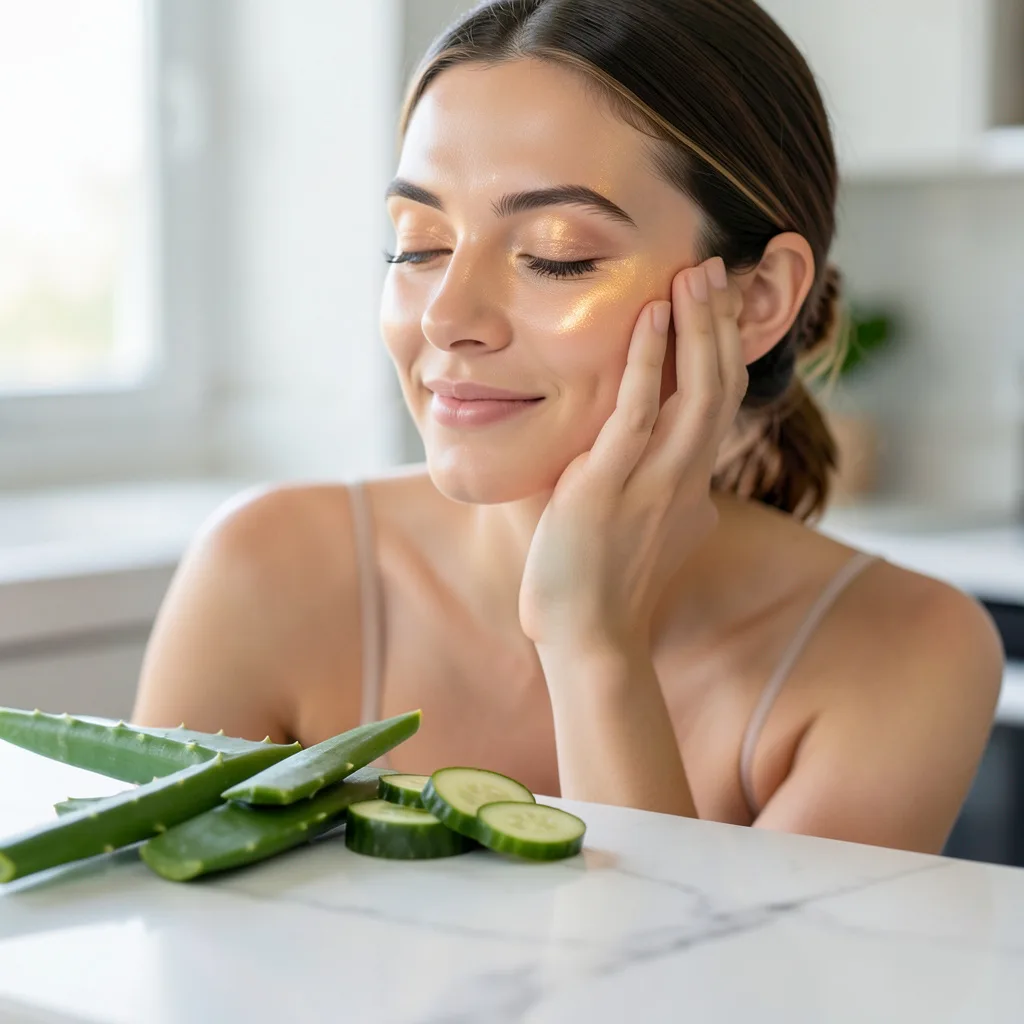
Your skin’s texture reflects its overall health, hydration level, and the care you give it each day. While genetics set a baseline, everyday choices can make a noticeable difference in smoothness, clarity, and resilience. This guide explores evidence‑based, natural approaches that support a more even surface without harsh chemicals or invasive procedures.
Understanding Skin Texture
Skin texture refers to the feel and appearance of the skin’s surface. Factors such as cell turnover rate, collagen density, moisture balance, and the presence of fine lines or enlarged pores all contribute. When the outermost layer becomes uneven, light scatters irregularly, making the complexion look dull or rough. Recognizing the underlying causes—whether dehydration, sun damage, or buildup of dead cells—helps you choose the most effective natural strategies.
Hydration Foundations
Adequate water intake is the simplest way to support skin elasticity and plumpness. Aim for at least eight glasses of water daily, adjusting for climate and activity level. Complement internal hydration with a humidifier in dry environments and a moisturizer that contains humectants like glycerin or hyaluronic acid. Applying a lightweight lotion while the skin is still damp locks in maximum moisture and reduces the rough feeling that often accompanies dehydration.
Gentle Exfoliation Practices
Removing dead surface cells reveals fresher skin underneath and encourages smoother texture. Choose mild physical exfoliants such as finely ground oatmeal or a soft konjac sponge, and limit use to two or three times per week. Chemical exfoliants derived from fruit enzymes—like papaya or pineapple—offer a non‑abrasive alternative that dissolves the bonds between dead cells. Always follow exfoliation with a soothing moisturizer to protect the newly exposed layer.
Nutrient‑Rich Diet for Skin
What you eat directly influences skin structure. Antioxidant‑rich foods—berries, leafy greens, nuts, and colorful vegetables—combat oxidative stress that can degrade collagen. Omega‑3 fatty acids from fatty fish, flaxseed, or walnuts support the lipid barrier, keeping moisture in and irritants out. Vitamin C sources such as citrus, bell peppers, and kiwi promote collagen synthesis, while zinc from pumpkin seeds aids wound healing and reduces inflammation.
Targeted Topical Ingredients
Several plant‑based ingredients have research backing for texture improvement. Niacinamide, a form of vitamin B3, helps regulate oil production and refine pores. Bakuchiol, a natural retinol alternative, encourages cell turnover with less irritation. Green tea extract delivers polyphenols that calm redness and protect against environmental damage. When introducing a new serum or cream, patch test first and incorporate it gradually into your routine.
Lifestyle Habits That Support Skin
Sleep, stress management, and regular movement all affect skin quality. During deep sleep, growth hormone peaks, facilitating tissue repair and collagen production. Chronic stress elevates cortisol, which can break down collagen and increase oiliness. Aim for seven to nine hours of quality sleep, practice mindfulness or gentle yoga, and incorporate moderate aerobic exercise several times a week to boost circulation and nutrient delivery to the skin.
Protecting Skin From Environmental Stress
Ultraviolet radiation, pollution, and harsh weather accelerate texture changes. Daily broad‑spectrum sunscreen with at least SPF 30 shields against UV‑induced collagen breakdown. Antioxidant serums applied in the morning add a second line of defense against free radicals from pollution. In cold or windy conditions, a barrier cream with ceramides prevents moisture loss and maintains a smooth surface.
Building a Consistent Routine
Consistency turns individual habits into lasting results. Start with a simple three‑step morning routine: cleanse, apply an antioxidant serum, and finish with moisturizer plus sunscreen. In the evening, cleanse, use a gentle exfoliant or treatment serum a few nights per week, then moisturize. Track how your skin responds over four to six weeks, adjusting frequency or product choice as needed. Patience and regularity are the most reliable natural tools for refining texture.
The Skin Microbiome and Barrier Resilience
The skin microbiome is a diverse community of bacteria, fungi, and viruses that lives on the surface and within the upper layers of the epidermis. A balanced microbiome reinforces the lipid barrier, modulates inflammation, and competes with pathogenic microbes that can trigger roughness, flaking, or breakout‑related texture changes. Natural support begins with gentle cleansing that respects the skin’s acidic mantle; opt for a pH‑balanced, sulfate‑free cleanser formulated with mild surfactants such as decyl glucoside or coco‑betaine. Over‑cleansing or using high‑alcohol toners strips beneficial microbes and raises surface pH, creating an environment where opportunistic organisms thrive.
Topical pre‑ and post‑biotic ingredients feed and replenish the resident flora. Inulin, a plant‑derived fructan, serves as a prebiotic that encourages the growth of Lactobacillus and Bifidobacterium species. Fermented extracts — such as lactobacillus ferment filtrate, saccharomyces lysate, or bifida ferment lysate — deliver metabolites like lactic acid, peptides, and short‑chain fatty acids that strengthen tight junctions and improve hydration. Oat beta‑glucan and colloidal oatmeal also act as prebiotic polysaccharides while providing soothing anti‑itch benefits, making them ideal for compromised or eczema‑prone skin.
Dietary choices influence the cutaneous microbiome through the gut‑skin axis. Regular consumption of fermented foods — kimchi, sauerkraut, kefir, miso — introduces live cultures that can modulate systemic inflammation and indirectly improve skin texture. A fiber‑rich diet supplies substrates for beneficial gut bacteria, which produce short‑chain fatty acids that travel via circulation to the skin. Edge cases include individuals with histamine intolerance who may react to fermented products; in such cases, focus on prebiotic fibers like chicory root or resistant starch rather than live cultures.
Practical integration: after cleansing, apply a lightweight essence containing 1‑2 % lactobacillus ferment filtrate, follow with a moisturizer that includes inulin or oat beta‑glucan. Limit antimicrobial essential oils (tea tree, oregano) to spot‑treatment use only, as routine application can depress microbial diversity. Monitor for signs of over‑colonization — persistent redness, pustules, or a sudden increase in sensitivity — and scale back active biotic products if they appear.
Hormonal Fluctuations and Targeted Natural Approaches
Hormones orchestrate sebum production, collagen turnover, and inflammatory pathways, all of which shape surface texture. The menstrual cycle, perimenopause, polycystic ovary syndrome (PCOS), and thyroid disorders each create distinct texture signatures. During the luteal phase, rising progesterone thickens the stratum corneum and can enlarge pores, while estrogen dips reduce hyaluronic acid synthesis, leading to transient roughness. Seed cycling — consuming flax and pumpkin seeds in the follicular phase and sesame and sunflower seeds in the luteal phase — supplies lignans and zinc that gently modulate estrogen and progesterone activity.
Adaptogenic herbs offer systemic support without the side‑effects of synthetic hormone therapy. Maca root (Lepidium meyenii) has been shown in small trials to balance estrogenic and androgenic signals, improving skin elasticity in perimenopausal women. Ashwagandha (Withania somnifera) lowers cortisol, indirectly reducing cortisol‑driven collagen breakdown. For androgen‑driven texture issues such as hormonal acne or keratosis pilaris, spearmint tea (two cups daily) demonstrates anti‑androgenic effects in clinical studies. Evening primrose oil, rich in gamma‑linolenic acid, supports prostaglandin E1 production, which enhances barrier lipid synthesis and reduces inflammatory papules.
Vitex agnus‑castus (chasteberry) influences pituitary luteinizing hormone release, normalizing progesterone‑to‑estrogen ratios over a three‑month horizon. Thyroid‑related texture changes — dry, coarse skin in hypothyroidism or thin, fragile skin in hyperthyroidism — respond to selenium‑rich foods (Brazil nuts, sunflower seeds) and iodine‑balanced seaweed, provided there is no autoimmune thyroiditis contraindicating excess iodine. Edge cases: individuals on hormone replacement therapy, oral contraceptives, or anti‑androgen medications should coordinate herbal use with their prescribing clinician to avoid additive effects or interference.
Implementation tip: introduce one adaptogen at a time, starting with a low dose (e.g., 300 mg standardized ashwagandha extract) and track skin texture weekly for four weeks before adding another. Keep a simple log noting cycle day, product changes, and subjective roughness scores. This systematic approach isolates variables and prevents the common pitfall of stacking multiple hormonal modulators simultaneously.
DIY Natural Masks, Serums, and Spot Treatments with Formulation Tips
Creating personalized treatments allows precise ingredient selection and concentration control, but stability and safety require basic formulation knowledge. A hydrating mask for dull, uneven texture can combine raw honey (humectant, antimicrobial), finely ground colloidal oatmeal (prebiotic, barrier repair), and a few drops of rosehip seed oil (trans‑retinoic acid precursor). Mix one tablespoon honey, one teaspoon oatmeal, and three drops rosehip oil; apply for 15 minutes, then rinse with lukewarm water. Honey’s low pH (~3.5) preserves its enzymatic activity, while oatmeal buffers potential irritation.
For a brightening serum targeting post‑inflammatory hyperpigmentation that often accompanies texture irregularities, dissolve 5 % L‑ascorbic acid (vitamin C) in a base of 90 % distilled water and 5 % vegetable glycerin, then add 0.5 % ferulic acid and 1 % vitamin E (tocopherol) for stabilization. Adjust final pH to 2.8‑3.2 using a few drops of food‑grade citric acid solution; a pH above 3.5 markedly reduces ascorbic acid penetration. Store in an amber dropper bottle, refrigerated, and discard after 14 days because aqueous vitamin C oxidizes rapidly.
A spot treatment for occasional rough keratotic plugs can blend 1 % turmeric powder (curcumin anti‑inflammatory), 2 % plain yogurt (lactic acid gentle exfoliation), and a pinch of kaolin clay (absorbs excess sebum). Apply a thin layer only on affected areas for 10 minutes, then rinse. Curcumin stains fabrics; use a dedicated brush and wear an old shirt. Essential oils, if desired, must be diluted to ≤0.5 % (≈1 drop per 5 ml carrier) to avoid contact dermatitis — especially important for sensitive or rosacea‑prone skin.
Preservation is the most overlooked DIY hurdle. Any water‑based product without a broad‑spectrum preservative (e.g., leucidal liquid, phenoxyethanol‑free systems) will develop microbial growth within days. For anhydrous balms or oil‑based serums, antioxidants (rosemary CO2 extract, vitamin E) suffice. Always conduct a 48‑hour patch test behind the ear before full‑face use. Edge case: citrus‑derived ingredients (lemon juice, bergamot oil) increase photosensitivity; restrict to evening routines and follow with mineral sunscreen the next morning.
Advanced At‑Home Tools and Techniques for Texture Refinement
Mechanical stimulation enhances microcirculation, lymphatic drainage, and fibroblast activity, all of which contribute to smoother surface topography. Facial massage using upward, outward strokes with a light oil (squalane or jojoba) for five minutes nightly can reduce interstitial fluid stagnation that accentuates fine lines and uneven patches. Gua sha tools — traditionally jade or rose quartz — provide controlled pressure; hold the tool at a 15‑degree angle and glide from the center of the face toward the hairline, repeating each pass three times. Consistency matters more than intensity; excessive force can cause micro‑tears and post‑inflammatory hyperpigmentation.
Microcurrent devices deliver sub‑sensory electrical currents (typically 10‑500 µA) that mimic the body’s bioelectric signals, encouraging ATP production and collagen synthesis. A typical protocol: cleanse, apply a conductive gel (hyaluronic acid‑based), and treat each facial zone for 30 seconds, three times per week. Contraindications include implanted electronic devices (pacemakers), active cancer, pregnancy, and open lesions. Users with metal dental work may experience a metallic taste; a thin layer of non‑conductive silicone barrier over the appliance can mitigate this.
Dermarolling (microneedling) at 0.25 mm needle length creates micro‑channels that boost topical absorption and trigger a wound‑healing cascade without significant downtime. Sanitize the roller in 70 % isopropyl alcohol for ten minutes before each use. Roll vertically, horizontally, and diagonally across each area (four passes total) once every four weeks. Post‑procedure, apply a peptide‑rich serum (copper peptide 1 % or sh‑oligopeptide‑1) and avoid retinoids, acids, or vitamin C for 48 hours. Edge case: individuals with keloid tendency, active acne, or rosacea should abstain, as needling can exacerbate inflammation and scar formation.
LED light therapy — red (630‑660 nm) and near‑infrared (810‑850 nm) — penetrates the dermis to stimulate cytochrome c oxidase, increasing collagen density and reducing matrix metalloproteinase activity. Home panels with irradiance ≥30 mW/cm² used for 10‑15 minutes, five times weekly, show measurable texture improvement after 12 weeks. Blue light (415 nm) targets Cutibacterium acnes but can generate reactive oxygen species; limit to spot treatment for active breakouts. Protective goggles are mandatory for near‑infrared devices to prevent retinal exposure.
Seasonal and Environmental Customization of Your Natural Routine
Skin’s barrier requirements shift with temperature, humidity, UV index, and indoor climate control. In winter, low ambient humidity (<30 %) and indoor heating strip water from the stratum corneum, leading to a sandpaper‑like feel. Switch to a richer occlusive moisturizer containing ceramides, cholesterol, and free fatty acids in a 3:1:1 molar ratio — this mimics the native lipid lamellae. Add a humidifier set to 40‑50 % relative humidity in the bedroom; a 2019 study showed a 15 % increase in corneometer readings after two weeks of nightly use. Reduce exfoliation frequency to once weekly, and replace foaming cleansers with cream‑based, lipid‑replenishing formulas.
Summer brings higher UV exposure, sweat, and sebum oxidation, which can enlarge pores and create a gritty texture. Lighten the moisturizer to a gel‑cream with hyaluronic acid, aloe vera, and a touch of niacinamide (2‑4 %) to regulate oil without heaviness. Reapply a mineral sunscreen (zinc oxide 15‑20 %) every two hours, especially after swimming or toweling. Incorporate a morning antioxidant serum (vitamin C 10 % + ferulic acid 0.5 %) to neutralize pollution‑induced free radicals that degrade collagen. Evening double‑cleanse — first with a gentle oil cleanser to dissolve sunscreen, then a pH‑balanced gel — prevents residue buildup that roughens the surface.
Transitional seasons (spring, autumn) often feature fluctuating humidity and allergen loads. Pollen and mold spores can trigger low‑grade inflammation, manifesting as subtle scaling. A short course (two weeks) of a calming botanical — calendula extract 2 % or bisabolol 0.5 % — in the nightly moisturizer can preempt flare‑ups. Travel across climate zones demands a portable routine: pack a travel‑size barrier balm (shea butter, squalane, oat extract) for airplane cabin dryness, and a mineral sunscreen stick for quick reapplication.
Water quality is an underappreciated factor. Hard water (high calcium/magnesium) leaves mineral deposits that disrupt the acid mantle, while chlorinated tap water can oxidize lipids. Installing a shower filter with a KDF‑55 medium reduces chlorine and heavy metals; a final rinse with distilled water or a diluted apple cider vinegar splash (1 % acetic acid) restores pH. Edge case: individuals with atopic dermatitis may need a whole‑house water softener for lasting relief.
Tracking Progress, Adjusting Protocols, and When to Seek Professional Guidance
Objective documentation turns subjective impressions into actionable data. Standardized photography — same lighting (5500 K LED ring), distance (30 cm), camera settings (ISO 100, f/8, 1/125 s), and background — taken weekly creates a visual timeline. Complement images with a texture scoring sheet: rate roughness (0‑10), pore visibility (0‑10), and overall evenness (0‑10) on each side of the face. Apps that analyze surface topology via structured light can provide numeric roughness averages (Ra values) for deeper insight.
Journaling product changes, cycle day, sleep hours, stress level, and diet highlights correlations. For example, a spike in roughness score coinciding with a new enzyme exfoliant suggests over‑exfoliation; the remedy is to halve frequency and add a barrier‑repair serum (panthenol 5 % + ceramides). If scores plateau for six weeks despite adherence, consider a “reset” week: cleanse only with water, apply a simple occlusive balm, and pause all actives. This allows the microbiome and lipid barrier to re‑equilibrate.
Red flags that warrant dermatology referral include: persistent sandpaper texture unresponsive to three months of optimized natural care, new indurated plaques, rapid enlargement of pores with telangiectasia, or any lesion that bleeds, changes color, or fails to heal. Conditions such as actinic keratosis, early squamous cell carcinoma, or granulomatous disorders can mimic benign roughness. A dermatologist can perform dermoscopy, biopsy, or prescribe targeted therapies (topical retinoids, fractional laser) that complement the natural foundation you have built.
Edge case: patients on systemic isotretinoin or high‑dose corticosteroids experience fragile skin; natural actives (even mild acids) may cause erosions. In such scenarios, the natural routine should be limited to hydration, barrier lipids, and sun protection until the medical course concludes. Communication between your skincare practitioner and prescribing physician ensures safety and continuity.
Budget‑Friendly, Sustainable Sourcing and Ingredient Safety
High‑quality natural ingredients need not be expensive. Bulk purchasing of carrier oils (jojoba, rosehip, squalane) from reputable wholesale suppliers reduces per‑ounce cost by 60‑70 %. Look for certifications — USDA Organic, COSMOS, Ecocert — that verify farming practices and absence of synthetic pesticides. Fair‑trade labels guarantee ethical labor for botanicals like shea butter, argan oil, and marula oil. Avoid endangered species: sandalwood (Santalum album) and rosewood (Aniba rosaeodora) are CITES‑listed; sustainable alternatives include amyris (Amyris balsamifera) for sandalwood‑like aroma and ho wood (Cinnamomum camphora) for rosewood‑type linalool content.
Reading INCI lists empowers you to spot hidden synthetics. A product marketed as “natural” may still contain phenoxyethanol, ethylhexylglycerin, or synthetic fragrance blends. Choose formulations where the first five ingredients are recognizable plant extracts, oils, or water. For DIY, source raw materials from suppliers providing certificates of analysis (COA) confirming purity, heavy‑metal limits, and microbial counts. Store oils in dark glass, refrigerated, and label with opening date; most cold‑pressed oils retain optimal fatty‑acid profiles for 12‑18 months.
Patch testing remains the gold standard for safety. Apply a pea‑sized amount behind the ear or on the inner forearm, cover with a breathable bandage, and observe for 48 hours. Positive reactions — erythema, vesicles, itching — indicate sensitization; discontinue and record the ingredient. Cross‑reactivity is common among botanical families; for instance, sensitivity to chamomile (Asteraceae) often extends to calendula, yarrow, and arnica. Maintain a personal allergen log to avoid repeated exposure.
Zero‑waste practices extend the lifecycle of containers. Glass jars can be sterilized and refilled; pump bottles from finished serums work for homemade toners. Compost spent herb infusions (green tea, chamomile) as garden mulch. When disposing of expired oils, check local hazardous‑waste guidelines — some municipalities accept them for biodiesel conversion. Edge case: essential oils are concentrated and flammable; never pour large volumes down the drain. Instead, absorb onto cat litter and place in sealed trash. By aligning cost, ecology, and safety, your natural texture program remains sustainable for both skin and planet.
Frequently Asked Questions
- Q: How long does it take to see improvement in skin texture using natural methods?
- A: Most people notice subtle changes within four to six weeks of consistent hydration, gentle exfoliation, and a nutrient‑dense diet. Deeper improvements such as reduced pore appearance may require three to six months of sustained care.
- Q: Can I combine multiple exfoliating methods in one routine?
- A: It is best to alternate physical and enzyme‑based exfoliants rather than using them on the same day. Over‑exfoliation can compromise the barrier, leading to irritation and increased roughness.
- Q: Are there specific foods that worsen skin texture?
- A: High‑glycemic foods, excess refined sugar, and large amounts of dairy have been linked in some studies to increased inflammation and breakouts, which can make texture appear uneven. Moderation and balanced meals help mitigate these effects.
- Q: Is sunscreen necessary on cloudy days for texture preservation?
- A: Yes. Up to 80 percent of UV rays penetrate clouds, and cumulative exposure contributes to collagen loss and rough patches. Daily broad‑spectrum protection is essential regardless of weather.
- Q: What should I do if my skin reacts negatively to a new natural ingredient?
- A: Discontinue use immediately, cleanse with a mild cleanser, and apply a fragrance‑free moisturizer. If irritation persists beyond a few days, consult a dermatologist for personalized advice.
Related posts:
 Foundation’s Impact on Skin
 Proper Order of Skincare Application
 Collagen Pairing Perfection: The Best Foods to Maximize Your Supplement Benefits
 Can Collagen Really Clear Acne?
 The Slow Beauty Movement’s Secret Hydration Recipes
 The Best Toners for Acne-Prone Skin That Won’t Strip Your Face
 The Key Differences Between Serums, Oils, Moisturizers, and Balms
 The Best Natural Tools for Silky Smooth Skin