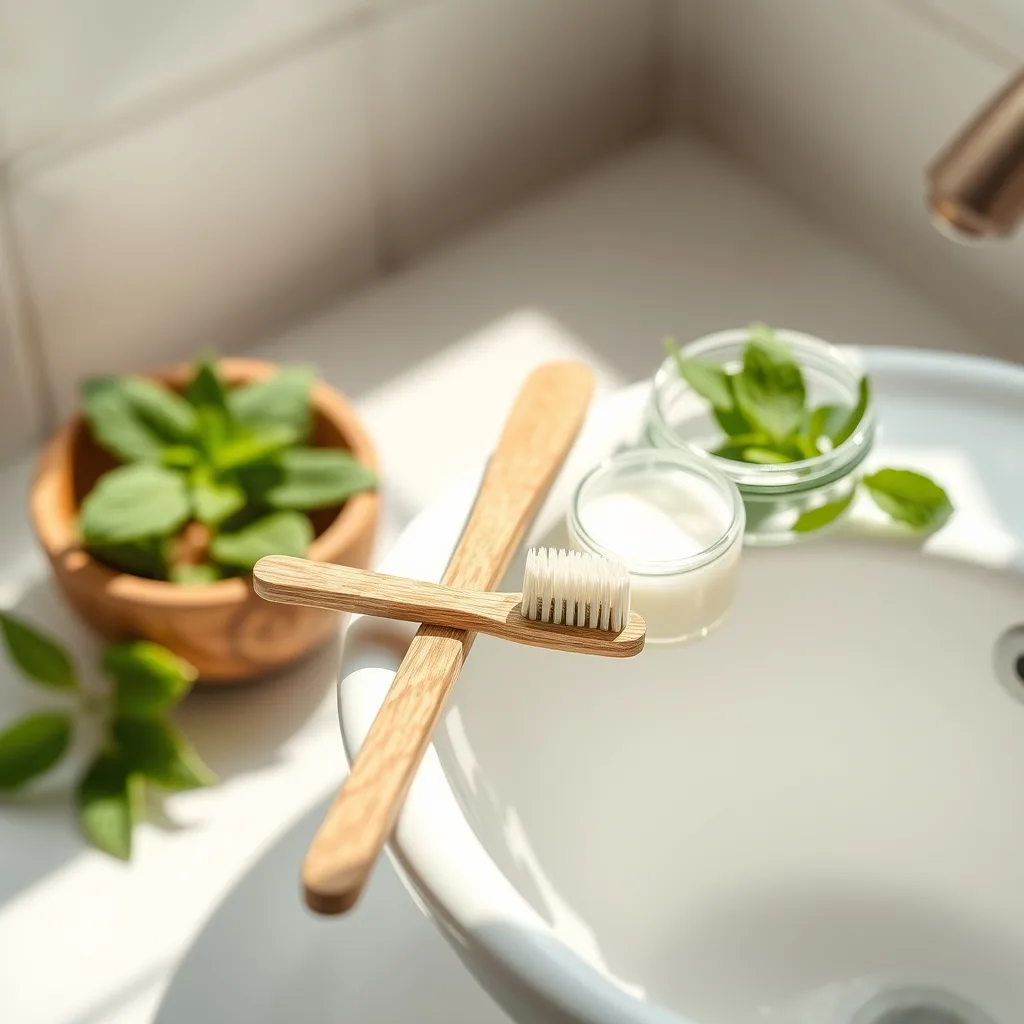
When you reach for a tube of toothpaste, the list of ingredients can read like a chemistry textbook. Sodium lauryl sulfate, triclosan, artificial sweeteners, and a host of preservatives are common, yet many people feel uneasy about introducing those substances into their mouth every day. Fortunately, a growing body of research and traditional practices shows that you can keep your teeth clean and your breath fresh without relying on synthetic chemicals. This guide walks you through natural alternatives that actually work, explains how to use them safely, and offers practical steps for transitioning to a more earth‑friendly oral‑care routine.
Key takeaways
- Use baking soda or fine sea salt as gentle, low-abrasion agents to polish enamel and neutralize harmful acids.
- Practice oil pulling with coconut or sesame oil for 10-20 minutes to reduce bacterial load and improve breath.
- Incorporate probiotic powders or mineral-rich hydroxyapatite to support a healthy oral microbiome and aid enamel remineralization.
- Switch to sustainable bamboo toothbrushes and plastic-free accessories to reduce your personal ecological footprint.
Understanding the Problem: Why Chemicals Are in Conventional Toothpaste
Most commercial toothpastes contain surfactants such as sodium lauryl sulfate (SLS) to create foam, fluoride for cavity prevention, and preservatives to extend shelf life. While these ingredients have proven benefits, they can also cause irritation, allergic reactions, or contribute to environmental waste when the tubes are discarded. For people with sensitive gums, a dry mouth, or a desire to reduce their ecological footprint, the chemical load can feel unnecessary.
It’s important to remember that the primary goal of any oral‑care product is to remove plaque—a sticky biofilm of bacteria that forms on teeth after eating. Plaque removal can be achieved through mechanical action (brushing), chemical disruption (antimicrobials), or a combination of both. Natural alternatives focus on the mechanical aspect and use mild, naturally occurring substances to aid in cleaning without harsh additives.
The Basics of Natural Oral Care: What Works and Why
Natural oral‑care products typically rely on three principles:
- Abrasive agents that gently polish the enamel and dislodge plaque.
- Antimicrobial herbs that limit bacterial growth.
- Oil‑based rinses that capture debris and support a balanced oral microbiome.
When combined with proper brushing technique—using a soft‑bristled brush at a 45‑degree angle for two minutes twice a day—these ingredients can maintain oral hygiene effectively. The key is consistency and ensuring that each component is used in a way that respects the delicate enamel surface.
Baking Soda and Salt: Simple Abrasives for Daily Use
Both sodium bicarbonate (baking soda) and fine sea salt have been used for centuries as gentle polishing agents. Baking soda’s mild alkalinity helps neutralize acids produced by bacteria, while its fine particles provide a low‑abrasion scrub that can remove surface stains without harming enamel.
How to use:
- Mix one teaspoon of baking soda with a few drops of water to form a paste.
- Apply the paste to a soft toothbrush and brush gently for 1–2 minutes.
- Rinse thoroughly with water.
For a salt‑boosted version, combine half a teaspoon of fine sea salt with the baking soda paste. Use this mixture no more than three times per week to avoid over‑abrasion.
Both ingredients are inexpensive, widely available, and leave no artificial aftertaste.
Oil Pulling: Harnessing the Power of Coconut or Sesame Oil
Oil pulling is an ancient Ayurvedic practice that involves swishing oil in the mouth for 10–20 minutes before spitting it out. Coconut oil, rich in lauric acid, exhibits mild antimicrobial properties, while sesame oil is traditionally favored for its neutral flavor.
Step‑by‑step guide:
- Place one tablespoon of cold‑pressed, unrefined coconut or sesame oil in your mouth.
- Swish gently, allowing the oil to pass between teeth and around the gums. Avoid vigorous shaking, which can cause jaw fatigue.
- After 15 minutes, spit the oil into a trash can (not the sink, as it can solidify).
- Rinse with warm water and follow with a gentle brush.
Oil pulling does not replace brushing but can reduce the overall bacterial load and improve breath freshness. Start with two to three sessions per week and increase as desired.
Herbal Mouthwashes: Peppermint, Clove, and Green Tea Infusions
Herbal rinses provide a refreshing, chemical‑free way to combat odor‑causing bacteria. Peppermint leaves contain menthol, which offers a cooling sensation; clove buds are rich in eugenol, a natural analgesic; and green tea supplies catechins that have mild antibacterial activity.
DIY peppermint‑clove rinse:
- Boil one cup of filtered water and let it cool to warm.
- Add one tablespoon of dried peppermint leaves and half a teaspoon of crushed clove buds.
- Steep for 10 minutes, then strain.
- Allow the liquid to reach room temperature before using.
- Swish 15–20 seconds after brushing, then spit out. No need to rinse with water afterward.
For a green‑tea mouthwash, steep one green tea bag in a cup of hot water for three minutes, cool, and add a few drops of xylitol (a natural sweetener) if you prefer a mild taste. Use once daily after brushing.
DIY Toothpowders and Toothpaste Recipes
Creating your own toothpowder or toothpaste lets you control every ingredient. Below are two proven formulas that balance cleaning power with safety.
Basic toothpowder:
- 2 parts baking soda
- 1 part finely ground calcium carbonate (optional for extra polishing)
- ½ part powdered bentonite clay (for mineral content)
- ¼ teaspoon sea salt
- 5–10 drops of peppermint essential oil (ensure it’s food‑grade)
Mix all dry ingredients in a glass jar, then add the essential oil drop by drop, shaking until evenly distributed. To use, dampen your brush and dip it into the powder, or sprinkle a small amount onto a wet brush.
Natural toothpaste:
- 2 tablespoons coconut oil
- 2 tablespoons baking soda
- 1 tablespoon finely ground xylitol (for mild sweetness)
- ½ teaspoon finely powdered cinnamon (optional for flavor and antimicrobial benefit)
- 10 drops peppermint essential oil
Blend the coconut oil and baking soda until a smooth paste forms, then stir in the remaining ingredients. Store in a small glass jar with a lid. This paste provides a mild abrasive, a pleasant flavor, and a low‑sugar sweetness that encourages regular use.
Choosing Natural Toothbrushes and Accessories
Even the brush itself can contribute to chemical exposure. Look for toothbrushes made from sustainably sourced bamboo or bioplastic. Bamboo handles are biodegradable, and many brands now offer bristles made from plant‑derived nylon that are free of BPA.
Replace your brush every three months, just as you would with a conventional one. If you prefer electric assistance, seek models with replaceable heads that are made from recyclable plastics and avoid those with built‑in antimicrobial coatings that contain silver or copper nanoparticles.
Additional accessories that support a natural routine include:
- Silicone tongue scrapers – easy to clean and free of metal.
- Reusable floss picks made from stainless steel with biodegradable handles.
- Glass or stainless‑steel rinse cups for oil pulling.
Maintaining Results: Diet, Hydration, and Lifestyle Tips
Oral health is deeply linked to what you eat and drink. Reducing sugary snacks, limiting acidic beverages (such as soda and citrus juices), and drinking plenty of water help keep plaque formation under control. Crunchy raw vegetables like carrots and celery naturally clean teeth as you chew.
Chewing sugar‑free gum that contains xylitol can stimulate saliva production, which buffers acids and carries away food particles. Aim for at least eight glasses of water daily; consider a glass of water after meals to rinse residual sugars.
Stress management and adequate sleep also influence oral health by supporting immune function. Simple practices like a short evening meditation or a regular bedtime routine can indirectly improve the condition of your gums and enamel.
Transitioning Tips: How to Move from Commercial to Natural
Switching abruptly can feel uncomfortable, especially if you’re used to the minty intensity of conventional toothpaste. Here are three strategies to make the change smoother:
- Gradual substitution: Use a natural toothpaste for one brush in the morning and a commercial one at night for the first two weeks, then switch fully.
- Flavor adaptation: If the taste of a natural paste feels bland, add a few extra drops of peppermint or a pinch of cinnamon powder.
- Track progress: Keep a short journal noting any changes in breath, gum comfort, or staining. Positive observations reinforce the habit.
Remember that natural products work best when combined with consistent technique. If you experience persistent gum bleeding, sensitivity, or pain, consult a dental professional—natural alternatives are supportive but not a substitute for professional care when needed.
Probiotic Toothpaste and Rinses: Building a Friendly Oral Microbiome
Recent research shows that a healthy mouth hosts millions of beneficial bacteria that compete with decay‑causing species such as Streptococcus mutans. Instead of trying to sterilise the oral cavity, many natural‑focused dentists now recommend introducing probiotic strains that can colonise the tongue, cheek, and gingival crevices. Below are practical ways to incorporate live cultures into your daily routine without resorting to synthetic additives.
- Choose the right strains. Lactobacillus reuteri, Lactobacillus brevis, and Streptococcus salivarius K12 have the most evidence for reducing plaque, gingivitis, and bad breath.
- Delivery formats. Probiotic lozenges, powdered sachets, and fermented dairy drinks can be used as a rinse after brushing. For a toothpaste‑like texture, blend a probiotic powder (available from health‑food suppliers) with a small amount of coconut oil and a pinch of baking soda.
- Timing matters. Apply the probiotic mixture once daily after your final brush of the day. This gives the bacteria a chance to settle while saliva flow is lower, increasing colonisation chances.
DIY probiotic toothpaste recipe
- Combine 1 teaspoon of probiotic powder (freeze‑dried Lactobacillus reuteri) with 2 teaspoons of food‑grade coconut oil.
- Add ½ teaspoon of finely ground xylitol for mild sweetness and to inhibit acid‑producing bacteria.
- Stir in 5 drops of peppermint essential oil for flavor, then store in a glass jar with a tight‑fitting lid.
- Use a pea‑size amount on a soft brush, applying gentle circular motions for 2 minutes. Rinse with water or a mild saline rinse.
Edge cases to watch for:
- Immunocompromised individuals. Live cultures may pose a risk for people with weakened immune systems; consult a physician before use.
- Heat sensitivity. Probiotic powders lose viability above 115°F (46°C). Keep your oil base at room temperature and avoid microwaving.
- Flavor tolerance. Some users find the tang of fermented lozenges off‑putting. Pair with a splash of unsweetened almond milk to mask the taste.
Calcium‑Based Mineral Boosters: Hydroxyapatite, Calcium Phosphate, and Milk‑Derived Powders
While fluoride has dominated cavity prevention for decades, calcium‑rich minerals can also remineralise enamel by supplying the building blocks of hydroxyapatite, the crystal that makes up tooth structure. Natural mineral powders can be brushed on, mixed into rinses, or added to food‑grade gels.
- Hydroxyapatite (nano‑HA). This synthetic yet biocompatible powder mimics the natural mineral of teeth. It is safe to ingest in small amounts and has been shown in clinical trials to reduce sensitivity and reverse early lesions.
- Calcium phosphate (CPP‑ACP). Often derived from milk casein, this complex releases calcium and phosphate ions when exposed to saliva, encouraging enamel repair.
- Milk‑derived calcium powder. Freeze‑dry powdered skim milk provides both calcium and phosphorous, plus a small amount of lactose that can act as a prebiotic for oral microbes.
How to use hydroxyapatite as a daily polish
- Mix 1 g (about ¼ teaspoon) of nano‑HA powder with a few drops of filtered water to create a thin slurry.
- Apply the slurry to a soft brush and brush gently for 1 minute, focusing on the chewing surfaces where demineralisation is most common.
- Spit out the excess and follow with a water rinse. Do not swallow large quantities; a small amount is harmless.
For a combined toothpaste, blend 2 g of nano‑HA with 2 g of baking soda, 1 g of bentonite clay, and 1 ml of olive oil. This creates a low‑abrasion paste that simultaneously polishes and supplies minerals.
Special considerations
- People with dairy allergies should avoid CPP‑ACP derived from casein. Opt for plant‑based calcium sources such as calcium‑enriched almond or soy milk powders.
- Over‑use of mineral powders can lead to a gritty texture that feels uncomfortable. Limit applications to once daily, preferably after the evening brush.
- If you notice a chalky film on your teeth, reduce the amount of powder per use and increase the water content of the slurry.
Activated Charcoal and Other Plant‑Based Polishing Agents: Benefits, Risks, and Safe Use
Activated charcoal has become a trendy whitening aid, but its abrasive nature and porous surface can also trap bacteria and toxins. Beyond charcoal, several plant‑derived powders—such as neem leaf, clove, and turmeric—offer antimicrobial and mild‑abrasive qualities without the dark staining risk.
- Activated charcoal. Made from coconut shells or hardwood, it has a Vickers hardness of ~1000, which is higher than most toothpaste abrasives (typically 50‑70). Use sparingly.
- Neem leaf powder. Contains azadirachtin, a natural antibacterial that targets plaque‑forming microbes.
- Turmeric (curcumin) powder. Offers anti‑inflammatory benefits and a gentle polishing effect; the bright yellow can be rinsed away with warm water.
Charcoal brushing protocol
- Dampen a soft‑bristled brush and dip it into a teaspoon of activated charcoal.
- Brush gently for 30 seconds, avoiding vigorous scrubbing on the gum line.
- Rinse thoroughly with water, then follow with a fluoride‑free fluoride‑alternative rinse (e.g., a diluted xylitol solution) to neutralise any residual particles.
Limit charcoal use to once a week; more frequent use may wear enamel over time.
Edge‑case scenarios
- Staining of dental work. Charcoal can adhere to composite fillings and porcelain, making them appear darker. Test on a small, hidden area first.
- Dry mouth. Charcoal can absorb saliva, worsening dryness. Pair with a saliva‑stimulating gum if you suffer from xerostomia.
- Pregnant or nursing individuals. While charcoal is generally safe, the lack of extensive studies suggests limiting use to occasional applications.
Interdental Cleaning Tools Without Chemicals: Water Flossers, Silk Threads, and Wooden Picks
Plaque hides between teeth where a brush cannot reach. Traditional floss often contains nylon coated with waxes or flavorings. Natural alternatives focus on mechanical disruption while avoiding synthetic lubricants.
- Water flossers. Devices that emit a pulsating stream of filtered water can dislodge debris and reduce gingival inflammation. Choose models with stainless‑steel or medical‑grade plastic reservoirs to avoid BPA.
- Silk dental thread. Untreated mulberry silk, when cut into 2‑inch strands, provides a soft yet effective floss. It is biodegradable and naturally antimicrobial due to sericin proteins.
- Wooden interdental picks. Small, sustainably harvested birch or olive‑wood sticks can be gently inserted between teeth. The natural grain creates a mild scraping action without metal or plastic.
Step‑by‑step water‑flosser routine
- Fill the reservoir with lukewarm distilled water. Add a few drops of tea tree oil (optional) for extra antimicrobial effect.
- Lean over the sink, place the tip tip‑first into the mouth, and start the device on the lowest pressure setting.
- Guide the tip along the gum line, pausing briefly between each tooth. Aim for 1‑2 minutes total.
- Spit out excess water and finish with a gentle mouth rinse of warm salt water.
When using silk thread, follow the same “C‑shaped” motion as conventional floss, but apply less tension to avoid fraying the delicate fibers.
Special tips for sensitive gums
- Start with the lowest water‑pressure setting and increase gradually as your gums adapt.
- If silk thread snaps frequently, store it in a dry, airtight container to preserve tensile strength.
- Wooden picks should be replaced after each use to prevent bacterial buildup.
Food‑Based Oral Care: How Dairy, Fermented Foods, and Crunchy Vegetables Protect Teeth
What you eat can be as powerful as any brush. Certain foods supply minerals, stimulate saliva, or contain natural antimicrobials that help maintain a clean mouth.
- Dairy products. Cheese, kefir, and plain yogurt are rich in calcium, phosphates, and casein phosphopeptide (CPP). Chewing a slice of cheese after a meal raises oral pH, reducing acid erosion.
- Fermented vegetables. Sauerkraut, kimchi, and pickled radishes contain lactic acid bacteria that can outcompete harmful species. Their probiotic content also supports a balanced oral microbiome.
- Crunchy raw vegetables. Carrots, celery, and apples act as natural toothbrushes, mechanically scrubbing surfaces while increasing saliva flow.
- Green leafy herbs. Basil, parsley, and mint release chlorophyll and essential oils that freshen breath and possess mild antibacterial activity.
Sample daily food‑based regimen
- Breakfast: Plain Greek yogurt topped with a tablespoon of ground flaxseed and a handful of fresh berries.
- Mid‑morning snack: One slice of aged cheddar cheese with a few raw carrot sticks.
- Lunch: Mixed salad with kale, parsley, and a tablespoon of fermented kimchi, dressed with olive oil and lemon juice.
- Afternoon: An apple or a few celery sticks, chewed slowly.
- Dinner: Grilled salmon (rich in omega‑3s) with a side of steamed broccoli and a small serving of cottage cheese.
These foods supply the minerals needed for remineralisation, keep the mouth’s pH neutral, and provide a gentle polishing effect.
Edge cases and cautions
- Individuals with lactose intolerance should choose lactose‑free dairy alternatives fortified with calcium and vitamin D.
- Fermented foods can be high in sodium; rinse with water if you are on a low‑salt diet.
- Acidic fruits (e.g., citrus) are beneficial in moderation but should be followed by a water rinse to prevent enamel softening.
Allergy‑Sensitive Formulations and How to Test Homemade Products
Natural ingredients are not automatically hypoallergenic. Essential oils, nut‑based oils, and certain clays can trigger reactions in susceptible individuals. A systematic testing approach can prevent uncomfortable breakouts.
- Patch test protocol. Apply a small amount of the finished product (or a single ingredient) to the inner forearm, cover with a breathable bandage, and wait 24‑48 hours. Look for redness, itching, or swelling.
- Start with single‑ingredient trials. Before mixing a full toothpaste, test each component—e.g., coconut oil, bentonite clay, essential oil—individually.
- Document sensitivities. Keep a simple log noting the date, product, and any reaction. Over time you’ll build a personal safety matrix.
Common allergens in natural oral‑care recipes
- Tree nut oils (e.g., almond, walnut) – avoid if you have nut allergies.
- Essential oils such as peppermint, clove, or cinnamon – can cause contact dermatitis in sensitive skin.
- Calcium carbonate sourced from shellfish – rare but possible cross‑reactivity for shellfish‑allergic individuals.
When a reaction occurs, discontinue use immediately, rinse the mouth with plain water, and, if needed, consult a healthcare professional. Most mild irritations resolve within a day.
For those who need a completely fragrance‑free option, consider a simple base of baking soda and a drop of food‑grade glycerin to achieve a smooth paste without essential oils.
Sustainable Packaging and Zero‑Waste Practices for a Complete Natural Routine
Switching to chemical‑free oral care is only part of the environmental picture. The containers you use can either reinforce or undermine your eco‑friendly goals. Below are actionable steps to minimise waste while keeping your dental regimen hygienic.
- Glass jars with bamboo lids. Reuse small mason‑type jars for homemade toothpaste or powder. They seal tightly, are dishwasher safe, and eliminate single‑use plastic tubes.
- Refill stations. Some natural‑care brands now offer bulk refill stations for toothpaste powders. Bring your own reusable silicone pouch, fill it, and seal with a clip.
- Compostable toothbrush handles. Bamboo handles can be composted after the bristles are removed. The bristles themselves should be recycled where programs exist or disposed of in regular waste.
- Reusable silicone floss picks. These can be washed in the dishwasher and used indefinitely, reducing the plastic waste of disposable picks.
Zero‑waste daily checklist
- Morning: Use a bamboo‑handle toothbrush with plant‑derived nylon bristles. Store the brush upright in a ceramic holder to allow air‑drying.
- After brushing: Scoop a pea‑size amount of toothpaste from a glass jar using a stainless‑steel spoon.
- Mid‑day: Carry a small silicone pouch of probiotic powder for a quick rinse if needed.
- Evening: Perform oil pulling with a stainless‑steel cup; empty the oil into a compostable bag.
- Night: Rinse the brush, wipe the bamboo handle with a damp cloth, and place it back in its holder.
When you finish a batch of homemade toothpaste, simply top up the jar with fresh ingredients; there’s no need to discard the container. Over a year, this approach can save dozens of plastic tubes and reduce your carbon footprint significantly.
Finally, remember that the most sustainable routine is one you can maintain consistently. Experiment with the above tools, track what feels comfortable, and adjust until the habit feels as natural as drinking water.
Frequently Asked Questions
1. Can baking soda damage enamel?
Baking soda is low‑abrasive compared with many commercial toothpaste abrasives. When used no more than three times a week and brushed gently, it is unlikely to wear enamel. Over‑use or aggressive brushing could cause sensitivity, so moderation is key.
2. Is oil pulling safe for children?
Oil pulling can be introduced to children over the age of six, provided they can safely swish without swallowing. Use a smaller amount of oil (½ tablespoon) and keep the session to 5–10 minutes. Always supervise the activity.
3. Will natural toothpaste prevent cavities as well as fluoride toothpaste?
Fluoride has a well‑documented role in remineralizing enamel. Natural toothpastes that lack fluoride rely on mechanical plaque removal and the antibacterial properties of herbs. They can maintain oral health but may not provide the same level of cavity protection for high‑risk individuals. If you have a history of cavities, discuss fluoride options with your dentist.
4. How long should I steep herbal mouthwash ingredients?
A 10‑minute steep extracts most of the volatile oils without degrading delicate compounds. Longer steep times can result in a bitter taste. After straining, allow the rinse to cool to room temperature before use.
5. What should I do if I experience gum irritation after switching?
Mild irritation can occur as your gums adjust to new textures or ingredients. Reduce brushing pressure, switch to a softer brush, and limit the use of abrasive powders to every other day. If irritation persists for more than a week, discontinue the new product and consult a dental professional.
Related posts:
 Nano-Hydroxyapatite Toothpaste: The Future of Dental Care
 Recognizing and Addressing Calcium Deficiency for Optimal Health
 Coconut Cult Just Dropped New Products That Will Revolutionize Your Gut Health
 Ditch Commercial Mouthwash for This DIY Essential Oil Version
 The Coconut Pudding That Tastes Like Dessert But Isn’t
 Zoe Kravitz’s Coconut Oil Hair Care Secret
 Baking Soda Skincare Truth
 Creative Ways to Use Baking Soda