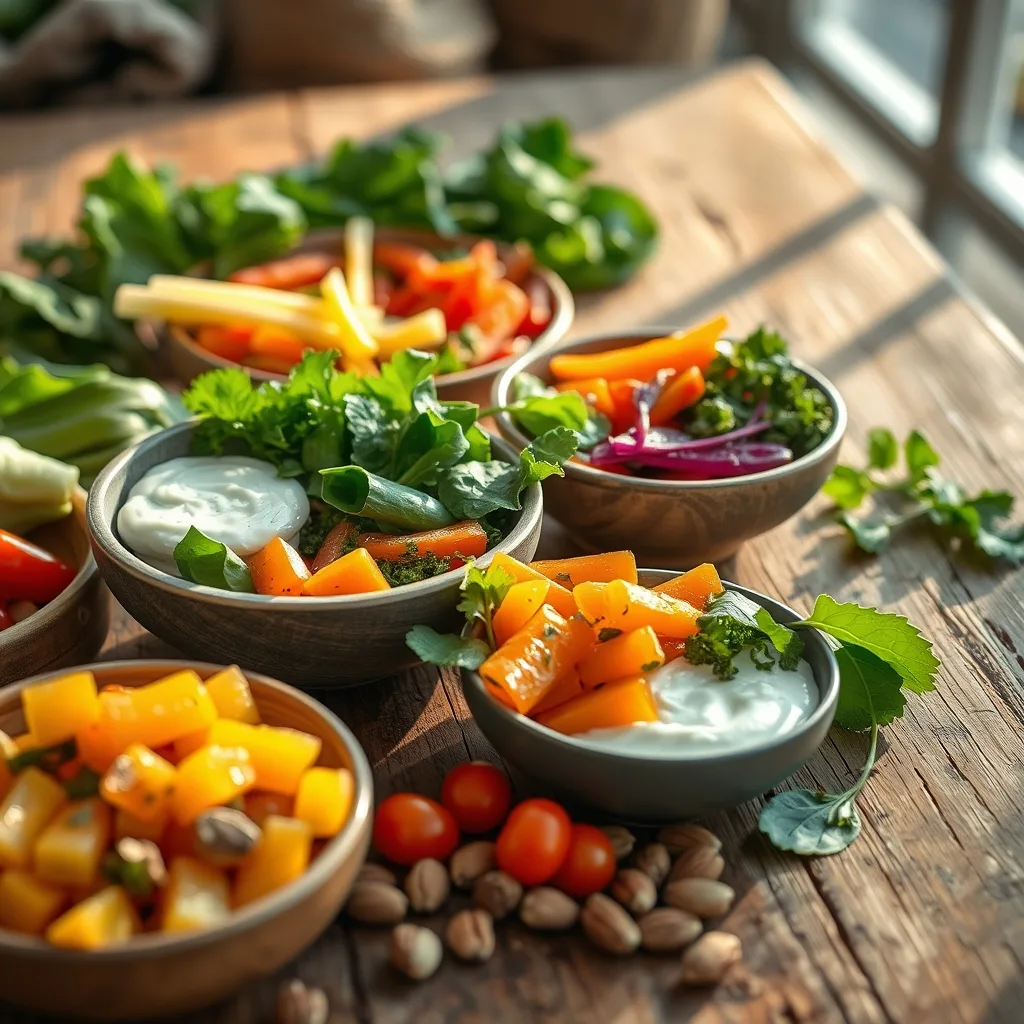
Maintaining a balanced gut microbiome is essential for digestion, immune function, and even mood regulation. While supplements and medications have their place, many people prefer natural strategies that fit seamlessly into daily life. This guide explores evidence‑based, practical ways to nurture your gut using diet, lifestyle tweaks, and mindful habits, all without relying on prescription drugs.
Key takeaways
- Consume 25-30 grams of fiber daily from diverse plant sources like whole grains, legumes, fruits, and nuts.
- Include fermented foods like kefir, sauerkraut, or miso regularly to introduce beneficial live cultures.
- Align eating windows with your circadian rhythm by front-loading calories and maintaining a 12-14 hour overnight fast.
- Incorporate polyphenol-rich foods such as berries, dark cocoa, and green tea to nourish and diversify your microbiome.
Understand the Basics of Gut Health
Before diving into specific actions, it helps to know what the gut actually does. The gastrointestinal tract hosts trillions of microorganisms—bacteria, fungi, and viruses—that break down food, produce vitamins, and communicate with the brain via the gut‑brain axis. A diverse, balanced community supports regular bowel movements, protects against pathogens, and modulates inflammation.
Prioritize Fiber‑Rich Foods
Fiber is the primary fuel for beneficial gut bacteria. Aim for at least 25‑30 grams of fiber per day, sourced from a variety of plant foods.
- Whole grains: oats, quinoa, brown rice, barley.
- Legumes: lentils, chickpeas, black beans.
- Fruits: apples (with skin), berries, pears, kiwi.
- Vegetables: broccoli, Brussels sprouts, carrots, artichokes.
- Seeds and nuts: chia seeds, flaxseeds, almonds.
Tip: Start your day with a bowl of oatmeal topped with berries and a tablespoon of ground flaxseed. This simple breakfast provides soluble and insoluble fiber that feeds multiple bacterial strains.
Incorporate Fermented Foods
Fermented products contain live cultures that can temporarily augment your microbiome. Regular consumption has been linked to improved digestion and reduced bloating.
- Yogurt (look for ‘live and active cultures’).
- Kefir – a drinkable dairy or non‑dairy probiotic.
- Sauerkraut and kimchi – start with a tablespoon a day and increase gradually.
- Miso soup – use low‑sodium miso paste to avoid excess salt.
- Tempeh – a fermented soy product that also adds protein.
Practical example: Add a spoonful of plain kefir to your morning smoothie or enjoy a side of kimchi with dinner at least three times per week.
Limit Highly Processed and Sugary Foods
Excess refined sugars and artificial additives can feed harmful bacteria and promote dysbiosis. While an occasional treat is fine, make these foods the exception rather than the rule.
- Swap sugary cereals for a nut‑based granola with minimal added sweetener.
- Choose whole‑food snacks (e.g., apple slices with almond butter) over packaged chips.
- Read labels for hidden sugars—terms like high‑fructose corn syrup, maltodextrin, and dextrose.
Action step: Keep a food diary for one week, noting any processed items. Identify patterns and replace at least two of those items with whole‑food alternatives.
Stay Hydrated with Water and Herbal Teas
Water helps move fiber through the digestive tract, preventing constipation—a common sign of an imbalanced gut. Herbal teas such as ginger, peppermint, and fennel also have soothing properties.
Guideline: Aim for 8‑10 cups of fluid daily, counting water, herbal tea, and low‑sugar broths. Start meals with a glass of water to prime digestion.
Manage Stress Through Mind‑Body Practices
Chronic stress triggers the release of cortisol, which can alter gut motility and microbial composition. Incorporating stress‑reduction techniques supports both mental and digestive health.
- Mindful breathing: 5‑minute diaphragmatic breaths before meals.
- Yoga: Gentle poses like Cat‑Cow and Child’s Pose improve abdominal circulation.
- Meditation: Use a guided app for 10 minutes each evening.
- Progressive muscle relaxation: Tense and release muscle groups to lower overall tension.
Example routine: After dinner, sit comfortably, close your eyes, and inhale for a count of four, hold for two, exhale for six. Repeat for five cycles before bedtime.
Prioritize Quality Sleep
Sleep deprivation disrupts the gut’s circadian rhythm, leading to reduced microbial diversity. Aim for 7‑9 hours of uninterrupted sleep.
- Establish a consistent bedtime and wake‑time.
- Limit screen exposure at least one hour before bed.
- Create a dark, cool bedroom environment (around 65 °F or 18 °C).
- Consider a short pre‑sleep ritual—such as a warm herbal tea (e.g., chamomile) and a brief journal entry.
Actionable tip: Set an alarm 30 minutes before your intended bedtime to start winding down with a calming activity.
Exercise Regularly, Including Gentle Movement
Physical activity stimulates gut motility and can increase microbial richness. Both cardio and strength training are beneficial, but even low‑impact movement matters.
- Walk briskly for 30 minutes most days of the week.
- Incorporate body‑weight circuits (squats, lunges, planks) two to three times weekly.
- Try activities that engage the core—pilates or swimming—to support digestive muscles.
Sample schedule: Monday, Wednesday, Friday – 30‑minute walk; Tuesday, Thursday – 20‑minute body‑weight circuit; Saturday – gentle yoga or stretching.
Consider Targeted Prebiotic and Probiotic Supplements
While whole foods are the foundation, certain supplements can fill gaps, especially during travel, antibiotic courses, or periods of high stress. Choose products with clinically studied strains (e.g., Lactobacillus rhamnosus GG, Bifidobacterium longum) and prebiotic fibers like inulin or acacia.
Guideline: Consult a healthcare professional before starting any supplement, and follow the manufacturer’s dosage instructions. A typical regimen might be one capsule daily with a meal.
Harness Polyphenol‑Rich Foods to Fortify Your Microbial Community
Polyphenols are plant‑derived compounds that act like micronutrient antioxidants, but their impact on the gut goes far beyond neutralising free radicals. When polyphenols reach the colon, gut bacteria metabolise them into bioactive metabolites—such as phenolic acids—that in turn nourish beneficial microbes, suppress opportunistic pathogens, and modulate inflammation. Integrating a variety of polyphenol‑dense foods therefore creates a two‑way street: you feed the microbes, and the microbes transform the polyphenols into gut‑friendly agents.
- Berries and stone fruits: Blueberries, blackberries, raspberries, cherries, and plums contain anthocyanins that have been shown in animal studies to increase *Akkermansia* spp., a genus linked to improved gut barrier function.
- Dark cocoa and cacao: A 70 %+ cocoa bar delivers flavan‑3‑ols that stimulate short‑chain fatty acid (SCFA) production, especially butyrate, which fuels colonocytes.
- Green tea and matcha: Catechins, particularly epigallocatechin‑3‑gallate (EGCG), can inhibit the growth of *Clostridioides difficile* while promoting *Bifidobacterium* spp.
- Herbs and spices: Turmeric (curcumin), rosemary (carnosic acid), and oregano (carvacrol) each possess antimicrobial selectivity that curtails harmful strains without wiping out the whole ecosystem.
- Legume skins and whole‑grain brans: The flavonoid‑rich outer layers of lentils, chickpeas, and oats provide substrates for fibre‑degrading bacteria, amplifying their fermentative capacity.
Practical implementation: Create a “polyphenol rotation” where you feature a different source each day. Monday – a berry‑laden smoothie; Tuesday – a cup of brewed green tea with a dash of lemon; Wednesday – a dark‑chocolate square after dinner; Thursday – a turmeric‑spiced lentil soup; Friday – a rosemary‑infused roasted vegetable medley. This rotation prevents monotony and ensures a broad spectrum of metabolites reaches your colon.
Edge cases to consider:
- Iron‑deficiency concerns: Certain polyphenols (e.g., tannins in tea) can chelate iron, reducing its absorption. If you are prone to low iron, schedule tea consumption at least two hours apart from iron‑rich meals.
- Medication interactions: Grapefruit flavonoids inhibit CYP3A4 enzymes, potentially altering the metabolism of statins, calcium channel blockers, and some immunosuppressants. Consult your physician before making grapefruit a daily habit.
- Allergic sensitivities: Some individuals react to specific berries or spices. Start with a quarter‑serving and monitor for oral itching, hives, or gastrointestinal upset before scaling up.
By deliberately diversifying polyphenol intake, you provide a continual stream of prebiotic‑like substrates that keep the gut ecosystem resilient against dietary lapses or occasional antibiotic courses.
Synchronise Meal Timing with Your Body’s Internal Clock
The gut possesses its own circadian rhythm, orchestrated by clock genes that regulate motility, enzyme secretion, and microbial growth cycles. Disrupting this rhythm—by eating late at night, skipping breakfast, or erratic snacking—can create a temporal mismatch that favors dysbiosis, reduces SCFA output, and even impairs glucose tolerance. Aligning eating windows with the body’s natural light‑dark cycle therefore becomes a potent, non‑pharmacological lever for gut health.
Key principles for a gut‑friendly eating schedule:
- Front‑load calories: Consume the bulk of your daily calories within the first 8‑10 hours after waking. Studies show that early‑day feeding enhances *Bacteroidetes* abundance and improves insulin sensitivity.
- Implement a consistent fasting window: A nightly fast of 12‑14 hours (e.g., finish dinner by 7 p.m. and break the next meal after 8 a.m.) allows the colon to undergo a “clean‑up” phase, where waste is cleared and microbial communities reset.
- Avoid large meals close to bedtime: Heavy digestion during sleep can increase gastric reflux risk and disrupt the night‑time surge of *Lactobacillus* spp. that normally occurs during fasting.
- Schedule “micro‑meals” for shift workers: If you work nights, aim for a consistent 8‑hour eating window aligned with your active period, and keep the last meal at least three hours before sleep, even if that sleep occurs during daylight.
Sample daily timetable (for a typical 7‑a.m. wake‑up):
- 7:30 a.m. – Protein‑rich breakfast (eggs, avocado, whole‑grain toast)
- 12:00 p.m. – Balanced lunch with lean protein, colourful vegetables, and a polyphenol‑rich fruit
- 3:30 p.m. – Light snack (nuts + a small piece of dark chocolate)
- 6:30 p.m. – Early dinner, focusing on fermented‑free vegetables and a modest portion of healthy fat
- After 7:30 p.m. – Only non‑caloric beverages (water, herbal tea) until the next morning
Special considerations:
- Pregnant or lactating individuals: Energy needs increase, but the principle of an early‑day calorie focus still applies. Split additional calories across two modest meals rather than a single large late‑night feast.
- Athletes with high‑intensity training: If performance demands pre‑ or post‑exercise fueling outside the typical window, prioritize easily digestible carbs (e.g., a banana) and re‑align the main meals afterward to preserve the fasting period.
- Individuals with gastrointestinal disorders (IBS, SIBO): A shorter eating window can sometimes exacerbate symptoms. In such cases, a gradual shift—extending the eating window by 30 minutes each week—helps the gut adapt without triggering flare‑ups.
By respecting the gut’s temporal architecture, you reinforce the natural ebb and flow of microbial activity, supporting digestion, immunity, and metabolic health without any supplement.
Upgrade Food Preparation Techniques to Boost Digestibility and Microbial Diversity
How you transform raw ingredients into a plate matters as much as what you eat. Traditional techniques such as soaking, sprouting, fermenting (beyond simply consuming finished fermented foods), and gentle cooking can unlock hidden nutrients, reduce antinutrients, and create novel substrates for gut microbes.
1. Soaking and De‑phytinising Grains & Legumes
Phytic acid, prevalent in beans, nuts, and whole grains, binds minerals like zinc, magnesium, and iron, making them less bioavailable. Soaking grains or legumes in warm water (ideally with a splash of lemon juice or apple cider vinegar to lower pH) for 6‑12 hours activates phytase enzymes that break down phytic acid. Rinse thoroughly before cooking.
Example: Soak quinoa overnight, discard the water, then rinse and steam. The resulting quinoa has a softer texture, higher mineral absorption, and yields a higher concentration of fermentable oligosaccharides that feed *Bifidobacterium* spp.
2. Sprouting Seeds, Grains, and Legumes
Sprouting initiates germination, which increases vitamin C, B‑vitamins, and certain amino acids while decreasing starch content. A 2‑day sprout of chickpeas, for instance, produces a crunchy topping rich in resistant starch that reaches the colon intact, where it becomes a prime fuel for butyrate‑producing bacteria.
How‑to: Rinse ½ cup of raw lentils, place them in a mason jar, cover with a breathable cloth, and rinse twice daily for 48 hours. The resulting sprouts can be tossed into salads or blended into a savory dip.
3. Low‑Heat Cooking & Steaming
High temperatures (above 180 °C/350 °F) can degrade heat‑sensitive polyphenols and create advanced glycation end‑products (AGEs) that may irritate the gut lining. Opt for steaming, poaching, or sous‑vide methods that preserve nutrient integrity and produce softer textures that are easier for the gut to process.
Practical tip: Steam broccoli for 4‑5 minutes until bright green; then drizzle with lemon‑infused olive oil. This method retains sulforaphane (a glucosinolate) while minimising the formation of irritating compounds.
4. Incorporating Light Fermentation at Home
Beyond buying kimchi or kefir, you can create quick lacto‑fermented vegetables in 24‑48 hours. Slice carrots, radishes, and daikon; pack tightly in a jar with 2 % salt brine; seal and leave at room temperature. The resulting lactobacilli not only add flavor but also produce lactic acid, lowering colon pH and discouraging pathogen growth.
Edge case: Individuals on low‑sodium diets should use a reduced‑salt brine (1 %) and rinse the vegetables before consumption, balancing microbial benefits with sodium restrictions.
5. Using Enzyme‑Rich Condiments
Raw pineapple (bromelain) and papaya (papain) contain proteolytic enzymes that aid protein digestion before it reaches the colon, reducing the substrate for putrefactive bacteria that generate harmful metabolites like ammonia. Adding a spoonful of fresh pineapple salsa to a grilled fish dish can improve protein breakdown and support a healthier microbial profile.
By integrating these preparation strategies, you transform everyday meals into gut‑optimising powerhouses, fostering microbial richness without the need for additional supplements.
Personalise Your Gut‑Care Plan with Targeted Testing and Adaptive Strategies
One‑size‑fits‑all advice can only go so far because each person’s microbiome is shaped by genetics, diet, environment, and medication history. Modern, non‑invasive testing—ranging from stool metagenomic panels to breath tests for malabsorption—offers actionable data that can refine your approach.
1. Stool Metagenomic Analysis
These kits sequence bacterial DNA to provide a snapshot of relative abundances, functional pathways (e.g., SCFA synthesis), and potential dysbiosis markers. When you receive a report, look for three actionable signals:
- Low diversity score: Prioritise polyphenol‑rich foods and varied plant sources to broaden the microbial ecosystem.
- Deficiency in butyrate‑producing taxa (e.g., *Faecalibacterium prausnitzii*): Increase resistant starch sources such as cooled cooked potatoes, green bananas, or cooked‑then‑cooled rice.
- Elevated opportunistic bacteria (e.g., *Enterobacteriaceae*): Reduce intake of refined carbs and consider a short course of a targeted probiotic containing *Lactobacillus plantarum*.
2. Breath Tests for SIBO and Lactose/Fructose Malabsorption
Hydrogen and methane breath tests can identify small‑intestine bacterial overgrowth (SIBO) or carbohydrate malabsorption that often masquerade as general gut discomfort. If a test reveals a high hydrogen response to lactulose, a low‑FODMAP trial—under dietitian supervision—can alleviate symptoms while preserving beneficial microbes.
3. Food Sensitivity Journals Coupled with Elimination Phases
Even without a formal IgE‑mediated allergy, certain foods can provoke low‑grade inflammation or alter microbial composition. A systematic 2‑week elimination (removing gluten, dairy, soy, and nightshades) followed by a re‑introduction protocol allows you to pinpoint triggers. Document stool frequency, bloating, and energy levels to correlate dietary changes with gut responses.
4. Adaptive Feedback Loops
Use a simple weekly rating system (1‑10) for digestion, mood, and energy. Pair this with a log of major dietary or lifestyle changes. Over a month, patterns emerge—perhaps a new spice improves mood, or a weekend binge on alcohol correlates with increased bloating. Adjust accordingly, treating the gut as a dynamic system rather than a static target.
Edge Cases & Practical Tips:
- Budget constraints: Many labs offer basic microbial diversity scores for under $100. Even a high‑level overview can guide food choices.
- Data overload: Focus on the top three actionable insights rather than trying to optimise every bacterial genus.
- Pregnancy: Certain tests (e.g., breath tests involving lactulose) may be contraindicated. Consult a prenatal specialist before proceeding.
Personalisation transforms gut‑care from a generic checklist into a responsive, data‑driven practice that evolves with your body’s needs.
Tailor Gut‑Health Strategies to Different Life Stages
The microbiome is not static; it matures in early childhood, stabilises in adulthood, and gradually shifts in older age. Recognising these life‑stage nuances enables you to apply the right tools at the right time.
Infancy & Early Childhood (0‑5 years)
- Breast‑milk oligosaccharides: Human milk contains complex sugars that specifically nourish *Bifidobacterium* spp., laying the foundation for a protective gut barrier. If formula‑fed, choose a product fortified with prebiotic galacto‑oligosaccharides (GOS) and fructo‑oligosaccharides (FOS).
- Introducing solids: Begin with single‑ingredient purees rich in soluble fiber (e.g., pureed peas, carrots). Gradually add fermented foods like plain yogurt after 12 months to seed beneficial microbes.
- Antibiotic stewardship: Young children are often prescribed antibiotics. Pair the course with a probiotic containing *Lactobacillus rhamnosus GG* (clinically studied in pediatrics) to mitigate dysbiosis.
Adolescence & Early Adulthood (13‑30 years)
- Hormonal fluctuations: Puberty and menstrual cycles influence gut permeability. Incorporate magnesium‑rich foods (pumpkin seeds, leafy greens) to support smooth muscle relaxation and reduce cramping.
- Stress‑related eating: College life often brings irregular meals and caffeine spikes. Counterbalance with a daily “gut‑reset” smoothie containing kefir, banana, and a pinch of cinnamon to stabilise blood sugar and support microbial balance.
- Risk of restrictive diets: Vegan or keto trends can limit fiber diversity. Ensure at least three distinct plant families per day to maintain microbial variety.
Midlife (31‑60 years)
- Metabolic shifts: Insulin sensitivity often declines. Incorporate post‑meal walks (10‑15 minutes) to stimulate motility and promote SCFA production.
- Medication load: Common prescriptions (statins, antihypertensives) can affect bile acid metabolism, influencing gut bacteria. Discuss with a pharmacist about probiotic timing—usually 30 minutes before the medication.
- Travel exposure: International trips introduce novel microbes. Carry a travel‑size probiotic (shelf‑stable) and consume fermented snacks (e.g., dried kimchi) during flights.
Older Adults (61 years +)
- Reduced gastric acid: Lower stomach acidity can allow more bacteria to reach the intestine, sometimes leading to overgrowth. Chew food thoroughly and consider a small serving of apple cider vinegar diluted in water before meals to modestly increase acidity.
- Decreased motility: Gentle, regular movement (e.g., daily 20‑minute walk) combats constipation, which is a major driver of microbial imbalance in seniors.
- Bone health synergy: Calcium‑rich fermented dairy (e.g., kefir) provides both mineral support and probiotic benefits, addressing two age‑related concerns simultaneously.
By aligning gut‑support tactics with the physiological realities of each life stage, you maximise efficacy and minimise unnecessary interventions.
Environmental and Lifestyle Factors That Shape Your Microbiome
Beyond diet and sleep, external influences such as pollutants, tobacco smoke, oral hygiene, and even the built environment can sway microbial composition. Addressing these factors rounds out a holistic gut‑health plan.
1. Air Quality and Indoor Pollution
Particulate matter (PM2.5) and volatile organic compounds (VOCs) inhaled daily can trigger systemic inflammation, which in turn alters gut permeability. Mitigation strategies include:
- Using HEPA filters in bedrooms and living areas.
- Opening windows for short periods during low‑traffic hours to refresh indoor air.
- Choosing low‑VOC paints and cleaning products; opt for vinegar‑based cleaners.
2. Tobacco and Vaping
Both smoking and e‑cigarette use have been linked to reduced microbial diversity, particularly a decline in *Prevotella* and an increase in *Proteobacteria*, which are associated with inflammation. Quitting or reducing exposure can restore a healthier balance within weeks.
3. Oral Health as a Gut Gateway
The mouth is the entry point for microbes that travel downstream. Periodontal disease introduces pathogenic bacteria that can colonise the gut and exacerbate dysbiosis. Oral‑care practices to protect gut health include:
- Brushing twice daily with a fluoride‑free, low‑abrasive toothpaste.
- Flossing or using interdental brushes to remove biofilm.
- Rinsing with a chlorhexidine‑free mouthwash containing xylitol, which also acts as a prebiotic for oral *Streptococcus* spp.
4. Household Pets and Microbial Exchange
Living with dogs or cats can increase household microbial diversity, exposing occupants to beneficial skin‑derived bacteria that may colonise the gut indirectly. However, ensure pets are regularly dewormed and vaccinated to prevent zoonotic pathogens.
5. Antibiotic Stewardship in Daily Life
While necessary for bacterial infections, antibiotics are often overprescribed for viral illnesses. Strategies to minimise unnecessary exposure:
- Ask your clinician for a rapid antigen test before receiving antibiotics for sore throat.
- Complete the full course if prescribed, but avoid “left‑over” antibiotics for future use.
- Consider narrow‑spectrum agents when appropriate, as they spare broader microbial communities.
6. Water Source Considerations
Hard water, high in calcium and magnesium, can affect gut motility differently than soft water. If you notice constipation spikes after switching water sources, experiment with filtered or mineral‑balanced water to see if symptoms improve.
Edge Cases:
- Urban dwellers with limited green space: Incorporate indoor plants known to improve air quality (e.g., snake plant, spider plant) and consider weekend trips to parks for natural microbial exposure.
- Shift workers exposed to artificial lighting: Use blue‑light‑blocking glasses in the evening to preserve melatonin production, which indirectly supports gut circadian rhythms.
- Individuals with chronic respiratory conditions: Nebulizer solutions can contain preservatives that affect oral and gut flora; discuss preservative‑free alternatives with your pulmonologist.
By systematically addressing these environmental and lifestyle variables, you create a supportive ecosystem that allows dietary and behavioral interventions to thrive, ultimately leading to a more resilient and balanced gut microbiome.
Final FAQ
1. How quickly can I expect to notice changes in my digestion?
Individual responses vary. Some people feel reduced bloating within a week of increasing fiber and fermented foods, while broader shifts in microbial diversity may take 4‑6 weeks of consistent habits.
2. Are there any foods I should completely avoid for gut health?
Rather than absolute bans, aim to limit foods that are high in refined sugars, artificial sweeteners, and heavily processed ingredients. Chronic overconsumption of these can encourage growth of less beneficial bacteria.
3. Can I get enough prebiotic fiber on a vegetarian diet?
Yes. Plant‑based diets naturally contain prebiotic fibers. Focus on legumes, whole grains, onions, garlic, leeks, asparagus, and bananas. Pairing them with fermented foods creates a synergistic effect.
4. How does alcohol affect the gut microbiome?
Excessive alcohol can increase intestinal permeability and disrupt microbial balance. Moderation—up to one drink per day for women and up to two for men—is generally advised, with regular alcohol‑free days.
5. Should I take a probiotic after a course of antibiotics?
Antibiotics can diminish beneficial bacteria. Starting a probiotic (with strains shown to survive antibiotic exposure) a few hours after the last antibiotic dose and continuing for 2‑4 weeks may help restore balance, but discuss with your prescriber first.
Related posts:
 The Gut-Brain Highway: How Your Stomach Controls Your Mood
 Fermented Foods for Gut Health
 Fiber for Healthy Aging: Nourishing Your Body as You Grow Older
 Depression and Gut Health Connection
 Gut Health for Longer Life
 The Tiny Organisms Living On You
 Managing Fiber Intake with IBS
 Coconut Cult Just Dropped New Products That Will Revolutionize Your Gut Health