Introduction
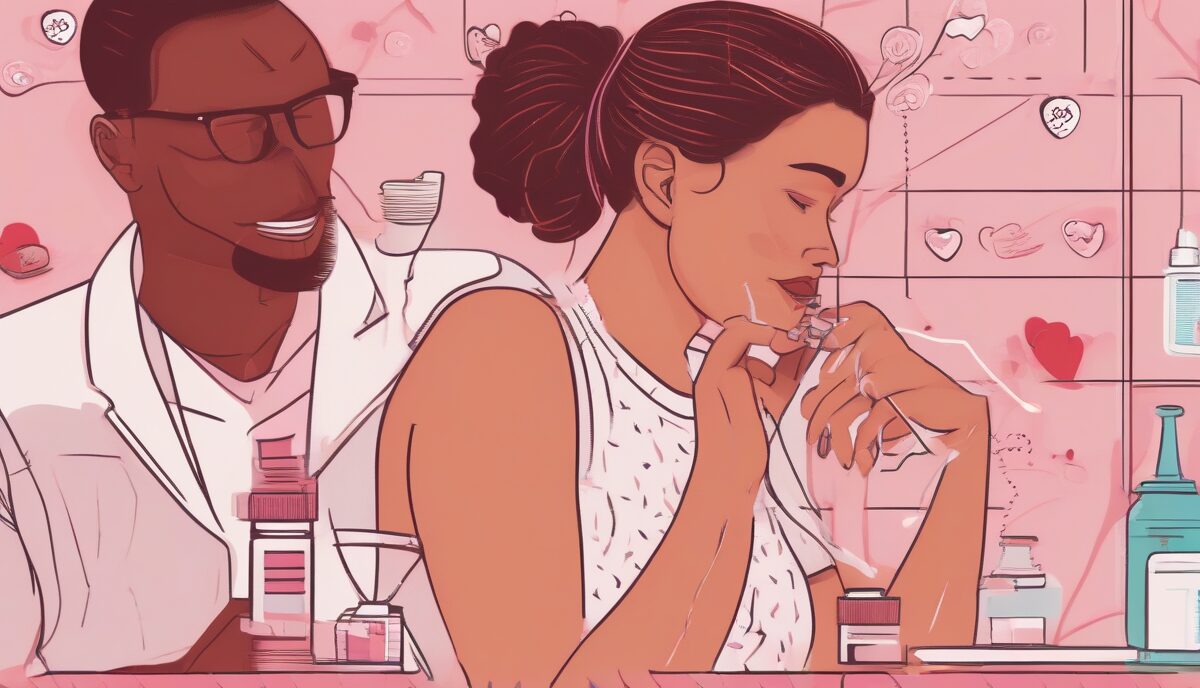
The dating landscape has dramatically changed in recent years, and one of the most significant new variables is vaccination status. As the world grapples with the ongoing impacts of the COVID-19 pandemic, vaccination has become a pivotal point of discussion in many aspects of life, including romantic relationships. This article explores how vaccination status is influencing dating scenes, the challenges it presents, and strategies for navigating this modern dilemma.
Understanding the Impact of Vaccination Status on Dating
Vaccination status can influence dating in various ways. For some, it has become a non-negotiable criterion, akin to shared values or lifestyle choices. With the rise of online dating, many platforms now allow users to display their vaccination status, making it easier for individuals to make informed decisions about potential partners. However, this also raises questions about privacy, health autonomy, and discrimination.
The Role of Online Dating Platforms
Online dating platforms have adapted to the new reality by introducing features that allow users to share their vaccination status. Apps like Tinder, Bumble, and Hinge have added badges or prompts where users can indicate whether they are vaccinated. This transparency can help align expectations and reduce anxiety, but it also brings up concerns about the accuracy of self-reported information and the potential for misuse.
Communication is Key
Effective communication is essential when navigating dating and vaccination status. Here are some tips:
- Be Honest: If vaccination status is important to you, be upfront about it early in the conversation.
- Respect Boundaries: Understand that everyone has different comfort levels and reasons for their choices.
- Stay Informed: Keep up-to-date with the latest health guidelines and information about COVID-19 and vaccinations.
- Be Empathetic: Show understanding and compassion towards others’ decisions, even if they differ from your own.
Addressing Privacy and Discrimination Concerns
While sharing vaccination status can help build trust, it also raises privacy concerns. Not everyone may feel comfortable disclosing their health information on a public platform. Additionally, there’s the risk of discrimination based on vaccination status, which can lead to exclusion or judgment. It’s crucial to approach this topic with sensitivity and respect for individual autonomy.
Finding Common Ground
For relationships to thrive, finding common ground is essential. If you and your potential partner have different views on vaccination, it’s important to have open and respectful discussions. Consider the following strategies:
- Focus on Shared Values: Identify other important values and interests that you both share.
- Compromise: Find ways to meet in the middle, such as agreeing on safety measures for in-person meetings.
- Seek Understanding: Try to understand the reasons behind each other’s choices and respect those decisions.
The Psychology of Risk Assessment in Early Dating
At the heart of the vaccination dilemma lies the psychological concept of risk perception. When two people meet, they are naturally assessing compatibility, but the addition of health-related risk factors adds a layer of subconscious “threat detection.” Individuals who view vaccination as a primary safety mechanism may perceive an unvaccinated partner as a source of environmental danger, triggering an involuntary “flight” response during the early stages of courtship. Conversely, those who prioritize medical autonomy may view inquiries about vaccination as an invasive breach of personal sovereignty. Understanding that these reactions are often rooted in deep-seated psychological needs—safety versus control—can help daters depersonalize the tension. Instead of viewing a disagreement as a moral failing, consider it a clash of “risk frameworks.” By acknowledging that your date is not necessarily attacking your character but rather managing their own internal anxiety or worldview, you can transform a heated debate into a more objective exploration of individual boundaries.
Setting “Health Boundaries” for First Dates
Moving from a digital chat to an in-person meeting requires a tactical approach to safety that respects both parties. Rather than making vaccination the singular litmus test for a date, consider establishing a tiered system of comfort. For instance, you might suggest a “low-risk” first date—such as an outdoor picnic in a well-ventilated park or a walk in a quiet neighborhood—which allows for physical distancing if desired. This approach shifts the focus away from the binary “vaccinated vs. unvaccinated” debate and toward the mutual goal of spending time together in an environment where both people feel at ease. If a venue requires proof of vaccination, be transparent about this requirement well before the date to avoid an awkward public confrontation. By framing your boundary as a personal comfort preference rather than a demand, you maintain the invitation’s warmth while ensuring your health requirements are met.
The Impact of Socio-Political Echo Chambers
It is impossible to ignore that vaccination status has become inextricably linked to broader socio-political identities. In many regions, a person’s stance on immunization acts as a proxy for their political affiliation, distrust of institutions, or reliance on scientific consensus. When you encounter someone with a conflicting view, you aren’t just discussing a medical procedure; you are potentially colliding with an entire ecosystem of information and social influence. To bridge this gap, practice “active curiosity.” Instead of challenging the validity of their information, ask open-ended questions like, “How did you arrive at your perspective on this?” or “What are the main factors that influenced your decision-making process?” This technique often lowers defenses, revealing that the root cause of their stance might be a specific past experience with the healthcare system or a cultural upbringing, rather than a malicious intent to endanger others.
Navigating Family Dynamics and Social Circles
As a relationship deepens, the scope of the vaccination dilemma expands beyond the couple to include their respective support networks. You may find yourself in a position where you are comfortable with your partner’s status, but their family or social circle holds conflicting views that make you feel exposed or unwelcome. This is a critical juncture that requires a unified front. Before attending a family gathering or a social event, have a clear, pre-emptive conversation about how you will handle potential questions or pressure from others. Discuss whether you will present a united front or if you prefer to navigate those interactions independently. Establishing these “social boundaries” protects the integrity of your relationship, ensuring that your partner’s external environment does not become a wedge that drives a divide between you and your significant other.
When to Pivot: Recognizing Fundamental Incompatibility
Despite the best efforts at communication and compromise, there are instances where divergent views on health represent a fundamental incompatibility. This is particularly true if the disagreement extends to future planning, such as how you might manage health risks for potential children, care for aging parents, or handle recurring illness. If you find that every conversation about health leads to resentment, condescension, or a feeling of being “unsafe,” it is vital to recognize that this may be a sign of a deeper misalignment in core values. It is perfectly acceptable to conclude that you are not compatible based on these differences. Framing this as a “lifestyle mismatch” rather than a moral judgment allows both individuals to exit the situation with their dignity intact, acknowledging that while you may have respect for each other, your paths are simply not aligned for a long-term partnership.
Digital Etiquette and the Ethics of “Vax-Checking”
With the widespread use of dating apps, a new form of digital etiquette has emerged regarding the “vax-check.” While it is tempting to use vaccination status as an immediate filter, doing so can significantly narrow your dating pool and potentially cause you to miss out on meaningful connections with people who share your values but have different medical histories or personal reasons for their status. Consider delaying the “vax-check” until a genuine rapport has been established. Once you have built a foundation of trust through conversation, the topic often arises more naturally and with less friction. If you choose to use the app filters, be aware of the “halo effect”—the tendency to assume that someone who is vaccinated shares all your other values. Conversely, do not assume an unvaccinated individual is a monolith of specific political or social beliefs. Treat the information as one data point among many, rather than the primary definition of the person behind the screen.
Managing Anxiety in the Post-Pandemic Dating Landscape
The lingering anxiety from the pandemic has left many people hyper-vigilant about health, and this can sometimes manifest as controlling behavior in relationships. If you find your anxiety about your partner’s vaccination status is causing you to monitor their movements or question their interactions with others, it is time to check in with yourself. Is your concern based on current, actionable health risks, or is it a projection of lingering trauma? It is healthy to prioritize your well-being, but it is equally important to ensure that your need for safety does not evolve into a need for control over your partner. If you struggle to let go of this anxiety, consider working with a therapist to process the ways the pandemic has impacted your ability to trust and connect with others. A healthy relationship requires a balance of mutual protection and individual autonomy, and finding that equilibrium is a journey that often requires personal growth alongside relational effort.
FAQ
1. Why is vaccination status important in dating?
Vaccination status can impact health and safety considerations, align with personal values, and influence comfort levels in meeting in-person.
2. How can I ask someone about their vaccination status?
Approach the topic respectfully and honestly. You can bring it up naturally in conversation or mention it in your profile if using an online dating platform.
3. What if my partner and I have different views on vaccination?
Open communication and understanding are key. Explore each other’s viewpoints, prioritize mutual respect, and find common solutions that work for both.
4. Are there risks in sharing my vaccination status online?
Yes, there are privacy concerns and potential for misuse. Ensure you are comfortable with the information you share and consider the platform’s security measures.
5. Can differing vaccination statuses affect long-term relationships?
Potentially, yes. It depends on the individuals involved and their ability to navigate and respect each other’s health choices and boundaries.
Conclusion
Navigating dating and vaccination status is a modern dilemma that requires a balance of honesty, respect, and empathy. By fostering open communication and understanding, individuals can navigate this new landscape successfully and build meaningful connections despite differences.
Related posts:
 Facebook’s New Dating App Feature
 Voter Information Evolution
 Swipe Right for Immunity: Why People Are Adding Antibody Results to Dating Profiles
 Therapy vs Dating Comparison
 Proving Your Vaccination Status: A Guide to Navigating the New Normal
 Dating in the Metaverse: A New Frontier for Love
 Love’s Anxiety Trap: When Your Relationship Becomes Your Biggest Trigger
 Monkeypox Vaccine: What You Need to Know