
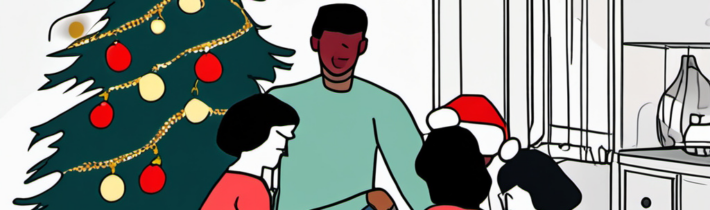
The holiday season is often marketed as a time of unbridled joy, glittering lights, and perfect family gatherings. However, for many families, this period can be one of significant emotional strain, especially when a family member is navigating depression. When mental health struggles intersect with the high expectations of the holidays, the result can be a complex landscape of guilt, exhaustion, and isolation. Understanding how to navigate these seasons requires a delicate balance of empathy, practical boundaries, and a commitment to realistic expectations.
Understanding the Intersection of Holidays and Depression
To navigate this season effectively, it is crucial to first understand why the holidays often exacerbate depressive symptoms. Depression is not merely “sadness”; it is a clinical condition that affects energy levels, motivation, sleep patterns, and cognitive function. During the holidays, several factors can trigger or worsen these symptoms:
- Social Pressure: The cultural narrative of “mandatory happiness” can make an individual with depression feel inadequate or broken because they cannot match the festive energy around them.
- Sensory Overload: The noise, lights, and constant activity associated with holiday gatherings can be overwhelming for someone struggling with sensory regulation or emotional fatigue.
- Grief and Loss: For many, the holidays highlight the absence of loved ones who have passed away, triggering deep-seated grief that can fuel depressive episodes.
- Routine Disruption: Depression often requires strict routines to manage symptoms. The unpredictable nature of holiday schedules can throw a coping mechanism off balance.
end{
Recognizing that these reactions are biological and psychological responses, rather than a lack of willpower, is the first step in supporting a family member.
The Role of Compassionate Communication
Communication is the cornerstone of navigating family depression. However, when a loved one is depressed, standard conversation can sometimes feel intrusive or demanding. The goal is to move from “Why aren’t you celebrating?” to “I notice you seem quiet; how can I best support you right now?”
Practical Examples of Supportive Dialogue:
- Instead of: “You’re ruining the mood by staying in your room,” try: “I want you to know you’re welcome in the living room, but I also respect if you need some quiet time alone.”
- Instead of: “Just try to enjoy yourself,” try: “I know this season can be heavy. Is there anything I can take off your plate to make things easier for you?”
- Instead of: “Why are you so tired?” try: “It looks like you’ve had a long day. Would you like some tea or a quiet space to rest?”
Validating their experience—without trying to “fix” it immediately—is vital. Sometimes, the most helpful thing you can say is, “I hear you, and I am here with you.””p
Setting Realistic Expectations for Celebrations
One of the most effective ways to reduce tension is to lower the bar for what a “successful” holiday looks like. If a family member is struggling, the traditional idea of a five-course meal with twenty relatives might be impossible. Moving toward “micro-celebrations” can alleviate the pressure.
Actionable Guidance for Planning:
- Limit the Guest List: If large gatherings are too much, opt for small, intimate gatherings with only core family members.
- Shorten the Duration: Instead of an all-day event, consider a two-hour afternoon tea or a quick lunch. This provides a clear end point for someone feeling overwhelmed.
- Create a “Low-Stimulation” Zone: Designate a room in the house where loud music and high activity are not permitted. This gives the person struggling a safe haven to retreat to without feeling like they are being cast out.
- Opt for Low-Pressure Activities: Instead of intense games or long discussions, suggest watching a movie or engaging in a low-stakes activity like a puzzle.
Recognizing Red Flags and Seeking Professional Support
While empathy and lifestyle adjustments are helpful, they are not a substitute for clinical treatment. It is essential for family members to know when depression has moved from a seasonal slump into a crisis state that requires professional intervention.
Watch for these warning signs:
- Increased Suicidal Ideation: Any mention of self-harm or wanting to “not be here anymore” must be taken seriously and addressed immediately.
- Total Withdrawal: Moving from being quiet to completely refusing all human contact or ignoring hygiene and nutrition.
- Extreme Sleep or Appetite Changes: Sleeping all day and night or an inability to eat at all.
- Increased Substance Use: Using alcohol or drugs to numb the emotional pain during holiday parties.
If you notice these signs, gently encourage them to contact their therapist or doctor. If they are in immediate danger, contact local emergency services or a crisis hotline. Supporting a loved one means knowing when the situation has exceeded the capacity of a family member and requires a medical professional.
Self-Care for the Caregiver
Supporting a family member with depression is emotionally taxing. It can lead to “compassion fatigue,” where the supporter becomes burnt out, resentful, or equally depressed. To be an effective support system, you must maintain your own mental health.
Strategies for Caregiver Resilience:
- Establish Boundaries: You are not responsible for “curing” your family member. You can provide support, but you cannot control their emotional state.
- Maintain Your Own Traditions: Do not abandon your own sources of joy just because a family member is struggling. You can celebrate in small ways that don’t conflict with their needs.
- Find Your Own Support System: Whether it is a friend, a therapist, or a support group, ensure you have a space to vent your frustrations and process your emotions.
- Schedule Downtime: Ensure you are getting enough sleep and taking time away from the high-stress environment of the holiday season.
Creating a Supportive Physical Environment
The physical atmosphere of your home can play a subtle role in how a person with depression experiences the holidays. While you want to maintain a festive spirit, you can also create an environment that feels safe and calming for someone struggling.
Environmental Adjustments:
- Lighting: Harsh, flashing, or overly bright lights can be overstimulating. Incorporate soft lamps or warm-toned fairy lights that provide a calmer ambiance.
- Noise Control: Be mindful of loud music or high-volume television. If the household is loud, offer noise-canceling headphones to the person struggling.
- Comfort Items: Ensure there are plenty of comfortable places to sit, soft blankets, and a sense of physical comfort available throughout the house.
By making these small adjustments, you create a space where the festive atmosphere and the need for tranquility can coexist.
Navigating Guilt and Shame within the Family
Depression often carries a heavy weight of shame. The person suffering may feel they are a “burden” to the family or that they are “ruining Christmas.” This shame can lead to further withdrawal and self-sabotage.
As a family, it is important to address this shame directly but gently. Reiterate that their illness is not a choice and that their presence is valued regardless of their mood. When family members express guilt, respond with reassurance: “We aren’t here because we expect you to be happy; we are here because we want to be with you.”
Additionally, avoid the trap of guilt for the caregivers. You may feel guilty for being happy while they are suffering, or guilty for feeling frustrated with them. Recognize that these are natural emotional responses and that feeling frustration does not make you a bad person or a bad supporter.
Managing Financial Stress and Holiday Expectations
The intersection of depression and financial pressure during the holidays creates a unique psychological burden. For a person struggling with mental health, the perceived necessity of spending money on gifts, decorations, and lavish meals can trigger intense feelings of inadequacy and failure. They may feel unable to participate in the “giving” aspect of the season, which can lead to a cycle of isolation and deep-seated shame.
To mitigate this, families should adopt a proactive approach to financial discussions before the festive season begins. Transparency is key. If a family member is struggling, the pressure to perform a certain level of socioeconomic status through holiday spending can be crushing. Consider these strategies to lower the financial stakes:
- Normalize Low-Cost Traditions: Shift the focus from material acquisition to experiential connection. Suggesting a potluck dinner, a movie marathon, or a community volunteer event can remove the “price tag” from family bonding.
- Directly Address the Elephant: If you suspect financial strain is contributing to a family member’s withdrawal, address it with compassion. Try: “I know there is a lot of pressure to spend money right now, and I want you to know that being together is more important to us than any gift.”
- The “No-Gift” Policy: For families where mental health struggles are prominent, implementing a “no-gift” or “token gift” rule can remove the cognitive load of shopping and the guilt of not being able to afford something substantial.
By decoupling emotional connection from financial output, you reduce one of the most significant external stressors that can exacerbate depressive episodes during the winter months.
Navigating Navigating Dietary Changes and Sensory Needs
Holiday meals are traditionally centered around indulgence, which can be problematic for individuals dealing with depression. Many people experience changes in appetite—either hyperphagia (overeating) or anorexia (loss of appetite)—as a biological symptom of depressive episodes. Additionally, the sensory experience of a heavy, rich holiday meal can be overwhelming for someone already experiencing sensory processing issues or emotional fatigue.
Supporting a family member’s nutritional health during the holidays requires a subtle, non-judgmental approach. Avoid commenting on how much or how little they are eating, as this often triggers shame and further disrupts eating patterns. Instead, focus on accessibility and variety.
Practical Dietary Support Strategies:
- Provide “Grab-and-Go” Healthy Options: Someone with low energy may find the effort of sitting for a formal meal too taxing. Having nutritious, easy-to-eat snacks available in common areas allows them to nourish themselves without the social or physical demand of a sit-down dinner.
- Minimize Sensory Intensity: If the holiday meal involves heavy smells and loud clatter, try to provide a space where the food is served more quietly. Avoiding overly pungent spices or overwhelming aromas can help if the person is experiencing heightened sensitivity.
- Offer Low-Stakes Hydration: Dehydration can mimic or worsen depressive fatigue. Offering water or herbal tea throughout the day, rather than just during the meal, can help maintain physical stability without making it feel like a medical intervention.
Addressing the Impact of Social Media and Comparison
The “digital holiday” can be just as taxing as the physical one. Social media platforms often become a curated gallery of perfect family moments, snowy landscapes, and extravagant celebrations. For a family member navigating depression, scrolling through these images can lead to intense upward social comparison, reinforcing feelings of loneliness and the perception that everyone else is experiencing a joy that they are fundamentally incapable of feeling.
Managing this digital aspect requires a combination of individual boundary-setting and family awareness. It is important to recognize that what is visible online is rarely the full reality of a person’s mental state.
Strategies for Digital Wellness:
- Encourage a Digital Detox: Suggest a “phone-free” period during family gatherings. This reduces the temptation for a family member to retreat into their device to escape the social pressure, and it encourages presence and genuine connection.
- Curate the Feed: While you cannot control others, you can encourage family members to be mindful of their own consumption. Remind them that social media is a “highlight reel” and not a reflection of the complexities and struggles inherent in real human life.
- Focus on Real-Time Connection: Emphasize that the goal of the holiday is to be present with the people in the room, rather than documenting the event for an external audience. This shifts the focus from “performance” to “presence.”
Managing Multigenerational Dynamics and Differing Beliefs
Holiday gatherings often bring together multiple generations, each with different communication styles, cultural expectations, and views on mental health. This can create a “clash of perspectives” that is particularly difficult when a family member is in a vulnerable state. For example, an older generation might view depression as a lack of resilience, while a younger generation may view it through a clinical, medical lens.
Navigating these differing viewpoints requires a high degree of diplomacy to prevent the person with depression from feeling judged or misunderstood by various family members.
Tactics for Harmonious Multigenerational Interaction:
- Educate the Extended Family: If you are the primary caregiver, consider providing gentle, high-level information to other family members about what depression looks like. This can prevent well-meaning but harmful comments like “they just need to get out more.”
- De-escalate Sensitive Topics: If discussions turn toward politics, religion, or lifestyle choices that might trigger the depressed individual, have a pre-planned “exit strategy” or a way to pivot the conversation toward neutral, safe topics.
- The Power of One-on-One Time: Large group dynamics can be overwhelming. Encourage family members to engage with the person struggling in a low-pressure, one-on-one setting. A simple walk or a quiet conversation can be much more effective than trying to integrate them into a large, boisterous group activity.
The Role of Routine and Predictability in Crisis Prevention
While the holidays are inherently disruptive, for someone managing depression, predictability is often a vital component of stability. The sudden shifts in sleep schedules, meal times, and social obligations that characterize the holiday season can lead to a significant drop in emotional regulation. Preventing a depressive episode from escalating into a crisis often involves finding ways to maintain a sense of “normalcy” amidst the chaos.
Predictability provides a sense of control in a season that can feel emotionally volatile. Even small, consistent elements can act as an anchor for someone struggling to stay grounded.
Ways to Maintain Stability:
- Anchor the Morning: Even if the rest of the day is chaotic, try to keep a consistent morning routine. Whether it is a specific time for coffee or a brief period of quiet reading, these anchors provide a psychological sense of continuity.
- Provide a Visual Schedule: For family members who struggle with cognitive fatigue, knowing what to expect can reduce anxiety. A simple, written outline of the day’s events (e.g., “Lunch at 1:00, Quiet time at 3:00, Dinner at 6:00”) can provide much-needed predictability.
- Respect the Need for “Micro-Routines”:
If a family member finds comfort in a specific, repetitive task—such as helping with a small part of meal prep or tending to a plant—encourage it. These low-stakes, repetitive actions can provide a sense of purpose and a break from the emotional intensity of the season.
Addressing Seasonal Affective Disorder (SAD) and Biological Factors
It is important to distinguish between clinical depression and Seasonal Affective Disorder (SAD), although they often overlap. SAD is a type of depression that is specifically triggered by the change in seasons, often characterized by a lack of sunlight during the winter months. Because the holidays coincide with the darkest time of the year for many, the biological impact of reduced light exposure can exacerbate existing depressive symptoms.
Understanding the biological component can help families move away from the idea that the person is simply “not in a holiday mood” and toward an understanding that their brain chemistry is reacting to environmental changes.
Biological Support Strategies:
- Light Therapy Awareness: For those diagnosed with SAD, light therapy boxes can be highly effective. Ensure that the environment allows for the use of these tools without making the person feel like they are being treated as a patient in a clinical setting.
- Maximize Natural Light: During daytime gatherings, keep curtains open and try to host events in well-lit spaces. Even a small amount of natural light can assist in regulating circadian rhythms.
- Vitamin D and Nutrition: While not a cure, maintaining adequate Vitamin D levels is often recommended for seasonal mood shifts. Encouraging a diet rich in nutrients can support overall neurological health during stressful periods.
FAQ
Q: How do I know if my family member’s mood is just “holiday blues” or actual depression?
A: While “holiday blues” are common and usually involve temporary sadness or fatigue, clinical depression is characterized by its duration and intensity. If the symptoms persist for weeks, interfere significantly with daily functioning (work, hygiene, eating), and include feelings of hopelessness or worthlessness, it is likely depression rather than temporary seasonal blues.
Q: Is it okay to celebrate normally if a family member is depressed?
A: Yes. You do not need to suppress your own joy to accommodate someone else’s illness, but you should do so with sensitivity. The key is balance: celebrate in a way that doesn’t feel like a direct affront to their struggle, and ensure they know that your happiness is not a dismissal of their pain.
Q: What should I do if my family member refuses to acknowledge they need help?
A: You cannot force someone into treatment, but you can express your concerns using “I” statements. For example, “I am concerned because I’ve noticed you haven’t been eating much lately, and I want to make sure you’re okay.” Focus on specific behaviors rather than labels, and leave the door open for them to seek help when they are ready.
Q: How can I support a family member who is grieving a loss during the holidays?
A: Acknowledge the loss. Trying to ignore the “elephant in the room” can make the person feel more isolated. Simply saying, “I know this is a hard time because we miss [Name], and I am thinking about them with you,” can be incredibly validating.
Q: Should I suggest therapy during the holiday season?
A: It depends on the timing. If they are in a crisis, yes, immediate help is needed. If they are stable but struggling, it might be better to wait until the peak holiday rush has passed to have a deeper conversation about long-term treatment, so they don’t feel overwhelmed by new medical appointments during an already stressful time.
Related posts:
 Casper Holiday Sale Guide
 Holiday Plants Guide
 50 Fun Things to Do This Holiday Season—While Still Being Smart
 Trader Joe’s Dairy-Free Almond Nog Is the Holiday Hero We Needed
 Jingle All the Way: Holiday-Themed Races to Spread Cheer
Celebrities Share Their Most Adorable Holiday Pet Photos
Jingle All the Way: Holiday-Themed Races to Spread Cheer
Celebrities Share Their Most Adorable Holiday Pet Photos
 Managing Holiday Fatigue
 Olay Holiday Collection