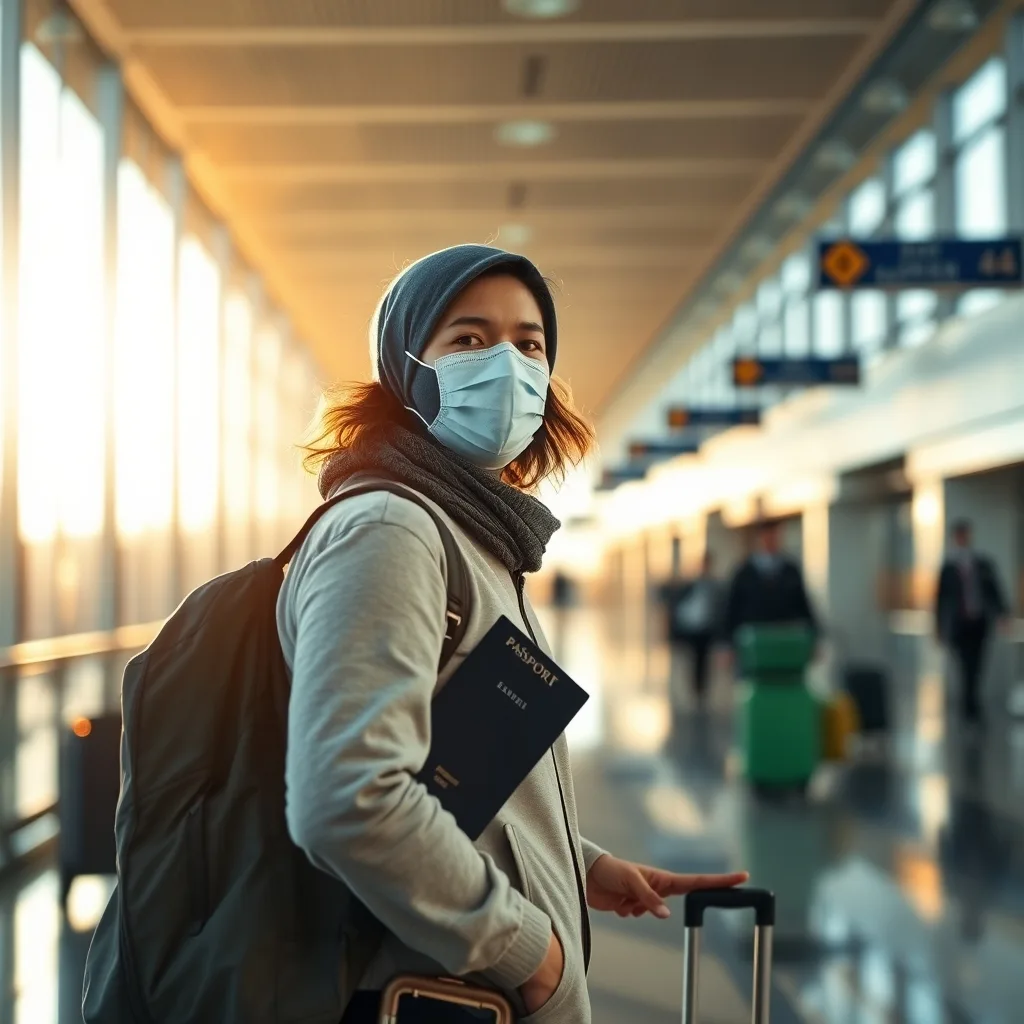
Traveling while the Omicron variant of COVID‑19 is still circulating can feel like navigating a maze of rules, health concerns, and logistical hurdles. Yet with thoughtful preparation, clear communication, and a flexible mindset, you can protect yourself and your companions while still enjoying the experiences you’ve been looking forward to. This guide walks you through each stage of the journey—from pre‑departure research to post‑trip recovery—offering practical steps, real‑world examples, and actionable checklists.
Key takeaways
- Assess your health and vaccination status before booking to determine if travel is appropriate for your specific risk profile.
- Research destination-specific entry requirements, including testing, documentation, and insurance, to avoid travel disruptions.
- Pack a comprehensive health kit with rapid tests, masks, sanitizers, and essential medications for immediate use if you feel unwell.
- Adopt a tiered itinerary strategy to prioritize outdoor, low-risk activities while maintaining flexible backup plans for higher-risk venues.
- Create a contingency plan that includes emergency funds and identified medical facilities to handle potential positive tests or restrictions.
1. Assess Your Personal Health Situation
Before you book a ticket, take a realistic inventory of your own health status and risk factors. Consider the following:
- Vaccination record: Have you completed a primary series and received any recommended booster doses? Most health agencies still advise that up‑to‑date vaccination reduces the likelihood of severe disease.
- Underlying conditions: Chronic respiratory issues, diabetes, or immunosuppression increase vulnerability. If you fall into a higher‑risk category, weigh the benefits of travel against potential health impacts.
- Recent exposure: If you’ve been in close contact with a confirmed case in the past 10 days, postpone travel until you’ve completed a recommended isolation period.
Creating a simple health checklist can help you decide whether now is the right time to go.
2. Choose a Destination That Matches Your Risk Tolerance
Not all locations have the same level of community transmission or public health infrastructure. Use reputable sources such as the World Health Organization (WHO), the Centers for Disease Control and Prevention (CDC), and local health ministries to compare:
- Current case rates per 100,000 residents.
- Hospital capacity and ICU occupancy.
- Testing availability for travelers.
- Mask and social‑distancing mandates.
For example, a traveler in June 2023 might find that many European capitals had moved to “living with COVID” policies, whereas some island destinations still required pre‑arrival PCR testing. Align the destination’s policies with your comfort level.
3. Verify Entry Requirements and Documentation
Each country (and sometimes individual regions within a country) sets its own entry rules. Common requirements for Omicron‑era travel include:
- Proof of full vaccination (often a digital vaccine passport).
- Negative PCR or rapid antigen test taken within a specified window (typically 48–72 hours before departure).
- Health declaration forms completed online.
- Travel insurance that covers COVID‑related medical expenses and trip interruption.
Download or print all required documents ahead of time. A practical tip: store PDFs in a cloud folder and also have a printed copy in your carry‑on, because airport Wi‑Fi can be spotty.
4. Book Flexible Accommodations and Transportation
Flexibility is your greatest ally when dealing with a rapidly changing pandemic landscape. Look for:
- Refundable or change‑able flight tickets: Many airlines now offer “flex fare” options that waive change fees.
- Hotels with free cancellation up to 24 hours before check‑in: This protects you if a sudden travel advisory forces a return home.
- Rental cars with “no‑penalty” policies: Some providers allow you to extend or shorten the rental period without extra cost.
When possible, choose accommodations that provide on‑site kitchens or laundry facilities. This reduces reliance on crowded restaurants and allows you to maintain healthier habits.
5. Prepare a Travel Health Kit
A well‑stocked health kit can make a big difference if you feel unwell or need to follow local health protocols. Include:
- At least 10 rapid antigen test kits (the number depends on trip length).
- Two‑layer surgical masks or KN95 respirators.
- Hand sanitizer (≥ 60 % alcohol) and disinfecting wipes.
- Prescription medications, plus a copy of the prescription.
- Thermometer, pulse oximeter, and a small notebook for symptom tracking.
Pack the kit in a clear zip‑top bag for easy inspection at security checkpoints.
6. Implement Daily Safety Practices While Traveling
Even if a destination has relaxed public health rules, basic protective habits remain valuable:
- Mask in crowded indoor settings: Airports, train stations, and popular attractions often have limited ventilation.
- Maintain hand hygiene: Wash hands with soap for at least 20 seconds after touching high‑touch surfaces.
- Ventilate indoor spaces: When staying in a hotel room, open windows briefly to exchange air.
- Monitor symptoms: Use a simple daily log to note fever, cough, loss of taste or smell, and fatigue.
These habits help you stay healthy and also protect fellow travelers.
7. Have a Contingency Plan for Positive Tests or Sudden Restrictions
Despite best efforts, you might test positive abroad or encounter an unexpected travel ban. Prepare in advance:
- Identify nearby medical facilities: Note the address, phone number, and whether they accept international insurance.
- Know your airline’s re‑booking policy: Some carriers will move you to the next available flight at no extra charge if you provide a positive test result.
- Set aside emergency funds: A modest reserve (e.g., $500‑$1,000) can cover unexpected accommodation extensions or quarantine fees.
- Communicate with travel companions: Agree on a protocol—who will pick up medication, who will handle logistics—so no one is left scrambling.
Documenting this plan in a shared Google Doc ensures everyone can access it, even if internet access is limited.
8. Manage Post‑Travel Health and Reintegration
After you return home, continue to monitor your health for at least 10 days. Follow these steps:
- Take a rapid antigen test on day 5 and day 10, even if you feel fine.
- Limit close contact with vulnerable household members for a week, especially if you’re not fully vaccinated.
- Update your primary care provider about any lingering symptoms, such as fatigue or shortness of breath.
- Consider a “re‑entry” self‑care routine: gentle stretching, balanced nutrition, and adequate sleep to help your body recover.
Being transparent with coworkers or classmates about recent travel can also help them make informed decisions about shared spaces.
Leverage Technology for Real‑Time Pandemic Intelligence
In the Omicron era, the most reliable compass is up‑to‑date data. Modern travelers can turn a smartphone into a personal epidemiology hub by integrating three layers of information:
- Official dashboards: Set up push notifications from the World Health Organization’s global tracker, the CDC’s travel health page, and the health ministry of your destination. Most of these sites now offer RSS feeds or email alerts for changes in case rates, testing mandates, and quarantine rules.
- Community‑sourced platforms: Apps such as TravelTogether aggregate traveler‑reported test results and symptom logs, giving you a ground‑level view that can differ from official statistics. Join relevant Telegram or Discord groups where expatriates share real‑time experiences.
- AI‑driven risk calculators: Services like RiskCalc let you input vaccination status, age, and planned activities to generate a personalized probability of infection. While not a substitute for professional medical advice, these tools help you weigh trade‑offs between sightseeing and exposure.
Practical workflow: Each morning before you step out, glance at the three layers. If the official dashboard shows a sudden surge (e.g., >150 cases per 100,000) and community reports indicate crowded testing centers, consider postponing a high‑density activity such as a market tour. Conversely, if the AI calculator shows a <5% risk for a masked indoor museum visit, you can proceed with confidence.
Edge case example: A traveler heading to a small Alpine town discovered via a community forum that the local hospital had exhausted its oxygen supply despite low official case numbers. The traveler rerouted to a nearby city with better medical capacity, saving both time and potential health risk.
Designing a Pandemic‑Resilient Travel Itinerary
Beyond booking flexible tickets, the structure of your day‑to‑day plan can dramatically affect your exposure. Treat your itinerary like a layered defense strategy, where each activity is assigned a risk tier and a backup option.
- Tier‑1 (low risk): Outdoor attractions with natural ventilation—hiking trails, beaches, open‑air museums. Schedule these for the first half of the day when crowds are thinner.
- Tier‑2 (moderate risk):> Indoor venues that enforce mask policies and have limited capacity—art galleries, boutique cafés with outdoor seating, guided tours with pre‑assigned groups.
- Tier‑3 (high risk): Large, poorly ventilated spaces—nightclubs, indoor stadiums, mass transit during peak hours. Either avoid or allocate a generous buffer (e.g., an extra day) in case you need to skip them.
For each tier, create a plan B that can be swapped in with minimal disruption. If a Tier‑2 museum suddenly requires a negative PCR test you don’t have, replace it with a nearby park sculpture trail (Tier‑1) and reschedule the museum for a later day when you can obtain the test.
Sample day: 08:00 – 09:00: Sunrise hike (Tier‑1). 10:00 – 12:00: Outdoor market visit (Tier‑1). 13:00 – 14:00: Lunch at a café with outdoor tables (Tier‑2). 15:00 – 17:00: Art gallery (Tier‑2) with a backup of a city‑wide bike tour (Tier‑1). 18:00 – 20:00: Evening riverwalk (Tier‑1). This layout ensures that if the gallery closes unexpectedly, you still have a fulfilling alternative without back‑tracking to a high‑risk environment.
When traveling with a group, circulate the tiered plan via a shared spreadsheet so everyone can see the risk level and backup options in real time.
Managing Mental Well‑Being and Stress on the Road
Constantly monitoring health metrics and policy changes can erode the joy of travel. Proactive mental‑health practices help you stay resilient:
- Micro‑mindfulness breaks: Set a timer for every 90 minutes to pause, close your eyes, and breathe for one minute. Even a brief reset lowers cortisol levels and improves decision‑making.
- Digital detox windows: Designate “offline hours” (e.g., 20:00‑22:00) when you turn off travel‑related notifications. Use this time for journaling, reading a physical guidebook, or simply enjoying the scenery.
- Travel‑buddy check‑ins: If you’re traveling solo, schedule a brief video call with a trusted friend at the end of each day. Sharing your experiences reduces the feeling of isolation and provides an external perspective on any anxieties.
- Preparedness rituals: Before entering a high‑traffic area, perform a quick ritual—sanitizing hands, checking mask fit, and reviewing your symptom log. The ritual creates a sense of control, which mitigates panic.
Real‑world scenario: A solo backpacker in Tokyo found that nightly news updates about a new sub‑variant triggered anxiety. By limiting news consumption to a single 10‑minute slot at 09:00 and using a meditation app (e.g., Insight Timer) for a 5‑minute session afterward, the traveler reported a 40% reduction in sleep disturbances over a two‑week period.
Remember that seeking professional help is not a sign of weakness. Many tele‑psychiatry services (e.g., BetterHelp, Talkspace) offer multilingual support and can be accessed with a few clicks, even from remote locations.
Traveling with Vulnerable Populations: Seniors, Children, and Disabilities
When your travel party includes individuals with heightened health concerns, the planning depth must expand beyond standard checklists.
Senior Travelers
Older adults often have comorbidities that increase COVID‑19 severity. Prioritize the following:
- Proximity to advanced medical facilities: Choose hotels within a 15‑minute drive of a tertiary hospital that offers multilingual staff.
- Low‑impact transportation: Opt for private shuttles or wheelchair‑accessible taxis rather than crowded public buses.
- Extended rest periods: Build in longer intervals between activities (e.g., 30‑minute rests) to avoid fatigue, which can impair immune response.
Children and Families
Young travelers need both protection and engagement:
- Kid‑friendly testing sites: Research locations that offer painless saliva tests or rapid antigen swabs designed for children.
- Interactive health education: Turn mask‑wearing into a game—e.g., “mask detective” where kids earn stickers for correct usage.
- Backup childcare options: Identify reputable local daycare centers or hotels with on‑site babysitting services in case a parent needs to isolate.
Travelers with Disabilities
Accessibility intersects with pandemic safety in unique ways:
- Accessible testing venues: Verify that testing centers have wheelchair ramps and staff trained to assist with sample collection.
- Assistive‑device sanitization: Carry a portable UV‑C sanitizing wand (certified for medical devices) to quickly disinfect wheelchairs, prosthetics, or hearing aids.
- Pre‑arranged support services: Many airports provide “special assistance” desks; contact them ahead of time to confirm they can handle both accessibility and health‑screening needs.
By mapping these specialized resources before departure, you reduce the likelihood of last‑minute scrambling and ensure that every member of the party feels secure.
Financial Safeguards and Currency Strategies Amid Uncertainty
Rapid policy shifts can trigger unexpected expenses—quarantine hotels, emergency repatriation, or last‑minute flight changes. A robust financial plan cushions these shocks.
- Multi‑currency digital wallets: Services like Revolut, Wise, or N26 allow you to hold several currencies at fixed exchange rates. Load the wallet before travel to lock in favorable rates and avoid costly airport currency exchanges.
- Pre‑paid travel cards with insurance add‑ons: Some cards bundle travel‑insurance coverage for COVID‑related disruptions. Review the terms to ensure they cover test‑kit purchases and quarantine accommodations.
- Dynamic budgeting spreadsheet: Create columns for “Planned,” “Actual,” and “Contingency” expenses. Update the sheet daily; if a quarantine fee appears, re‑allocate from the contingency pool rather than dipping into personal savings.
- Emergency cash stash: Keep a small amount (e.g., $200‑$300) in the local currency in a hidden envelope. This can be crucial if electronic payment systems go offline due to cyber‑attacks or network outages—a scenario observed during a brief outage in a Southeast Asian capital in 2024.
Case study: A business traveler to Dubai used a multi‑currency wallet to pre‑load AED at a 3.5% fee, saving $150 compared to the airport exchange. When a sudden 48‑hour travel ban forced a return home, the traveler used the card’s built‑in travel‑insurance payout to cover an extra night in a quarantine hotel, avoiding out‑of‑pocket costs.
Finally, regularly review your credit‑card statements for any hidden foreign‑transaction fees. Some issuers waive these fees for the first year, after which they can add up quickly.
Utilizing Tele‑medicine and Remote Health Resources While Abroad
Access to qualified medical advice should not end at the airport gate. Tele‑medicine bridges the gap between your home doctor and the local health system.
- Pre‑travel tele‑health enrollment: Sign up for a global tele‑medicine platform (e.g., Teladoc, Babylon Health) before departure. Upload your vaccination records, medication list, and any chronic‑condition documentation to streamline future consultations.
- Localized virtual clinics: Many countries now host government‑backed tele‑health portals that connect you with native‑speaking physicians. For example, Singapore’s HealthHub offers English‑language video calls for expatriates.
- Prescription delivery services: In regions where pharmacies accept electronic prescriptions, arrange for medication to be delivered to your hotel. This avoids the need to visit crowded drugstores.
- Symptom‑tracking apps with clinician alerts: Apps like MyChart or the WHO’s COVID‑19 app allow you to log temperature and oxygen saturation. If readings cross a preset threshold, the app can automatically schedule a tele‑consultation.
Step‑by‑step example: A traveler in Barcelona felt mild fatigue on day three. Using a tele‑medicine app, they logged a temperature of 37.8 °C and a SpO₂ of 96%. The platform flagged a potential early infection, routed the case to a local English‑speaking doctor, and prescribed a short course of antivirals, which were delivered to the traveler’s Airbnb within two hours.
When selecting a tele‑medicine service, verify that it complies with data‑privacy regulations (e.g., GDPR for Europe) and that it offers a clear escalation path to in‑person care if the situation deteriorates.
By integrating remote health tools into your travel workflow, you maintain continuity of care, reduce the anxiety of being far from familiar medical providers, and can act swiftly should symptoms arise.
FAQ
1. Do I still need a negative COVID‑19 test if I’m fully vaccinated?
Requirements vary by country and airline. Many destinations have lifted mandatory testing for fully vaccinated travelers, but some still require a negative PCR or rapid antigen test taken within 48–72 hours of departure. Always verify the latest guidance on the official government or airline website before you travel.
2. How can I find reliable information about a country’s current Omicron situation?
Use multiple sources: the WHO’s weekly epidemiological updates, the CDC’s travel recommendations, and the destination’s own health ministry website. For real‑time data, reputable dashboards like Our World in Data or the Johns Hopkins Coronavirus Tracker provide case rates and vaccination coverage.
3. What should I do if I develop symptoms while abroad?
Isolate immediately in your accommodation, take a rapid antigen test, and contact the local health authority for guidance. If the test is positive, follow the country’s isolation protocol, which may include staying in a designated facility or remaining at your lodging. Notify your airline and travel insurance provider as soon as possible to arrange any necessary changes.
4. Is travel insurance worth the cost in the Omicron era?
Yes, especially policies that cover COVID‑19‑related medical care, quarantine expenses, and trip interruption. Review the fine print to ensure the policy includes coverage for rapid test kits, medication, and any mandatory quarantine hotels. Compare several insurers to find the best balance of coverage and price.
5. Can I safely travel with children during the Omicron wave?
Children benefit from the same protective measures as adults: vaccination (where approved), mask‑wearing in crowded indoor spaces, and frequent hand washing. Pack age‑appropriate masks and test kits, and choose destinations with pediatric‑friendly health services. Keep travel itineraries flexible to accommodate any sudden health needs.
Related posts:
 What Immunocompromised People Need to Know About COVID-19 Risk
 COVID-19 Vaccine and Pregnant Women: Weighing the Benefits and Risks
 Rising Costs for Unvaccinated
 Managing Anger During Quarantine
 When Can Kids Get the COVID-19 Vaccine? Experts Weigh In
 Post-Pandemic Travel Guide
 CDC Releases Updated Holiday Guidelines for Safe Celebrations
 United Airlines Vaccination Lottery: Incentivizing Health and Travel