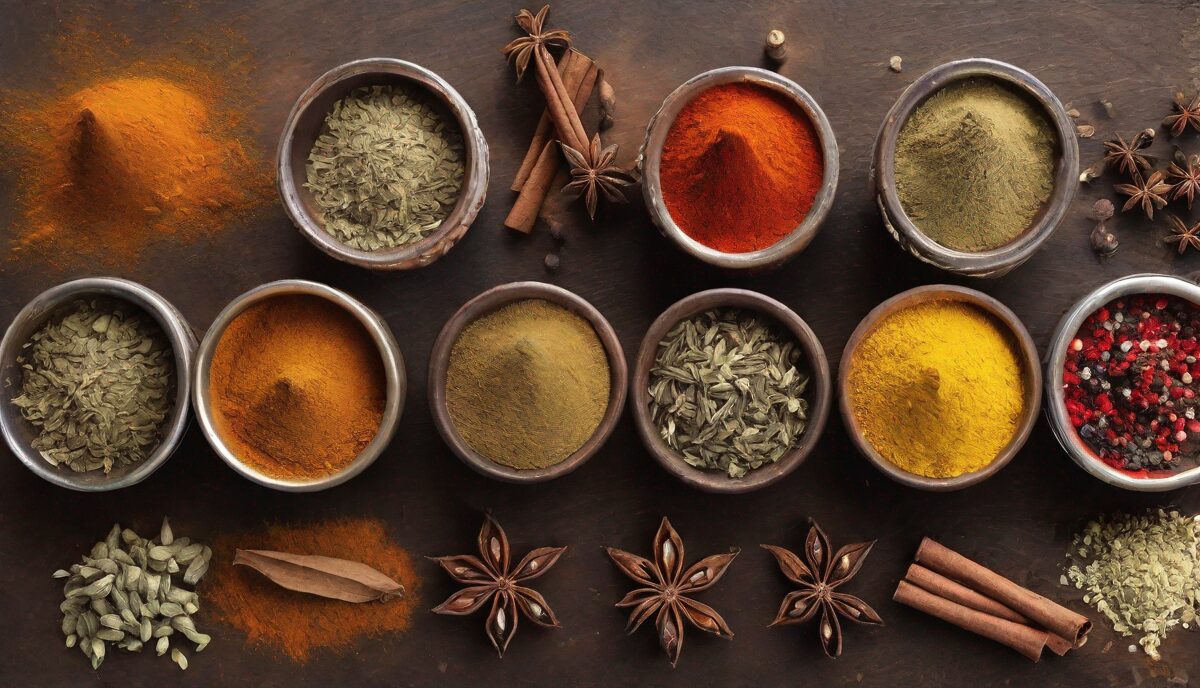
What to Do When You Run Out of Common Spices
We’ve all been there – halfway through cooking a recipe when you realize you’ve run out of a necessary spice! No need to panic or run to the store. Many common spices can easily be substituted with ingredients you likely already have on hand. Keep reading for emergency spice substitutions and tips for being prepared so you aren’t caught spice-less again!
Key takeaways
- Use pantry staples like basil, marjoram, or thyme as effective substitutes when you run out of oregano.
- Swap warm spices like cinnamon, nutmeg, ginger, and cloves interchangeably in sweet baking recipes.
- Store spices in airtight containers in cool, dark places away from heat and moisture to maintain freshness.
- Perform annual spice inventories to replace expired ingredients and ensure your kitchen is always prepared.
Substituting Salt
- Celery salt
- Onion powder
- Garlic powder
- Lemon juice
Substituting Pepper
- Crushed red pepper flakes
- Cayenne pepper
- Paprika
- Ground ginger
Substituting Oregano
- Basil
- Marjoram
- Thyme
- Savory
Substituting Cinnamon
- Allspice
- Nutmeg
- Cloves
- Ginger
Substituting Garlic
- Onion powder
- Asafoetida powder
- Garlic salt
- Garlic paste
Tips for Always Being Prepared
While substitute spices can work in a pinch, your dish likely won’t taste exactly how you envisioned. Follow these tips to always have well-stocked spices so you aren’t caught off guard again:
- Take inventory and make a master grocery list
- Buy spices in bulk
- Store properly in airtight containers
- Label everything clearly
- Replace old/expired spices
The Cumin and Coriander Connection: Navigating Earthy and Citrusy Profiles
Cumin and coriander are the dual engines of flavor in many global cuisines, from the smoky depths of a Mexican mole to the bright, aromatic complexity of an Indian Madras curry. When you reach for cumin and find an empty jar, you aren’t just losing a spice; you’re losing the “earthiness” of the dish. The most effective substitute for ground cumin is caraway seeds. Both plants belong to the same botanical family, and caraway possesses a similar profile of volatile oils, though it is slightly more anise-forward. Use about half the amount of caraway as you would cumin to avoid an overwhelming licorice note. If you have whole caraway seeds, crush them slightly in a mortar and pestle to release the oils before adding them to your fat source.
Coriander, the seed of the cilantro plant, offers a completely different profile—floral, citrusy, and slightly sweet. If you are out of coriander, cumin is often suggested as a substitute, but this can be a trap. Cumin is far more pungent and smoky. To successfully use cumin as a coriander replacement, use only a third of the amount and supplement it with a pinch of dried lemon peel or a dash of fresh lemon juice at the end of the cooking process. This mimics the citrusy top notes that coriander naturally provides. Another overlooked substitute for coriander is fennel seed. While fennel is sweeter, it shares that light, airy quality. For savory stews, a mix of equal parts cumin and fennel can bridge the gap left by missing coriander.
In edge cases where you lack all of the above, consider a small amount of garam masala. Since garam masala usually contains both cumin and coriander, it can work in a pinch, but be wary of the other “warm” spices like cinnamon and cloves that are also in the blend. If your recipe is a savory chili or a dry rub for meat, toasted chili powder (the American blend) can sometimes stand in for cumin because cumin is a primary ingredient in most commercial chili powders. Just be prepared for the added heat and the reddish hue it will impart to your sauce.
The Resinous Powerhouse: Swapping Rosemary, Sage, and Thyme
While the existing guide mentions basil and oregano, the “resinous” herbs—rosemary, sage, and thyme—require a different strategy because they are much more potent and can easily dominate a dish if swapped incorrectly. Rosemary is perhaps the most difficult to replace due to its pine-like, woody aroma. If a recipe calls for fresh rosemary and you are out, your best bet is dried rosemary, but use only one-third of the volume. If you have no rosemary at all, sage is the closest relative in terms of flavor density. Sage has a fuzzy, savory profile that pairs well with the same proteins as rosemary (lamb, pork, and poultry). However, sage lacks the “bright” pine notes, so adding a bit of lemon zest or even a crushed juniper berry can help round out the flavor.
Thyme is the ultimate utility player in the herb world. If you run out of thyme, marjoram is an excellent substitute, offering a similar floral and woody balance. Savory (specifically summer savory) is another classic alternative that is often found in herb-de-Provence blends. If you are making a slow-cooked stew or a roasted chicken and realize you are out of thyme, rosemary can work, but you must chop it very finely. Rosemary is much tougher than thyme and won’t break down as easily in the heat; a large needle of rosemary in a soft stew can be an unpleasant textural surprise for your guests.
Sage is a unique herb because of its high camphor content. It is often used in heavy, fatty dishes like sausage or brown butter sauces. If you lack sage, poultry seasoning is your best friend. Poultry seasoning is a pre-mixed blend that is heavily weighted toward sage and thyme. If you don’t have that, marjoram is the next best thing, though it is much milder. To compensate for marjoram’s lack of punch, you might increase the amount of black pepper in the dish to provide that slightly medicinal, sharp bite that sage usually provides. In a pinch for a stuffing or a meat-heavy dish, a small amount of celery seed can also provide an earthy, savory backbone that mimics the complexity of sage.
Decoding the Chili Powder Puzzle: Heat, Smoke, and Color
It is a common point of confusion: “chili powder” in the United States is a spice blend (containing cumin, garlic, and oregano), whereas “chili powder” in many other parts of the world is simply ground hot peppers. If your recipe calls for the American blend and you are out, do not simply substitute an equal amount of cayenne pepper. Doing so will make the dish inedibly hot. Instead, create a DIY chili powder by mixing 2 parts paprika, 1 part cumin, and a tiny pinch of cayenne. This gives you the color and the base flavor without the overwhelming capsaicin burn.
Paprika itself comes in three main varieties: sweet, hot, and smoked (pimentón). If a recipe calls for smoked paprika and you only have sweet, the dish will lack that characteristic campfire depth. You can bridge this gap by using sweet paprika and adding a drop of liquid smoke or a very small amount of chipotle powder. Conversely, if you only have smoked paprika and the recipe calls for sweet, be cautious. The smokiness can be overpowering in delicate cream sauces or light vegetable dishes. In those cases, you might be better off using a tiny amount of cayenne for the color and skipping the paprika entirely to avoid the smoke.
For those recipes that require the specific fruitiness of dried chilies (like Ancho or Guajillo), and you find yourself empty-handed, look to your condiment fridge. A tablespoon of tomato paste mixed with a dash of hot sauce and a pinch of cocoa powder can surprisingly mimic the deep, raisin-like, and spicy profile of dried Mexican chilies. This is an excellent trick for enchilada sauces or stews where the chili is meant to provide body and richness rather than just sharp heat. If you need heat but are out of all pepper products, ground ginger or even a large amount of prepared horseradish can provide a “sinus heat” that acts as a temporary surrogate, though the flavor profile will shift significantly toward the pungent rather than the smoky.
The Golden Hue: Turmeric and Mustard Substitutions
Turmeric is prized more for its vibrant golden color and its anti-inflammatory properties than for a strong, distinct flavor—though it does have a subtle, earthy bitterness. If you are making a yellow curry or a turmeric latte and run out, the most famous substitute is saffron. However, saffron is incredibly expensive and has a much more floral, honey-like profile. A more practical pantry substitute for turmeric’s color is yellow mustard powder. While mustard is sharper and more acidic, it provides that same bright yellow hue. Use about half as much mustard powder as you would turmeric to prevent the dish from becoming too tangy.
If the turmeric was being used for its earthy flavor rather than just color, ginger is the best choice. Turmeric and ginger are cousins in the rhizome family. Ground ginger is more “spicy-sweet” than turmeric, so you may want to balance it with a little extra salt or a pinch of cumin to ground the flavor. In some pickles or brines, you can even use a small amount of curry powder to replace turmeric, as turmeric is usually the primary ingredient in curry powder anyway.
Mustard seed and mustard powder are often overlooked but are essential for emulsifying vinaigrettes and adding a “bite” to mac and cheese. If you are out of dry mustard powder, prepared Dijon mustard is an excellent 1:1 substitute (use 1 tablespoon of prepared mustard for every 1 teaspoon of dry powder). If you have neither, a pinch of horseradish or even a bit of wasabi powder can provide that same sharp, nasal-clearing heat. For texture in recipes like pickles or corned beef, where whole mustard seeds are required, you can substitute with pickling spice or even a small amount of celery seeds, though the flavor will be more vegetal and less pungent.
Baking Beyond Cinnamon: The Role of Cardamom, Nutmeg, and Allspice
While the original article covers cinnamon, the world of baking relies on a delicate balance of several other “warm” spices. Nutmeg is a powerhouse; it is so potent that it is often grated fresh in tiny quantities. If you run out of nutmeg, mace is the literal botanical sister spice (it is the lacy outer covering of the nutmeg seed). They are almost interchangeable, though mace is slightly more delicate and peppery. If you have neither, allspice is the next best candidate. Despite its name, allspice is a single berry, not a blend, but it tastes like a combination of cinnamon, cloves, and nutmeg. Use it in a 1:1 ratio for nutmeg.
Cardamom is one of the most expensive and distinct spices in the world, featuring a citrusy, herbal, and slightly minty profile. It is essential in Scandinavian baking and Indian desserts. If you are out of cardamom, you can attempt to replicate its complexity by mixing equal parts cinnamon and ground cloves. Some chefs also suggest adding a tiny drop of vanilla extract and a pinch of lemon zest to this mixture to mimic the high, aromatic notes of the cardamom pod. It won’t be a perfect match, but it will prevent the dish from feeling flat.
Cloves are perhaps the most intense of all baking spices. They contain high levels of eugenol, which provides a numbing sensation. If a recipe calls for ground cloves and you are out, use allspice at a 1:1 ratio. If you lack allspice as well, nutmeg is your best bet, but avoid using cinnamon as a direct substitute for cloves; cinnamon lacks the medicinal, sharp punch that cloves provide. For whole cloves used in simmering liquids (like mulled wine or a ham glaze), you can use a few star anise pods. Star anise provides a different flavor (licorice), but it offers the same level of aromatic intensity and “warmth” that whole cloves contribute to a liquid base.
Mastering the Art of the DIY Spice Blend
Many of the “spices” we run out of are actually blends that we can easily reconstruct from the individual components already in our pantry. If you are staring at a recipe that calls for Italian Seasoning, don’t panic. You can make your own by combining equal parts dried oregano, basil, and thyme, with a smaller pinch of rosemary and marjoram. If you like a bit of heat, add a few red pepper flakes. This DIY approach actually allows you to customize the flavor to your specific dish—more rosemary for roasted potatoes, more basil for a tomato sauce.
Pumpkin Pie Spice is another frequent culprit for an emergency store run. It is essentially a mixture of cinnamon, ginger, nutmeg, allspice, and cloves. The ratio is usually heavy on the cinnamon (about 4 parts cinnamon to 1 part of the others). If you are missing one of the minor ingredients, like allspice, you can simply increase the amount of nutmeg or cloves slightly. The same logic applies to Apple Pie Spice, which is usually just cinnamon, nutmeg, and a hint of cardamom.
For savory cooking, Poultry Seasoning and Adobo are common requirements. Poultry seasoning is primarily sage and thyme with a bit of black pepper and marjoram. Adobo can be replicated with garlic powder, onion powder, oregano, black pepper, and turmeric (for color). If you are missing Taco Seasoning, the “golden ratio” is 2 tablespoons of chili powder, 1 tablespoon of cumin, 1 teaspoon of salt, 1 teaspoon of black pepper, and a half-teaspoon each of garlic powder, onion powder, and dried oregano. By keeping these “recipes within recipes” in mind, you can often save a dish without having to substitute a single flavor profile, simply by rebuilding the blend from scratch.
The Extraction Factor: How to Make Substitutes Punch Above Their Weight
When you are forced to use a substitute that isn’t a perfect match—or perhaps a substitute that is a bit old and has lost some of its potency—the technique you use to introduce it to the dish becomes critical. This is where “blooming” comes into play. Most of the flavor in spices is held in volatile oils. These oils are released and intensified by heat and fat. If you are using a weaker substitute (like using marjoram for oregano), do not simply stir it into a bubbling sauce at the end. Instead, sauté the spice in a little bit of oil or butter at the beginning of the cooking process for 30 to 60 seconds until it becomes fragrant. This “blooms” the oils and carries the flavor much further through the fat molecules in the dish.
Another way to maximize a substitute is to consider the texture. If you are using a whole spice as a substitute for a ground one (like using whole fennel seeds instead of ground coriander), you must increase the surface area. Grinding them in a dedicated coffee grinder or even crushing them with the bottom of a heavy skillet will make the flavor more accessible. Conversely, if you are using a ground spice where a whole one was called for, you should add the ground version later in the cooking process. Ground spices have more surface area and can burn or become bitter if subjected to the long simmering times intended for whole spices.
Finally, consider the role of acidity in spice substitution. Spices often provide “brightness” or “depth.” If your substitute feels a bit flat, a small squeeze of lemon juice or a teaspoon of apple cider vinegar can often provide the “lift” that the original spice was intended to give. This is especially true for spices like sumac, coriander, or ginger. By manipulating the heat, fat, and acid levels of your dish, you can often mask the fact that you used a substitute at all, creating a final product that is harmonious and complex, even if it wasn’t exactly what the recipe writer originally intended.
Frequently Asked Questions
How long do spices last?
Ground spices will keep for about 2-3 years, while whole spices can last 4 years or longer. Smell your spices periodically and replace any that smell dull or lifeless.
Where is the best place to store spices?
Store spices in airtight containers in a cool, dark place away from heat, light and moisture. Avoid storing near the stove.
Which spice substitutes work best in savory dishes?
For savory dishes, basil, oregano, thyme, rosemary, sage and marjoram can typically be substituted for one another. Onion and garlic powders also work well as salt replacements.
Which spice substitutes work best in sweet dishes?
For sweet baked goods, cinnamon, nutmeg, ginger, allspice and cloves can typically be swapped. Vanilla extract can even work in some cases.
What’s the best way to prevent running out of spices?
Take an inventory of your spices and make a master grocery list. Buy versatile spices like salt, pepper and onion powder in bulk if possible. Store properly in airtight containers away from light, heat and moisture. Check expiration dates and replenish spices yearly.
Related posts:
 Masala Popcorn Recipe: A Spicy Twist on a Classic Snack
 Maple: The New Pumpkin Spice
 How to Reduce Sodium Intake Without Losing Flavor
 The Best Spices for Better Digestion and Gut Health
 Keto Mexican Night: Cauliflower Enchiladas That Actually Taste Amazing
 Delicious Ground Chicken Recipes
 Nutmeg’s Impact on Liver Health
 How to Use Hawaij