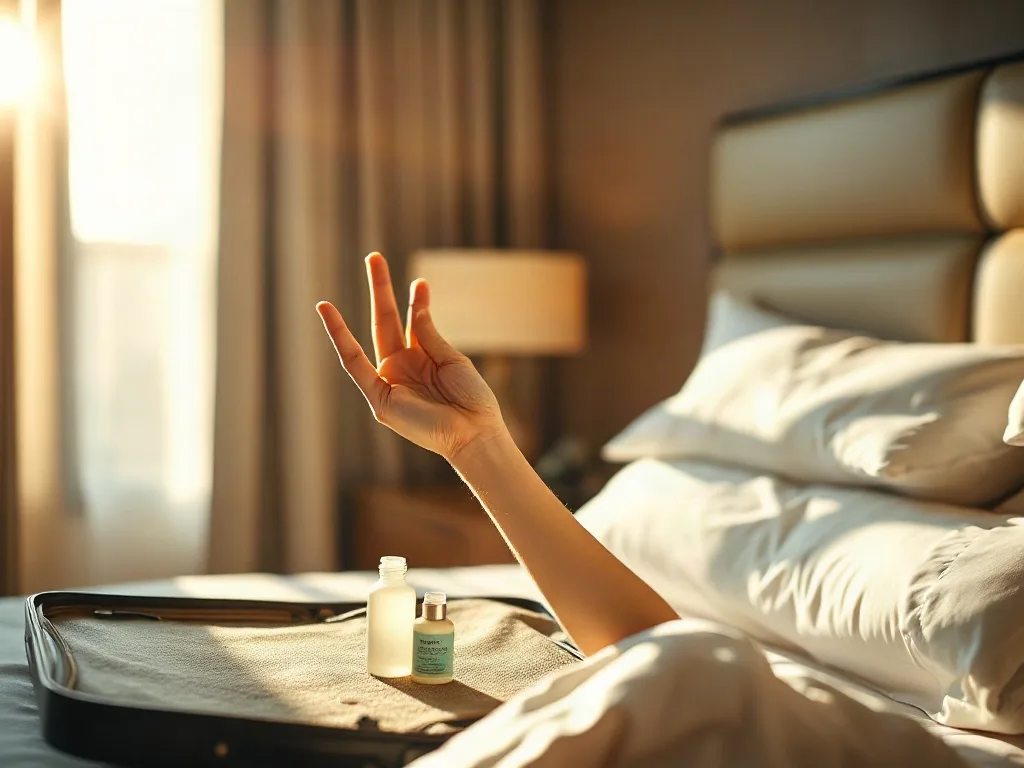
Travel is an adventure, but it can also be a relentless test for your skin. From dry airplane cabins to sudden climate shifts, the challenges are real and often unexpected. The good news? With a strategic plan, you can keep your complexion calm, clear, and radiant no matter where the road (or runway) takes you. This guide walks you through every stage of the journey—pre‑departure, in‑flight, on‑the‑ground, and post‑trip—so you never have a bad skin day while traveling again.
Key takeaways
- Start a seven-day countdown by simplifying your routine, increasing hydration, and patch-testing any new travel-sized products before departure.
- Combat cabin dryness by drinking two liters of water, applying facial mist every few hours, and wearing mineral sunscreen.
- Stick to a minimalist three-step system—cleanse, hydrate, and protect—to maintain the skin barrier while moving between different climates.
- Adjust your kit for specific needs, such as using niacinamide for oily skin or ceramide-rich balms for dry environments.
- Align your skincare routine with the local time zone immediately to help your skin’s circadian rhythm adapt to jet lag.
Understanding How Travel Affects Your Skin
Before you can protect your skin, you need to know what you’re up against. The most common culprits include:
- Low humidity: Airplane cabins sit at 10‑20% humidity, stripping moisture from the epidermis.
- Temperature extremes: From scorching desert heat to icy mountain air, rapid changes disrupt the skin barrier.
- Pollution and allergens: Urban centers, dusty roads, and new flora can trigger irritation or breakouts.
- Stress and sleep disruption: Jet lag spikes cortisol, which can increase oil production and inflammation.
Recognising these factors helps you choose the right products and habits for each phase of your trip.
Pre‑Trip Skin Prep: The 7‑Day Countdown
Start the countdown a week before departure. This window is long enough to reset your skin without causing rebound reactions.
- Day 7 – Audit Your Routine: Strip back to the basics—cleanser, moisturizer, sunscreen. Remove any heavy creams or strong actives that could sensitize your skin during travel.
- Day 6 – Hydration Boost: Introduce a hyaluronic‑acid serum or a light gel‑cream to reinforce moisture retention.
- Day 5 – Exfoliate Gently: Use a low‑pH chemical exfoliant (e.g., 5% lactic acid) to clear dead cells and improve product absorption. Avoid physical scrubs that can micro‑damage the barrier.
- Day 4 – Antioxidant Shield: Add a vitamin C serum or a green‑tea‑based product to combat free radicals you’ll encounter in polluted airports.
- Day 3 – Patch Test New Items: If you plan to bring a new travel‑size product, test it on your jawline for 48 hours to ensure no reaction.
- Day 2 – Reduce Sodium and Alcohol: Both dehydrate skin; opt for water‑rich foods and limit cocktails.
- Day 1 – Sleep Early: Aim for 7‑9 hours of quality sleep to lower cortisol and support skin repair.
By the time you board, your skin will be primed, balanced, and ready for the journey ahead.
Packing Smart: Essentials for Every Climate
Travel bags have limited space, so each item must earn its place. Here’s a minimalist, climate‑agnostic kit:
- Travel‑size gentle cleanser: A sulfate‑free, pH‑balanced formula in a 30‑ml pump.
- Hydrating serum: Hyaluronic acid (1‑2 %) in a 15‑ml dropper bottle.
- Barrier‑repair moisturizer: Ceramide‑rich cream (30 ml) that works under makeup and sunscreen.
- Broad‑spectrum sunscreen: SPF 30‑50, mineral (zinc oxide or titanium dioxide), in a 40‑ml tube.
- Travel‑size facial mist: Rose‑water or aloe‑based for quick refreshes.
- Sheet masks (2‑3): For overnight recovery on long flights or after a day of exposure.
- Reusable silicone travel bottles: To refill with your favorite products, saving space and complying with airline liquid rules.
Adjust the list based on destination: add a richer balm for cold climates or a lightweight gel for tropical humidity.
In‑Flight Care: Managing Cabin Dryness and Stress
Airplane cabins are notorious for dehydrating skin. Follow these steps to keep the barrier intact:
- Hydrate internally: Drink at least 2 liters of water throughout the flight. Add an electrolyte tablet if you tend to sweat.
- Apply a mist every 2‑3 hours: A few spritzes of your facial mist restore surface moisture without feeling heavy.
- Use a hydrating serum: After the first mist, pat a pea‑sized amount of hyaluronic‑acid serum onto clean skin. Follow with a thin layer of moisturizer to lock it in.
- Protect with sunscreen: Even at 30,000 feet, UV rays penetrate the window. Choose a mineral sunscreen that won’t run.
- Minimise stress: Practice deep‑breathing or a short meditation (5 minutes) to keep cortisol low, which helps prevent excess oil production.
These micro‑habits take less than a minute each but dramatically reduce post‑flight dryness and redness.
On‑The‑Go Cleansing: Minimalist Routines That Work
When you’re hopping between hotels, trains, or buses, a full‑face routine is unrealistic. Stick to a three‑step system that cleanses, hydrates, and protects.
- Step 1 – Cleanse: Use a micellar water or a low‑foaming cleanser. Massage for 30 seconds, then rinse with lukewarm water.
- Step 2 – Hydrate: Apply a thin layer of your hyaluronic‑acid serum while skin is still damp.
- Step 3 – Protect: Finish with a lightweight SPF‑30 mineral sunscreen. If you’re indoors for most of the day, a moisturizer with SPF can double‑duty.
Keep a small travel towel or disposable wipes handy for quick clean‑ups after sweaty excursions.
Hydration and Nutrition: Feeding Your Skin from Within
External care is only half the battle. The foods and fluids you consume directly influence skin elasticity, oil balance, and inflammation.
- Water: Aim for 2.5 L per day. Carry a reusable bottle and set hourly reminders.
- Electrolyte‑rich drinks: Coconut water or low‑sugar sports drinks help retain moisture during long flights.
- Omega‑3 fatty acids: Salmon, chia seeds, or a small portion of walnuts reduce inflammatory responses.
- Antioxidant‑rich fruits: Berries, kiwi, and citrus provide vitamin C, supporting collagen synthesis.
- Limit high‑glycemic snacks: Candy, white bread, and sugary drinks can spike insulin, leading to temporary breakouts.
Even when you’re eating on the go, a balanced snack of nuts and fruit can keep your skin’s internal environment stable.
Sun, Sea, and Sweat: Protecting Against UV and Salty Water
Outdoor adventures are the highlight of many trips, but they also expose skin to UV radiation, chlorine, and salt—each capable of weakening the barrier.
- Pre‑sun prep: Apply a pea‑sized amount of mineral sunscreen 15 minutes before heading outdoors. Reapply every 80 minutes, or after swimming.
- After‑sun care: Rinse with cool water, pat dry, then use a soothing aloe‑gel or a niacinamide‑rich moisturizer to calm inflammation.
- Salt‑water strategy: Before entering the ocean, apply a thin layer of barrier cream (e.g., a silicone‑based product). After swimming, rinse with fresh water to remove salt crystals that can dry the skin.
- Sweat management: Carry oil‑absorbing sheets. Gently blot, then re‑apply a light moisturizer to prevent the skin from over‑producing oil.
These steps keep the skin protected without feeling heavy or greasy, even in humid beach climates.
Nighttime Recovery: Hotel‑Friendly Overnight Treatments
The skin’s repair processes peak while you sleep. A well‑chosen night routine can turn a hotel bathroom into a mini‑spa.
- Double‑cleanse (if you wore makeup or sunscreen): First, use micellar water; second, follow with your gentle cleanser.
- Targeted serum: Rotate between a peptide serum for firmness and a bakuchiol serum for gentle retinol‑like benefits. Use 2‑3 drops and allow a minute for absorption.
- Moisturizer + barrier boost: Choose a cream containing ceramides and squalane. Apply a thin layer, then seal with a sleeping mask if you have extra dryness.
- Eye care: A lightweight peptide eye gel reduces puffiness caused by travel‑induced fluid retention.
All these products fit into a single 30‑ml bottle each, keeping luggage light while delivering salon‑level results.
Adjusting to Time Zones: Supporting Your Skin’s Circadian Rhythm
Jet lag disrupts the skin’s natural 24‑hour cycle, leading to dullness and occasional breakouts. Align your skincare with the new time zone as soon as possible:
- Light exposure: Seek natural sunlight in the morning of your destination to reset melatonin production.
- Consistent routine: Perform your morning and evening steps at the same local times, even if you feel tired.
- Night‑time antioxidants: A vitamin E or resveratrol serum applied before bed can counteract oxidative stress from disrupted sleep.
- Limit caffeine after local noon: Excess caffeine can prolong cortisol spikes, affecting the skin’s barrier.
Within a few days, your skin will adapt, and you’ll notice less redness, fewer breakouts, and a more radiant complexion.
Tailoring Your Routine to Different Skin Types While on the Road
Every traveler walks into the airport with a unique skin profile. A one‑size‑fits‑all kit can leave acne‑prone skin clogged, rosacea‑sensitive skin inflamed, or dry eczema‑prone skin cracked. Below is a quick‑reference matrix that lets you swap out core products without expanding luggage.
- Acne‑Prone & Oily:
- Replace the standard hydrating serum with a niacinamide‑plus‑zinc formula (1‑2 %). Niacinamide regulates sebum while zinc provides anti‑bacterial protection.
- Opt for a lightweight, oil‑free sunscreen that contains dimethicone to create a breathable barrier without occluding pores.
- Carry a travel‑size salicylic‑acid (BHA) spot treatment (0.5 %); apply only on active lesions after cleansing.
- Edge case: If you’re visiting a hot, humid destination, add a blotting paper pack (10‑sheet) to the kit and re‑apply a thin layer of the niacinamide serum after blotting to keep the barrier intact.
- Dry / Eczema‑Prone:
- Swap the generic moisturizer for a ceramide‑rich, oat‑extract balm (30 ml). Look for products that list ceramides, cholesterol, and fatty acids in the first three ingredients.
- Introduce a gentle, fragrance‑free cleanser with a pH of 5.5–6.0; avoid any surfactants that can strip lipids.
- Carry a small, travel‑size humidifier (USB‑powered) for hotel rooms that lack adequate humidity, especially in winter climates.
- Edge case: When traveling to high‑altitude ski resorts, layer a thin occlusive ointment (e.g., petrolatum) over your night cream before bed to prevent transepidermal water loss.
- Sensitive / Rosacea:
- Choose a minimalist cleanser containing only glycerin and panthenol; avoid any exfoliants, even mild acids.
- Replace the regular sunscreen with a mineral SPF 50+ tinted formula that contains soothing ingredients like feverfew or licorice root.
- Pack a cooling gel mask (single‑use sachet) infused with cucumber or chamomile for on‑the‑spot flare reduction.
- Edge case: If you encounter a dusty desert environment, wear a lightweight, breathable face shield (e.g., a silk scarf) to limit particulate contact while still allowing airflow.
- Combination / Normal:
- Keep the core kit (cleanser, hyaluronic serum, ceramide moisturizer, mineral sunscreen) but add a dual‑phase serum that offers antioxidants on one side and a light barrier‑repair on the other. This lets you adapt instantly based on the day’s climate.
- Edge case: When traveling from a dry inland city to a tropical island, swap the ceramide cream for a gel‑cream containing centella asiatica to soothe any sudden heat‑induced irritation.
By pre‑assigning product categories to your skin type, you avoid the frantic search for a replacement mid‑trip and keep your regimen consistent regardless of timezone or luggage constraints.
Emergency Skin‑Care Kit: Handling Breakouts, Rashes, and Insect Bites on the Fly
Even the most meticulous prep can’t prevent every surprise. A compact “first‑aid” skin kit equips you to treat common travel mishaps before they become full‑blown flare‑ups.
- Breakout Control Pack (≈30 ml total):
- Travel‑size benzoyl peroxide 2.5 % gel (single‑dose sachet) – apply directly to inflamed papules.
- Mini silicone‑based spot primer that creates a breathable seal, reducing friction from masks or helmets.
- Micro‑fiber cleansing wipes (pre‑moistened with a pH‑balanced cleanser) for quick clean‑ups when water isn’t available.
- Rash & Redness Relief Pack:
- One‑ounce calamine lotion tube for itching caused by heat rash or allergic contact.
- Single‑use hydrocortisone 1 % cream packets – limit to three consecutive days to avoid skin thinning.
- Foldable cool‑compress gel pack (activates with water) to reduce inflammation on the spot.
- Insect‑Bite & Stinging Kit:
- Travel‑size antihistamine cream (diphenhydramine 1 %) – apply within 15 minutes of a bite.
- One‑packet essential‑oil blend (lavender + tea tree) diluted in a carrier; useful for secondary infection prevention.
- Compact silicone bite‑relief band that gently lifts skin, allowing topical agents to penetrate better.
All items should fit inside a zip‑lock pouch no larger than 10 × 10 cm, making it easy to slip into a day‑pack or even a large coat pocket. Remember to check local regulations for topical steroids before crossing borders.
Tech‑Savvy Travel Skincare: Gadgets, Apps, and Data‑Driven Decisions
Modern travelers can leverage technology to fine‑tune their skin regimen on the go. Below are three categories of tools that add measurable value without adding bulk.
- Portable Skin Analyzers:
Handheld devices (e.g., Foreo Luna Mini 2 or HiMirror Mini) use LED light and AI to assess moisture levels, oil distribution, and redness. Pair the device with its companion app to receive product recommendations based on real‑time readings. For a 2‑week trip, a single charge lasts up to 10 days, and the data syncs to your phone for longitudinal tracking.
- USB‑Powered Mini Humidifiers:
These pocket‑size units (≈70 ml water capacity) plug into laptop USB ports or power banks. Set the mist output to “low” for 15‑minute sessions before bedtime; this can raise ambient humidity from ~30 % to ~45 % in a typical hotel bathroom, dramatically reducing transepidermal water loss.
- Skincare Scheduling Apps:
Apps like SkinTrack or Glow let you log product usage, weather conditions, and symptom notes. The built‑in reminder system prompts you to re‑apply sunscreen every 80 minutes, hydrate with a glass of water, or perform a 30‑second facial massage before a flight. Over time, the app generates a heat‑map of which ingredients performed best in specific climates.
- Smart Travel‑Sized Containers:
Silicone bottles equipped with a digital dosage indicator (e.g., Fill&Go) let you dispense a precise 0.5 ml amount of serum. This prevents over‑use, saves space, and ensures consistent dosing—critical when using actives like retinoids or acids.
Edge case: If you’re traveling to regions with limited electricity (e.g., remote mountain villages), a solar‑powered charger can keep both your humidifier and skin analyzer operational for up to 48 hours.
Eco‑Conscious Packing: Sustainable Products and Practices for the Green Traveler
Traveling responsibly means minimizing plastic waste and supporting brands that prioritize ethical sourcing. Below are actionable steps to keep your skin routine eco‑friendly without compromising efficacy.
- Choose Refillable Core Products:
Many boutique brands offer refill stations at major airports (e.g., Ethique solid cleansers, Humble Beauty serum refills). Purchase a reusable glass or aluminum bottle at home, then top it up en route. This reduces the number of single‑use containers by up to 80 %.
- Prioritize Solid or Water‑Free Formulations:
Solid moisturizers, shampoo bars, and balm sticks eliminate the need for plastic tubes. For example, a ceramide‑rich solid balm can be applied directly to the face after a quick steam‑break to melt a thin layer.
- Use Biodegradable Wipes:
When you need a quick cleanse, opt for plant‑based, compostable wipes (e.g., those made from bamboo fibers). They break down in a home compost within 30 days, unlike conventional polyester wipes.
- Zero‑Waste Packing Cubes:
Replace zip‑lock bags with organic cotton packing cubes. They keep your skincare organized and can be washed and reused for the next trip.
- Carbon‑Neutral Shipping:
If you order travel‑size products online, select a retailer that offsets shipping emissions (e.g., Earthling or Patagonia’s “ShipZero” program). This adds an extra layer of sustainability to your routine.
Edge case: In destinations where water quality is questionable, a solid cleanser eliminates the need for bottled water to rinse off residues, protecting both your skin and the environment.
Learning From Local Traditions: Incorporating Regional Ingredients Into Your Travel Routine
Every culture has a heritage of skin‑loving botanicals. By integrating one or two local ingredients, you can boost your skin’s resilience while immersing yourself in the destination’s customs.
- Japan – Rice Bran & Fermented Camellia:
Rice bran oil is rich in phytosterols and vitamin E, offering barrier repair. In many Japanese pharmacies you’ll find tōfu‑skin mist that combines rice bran with fermented camellia oil. Spritz it after a hot onsen session to seal in moisture.
- Korea – Ginseng & Snail Mucin:
Ginseng extracts stimulate micro‑circulation, while snail mucin provides hyaluronic‑acid‑like hydration. Korean beauty (K‑beauty) stores sell travel‑size ampoules that can be mixed with your regular serum for an instant boost.
- Morocco – Argan & Rose Water:
Argan oil, harvested from the kernels of the argan tree, is a lightweight, non‑comedogenic oil perfect for post‑sun recovery. Combine a few drops with a rose‑water facial spray (readily available in souks) for a cooling, antioxidant‑rich mist.
- Australia – Tea‑Tree & Kakadu Plum:
Tea‑tree oil’s antimicrobial properties make it an excellent spot‑treatment for unexpected blemishes. Kakadu plum boasts the highest natural vitamin C concentration on the planet; a few drops in your moisturizer can brighten post‑flight dullness.
- India – Turmeric & Sandalwood:
Both ingredients have anti‑inflammatory and antiseptic qualities. A quick DIY mask—mix turmeric powder, sandalwood paste, and a dash of yogurt—can soothe redness from desert dust storms. Use a single‑use sachet to keep the mixture fresh.
When sourcing locally, verify that the product is purity‑tested and free of added fragrance or preservatives that could irritate sensitive skin. A short “patch test” on the inner forearm before full‑face application is still advisable.
High‑Altitude and Extreme‑Environment Strategies: Skincare at 3,000 m+ and Beyond
Mountaineering, ski trips, and desert treks expose skin to low oxygen, intense UV, wind‑driven particulates, and extreme temperature swings. The following protocol is built around the “triple‑shield” concept: protect, replenish, and recover.
- Pre‑Ascent Shield:
- Apply a thick barrier cream containing dimethicone, shea butter, and panthenol 30 minutes before heading outdoors. This creates a semi‑occlusive layer that reduces wind‑burn.
- Layer a mineral SPF 50+ (broad‑spectrum) that includes iron oxides for visible protection against reflected UV off snow or sand.
- Mid‑Day Replenishment:
- Carry a compact mist infused with cucumber extract and electrolytes. Spray every hour to counteract dehydration caused by low humidity (often <10 % at altitude).
- Consume a high‑potassium electrolyte tablet (e.g., potassium chloride) with water to maintain cellular hydration.
- Post‑Exposure Recovery:
- In the evening, double‑cleanse with a lactate‑based cleanser (lactate is a humectant that also supports the skin’s natural pH).
- Introduce a peptide‑rich night cream containing palmitoyl tripeptide‑5 to stimulate collagen synthesis compromised by UV‑induced free radicals.
- Finish with a overnight hydrogel mask that slowly releases beta‑glucan and niacinamide throughout the night.
Edge case: If you’re traveling to a high‑altitude desert where sandstorms are frequent, keep a silicone‑based facial shield (like a thin, breathable mask) handy. The shield should be removed every 15 minutes to allow skin breathing, then re‑apply the barrier cream.
By respecting the triple‑shield framework—protect before exposure, replenish during, and recover after—you can maintain a resilient complexion even when the environment feels hostile.
FAQ
Q1: I’m allergic to fragrance. Can I still use travel‑size products?
A: Absolutely. Look for “fragrance‑free” or “unscented” labels. Many reputable brands offer travel‑size versions of their core, fragrance‑free lines. If you’re unsure, check the ingredient list for essential‑oil names, which often indicate hidden fragrance.
Q2: How often should I replace my travel sunscreen?
A: Sunscreen loses efficacy after about 12 months, regardless of the container size. If you’re traveling for more than six months, bring a fresh tube. Store it in a cool, dark place (e.g., a zip‑lock bag) to preserve stability.
Q3: Can I skip moisturizer on hot, humid days?
A: No. Even in humidity, the skin barrier can become compromised from sweat and UV exposure. Opt for a lightweight gel‑cream with hyaluronic acid; it feels airy but still locks in moisture.
Q4: I’m a frequent flyer and develop a red, itchy rash after each flight. What should I do?
A: This may be a reaction to low cabin humidity combined with a compromised barrier. Use a barrier‑repair cream (ceramides + niacinamide) before boarding, keep a facial mist handy, and consider a short, 5‑minute humidifier session in your hotel room if possible.
Q5: Is it safe to use a retinol product while traveling?
A: Retinol can increase photosensitivity, which is risky in sunny destinations. If you must use it, limit application to evenings and ensure you apply a broad‑spectrum SPF 30+ the following morning. For high‑sun exposure trips, swap retinol for bakuchiol, which offers similar benefits with less sensitivity.
Related posts:
 The Key Differences Between Serums, Oils, Moisturizers, and Balms
 Spring Awakening: The Hydrating Serums Your Winter Skin Is Craving
 Natural Face Sunscreens Guide
 The Slow Beauty Movement’s Secret Hydration Recipes
 Gentle Cleansing Tips for Sensitive Skin Types
 Too Clean for Comfort: Why Being Squeaky Clean Might Be Bad for Your Skin
 Proper Order of Skincare Application
 Foundation’s Impact on Skin