
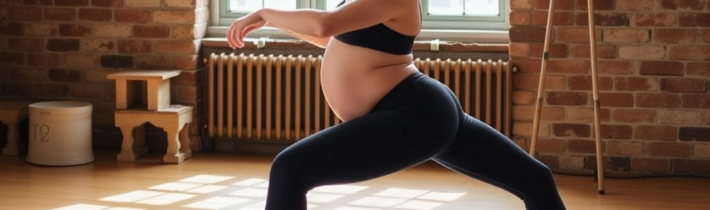
Welcoming a newborn is a profound life transition, but it also marks the beginning of a significant physical recovery journey. During pregnancy, your abdominal muscles stretch, your pelvic floor bears increased weight, and your posture shifts to accommodate your growing baby. As you enter the postpartum period, the goal of exercise is not to ‘bounce back’ to a pre-pregnancy state, but to safely reconnect with your body and rebuild functional strength from the inside out.
Understanding the Postpartum Core
The core is not just about the six-pack muscles; it is a complex cylinder composed of the diaphragm, the pelvic floor, the transverse abdominis, and the multifidus muscles. After pregnancy, these muscles often work out of sync. Diastasis recti, or the separation of the rectus abdominis, is common, as is pelvic floor dysfunction. Before beginning any movement routine, it is essential to receive clearance from your OB-GYN or midwife, especially if you had a Cesarean section or experienced complications during delivery. Your core recovery should prioritize deep stabilization before moving into dynamic strengthening.
The Role of Diaphragmatic Breathing
Everything starts with the breath. Diaphragmatic breathing—or belly breathing—is the foundation of core rehabilitation. When you inhale, your diaphragm moves down and your pelvic floor relaxes. When you exhale, your diaphragm moves up and your pelvic floor should naturally lift. Practicing this helps retrain the core to act as a supportive canister. Lie on your back with knees bent, place one hand on your chest and one on your belly. Inhale deeply through your nose, feeling your belly rise while your chest remains still. As you exhale through pursed lips, gently draw your belly button toward your spine and visualize a gentle lift in your pelvic floor. Aim for five minutes of this focused breathing daily to establish a mind-body connection.
Gentle Pelvic Floor Activation
The pelvic floor often suffers from tension or weakness after birth. Gentle engagement is key to avoiding further strain. Start in a comfortable position, either lying down or sitting tall. Imagine you are trying to stop the flow of urine or prevent passing gas. This subtle squeeze should be felt in the muscles surrounding the urethra and the anus. Hold this contraction for three to five seconds, then release completely for five seconds. It is just as important to learn how to relax the pelvic floor as it is to contract it. Never hold your breath during these exercises, as this increases intra-abdominal pressure, which can hinder recovery.
Building Stability with the Pelvic Tilt
The pelvic tilt is a low-impact movement that helps restore mobility to the lumbar spine and engages the deep transverse abdominis without placing excessive pressure on the abdominal wall. Lie on your back with your feet flat on the floor, hip-width apart. Inhale to prepare, then exhale as you gently tilt your pelvis upward, flattening the small of your back against the floor. You are not using your glutes to lift your hips; rather, you are using your core muscles to tuck your tailbone. Hold for a moment, then release back to a neutral spine. This movement is safe for those with diastasis recti and serves as a great entry point into core strengthening.
The Heel Slide: Progressive Core Engagement
Once you are comfortable with pelvic tilts, you can progress to heel slides. This exercise challenges your core to maintain stability while your legs move, mimicking the demands of daily tasks like picking up a baby or carrying a diaper bag. Start in the same position as the pelvic tilt. As you exhale, engage your transverse abdominis and slowly slide one heel along the floor, extending the leg until it is nearly straight. Keep your back flat against the floor throughout the entire movement. Inhale as you slowly slide the heel back to the starting position. Alternate legs, focusing on keeping your torso completely still. If you feel your back arching or your belly ‘doming’ or ‘coning,’ reduce the range of motion until you feel fully in control.
Incorporating the Dead Bug Modification
The Dead Bug is a gold-standard core exercise, but it can be intense for early postpartum. Start with a modified version. Lie on your back with your legs in the air, knees bent at 90 degrees. Keep your arms resting by your sides. Exhale and slowly tap one toe to the floor, keeping your knee bent. Inhale to bring it back up. Focus entirely on the stability of your pelvis. If you feel your lower back pulling away from the floor, limit how far you lower your leg. This exercise teaches your core to resist rotation, which is vital for preventing back pain as your baby grows heavier and requires more lifting.
The Modified Bird-Dog for Back Health
Postpartum life involves a lot of hunching over for breastfeeding and diaper changes. The Bird-Dog helps counteract this posture by strengthening the back and core simultaneously. Start on your hands and knees in a tabletop position, with your wrists under your shoulders and knees under your hips. Maintain a neutral spine. On an exhale, extend your right arm forward and your left leg backward, keeping them parallel to the floor. Do not allow your hips to rotate or your back to sway. Hold for three seconds, then return to the starting position. If this feels too difficult, start by extending only one arm or one leg at a time until you develop the necessary balance and strength.
Mindful Movement in Daily Life
Recovery isn’t limited to the time you spend on a yoga mat. You can practice core engagement during your everyday routines. When you lift your baby, exhale and engage your pelvic floor and core before the lift begins. When you are pushing a stroller, stand tall, roll your shoulders back, and pull your belly button slightly inward to support your spine. Avoid ‘popping’ a hip while holding your child, as this puts uneven pressure on the pelvis. By integrating these small, mindful adjustments into your day, you reinforce the strength you are building during your dedicated workout sessions, leading to more sustainable long-term recovery.
Navigating the Post-Cesarean Recovery Timeline
Recovery after a Cesarean section involves healing not just the internal core muscles but also the abdominal fascia and the incision site. It is critical to treat the scar with patience. In the first few weeks, prioritize gentle movement like pelvic floor breathing while lying on your side or back. Avoid heavy lifting and intense abdominal loading for at least 8 to 12 weeks, or until your surgeon confirms the internal sutures are fully healed. Once cleared, you may notice numbness or a ‘pulling’ sensation near the scar; this is normal as nerves regenerate. To address this, gentle scar mobilization—massaging the skin around (never directly on) the closed incision—can help prevent adhesions. Always prioritize movements that feel pain-free, and if you feel a sharp tugging at the incision, regress to a simpler breath-based exercise.
The Importance of Postural Alignment While Nursing
The ‘nursing hunch’ is a common contributor to chronic upper back and neck pain in new mothers. When feeding, whether via breast or bottle, the tendency is to collapse the ribcage and round the shoulders forward. To counter this, bring the baby to your chest rather than bringing your chest to the baby. Use nursing pillows or folded blankets to prop the baby up to your level. Periodically check in with your body: are your shoulders creeping toward your ears? Are you clenching your jaw? Set a gentle intention to broaden your collarbones and lengthen your spine. Incorporating simple seated cat-cow movements—gently arching and rounding your back while sitting upright—can help maintain spinal flexibility and provide relief from the rigid postures required for feeding.
Managing Intra-Abdominal Pressure with Daily Tasks
Many postpartum injuries occur not during exercise, but during the repetitive, heavy lifting required for childcare. Picking up a car seat, lifting a stroller into a trunk, or hoisting a toddler requires significant core coordination. The golden rule is to ‘exhale on exertion.’ Before you pick up your baby, take a breath, exhale through pursed lips, and engage your deep core and pelvic floor. Think of creating a supportive internal brace. Avoid holding your breath while bearing weight, as this increases internal pressure that pushes against the healing abdominal wall. Keep heavy objects close to your body’s center of gravity to minimize the leverage required, reducing the strain on your lower back and pelvic floor.
Transitioning from Floor Work to Standing Stability
Once you have mastered stabilization while lying down, the next phase is transferring that control to upright positions. The ‘standing wall slide’ is an excellent bridge. Stand with your back flat against a wall, feet a few inches away. As you exhale, gently press your lower back into the wall while maintaining a tall, neutral spine. This trains your brain to find ‘neutral’ without the support of the floor. From here, you can practice balance drills, such as small single-leg lifts, while keeping your ribcage stacked directly over your pelvis. If your ribcage flares upward (the ‘rib flare’), your core is no longer acting as a cylinder. Adjust your breath to pull the lower ribs down, ensuring your core remains a cohesive unit even when you are on your feet.
Addressing the Pelvic Floor-Diaphragm Connection
The diaphragm and pelvic floor work like a piston. When the diaphragm descends during inhalation, the pelvic floor should naturally lengthen and descend. Many postpartum women experience a ‘frozen’ diaphragm due to stress, leading to a pelvic floor that stays chronically tight rather than strong. If you feel heaviness or pressure in the pelvic region, focus on the ‘release’ phase of your breathing. During inhalation, consciously visualize your pelvic floor softening and widening. This practice is just as important as the contraction. A flexible, responsive pelvic floor is more functional than one that is stuck in a state of constant tension, which can contribute to discomfort during intimacy or bowel movements.
The Role of Gentle Movement in Mood Regulation
While the physical benefits of core recovery are clear, the mental health aspect is equally vital. The postpartum period can be isolating, and the physical limitations of recovery can feel frustrating. Treat these movement sessions as a dedicated ‘me-time’ ritual rather than a chore. Even ten minutes of mindful stretching can lower cortisol levels and provide a sense of agency over your body. If you are feeling overwhelmed, stick to the breathing exercises. The rhythmic nature of deep, controlled breathing acts as a nervous system regulator, helping to soothe the ‘fight or flight’ response that is often triggered by sleep deprivation and the demands of caring for a newborn. You are teaching your body that it is safe to move, breathe, and begin again.
Frequently Asked Questions
How long should I wait to start core exercises after giving birth? Most healthcare providers suggest waiting until your six-week postpartum checkup before starting a formal exercise program. However, gentle pelvic floor breathing and light walking are often encouraged much sooner. Always listen to your body and prioritize rest if you feel pain or excessive fatigue.
What is ‘coning’ and why should I avoid it? Coning, or doming, is when the abdominal wall pushes outward into a ridge during an exercise. This indicates that your core muscles are not yet ready for that specific movement and that intra-abdominal pressure is too high. If you see this, stop the exercise and regress to a simpler movement.
Can I do crunches or sit-ups to help my core? Traditional crunches and sit-ups are generally discouraged in the early postpartum phase. They put significant pressure on the abdominal wall and can exacerbate diastasis recti. It is far more effective to focus on deep core stabilization exercises that engage the transverse abdominis.
How do I know if I have diastasis recti? You can perform a simple self-check by lying on your back with knees bent and lifting your head slightly off the floor. Use your fingers to feel along the midline of your abdomen, just above and below the belly button. If you feel a gap wider than two finger-widths, you may have diastasis recti. Consult a pelvic floor physical therapist for a personalized assessment.
Should I work out if I am experiencing pelvic pain? No. Any sharp pain, pelvic pressure, or leaking during exercise is a sign that you should stop and modify. Postpartum recovery is not about pushing through pain. If you experience persistent discomfort, seek the guidance of a professional who specializes in postpartum health to ensure you are moving safely.
Related posts:
 Pelvic Floor and Stomach Tension
 Pelvic Floor and Constipation
 Chrissy Teigen’s Honest Take on Stretch Marks Is Everything We Needed
 Effective Workouts You Can Do While Lying Down
 Pelvic Floor and Weight Lifting
 The Surprising Connection Between Pelvic Floor Health and Urination
 Hilaria Baldwin’s Pelvic Floor Exercises
 Activating Your Pelvic Floor