
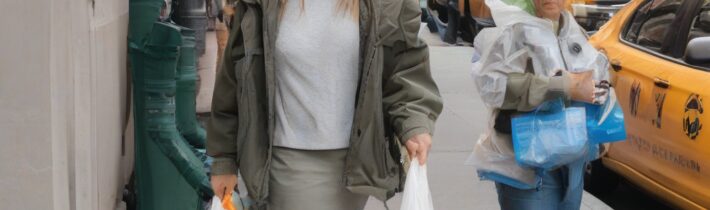
In the heart of one of the world’s most dynamic states, a quiet revolution has been unfolding, culminating in a monumental shift that promises to reshape our daily lives and safeguard our planet. New York, a beacon of progress and innovation, has embraced a future free from the scourge of single-use plastic bags. The long-awaited New York’s plastic bag ban officially took effect on March 1, 2020, marking a pivotal moment in our collective journey towards sustainability. This isn’t merely a new regulation; it’s an invitation to cultivate conscious consumption, a call to embrace a more thoughtful way of living, and a testament to the power of community action.
For decades, plastic bags have been an insidious part of our consumer culture – convenient for a moment, but devastating for centuries. They’ve clogged our waterways, littered our landscapes, harmed wildlife, and contributed to the ever-growing plastic pollution crisis. But now, New York is leading the charge, demonstrating that change is not only possible but imperative. This ban is more than just about bags; it’s about fostering a deeper connection to our environment, inspiring innovative solutions, and building a legacy of stewardship for generations to come. Join us as we explore the profound implications of this transformative policy and discover how, together, we can make this new chapter a resounding success.
A Long-Awaited Victory for Our Planet and Our Communities
The journey to implement New York’s plastic bag ban has been a testament to persistent advocacy, scientific understanding, and a growing public demand for environmental action. For years, environmental organizations, concerned citizens, and forward-thinking policymakers have highlighted the devastating impact of single-use plastic bags. These flimsy conveniences, used for an average of 12 minutes, persist in our environment for hundreds of years, breaking down into microplastics that infiltrate our food chain, air, and water supplies.
Consider the sheer volume: New Yorkers alone used an estimated 23 billion plastic bags annually before the ban. A significant portion of these ended up in landfills, where they occupy valuable space and never truly decompose. Even worse, countless bags escaped into our natural environments, becoming ubiquitous pollutants in our parks, rivers, and coastal areas. They are notorious for entangling marine life, suffocating birds, and creating unsightly blight across our beautiful landscapes. The economic cost of cleaning up plastic bag litter is staggering, diverting resources that could be used for other vital community services.
The enactment of the ban is therefore not just a legislative victory; it’s a triumph for the health of our ecosystems, the well-being of our wildlife, and the aesthetic beauty of our communities. It sends a clear message that New York is committed to being a leader in environmental protection, taking concrete steps to mitigate climate change and plastic pollution. This collective decision reflects a compassionate understanding of our interdependence with nature and a shared vision for a cleaner, healthier future.
Understanding the New Rules: What You Need to Know
Navigating new regulations can sometimes feel daunting, but the essence of New York’s plastic bag ban is remarkably straightforward: as of March 1, 2020, most single-use plastic carryout bags provided by grocery stores and other retail establishments are prohibited. This means that when you head to the store, you’ll no longer be offered a plastic bag at checkout.
However, it’s important to understand the nuances. Not all plastic bags are banned. Exemptions generally include:
- Bags used for bulk items like fruits, vegetables, nuts, and candy.
- Bags used to wrap sliced meats, fish, or other items to prevent contamination.
- Bags used for unwrapped food items or baked goods.
- Bags for prescription drugs from pharmacies.
- Garment bags, newspaper bags, and trash bags.
These exemptions are in place to ensure public health and safety and to accommodate specific retail needs. For all other purchases, the expectation is that consumers will bring their own reusable bags.
Furthermore, many counties and cities across New York State have opted to implement a 5-cent fee on paper carryout bags. This fee is designed to further encourage the use of reusable bags, as paper bags, while biodegradable, still require significant resources (trees, water, energy) to produce and transport. The revenue generated from this fee typically stays within the local jurisdiction, often supporting environmental protection, waste reduction, or reusable bag distribution programs, turning a small charge into a powerful investment in our communities.
Embracing Reusable Bags: A Lifestyle Shift for the Better
The core of New York’s plastic bag ban is a gentle nudge towards a more sustainable habit: the widespread adoption of reusable bags. This isn’t just about avoiding plastic; it’s about embracing a lifestyle choice that offers numerous benefits, both personal and planetary. Reusable bags are often sturdier, more spacious, and far more reliable than their flimsy plastic predecessors. They can carry more weight, prevent accidental spills, and often make your shopping experience more organized and efficient.
Making the switch to reusable bags is less about inconvenience and more about building a new, positive routine. Here are some compassionate tips to help you seamlessly integrate them into your daily life:
- The ‘Car/Door/Bag’ System: Keep a stash of reusable bags in your car, by your front door, or tucked into your everyday purse or backpack. If they’re always within reach, you’ll never be without one.
- Designate a ‘Bag Spot’: Create a specific place in your home – perhaps a hook by the kitchen door or a basket in the pantry – where all your clean reusable bags live. This makes them easy to grab on your way out.
- Start Small: Don’t feel pressured to have a dozen bags right away. Start with 2-3 sturdy ones that you love and expand your collection as needed.
- Wash Regularly: Just like any item that comes into contact with groceries, it’s a good practice to wash your reusable bags periodically to keep them hygienic. Most fabric bags can go right into the washing machine.
- Make it a Habit: Think of your reusable bags like your keys, wallet, or phone – essential items you grab before leaving the house. A simple sticky note on the door or a reminder on your phone can help solidify the habit in the beginning.
From stylish canvas totes to compact, foldable nylon bags, and even insulated options for frozen goods, there’s a reusable bag for every need and aesthetic. This shift is an opportunity to express your personal style while making a powerful statement about your commitment to a greener world. It’s a small change with an enormous collective impact.
Beyond the Bag: How This Ban Catalyzes Broader Environmental Awareness
The impact of New York’s plastic bag ban extends far beyond the checkout counter. This single policy acts as a powerful catalyst, sparking broader environmental awareness and inspiring a more holistic approach to waste reduction. By requiring us to rethink our reliance on one ubiquitous single-use item, the ban encourages a critical examination of our consumption habits across the board.
When we consciously choose a reusable bag, it often prompts us to consider other areas where we can reduce waste. We might start carrying a reusable water bottle instead of buying plastic ones, bringing a travel mug for coffee, or opting for products with minimal packaging. This ripple effect is invaluable, fostering a culture of mindfulness where convenience is balanced with environmental responsibility. The ban isn’t just about eliminating a problem; it’s about cultivating solutions and fostering a deeper connection to our planet.
Furthermore, New York’s bold move serves as an inspiration for other states, cities, and even nations grappling with plastic pollution. When a major economic and cultural hub like New York takes such a definitive stand, it demonstrates feasibility and efficacy, encouraging others to follow suit. It showcases how collective action, supported by policy, can lead to tangible environmental improvements and shift societal norms.
This ban also stimulates innovation. Businesses are responding by offering more sustainable packaging options, developing new reusable products, and exploring creative ways to reduce their environmental footprint. This creates a positive feedback loop, where consumer demand for sustainable choices drives market innovation, leading to even more eco-friendly alternatives. Ultimately, the plastic bag ban is a stepping stone towards a more circular economy, where waste is minimized, resources are conserved, and our impact on the Earth is dramatically lessened.
Addressing Concerns and Dispelling Myths: A Compassionate Approach
Any significant change, even one with overwhelmingly positive intentions, can bring about questions and concerns. It’s natural to feel a bit of apprehension when daily routines are altered. A compassionate approach acknowledges these feelings and offers clarity and understanding.
One common concern is convenience. Many worry about forgetting their reusable bags or the perceived hassle of carrying them. It’s true that building a new habit takes time, but with a few simple strategies (as mentioned above), this quickly becomes second nature. Think of it as a small mental shift that yields huge environmental returns.
Another area of concern is the potential financial impact, particularly for low-income individuals who might struggle with the 5-cent paper bag fee. It’s a valid point, and many communities and environmental groups are actively working to address this by distributing free reusable bags, especially in underserved neighborhoods. The long-term goal is for everyone to own and use reusable bags, thus avoiding any fees whatsoever and saving money in the long run.
Some also question the environmental benefits, suggesting that paper bags are worse, or that reusable bags have their own footprint. While paper bags do have environmental costs (deforestation, water, energy), they biodegrade more readily. The key, however, is that reusable bags are designed to be used hundreds or even thousands of times. When used consistently and washed occasionally, their environmental footprint per use becomes incredibly small, making them by far the most sustainable option. The aim is not to switch from one single-use item to another, but to embrace true reusability.
This ban is not about shaming or inconvenience; it’s about empowerment. It’s about giving us all a chance to be part of the solution, to make conscious choices that align with our values for a healthier planet. It’s a collective learning curve, and New York is navigating it with grace and determination, showing that even small changes can lead to profound, positive transformations.
FAQ: Your Questions Answered About the Plastic Bag Ban
Q1: When did New York’s plastic bag ban officially take effect?
A: New York’s statewide plastic bag ban officially took effect on March 1, 2020. This date marked the beginning of a new era for sustainable shopping in the state.
Q2: Are *all* plastic bags banned? What about bags for produce or deli items?
A: No, not all plastic bags are banned. The ban primarily targets single-use plastic carryout bags provided at checkout. Exemptions include bags for bulk items (like fruits, vegetables, and nuts), sliced meats, fish, unwrapped food items, prescription drugs, and garment bags. These exemptions are in place for hygiene and practical reasons.
Q3: What about the 5-cent paper bag fee? Where does the money go?
A: Many counties and cities in New York State have opted to implement a 5-cent fee on paper carryout bags. This fee is designed to encourage consumers to bring their own reusable bags. The revenue generated from this fee typically stays within the local jurisdiction, with a portion often going to the state’s Environmental Protection Fund and the remainder funding local reusable bag distribution programs and other waste reduction initiatives.
Q4: What happens if I forget my reusable bags when I go shopping?
A: If you forget your reusable bags, you will generally have a few options. You can choose to purchase a reusable bag at the store, opt for a paper bag (if the store offers them and your municipality has a paper bag fee), or simply carry your items out without a bag. The goal is to encourage the habit of bringing your own.
Q5: How can I remember to bring my reusable bags every time I shop?
A: Building a new habit takes time, but it’s achievable! Try keeping your reusable bags in visible, convenient locations – in your car, by your front door, or always packed in your purse or backpack. Designate a specific ‘bag spot’ at home. You can also set a reminder on your phone or place a sticky note on your door. With consistent effort, it will soon become second nature.
Embracing a Greener Future, Together
The implementation of New York’s plastic bag ban is more than just a regulatory change; it’s a powerful symbol of our collective commitment to environmental stewardship. It represents a shared understanding that the small choices we make every day have profound implications for the health of our planet and the quality of life for future generations. This isn’t about imposing burdens; it’s about empowering each of us to be an active participant in creating a cleaner, more sustainable world.
By embracing reusable bags, we are not only reducing plastic waste but also fostering a deeper consciousness about our consumption habits. We are sending a clear message that convenience should never come at the expense of our environment. New York has once again demonstrated its leadership, proving that bold action can inspire positive change and unite communities towards a common, uplifting goal.
Let’s celebrate this milestone with optimism and determination. Let’s make the habit of bringing our reusable bags a point of pride, a simple yet profound act of care for our beautiful state and our precious Earth. Together, we are writing a new chapter for New York, one reusable bag at a time, paving the way for a greener, healthier, and more sustainable future for all.
Related posts:
 SoulCycle bans fitness instructors from its cycling classes
 France’s Soda Refill Ban
 Kroger’s Plastic Bag Ban Initiative
 Stasher Bag Sale Alert
 Summer Bags We’re Loving
 The Impact of Texas’ Abortion Ban on Women’s Health
 Hawaii’s Chemical Sunscreen Ban
 California’s Potential Ban on Conversion Therapy