

Nordic vs Mediterranean Diet: A Compassionate Guide to Healthy Eating
In a world brimming with dietary advice, the Nordic and Mediterranean diets stand out as beacons of sustainable, health-promoting eating. Far from restrictive fads, these aren’t just ‘diets’ in the traditional sense, but rather vibrant lifestyle patterns rooted in cultural traditions and a deep respect for natural, whole foods. Both have garnered significant scientific acclaim for their profound benefits on longevity, heart health, and overall well-being. But if you’re standing at the crossroads, wondering which path to choose, how do you navigate their subtle differences and find the one that truly resonates with your body and soul?
This article embarks on a compassionate journey to explore the unique philosophies, core components, and shared wisdom of the Nordic and Mediterranean diets. We’ll delve into their similarities and distinctions, not to declare a ‘winner,’ but to empower you with the knowledge to make an informed, joyful choice that aligns with your personal health goals, cultural background, and taste preferences. Let’s uncover the beauty in both, celebrating their power to nourish us from the inside out.
The Mediterranean Diet: A Timeless Blueprint for Health
Imagine sun-drenched landscapes, ancient olive groves, and the rhythmic sound of waves. This is the essence of the Mediterranean diet, a way of eating that has captivated health enthusiasts for decades. It’s less a rigid set of rules and more a celebration of fresh, local ingredients, deeply intertwined with the social fabric and mindful pace of life in countries bordering the Mediterranean Sea, such as Greece, Italy, and Spain.
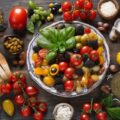
At its heart, the Mediterranean diet champions an abundance of plant-based foods. Think vibrant, seasonal fruits and vegetables, hearty legumes like lentils and chickpeas, and a wide array of whole grains – from pasta and couscous to barley and oats. The star of the show, however, is undoubtedly extra virgin olive oil, used generously as the primary source of fat, lending its rich flavor and powerful antioxidants to almost every dish. Fish and seafood, particularly fatty fish rich in omega-3s, are enjoyed regularly, often several times a week, while poultry and eggs are consumed in moderation. Red meat is an occasional indulgence, reserved for special occasions rather than a daily staple. Dairy products, like yogurt and cheese, are also consumed in moderation, often as fermented options. Hydration comes primarily from water, and red wine, in moderation and traditionally with meals, is an optional, culturally significant component.
Beyond the plate, the Mediterranean diet encourages a holistic approach to well-being. Regular physical activity, adequate rest, and the joy of sharing meals with loved ones are integral components. It’s a diet that nourishes not just the body, but also the spirit, fostering a connection to food, community, and the simple pleasures of life. Its well-documented benefits include remarkable improvements in cardiovascular health, reduced risk of chronic diseases like type 2 diabetes and certain cancers, enhanced cognitive function, and support for healthy aging. It’s a testament to the power of tradition and balance.
Embracing the Nordic Diet: A Fresh Perspective from the North
Now, let’s journey north to the crisp air and pristine landscapes of Scandinavia. The Nordic diet, sometimes referred to as the ‘New Nordic Diet,’ draws inspiration from the traditional eating patterns of countries like Denmark, Sweden, Norway, Finland, and Iceland. Developed by nutritionists and chefs, it’s a modern interpretation that emphasizes local, seasonal, and sustainable ingredients, promoting both personal health and ecological responsibility.
Like its Mediterranean counterpart, the Nordic diet is profoundly plant-forward. It celebrates the bounty of the northern climate: an abundance of berries (blueberries, lingonberries, cloudberries), root vegetables (carrots, beets, parsnips, potatoes), and hardy cruciferous vegetables (cabbage, kale). Whole grains, particularly rye, oats, and barley, form a cornerstone, providing fiber and sustained energy. Fatty fish, such as salmon, herring, and mackerel, are central, prized for their omega-3 content and often caught from pristine local waters. Lean game meats (like venison) and poultry are consumed in moderation, reflecting a respect for animal welfare and sustainable sourcing. Rapeseed oil (canola oil), with its favorable omega-3 to omega-6 ratio, serves as the primary healthy fat, much like olive oil in the Mediterranean. Legumes, like peas and beans, are also important, alongside low-fat dairy products like skyr or filmjölk.
The Nordic diet places a strong emphasis on foraging, preserving techniques (like pickling and fermentation), and minimizing food waste. It encourages a deeper connection to nature and the seasons, fostering an appreciation for food’s journey from farm to table. Research indicates that adopting the Nordic diet can lead to similar health benefits as the Mediterranean diet, including improved heart health, weight management, reduced inflammation, and better blood sugar control. It’s a diet that speaks to simplicity, purity, and the invigorating power of nature’s northern gifts.
Core Similarities: More Alike Than Different?
Despite their geographical and cultural distinctions, the Nordic and Mediterranean diets share a profound philosophical alignment. It’s in these shared principles that we find the universal truths of healthy eating, transcending specific ingredients or climates. Both diets are robust, evidence-based blueprints for well-being, emphasizing a holistic approach to food and life.
- Emphasis on Whole, Unprocessed Foods: At their core, both diets champion food in its most natural state. They shy away from highly processed items, refined sugars, and artificial additives, encouraging us to choose ingredients that are recognizable and minimally altered from their source. This commitment to ‘real food’ is perhaps their most significant common ground.
- Plant-Forward Foundation: While not strictly vegetarian, both diets build their base around an abundance of plant-based foods. Fruits, vegetables, legumes, and whole grains are the undisputed heroes, providing a rich tapestry of vitamins, minerals, fiber, and antioxidants essential for vitality.
- Healthy Fats are Key: Both diets understand the critical role of beneficial fats. Whether it’s the monounsaturated power of extra virgin olive oil in the Mediterranean or the balanced omega profile of rapeseed oil in the Nordic diet, healthy fats are integrated generously, supporting heart health, brain function, and nutrient absorption. Furthermore, both diets heavily feature fatty fish, rich in omega-3 polyunsaturated fats.
- Limited Red Meat and Processed Meats: Both eating patterns advocate for reducing the consumption of red meat, treating it as an occasional item rather than a daily staple. Processed meats are largely avoided, reflecting a shared understanding of their potential health risks.
- Mindful Eating and Lifestyle: Beyond the plate, both diets subtly encourage mindful consumption, appreciating food, and connecting with others over meals. They often go hand-in-hand with an active lifestyle and a general appreciation for well-being, suggesting that healthy eating is part of a larger, balanced life.
- Sustainability and Seasonality: While the Nordic diet explicitly highlights sustainability, both diets, by their very nature, promote eating locally and seasonally. This reduces environmental impact and ensures peak freshness and nutritional value.
These shared pillars underscore a powerful message: regardless of where you live, focusing on whole, plant-rich foods, healthy fats, and mindful living forms the bedrock of a truly nourishing diet.
Key Distinctions: Where Do They Diverge?
While their foundational principles are strikingly similar, the unique geographical and cultural landscapes from which the Nordic and Mediterranean diets emerged have shaped their distinct characteristics. These differences offer a wonderful opportunity to choose an approach that best suits your environment and personal preferences.
- Primary Healthy Fat Source: This is perhaps the most prominent distinction. The Mediterranean diet relies heavily on extra virgin olive oil for cooking, dressings, and dips, celebrated for its robust flavor and monounsaturated fats. The Nordic diet, on the other hand, champions rapeseed oil (canola oil), which is native to the region and offers a different, yet equally beneficial, fatty acid profile, including a good balance of omega-3s and omega-6s.
- Grains of Choice: While both embrace whole grains, the specific types differ. The Mediterranean diet often features grains like wheat (in pasta, bread), barley, and farro. The Nordic diet leans into grains that thrive in colder climates, such as rye, oats, and barley, which are staples in their traditional breads and porridges.
- Vegetable and Fruit Variety: The sun-drenched Mediterranean climate allows for a vast array of produce year-round, including tomatoes, bell peppers, zucchini, eggplant, and citrus fruits. The Nordic diet, adapted to shorter growing seasons, highlights hardy root vegetables like carrots, beets, and potatoes, along with a rich bounty of berries (blueberries, lingonberries, cloudberries) and cruciferous vegetables like cabbage and kale.
- Dairy Consumption: Both diets include dairy, but the types and emphasis vary. The Mediterranean diet often features moderate amounts of yogurt and cheeses like feta or halloumi. The Nordic diet tends to incorporate more fermented, low-fat dairy products such as skyr (Icelandic yogurt) or filmjölk (fermented milk), which are traditional to the region.
- Protein Sources Beyond Fish: While both prioritize fish, other protein sources vary. The Mediterranean diet might include more poultry and eggs. The Nordic diet, embracing local resources, might feature lean game meats like venison or elk, alongside poultry.
- Alcohol: Moderate consumption of red wine with meals is a traditional and often-cited component of the Mediterranean diet. The Nordic diet doesn’t have a specific alcoholic beverage recommendation, though moderate alcohol consumption is common in Nordic cultures.
These distinctions highlight how deeply intertwined these eating patterns are with their local ecosystems and culinary heritage. They serve as a beautiful reminder that healthy eating can take many delicious forms.
Which Diet is Right for You? Making an Empowered Choice
Having explored the rich tapestry of both the Nordic and Mediterranean diets, you might be wondering: which one is the ‘best’ for me? The compassionate answer is, there is no single ‘best’ diet for everyone. The most effective and sustainable approach to healthy eating is one that you can genuinely enjoy, maintain long-term, and that aligns with your individual needs, preferences, and circumstances. Both the Nordic and Mediterranean diets offer a powerful pathway to improved health, and the ‘right’ choice is ultimately a deeply personal one.
Consider the following as you reflect on your empowered choice:
- Geographical Location and Food Availability: Do you live in an area where olive oil, fresh seafood, and Mediterranean vegetables are readily available and affordable? Or perhaps you have better access to berries, root vegetables, rye bread, and fatty fish from colder waters? Choosing a diet that utilizes local, seasonal ingredients can make adherence easier and more sustainable, not to mention more environmentally friendly.
- Cultural Connection and Taste Preferences: Do you have a personal or cultural affinity for the flavors of the Mediterranean – garlic, herbs, tomatoes, and olive oil? Or do the clean, fresh tastes of Nordic cuisine – berries, dill, rye, and hearty fish – appeal more to your palate? Enjoying your food is paramount for long-term success.
- Specific Health Goals: While both diets offer broad health benefits, you might find certain aspects more appealing. For instance, if you’re particularly focused on omega-3s from fish and healthy fats, both deliver. If you’re keen on the specific antioxidants found in Mediterranean produce, or the unique fibers in Nordic grains, these nuances might sway your decision.
- Sustainability Values: Both diets inherently promote sustainability through their emphasis on whole, local, and seasonal foods. The Nordic diet often has a more explicit focus on reducing food waste and foraging, which might resonate if environmental impact is a primary concern.
- Flexibility and Adaptation: Remember that these are not rigid dogmas but flexible frameworks. You don’t have to choose one exclusively. Many people find success by adopting the core principles of both diets, creating a personalized hybrid that works perfectly for them. Perhaps you love olive oil but also adore berries, or enjoy Mediterranean vegetables alongside whole-grain rye bread. This adaptability is where true lifestyle change blossoms.
Ultimately, the journey to healthier eating is about finding joy and nourishment. Listen to your body, experiment with different flavors, and embrace the principles of whole, unprocessed foods, healthy fats, and mindful living. Whichever path you choose, or even if you forge your own beautiful blend, you are taking a powerful step towards a vibrant, healthier you.
Frequently Asked Questions About Nordic and Mediterranean Diets
Let’s address some common questions to further clarify these wonderful dietary approaches.
- Q1: Is one diet “better” than the other for weight loss?
- A1: Both the Nordic and Mediterranean diets are excellent for weight management, not because they are restrictive, but because they naturally encourage satiety with high-fiber, nutrient-dense foods and healthy fats. They both discourage processed foods, added sugars, and unhealthy fats, which are common culprits in weight gain. The ‘better’ one for you will be the one you can adhere to consistently and enjoyfully, leading to sustainable habits rather than quick fixes.
- Q2: Can I combine elements of both diets?
- A2: Absolutely! This is often the most practical and enjoyable approach for many people. You can embrace the olive oil and fresh herbs of the Mediterranean while incorporating the berries and rye bread of the Nordic diet. Focus on the shared core principles: whole foods, abundant plants, healthy fats, and mindful eating. Creating a personalized ‘Med-Nordic’ hybrid can offer the best of both worlds and increase your dietary variety.
- Q3: Are these diets expensive to follow?
- A3: Not necessarily. While some specialty ingredients can be pricey, both diets emphasize local, seasonal, and often humble ingredients like legumes, root vegetables, and whole grains, which are generally affordable. Buying in season, cooking at home, and reducing reliance on processed foods can actually save money. Focus on staples and make fish a regular, but perhaps not daily, feature to manage costs.
- Q4: What if I don’t like fish?
- A4: While fish is a key component in both for its healthy fats and protein, you can still follow the core principles. Emphasize other protein sources like legumes (beans, lentils, chickpeas), eggs, poultry, and nuts/seeds. You can also explore marine algae or flaxseeds for omega-3 fatty acids. Slowly introducing different types of fish, or incorporating it into dishes where its flavor is less prominent, might also help develop a taste for it over time.
- Q5: Do these diets cater to vegetarians/vegans?
- A5: Yes, both diets are inherently plant-forward and can be easily adapted for vegetarian and even vegan lifestyles. For vegetarians, eggs and dairy (in moderation) fit well. For vegans, focus heavily on legumes, nuts, seeds, whole grains, fruits, and vegetables for protein and essential nutrients. Both diets naturally provide a strong foundation for a vibrant plant-based eating pattern, simply by emphasizing their plant-based core.
Conclusion: A Journey of Nourishment and Well-being
As we conclude our exploration of the Nordic and Mediterranean diets, it’s clear that both offer far more than just a list of foods. They present a philosophy of living – one that values connection to nature, community, and the profound joy of nourishing oneself with wholesome, vibrant ingredients. While their origins and specific ingredients may differ, their shared commitment to holistic health, sustainability, and mindful eating creates a powerful synergy.
There’s no need to feel pressured to choose one over the other. Instead, we invite you to draw inspiration from both, embracing the principles that resonate most deeply with your lifestyle and values. Whether you find solace in the sun-kissed flavors of the Mediterranean or the fresh, hearty fare of the Nordics, remember that the most impactful ‘diet’ is one that brings you joy, sustains your energy, and contributes to your long-term well-being. May your journey toward healthier eating be filled with delicious discoveries, self-compassion, and an ever-deepening appreciation for the incredible power of food to heal and uplift.
Related posts:
 Nordic Ware Baking Sheet Review
 A Mediterranean Diet Meal Plan
 The Green Mediterranean Diet Linked To Better Heart Health
 Healthy Menu Navigator: Greek and Mediterranean
 Mediterranean Diet Benefits Post-Menopause
 The Vegan Mediterranean Lifestyle
 Nordic Hamstring Curl: The Exercise Your Legs Have Been Missing
 The Health Benefits of a Mediterranean Diet: What We Can Learn from Italian Eating Habits