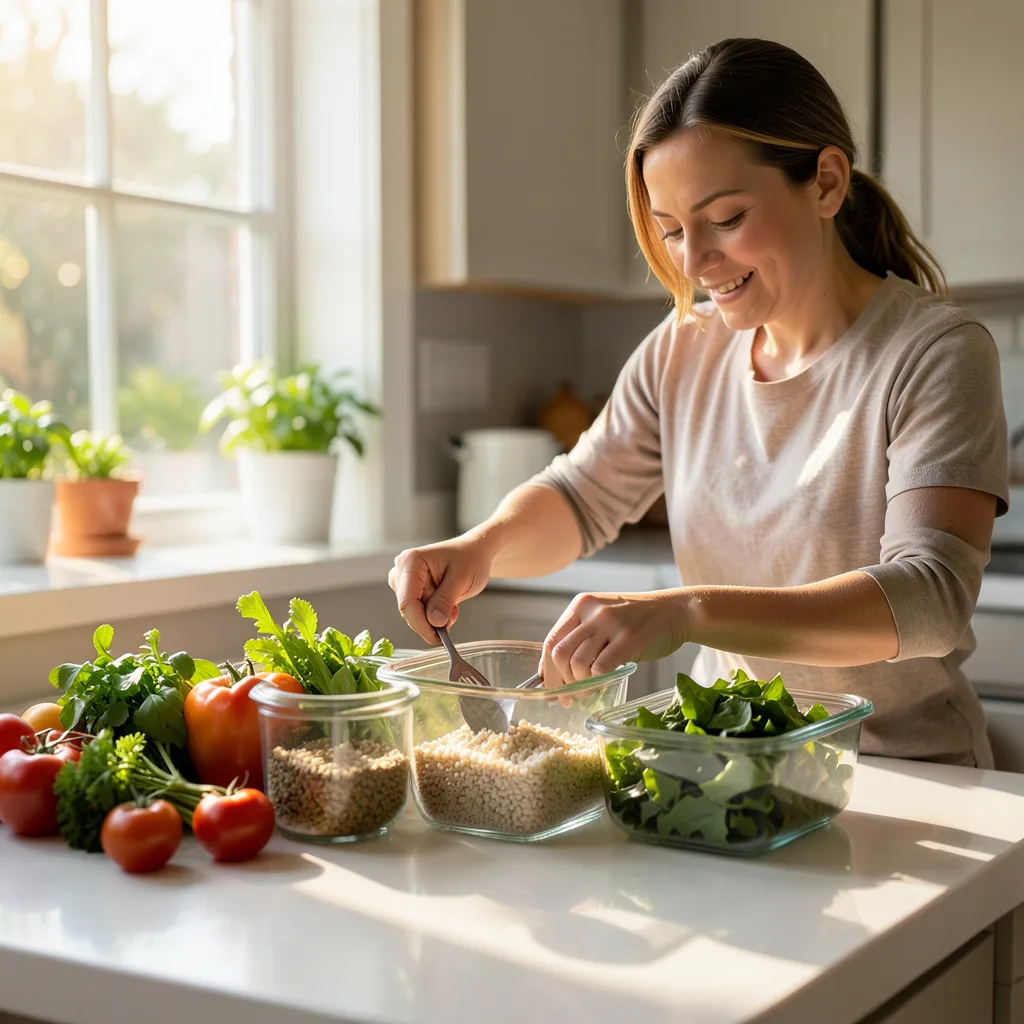
Weekend meals can feel like a test of endurance. You want food that is nourishing, satisfying, and realistic, but you also want to enjoy the weekend instead of spending it in the kitchen. A workable plan does not require a rigid menu or hours of cooking. It requires a flexible structure, a short shopping list, and a few components that can become several meals. The goal is to make nutritious eating easier, not to turn Saturday and Sunday into a production. This guide offers a practical way to plan weekend meals that fit real life, reduce last-minute decisions, and help you use what you already have.
Key takeaways
- Use a flexible food map with two breakfasts, two lunches, and three dinners rather than a rigid recipe calendar.
- Build balanced plates by filling half with vegetables or fruit, one quarter with protein, and one quarter with starch.
- Prep versatile components like roasted vegetables, grains, and proteins instead of full meals to allow for easier meal assembly.
- Transform leftovers into new dishes, such as using roasted vegetables for wrap fillings or chicken for tacos and soups.
- Ensure food safety by cooling cooked items in shallow containers and refrigerating them at or below 40 degrees Fahrenheit.
Start With a Flexible Weekend Food Map
Begin with a simple food map rather than a detailed recipe calendar. Choose two breakfasts, two lunches, three dinners, and a few snack anchors. Leave one meal open for leftovers, takeout, or a social plan. A flexible map gives you direction without making you feel locked in. For example, Saturday breakfast could be eggs with toast and fruit, and Sunday breakfast could be yogurt with oats and berries. Lunches might be a grain bowl and a soup. Dinners could include a sheet-pan chicken and vegetable meal, a bean pasta, and tacos with a simple slaw. Write the map on a sticky note or in a notes app so it is easy to adjust. The point is to reduce decision fatigue while preserving room for spontaneity.
Build Meals Around a Simple Plate Formula
A useful starting point is a plate with vegetables or fruit, a protein food, a starch, and a source of fat. This is not a strict rule, but it helps you create balanced meals from ingredients you already enjoy. Half the plate can be vegetables or fruit, one quarter can be a protein such as beans, lentils, eggs, fish, tofu, or chicken, and one quarter can be rice, potatoes, pasta, or another starch. Add olive oil, nuts, seeds, avocado, or a sauce for flavor and staying power. For a quick dinner, try roasted broccoli, chickpeas, brown rice, and a lemon-tahini sauce. For lunch, combine leftover roasted vegetables, white beans, and a whole-grain wrap with hummus. The formula is flexible enough for different tastes and budgets, and it makes it easier to use produce before it wilts.
Plan for Real Weekend Rhythms
Look at the weekend before you plan the food. Saturday may involve errands, a child’s game, or a long walk. Sunday may be quieter, with time for a bigger shop or a slow breakfast. Assign simple meals to busy windows and more involved meals to open windows. If Saturday afternoon is packed, plan a one-pan dinner or a meal that can simmer while you are out. If Sunday morning is relaxed, make a breakfast that can stretch into a late brunch. A 20-minute Sunday prep window can include washing produce, cooking a grain, chopping vegetables, and mixing a sauce. Keep the plan realistic: two anchor dinners, one flexible dinner, and simple breakfast and lunch options are often enough. A plan that matches your actual schedule is more useful than an ambitious plan you abandon by noon.
Shop With a Short, Purposeful List
Before shopping, take inventory of what you already have. Check the refrigerator, freezer, and pantry for proteins, grains, canned goods, and condiments. Then build a list around the food map. Organize the list by store section to save time: produce, proteins, dairy or alternatives, pantry, frozen, and household items. Choose versatile ingredients that can appear in more than one meal. A short list might include eggs, Greek yogurt, oats, berries, spinach, carrots, onions, canned chickpeas, brown rice, whole-grain wraps, chicken or tofu, frozen peas, pasta, canned tomatoes, and a favorite sauce. Frozen and canned options are practical and can reduce waste. Avoid buying large amounts of fresh produce unless you have a clear plan for using it. A purposeful list keeps the shop focused and helps prevent the cycle of buying too much and throwing food away.
Prep Components, Not Just Full Meals
Component prep is often more flexible than cooking complete meals. Cook a pot of grains, roast a tray of vegetables, prepare a protein, and make one or two sauces. Store these in clear containers so you can see what is available. Label containers with the date and use refrigerated leftovers within a few days, or freeze portions for later. For example, roasted sweet potatoes, quinoa, chickpeas, and a yogurt-herb sauce can become a grain bowl, a wrap filling, or a side dish. Cooked chicken can go into tacos, soup, or a salad. Chopped carrots and peppers can be used in stir-fries, omelets, or lunch boxes. Component prep reduces the number of decisions you make during the week and helps you assemble meals quickly. Keep food safety in mind by cooling cooked food promptly, refrigerating it in shallow containers, and reheating leftovers thoroughly.
Make Breakfast and Lunch Easier
Breakfast and lunch are often where weekend planning falls apart because they are eaten on the go or between activities. Plan two simple breakfasts that can be repeated. Overnight oats, yogurt parfaits, egg muffins, or toast with nut butter and fruit are practical options. For lunch, build two formulas: a grain bowl and a wrap or soup. A grain bowl can use leftover rice, roasted vegetables, beans, and a sauce. A wrap can use hummus, greens, shredded chicken or tofu, and crunchy vegetables. Soup can be made with canned tomatoes, beans, frozen vegetables, and broth. Pack lunches the night before if mornings are busy. The aim is not variety for its own sake but a reliable rotation that makes nutritious meals easy to reach. Keep a few backup options in the freezer, such as frozen berries, peas, or cooked grains, for days when plans change.
Keep Dinner Flexible and Crowd-Friendly
Dinner can be the most flexible meal of the weekend. Sheet-pan meals, one-pot pasta, tacos, and grain bowls are forgiving formats that can adapt to what you have. Choose two anchor dinners and one flexible dinner. An anchor dinner might be sheet-pan chicken with potatoes and broccoli. Another might be pasta with white beans, tomatoes, and spinach. The flexible dinner can be tacos with whatever protein and vegetables are available, or a grain bowl built from prepped components. If you are cooking for a group, set out components and let people assemble their own plates. This reduces pressure and accommodates different preferences. Keep a simple sauce on hand, such as yogurt with lemon, pesto, or a tomato-based sauce, because flavor can make simple ingredients feel satisfying. A flexible dinner plan helps you use leftovers and avoids the feeling that every meal must be a new recipe.
Use Leftovers Without Meal Fatigue
Leftovers are useful only if you have a plan for them. Instead of reheating the same plate twice, transform leftovers into a new meal. Roasted vegetables can become a wrap filling or a topping for a grain bowl. Cooked chicken can go into soup, tacos, or a salad. Rice can become fried rice with frozen peas and eggs. Beans can be mashed into a sandwich filling or added to pasta. Store leftovers in clear containers and label them with the date. Use refrigerated leftovers within a few days, and freeze portions you will not eat soon. If you do not enjoy leftovers, plan a leftover lunch and a fresh dinner rather than forcing the same meal repeatedly. A small leftover station in the refrigerator can make the next meal easier. The goal is to reduce waste and effort while keeping meals interesting enough to look forward to.
Budgeting Weekend Nutrition Without Sacrificing Variety
A nutritious weekend does not have to compete with rent, fuel, or a social budget. Start by setting a realistic spending range for the two days and decide which meals are worth prioritizing. If a Saturday dinner out is part of the plan, keep breakfast, lunch, and snacks simple and low-cost rather than trying to match restaurant spending at every meal. Build a short list of affordable protein anchors, such as eggs, canned tuna, beans, lentils, tofu, yogurt, or chicken thighs, and pair them with whichever vegetables are cheapest or already in the refrigerator. Unit price matters more than sticker price: compare price per ounce, per pound, or per serving when choosing between fresh, frozen, and canned options. Frozen vegetables and canned beans are often cost-effective and reduce waste because they keep longer. Store brands can be identical in nutrition to national brands, and bulk grains, oats, and pasta are usually reliable budget staples. Plan two or three meals that share ingredients so a bunch of parsley, a tub of yogurt, or a bag of carrots does not become a science experiment by Sunday night. For example, a yogurt-herb sauce can dress a grain bowl, top a baked potato, and serve as a dip for raw vegetables. If fresh produce is expensive, use frozen spinach, frozen berries, cabbage, carrots, onions, and canned tomatoes as workhorses. Cabbage and carrots hold up well and can appear in slaw, stir-fry, soup, and tacos. Keep a price ceiling in mind for convenience items; pre-cut produce or rotisserie chicken can be worth the cost on a busy weekend, but not if they crowd out the rest of the budget. Edge cases matter: a household with a medically restricted diet may need to spend more on specialized products, so protect that line item first and economize elsewhere. When feeding a crowd, choose a base such as rice, tortillas, or pasta and let people add their own protein and vegetables. This usually costs less than individual servings and reduces waste. Finally, track one weekend at a time. A simple note about what was bought, what was used, and what was thrown away is more useful than an elaborate budget spreadsheet. Small adjustments, such as buying one fewer bunch of greens or freezing half the bread, often save more than chasing every sale.
Planning Around Dietary Needs and Allergies
When someone at the table avoids certain foods, the weekend plan needs to protect both nutrition and trust. Begin by writing down the non-negotiables: allergies, intolerances, medical restrictions, religious or ethical choices, and texture or sensory preferences that affect what will actually be eaten. Distinguish between a preference and a safety issue. A person who dislikes mushrooms can skip them; a person with a peanut allergy needs more than a polite attempt to pick them out. For allergens, read labels every time because ingredients and manufacturing lines change. Keep separate utensils, cutting boards, and serving spoons for the allergen-free version, and prepare that dish first when possible. If cross-contact is a concern, use a clean pan, fresh oil, and a separate baking sheet rather than assuming that wiping a surface is enough. Build meals in components so each person can assemble a safe plate: a plain grain, a protein, roasted vegetables, a sauce on the side, and a simple fruit or salad. This approach works for gluten-free, dairy-free, vegetarian, vegan, low-sodium, and low-sugar needs without making separate dinners. For example, a taco night can include corn tortillas for a gluten-free eater, seasoned beans instead of meat, cheese on the side, and a cabbage slaw with lime. A pasta night can offer gluten-free pasta cooked in a separate pot, a tomato-bean sauce, and a dairy-free pesto. Do not assume that a food is safe because it seems plain; check broth, sauces, marinades, dressings, and seasoning blends. At a shared meal, label dishes clearly and keep serving utensils with their own dishes. If a guest brings food, ask about ingredients before it goes on the buffet. Nutritionally, restrictions can narrow options, so look for substitutes that add back protein, fiber, and healthy fats rather than simply removing foods. A dairy-free eater might use fortified soy yogurt, tofu, beans, or nuts. A gluten-free eater might choose rice, quinoa, potatoes, corn tortillas, or certified oats. An older adult or a child with a small appetite may need softer textures and smaller portions, so offer a mashed bean dip, cooked vegetables, and tender grains. Avoid making a restricted eater feel like a problem to solve. Provide one or two safe, satisfying options and let them decide how much to eat. If the weekend includes eating out, check the menu in advance and call ahead when allergies are severe. The goal is not a perfect menu but a table where everyone can eat without worry and without feeling singled out.
Food Safety and Storage Timelines for Weekend Prep
Weekend prep only pays off if the food is still safe when it reaches the plate. Keep the refrigerator at or below 40 F and the freezer at or below 0 F, and use a thermometer rather than guessing. Perishable food should not sit at room temperature for more than two hours, or one hour if the room is hot. When cooling a large pot of soup, chili, or grains, divide it into shallow containers so it cools quickly, and place those containers in the refrigerator within the two-hour window. A deep pot can stay warm in the middle for hours, which is why shallow pans and smaller portions matter. Label containers with the food name and the date it was cooked or opened. Cooked grains, pasta, and beans are often good for three to four days in the refrigerator; cooked meat and poultry are usually good for three to four days; soups and stews are often good for three to four days. Use those as general guides and follow local food safety advice for specific foods. If you will not eat a portion within that window, freeze it rather than waiting to see. Freeze in meal-sized portions, press out extra air, and date the package. Thaw frozen food in the refrigerator, in the microwave, or under cold running water, not on the counter. Reheat leftovers until steaming hot throughout, and stir to make sure there are no cold spots. If a dish has been left out, smells unusual, or has visible mold, discard it rather than tasting it. Weekend meals often involve coolers, picnics, and potlucks, so pack cold foods with ice packs and keep raw meat away from ready-to-eat foods. Use separate bags or containers for raw chicken, fish, and produce that will be eaten raw. If you are grilling, keep a clean plate for cooked food and do not reuse the plate that held raw meat. Edge cases deserve attention: a power outage can compromise an entire refrigerator, so keep the doors closed and check temperatures when power returns. A large batch of rice should be cooled quickly and refrigerated promptly because cooked rice can support bacterial growth if left warm. Marinades that touched raw meat should be boiled before use as a sauce, or discarded. When in doubt, throw it out. The cost of wasted food is real, but foodborne illness is more expensive. A simple routine of cooling, labeling, chilling, and reheating protects the work you put into the weekend and makes the next meal easier to trust.
Matching Meal Plans to Energy, Weather, and Kitchen Capacity
A plan that ignores your energy level or your kitchen is a plan that will be abandoned. Before choosing recipes, look at the weekend forecast and your own capacity. A hot weekend may call for no-cook meals, grilling, or a slow cooker placed outside the main kitchen. A cold, rainy weekend may make a simmering soup or a baked grain dish more appealing. If you have limited energy, choose meals with fewer active steps and use appliances that do not require constant attention. A rice cooker, slow cooker, pressure cooker, or sheet pan can do a lot of work while you rest or do something else. If your kitchen is small, avoid plans that require three pots, a blender, and a large cutting board at the same time. Choose one-pot meals, traybakes, or assembly meals that use a single knife and board. If you share a kitchen, coordinate cooking times and label your food so it does not disappear. Weather also affects shopping and storage: a hot car is not a safe place for groceries, so bring a cooler if your commute is long. On very hot days, keep meals cool and fresh: yogurt bowls, bean salads, wraps, cold noodles, and fruit with cheese or nuts can be satisfying without turning on the oven. On cool days, use the oven once for multiple items: roast vegetables, bake potatoes, and cook a protein on the same tray or on separate shelves. Consider your equipment limits. If the oven is broken, plan stovetop, microwave, or no-cook meals. If you only have a kettle and a microwave, build around oats, eggs, canned beans, instant rice, and pre-washed greens. If you have a grill, use it for vegetables and protein and keep the indoor kitchen cool. Energy accounting is practical: decide how many active minutes you can spend and choose a meal that fits. A 15-minute meal might be a bean quesadilla with spinach; a 30-minute meal might be a sheet-pan chicken and vegetable dinner; a low-energy meal might be toast with hummus, sliced cucumber, and a boiled egg. Keep a short list of default meals for days when decision-making is hard. These defaults should require no special shopping and should be satisfying enough to count as a meal. Edge cases include chronic illness, caregiving, and shift work. On those weekends, prep may need to be split into two short sessions rather than one long one. You might chop vegetables after breakfast and cook grains before dinner. The plan should serve your body, not the other way around. A flexible, weather-aware, capacity-aware plan is more likely to produce nutritious meals than an ambitious menu that assumes unlimited time and a perfect kitchen.
Frequently Asked Questions
How far ahead can I prepare weekend meals? You can prepare some components two to three days ahead, such as cooked grains, roasted vegetables, and sauces, if they are stored safely in the refrigerator. Other items, like delicate greens or cut fruit, are best prepared closer to the day you plan to eat them. Freezing portions is a practical option for meals you will not use within a few days. Label containers with dates and follow food safety guidance for cooling, storing, and reheating.
Do I need to cook everything on Sunday? No. Sunday prep can be as simple as washing produce, cooking one grain, and making one sauce. The goal is to reduce friction, not to create a full week of identical meals. A short prep session often works better than an exhausting one. Choose two or three components that can be used in different ways, and leave room for fresh or quick meals during the weekend.
How can I plan for picky eaters? Use a component-style meal so people can choose what goes on their plate. Offer a familiar base, such as rice, pasta, or tortillas, alongside a protein and vegetables. Keep one or two accepted options available, and introduce new foods in small amounts without pressure. A flexible meal format can reduce conflict and make shared meals more relaxed.
How do I keep weekend meal planning affordable? Start with what you already have, choose versatile ingredients, and include frozen and canned options. Plan meals that share ingredients, such as using the same roasted vegetables in a bowl, a wrap, and a soup. Buy proteins and produce in amounts you can realistically use. A short list and a flexible menu can reduce impulse purchases and food waste.
What if I do not like eating leftovers? Plan for leftovers as a starting point rather than a final meal. Use them in a new format, such as turning roasted vegetables into a wrap or cooked chicken into tacos. If you still prefer fresh meals, schedule one leftover lunch and plan a different dinner. The aim is to make the weekend easier, not to force a system that does not fit your preferences.
Related posts:
 Delicious Ground Chicken Recipes
 Quick Healthy Dinners for When You Have Zero Energy to Cook
 Rice Revealed: Is This Pantry Staple Actually Good for You
 Vegetable-Rich Dinner Ideas
 Candice Kumai’s Healthy Turmeric Fried Rice Recipe
 Easy Trader Joe’s Dinner Ideas
 The Meal Prep Master Class That Will Save You Hundreds Every Month
 High-Protein Foods That Pack a Serious Nutritional Punch