
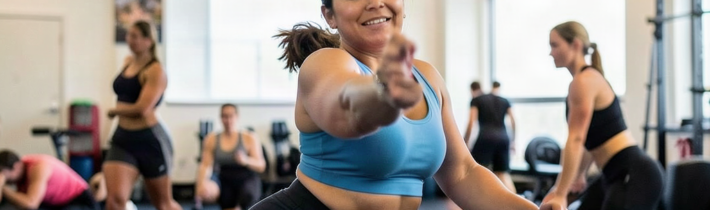
New York City is arguably the fitness capital of the world, serving as a laboratory for the industry’s most intense, effective, and trendsetting workouts. For the fashion elite and runway models who call the city home, exercise is not just about physical maintenance; it is a professional requirement and a mental sanctuary. From the high-energy beats of boutique cycling to the precise, muscle-sculpting movements of reformer Pilates, NYC’s workout scene is defined by its ability to deliver results while offering an unparalleled sense of community.
The Rise of High-Intensity Pilates
In recent years, the “model-off-duty” aesthetic has become synonymous with the long, lean muscle tone achieved through high-intensity Pilates. Studios like SLT (Strengthen, Lengthen, Tone) have revolutionized the traditional reformer experience by incorporating elements of cardio and strength training. Unlike classical Pilates, which emphasizes gentle movement, these studios focus on the “Megaformer” machine, which adds resistance and instability to traditional movements. Models often flock to these classes because they provide a full-body workout that targets stabilizer muscles, improving posture and core strength, which are essential for long days on set.
The Cult of Boutique Cycling
Cycling in New York is more than a cardio session; it is a spiritual experience. SoulCycle, which started in a small studio on the Upper West Side, transformed the stationary bike into a vessel for emotional release. For those in the modeling industry, the appeal lies in the efficiency of the workout. Forty-five minutes of high-intensity interval training, combined with choreography and high-energy music, provides a calorie-burning session that fits perfectly into a hectic casting schedule. The dark, candlelit atmosphere offers a level of anonymity that is highly valued by public figures, allowing them to focus entirely on their physical output.
Boxing and Functional Fitness
For models who need to relieve stress while building agility, boxing is the preferred medium. Studios like Rumble Boxing have gained immense popularity by blending the technical aspects of boxing with the rhythm of a nightclub. The focus here is on explosive movement, hand-eye coordination, and mental toughness. Beyond the physical benefits of boxing, which include significant cardiovascular improvement and muscle toning, the act of punching a bag provides a unique outlet for the pressures of the entertainment industry. It is a grounding practice that forces participants to be present, leaving little room for external anxieties.
The Precision of Classical Ballet and Barre
Barre-based workouts remain a staple for those who admire the physique of a professional dancer. Studios such as Physique 57 have mastered the art of “interval overload,” using small, isometric movements to fatigue specific muscle groups. This methodology is particularly popular among models because it focuses on “tucking” and elongation, movements that translate directly to grace and poise on the runway. By utilizing light weights and the ballet barre, these classes build endurance and muscle definition without adding bulk, maintaining the aesthetic standards often required in high-fashion modeling.
Yoga for Mental and Physical Recovery
While high-intensity workouts dominate the headlines, the recovery aspect of the NYC fitness scene is equally vital. Yoga studios like Y7, which specializes in hot, beat-driven Vinyasa, offer a space for models to decompress. The heat helps to flush out toxins and increase flexibility, while the absence of mirrors in many of these studios shifts the focus from vanity to internal sensation. For a model constantly being looked at, the ability to practice in a dimly lit, mirror-free environment is a rare and necessary luxury that promotes mental health and self-acceptance.
The Importance of Community and Accessibility
What truly sets NYC’s model-approved studios apart is the culture of community. Many of these spaces operate on a class-by-class basis, allowing for a flexible lifestyle that accommodates travel and last-minute work commitments. The instructors at these facilities are often celebrities in their own right, acting as both coaches and confidants. This relationship builds a level of accountability that is hard to find in a standard gym. Whether it is a shared smoothie after a morning session or a supportive nod from a classmate, the social environment acts as a motivator to keep showing up, even on the most exhausting days.
Integrating Nutrition and Recovery
Fitness in New York is rarely treated in isolation; it is viewed as one piece of a comprehensive wellness puzzle. Many of these boutique studios partner with local organic cafes or juice bars, emphasizing that performance is fueled by nutrition. Models are often seen carrying green juices or protein-rich snacks, highlighting the importance of post-workout recovery. Learning to listen to one’s body—understanding when to push for a personal best and when to opt for a restorative stretch class—is the hallmark of a seasoned professional in the New York fitness circuit.
Choosing the Right Studio for Your Goals
With an overwhelming number of options available, choosing the right studio comes down to personal intent. If your goal is cardiovascular health, the cycling scene is unmatched. If you are looking to improve your posture and muscle tone, a reformer-based Pilates studio is the best investment. For those seeking stress relief and agility, boxing is the go-to. The beauty of the NYC fitness landscape is its variety; many models rotate through different disciplines throughout the week to ensure they are challenging their bodies in new ways while preventing overuse injuries. Always start with introductory classes to ensure the studio’s methodology aligns with your physical comfort and personal objectives.
The Rise of Private Training and Bespoke Coaching
While group classes define the NYC fitness landscape, many high-profile models pivot toward private training when their schedules demand absolute discretion or hyper-specific body sculpting. Private sessions, often held in “appointment-only” studios in neighborhoods like Tribeca or the West Village, allow for a level of customization that group environments cannot replicate. A trainer might focus exclusively on eccentric loading to enhance muscle definition without hypertrophy, or implement specific lymphatic drainage techniques post-workout. This bespoke approach is essential for models prepping for major runway shows, where “tapering” the physique is as much a science as it is an art. These sessions often incorporate modalities like Kinesis training or proprietary resistance band work that targets the “runway walk” mechanics, ensuring that every muscle activation serves the specific gait and posture required for high-fashion presentations.
Tactical Recovery: Cryotherapy and Infrared Saunas
The modern model-approved routine extends far beyond the studio walls, with recovery protocols becoming just as essential as the workout itself. NYC has seen a surge in “recovery lounges” where cold therapy and heat exposure are used to manage inflammation after high-intensity training. Cryotherapy chambers, set at sub-zero temperatures, are frequently utilized to reduce systemic inflammation and speed up muscle recovery, allowing models to double up on workouts without risking burnout. Conversely, infrared saunas are prized for their ability to promote deep cellular detoxification and improve skin elasticity—a secondary but vital benefit for those whose careers depend on their complexion. Integrating these sessions into a weekly routine is often how industry professionals manage to maintain a high-frequency training volume while keeping their bodies resilient against the physical toll of travel and long hours.
The Psychology of “The Aesthetic Shift”
There is a distinct psychological shift occurring in NYC studios toward “mindful performance” rather than just aesthetic outcomes. This trend moves away from the “no pain, no gain” mentality of the early 2000s and toward a more sustainable, neuro-centric approach. Instructors are increasingly trained to incorporate breathwork (pranayama) and nervous system regulation into the cool-down phase of class. For a model navigating the high-pressure environment of New York Fashion Week, the ability to shift the body from a sympathetic “fight or flight” state to a parasympathetic “rest and digest” state is a competitive advantage. Studios that prioritize this transition allow clients to leave the room not just physically exhausted, but mentally centered, effectively turning a workout into a tool for emotional management in an industry known for its volatility.
Navigating the “Hybrid” Scheduling Strategy
Most successful models in the city do not subscribe to a single discipline; they utilize a “hybrid” approach that balances high-impact and low-impact modalities to prevent repetitive strain injuries. A typical week might look like two days of high-intensity reformer Pilates for core stability, one day of low-impact steady-state cardio (such as incline walking or swimming), and one day of restorative yoga or mobility work. This rotation is crucial because it addresses the body from multiple planes of motion. By oscillating between the explosive, plyometric movements found in boxing and the slow, controlled isometric holds of barre or classical Pilates, models ensure they are building a “bulletproof” physique. This multi-modal approach is the secret to maintaining a consistent look year-round without the risk of overuse injuries that often sideline athletes in less varied training programs.
The Role of Wearable Tech and Data Tracking
In the quiet corners of the studio, you will frequently see models checking their biometric data post-session. The integration of wearable technology—such as heart rate monitors and recovery trackers—has entered the boutique fitness space with force. This data-driven approach allows individuals to quantify their “strain” and “recovery” scores, taking the guesswork out of their training load. If a model’s heart rate variability (HRV) indicates that their nervous system is fatigued, they may swap a planned HIIT session for a restorative flow class, demonstrating the high level of body literacy required to sustain a career in modeling. This tracking isn’t about vanity; it is about performance optimization. Understanding exactly how many calories were burned or how much time was spent in a specific heart rate zone allows for more precise nutritional planning, ensuring that the body is adequately fueled for the intensity of the work being performed.
The Evolution of “Studio-to-Street” Fashion
The influence of NYC workout culture is perhaps nowhere more visible than in the “athleisure” industry that has grown in lockstep with these studios. The clothes worn to these classes are carefully curated to be both functional and fashion-forward, reflecting the city’s status as a global style hub. High-compression leggings that double as base layers for winter, moisture-wicking fabrics that transition seamlessly to a post-workout brunch, and technical outerwear that looks as good on the street as it does in the locker room are now standard. This “studio-to-street” versatility is not merely a style choice; it is a logistical necessity for a model who might go from a 7:00 AM sweat session to a 9:00 AM casting call. The gear must be high-performance enough to handle a brutal workout but polished enough to maintain a professional appearance in a fast-paced city where image is currency.
The Shift Toward Longevity and Mobility
Finally, there is a growing emphasis on “longevity-focused” training that prioritizes joint health and long-term functionality over immediate aesthetic results. This includes the integration of fascia-release work, foam rolling, and mobility drills that improve range of motion. Studios are increasingly offering “Mobility and Flow” classes that target the hips, shoulders, and thoracic spine—areas of the body that tighten up from long flights and hours spent in heels. By investing in the health of the joints and connective tissues, models are able to extend their careers and maintain their physical grace well into their thirties and beyond. This focus on long-term health represents the maturity of the NYC fitness scene, signaling a transition from “working out for the moment” to “training for a lifetime of movement.”
Frequently Asked Questions
Q: Why are these specific studios so popular among models? A: These studios are popular because they offer high-efficiency workouts that provide visible results, such as improved posture, muscle tone, and cardiovascular health, all within a time-conscious format that fits into a busy professional schedule.
Q: Do I need prior experience to join these boutique classes? A: Most studios are very welcoming to beginners. Instructors are trained to offer modifications for every exercise, ensuring that clients of all fitness levels can participate safely and effectively.
Q: How do these workouts differ from a standard gym? A: Boutique studios offer specialized, instructor-led classes that focus on a specific methodology. Unlike a standard gym, where you may be left to your own devices, these studios provide a structured environment with a strong emphasis on community and motivation.
Q: Is it expensive to maintain this fitness routine? A: While boutique classes in NYC can be a significant investment, many studios offer monthly memberships, class packages, or new-client specials that make the experience more accessible.
Q: How can I prevent injury when doing high-intensity workouts? A: The best way to prevent injury is to listen to your body, prioritize proper form over speed, and ensure you are taking adequate rest days. If you are new to a specific discipline, always communicate with your instructor before the class begins.
Related posts:
 2 Brand-New Pilates Studios Just Opened Uptown
 NYC’s Healthiest Meal Delivery Services That Actually Taste Amazing
 Spring Fever: LA’s Hottest New Boutique Fitness Studios Taking Over 2018
 The Miami Boutique Fitness Scene Is Heating Up—Here’s What’s New
 Best Boxing Classes in NYC
 Celebrity Workout Studios
 Top Boutique Fitness Studios of 2016
 The Rise of Boutique Fitness