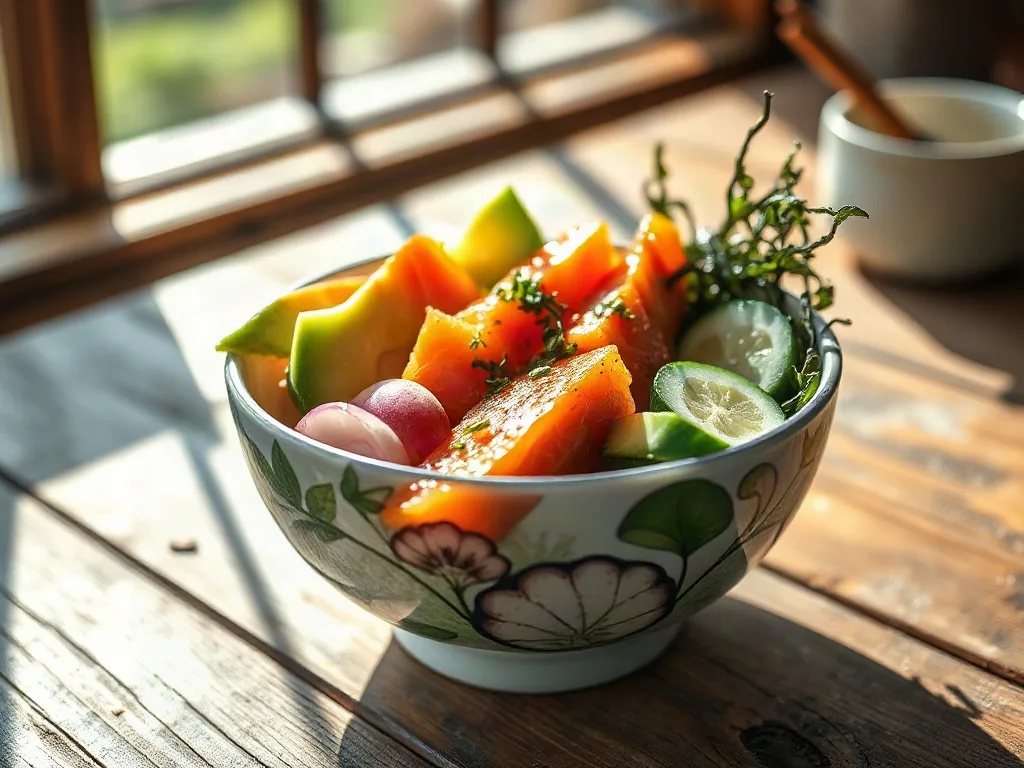
When the midday slump hits and your energy levels begin to plummet, the temptation to reach for processed snacks or sugar-laden treats is often overwhelming. The Ocean Bowl—a vibrant, nutrient-dense concept inspired by the colors and cooling essence of the sea—offers a refreshing departure from standard meal prep. By balancing complex carbohydrates, lean proteins, and healthy fats, these bowls provide sustained energy while satisfying the psychological need for a treat. This article explores how to craft the perfect Ocean Bowl, ensuring every bite is as nourishing as it is delicious.
Key takeaways
- Use fiber-rich bases like quinoa or black rice to prevent glucose spikes and maintain long-term satiety.
- Incorporate sea vegetables like nori and wakame to satisfy savory cravings with essential minerals and umami depth.
- Combine hot and cold ingredients to engage your senses, keeping your palate stimulated and preventing overeating.
- Apply a component-based meal prep strategy to reduce friction and ensure healthy, quick assembly during the week.
The Anatomy of a Nutrient-Dense Ocean Bowl
Building a bowl that keeps cravings at bay requires a strategic approach to macronutrient balance. The foundation of an effective Ocean Bowl is a base of complex carbohydrates. Instead of refined grains, opt for nutrient-rich alternatives like quinoa, black rice, or cauliflower rice. These ingredients are rich in fiber, which slows the absorption of glucose into your bloodstream, preventing the spike-and-crash cycle that often triggers hunger. By layering your bowl with a foundation that provides lasting satiety, you create a stable internal environment where cravings have less room to take hold.
Incorporating Marine-Inspired Proteins
The hallmark of the Ocean Bowl is the inclusion of high-quality proteins that mirror the coastal focus of the dish. Sustainable seafood options like wild-caught salmon, steamed shrimp, or seared tuna provide essential omega-3 fatty acids. These healthy fats are crucial for brain health and mood regulation, factors that are intrinsically linked to our relationship with food. If you prefer a plant-based approach, consider using marinated tofu cubes or chickpeas seasoned with dulse flakes or nori strips to replicate that authentic oceanic flavor profile while maintaining a high protein density.
Harnessing the Power of Sea Vegetables
Sea vegetables are the secret weapon of the Ocean Bowl. Ingredients such as wakame, dulse, and nori are not just flavor enhancers; they are powerhouse sources of iodine, magnesium, and calcium. These minerals are vital for thyroid function and metabolic health. Adding a handful of rehydrated wakame or sprinkling crumbled nori over your bowl provides a natural umami depth that satisfies the savory palate. This depth of flavor is often what is missing when we experience cravings, as our bodies seek out the mineral density found in these marine greens.
Vibrant Produce for Antioxidant Support
To achieve the signature “ocean” aesthetic, integrate a spectrum of blue, purple, and green produce. Blueberries, red cabbage, cucumber ribbons, and edamame not only look stunning but also supply a wide array of antioxidants. These compounds help combat oxidative stress in the body. When your body is under less stress, your cortisol levels remain balanced, which directly correlates to fewer cravings for high-calorie comfort foods. Aim for at least three different colors in every bowl to ensure a diverse intake of phytonutrients.
The Art of the Creamy Dressing
A dressing can either elevate a healthy bowl or turn it into a calorie-dense trap. For the ultimate Ocean Bowl experience, focus on dressings that use healthy fats as a base rather than refined oils or excessive sugars. A tahini-lime dressing or a creamy avocado-cilantro sauce adds a luxurious mouthfeel that signals satisfaction to the brain. By incorporating healthy fats like monounsaturated fatty acids, you help your body absorb fat-soluble vitamins (A, D, E, and K) from your vegetables, maximizing the nutritional return of your meal.
Strategic Toppings for Texture and Crunch
Texture is a vital component of satiety. If a meal is entirely soft, the brain often feels unsatisfied, leading to a desire to keep eating. To prevent this, include a variety of crunchy toppings. Toasted sesame seeds, pumpkin seeds, or thinly sliced radishes provide a satisfying snap that engages the senses. The act of chewing these crunchy elements slower can lead to better digestion and a stronger signal to the brain that you have consumed a substantial meal, effectively putting an end to the urge to snack shortly after eating.
Customizing Your Bowl for Seasonal Shifts
The beauty of the Ocean Bowl lies in its versatility. During warmer months, lean into cooling ingredients like cucumber, shaved fennel, and fresh mint. As the weather cools, you can adapt the bowl by using warmer, heartier bases like warm farro or steamed sweet potato, while still maintaining the oceanic protein elements. This adaptability ensures that the recipe remains a sustainable, long-term habit rather than a temporary trend. By listening to your body’s seasonal needs, you can maintain the same health benefits year-round.
Mindful Eating and the Psychology of Cravings
Beyond the ingredients, how you consume your Ocean Bowl plays a role in ending cravings. Eating mindfully—without the distraction of screens or work—allows you to appreciate the colors, textures, and flavors of the meal. When you slow down, you give your body the time it needs to register fullness. Often, what we perceive as a craving is actually a lack of sensory satisfaction or a sign of dehydration. By treating your meal as an intentional act of self-care, you transform the way you interact with your food, making it easier to listen to your body’s true hunger signals.
Mastering the Umami-Rich Marinade
The secret to a truly transformative Ocean Bowl lies in the marinade. Because healthy proteins like tofu, white fish, or chickpeas can be neutral, they act as blank canvases for deep, oceanic flavor. Instead of relying on store-bought sauces, create a signature “sea-glaze” by whisking together liquid aminos, a splash of rice vinegar, a teaspoon of toasted sesame oil, and a pinch of ground ginger. For an extra layer of depth, incorporate a teaspoon of miso paste. Miso, a fermented soybean product, provides an intense umami hit that mirrors the savory satisfaction of aged cheese or cured meats, effectively neutralizing the “salty-savory” cravings that often lead to processed snack choices. Allow your protein of choice to soak in this mixture for at least 30 minutes before cooking to ensure the flavor penetrates the core of the ingredient, providing a burst of satisfaction in every bite.
The Role of Temperature Contrast in Satiety
Our brains are wired to find variety stimulating, and temperature is one of the most overlooked aspects of food psychology. A bowl that is entirely cold can sometimes leave the palate feeling unsatisfied, while one that is entirely hot can feel heavy. The “bliss” in the Ocean Bowl often comes from the intentional contrast of temperatures. Try serving a warm, spiced base—such as quinoa tossed with turmeric and coconut oil—topped with chilled, crisp cucumber matchsticks and raw, vine-ripened radishes. This interplay between warm and cold elements keeps the palate engaged throughout the entire meal. When the senses are fully occupied by changing temperatures, the brain is less likely to wander toward the idea of a “reward” snack immediately following the meal.
Hydration-Boosting Ingredients for Craving Control
Many cravings are actually symptoms of mild dehydration that the brain misinterprets as a need for sugar or salt. To combat this, integrate high-water-content produce directly into the structure of your Ocean Bowl. Watermelon radishes, jicama cubes, and shredded bok choy are excellent additions that add bulk without calories while contributing to your daily hydration goals. Jicama, in particular, has a crisp, apple-like crunch and a neutral, slightly sweet profile that pairs beautifully with the salty sea vegetables. By ensuring your bowl is composed of at least 40% high-water-content vegetables, you naturally increase the volume of your meal, which physically stretches the stomach and triggers satiety hormones more effectively than calorie-dense, dry snacks.
Fermented Additions for Gut-Brain Harmony
Emerging research suggests that the health of our gut microbiome is intrinsically linked to our cravings. When our gut bacteria are balanced, they send signals to the brain that promote healthy food choices. To support this, include a scoop of fermented vegetables in your Ocean Bowl. Sauerkraut, kimchi, or pickled red onions provide a tangy brightness that cuts through the richness of avocado or tahini. These fermented foods are rich in probiotics, which improve digestion and nutrient absorption. When your digestion is optimized, you avoid the bloating and lethargy that often follow a “heavy” meal, making you feel lighter, more energized, and less inclined to reach for sugar to “wake up” your system after lunch.
Batch-Prep Architecture for Stress-Free Success
The greatest barrier to eating well is friction. If assembling a bowl takes too long, the convenience of a vending machine or delivery app wins. To maintain the Ocean Bowl habit, adopt a “component-based” prep strategy rather than building full bowls in advance. Dedicate one hour on a Sunday to roasting a tray of chickpeas or tofu, cooking a large batch of forbidden black rice, and chopping a container of “sea-greens” (mixes of kale, shredded nori, and chard). Store these in clear, glass containers at eye level in your refrigerator. When you are ready to eat, the assembly becomes a two-minute process of layering. By removing the decision-making and prep labor from the moment of hunger, you eliminate the mental fatigue that leads to impulsive, less-healthy food choices.
Balancing the Glycemic Index with Acidic Finishes
Even healthy carbohydrates can cause minor blood sugar fluctuations if not managed correctly. An effective trick to “flatten” the glucose curve is to finish your Ocean Bowl with a hit of acid. A generous squeeze of fresh lemon, lime, or yuzu juice over the greens and grains acts as a natural stabilizer. The acidity slows down the rate at which the stomach empties, which in turn moderates the speed at which glucose enters the bloodstream. This physiological “brake” is essential for preventing the mid-afternoon energy crash. Furthermore, the sharp, bright flavor of citrus acts as a palate cleanser, signaling to the brain that the meal is complete and helping to dampen the lingering desire for a dessert or sugary coffee drink.
The Science of Umami Mapping
To truly conquer cravings, one must understand that the brain often confuses a lack of sensory intensity with a lack of hunger. Umami, the fifth taste, is the key to satisfying the “salty-savory” urge that typically leads to processed chip and fast-food consumption. Beyond just miso and nori, consider incorporating “umami bombs” like sun-dried tomatoes, toasted walnuts, or nutritional yeast into your Ocean Bowl. By layering these ingredients, you create a complex flavor profile that triggers the satiety centers in the brain more effectively than simple salt. This sensory satisfaction is the difference between feeling like you are “dieting” and feeling like you have enjoyed a gourmet, indulgent meal that happens to be healthy.
Optimizing Protein Absorption with Phytochemical Synergies
The bioavailability of nutrients in your Ocean Bowl is just as important as the quantity. For example, the iron found in sea vegetables and dark leafy greens is non-heme iron, which is harder for the body to absorb than the iron found in animal products. To counteract this, pair your bowl with a source of Vitamin C, such as a squeeze of fresh lime or a sprinkle of bell peppers. This simple pairing significantly boosts your body’s ability to absorb essential minerals. Similarly, pairing your beta-carotene-rich carrots or sweet potatoes with a healthy fat source like avocado or hemp seeds ensures that these fat-soluble nutrients are actually utilized by your body rather than simply passing through, ensuring you get the maximum “bang for your buck” from every bite.
The Role of Fiber Density in Gastric Distension
While we often talk about fiber for digestion, its role in physical satiety is mechanical. By choosing high-fiber, high-volume ingredients like konjac noodles, shredded cabbage, or steamed broccoli, you physically distend the stomach walls. This stretching action sends a hormonal signal—specifically the release of cholecystokinin (CCK)—to the brain, effectively telling it that the stomach is full. If your bowl is too calorie-dense but low in volume, you may find yourself reaching for a snack an hour later despite having consumed enough calories. Prioritizing low-calorie, high-volume “filler” vegetables allows you to eat a physically large, satisfying meal that keeps your total caloric intake in a healthy range.
Mastering the “Cold-to-Hot” Transition for Metabolism
There is a metabolic advantage to the temperature contrast discussed earlier. When you consume a meal that requires the body to regulate its internal temperature—by combining chilled raw vegetables with warm, steamed grains—you engage the digestive system more actively. This increased metabolic activity, sometimes referred to as the thermic effect of food, can help keep energy levels steady. Furthermore, the act of transitioning from a hot protein to a cold, crisp vegetable side keeps your taste buds from becoming “bored.” When the palate is stimulated by temperature shifts, the brain is less likely to seek out a secondary “palate cleanser” like a piece of chocolate or a sugary beverage.
Managing Sodium without Sacrificing Flavor
One of the biggest pitfalls in “healthy” eating is the reliance on high-sodium condiments to make bland food taste good. Since sea vegetables naturally carry a salty profile, you can significantly reduce your reliance on added table salt. Instead, lean into aromatics. Fresh ginger, minced garlic, scallions, and cilantro provide a pungent, aromatic punch that distracts from the lack of salt. If you find your bowl needs more “kick,” reach for fresh chili flakes or a dash of hot sauce rather than soy sauce. This keeps your blood pressure stable and prevents the water retention that can leave you feeling bloated and sluggish, which often triggers the “I feel heavy, so I might as well eat more” psychological cycle.
The Strategic Use of Healthy Fats to Extend Satiety
Not all fats are created equal when it comes to long-term hunger regulation. While olive oil is excellent, incorporating fats that are high in fiber and protein—such as chia seeds, hemp hearts, or crushed pistachios—provides a slower, more sustained release of energy. These toppings act as a “buffer” for your carbohydrates. By sprinkling a tablespoon of hemp hearts over your Ocean Bowl, you are adding complete protein and essential fatty acids that coat the digestive tract and slow the absorption of the meal. This creates a “time-release” effect, where your energy levels remain elevated for hours rather than plummeting shortly after the meal is finished.
Frequently Asked Questions
What are the best seafood alternatives for those who do not eat fish? If you prefer a plant-based Ocean Bowl, you can use tempeh, chickpeas, or hearts of palm. Hearts of palm, in particular, offer a texture remarkably similar to crab meat and can be shredded and seasoned with lemon juice and nori for a coastal flavor profile.
How can I prepare these bowls in advance without the ingredients getting soggy? The key to successful meal prep is keeping your components separate. Store your base (grains), proteins, and vegetables in separate glass containers. Only combine them and add the dressing when you are ready to eat. This keeps your greens crisp and your grains from becoming mushy.
Are sea vegetables safe for everyone to consume? Sea vegetables are highly nutrient-dense and contain high levels of iodine. While this is beneficial for most people, those with specific thyroid conditions should consult their healthcare provider before adding large quantities of sea vegetables to their daily diet.
Can I use frozen vegetables in my Ocean Bowl? Absolutely. Frozen edamame, corn, and peas are flash-frozen at the peak of ripeness and are just as nutritious as fresh produce. They are an excellent way to ensure you always have the components for a healthy bowl on hand, which helps prevent the urge to order takeout.
How long does an Ocean Bowl stay fresh in the refrigerator? When stored in airtight containers, most components of an Ocean Bowl will stay fresh for 3 to 4 days. It is best to wait to add avocado or fresh herbs until the very last moment, as these ingredients tend to oxidize and lose their vibrant color more quickly than others.
Related posts:
 15-Minute Dairy-Free Dinner Ideas
 Vegetable-Rich Dinner Ideas
 The Bowl Method for Curly Hair
 NYC’s Healthiest Meal Delivery Services That Actually Taste Amazing
 PHA Bodyweight Workout: Efficient Fitness Anywhere, Anytime
 Can Sea Vegetables Reverse Gray Hair?
 Candice Kumai’s Beauty and Brain Recipes
 The Game-Changing 50 Percent Rule That Makes Eating Vegetables Effortless