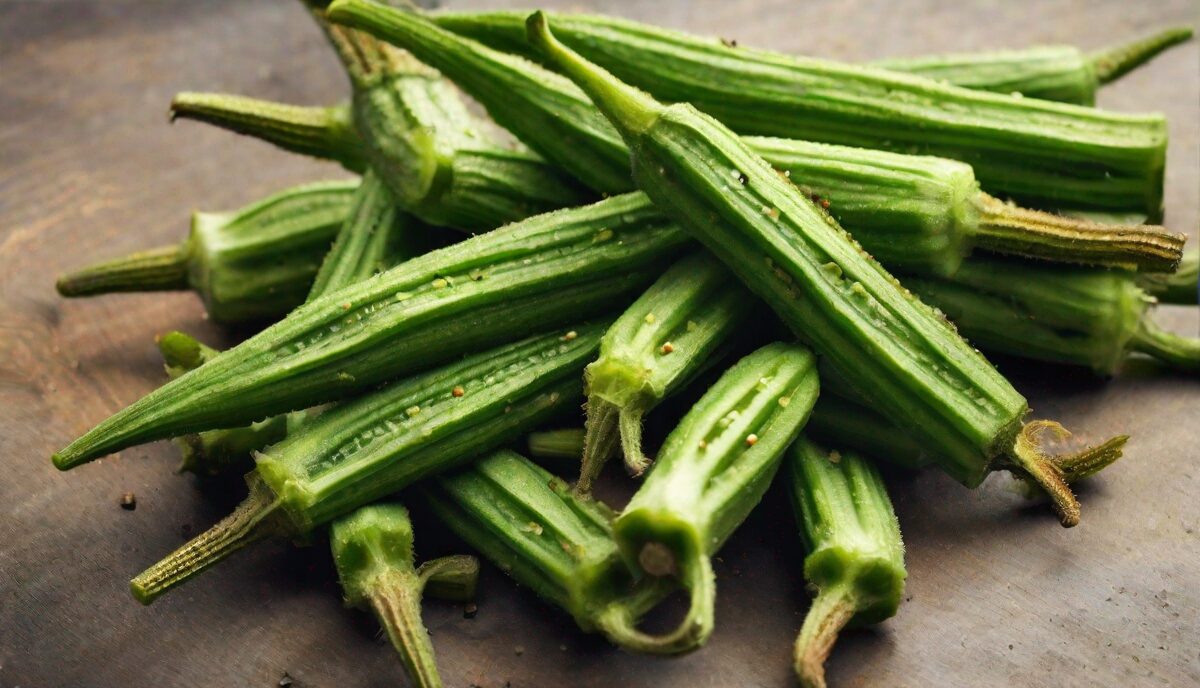
Okra, also known as ‘ladies’ fingers,’ is a nutritious green vegetable that is often overlooked in the culinary world. Nevertheless, this humble plant offers a multitude of health benefits and culinary versatility. In this article, we’ll delve into the reasons why okra deserves a spot on your plate and provide you with delicious ways to prepare it.
What Makes Okra a Superfood?
Okra is rich in vitamins and minerals, including vitamin C, potassium, and calcium. It also boasts a high fiber content, which is essential for digestive health. Additionally, okra contains antioxidants that help fight free radicals, making it a powerful food for maintaining overall health.
Nutrition Profile of Okra
One cup of raw okra contains:
- 33 calories
- 2 grams of protein
- 7 grams of carbohydrates
- 3 grams of dietary fiber
- 0.1 grams of fat
- 21 milligrams of vitamin C
- 299 milligrams of potassium
- 82 milligrams of calcium
These nutrients contribute to the many health benefits of okra, such as improved heart health, better glycemic control, and enhanced immune function.
Simple and Delicious Okra Recipes
Okra can be enjoyed in a variety of ways, from stews to stir-fries. Here are some simple recipes to get you started:
- Okra Stir-Fry: Sauté sliced okra with garlic, onions, and your favorite spices for a quick and tasty side dish.
- Rojas Okra: Combine grilled okra with tomatoes, corn, and a squeeze of lime juice for a refreshing salad.
- Okra Soup: Add okra to a hearty vegetable soup for extra texture and nutrition.
How to Select and Store Okra
When choosing okra at the market, look for firm, bright green pods that are free from blemishes. Store okra in the refrigerator and use it within a few days for optimal freshness.
Tips for Cooking Okra
Okra is often known for its slimy texture, which can be off-putting to some. However, there are ways to reduce the slime:
- Soak okra in vinegar for 30 minutes before cooking.
- Cook okra at high heat.
- Keep the pods whole to minimize slime.
With these tips, you can enjoy okra’s unique flavor and texture without any unwanted sliminess.
Mastering the Science of Mucilage: Why Okra Gets Slimy and How to Control It
The hallmark of okra is its mucilage, a viscous substance composed of exopolysaccharides and glycoproteins. While this texture is prized in traditional thickening roles, such as in Louisiana gumbo, it is the primary deterrent for home cooks. To manage this, understand that mucilage is released when the cell walls of the okra pod are ruptured. To minimize this, prioritize dry-heat methods or acid-based environments. When roasting, ensure the pods are completely dry after washing; any residual moisture acts as a lubricant that encourages the release of slime. Furthermore, avoid overcrowding your pan. When okra is packed tightly, it steams rather than sears, leading to a gummy consistency. A hot, dry pan with adequate space allows the moisture to evaporate rapidly, concentrating the flavor and creating a crisp exterior.
The Art of the Dehydrated Okra Snack
If you enjoy the crunch of potato chips but desire a more nutrient-dense profile, dehydrated okra is a culinary game-changer. By slicing pods into thin, uniform rounds and tossing them with a light coating of olive oil, sea salt, and smoked paprika, you can transform them into a satisfying snack. Use a dehydrator set to 135 degrees Fahrenheit for 6 to 8 hours, or utilize an oven at its lowest setting with the door slightly ajar to allow moisture to escape. The resulting “okra chips” lose their signature slime entirely, replaced by a savory, earthy crunch that highlights the vegetable’s subtle, grassy sweetness. These are excellent for dipping into hummus or enjoying as a standalone alternative to processed snacks.
Okra as a Natural Thickening Agent in Global Cuisines
Beyond its use as a vegetable, okra is a functional ingredient used to provide body to liquid-based dishes. In various Middle Eastern and West African cuisines, okra is sliced thinly and added to broths or tomato-based sauces. The mucilage acts as a natural emulsifier, binding the liquids and fats into a cohesive, velvety consistency without the need for flour-based roux or cornstarch slurries. To achieve the best results, add the okra toward the end of the cooking process if you want a lighter texture, or simmer it for a longer duration if you are looking to create a dense, hearty stew. This technique is particularly effective in gluten-free cooking, providing the mouthfeel that many diners crave without adding heavy carbohydrates.
Advanced Preservation: Pickling and Fermenting
Fresh okra has a notoriously short shelf life, but it is an ideal candidate for preservation. Pickled okra, often referred to as “Southern caviar,” utilizes a brine of vinegar, water, salt, and spices like garlic, dill, and mustard seeds. The acidity of the vinegar not only cuts through the natural sliminess but also transforms the texture into a crisp, snappy pickle. For a more adventurous approach, try lacto-fermentation. By submerging whole okra pods in a 3% saltwater brine for several days, you encourage the growth of beneficial probiotics. This process develops a complex, tangy flavor profile that enhances the vegetable’s natural characteristics while improving its digestibility, making it an excellent addition to a gut-healthy diet.
Selecting the Right Varieties and Understanding Maturity
Not all okra is created equal. While the standard emerald-green pod is most common, heirloom varieties such as the “Clemson Spineless,” “Burgundy,” and “Silver Queen” offer unique aesthetic and flavor differences. Burgundy okra, for instance, retains a deep, vibrant red hue when raw but turns green when cooked; it is often noted for being slightly more tender than green varieties. Regardless of the variety, maturity is the most critical factor. Always harvest or purchase pods between two and three inches in length. Once a pod exceeds four inches, it begins to develop tough, fibrous “strings” that are unpleasant to eat regardless of the cooking method. If you accidentally purchase larger pods, slice them into very thin rounds to break up the fibers, or use them exclusively for soups where they can simmer until tender.
Pairing Okra with Bold Flavor Profiles
Okra possesses a relatively mild, vegetal flavor, making it a blank canvas for aggressive seasoning. It pairs exceptionally well with ingredients that have high acidity, such as tomatoes, lemon, lime, and tamarind. These acidic components neutralize the mucilage and brighten the vegetable’s earthiness. In terms of spices, do not be afraid to use heat. Chili powder, cayenne, cumin, and coriander complement okra’s natural profile, especially when toasted in oil before adding the pods to the pan. For a Mediterranean twist, combine sautéed okra with feta cheese, toasted pine nuts, and fresh parsley. The saltiness of the feta and the crunch of the nuts provide a textural contrast that elevates the okra from a side dish to a centerpiece.
FAQ
What are the health benefits of eating okra?
Okra is beneficial for heart health, blood sugar regulation, digestion, and it provides a good source of antioxidants.
How can I incorporate okra into my diet?
You can include okra in your diet by adding it to soups, stews, stir-fries, or even consuming it as a roasted snack.
Is okra good for weight loss?
Yes, okra is low in calories and high in dietary fiber, making it an excellent food for weight management and weight loss.
How do I store fresh okra?
Fresh okra should be stored in the refrigerator and used within a few days to maintain its freshness and nutritional value.
Can okra help with diabetes management?
Yes, the high fiber content in okra helps with blood sugar regulation, which can be beneficial for individuals managing diabetes.
Related posts:
 Choosing the Healthiest Granola Bar
 Managing Fiber Intake with IBS
 The Benefits of Okra: A Nutrient-Packed Superfood
 Keto Mexican Night: Cauliflower Enchiladas That Actually Taste Amazing
 Beyond Breakfast: The Plant-Based Sausage That’s Changing the Morning Game
 High-Protein Foods That Pack a Serious Nutritional Punch
 Fiber for Healthy Aging: Nourishing Your Body as You Grow Older
 15-Minute Dairy-Free Dinner Ideas