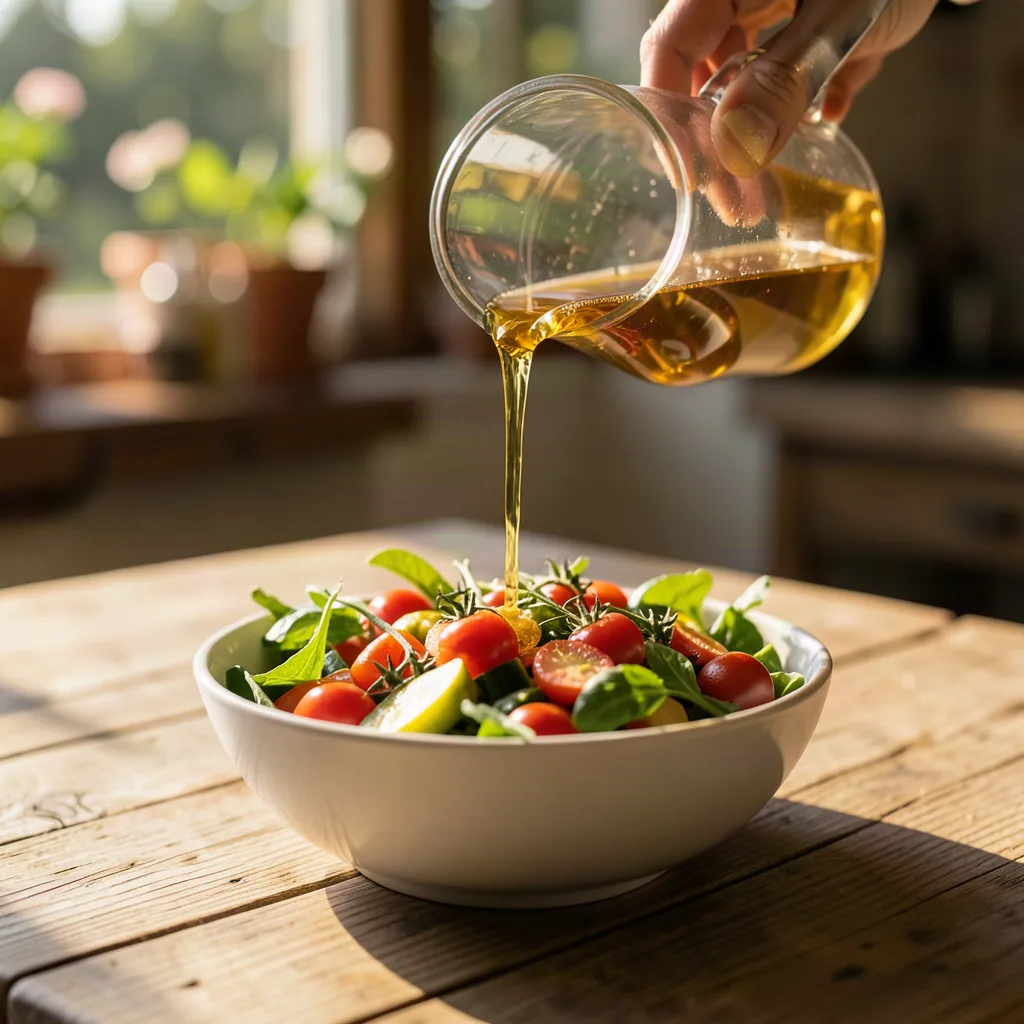
Olive oil has been a cornerstone of the Mediterranean diet for millennia, revered not just as a culinary staple but as a vital component of a health-conscious lifestyle. Often referred to as liquid gold, this monounsaturated fat has garnered significant attention from the scientific community for its potential to support heart health, brain function, and overall longevity. Understanding the nuance between different grades of olive oil and how to best integrate it into your daily routine is the first step toward harnessing its potential benefits.
Key takeaways
- Choose extra virgin, cold-pressed olive oil in dark glass bottles to preserve antioxidants and prevent light-induced oxidation.
- Use olive oil to roast or dress vegetables to increase the absorption of fat-soluble vitamins A, D, E, and K.
- Store oil in a cool, dark cupboard away from the stove to prevent rancidity caused by heat and light.
- Look for a specific harvest date and third-party certifications like COOC or PDO to ensure oil quality and authenticity.
- High-quality extra virgin olive oil is stable for cooking with a smoke point between 375°F and 410°F.
Understanding the Types of Olive Oil
Not all olive oils are created equal. The extraction process plays a critical role in determining the nutritional profile of the final product. Extra virgin olive oil (EVOO) is the highest quality, extracted via mechanical means without the use of chemical solvents or excessive heat. This process preserves the delicate antioxidants and polyphenols that give high-quality oil its characteristic peppery finish and nutritional potency. Virgin olive oil is also mechanically extracted but may have slightly higher acidity levels. Refined olive oils, often labeled simply as “olive oil” or “light olive oil,” have been processed to remove impurities, resulting in a more neutral flavor profile but significantly fewer health-promoting compounds. When selecting oil for your health, always opt for extra virgin, cold-pressed varieties stored in dark glass bottles to protect against light-induced oxidation.
The Heart-Healthy Monounsaturated Fat Profile
The primary fat found in olive oil is oleic acid, a monounsaturated fatty acid that accounts for up to 73% of its total oil content. Research suggests that oleic acid is highly resistant to heat and oxidation, making it a stable fat for cooking. More importantly, it is associated with a reduced risk of cardiovascular disease. By replacing saturated fats, such as butter or lard, with olive oil, individuals may see improvements in cholesterol profiles, specifically the reduction of low-density lipoprotein (LDL) cholesterol, which is often dubbed the “bad” cholesterol. This shift is a fundamental principle of heart-healthy dietary patterns observed in populations across the Mediterranean region.
A Powerhouse of Antioxidants and Polyphenols
Beyond its fat composition, extra virgin olive oil is a rich source of biological antioxidants. Polyphenols, such as oleocanthal and hydroxytyrosol, are compounds that help neutralize free radicals in the body. Free radicals are unstable molecules that cause oxidative stress, a process linked to cellular damage and chronic inflammation. The anti-inflammatory properties of oleocanthal have been compared by some researchers to the effects of non-steroidal anti-inflammatory drugs (NSAIDs), though in a much milder dietary form. Consuming these antioxidants as part of a balanced diet can help support your body’s natural defense mechanisms against systemic inflammation.
Supporting Cognitive Health and Aging
As we age, cognitive function becomes a primary concern for many. Emerging studies are beginning to explore the link between the Mediterranean diet, rich in healthy fats like olive oil, and a lower risk of cognitive decline. The antioxidants found in olive oil may help protect brain cells from oxidative stress, which is a known factor in neurodegenerative conditions. While more human-based clinical trials are needed to draw definitive conclusions, the current body of evidence suggests that the inclusion of healthy fats is a positive step toward maintaining long-term brain health and preserving cognitive clarity throughout the aging process.
Metabolic Health and Blood Sugar Management
Managing blood sugar levels is essential for overall metabolic health, particularly for those looking to prevent insulin resistance. Olive oil has been shown to have a positive impact on insulin sensitivity. Because it is a healthy fat, it slows down the absorption of carbohydrates when consumed as part of a meal, which can prevent sharp spikes in blood glucose levels. Incorporating a drizzle of olive oil into your salads or using it to roast vegetables can make your meals more blood-sugar-friendly while enhancing the absorption of fat-soluble vitamins like A, D, E, and K found in the produce.
Culinary Applications and Smoke Point Myths
There is a persistent myth that olive oil has a low smoke point and should never be used for cooking. In reality, high-quality extra virgin olive oil has a smoke point between 375°F and 410°F (190°C to 210°C), which is perfectly adequate for most home cooking, including sautéing and roasting. The high polyphenol content actually makes it more stable than many seed oils when exposed to heat. To maximize the flavor and health benefits, use your best EVOO for finishing dishes, drizzling over soups, or dipping crusty whole-grain bread, and save standard extra virgin varieties for everyday cooking.
Integrative Tips for a Healthier Lifestyle
Adopting a healthier lifestyle doesn’t require drastic changes; it is about consistent, small adjustments. To integrate more olive oil into your life, start by swapping out butter in your baking recipes—olive oil works beautifully in cakes and muffins, adding a subtle depth of flavor. Keep a bottle of high-quality oil on your kitchen counter to serve as a visual reminder to use it. Try making your own salad dressings by whisking together olive oil, lemon juice, and a touch of Dijon mustard; this simple habit eliminates the added sugars and preservatives found in many store-bought dressings, allowing the natural goodness of the oil to shine through.
Quality Control and Storage Best Practices
To ensure you are getting the full benefits of olive oil, storage is paramount. Heat, light, and oxygen are the enemies of olive oil, causing it to go rancid and lose its antioxidant potency. Always purchase olive oil in dark-tinted bottles or opaque tins. Once opened, keep the bottle in a cool, dark cupboard, away from the stove. Check for a “harvest date” on the label rather than just a “best by” date; fresh oil is always superior. If you notice an off-putting, crayon-like, or metallic smell, the oil has likely oxidized and should be discarded, as it no longer offers the nutritional profile you are seeking.
The Synergy of Olive Oil and Nutrient Bioavailability
One of the most overlooked benefits of olive oil is its role as a nutrient delivery system. Many essential vitamins, specifically the fat-soluble quartet of Vitamins A, D, E, and K, require the presence of dietary lipids to be effectively absorbed by the small intestine. When you consume a salad consisting of raw leafy greens, tomatoes, and carrots, the carotenoids and vitamins within those vegetables remain largely inaccessible if consumed without fat. Research indicates that adding olive oil to a vegetable-based meal significantly increases the absorption of these micronutrients. For example, the lycopene in tomatoes is far more bioavailable when cooked or consumed with a high-quality monounsaturated fat. By drizzling oil over your steamed broccoli or raw spinach, you are effectively “unlocking” the nutritional potential of your produce, turning a modest side dish into a potent health-promoting meal.
Navigating the Sensory Profile: The Role of Volatile Compounds
The organoleptic experience of extra virgin olive oil—its taste and aroma—is a direct indicator of its chemical composition. A high-quality oil should exhibit three primary attributes: fruitiness, bitterness, and pungency. Fruitiness is perceived through the nose and palate, reflecting the freshness of the olives at the time of harvest. Bitterness is a hallmark of healthy, fresh olives and indicates a high concentration of polyphenols. Pungency, that characteristic peppery “sting” at the back of the throat, is attributed to oleocanthal. When shopping, learn to identify these notes. If an oil is completely flat, tastes like stale nuts, or has a greasy mouthfeel, it has likely undergone oxidation or was produced from poor-quality fruit. Developing a palate for these nuances allows you to pair specific oils with specific foods—such as using a robust, peppery oil for hearty steaks or bitter greens, and a milder, buttery oil for delicate fish or baking.
Olive Oil as a Component of Skin and Hair Health
The benefits of olive oil extend well beyond the digestive system; its topical application has been a beauty staple for centuries. Rich in squalene and vitamin E, olive oil acts as a powerful emollient that can help restore moisture to the skin barrier. While it should not replace medical-grade treatments for chronic conditions like eczema or psoriasis, it serves as an excellent natural moisturizer for dry patches or cuticles. Furthermore, because it is non-comedogenic when applied in small, controlled amounts, some find it helpful for removing waterproof makeup without stripping the skin of its natural oils. For hair, a weekly pre-wash treatment—applying a small amount to the ends of the hair—can provide a protective layer that helps prevent breakage and frizz caused by environmental stressors or heat styling.
The Impact of Terroir and Harvesting Techniques
Much like fine wine, the quality of olive oil is heavily influenced by “terroir”—the environmental factors such as soil composition, altitude, and climate where the olives are grown. Olives harvested from trees grown at higher altitudes often exhibit different polyphenol profiles compared to those grown in coastal plains. Furthermore, the timing of the harvest is critical. “Early harvest” oils, produced when the olives are still green and under-ripe, are usually more intense, higher in antioxidants, and more shelf-stable, but they yield less oil. “Late harvest” oils, produced when olives are dark and fully ripe, yield more oil but are milder and have a shorter shelf life. Understanding these distinctions helps the consumer move beyond generic labels and appreciate the labor-intensive craftsmanship behind premium, single-estate oils.
Addressing Adulteration and Fraud in the Global Market
The olive oil industry has historically been plagued by issues of mislabeling and adulteration. Lower-quality oils are sometimes blended with cheaper seed oils or refined pomace oils and sold as “extra virgin.” To protect yourself from fraud, look for specific labeling indicators beyond the price tag. Labels that specify a single country of origin are generally more trustworthy than those stating “a blend of EU and non-EU oils.” Additionally, look for the harvest date rather than just a best-by date; if the harvest date is more than 18 months in the past, the oil has likely degraded significantly. Third-party certifications, such as the COOC (California Olive Oil Council) seal or regional European PDO/PGI labels, provide an extra layer of assurance that the product has undergone chemical analysis and sensory testing.
Proactive Management of Oxidative Stability in the Kitchen
While olive oil is remarkably stable, its lifespan in your kitchen depends on your handling. A common mistake is keeping a large, clear glass cruet next to the stove. The combination of heat from the burners and light from the kitchen windows accelerates the degradation of phenolic compounds. Instead, use a smaller, opaque ceramic or dark glass dispenser for daily use, and keep the main, larger bottle in a cool, dark pantry. If you are cooking for a large group, avoid pouring directly from the bottle over a hot pan; the steam rising from the pan can introduce moisture into the bottle, which can introduce microbial issues or hasten rancidity. Instead, pour the oil into a measuring spoon or a small bowl first, then add it to your cooking vessel.
Frequently Asked Questions
Q: Can I use olive oil for deep-frying? A: While you can technically use olive oil for frying due to its stability, it is generally not recommended due to the high cost and the fact that high heat can degrade the delicate flavor profiles and some of the beneficial polyphenols. It is better reserved for sautéing, roasting, and raw applications.
Q: Is it true that olive oil helps with weight management? A: While olive oil is calorie-dense, studies suggest that diets high in healthy fats like those in olive oil can actually promote satiety and reduce cravings, potentially making it easier to maintain a healthy weight compared to diets high in refined carbohydrates.
Q: Does the color of the oil indicate its quality? A: Not necessarily. The color can range from pale yellow to deep green, depending on the olive variety, the ripeness of the olives at harvest, and the region. A deep green color often indicates a higher chlorophyll content, but quality should be judged by taste and aroma rather than color alone.
Q: Should I drink olive oil straight? A: Some people practice taking a spoonful of olive oil daily for its health benefits. While this is a safe way to ingest healthy fats, it is generally more enjoyable and equally effective to incorporate it into your meals, where it can also help you absorb nutrients from other healthy foods.
Q: How can I tell if my olive oil is genuine? A: Look for certifications from reputable organizations like the International Olive Council (IOC) or regional seals like DOP (Protected Designation of Origin). Additionally, purchasing from producers who provide transparency about their harvest and extraction process is a great way to ensure you are getting authentic, high-quality product.
Related posts:
 Mark Hyman’s Guide to Good Fats That Heal Your Body
 Blow Drying Hair Without Damage: Expert Tips
 The Health Benefits of Olives
 The Slow Beauty Movement’s Secret Hydration Recipes
 Zoe Kravitz’s Coconut Oil Hair Care Secret
 15-Minute Dairy-Free Dinner Ideas
 4. Does Olive Oil Actually Go Bad? Here’s What to Know
 Best Olive Oils on Amazon