
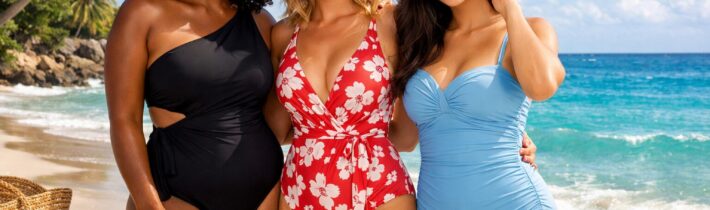
Finding the right swimsuit can feel like an impossible task. Between conflicting body standards, endless style options, and the pressure to look a certain way, many people dread swimsuit shopping more than the actual swimming. The good news is that one-piece swimsuits have evolved dramatically over the past decade, offering flattering silhouettes, fun designs, and genuine comfort for every body type.
One-piece swimsuits aren’t just practical—they’re a legitimate fashion choice that celebrities, influencers, and everyday people are embracing. Whether you’re heading to the beach, joining a water aerobics class, or simply want to feel confident poolside, the right one-piece can transform how you feel in and out of the water. This guide explores how to find cute one-piece swimsuits that actually flatter your body, regardless of your shape, size, or personal style preferences.
Understanding Your Body Shape and Proportions
Before shopping for a one-piece, it helps to understand your body proportions. This isn’t about fitting into a category or limiting yourself—it’s about recognizing which styles will make you feel most confident and comfortable.
Consider whether your shoulders are broader than your hips, your hips are broader than your shoulders, you carry weight evenly, or you have a curvier midsection. Think about your height, whether you have a longer or shorter torso, and where you naturally gain or lose weight. Some people feel self-conscious about their bust, while others focus on their midsection or thighs. None of these concerns are unusual, and swimsuit design actually accounts for all of them.
The key is understanding that different necklines, cut placements, and fabric choices can emphasize, minimize, or simply celebrate different areas of your body. A high-cut leg isn’t universally flattering—it’s flattering if you want to elongate your legs and feel comfortable with more exposed hip area. A higher neckline isn’t objectively better—it’s better if it makes you feel secure and confident. Your preferences matter more than any rule.
Neckline Styles That Work for Different Chests
Neckline selection significantly impacts how a one-piece feels and looks on your body. Different styles serve different purposes and can dramatically change the overall effect of a swimsuit.
A sweetheart neckline, which dips down slightly in the center with curved sides, creates a romantic, feminine look that flatters many chest types. It provides decent support while creating visual interest. Square necklines are currently trendy and work particularly well for people with smaller busts who want to create the illusion of width, or for those who want a more modern, bold aesthetic. High round necklines offer maximum coverage and work beautifully for those who prefer a classic look or want more support without the need for built-in underwire.
Halter necklines, where straps tie behind the neck, provide excellent support for larger busts and create a striking silhouette. They’re particularly flattering for people with narrower shoulders or less defined waists, as they draw attention upward and create shoulder definition. Scoop necklines offer a balanced middle ground—more coverage than a plunge but more openness than a crew neck. Asymmetrical necklines, where one side is cut differently than the other, add visual interest and can help balance proportions by drawing the eye in specific directions.
Consider your comfort level with chest exposure, the support you need, and whether you want to create, minimize, or simply showcase your bust. Many reputable swimwear brands now offer the same style in multiple neckline options, so you can find your preferred combination.
Strategic Cutouts and Ruching for Flattering Silhouettes
Modern one-piece design uses strategic cutouts and ruching to create flattering, interesting silhouettes without requiring someone to expose areas they’re not comfortable showing.
Side cutouts are incredibly popular and flattering on most body types. A cutout at the ribcage can create the illusion of a smaller waist, elongate the torso, and add visual interest without compromising comfort or support. These work particularly well for people who feel self-conscious about their midsection but want a less covered look. Back cutouts range from simple keyhole designs to elaborate geometric patterns. They’re especially flattering for people who want to feel sexy and interesting without drawing attention to front-facing areas of concern.
Ruching is gathered fabric that creates texture and dimension. When strategically placed along the sides or stomach area, ruching can gently contour the body, provide a slimming effect, and create visual interest. Unlike tight, form-fitting fabric that can feel uncomfortable or unflattering, ruching works with your body rather than against it. It’s particularly popular in swimwear designed for people with rounder midsections or those who simply prefer a less clingy feel.
High-waisted one-pieces, which sit higher on the hip and lower on the leg, have made a major comeback and flatter an enormous range of body types. They elongate the leg, provide tummy coverage if desired, and create a retro-inspired silhouette that feels modern and fun. Low-rise styles, conversely, create a longer torso line and work well for people with longer legs or those who prefer minimal hip coverage.
Patterns, Colors, and Visual Tricks
The colors and patterns you choose impact how a swimsuit looks on your body and how you feel wearing it. Understanding basic color and design principles helps you make choices aligned with your goals.
Darker colors like black, navy, and deep jewel tones are traditionally considered slimming, but this isn’t a hard rule—many people feel more confident and beautiful in bright colors that make them happy. If slimming is your goal, dark solids, vertical stripes, and strategic color blocking can help. Horizontal stripes actually draw the eye across the body, which can create visual width. For many people, this is perfectly fine or even desired, but if you prefer a more streamlined appearance, vertical elements work better.
Patterns can be incredibly flattering. All-over prints draw the eye across the entire body, which can minimize the appearance of specific areas by creating visual complexity. Geometric patterns, florals, and abstract designs add personality while providing subtle contouring. A solid color with strategic patterning—perhaps a patterned panel down the center or patterned sides with a solid front—combines the benefits of both. Color blocking, where two or more solid colors are used in geometric sections, can visually reshape your silhouette. A darker panel down the center of the torso, for example, can create a slimming effect.
Metallics, shimmer, and textured fabrics catch light and add visual interest, which many people find flattering. Matte fabrics offer a more understated look. High-quality fabrics with subtle sheen often feel more luxurious and flattering than flat, dull materials.
Fabric Technology and Support Systems
Modern swimsuit fabric technology goes far beyond basic spandex. Understanding what’s available helps you find a suit that feels as good as it looks.
Built-in support systems are standard in quality one-pieces. Structured cups, integrated underwire, or molded support help you feel secure and supported without needing a separate bra. Brands specifically designed for larger cup sizes often feature superior support technology, while suits designed for athletic swimming prioritize minimal bounce and maximum freedom of movement.
Fabric composition matters significantly. Nylon and spandex blends are standard swimwear materials that offer good stretch and durability. Higher spandex content (typically 15-20%) provides more compression and support, which many people prefer. Some premium fabrics include special fibers that provide subtle smoothing or shaping without feeling restrictive. Recycled materials are increasingly common and don’t compromise quality—many high-end swimwear brands now use recycled nylon and other sustainable materials.
Chlorine resistance is important if you swim regularly in pools. Quality swimwear uses specially treated fabrics that resist fading and degradation from chlorine exposure. If you mainly swim in the ocean or visit the pool occasionally, this matters less, but it’s a useful feature to know about.
Fabric thickness impacts both durability and appearance. Thicker, more substantial fabric often feels more supportive and looks more polished. Lighter, thinner fabrics offer more movement and breathability but may feel less structured. Your preference depends on how you plan to use the suit and what feels comfortable on your skin.
Finding Your Perfect Fit
Proper fit is essential for both comfort and flattery. An ill-fitting suit undermines even the most beautiful design, while a well-fitted suit makes almost any style look great.
Sizing standards vary significantly between brands, so don’t assume your standard clothing size translates to swimwear sizing. Many brands size smaller or larger than typical clothing. Always check the specific brand’s size chart rather than relying on your usual size. Some brands use standard XS-XL sizing, while others use numbered sizes or specific sizing systems.
The shoulder seams should sit right at your shoulder point, not slipping down or sitting too high on your shoulders. The leg openings should feel snug but not restrictive, sitting comfortably against your inner thigh. The neckline should sit where you want it without gapping or riding up. The torso length is crucial—the suit should extend from your shoulder to your hip without bunching or pulling. If you have a longer or shorter torso than average, finding brands that cater to your proportions is worth the search.
Many people find they wear different sizes in different styles from the same brand. A ruched style might fit perfectly in a size medium, while a sleeker style fits better in a size small. This is normal and not a reflection of your body—it reflects how different designs fit differently.
If you’re ordering online, check the return policy before purchasing. Being able to try on multiple sizes or styles at home eliminates much of the stress and helps you find what truly works for your body. Many reputable swimwear retailers offer free returns or exchanges, making online shopping less risky.
Brands and Styles for Different Body Types
While every body is unique, certain brands have built reputations for thoughtful sizing and flattering designs for specific body types.
For larger cup sizes, brands like Freya, Panache, and Elomi offer one-pieces with superior support, intelligent engineering, and styles that actually accommodate fuller busts comfortably. These brands don’t treat larger sizes as an afterthought—they design specifically for these proportions.
For petite frames, brands like Seafolly and Eres often offer better proportions in their smaller sizes, with shorter torso lengths and proportionally sized details. For taller bodies, longer one-pieces and brands that offer extended sizing help ensure proper fit and proportion. For curvier figures, brands like Eloquii, Swimsuits for All, and Gottex offer inclusive sizing, strategic ruching, and thoughtful design details that celebrate curves rather than fighting them.
Athletic and performance-focused brands like Speedo and Nike offer minimal, streamlined designs prioritizing comfort and function. If you’re swimming regularly or doing water aerobics, these utilitarian styles often feel best. Luxury brands like Karla Colletto and Onia offer timeless, well-constructed pieces that work across seasons and trends. Fashion-forward brands like Solid & Striped and Vitamin A push design boundaries with interesting silhouettes and trendy details for those who want a more distinctive look.
Don’t limit yourself to one brand. Your perfect suit might come from an unexpected place. Trying multiple brands helps you discover what actually works for your body rather than what marketing suggests should work.
Styling Your One-Piece Poolside and Beyond
Part of feeling confident in a one-piece is knowing how to style it for different occasions and settings. A swimsuit doesn’t exist in isolation—what you wear with it, how you accessorize, and your overall presentation impact your confidence.
For the beach, a simple cover-up, lightweight shirt, or even an oversized vintage band tee transforms your look instantly. High-waisted denim shorts or linen pants layered with your swimsuit create a cute casual outfit perfect for grabbing lunch after swimming. Jewelry like layered necklaces, rings, or body chains add personality and polish. A stylish hat, sunglasses, and a quality beach bag complete the look.
For pool parties or social settings, a cute sarong, wrap skirt, or swim shorts coordinate beautifully with a one-piece. A lightweight button-up shirt adds sophistication. Choosing coordinating colors or patterns in your cover-up items creates a cohesive, intentional look rather than feeling like you’re just throwing something on.
For athletic purposes, minimal styling is necessary—focus on comfort and functionality. A swim cap, goggles, and athletic sandals are sufficient. However, even athletes deserve to feel good about their appearance, so choosing a suit you genuinely like in a color that makes you happy matters.
The way you wear your suit impacts confidence as much as the suit itself. Standing tall, moving comfortably, and acting like someone who feels good in their swimsuit projects confidence that’s far more attractive than perfect proportions. Others pick up on your energy. When you feel good, you look good, regardless of the specific measurements of your body.
Addressing Common Fit Concerns
Specific fit issues have specific solutions. Understanding your concern helps you find a suit that addresses it.
If you experience significant bust bounce or feel unsupported, prioritize suits with molded cups, underwire, or brands specifically engineered for larger cup sizes. Look for higher spandex content fabric, which provides more compression and support. If you feel self-conscious about your midsection, ruching, strategic color blocking, or all-over patterns disguise any concerns while maintaining comfort. If your thighs are a concern, higher-cut legs actually make thighs look longer and leaner by not cutting across the thigh at a visually shortening angle. Alternatively, longer, lower-cut legs provide more coverage if that’s your preference.
For those with a larger bust relative to smaller hips, a suit with empire waist or ruching at the torso creates visual balance by drawing the eye across the middle section. For those with fuller hips or thighs, darker fabrics or strategic placement of darker colors in these areas provides subtle definition. High-waisted styles with appropriate support through the torso provide coverage without feeling overly modest.
Gapping at the neckline or straps can usually be solved by trying a different size, different neckline style, or adjustable straps that can be tightened. Many quality swimsuits feature adjustable or convertible straps for this reason. Ride-up at the leg can be addressed by trying a different size or style. This is often a sign the suit is too small in the hip or thigh area.
Care and Longevity of Your One-Piece
Proper care extends the life of your swimsuit and keeps it looking great season after season. Swimsuits are investments, so treating them well makes sense.
Rinse your suit with fresh water after every use, especially after chlorine or saltwater exposure. Machine washing in hot water with regular detergent breaks down elastic and spandex much faster than hand washing with gentle detergent. Hand wash in cool water with a delicate detergent designed for swimwear, squeezing gently rather than wringing. Air dry completely before storing. Never put a swimsuit in the dryer—heat destroys elastic and degrades fabric quality.
Store suits flat or loosely rolled, not in tight balls or bound with rubber bands. Direct sunlight fades colors, so store in a cool, dark place. Having multiple suits that you rotate allows each to fully dry and recover between uses, extending their lifespan. A suit worn once a week with proper care can easily last 2-3 seasons, while a suit worn multiple times weekly or subjected to harsh treatment might only last one season.
Replacing a swimsuit annually isn’t necessarily required. Many people wear the same suit for multiple years and are perfectly happy with it. The elastic gradually loosens over time, which is normal. When you genuinely feel uncomfortable or the suit no longer supports you adequately, that’s when replacing makes sense.
Adjustable Features and Customization Options
Modern one-piece swimsuits often include adjustable elements that let you personalize the fit rather than settling for a one-size-fits-all approach. Understanding these customization features helps you find a suit that adapts to your body rather than forcing your body to adapt to the suit.
Adjustable straps are perhaps the most common feature. Many quality one-pieces allow you to tighten or loosen shoulder straps to achieve the exact support and coverage you want. Some brands go further with convertible straps that can be worn traditionally, crossed in the back, or even as a racerback style for different activities and comfort levels. This single feature solves multiple fit issues—if straps gap away from your shoulders, you can tighten them; if they dig in uncomfortably, you can loosen them.
Drawstring waists and adjustable side ties offer customization around the torso and hip areas. A drawstring at the back or sides lets you cinch the suit to your exact proportions, which is especially helpful if you’re between sizes or your body composition changes seasonally. Some suits feature adjustable leg openings with ties or elastic adjusters that let you control how high or low the leg sits and how snug or loose the opening feels.
Removable padding or modular cup systems in higher-end swimwear allow you to adjust support levels. You can add padding for extra shaping and lift or remove it for a more natural silhouette. Some brands offer interchangeable straps so you can customize neckline style without buying multiple suits. These investment pieces cost more upfront but provide tremendous flexibility for different occasions and preferences.
Tie-back closures at the neck or back offer another level of customization. Rather than fixed straps, tie-backs let you adjust tension precisely and even change how the suit fits from day to day depending on your comfort level and what you’re doing. If you’re dealing with a persistent fit issue—straps that slip, too much or too little support, or coverage concerns—investigating brands that offer these customizable features often solves the problem where standard sizing cannot.
Seasonal Variations and Transitional Pieces
The swimsuit you need in peak summer differs significantly from what works for shoulder seasons, cooler water, or tropical vacations. Understanding seasonal variations helps you build a capsule of suits rather than relying on a single piece year-round.
For warm-weather swimming and lounging, minimal, lightweight suits in breathable fabrics work beautifully. High-cut legs, strategic cutouts, and open back designs feel freeing and cool. Bright colors and bold patterns embrace the season’s energy. These suits prioritize comfort and style over coverage and tend toward smaller, more compact silhouettes.
For cooler water or early spring and fall swimming, suits with longer sleeves or extended coverage keep you warmer while in the water. One-pieces with long sleeves or capri-length legs aren’t just for sun protection—they genuinely help regulate body temperature in cooler conditions. Darker colors absorb more heat than pastels or bright hues. Higher-coverage necklines and leg lengths reduce heat loss at extremities. Some swimmers invest in rash guard one-pieces, which layer fabric for both warmth and protection.
For tropical vacations or destinations with intense sun, UV-protective fabrics and full-coverage options protect your skin from harmful rays. Many quality swimsuits include UPF protection built into the fabric itself. Long sleeves, longer legs, and higher necklines in lightweight, breathable materials balance sun protection with comfort in warm climates. These suits aren’t meant for intense athletic swimming but rather leisurely water time and lounging.
Transitional pieces bridge seasonal gaps. A one-piece that works in multiple seasons—perhaps a classic black suit with minimal cutouts and moderate coverage—becomes a workhorse that travels well and adapts to different conditions. Many people maintain 2-3 core suits they wear year-round, supplemented by season-specific pieces for different purposes.
If you travel frequently, investing in a quality all-purpose suit that works across seasons and climates makes packing simpler and ensures you always have something appropriate. A well-constructed suit in a neutral color becomes your baseline, with other pieces added based on specific activities or destinations.
Body Confidence and the Psychology of Swimwear Choice
The physical design of a swimsuit matters, but the psychological impact of what you wear profoundly influences how you feel and present yourself. Understanding this connection helps you make choices aligned with genuine confidence rather than perceived obligations.
Research in embodied cognition suggests that wearing specific clothing activates related mental states and behaviors. Wearing a suit you genuinely love and feel beautiful in activates confidence, which translates into body language, posture, and how you interact with others. This isn’t superficial—the suit becomes a tool for accessing your best self rather than a burden highlighting your insecurities.
Personal style preferences matter far more than generic flattery rules. If you hate ruching but every guide suggests it for your body type, a perfectly fitted suit without ruching will feel better and look better on you than an uncomfortable compromise. If you adore bright colors but worry they’ll look unflattering, the genuine happiness you feel wearing your preferred color outweighs theoretical slimming effects of darker tones.
Many people experience significant anxiety around swimsuit shopping and wearing due to internalized messaging about body standards. Recognizing this anxiety as learned rather than inherent helps you challenge it. Your body is worthy of celebration and comfortable, beautiful clothing regardless of how it compares to arbitrary standards. Practicing self-compassion while shopping—approaching your body with curiosity about what actually works rather than criticism about how it looks—shifts the entire experience.
Building a collection of suits you genuinely love reduces pressure around any single suit. If you own three one-pieces you’re excited about, one looking less perfect on a particular day feels completely manageable because you have other options. This removes the stakes from any single choice and makes swimming purely about enjoyment rather than appearance management.
Performance and Functionality Beyond Aesthetics
While style and flattery matter, the functional performance of a swimsuit significantly impacts your experience in and out of the water. Understanding performance features helps you choose a suit that serves your actual activities rather than just your aesthetic preferences.
Chlorine resistance varies significantly between suits. If you swim in pools 3+ times weekly, investing in a suit with excellent chlorine resistance prevents premature fading, elastic degradation, and fabric breakdown. Quality suits treated with special coatings maintain color and elasticity far longer than untreated fabrics, ultimately saving money despite higher upfront costs. For occasional swimmers or ocean-only users, this matters less, but it’s worth considering if swimming is central to your routine.
Compression levels in fabric affect both comfort and appearance. Higher compression provides more shaping and support but can feel restrictive during active swimming. Lower compression feels more comfortable during athletic activity but provides less smoothing. Your intended use determines which is better—someone doing lap swimming prefers less compression for freedom of movement, while someone primarily lounging might prefer more compression for aesthetic smoothing.
Quick-dry fabric technology uses specially engineered materials that shed water faster than standard nylon-spandex blends. This matters if you’re frequently getting in and out of the water, spending time poolside while wet, or traveling where air-drying time is limited. Quick-dry suits feel less heavy and clingy after exiting the water compared to standard fabrics that retain moisture.
Pilling resistance—the fabric’s ability to resist forming small balls of fiber through friction—determines long-term appearance. Higher-quality fabrics with tighter weaves pill less readily and maintain their smooth appearance longer. Suits worn during water aerobics or frequent friction against rough pool surfaces benefit significantly from excellent pilling resistance.
Stretch recovery is the fabric’s ability to return to its original shape after being stretched. Better stretch recovery means the suit maintains its fit and support even after multiple wearings and washings. A suit with poor stretch recovery gradually becomes looser and less flattering over time. Higher spandex content and better fabric construction improve stretch recovery.
Affordable Options and Investment Pieces
Swimsuit pricing ranges dramatically, from budget chains to luxury boutique brands. Understanding where to invest and where to save helps you build a functional wardrobe within your budget.
Budget-friendly options from high street retailers often work well if you’re experimenting with styles or body types haven’t fully settled yet. These suits might last only one season but provide an affordable way to try different silhouettes and find what you prefer. For occasional swimmers or those using suits primarily for lounging, budget options often work perfectly fine. The trade-off is typically shorter lifespan and less sophisticated support technology.
Mid-range swimwear from established brands balances quality and price. These suits typically last 2-3 seasons with proper care, feature decent support technology, and maintain their appearance well. For many people, mid-range suits represent the best value—investing more than necessary for occasional use but not splurging on luxury pieces that aren’t essential for their needs. Most recommended brands mentioned in swimwear guides fall into this category.
Investment pieces from luxury and performance-focused brands cost more upfront but last significantly longer and often feature superior engineering. If you swim regularly, wear the same suit multiple times weekly, or highly value the specific design and feel of a high-end brand, investment pieces provide value over time despite higher initial cost. These suits often include better support technology, superior fabrics, and thoughtful design details that enhance comfort and appearance.
Strategic combining—perhaps two mid-range suits rotated regularly plus one investment piece you absolutely love—allows you to maintain a functional collection without excessive spending. The key is being honest about your actual usage and preferences. Buying an expensive suit you’ll wear once is wasteful; buying a cheap suit you wear weekly and genuinely enjoy is smart economics.
Seasonal sales and end-of-season clearance offer opportunities to invest in higher-end suits at mid-range prices. Many luxury brands discount 50% or more at the end of season, making it possible to acquire premium pieces affordably. Building your collection strategically around sales maximizes quality within your budget.
Inclusive Design and Bodies Often Underserved by Mainstream Brands
While swimwear options have improved dramatically, certain body types remain underserved by mainstream brands. Understanding which companies prioritize inclusive design helps you find options when standard retailers don’t accommodate your proportions.
People with very narrow shoulders often struggle with straps that slip constantly. Brands that offer narrow-strap or racerback options or adjustable convertible straps solve this problem. Some specialty brands cater specifically to athletic builds and people without pronounced curves, offering suits without built-in shaping that would bunch uncomfortably on their frames.
People with significant height differences—whether unusually tall or short—find that torso length is their biggest challenge. Standard sizing is built around average proportions, leaving very tall people with suits that ride high and very short people with suits that swallow them. Brands offering extended torso lengths or petite-specific sizing serve these populations better than one-size-fits-most brands.
People with very large bust-to-waist or hip differences sometimes can’t find anything that fits both areas simultaneously. Brands specializing in larger cup sizes or curvy figures engineer their patterns to accommodate these proportional differences rather than simply scaling standard sizes up or down.
People undergoing medical transitions or managing specific health conditions benefit from specialized swimwear brands designed with these needs in mind. Adaptive swimwear with front closures, sensory-friendly fabrics, or specific cut options serve these communities when mainstream fashion doesn’t.
Transgender swimmers and non-binary individuals often struggle to find suits that affirm their gender identity while accommodating their current body. Brands specifically creating inclusive sizing and styles across the gender spectrum (rather than just offering “women’s” and “men’s” options) serve these customers better than traditional gendered branching.
The landscape continues evolving as brands recognize that designing for actual body diversity is better business than pretending one standard exists. Supporting brands that prioritize inclusive design—even if they cost slightly more—signals demand and encourages continued expansion.
The Role of Confidence and Personal Agency in Swimwear Selection
Ultimately, finding a flattering one-piece comes down to agency—making choices based on your actual preferences and comfort rather than external pressure or generic advice. This deserves emphasis because societal messaging often undermines personal authority around bodies and clothing.
You are the expert on your body. You know how different fabrics feel, which styles make you feel confident, what coverage you need, and whether you prioritize aesthetics or function. Generic advice about what should be flattering on your body type is less valuable than direct knowledge of what actually feels good to you. If an expert recommends something that feels wrong in your body, that discomfort matters more than the recommendation.
Social media representation in swimwear has improved, with diverse bodies and styles featured prominently. However, this creates new pressure—seeing others rock bold styles or minimal coverage might make you feel you should do the same. Remember that seeing something work beautifully on someone else doesn’t mean it’s right for you. Your comfort and genuine preference always take priority over trendy or popular styles.
The goal of swimsuit shopping should be finding something that allows you to enjoy water and movement comfortably rather than something that performs emotional labor by proving your body is acceptable. If a swimsuit requires constant adjustment, creates anxiety, or makes you self-conscious rather than confident, it’s the wrong suit—regardless of how objectively flattering it might be to an outside observer.
Building a relationship with your body characterized by curiosity and care rather than criticism fundamentally changes swimsuit shopping. Approaching your body with appreciation for what it does rather than judgment about how it looks creates space for genuine enjoyment of swimming, beach days, and pool time. Your body is worthy of comfortable, beautiful clothing. You deserve to feel good.
Frequently Asked Questions
Q: What one-piece style flatters a larger bust?
A: One-pieces designed specifically for larger cup sizes offer superior support and are engineered to handle the weight and movement of a fuller bust without sagging or gapping. Look for molded cups, integrated underwire, and higher spandex content for maximum support. Brands like Freya, Panache, and Elomi specialize in this. Additionally, halter necklines and sweetheart necklines provide excellent support for larger busts.
Q: Are one-pieces really more flattering than bikinis?
A: Flattery is subjective and deeply personal. One-pieces work beautifully for many body types and offer benefits like easier swimming, more coverage, and unique style options. However, bikinis are equally valid and flattering for those who prefer them. Wear whatever makes you feel confident and comfortable. There’s no objectively “more flattering” option—only what works for your body, preferences, and comfort level.
Q: How do I know what size to order online?
A: Always check the specific brand’s size chart rather than assuming your usual clothing size translates to swimwear. Measure key areas like your bust, waist, hip, and torso length, then compare to the brand’s chart. Read reviews from other customers to see how the specific style fits. Many brands offer free returns, so ordering multiple sizes to try at home eliminates guesswork.
Q: Can I wear a one-piece if I’m very curvy?
A: Absolutely. Brands like Eloquii, Swimsuits for All, and Gottex offer extended sizing with thoughtful designs that celebrate curves. High-waisted styles, strategic ruching, and quality fabric that moves with your body rather than clinging uncomfortably make one-pieces accessible and beautiful for curvier figures. The key is finding brands that design for your body type rather than simply making smaller designs in larger sizes.
Q: How often should I replace my swimsuit?
A: With proper care, a quality one-piece can last 2-3 seasons or longer. Replace it when the elastic no longer provides adequate support, the fabric shows signs of significant wear, or you simply want something new. Wearing the same suit for multiple years is perfectly fine if you’re happy with how it fits and performs. The decision to replace should be based on functionality and satisfaction, not arbitrary timelines.
Related posts:
 Art of Wall Hangings: Maryanne Moodie’s Instagram Guide
 7 Sexy Swimsuits That Aren’t Super Skimpy
 Mindy Kaling’s Ladoublej Swimsuit: Making Waves in Fashion
 Cropped Flare Leggings Are Having a Moment and We’re Here for It
 I Sewed My Own Bathing Suit
 Two-Piece Perfection: Finding Your Ideal Bikini Match
 Green Fashion Face-Off: H&M’s Fall Collection vs. Truly Eco-Friendly Brands
 Girlfriend Collective Launches Sustainable Swimwear Line