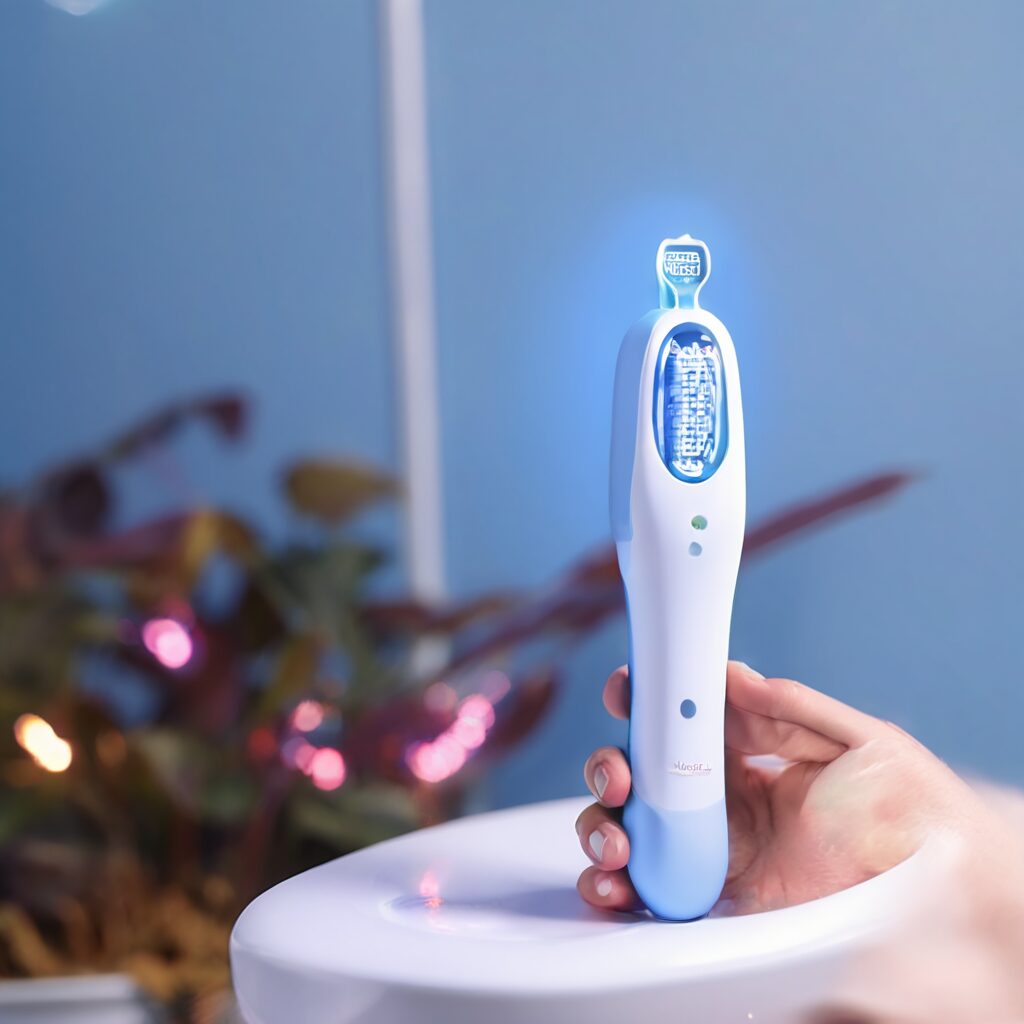
Introduction to Oral-B Electric Toothbrushes
Oral-B is one of the most trusted names in oral hygiene, known for its innovative electric toothbrushes that ensure a superior clean. In this guide, we will explore everything you need to know about Oral-B electric toothbrushes, their benefits, and how to choose the right one for your needs.
Benefits of Using an Oral-B Electric Toothbrush
Electric toothbrushes, particularly those from Oral-B, offer numerous advantages over manual toothbrushes:
- Superior Plaque Removal: Oral-B electric toothbrushes are designed to remove more plaque than manual toothbrushes, thanks to their oscillating-rotating technology.
- Built-in Timers: Most models come with built-in timers to ensure you brush for the dentist-recommended two minutes.
- Pressure Sensors: These sensors help protect your gums by alerting you when you’re brushing too hard.
- Customizable Cleaning Modes: Different modes cater to various oral care needs, such as whitening, gum care, and sensitive teeth.
- Enhanced Accessibility: Electric toothbrushes are easier to use for people with limited mobility or arthritis.
Types of Oral-B Electric Toothbrushes
Oral-B offers a range of electric toothbrushes, each designed to meet specific needs and preferences. Here are some popular models:
- Oral-B Pro Series: A great choice for beginners, featuring essential cleaning modes and a reasonable price.
- Oral-B Genius Series: Advanced models with multiple cleaning modes, Bluetooth connectivity, and enhanced features.
- Oral-B iO Series: The latest in Oral-B technology, providing a combination of innovative design and cutting-edge features such as smart pressure sensors and interactive displays.
- Oral-B Kids: Fun designs and gentle cleaning modes make these toothbrushes perfect for children.
How to Choose the Right Oral-B Electric Toothbrush
Choosing the right Oral-B electric toothbrush involves considering several factors:
- Budget: Determine how much you are willing to spend. Oral-B offers models at various price points.
- Oral Health Needs: Consider your specific oral care needs, such as sensitivity, gum health, or whitening.
- Features: Decide which features are most important to you, such as Bluetooth connectivity, multiple brushing modes, or a travel case.
- Recommendations: Consult with your dentist for personalized advice on the best model for your oral health.
Maintaining Your Oral-B Electric Toothbrush
To ensure the longevity and effectiveness of your Oral-B electric toothbrush, follow these maintenance tips:
- Replace Brush Heads: Change the brush head every three months or sooner if the bristles are frayed.
- Clean Regularly: Rinse the brush head thoroughly after each use and wipe the handle with a damp cloth.
- Store Properly: Keep the toothbrush in an upright position and in a dry area to prevent mold and bacteria growth.
- Charge Appropriately: Avoid overcharging the battery by following the manufacturer’s instructions.
Deep Dive into Oscillating-Rotating-Pulsating Technology
While many competitors utilize sonic technology, Oral-B distinguishes itself through a distinct 3D movement pattern. Understanding this mechanics is key to achieving that clinical-clean feeling. The brush head is engineered to oscillate (rotate back and forth), rotate, and pulsate (move in and out). This combination acts like a micro-scrubbing action that breaks up biofilm and plaque colonies much more effectively than a simple vibration. For users with recessed gums or those prone to tartar buildup, this mechanical agitation is superior because it physically dislodges debris from the gum line rather than just vibrating the liquid around it. When using these models, the secret is to let the brush do the work; do not scrub back and forth manually, as this interferes with the oscillation cycle and can lead to unnecessary abrasion on the enamel.
Decoding the Oral-B Brush Head Ecosystem
One of the greatest advantages of the Oral-B platform is the backward compatibility of its brush heads. Whether you own an entry-level Pro model or a high-end iO device, the variety of refills is extensive. The CrossAction head features bristles angled at precisely 16 degrees, designed to reach deep between teeth. For those with sensitive teeth or postoperative needs, the Sensitive Clean head uses ultra-thin filaments that provide a gentle yet thorough massage. The FlossAction head incorporates specialized ‘MicroPulse’ bristles that reach deep into interdental spaces, simulating the effect of flossing (though it does not replace it). It is critical to note that the iO series requires its own specific ‘iO Ultimate Clean’ or ‘iO Gentle Care’ heads due to the unique magnetic drive system; verify your handle model before purchasing bulk refills to ensure a proper fit.
The Role of Smart Connectivity and Real-Time Feedback
Modern Oral-B brushes in the Genius and iO lines are equipped with Bluetooth technology that syncs with the Oral-B smartphone application. This is not merely a gimmick; it provides a ‘map’ of your mouth. Through position detection sensors, the app tracks exactly where you are brushing in real-time. This solves the common issue of ‘blind spots’—areas like the back molars or the lingual side (tongue side) of the front teeth that are frequently missed. The app also generates a post-brushing report, allowing you to monitor your consistency over weeks and months. This data-driven approach is particularly useful for those who have been warned by their dentist about specific areas of gingivitis; you can explicitly track your progress in those zones to ensure you are meeting the required pressure and duration.
Mastering the Pressure Sensor and Battery Management
Many users treat the pressure sensor as an afterthought, but it is a vital diagnostic tool for long-term oral health. On the iO series, the smart pressure sensor is color-coded: red indicates too much pressure, white indicates too little, and green confirms you are in the ‘Goldilocks’ zone of effective cleaning. If you find your brush constantly flashing red, it is a sign that your brushing technique is too aggressive, which can lead to enamel thinning and gingival recession over time. Regarding power, modern lithium-ion batteries have eliminated the ‘memory effect’ associated with older NiMH batteries. To maximize battery life, try to let the brush discharge fully at least once every six months. If you are traveling, ensure you use the dedicated travel case, as it protects the sensitive drive shaft from bending or damage, which is a common cause of premature motor failure.
Navigating Dental Sensitivity and Specialized Modes
If you suffer from dentin hypersensitivity, the ‘Sensitive’ or ‘Super Sensitive’ modes found on higher-end handles are not just reduced-speed settings; they are calibrated frequency patterns that minimize discomfort while maintaining plaque removal efficiency. When transitioning from a manual brush to an electric one, some users experience a tickling sensation or minor bleeding in the first week. This is typically due to the gums adjusting to the increased stimulation. If this occurs, start by using the Sensitive mode and keep the brush head in contact with the tooth surface without applying force. If sensitivity persists, pairing your Oral-B brush with a desensitizing toothpaste containing stannous fluoride can create a physical barrier that works in tandem with the gentle brushing action to reduce pain signals.
Integrating Interdental Aids for a Complete Routine
An electric toothbrush, no matter how advanced, cannot clean the tight contact points where teeth meet. To complete the Oral-B experience, it is essential to incorporate interdental cleaning. Oral-B offers specialized flosses—such as ‘Satin Floss’ or ‘Glide’—that are designed to slide easily between tight contacts without shredding. For those who struggle with traditional string floss, the Oral-B Water Flosser (OxyJet technology) is an excellent companion. It uses micro-bubbles of air and water to flush out food particles and stimulate gum tissue. Using the electric toothbrush first to break up plaque, followed by an interdental cleaning session, ensures that your mouth is truly free of bacteria, significantly reducing the risk of interproximal cavities which are often invisible to the naked eye until they require a filling.
FAQs About Oral-B Electric Toothbrushes
1. How often should I replace the brush head on my Oral-B electric toothbrush?
You should replace the brush head every three months or sooner if the bristles become frayed or worn out.
2. Can children use Oral-B electric toothbrushes?
Yes, Oral-B offers electric toothbrushes specifically designed for children with gentle modes and fun designs.
3. What makes Oral-B electric toothbrushes better than manual toothbrushes?
Oral-B electric toothbrushes remove more plaque, have built-in timers, pressure sensors, and customizable cleaning modes, making them more effective and user-friendly.
4. How do I know which Oral-B electric toothbrush is right for me?
Consider your budget, oral health needs, desired features, and consult with your dentist for personalized recommendations.
5. Do Oral-B electric toothbrushes come with a warranty?
Yes, most Oral-B electric toothbrushes come with a warranty. Check the specific model for details on the warranty period and coverage.
Related posts:
 Symplbrush Electric Toothbrush Review
 Robot Toothbrush: Future of Dental Care
 This tech-forward electric toothbrush personalizes your brushing
Symplbrush Electric Toothbrush Review
 Mastering the Electric Toothbrush: Tips for Optimal Brushing Technique
 Why Everyone’s Obsessed with Dry Brushing Their Skin
 Brighten Your Smile with These Prime Day Electric Toothbrush Deals
 Your Dentist-Approved Guide To Picking The Best Toothbrush