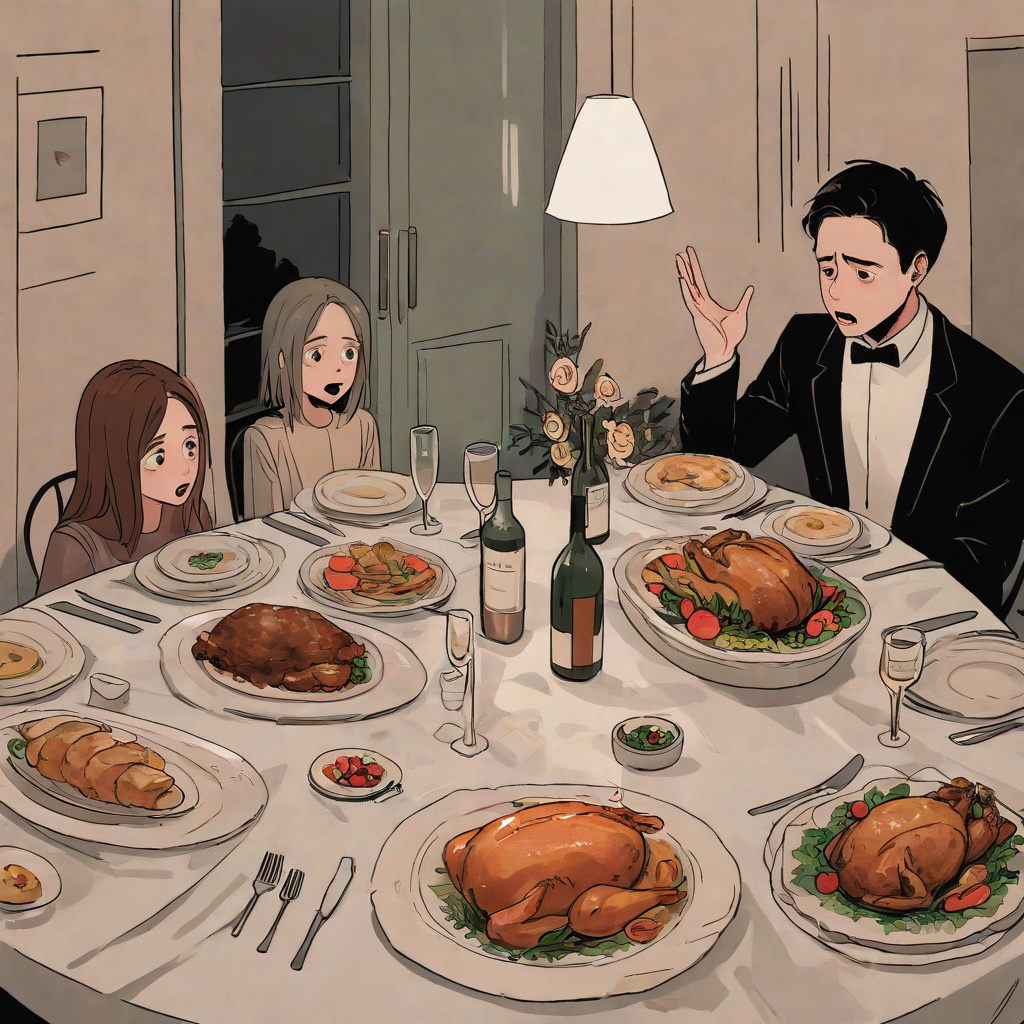
For many, the mere thought of hosting or attending a dinner party can trigger a wave of stress. The pressure to cook, converse, and keep everything running smoothly can feel overwhelming—especially if you’re someone who cherishes the comfort of your own space. Dinner party anxiety is real, and it often stems from a mix of social pressure, perfectionism, and the fear of the unknown. The good news? With the right mindset and a little preparation, you can turn what feels like an ordeal into an enjoyable, even empowering, experience.
Understand the Roots of Your Anxiety
Before you can address dinner party anxiety, it’s helpful to identify what, specifically, is causing your stress. Are you worried about judgment from others? Do you fear your cooking won’t measure up? Or is it the social interaction itself that feels draining? For some, the anxiety is tied to past experiences—a poorly received dish, an awkward conversation, or a moment of feeling exposed. For others, it’s the sheer number of moving parts: cleaning, cooking, timing, and entertaining all at once. According to the American Psychological Association, naming your fears can reduce their intensity. Take a few minutes to journal or brainstorm the exact triggers. You might realize that what feels like a mountain is actually a series of smaller, manageable hills.
Reframe Your Mindset
Hosting or attending a dinner party doesn’t have to be about perfection. In fact, some of the most memorable gatherings are the ones with imperfections—a slightly burnt dish, a spilled drink, or a candid, unscripted moment. Try shifting your perspective: instead of seeing the event as a test of your skills or social grace, view it as an opportunity to connect. Remind yourself that your guests (or hosts) are there to enjoy your company, not to critique your performance. If you’re the host, think of it as creating a space for shared enjoyment rather than a solo performance. If you’re the guest, focus on contributing to the atmosphere rather than impressing anyone.
Start Small and Build Confidence
If the idea of a full-blown dinner party feels daunting, start with low-stakes gatherings. Invite one or two close friends over for a casual meal—order takeout, prepare a simple dish, or even host a potluck where everyone brings something. The goal is to ease into the experience without overwhelming yourself. As you grow more comfortable, you can gradually increase the size or complexity of your gatherings. For example, try a themed night like taco Tuesday or a dessert-only party, which can feel less pressure-filled than a multi-course meal. Small wins build confidence, and before you know it, hosting or attending larger events won’t feel as intimidating.
Plan Ahead to Reduce Stress
One of the biggest sources of dinner party anxiety is the fear of things going wrong. The best antidote? Preparation. If you’re hosting, create a timeline for the day of the event, breaking down tasks like cooking, setting the table, and cleaning into manageable chunks. Prepare as much as you can in advance—chop vegetables the night before, set the table early, or make a dish that can be reheated. If you’re attending, plan your outfit, gift (if applicable), and transportation ahead of time to avoid last-minute stress. Having a plan B for potential hiccups (e.g., a backup dish in the freezer or a playlist ready to fill awkward silences) can also ease your mind.
Pro tip: Delegate tasks if possible. There’s no rule that says you have to do everything yourself. Ask a partner, friend, or family member to help with setup, cleanup, or even greeting guests. Most people are happy to contribute, and it takes some of the pressure off you.
Focus on the Experience, Not the Details
It’s easy to get caught up in the minutiae—whether the napkins match the tablecloth, if the wine is the perfect pairing, or if the conversation flows seamlessly. But in reality, guests rarely notice (or care about) these details as much as you do. What they do remember is the overall atmosphere: the laughter, the warmth, and the sense of connection. Instead of stressing over perfection, focus on creating a welcoming environment. Light candles, play soft music, and arrange seating to encourage conversation. If you’re the guest, bring your genuine self to the table—people appreciate authenticity far more than a flawless performance.
Practice Self-Care Before and After
Dinner parties can be emotionally and physically taxing, so it’s important to take care of yourself before, during, and after the event. In the days leading up to it, prioritize rest, hydration, and activities that help you feel grounded, whether that’s a walk, meditation, or a favorite hobby. On the day of the event, give yourself plenty of time to get ready so you’re not rushing. During the party, take short breaks if you need to—step into the kitchen for a few deep breaths or excuse yourself to the bathroom for a moment of quiet. Afterward, allow yourself time to decompress. Hosting or attending a social event can be draining, even if it’s enjoyable, so don’t underestimate the need for recovery time.
Embrace Imperfection as Part of the Fun
Some of the best dinner party stories come from the unexpected moments—the time the cake collapsed, the guest who brought a surprise +1, or the conversation that veered into hilariously awkward territory. Instead of fearing these moments, lean into them. Laughter is a great equalizer, and it often brings people closer together. If something goes wrong, try to laugh it off and keep the energy light. Your guests will likely follow your lead. Remember, the goal isn’t to create a flawless evening but to create a memorable one. And more often than not, the memories people cherish are the ones that weren’t perfectly scripted.
Set Realistic Expectations for Yourself
It’s easy to fall into the trap of comparing your dinner party to the ones you see on social media or in movies—elaborate tablescapes, gourmet meals, and effortless conversation. But those depictions are often curated, if not entirely staged. In reality, most dinner parties are a mix of highs and lows, and that’s okay. Set realistic expectations for what you can accomplish given your time, budget, and energy. If cooking a five-course meal feels like too much, opt for a one-pot dish or a charcuterie board. If you’re not a natural conversationalist, prepare a few open-ended questions or topics to discuss. The key is to do what feels manageable and enjoyable for you.
Know When to Opt Out
Finally, it’s important to recognize that it’s okay to say no. If the thought of attending or hosting a dinner party fills you with dread, and you know it will take a toll on your mental or physical well-being, it’s perfectly fine to decline. Your comfort and boundaries matter. If you do choose to opt out, you don’t owe anyone a lengthy explanation—simply thank them for the invitation and let them know you won’t be able to make it. True friends and considerate hosts will understand. And if you’re on the fence, consider compromising: attend for a shorter period, host a smaller gathering, or suggest an alternative like a coffee date or a walk together.
Design a Comfortable Physical Space for You and Your Guests
Your environment plays a subtle but powerful role in easing anxiety—both yours and your guests’. Start by arranging your space to minimize stress triggers. If you’re hosting, consider the flow of movement: ensure there’s a clear path from the entrance to the seating area, the kitchen, and the bathroom so guests don’t feel cramped or uncertain. Soft, warm lighting (think lamps, candles, or string lights) can create a cozy atmosphere that feels more intimate and less exposed than harsh overhead lights. If noise is a concern, test your playlist volume in advance—background music should be loud enough to fill silences but quiet enough to allow conversation.
For those who feel vulnerable in open spaces, define zones. A seating area with couches or chairs can give guests (and you) a sense of boundaries. If you’re worried about feeling trapped, position your own seat near an exit or a natural transition point, like the kitchen, so you can step away discreetly if needed. Small touches like a designated coat rack or a basket for shoes can also reduce clutter and the mental load of managing belongings.
Edge case: If your space is small, embrace it. A tight layout can actually foster closer connections. Use floor cushions or low tables to create a lounge-like vibe, and frame it as an intentional choice: “I love how cozy it gets when we’re all together like this.” Guests will often mirror your energy and appreciate the intimacy.
Leverage the Power of Rituals to Ground Yourself
Rituals can act as anchors during moments of stress, providing a sense of control and familiarity. Before the party, develop a pre-event ritual that signals to your brain it’s time to shift into “host mode.” This could be as simple as brewing a cup of tea, playing a specific song, or lighting a candle with a scent you associate with calm. During the event, incorporate small, deliberate actions to stay grounded, like taking three deep breaths before answering the door or pausing to adjust a centerpiece between tasks.
For guests, rituals can help ease the transition into a social setting. If you’re attending, try a brief mindfulness exercise in your car or at the doorstep—close your eyes, name three things you’re looking forward to (even small ones, like trying a new dish), and set an intention, such as “I’ll focus on listening tonight.” If you’re prone to overthinking, assign yourself a tiny, repetitive task, like refilling water glasses or passing appetizers, to give your hands and mind a focal point.
Example: One host swears by her “5-minute reset” ritual. Before guests arrive, she sets a timer for five minutes to tidy one area of the house while playing her favorite upbeat song. The time constraint prevents perfectionism, and the music shifts her mood. Another guest uses a “conversation charm” (a small object in her pocket) she touches briefly whenever she feels her mind racing, reminding her to return to the present moment.
Navigate Dietary Restrictions and Allergies with Confidence
Food-related anxiety often spikes when dietary restrictions enter the mix. Whether you’re cooking for vegans, gluten-free guests, or someone with a severe allergy, the fear of making a mistake can feel paralyzing. The key is to gather information early and keep it simple. When sending invitations, ask guests to share any dietary needs upfront. Avoid making assumptions—someone who “doesn’t eat meat” might still consume dairy or eggs, while a gluten-free guest might have celiac disease and require a completely cross-contamination-free meal.
If cooking multiple meals feels overwhelming, prepare a base dish that’s naturally inclusive (e.g., a hearty salad, roasted vegetables, or a rice dish) and supplement with add-ons. For example, serve a build-your-own taco bar with separate toppings and proteins, allowing guests to customize their plates. For allergies, designate specific utensils and prep areas to avoid cross-contact. Label dishes clearly with cards that list ingredients, and don’t be afraid to ask guests to bring a dish they know is safe for them.
Edge case: If a guest’s allergy is life-threatening, take it seriously. Ask them directly what precautions they typically take and how you can accommodate them. Some may bring their own food, while others might just need to know the ingredients in your dishes. In extreme cases, it’s okay to say, “I’m not confident I can prepare a safe meal for you, but I’d love to host you another way—maybe for drinks or a non-food activity.” Honesty is always better than risking someone’s health.
Master the Art of Graceful Delegation and Help Acceptance
Many people with dinner party anxiety struggle with delegation because they associate hosting with control. But sharing responsibilities can actually enhance the experience—for you and your guests. Start by identifying tasks that don’t require your personal touch, such as setting out napkins, refilling drinks, or taking coats. Assign these to willing friends or family members in advance, framing it as a collaborative effort: “I’d love your help with [task]—it’ll make the night so much smoother.”
If you’re uncomfortable asking for help, try indirect delegation. Place a stack of clean dishes near the sink with a sign that says, “Feel free to rinse and stack!” or leave a trash bowl on the table for guests to dispose of pits or wrappers. Most people want to contribute but don’t know how—give them an easy, low-pressure way to do so. For larger gatherings, consider assigning “roles” like official photographer, DJ, or greeter. This not only lightens your load but also gives guests a sense of purpose.
Example: One host creates a “Help Menu” on a small chalkboard in the kitchen, listing tasks like “Open wine at 7:15,” “Refill water pitchers,” or “Take out the recycling.” Guests can sign up for tasks they’re comfortable with, turning chores into a game. Another strategy is to host a “progressive dinner,” where each guest prepares one course at their own home, and the group moves from house to house. This distributes the work and turns hosting into a shared adventure.
Use Conversation Frameworks to Reduce Social Pressure
Fear of awkward silences or forced small talk is a common trigger for dinner party anxiety. Combat this by preparing conversation frameworks that feel natural and inclusive. Avoid yes/no questions; instead, use open-ended prompts that invite stories or opinions. For example, instead of asking, “Do you like to travel?” try, “What’s the most unexpected place you’ve ever visited, and what made it memorable?” The latter encourages a richer response and often sparks follow-up questions from others.
If you’re worried about running out of topics, use the “FORD” method (Family, Occupation, Recreation, Dreams) as a mental checklist. These are universally relatable subjects that most people can speak to. Alternatively, lean into “low-stakes storytelling”: share a funny or lighthearted anecdote from your week and invite others to do the same. Humor disarms tension, and personal stories encourage reciprocity.
For edge cases, like a table with divergent political or social views, steer conversations toward neutral ground. Topics like food, travel, books, or hypothetical questions (“If you could have dinner with any historical figure, who would it be?”) are safer bets. If a conversation veers into contentious territory, use a light pivot: “That’s an interesting perspective! Speaking of perspectives, [transition to new topic].” Most guests will follow your lead.
Pro tip: Place conversation starters at each seat. These can be printed cards with questions like, “What’s a skill you’ve always wanted to learn?” or “What’s your go-to comfort food?” This not only gives guests something to discuss but also signals that you’ve thought about their experience.
Plan for Post-Party Recovery and Reflection
The end of the dinner party doesn’t have to mean the end of your self-care. In fact, the hours and days following the event are critical for processing and recharging. Start by scheduling a buffer period after the party—even 30 minutes—to decompress alone. Use this time to change into comfortable clothes, sip a calming drink, or simply sit in silence. Avoid jumping straight into cleanup or other tasks; give your nervous system a chance to reset.
Reflection can also be a powerful tool. After the event, jot down a few notes about what went well and what you’d do differently next time. This isn’t about self-criticism but about recognizing your growth. For example, you might write, “The appetizers were a hit, and I realized I didn’t need to make three different desserts.” Celebrate small wins, like a guest complimenting your playlist or noticing how smoothly the conversation flowed. If something didn’t go as planned, ask yourself: “Will this matter in a week?” Often, the answer is no.
For those who feel emotionally drained, plan a “recovery activity” for the next day, such as a walk in nature, a favorite movie, or a hobby that restores your energy. If you’re prone to overanalyzing social interactions, set a time limit for reflection (e.g., 10 minutes) and then redirect your focus to something uplifting. Remember, hosting or attending a dinner party is a skill, and like any skill, it improves with practice and self-compassion.
Create Themed or Activity-Based Gatherings to Shift the Focus
If the traditional dinner party format feels like too much pressure, consider hosting a themed or activity-based gathering instead. Themes give the event a built-in structure, which can reduce anxiety about “filling the time.” For example, a “global potluck” where each guest brings a dish from a different country can spark natural conversations about culture, travel, and food. A “decades night” (e.g., 1980s music, outfits, and trivia) provides entertainment and icebreakers. Themes also make planning easier—you can build your menu, decorations, and playlist around the concept, which narrows your options and reduces decision fatigue.
Activity-based gatherings shift the focus away from conversation and onto a shared experience. Ideas include:
- DIY Food Stations: Set up a pizza-making bar, sushi-rolling station, or cookie-decorating table. Guests can customize their food while engaging in a hands-on activity.
- Game Night: Board games, card games, or even video games can break the ice and give introverts a way to participate without forced small talk. Choose games that are easy to learn and inclusive, like Codenames, Dixit, or Jackbox Party Packs (for digital play).
- Movie or TV Show Night: Pick a film or series that’s lighthearted or nostalgic, and serve themed snacks. The shared focus on the screen reduces the pressure to converse constantly.
- Craft or Workshop Evening: Host a paint-and-sip night, a terrarium-building workshop, or a DIY candle-making session. These activities provide a natural focal point and often lead to organic conversations.
- Outdoor Gatherings: A picnic, backyard movie night, or bonfire can feel less formal than an indoor dinner party. The change of scenery can also ease anxiety, as the open space feels less confining.
Edge case: If you’re worried about activities falling flat, test them with a small group first. For example, try a game night with just a few friends to see how it feels before scaling up. And remember, the activity doesn’t have to be elaborate—a simple “blind taste test” with different chocolates or cheeses can be just as engaging.
FAQ: Overcoming Dinner Party Anxiety
1. How do I handle the fear of my cooking being judged?
First, remind yourself that most people aren’t food critics—they’re just there to enjoy a meal and good company. If you’re really nervous, choose a dish you’ve made before and know you can execute well. Alternatively, make it a potluck or order one part of the meal (like dessert) to take the pressure off. And remember, even if something doesn’t turn out perfectly, it’s unlikely anyone will care as much as you do. Food is just one part of the experience; the connection is what matters most.
2. What if I run out of things to say during the conversation?
Conversation lulls happen to everyone. Prepare a few open-ended questions in advance, such as “What’s the best trip you’ve taken recently?” or “What’s a hobby you’ve been wanting to try?” You can also share a lighthearted story or ask for advice on something—people love to give their opinions. If the silence feels awkward, excuse yourself briefly to check on the food or refreshments. Often, the conversation will pick up again naturally by the time you return.
3. How can I make cleanup less stressful after hosting?
Clean as you go. While the food is cooking or guests are arriving, take a few minutes to wash dishes, wipe counters, and put away ingredients. Use disposable or compostable plates and utensils if the idea of washing a mountain of dishes is overwhelming. After the party, enlist help—ask a friend to stay for 20 minutes to assist with the major cleanup tasks. Most guests are happy to pitch in if you make it clear you’d appreciate the help.
4. What if I’m an introvert and find socializing exhausting?
Introverts often recharge by spending time alone, and that’s completely normal. If you’re hosting, keep the guest list small and the event shorter. If you’re attending, give yourself permission to step away for a few minutes if you need a break. You might also consider hosting an activity-based gathering, like a movie night or a board game party, which can take some of the pressure off one-on-one conversation. And remember, it’s okay to leave early if you’ve hit your social limit.
5. How do I politely decline an invitation without feeling guilty?
You don’t need to justify your decision, but if it helps to soften the response, you can keep it simple and honest. For example: “Thank you so much for the invitation! I’m taking some time to recharge, so I won’t be able to make it this time, but I hope we can catch up soon.” Most people will respect your honesty. If you’re worried about hurting feelings, suggest an alternative, like meeting for coffee another time. Your well-being comes first, and setting boundaries is a healthy practice.
Related posts:
 The Secret to Throwing Stress-Free Parties Every Time
 Budget-Friendly Party Hosting Tips
 Ultimate Summer Pool Party Planning
 Inside the Wellness Retreat That’s Redefining Healthy Luxury
 Hosting Thanksgiving Dinner: A Stress-Free Guide for First-Timers
 Hosting a Sober Holiday Party
 CDC Releases Updated Holiday Guidelines for Safe Celebrations
 Sober Social Parties: College Trend