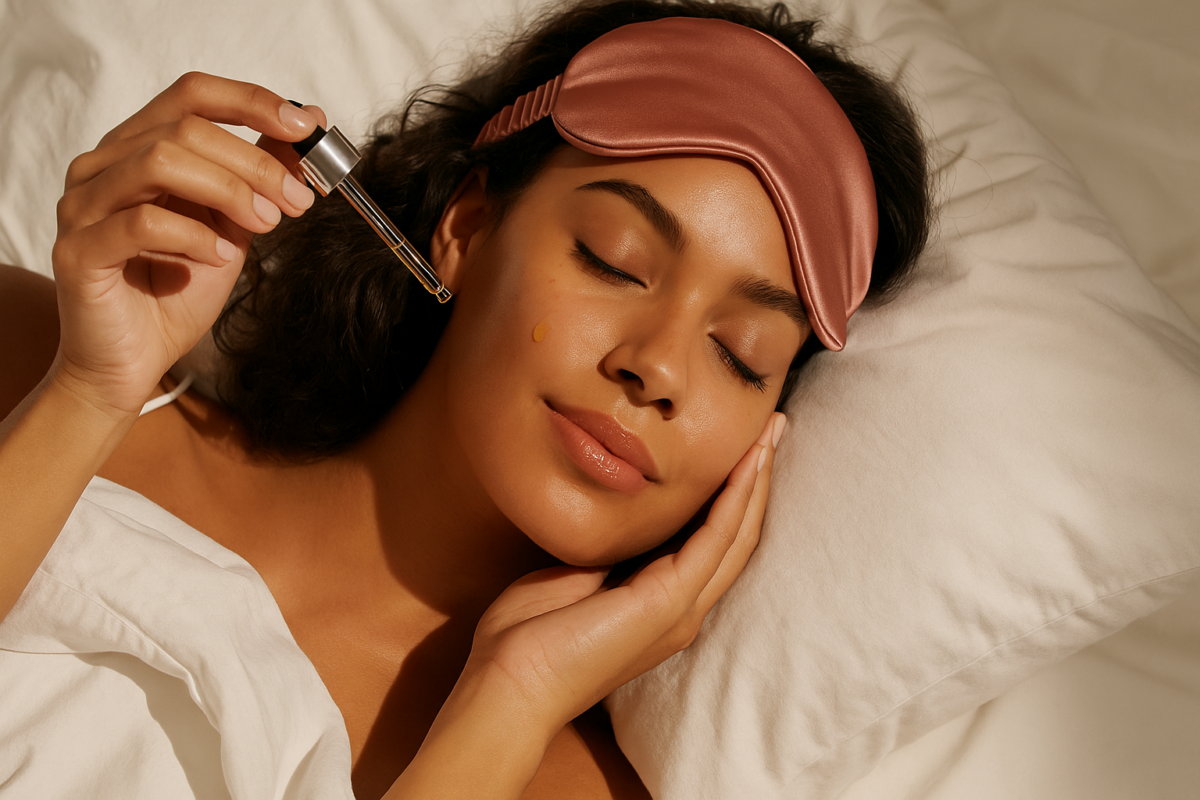
The phrase “beauty sleep” is often dismissed as a cliché, but from a biological perspective, it is a fundamental truth. While we drift into unconsciousness, our bodies are far from dormant. In fact, the nighttime hours are when the most critical restorative processes occur. From the production of growth hormones to the acceleration of cellular turnover, your body utilizes the stillness of sleep to repair damage incurred during the day and prepare your skin, hair, and nails for the morning.
Implementing a strategic set of overnight beauty hacks isn’t about adding hours of labor to your evening; it’s about optimizing the window of time when your body is naturally most receptive to repair. By combining internal nutritional support with targeted external treatments and a mindful environment, you can wake up feeling refreshed and looking radiant. This guide explores the holistic approach to overnight beauty, blending the science of circadian rhythms with practical, actionable rituals.
The Biology of Nighttime Regeneration
To understand why overnight beauty hacks are so effective, we must first look at the skin’s circadian rhythm. Your skin has its own internal clock that dictates different functions for day and night. During the day, your skin is in “protection mode,” focusing on defending against UV rays, pollution, and environmental stressors. At night, the focus shifts to “repair mode.”
One of the most significant changes occurs with skin permeability. At night, the skin’s barrier becomes more permeable, meaning it is more receptive to the active ingredients in serums and creams. This is why many potent treatments, such as retinoids, are specifically formulated for nighttime use. Additionally, blood flow to the skin increases during sleep, which helps deliver essential nutrients and oxygen to the cells, facilitating the removal of toxins.
Furthermore, the production of melatonin—the hormone responsible for sleep—also acts as a powerful antioxidant. Melatonin helps neutralize free radicals that cause premature aging. When you prioritize deep, uninterrupted sleep, you are essentially giving your body the time it needs to synthesize collagen and repair DNA damage. Without adequate sleep, the body produces more cortisol (the stress hormone), which can break down collagen and lead to inflammation, breakouts, and a dull complexion.
Evening Skin Prep: The Foundation of Glow
The effectiveness of any overnight treatment depends entirely on the canvas it is applied to. If you apply expensive serums over a layer of makeup, pollutants, and sebum, the products cannot penetrate the skin, rendering them largely ineffective. The foundation of any overnight beauty routine is a meticulous yet gentle cleansing process.
The Double Cleanse Method
For those who wear makeup or sunscreen, a single wash is rarely enough. The double cleanse involves using an oil-based cleanser first to dissolve lipophilic impurities (like sebum and waterproof makeup) and following it with a water-based cleanser to remove hydrophilic debris (like sweat and dust). This ensures the pores are completely clear, allowing subsequent treatments to sink in deeply.
Hydration and Moisture Sealing
Once the skin is clean, the goal is to replenish moisture and seal it in. The sequence should always move from the thinnest consistency to the thickest. Start with a hydrating toner or essence to dampen the skin, followed by a targeted serum. To prevent “transepidermal water loss” (TEWL)—the process where water evaporates from the skin into the dry air—finish with a rich moisturizer. For those with extremely dry skin, a technique known as “slugging” involves applying a thin layer of a petrolatum-based balm over moisturizer to create an occlusive seal, locking in every drop of hydration overnight.
Targeted Overnight Treatments for Maximum Impact
Because the skin is more permeable at night, it is the ideal time to use active ingredients that might be too irritating for daytime use or those that are unstable when exposed to sunlight.
Retinoids and Vitamin A
Retinol is widely considered the gold standard for anti-aging. It works by increasing cell turnover and stimulating collagen production. However, retinoids make the skin more sensitive to UV rays (photosensitivity), making them strictly nighttime products. When starting a retinol routine, use the “sandwich method”—apply a layer of moisturizer, then the retinol, then another layer of moisturizer—to minimize irritation while still reaping the benefits.
Chemical Exfoliants (AHAs and BHAs)
Alpha Hydroxy Acids (like glycolic or lactic acid) and Beta Hydroxy Acids (like salicylic acid) work overnight to dissolve the “glue” holding dead skin cells together. By exfoliating at night, you wake up with a smoother surface and a brighter complexion. It is important not to mix strong acids with retinols in the same session, as this can compromise the skin barrier. Instead, alternate these treatments on different nights of the week.
Overnight Masks and Sleeping Packs
Unlike traditional wash-off masks, sleeping packs are designed to be absorbed slowly over several hours. These are often rich in hyaluronic acid, ceramides, and soothing botanicals. They act as a secondary barrier, ensuring that the skin remains hydrated even in air-conditioned or heated environments that tend to strip moisture.
Nourishing from Within: The Role of Beauty Supplements
True beauty is an inside-out process. While topical creams address the surface, supplements provide the raw materials the body needs to build healthy tissues. Integrating targeted nutrition into your evening routine can amplify the results of your skincare.
Collagen and Peptides
Collagen is the primary structural protein in the skin. As we age, natural collagen production declines. Taking a high-quality collagen supplement in the evening can provide the amino acids necessary for the body to repair skin elasticity and joint health during the deep sleep phase. Look for hydrolyzed collagen peptides, which are easier for the body to absorb.
Omega-3 Fatty Acids
Omega-3s are essential for maintaining the lipid barrier of the skin. By supporting the skin’s oil production from the inside, these healthy fats help prevent dryness and inflammation. Taking an Omega-3 supplement can lead to a more “plump” appearance and may help soothe conditions like acne or eczema.
Antioxidants and Magnesium
Antioxidants like Vitamin C and E protect cells from oxidative stress. While Vitamin C is often used in the morning, taking a balanced antioxidant complex in the evening supports the body’s natural detoxification processes. Additionally, magnesium is a powerhouse for beauty sleep. It helps relax the muscles and calm the nervous system, ensuring you reach the deep REM cycles where the most significant cellular repair occurs.
Hair Care Rituals for Morning Perfection
Your hair is just as susceptible to damage during the night as your skin. Friction against cotton pillowcases can lead to breakage, frizz, and tangles, while scalp oils can build up or dry out depending on your hair type.
The Power of Silk and Satin
One of the simplest yet most effective overnight beauty hacks is switching to a silk or satin pillowcase. Unlike cotton, which absorbs moisture from your hair and skin and creates friction, silk allows the hair to glide smoothly. This reduces split ends and prevents the “sleep creases” that often appear on the face.
Overnight Protective Styling
To wake up with manageable hair, avoid sleeping with your hair loose. For those with curls or waves, a “pineapple” (gathering hair loosely at the very top of the head) prevents the curls from being crushed. For straight hair, a loose braid can create effortless heatless waves by morning. Always use silk scrunchies rather than tight elastic bands to avoid tension alopecia and breakage at the crown.
Scalp and End Treatments
Nighttime is the perfect window for intensive hair treatments. Applying a lightweight scalp oil (such as rosemary or jojoba oil) and massaging it in can stimulate blood flow to the follicles. Similarly, applying a nourishing hair oil or leave-in conditioner to the ends of the hair before braiding it in prevents dryness and seals the cuticle.
Optimizing Your Sleep Environment for Glow
You can use the best products in the world, but if your environment is working against you, your results will be limited. Your bedroom should be a sanctuary designed specifically for recovery.
Temperature Control
The ideal temperature for sleep is generally between 60-67 degrees Fahrenheit (15-19 degrees Celsius). If the room is too hot, you may experience nighttime breakouts (sweat-induced acne) or puffiness in the face. A cool environment encourages the body to enter a deeper state of sleep, which is when growth hormone secretion peaks.
Light Management
Blue light from smartphones and tablets inhibits the production of melatonin, which not only ruins your sleep quality but also slows down skin repair. Establish a “digital sunset” by putting away screens 60 minutes before bed. If you must use a device, enable a blue-light filter. Using blackout curtains or an eye mask ensures total darkness, which optimizes the hormonal environment for beauty regeneration.
Humidity and Air Quality
Heating and air conditioning strip moisture from the air, which can lead to dehydrated skin and brittle hair. Running a humidifier in the bedroom adds moisture back into the air, helping your skin stay plump and preventing the dry, itchy feeling often experienced during winter months.
The Mind-Body Connection: Stress and Skin
Psychological well-being is inextricably linked to physical appearance. High levels of chronic stress lead to an overproduction of cortisol, which triggers oil glands to produce more sebum, leading to breakouts. It also inhibits the skin’s ability to heal, making scars and redness last longer.
The Evening Wind-Down
Integrating a mindful practice before bed can lower your heart rate and signal to your brain that it is time to shift from “fight or flight” to “rest and digest.” This could be as simple as five minutes of deep diaphragmatic breathing, a warm bath with Epsom salts, or journaling to clear the mind of the day’s anxieties.
The Impact of Gratitude
While it may seem unrelated to beauty, a positive mental state reduces systemic inflammation. Practicing gratitude before sleep helps lower stress markers in the body, which reflects in a more relaxed facial expression and a healthier, more luminous complexion. When your mind is at peace, your body can devote all its energy to physical repair rather than managing stress.
Creating Your Custom Nighttime Beauty Blueprint
Because every individual has a different skin type and lifestyle, a one-size-fits-all approach rarely works. The key is to build a modular routine that you can adjust based on your needs. Here is a sample blueprint for a comprehensive overnight beauty regimen:
The “Essential” Routine (30 Minutes)
- Cleanse: Double cleanse to remove impurities.
- Treat: Apply a hydrating serum or a gentle retinoid.
- Moisturize: Apply a night cream and lip balm.
- Environment: Switch to a silk pillowcase and dim the lights.
The “Luxury” Routine (60-90 Minutes)
- Detox: A warm bath with magnesium salts to relax muscles.
- Deep Cleanse: Double cleanse followed by a gentle chemical exfoliant (twice a week).
- Targeted Care: Apply a face oil or overnight sleeping mask.
- Hair Care: Scalp massage with oil and a loose braid.
- Internal Support: A collagen supplement and a cup of caffeine-free chamomile tea.
- Mindset: 10 minutes of meditation or reading a physical book.
Regardless of the length of your routine, consistency is the most important factor. The skin takes roughly 28 to 40 days to complete a full cycle of turnover. By adhering to these overnight beauty hacks consistently, you are supporting the natural biological processes of your body, leading to sustainable, long-term radiance.
Comprehensive Body and Extremity Care: Beyond the Face
While the face often receives the bulk of our nighttime attention, the skin on our body—particularly the hands, feet, and elbows—is subject to different stressors and possesses fewer sebaceous glands, making it more prone to dryness and premature aging. Extending your overnight beauty hacks to the rest of your body ensures a uniform glow and prevents the contrast of a radiant face paired with dehydrated extremities.
The Intensive Hand and Nail Recovery
Our hands are constantly exposed to water, detergents, and UV rays, which strip the lipid barrier. To treat this overnight, apply a thick, urea-based cream or a rich shea butter lotion. Urea is a keratolytic agent that helps soften thickened skin and deeply hydrates. For a “spa-level” treatment, apply a generous layer of cream and then wear 100% cotton gloves to bed. This creates a warm, occlusive environment that forces the ingredients deeper into the dermis, leaving hands feeling velvety and nails strengthened by morning. This is particularly effective for those who suffer from winter “cracked skin” or those who frequently use hand sanitizers.
The Overnight Foot Reset
The skin on the heels is the thickest on the body and requires more aggressive hydration to remain smooth. After a gentle evening soak or shower, apply a foot cream containing salicylic acid or lactic acid to chemically exfoliate dead skin cells. Follow this with a heavy occlusive, such as petroleum jelly or a thick balm, focusing on the heels and calluses. The “sock method”—wearing clean cotton socks over the treatment—prevents the product from rubbing off on linens and increases the absorption rate. For an edge case, if you have fungal concerns or extremely dry fissures, incorporating a tea tree oil blend before the occlusive layer can provide antimicrobial benefits while the barrier repair occurs.
Body Slugging and Full-Body Hydration
Similar to the facial technique, body slugging involves layering a humectant (like a hyaluronic acid body serum) followed by an emollient (body lotion) and finally an occlusive (body oil or balm). This is most effective on areas prone to “strawberry skin” (keratosis pilaris) or extreme dryness. By sealing the skin, you minimize transepidermal water loss (TEWL) across the entire body, which is especially critical during the winter months when indoor heating saps moisture from the skin. Focus on the shins, elbows, and knees, where the skin is thinnest and most prone to ashiness.
Precision Care: The Art of Overnight Eye and Lip Restoration
The skin surrounding the eyes and the tissue of the lips are among the thinnest and most sensitive areas of the face. They lack the oil-producing glands found elsewhere, meaning they cannot maintain moisture independently and are the first areas to show signs of fatigue and aging. Targeted overnight intervention is essential for preventing fine lines and maintaining volume.
The Orbital Area and Lymphatic Drainage
The eyes often wake up puffy due to fluid accumulation in the periorbital space. To combat this, use a dedicated eye cream containing caffeine or green tea extract, which helps constrict blood vessels and reduce swelling. When applying, use your ring finger to gently tap the product from the inner corner outward toward the temples; this mimics the natural flow of the lymphatic system, encouraging the drainage of excess fluid. For those dealing with deep hollows or dark circles, look for overnight eye masks containing peptides or hyaluronic acid. An edge case to consider is the use of retinoids in the eye area; because this skin is so thin, always use a formula specifically designed for eyes or use the “buffer method” by applying a layer of plain moisturizer first to prevent irritation and redness.
Intensive Lip Plumping and Repair
Lips lack a stratum corneum (the outermost layer of skin), making them highly susceptible to dehydration. A standard lip balm is often insufficient for overnight repair. Instead, opt for a thick, lanolin-based lip mask or a treatment rich in ceramides and peptides. Lanolin is chemically similar to human skin lipids, providing an unparalleled occlusive seal. For a weekly intensive treatment, apply a gentle sugar scrub to remove dead skin, followed by a hydrating serum and a thick layer of a lip mask. This process ensures that the lips are not only hydrated but also plumped, providing a smooth canvas for lipstick or gloss the following morning.
The Synergy of Eye and Lip Care
Integrating these precision steps into the wider routine requires timing. Apply your eye and lip treatments *before* your heavy facial moisturizers or sleeping masks. This prevents the heavier, more occlusive facial products from migrating into the eyes or diluting the targeted active ingredients meant for these delicate zones.
Seasonal Calibration of Nighttime Rituals
A beauty routine that works in the humid heights of July will likely fail in the dry depths of January. The skin’s needs shift according to the dew point, temperature, and UV index of the environment, requiring a modular approach to overnight hacks.
Winter: The Barrier-First Approach
During winter, the primary goal is protection against “winter itch” and severe dehydration. Shift your focus toward ceramides, fatty acids, and cholesterol—the three primary components of the skin barrier. Increase the frequency of “slugging” and switch from lightweight lotions to heavy creams. This is also the time to maximize the use of a humidifier, as the lack of ambient moisture can render even the best creams ineffective by pulling water *out* of the skin and into the air. If you experience seasonal sensitivity, swap strong AHAs for gentler PHAs (polyhydroxy acids), which exfoliate the surface without compromising the already fragile winter barrier.
Summer: The Lightweight and Cooling Strategy
In summer, high humidity and increased sebum production can make heavy creams feel suffocating and potentially lead to congestion or “heat rash.” Shift toward water-based gels and lightweight hyaluronic acid serums. Incorporate cooling hacks, such as storing your overnight eye masks or jade rollers in the refrigerator. Cold therapy helps to soothe sun-exposed skin and reduces the inflammation caused by heat. Additionally, focus on antioxidants like Niacinamide in your evening routine to help repair the oxidative damage caused by increased daytime UV exposure. If you are using retinoids, be extra vigilant with morning SPF, as summer sun significantly increases the risk of photosensitivity reactions.
The Transitional Phases: Spring and Autumn
During the change of seasons, the skin often goes through a period of instability, manifesting as sudden breakouts or unexpected dryness. The key during these months is “skin cycling.” Instead of a rigid daily routine, listen to your skin’s immediate needs. If your skin feels tight, prioritize hydration; if it feels congested, prioritize a chemical exfoliant. This flexibility prevents the skin from becoming overwhelmed as it adapts to new environmental triggers.
The Beauty Plate: Nutritional Timing and Pre-Sleep Habits
What you ingest in the hours leading up to sleep is just as impactful as what you apply to your skin. The digestive process and blood sugar levels directly influence the quality of your beauty sleep and the appearance of your skin upon waking.
Managing the Sodium-Edema Connection
One of the most common causes of morning puffiness is a high-sodium dinner. Salt causes the body to retain water, often accumulating in the soft tissues under the eyes and in the jawline. To wake up with a sculpted appearance, aim to limit processed salts after 7:00 PM. Instead, incorporate potassium-rich foods like avocado, spinach, or a banana, which help the body flush out excess sodium and balance fluids. Staying hydrated is key, but avoid drinking large quantities of water immediately before bed to prevent interrupted sleep due to nighttime awakenings, which can spike cortisol levels.
Glycemic Index and “Sugar Sag”
Consuming high-sugar snacks or refined carbohydrates late at night can lead to a process called glycation. This occurs when sugar molecules attach to collagen and elastin fibers, making them brittle and less elastic—a phenomenon often called “sugar sag.” To protect your skin’s structural integrity, opt for a light, protein-rich evening snack if needed, such as a handful of almonds or a small piece of turkey. This stabilizes blood sugar and provides the amino acids necessary for the collagen synthesis that occurs during the REM cycle.
The Role of Herbal Infusions
Replacing a late-night sugary drink with a targeted herbal tea can amplify beauty results. Chamomile is renowned for its calming effect on the nervous system, but peppermint or ginger tea can aid digestion, preventing the bloating and systemic inflammation that can reflect as dullness in the skin. For an added beauty boost, a cup of Rooibos tea provides a wealth of antioxidants without the caffeine that would otherwise interfere with melatonin production.
Integrating Beauty Tech into the Evening Wind-Down
While traditional skincare is the foundation, modern beauty technology can accelerate the results of overnight treatments by increasing product penetration and stimulating cellular activity.
LED Light Therapy for Collagen Induction
Red light therapy (630-660nm) is particularly effective when used in the evening. It penetrates deep into the dermis to stimulate fibroblasts, the cells responsible for collagen and elastin production. Using an LED mask for 10-20 minutes before applying your serums can “prime” the skin, increasing blood flow and making the skin more receptive to active ingredients. For those with acne-prone skin, a combination of blue light (to kill bacteria) and red light can reduce inflammation and speed up the healing of blemishes overnight.
Gua Sha and Facial Massage for Sculpting
Integrating a Gua Sha tool or a facial roller into the evening routine serves two purposes: it relaxes the facial muscles that hold tension from the day (preventing “stress lines”) and it facilitates lymphatic drainage. By moving the tool from the center of the face toward the lymph nodes in the neck, you clear away the metabolic waste that accumulates during the day. This prevents the “heavy” feeling in the face upon waking and ensures that the nutrients in your night cream are delivered to a well-oxygenated environment.
Microcurrent and Muscle Toning
For those seeking a lifting effect, low-level microcurrent devices can be used in the evening to tone the facial muscles. This “workout” for the face helps maintain the contours of the jawline and cheekbones. When combined with a conductive gel that also contains hydrating ingredients, the device helps push those ingredients deeper into the skin, creating a synergistic effect between the technology and the topical treatment.
The “Wake-Up” Bridge: Transitioning from Repair to Protect
The final overnight beauty hack is not about what happens while you sleep, but how you transition out of the repair phase. The way you handle your skin in the first 30 minutes of the day determines whether you maintain the benefits of your nighttime rituals or accidentally strip them away.
The Gentle Awakening
Many people make the mistake of using a harsh foaming cleanser immediately upon waking, which can strip away the beneficial lipids and serums that worked overnight. If you have dry or sensitive skin, consider a “water-only” rinse or a gentle milky cleanser. This preserves the skin’s natural moisture barrier while removing the remnants of overnight masks. For oily skin, focus the cleanser only on the T-zone, leaving the cheeks to retain some of the overnight hydration.
Locking in the Glow
The bridge from night to day requires a shift from “repair” to “protect.” Immediately after rinsing, apply a Vitamin C serum. Vitamin C acts as a powerful antioxidant that neutralizes the free radicals generated by morning light and pollution, effectively “locking in” the brightness achieved during the night. Following this with a lightweight moisturizer and a broad-spectrum SPF is non-negotiable; since many overnight treatments (like retinol and AHAs) increase photosensitivity, the morning protection phase is the essential closing act of the overnight beauty cycle.
The Cold Shock Treatment
To fully wake up the skin and tighten the pores, a quick splash of ice-cold water or the application of a chilled jade roller can provide an immediate vasoconstriction effect. This reduces any lingering morning puffiness and creates a smooth, firm surface for makeup application. This cold shock also stimulates a brief surge of blood flow to the surface of the skin, giving you a natural, healthy flush that complements the radiance provided by your overnight efforts.
Frequently Asked Questions
Q: Can I use Vitamin C and Retinol at the same time in my overnight routine?
A: It is generally not recommended to use Vitamin C and Retinol simultaneously. Vitamin C is an antioxidant that works best during the day to protect against UV damage, while Retinol is a cell-communicating ingredient that is photosensitive. Using them together can cause irritation and may neutralize the effectiveness of both. Use Vitamin C in the morning and Retinol at night.
Q: Is “slugging” safe for all skin types?
A: Slugging—applying an occlusive like petroleum jelly over moisturizer—is excellent for very dry or compromised skin barriers. However, it is not recommended for those with oily or acne-prone skin. The occlusive layer can trap sebum and bacteria inside the pores, potentially leading to breakouts or milia. Those with oily skin should opt for a lightweight, non-comedogenic sleeping mask instead.
Q: How long does it take to see results from beauty supplements like collagen?
A: Supplements work from the inside out and require consistency. While some people notice a difference in skin hydration within a few weeks, significant changes in skin elasticity and nail strength typically take 8 to 12 weeks of daily use. This aligns with the time it takes for new collagen fibers to be synthesized and integrated into the skin’s matrix.
Q: Do I really need a silk pillowcase, or is satin just as good?
A: Pure mulberry silk is the gold standard because it is naturally hypoallergenic and highly breathable. Satin is a weave, not a fiber; it can be made from polyester, which doesn’t breathe as well as silk and can trap heat. However, a high-quality synthetic satin is still far superior to cotton in terms of reducing friction on the hair and skin.
Q: What should I do if I wake up with puffiness despite my nighttime routine?
A: Morning puffiness is often caused by fluid retention (edema) due to sleeping positions or dietary sodium. To combat this, try sleeping with an extra pillow to slightly elevate your head. In the morning, use a cold jade roller or a chilled washcloth to perform gentle lymphatic drainage movements, moving from the center of the face outward toward the ears and down the neck.
Related posts:
 Zoe Kravitz’s Coconut Oil Hair Care Secret
 Beauty Treatments That Work While You Sleep
 Hair Slugging Beauty Trend Guide
 PHA Bodyweight Workout: Efficient Fitness Anywhere, Anytime
 The Slow Beauty Movement’s Secret Hydration Recipes
 Ariana Grande’s Hair Savior: Why Lavender Coconut Oil Is Her Secret Weapon
 Blow Drying Hair Without Damage: Expert Tips
 Perfect Curly Hair Routine