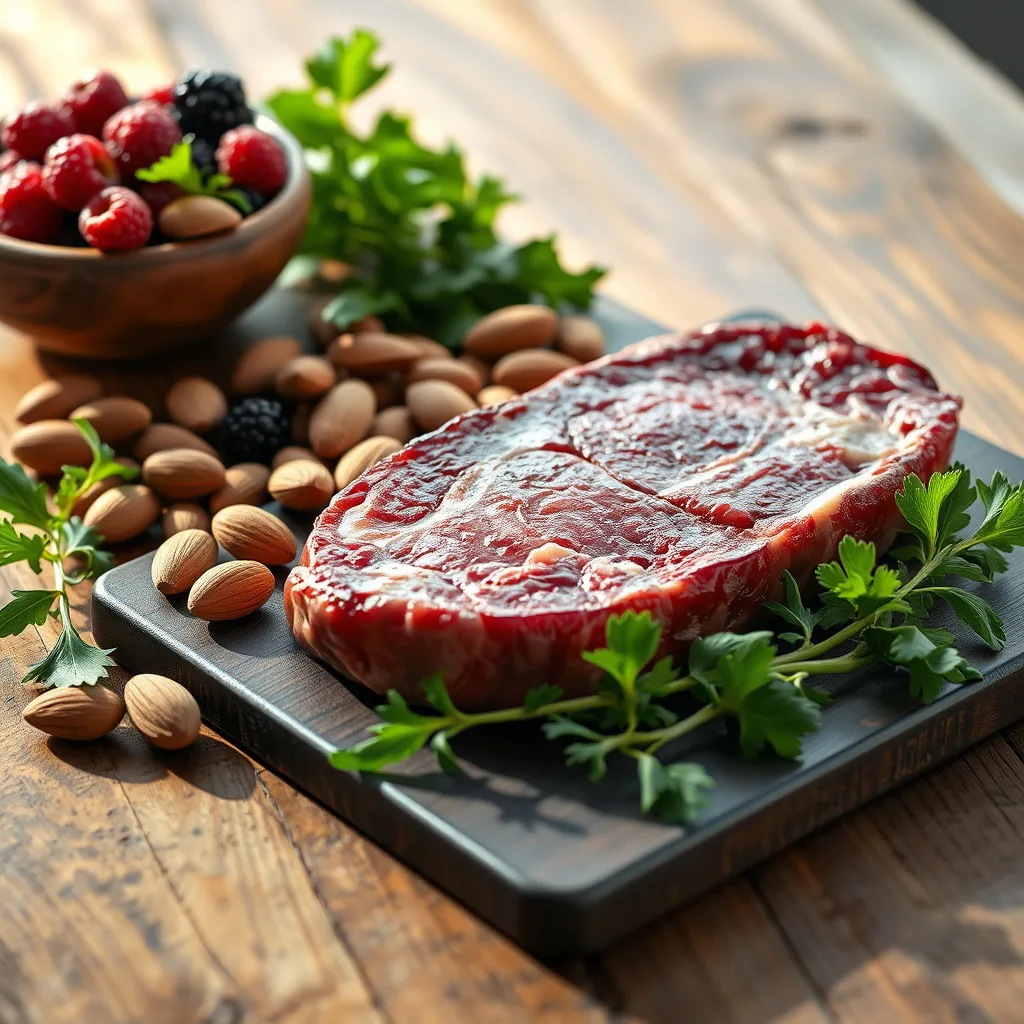
The Paleo diet has been a polarising topic in nutrition circles for more than a decade. Proponents praise it as a return to the way our ancestors ate, promising weight loss, better blood sugar control, and reduced inflammation. Critics argue that the modern version of “caveman eating” is a marketing myth that excludes whole food groups and may create nutrient shortfalls. This article separates fact from fiction by examining the scientific evidence, clarifying common misunderstandings, and offering realistic guidance for anyone considering a Paleo‑style approach.
Key takeaways
- Focus on whole, minimally processed foods like lean meats, fish, vegetables, nuts, and healthy fats.
- Be mindful of potential nutrient gaps in calcium, fiber, and B-vitamins when eliminating entire food groups.
- Support gut health by consuming a wide variety of colorful, fiber-rich vegetables and fermented foods.
- Consult a healthcare professional before starting restrictive protocols like the Autoimmune Paleo (AIP) diet.
- Monitor your body's energy levels and digestion to adjust your intake of carbohydrates and fiber.
What Is the Paleo Diet?
The Paleo diet, sometimes called the “caveman” or “Stone Age” diet, is based on the premise that humans thrive when they eat foods that were available to our Paleolithic ancestors—roughly 2.5 million to 10,000 years ago. The core idea is that modern agricultural products (grains, legumes, dairy) and processed foods are mismatched with our genetics, potentially contributing to chronic disease.
In practice, a typical Paleo plan emphasizes:
- Lean meats, fish, and shellfish
- Eggs
- Non‑starchy vegetables
- Fruits (in moderation)
- Nuts and seeds
- Healthy fats from avocados, olive oil, and coconut oil
It excludes:
- All grains (wheat, rice, oats, barley, etc.)
- Legumes (beans, lentils, peanuts, soy)
- Dairy products (milk, cheese, yogurt) – though some modern adaptations allow grass‑fed butter or fermented dairy
- Added sugars and artificial sweeteners
- Highly processed foods and refined vegetable oils
Core Principles and Food List
Understanding the principles behind food choices helps you decide whether the diet aligns with your goals.
- Whole, minimally processed foods. The diet encourages foods that are as close to their natural state as possible, which typically means fewer additives and lower sodium.
- High protein, moderate fat, low carbohydrate. By focusing on protein and healthy fats, many followers experience satiety and stable energy levels.
- Seasonal and locally sourced when possible. This mirrors the foraging patterns of early humans and can reduce environmental impact.
- Mindful eating. Many Paleo advocates recommend chewing thoroughly and listening to hunger cues, which can improve digestion and portion control.
A practical grocery list might look like this:
| Protein | Vegetables | Fruits | Fats & Snacks |
|---|---|---|---|
| Grass‑fed beef, pastured chicken, wild‑caught salmon, eggs | Leafy greens, broccoli, bell peppers, carrots, zucchini | Berries, apple slices, kiwi, citrus | Almonds, walnuts, macadamia nuts, avocado, olive oil, coconut oil |
Evidence‑Based Benefits
Research on Paleo‑type eating patterns is still evolving, but several peer‑reviewed studies provide insight into potential advantages.
- Weight management. A 2014 randomized trial comparing a Paleo diet to a standard low‑fat diet found greater weight loss and reduced waist circumference after 12 weeks for the Paleo group (Lindeberg et al., *Nutrients*).
- Blood glucose control. Small crossover studies have reported lower fasting glucose and improved insulin sensitivity after 3–4 weeks on a Paleo regimen, especially in individuals with pre‑diabetes (Jönsson et al., *Diabetes Care*).
- Blood lipid profile. Some trials show modest reductions in triglycerides and increases in HDL cholesterol, likely linked to higher omega‑3 intake from fish and nuts.
- Inflammatory markers. Limited evidence suggests a reduction in C‑reactive protein (CRP) when participants replace refined carbohydrates with whole‑food sources, though results vary.
It is important to note that many of these studies are short‑term, involve small sample sizes, or compare Paleo to diets that are themselves low in quality. Long‑term data on cardiovascular events, cancer risk, or overall mortality remain scarce.
Common Misconceptions
Because the Paleo label is popular in media, several myths have taken hold.
- “Paleo means you can eat unlimited meat.” While protein is emphasized, most nutrition guidelines still recommend balancing portions. Over‑consumption of red or processed meat can raise saturated fat intake, which may affect heart health for some individuals.
- “All grains are unhealthy.” Whole grains provide fiber, B‑vitamins, and minerals. The Paleo argument is that our ancestors did not consume cultivated grains, but modern research shows that moderate whole‑grain intake is associated with lower risk of chronic disease.
- “Dairy is always off‑limits.” Traditional Paleo excludes dairy, yet many contemporary followers incorporate fermented dairy (e.g., kefir, yogurt) from grass‑fed cows, citing tolerability and probiotic benefits. The key is personal tolerance and quality of the product.
- “Paleo is automatically low‑carb.” While starchy vegetables and fruits are limited, a well‑planned Paleo diet can provide 30‑40 % of calories from carbohydrates, especially when fruit and sweet potatoes are included.
- “It’s a fad diet with no scientific basis.” The diet’s emphasis on whole foods aligns with many evidence‑based dietary patterns (Mediterranean, DASH). The controversy lies mainly in the exclusion of whole food groups rather than the quality of foods allowed.
Potential Nutrient Gaps and How to Address Them
Eliminating grains, legumes, and dairy can reduce intake of certain nutrients. Being proactive can prevent deficiencies.
- Calcium. Without dairy, calcium sources include leafy greens (kale, bok choy), almonds, sesame seeds, and fortified non‑dairy milks. A daily target of 1,000 mg is still realistic.
- Vitamin D. Sun exposure remains primary, but fortified foods or a modest supplement (800–1,000 IU) may be advisable, especially in higher latitudes.
- Fiber. Non‑starchy vegetables, berries, nuts, and seeds supply soluble and insoluble fiber. Aim for at least 25 g per day to support gut health.
- B‑vitamins (especially B9/folate). Green vegetables, avocados, and liver (if you eat organ meats) are rich sources.
- Magnesium and potassium. Nuts, seeds, avocado, and sweet potatoes (if included) help meet recommended intakes.
Consider periodic blood testing if you plan a long‑term Paleo regimen, and consult a registered dietitian for personalized advice.
Practical Tips for Starting
Transitioning to a Paleo style doesn’t have to be overwhelming. Below is a step‑by‑step guide you can adapt to your schedule.
- Audit your pantry. Remove obvious non‑Paleo items (cereal, pasta, beans, most sauces). Keep spices, olive oil, and nuts.
- Plan a week of meals. Use the grocery list table as a template. Draft breakfast, lunch, dinner, and two snack ideas per day.
- Batch‑cook proteins. Roast a tray of mixed vegetables with chicken thighs, grill salmon fillets, and boil eggs. Store in portion‑size containers for quick assembly.
- Swap staples. Replace white rice with cauliflower rice, regular tortillas with lettuce wraps, and sugary yogurt with coconut‑milk kefir.
- Track macros for the first two weeks. Apps like MyFitnessPal let you see if you’re staying within a balanced range (≈30 % protein, 30‑40 % carbs, 30‑40 % fat). Adjust portion sizes accordingly.
- Stay hydrated. A higher protein intake can increase nitrogen waste, so aim for 2–3 L of water daily, especially if you’re active.
- Listen to your body. Notice energy levels, digestion, and satiety. If you feel unusually fatigued or notice persistent cravings, evaluate whether you’re missing key nutrients.
Adapting Paleo to Different Lifestyles
One size does not fit all. Below are three common scenarios and how a Paleo framework can be tweaked.
Busy Professionals
Time is limited, so focus on “meal‑prep‑once‑a‑week” strategies. Cook a large batch of protein (e.g., shredded pork shoulder) and store in individual portions. Pair with pre‑washed salad greens and pre‑cut veggies for rapid assembly. Keep portable snacks like almond butter packets and mixed nuts.
Families with Children
Kids often need familiar textures and flavors. Offer Paleo‑friendly versions of classic dishes: zucchini “spaghetti” with meat sauce, chicken nuggets coated in almond flour, or fruit‑based smoothies sweetened with a dash of honey. Involve children in grocery shopping and cooking to increase acceptance.
Athletes and Highly Active Individuals
Higher carbohydrate needs can be met with sweet potatoes, plantains, and larger fruit portions while staying within Paleo limits. Post‑workout recovery meals that combine protein (e.g., eggs) with fast‑digesting carbs (e.g., banana) support glycogen replenishment.
When Paleo May Not Be Ideal
While many people thrive on a Paleo‑style diet, certain conditions warrant caution.
- Chronic kidney disease. High protein loads can strain kidney function; medical guidance is essential.
- History of eating disorders. Restrictive patterns may trigger relapse; a balanced, flexible approach is safer.
- Specific nutrient deficiencies. If you already have low calcium or vitamin D, eliminating dairy without adequate alternatives could worsen the deficiency.
- Pregnancy and lactation. Increased calcium, vitamin D, and overall caloric needs often make a moderate inclusion of dairy and whole grains beneficial. Consult a healthcare provider.
In these cases, a modified Paleo approach—sometimes called “Paleo‑flex” or “Primal”—that re‑introduces certain excluded foods in controlled amounts may be more appropriate.
Paleo and the Gut Microbiome: What Happens When You Change the Fiber Landscape?
One of the most under‑explored consequences of a Paleo‑style regimen is its impact on the composition and activity of the intestinal microbiota. Modern research shows that the diversity and metabolic output of gut bacteria are highly sensitive to the types of carbohydrates, polyphenols, and fermentable fibers we consume. By removing whole grains and legumes—two of the largest sources of prebiotic fibers in the typical Western diet—Paleo practitioners often see a shift toward bacteria that specialize in fermenting resistant starches found in vegetables, fruits, and nuts.
Key microbial changes to anticipate
- Increased Bacteroides spp. – These bacteria thrive on animal protein and fat, and they become more prevalent when dietary protein rises relative to carbohydrate.
- Higher Prevotella-to‑Bacteroides ratios in those who retain ample non‑starchy vegetable fiber. – Even without grains, a diet rich in raw or lightly cooked cruciferous vegetables can sustain Prevotella, which is linked to improved carbohydrate metabolism.
- Reduced abundance of fiber‑fermenting Firmicutes such as Roseburia and Faecalibacterium. – If the diet is low in soluble fiber, short‑chain fatty acid (SCFA) production (especially butyrate) may dip, potentially affecting gut barrier integrity.
These shifts are not inherently good or bad; they simply reflect the new ecological niche you have created. The practical implication is that individuals transitioning to Paleo should be deliberate about preserving a variety of fermentable fibers to avoid a sudden drop in SCFA levels, which can manifest as bloating, irregular bowel movements, or mild inflammation.
Strategies to nurture a resilient microbiome on Paleo
- Incorporate a spectrum of low‑starch vegetables. Aim for at least five different colors each day—think red bell peppers, orange carrots, green kale, purple cabbage, and yellow squash. Each hue supplies distinct polyphenols that act as microbial substrates.
- Utilize fermented foods. Homemade sauerkraut, kimchi, and kombucha introduce live cultures and also provide organic acids that lower colonic pH, fostering beneficial bacteria.
- Leverage resistant starch sources. While classic grains are off‑limits, cooked and cooled sweet potatoes, plantains, or even green bananas contain retrograded starch that resists digestion and reaches the colon intact.
- Consider a targeted prebiotic supplement. Products based on partially hydrolyzed guar gum or acacia fiber are Paleo‑compatible (they contain no soy or gluten) and can boost bifidogenic activity.
- Rotate protein sources. Alternating beef, poultry, fish, and occasional organ meats prevents over‑dominance of protein‑fermenting microbes that produce potentially harmful metabolites such as ammonia and phenols.
Monitoring your gut response is essential. A simple stool‑softness scale (1 = hard, 5 = ideal, 9 = watery) can flag when you need to adjust fiber intake. If persistent issues arise, a short‑term re‑introduction of a small amount of well‑tolerated grain (e.g., a quarter cup of cooked quinoa) can serve as a diagnostic tool without fully abandoning the Paleo framework.
Tailoring Paleo for Autoimmune and Inflammatory Conditions: A Pragmatic Blueprint
Patients with rheumatoid arthritis, inflammatory bowel disease, or psoriasis often report symptom flares linked to specific foods. Although the evidence base is still emerging, many clinicians use a modified Paleo protocol—sometimes called the Autoimmune Paleo (AIP)—as a systematic elimination approach. The core idea is to remove not only the standard Paleo exclusions (grains, legumes, dairy) but also additional potential triggers such as nightshades, nuts, seeds, and certain spices.
Step‑by‑step AIP implementation
- Four‑week elimination phase. Consume only the following categories:
- Meats: pasture‑raised beef, pork, lamb, organ meats (liver, heart).
- Seafood: wild‑caught fish, shellfish.
- Vegetables: leafy greens, cruciferous vegetables, carrots, beets, cucumber, and zucchini (all cooked).
- Fruits: low‑sugar options like berries and green apples, limited to one serving per day.
- Fats: extra‑virgin olive oil, avocado oil, and animal fats (tallow, lard).
- Re‑introduction schedule. Every 7‑10 days, add a single food group back (e.g., almonds, then nightshades, then eggs). Track symptoms using a daily log that records pain scores, skin rash severity, and stool consistency.
- Long‑term maintenance. Keep foods that consistently cause flare‑ups excluded. For many, this results in a diet that still resembles Paleo but with a narrower list of tolerated items.
Clinical anecdotes suggest that up to 70 % of participants notice reduced joint pain or improved skin lesions after the elimination phase. However, the approach is highly individualized; some people tolerate nightshades (tomatoes, peppers) without issue, while others react to seemingly innocuous foods like honey.
Supplement considerations for AIP
- Vitamin D and omega‑3 fatty acids. Both have immunomodulatory effects and are often deficient when dairy and fatty fish are limited.
- Zinc and selenium. Crucial for antioxidant enzymes; can be sourced from shellfish and organ meats.
- Probiotic blends. A multi‑strain product containing Lactobacillus and Bifidobacterium can help re‑establish a balanced microbiota after the restrictive phase.
It is advisable to collaborate with a rheumatologist or gastroenterologist when undertaking AIP, especially because abrupt dietary changes can affect medication absorption (e.g., methotrexate requires folate).
Integrating Paleo with Athletic Performance and Recovery Strategies
High‑intensity training, endurance sports, and strength‑based programs each have distinct macronutrient demands. While a generic Paleo plan provides ample protein, athletes often need to fine‑tune carbohydrate timing and electrolyte balance to avoid performance decrements.
Carbohydrate periodization within a Paleo framework
- Pre‑workout fueling (30‑60 minutes before). A small portion of fast‑digesting fruit (e.g., half a banana) combined with a spoonful of honey can raise glycogen stores without violating the low‑glycemic ethos.
- During‑exercise replenishment. For sessions lasting longer than 90 minutes, consider a homemade electrolyte drink: 500 ml water, a pinch of sea salt, a squeeze of citrus juice, and a dash of maple syrup.
- Post‑workout recovery (within 2 hours). Pair a high‑quality protein source (e.g., 150 g of grilled salmon) with a carbohydrate‑rich vegetable like roasted sweet potato or a fruit‑based smoothie containing mango and coconut water.
These timing cues help replenish muscle glycogen, stimulate muscle‑protein synthesis, and restore electrolyte equilibrium—key factors for reducing delayed‑onset muscle soreness (DOMS) and optimizing subsequent training sessions.
Micronutrient focus for athletes on Paleo
- Iron. Endurance athletes, particularly women, are prone to iron‑deficiency anemia. Grass‑fed beef liver, bison steak, and pumpkin seeds (if tolerated) are potent sources.
- Magnesium. Crucial for muscle contraction and relaxation. Incorporate avocado, cashews, and dark leafy greens.
- Electrolytes (sodium, potassium, calcium). Salt‑rich broth made from bone stock, plus potassium‑dense foods like beetroot and avocado, can prevent cramping.
For strength‑focused lifters, the protein target may rise to 1.8‑2.2 g per kilogram of body weight, while carbohydrate intake can stay modest (30‑40 % of total calories) if training volume is not excessively high. Conversely, marathoners might need to push carbs up to 50‑55 % on heavy‑load weeks, using Paleo‑approved sources such as plantains, roasted carrots, and fruit‑based smoothies.
Finally, consider periodizing the diet itself: a “high‑carb Paleo” phase during competition season and a “lean‑Paleo” phase during off‑season strength building. This flexible approach respects the core philosophy of whole, unprocessed foods while meeting sport‑specific metabolic demands.
Budget‑Friendly Paleo: Shopping, Meal Prep, and Seasonal Strategies
One common criticism of Paleo is that it appears expensive because of premium meats and exotic produce. However, with strategic planning, a nutrient‑dense Paleo pantry can be assembled on a modest budget.
Cost‑cutting shopping tactics
- Buy in bulk. Large cuts such as pork shoulder, chicken thighs, or whole turkeys are cheaper per pound. Freeze portions in zip‑top bags for later use.
- Utilize the “nose‑to‑tail” principle. Purchase organ meats (liver, kidney) alongside muscle cuts. They are nutrient powerhouses and often discounted.
- Shop the perimeter. Farmers’ markets and discount grocery aisles typically have fresh produce and eggs at lower prices than specialty health stores.
- Seasonal produce. Align your vegetable choices with what’s in season: root vegetables (turnips, carrots) in winter; berries and stone fruits in summer. Seasonal items are not only cheaper but also more flavorful.
- Frozen alternatives. Frozen berries, spinach, and mixed vegetables retain most nutrients and are often less costly than fresh equivalents.
Meal‑prep workflow for the frugal Paleo cook
- Batch‑cook a protein base. Roast a sheet pan of mixed chicken drumsticks with olive oil, rosemary, and garlic. Portion into 4‑oz servings.
- Prepare a versatile vegetable medley. Sauté a large pot of onions, carrots, and kale with bone broth. This can serve as a side, a soup base, or a stir‑fry foundation.
- Make a “Paleo pantry” of fats. Render pork fat (lard) or beef tallow in advance; store in glass jars for cooking. This eliminates the need to purchase specialty oils repeatedly.
- Utilize leftovers creatively. Turn leftover roasted veg into a frittata with eggs, or blend them into a creamy soup thickened with cauliflower puree.
- Plan weekly “theme” nights. Example: “Fish Friday” (canned sardines or frozen wild salmon) and “Meat‑Free Monday” (egg‑centric dishes with abundant veggies).
By consolidating cooking steps and leveraging inexpensive protein sources (e.g., canned fish, ground turkey), a weekly grocery bill can often stay under $75 for a family of four, while still adhering to Paleo principles.
Global & Cultural Variations of Paleo: Adapting the Framework to Diverse Cuisines
The original Paleo narrative is heavily rooted in North‑American and European food landscapes, but the underlying premise—eating foods that were locally available to early humans—translates beautifully across continents. Below are three regional adaptations that illustrate how the same principles can be honored while respecting cultural taste profiles.
1. Mediterranean‑Coastal Paleo
- Protein sources. Wild‑caught sardines, anchovies, and octopus replace beef‑centric meals.
- Vegetable emphasis. Eggplant, zucchini, artichoke, and sun‑dried tomatoes provide abundant antioxidants.
- Fat profile. Extra‑virgin olive oil is the primary cooking fat; olives and capers add flavor without processed sauces.
- Typical dish. Grilled branzino with a lemon‑herb drizzle, served alongside a salad of mixed greens, cucumber, and a handful of toasted pine nuts.
2. East‑Asian Paleo
- Protein sources. Pasture‑raised pork belly, free‑range duck, and sustainably farmed salmon.
- Vegetable staples. Napa cabbage, bok choy, shiitake mushrooms, and daikon radish—often lightly fermented into kimchi‑style dishes.
- Flavor enhancers. Coconut aminos (a soy‑free alternative to tamari), ginger, garlic, and fermented fish sauce add umami without grains.
- Typical dish. Stir‑fried duck breast with bok choy, ginger, and a splash of coconut aminos, served over cauliflower rice.
3. Indigenous‑American Paleo
- Protein sources. Bison, elk, and wild‑caught trout.
- Vegetable and fruit choices. Wild berries (serviceberries, huckleberries), squash varieties, and prairie greens such as purslane.
- Cooking methods. Open‑fire roasting, pit cooking, and smoking using native woods (e.g., hickory, mesquite).
- Typical dish. Slow‑roasted bison ribs seasoned with sage and juniper berries, accompanied by roasted acorn squash and a side of fresh berry compote.
When adapting Paleo to a new culinary tradition, the key is to maintain three pillars: (1) prioritize wild‑caught or pasture‑raised animal proteins, (2) select vegetables and fruits that grow locally and seasonally, and (3) use traditional fats and flavorings that are minimally processed. This approach not only preserves cultural heritage but also reduces the carbon footprint associated with importing exotic foods.
Advanced Paleo Cooking Techniques and Food‑Safety Considerations
Beyond the basic grill‑and‑roast methods, seasoned Paleo enthusiasts often explore techniques that enhance nutrient bioavailability, texture, and flavor while ensuring safety—especially when dealing with organ meats, raw eggs, or high‑fat preparations.
1. Low‑temperature sous‑vide for tender meat
Cooking steak or pork shoulder in a temperature‑controlled water bath (55 °C / 131 °F for medium‑rare) for 2‑4 hours yields a uniformly pink interior while preserving moisture. After the bath, finish with a quick sear in a hot cast‑iron skillet to develop Maillard‑derived flavors. This method minimizes the formation of advanced glycation end‑products (AGEs), which are linked to inflammation.
2. Fermentation of low‑sugar vegetables
Creating lacto‑fermented kimchi or sauerkraut at home not only adds probiotic benefits but also increases the bioavailability of certain minerals (e.g., calcium) through the production of organic acids. Use non‑iodized sea salt (2 % of vegetable weight), pack tightly to eliminate air pockets, and allow 3‑7 days at room temperature before refrigerating.
3. Rendering animal fats safely
To render pork fat (lard) or beef fat (tallow), cut the fat into uniform cubes, place in a heavy‑bottomed pot, and cook over low heat, stirring occasionally. The fat will melt slowly; once the solid bits turn golden and crisp (cracklings), strain through a cheesecloth and store in sterilized jars. Proper low‑heat rendering prevents oxidation and extends shelf life.
4. Handling and cooking organ meats
Organ meats are nutrient‑dense but can harbor pathogens if not handled correctly. Keep liver, kidney, and heart refrigerated at ≤4 °C (40 °F) and consume within 48 hours of purchase. When cooking, bring the organ to room temperature, then sear quickly over high heat (30‑45 seconds per side) to achieve a caramelized exterior while retaining a tender interior. For liver, a brief soak in cold water with a splash of lemon juice reduces the metallic taste.
5. Ensuring safe consumption of raw eggs
If your Paleo plan includes raw or lightly cooked eggs (e.g., in homemade mayonnaise or Caesar dressing), source pasteurized eggs from reputable farms. Store them in the coldest part of the refrigerator and use within the printed expiration date. When making emulsified sauces, maintain the mixture at ≤4 °C until serving.
6. Nutrient‑preserving cooking methods
Steaming cruciferous vegetables for just 3‑4 minutes retains glucosinolates, compounds with anti‑cancer properties that degrade with prolonged heat. Similarly, quick‑sautéing leafy greens in avocado oil (high smoke point) for 2‑3 minutes preserves fat‑soluble vitamins A, D, E, and K.
By integrating these advanced techniques, Paleo practitioners can enjoy a richer culinary experience, maximize nutrient retention, and uphold food‑safety standards—turning a simple dietary framework into a sophisticated, health‑optimizing lifestyle.
Frequently Asked Questions
- 1. Can I follow a Paleo diet if I’m vegetarian or vegan?
- Traditional Paleo relies on animal‑based protein, but a “Paleo‑inspired” vegetarian plan can focus on eggs, nuts, seeds, and plenty of vegetables. Some people include sustainably sourced fish (pescatarian) to meet omega‑3 needs. Plant‑based protein sources like legumes are excluded, so careful planning is required to avoid protein shortfalls.
- 2. Is the Paleo diet sustainable for the environment?
- Environmental impact depends on food choices. Grass‑fed beef and wild‑caught fish generally have higher carbon footprints than plant proteins. Opting for poultry, sustainably sourced seafood, and incorporating more plant‑forward meals (e.g., nuts, seeds, vegetables) can reduce the overall impact while staying within Paleo parameters.
- 3. How long should I stay on the Paleo diet before evaluating results?
- Most experts recommend a minimum of 8–12 weeks to notice changes in weight, energy, and blood markers. Use this period to track how you feel, monitor any nutrient concerns, and decide whether to continue, adjust, or transition to another eating pattern.
- 4. Do I need to count calories on a Paleo diet?
- Calorie counting isn’t mandatory, but portion awareness helps prevent unintended over‑eating, especially of calorie‑dense foods like nuts and oils. If weight loss is a goal, creating a modest calorie deficit (≈200–500 kcal per day) while maintaining nutrient density is effective.
- 5. Can I enjoy occasional treats, such as cake or pizza, while following Paleo?
- Many followers adopt a “80/20” rule: 80 % of meals adhere strictly to Paleo principles, while 20 % allow flexibility for social events or cravings. Homemade treats using almond flour, coconut sugar, and fruit can satisfy cravings without breaking the overall pattern.
Related posts:
 Pegan Diet Explained: The Paleo-Vegan Hybrid Taking Over
 Managing Fiber Intake with IBS
 15-Minute Dairy-Free Dinner Ideas
 Brain-Boosting Foods
 Vegan vs Plant-Based: Which is Healthier?
 High-Protein Foods That Pack a Serious Nutritional Punch
 Digestive Issues on the Paleo Diet
 When Paleo Meets Vegan: Easy Recipes for the Best of Both Worlds