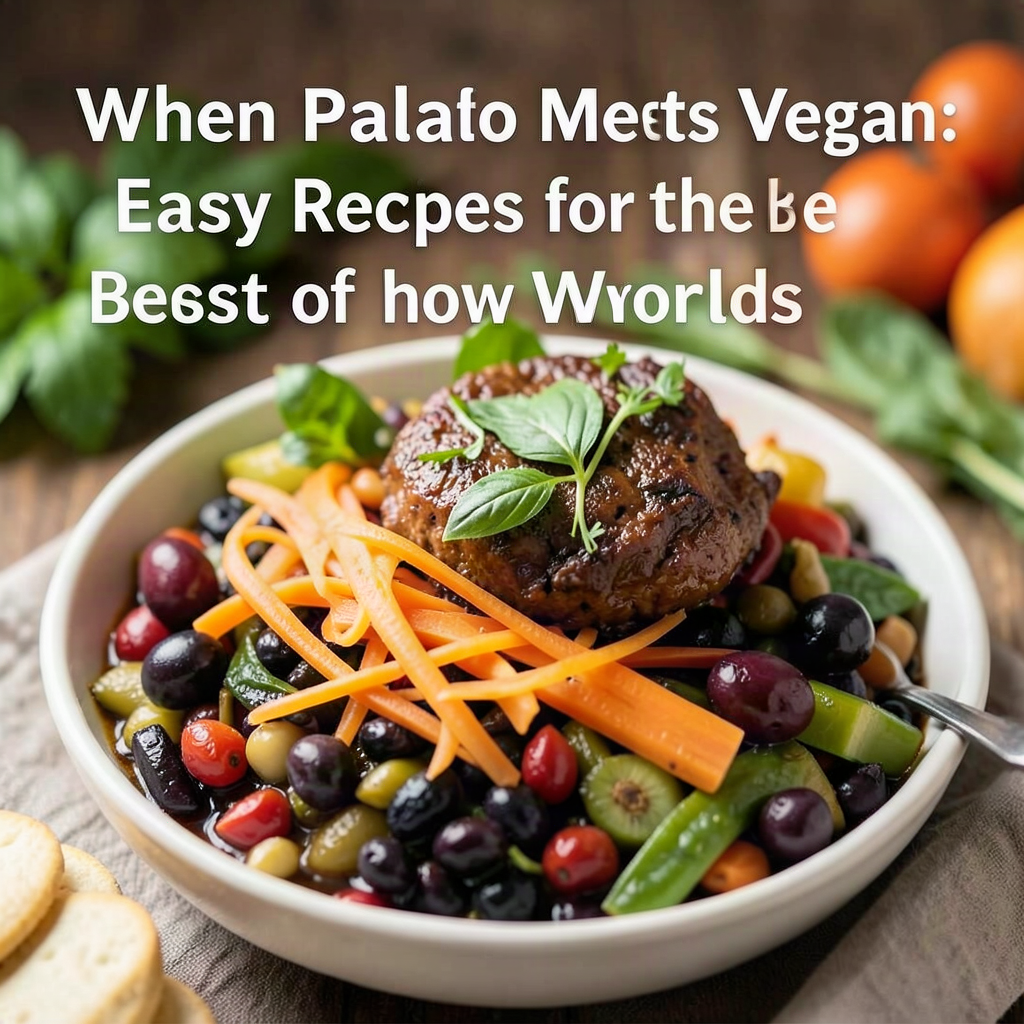
In the world of modern nutrition, we often find ourselves caught between two seemingly opposing ideologies: the Paleo diet, which emphasizes ancestral eating with a focus on animal proteins and healthy fats, and the Vegan diet, which champions plant-based living for ethical and health reasons. For years, these two camps were seen as polar opposites. However, a new paradigm has emerged that bridges the gap, taking the most scientifically sound principles from both to create a sustainable, health-optimizing way of eating. This is often referred to as the “Pegan” diet. By focusing on whole, unprocessed foods and a heavy emphasis on plants, this hybrid approach offers a flexible framework that promotes longevity, reduces inflammation, and supports overall vitality.
The beauty of combining Paleo and Vegan principles lies in the shared goal of both movements: the elimination of processed sugars, refined grains, and industrial seed oils. When we strip away the marketing jargon, both diets encourage us to return to the earth for our sustenance. The Pegan approach recognizes that while plants should make up the vast majority of our plates, the high-quality fats and proteins often found in Paleo protocols can provide essential nutrients that are sometimes harder to source in a strictly vegan lifestyle. Conversely, the high-fiber, phytonutrient-rich focus of veganism ensures that we aren’t over-consuming animal products at the expense of our gut microbiome and antioxidant intake. This article explores how to navigate this middle ground with ease, providing you with the knowledge and recipes to thrive in the best of both worlds.
The Rise of the Pegan Diet: A Harmonious Middle Ground
The concept of the Pegan diet was popularized by Dr. Mark Hyman, who realized that the most effective way to eat for health wasn’t to choose one extreme over the other, but to combine them. At its core, this philosophy is about being “food-smart.” It moves away from the tribalism of diet culture and focuses on what the body actually needs: nutrient density, stable blood sugar, and a healthy inflammatory response. The Pegan diet isn’t just a list of restrictions; it is a celebration of high-quality ingredients.
One of the primary reasons this approach has gained traction is its focus on the glycemic load. Both Paleo and Vegan diets can sometimes fall into the trap of high-sugar consumption—Paleo through excessive honey or maple syrup in “paleo treats,” and Vegan through refined carbohydrates like white bread and pasta. The Pegan middle ground prioritizes low-glycemic fruits and vegetables, ensuring that your energy levels remain stable throughout the day. By choosing berries over bananas and sweet potatoes over white potatoes, you provide your body with slow-burning fuel that prevents the insulin spikes associated with chronic disease.
Furthermore, this approach addresses the environmental and ethical concerns of modern food production. By emphasizing organic, locally sourced plants and, if you choose to include them, sustainably raised animal products, the Pegan lifestyle aligns with a more conscious way of living. It encourages us to look at our plates not just as fuel, but as a connection to the ecosystem. For those who choose to stay 100% vegan within the Pegan framework, the focus shifts to sourcing protein from seeds, nuts, and specific legumes that are prepared in a way to minimize anti-nutrients, though many Pegan purists suggest keeping legumes to a minimum.
The Golden Rules of Pegan Eating
To successfully merge Paleo and Vegan lifestyles, it helps to follow a few simple, foundational rules. These guidelines ensure that you are getting the best of both worlds without feeling overwhelmed by conflicting advice. The first and most important rule is the “75% Rule.” This means that roughly three-quarters of your plate should be covered in colorful, non-starchy vegetables. Think of meat or heavy plant proteins as a “condiment” or a side dish rather than the main event. This shift in perspective ensures a high intake of fiber and micronutrients.
The second rule focuses on the quality of fats. In the Pegan world, fats are not the enemy; they are essential for brain health and hormone production. However, not all fats are created equal. You should prioritize omega-3 fatty acids from sources like walnuts, chia seeds, flaxseeds, and, if you eat fish, wild-caught salmon. Avoid inflammatory oils like soybean, corn, and canola oil, opting instead for extra virgin olive oil, avocado oil, and coconut oil. These fats are stable and provide the satiety needed to prevent overeating.
The third rule is the strict avoidance of dairy and gluten. Both Paleo and Vegan diets often exclude dairy (though for different reasons), and the Pegan approach follows suit, citing the inflammatory potential of A1 casein and lactose for many individuals. Gluten is also avoided due to its impact on gut permeability. While some gluten-free grains like black rice or quinoa are occasionally permitted in small amounts, the primary focus remains on grain-free living. Finally, sugar is treated as a rare treat rather than a daily staple. By sticking to these rules, you create a biological environment where your body can heal and thrive.
Building Your Pegan Pantry: Must-Have Ingredients
Transitioning to a Pegan lifestyle is significantly easier when your kitchen is stocked with the right essentials. Because you are moving away from processed convenience foods, your pantry becomes your laboratory for health. Start with a variety of nuts and seeds. Raw almonds, walnuts, pecans, hemp hearts, and pumpkin seeds are excellent sources of protein and healthy fats. They can be used to make grain-free granolas, creamy sauces, or simply enjoyed as a quick snack.
Next, focus on your oils and vinegars. A high-quality extra virgin olive oil is a must for drizzling over salads and finished dishes, while avocado oil is perfect for high-heat roasting. Apple cider vinegar and balsamic vinegar add brightness and acidity to meals without the need for sugary dressings. For flour alternatives, keep almond flour and coconut flour on hand; these allow you to create Pegan-friendly breads and muffins that won’t spike your blood sugar. Nut butters, specifically almond or cashew butter, are also staples for adding creaminess to smoothies or satiety to a piece of fruit.
Don’t forget the flavor enhancers. Because the Pegan diet relies on whole foods, spices and herbs are your best friends. Stock up on turmeric, ginger, garlic, cumin, and smoked paprika. These don’t just add flavor; they bring powerful anti-inflammatory and antioxidant properties to every meal. Nutritional yeast is another great pantry addition, providing a cheesy flavor for vegan dishes while offering a boost of B-vitamins. Finally, ensure you have a steady supply of sea salt and black pepper to bring out the natural flavors of your fresh produce.
Breakfast Recipes to Kickstart Your Metabolism
Breakfast in a Pegan lifestyle looks very different from the standard cereal and milk or toast and jam. Instead, it focuses on protein, healthy fats, and fiber to set a stable tone for the day. One of the easiest and most delicious Pegan breakfasts is a Green Power Smoothie. Blend two cups of spinach, half an avocado, a tablespoon of almond butter, a scoop of hemp seeds, and a handful of frozen blueberries with unsweetened almond milk. This smoothie is packed with phytonutrients and healthy fats that will keep you full until lunch.
For those who prefer a warm breakfast, consider a Sweet Potato and Kale Hash. Sauté diced sweet potatoes in a little avocado oil until tender, then add chopped kale, onions, and a dash of smoked paprika. If you include eggs in your diet, you can top this with a poached egg; if you are strictly vegan, add some crumbled tempeh or simply a generous sprinkle of toasted pumpkin seeds. The combination of complex carbohydrates and fiber provides a steady release of energy without the mid-morning crash.
Another excellent option is Grain-Free “Oatmeal” made from a base of hemp seeds, chia seeds, and shredded coconut. Simply simmer these ingredients with coconut milk and a cinnamon stick until thick and creamy. Top with fresh raspberries and a few walnuts. This dish mimics the comfort of traditional porridge but without the grains that can cause bloating or blood sugar instability. It’s a perfect example of how the Pegan diet adapts traditional favorites into health-conscious masterpieces.
Nutrient-Dense Lunch Bowls and Salads
Lunch is the perfect time to implement the 75% plants rule. A Pegan Rainbow Bowl is a versatile and satisfying option. Start with a base of massaged kale or mixed baby greens. Add a variety of colorful raw and roasted vegetables: shredded carrots, sliced radishes, roasted beets, and cucumbers. For protein, add a handful of roasted chickpeas (if you include some legumes) or a serving of grilled wild-caught salmon or chicken. Top it off with a creamy tahini dressing made from tahini, lemon juice, and garlic.
If you’re looking for something more substantial, try a Cauliflower Rice Tabbouleh. Traditional tabbouleh uses bulgur wheat, but by pulsing raw cauliflower in a food processor, you create a grain-free base that is just as satisfying. Mix the cauliflower “rice” with an abundance of chopped parsley, mint, tomatoes, and green onions. Dress it with plenty of lemon juice and extra virgin olive oil. This salad is incredibly refreshing and can be prepped in large batches for the week ahead. It pairs beautifully with a side of sliced avocado or a few olives.
For a warm lunch, a Zucchini Noodle Pesto Bowl is a fantastic choice. Use a spiralizer to create long strands of zucchini, then toss them with a homemade vegan pesto made from basil, pine nuts, garlic, and olive oil. To keep it Pegan, omit the parmesan cheese and use nutritional yeast instead. You can add sun-dried tomatoes and toasted walnuts for extra texture and flavor. This meal is light yet nutrient-dense, providing a wealth of antioxidants and healthy fats while keeping your carbohydrate intake low.
Satisfying Dinners: Plants as the Main Event
Dinner on the Pegan diet is about elegance and simplicity. A favorite in many households is the Roasted Root Vegetable Medley with Lemon-Herb Tahini. Toss Brussels sprouts, carrots, parsnips, and red onions in avocado oil and sea salt, then roast until caramelized. Serve these over a bed of arugula and drizzle with a thick tahini sauce. The natural sweetness of the roasted vegetables paired with the earthy tahini creates a deeply satisfying meal that feels indulgent but is entirely plant-based and Paleo-compliant.
Another hearty dinner option is Stuffed Bell Peppers. Instead of the traditional rice and meat filling, use a mixture of sautéed mushrooms, walnuts, and finely chopped spinach. Season the mixture with Italian herbs and garlic, then bake inside halved bell peppers until the peppers are soft. This dish is rich in umami flavor thanks to the mushrooms and provides a great source of plant-based protein and healthy fats from the walnuts. It’s a visually stunning meal that proves you don’t need grains or dairy to create a “complete” dinner.
For those who enjoy seafood, a Sheet Pan Lemon Herb Cod with asparagus and cherry tomatoes is a quick and healthy Pegan dinner. The fish provides high-quality protein and omega-3s, while the vegetables roast alongside it for easy cleanup. If you are staying vegan, you can replace the fish with thick slices of roasted cauliflower or “steaks” made from large portobello mushrooms. The key is to keep the seasonings fresh and the vegetable portions large. Finishing the dish with a squeeze of fresh lemon and a sprinkle of fresh parsley elevates the flavors and adds a boost of Vitamin C.
Pegan-Friendly Snacks and Guilt-Free Desserts
Snacking on a Pegan diet doesn’t have to be boring. The goal is to avoid the “empty calories” of processed snacks and choose foods that provide genuine nourishment. Apple slices with almond butter and a sprinkle of hemp seeds is a classic for a reason—it offers the perfect balance of fiber, fat, and protein. Another great option is homemade kale chips. Simply toss kale leaves in olive oil and sea salt, then bake until crispy. They provide a satisfying crunch without the inflammatory oils found in store-bought potato chips.
When it comes to desserts, the Pegan approach focuses on the natural sweetness of whole fruits and the richness of healthy fats. An Avocado Cacao Mousse is a revelation for many. Blend a ripe avocado with raw cacao powder, a touch of maple syrup (use sparingly), and a splash of vanilla extract. The result is a decadently creamy chocolate mousse that is loaded with potassium and antioxidants. It satisfies the sweet tooth while providing nutrients that support heart health and mood.
For a lighter treat, try Baked Pears with Cinnamon and Walnuts. Halve a few pears, sprinkle them with cinnamon, and top with crushed walnuts. Bake until the pears are soft and fragrant. This dessert is naturally sweet and incredibly comforting, making it perfect for cooler evenings. By focusing on these types of whole-food desserts, you can enjoy a sweet treat without the sugar crash or the inflammation associated with refined flours and sugars.
Practical Meal Prep Strategies for the Busy Professional
The key to success with any lifestyle change, especially one that involves cooking from scratch, is preparation. For the Pegan diet, this starts with a weekly “prep day.” Spend a couple of hours on Sunday washing and chopping your vegetables. Having pre-cut peppers, carrots, and broccoli in the fridge makes it much easier to throw together a quick stir-fry or salad after a long day at work. You can also roast a large batch of sweet potatoes or beets to use as toppers for your lunch bowls throughout the week.
Another effective strategy is to make your own dressings and sauces. Store-bought versions are often filled with sugar and poor-quality oils. In ten minutes, you can whip up a large jar of lemon-tahini dressing, a batch of basil pesto, and a simple balsamic vinaigrette. These can be stored in the fridge for up to a week and will instantly elevate any simple meal. Additionally, consider “batch cooking” your proteins or grain-free bases like cauliflower rice. Having these ready to go significantly reduces the temptation to order takeout.
Finally, utilize your freezer. Many Pegan-friendly meals, like vegetable soups or stews, freeze exceptionally well. When you make a pot of Curried Butternut Squash Soup, double the recipe and freeze half in individual portions. On nights when you’re too tired to cook, you’ll have a nutrient-dense, Pegan-compliant meal ready in minutes. This proactive approach takes the guesswork out of eating well and ensures that your health goals remain a priority even during your busiest weeks.
Navigating the Challenges: Grains, Legumes, and Social Pressure
One of the most challenging aspects of the Pegan diet is navigating the restrictions on grains and legumes. While some people find they can tolerate small amounts of black beans or lentils, others find that these foods cause digestive distress or inflammation. The Pegan approach suggests treating these as “side dishes” rather than staples, limiting them to about half a cup per day. If you find you feel better without them entirely, focus on increasing your intake of nuts, seeds, and starchy vegetables like squash to ensure you’re getting enough energy.
Social situations can also be a hurdle. When eating at a restaurant, the easiest way to stay Pegan is to look for “big salads” or grilled protein options. Don’t be afraid to ask for modifications—most restaurants are happy to swap out a side of fries for extra steamed vegetables or to provide olive oil and vinegar instead of a processed dressing. The goal isn’t perfection; it’s about making the best possible choice in any given environment. If you’re attending a dinner party, offer to bring a Pegan-friendly side dish like a roasted vegetable platter or a vibrant salad. This ensures there’s something healthy for you to eat and introduces your friends to how delicious this way of eating can be.
Ultimately, the Pegan lifestyle is about flexibility and listening to your body. It’s a framework, not a cage. If you find that you need a bit more protein or that certain vegetables don’t agree with you, adjust accordingly. The most important thing is the commitment to whole, real foods and the reduction of inflammatory triggers. By focusing on the abundance of what you *can* eat—vibrant plants, healthy fats, and clean proteins—you’ll find that the “best of both worlds” is not just a diet, but a sustainable and joyful way of living.
Optimizing Plant-Based Protein Without Grain Reliance
One of the most persistent hurdles in the Pegan framework is achieving adequate protein intake while adhering to the Paleo-inspired restriction on grains and most legumes. While traditional veganism relies heavily on soy, beans, and seitan, the Pegan approach requires a more nuanced strategy. To bridge this gap, focus on “high-density” plant proteins that carry a low glycemic load and minimal anti-nutrients. Hemp hearts are perhaps the most versatile tool in this category. They are a complete protein source, containing all nine essential amino acids, and their fatty acid profile is perfectly balanced between omega-3 and omega-6. Incorporating three tablespoons of hemp hearts into a meal adds roughly 10 grams of protein without any significant impact on blood sugar.
Beyond hemp, pumpkin seeds (pepitas) and sacha inchi seeds are underutilized powerhouses. Sacha inchi, in particular, offers a protein concentration that rivals many animal sources and is easily digestible. For those who choose to include some legumes, the Pegan focus shifts to “ancestral” preparation methods. Lupini beans are an excellent edge case; they are significantly higher in protein and lower in carbohydrates than chickpeas or black beans. When prepared traditionally—soaked and fermented—they lose the majority of their alkaloids and become a keto-friendly, Pegan-compliant snack or salad topper. If you are including soy, it must be organic and fermented, such as tempeh or natto. Fermentation breaks down the phytates and isoflavones that some Paleo proponents find problematic, making these foods a bridge between the two worlds.
For the Paleo-leaning individual who consumes animal products, the Pegan rule is to treat these items as “condiments.” This means sourcing 4 to 6 ounces of grass-fed beef, pasture-raised poultry, or wild-caught fish as a flavor enhancer rather than the centerpiece. By slicing a small amount of steak thinly over a massive bed of bitter greens and roasted radishes, you achieve the nutrient density of the meat—specifically the heme iron and B12—without the inflammatory potential of a high-meat, low-fiber diet. This synergy ensures that the body receives the anabolic signals required for muscle maintenance while remaining in a state of high-fiber, antioxidant-rich alkalinity.
The Art of Sprouting and Fermenting for Bioavailability
The Paleo critique of plant-based diets often centers on “anti-nutrients” like lectins and phytic acid, which can bind to minerals and prevent their absorption. To harmonize Paleo and Vegan principles, one must master the art of sprouting and fermentation. Sprouting seeds and the few allowed legumes (like lentils or mung beans) triggers a biological shift in the plant, activating enzymes that neutralize phytic acid and increase the levels of Vitamin C, folate, and magnesium. This process essentially “pre-digests” the food, making it much gentler on the gut lining, which is a primary concern for those following Paleo protocols for autoimmune reasons.
Fermentation serves a dual purpose: it preserves the harvest and introduces a diverse array of probiotics into the diet. While many vegans rely on kombucha, a Pegan-focused fermentation practice emphasizes low-sugar vegetable ferments. Kimchi, sauerkraut, and fermented ginger carrots are essential. These foods provide the “living” component often missing from cooked-only Paleo diets. The lactic acid produced during fermentation not only adds a complex tang to dishes but also improves the bioavailability of the phytonutrients in the vegetables themselves. For example, the sulforaphane in cabbage is more easily utilized by the body when consumed in the form of raw sauerkraut.
When incorporating nuts and seeds—staples of both diets—soaking is non-negotiable. Soaking walnuts or almonds in salted water for 8 to 12 hours and then dehydrating them at low temperatures (below 115°F) mimics the traditional preparation methods of ancestral cultures. This “activates” the nut, making the fats more stable and the proteins more accessible. This level of preparation turns a simple snack into a functional food that supports the gut microbiome rather than irritating it, satisfying the strict requirements of both dietary camps.
Beyond the Salad: Advanced Vegetable Cooking Techniques
When 75% of your plate is comprised of plants, the standard steamed broccoli or raw kale salad can quickly lead to palate fatigue. To sustain a Pegan lifestyle, you must employ culinary techniques that elevate vegetables to the status of a “main event.” One such technique is dry-roasting or “charring” cruciferous vegetables. By roasting cauliflower or Brussels sprouts at high heat without oil initially, you trigger the Maillard reaction more effectively, creating a deep, umami-rich flavor profile that mimics the savory quality of roasted meats. Once the vegetables have achieved a golden-brown crust, they can be tossed in high-quality fats like avocado oil or ghee (if dairy-sensitive rather than strictly vegan) and finished with fresh herbs.
Another technique is the use of “vegetable confit.” Slow-cooking garlic, shallots, and cherry tomatoes in a bath of extra virgin olive oil at a very low temperature creates a rich, jam-like consistency that serves as a powerful flavor base for any dish. This oil can then be used as a finishing drizzle, providing the healthy monounsaturated fats that both Paleo and Vegan diets prize. For those missing the texture of grains, consider using “shredded” mushrooms. King oyster mushrooms, when shredded with a fork and sautéed until crispy, provide a texture remarkably similar to pulled pork or chicken. This allows for the creation of Pegan “tacos” using large butter lettuce leaves or jicama wraps.
Braising is also an excellent way to prepare heartier vegetables like collard greens, leeks, or fennel. Instead of using water, use a mineral-rich vegetable umami broth made from dried shiitake mushrooms, kombu (seaweed), and nutritional yeast. This infuses the vegetables with deep flavor and a boost of iodine and B-vitamins. By treating vegetables with the same respect and complexity usually reserved for proteins, you ensure that the Pegan diet feels like a culinary indulgence rather than a restriction.
Micronutrient Synergy: Bridging the Nutritional Gaps
The true power of the Pegan approach lies in how it addresses the inherent weaknesses of its parent diets. A strictly vegan diet can be low in fat-soluble vitamins (A, D, K2) and certain minerals like zinc and iron, while a strictly Paleo diet may lack the diverse fiber types necessary for a robust microbiome. By combining them, you create micronutrient synergy. For instance, the carotenoids (pro-vitamin A) found in carrots and sweet potatoes are fat-soluble, meaning they require dietary fat for absorption. By pairing these vegetables with the healthy fats emphasized in Paleo—such as avocado or walnut oil—you significantly increase the conversion of beta-carotene into active retinol.
Vitamin K2 is another critical nutrient often missing from vegan diets, as it is primarily found in fermented animal products or specific fermented soy like natto. A Pegan approach encourages the consumption of natto or high-quality grass-fed butter/ghee (for those who tolerate it), which works in tandem with the Vitamin D and Calcium found in leafy greens to ensure proper bone mineralization and arterial health. This prevents the “calcium paradox,” where calcium deposits in the arteries rather than the bones.
Furthermore, the high intake of Vitamin C from the plant-heavy Pegan plate enhances the absorption of non-heme iron from seeds and leafy greens. When you add a squeeze of lemon juice to a spinach and hemp heart salad, you are chemically altering the iron to make it more absorbable. This focus on how nutrients interact—rather than just their individual quantities—is what makes the Pegan diet a sophisticated tool for long-term health. It moves beyond the “macros” and into the realm of cellular optimization.
The Pegan Liquid Cabinet: Hydration and Infusions
Hydration in a Pegan context goes far beyond drinking eight glasses of water a day. Because this diet is naturally low in sodium (due to the elimination of processed foods), it is vital to focus on electrolyte balance and functional beverages. Herbal infusions are a cornerstone of this. Dandelion root tea, for example, supports liver detoxification and provides a roasted, coffee-like flavor without the acidity or caffeine jitters. Nettle tea is another Pegan favorite, acting as a “liquid multivitamin” rich in iron, calcium, and magnesium.
For those who include animal products, bone broth is the ultimate Pegan “tonic.” It provides collagen and glycine, which are essential for gut repair and joint health—nutrients that are difficult to find in purely plant-based sources. For strict vegans, a “mineral broth” made from seaweed, medicinal mushrooms (like reishi or lion’s mane), and root vegetables can provide a similar, albeit different, spectrum of support. These broths can be used as a base for soups or sipped warm throughout the day to maintain satiety and steady energy levels.
Avoid the “liquid sugar” trap that many people fall into when trying to be healthy. Even cold-pressed fruit juices can cause a significant insulin spike. Instead, opt for “infused waters” using cucumber, mint, and lime, or a splash of apple cider vinegar in sparkling water. The acetic acid in apple cider vinegar has been shown to improve insulin sensitivity when consumed before a meal, making it a perfect Pegan aperitif. Golden milk, made with unsweetened coconut milk, turmeric, black pepper, and ginger, serves as a powerful anti-inflammatory evening ritual that supports sleep and recovery without the need for dairy or refined sweeteners.
Navigating the Seasons: Sourcing and Sustainability
A core tenet of the Pegan philosophy is the connection between the health of the individual and the health of the planet. This means that *what* you eat is just as important as *when* you eat it. Seasonal eating is not just a culinary trend; it is a way to ensure you are getting the highest nutrient density possible. A tomato grown in a greenhouse in winter and shipped thousands of miles has a fraction of the vitamin content of a sun-ripened heirloom tomato from a local farm in August. By eating seasonally, you naturally rotate your nutrient intake, providing your body with different phytonutrients throughout the year.
Sustainability also extends to the sourcing of fats and proteins. The Pegan diet advocates for “regenerative” agriculture. This means choosing beef from cattle that are used to restore soil health or choosing perennial crops that don’t require annual tilling. When sourcing fish, the “SMASH” acronym (Sardines, Mackerel, Anchovies, Salmon, Herring) is a useful guide. These smaller fish are lower on the food chain, meaning they contain fewer heavy metals like mercury and are more sustainable to harvest than larger predatory fish like tuna or swordfish.
For the plant-based components, prioritize the “Dirty Dozen” and “Clean Fifteen” lists to minimize pesticide exposure. Since the Pegan diet relies so heavily on produce, reducing the toxic load from glyphosate and other herbicides is crucial for maintaining gut health and hormonal balance. Supporting local farmers’ markets not only reduces your carbon footprint but also allows you to discover heirloom varieties of vegetables—like purple carrots or black radishes—that contain unique anthocyanins and sulfur compounds not found in standard supermarket produce. This diversity is the key to a resilient and thriving biological system.
Advanced Meal Planning: The “Component” Method
To maintain a Pegan diet amidst a busy lifestyle, move away from the idea of cooking complex recipes every night and embrace the “component” method of meal planning. This involves preparing several versatile building blocks that can be assembled in various ways. On your prep day, instead of making one specific stew, roast three different types of vegetables (e.g., a tray of roots, a tray of brassicas, and a tray of alliums), prepare one or two plant proteins (like sprouted lentils or toasted seeds), and whisk together two distinct sauces (such as a lemon-tahini and a spicy almond-ginger sauce).
With these components ready, a meal can be assembled in under five minutes. One night, you might have a bowl of roasted sweet potatoes and kale with lentils and tahini; the next, those same sweet potatoes can be mashed and served alongside grilled salmon and the almond-ginger sauce. This method prevents the “decision fatigue” that often leads to poor dietary choices. It also ensures that you are adhering to the 75% plants rule, as the vegetables are already the most accessible thing in your refrigerator.
Additionally, utilize the power of “flavor bombs.” These are high-impact ingredients that can transform a simple meal. Keep a jar of pickled red onions, a container of toasted dukkah (a Middle Eastern mix of nuts and spices), and a bottle of high-quality truffle oil or coconut aminos on hand. A sprinkle of dukkah over a plain avocado or a dash of coconut aminos on sautéed mushrooms adds the complexity and satisfaction that usually comes from much more labor-intensive cooking. By focusing on systems rather than individual meals, the Pegan lifestyle becomes an effortless and sustainable part of your daily routine.
Frequently Asked Questions
1. Is the Pegan diet suitable for everyone?
While the Pegan diet focuses on nutrient-dense, whole foods which are generally beneficial for most people, it’s always wise to consult with a healthcare professional before making significant dietary changes. Those with specific medical conditions or highly active athletes may need to adjust their intake of carbohydrates or proteins to meet their unique metabolic demands. However, because it is based on real food and avoids processed ingredients, it serves as an excellent foundation for general health and wellness.
2. Can I eat any grains or legumes on a Pegan diet?
The Pegan diet suggests keeping grains and legumes to a minimum. When you do choose to include them, opt for gluten-free, low-glycemic grains like black rice or quinoa, and limit the portion to about half a cup. For legumes, lentils are often the preferred choice as they are generally easier to digest than larger beans. The key is to treat them as a side dish or garnish rather than the main component of the meal.
3. How does the Pegan diet differ from a standard Paleo diet?
The main difference lies in the proportions. A standard Paleo diet often focuses heavily on animal protein, whereas the Pegan diet insists that 75% of the plate be comprised of plants. Peganism also places a stronger emphasis on the environmental impact of food choices and specifically targets the glycemic load of the diet to manage insulin levels more effectively than some versions of Paleo might.
4. Is it possible to be 100% vegan and Pegan?
Yes, it is possible, though it requires more careful planning to ensure adequate protein intake without relying heavily on grains and legumes. A vegan Pegan would focus on high-protein seeds (like hemp and pumpkin seeds), nuts, and perhaps small amounts of fermented soy like tempeh. It’s important for vegan Pegans to monitor their B12 and iron levels, as these can be more challenging to obtain without animal products.
5. What are the best sources of healthy fats in this lifestyle?
Healthy fats are a cornerstone of the Pegan diet. The best sources include avocados, extra virgin olive oil, walnuts, chia seeds, and hemp hearts. If you eat animal products, wild-caught fatty fish like sardines and salmon are excellent sources of omega-3s. These fats help with nutrient absorption, brain function, and keeping you feeling full between meals, which is essential when reducing carbohydrate intake.
Related posts:
 High-Protein Foods That Pack a Serious Nutritional Punch
 Understanding the Paleo Diet
 Mark Hyman’s Guide to Good Fats That Heal Your Body
 Paleo Diet Macro Breakdown
 Vegan vs Plant-Based: Which is Healthier?
 Beyond Breakfast: The Plant-Based Sausage That’s Changing the Morning Game
 Pegan Diet Explained: The Paleo-Vegan Hybrid Taking Over
 Digestive Issues on the Paleo Diet