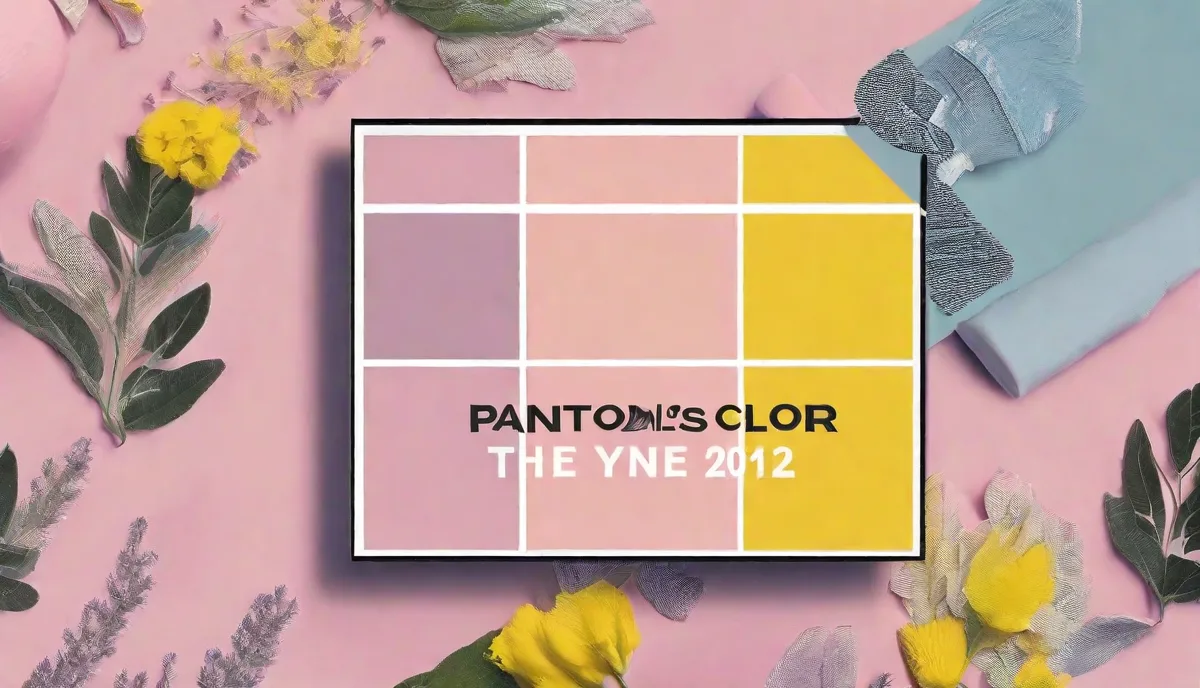
Pantone has announced Illuminating, a bright and cheerful yellow, as the 2021 Color of the Year. After a difficult year, this vibrant shade points to brighter days ahead filled with optimism, joy and connection.
Key takeaways
- Yellow stimulates serotonin but may increase cortisol and disrupt sleep if used as a primary bedroom color.
- Use bright yellow in transitional areas like entryways or breakfast nooks to energize occupants for the day ahead.
- Synthetic fibers like polyester hold yellow pigment better than natural fibers like cotton, which can look muted.
- Avoid placing white text on yellow backgrounds; use deep charcoal or black to ensure readability and accessibility.
- Pair vibrant yellow with Ultimate Gray to balance joyful energy with a sense of composure, endurance, and resilience.
The Meaning Behind Illuminating
As a bright and sunny yellow, Illuminating radiates warmth and positivity. It energizes and lifts the spirit, bringing hope during troubled times. This vibrant color evokes sunlight and reminds us of happiness, vitality and human connection.
Pantone chose Illuminating for its uplifting message. After months of uncertainty, people long for happiness, togetherness and a hopeful future. This sunny yellow promises just that – light at the end of the tunnel and better days to come.
How the Color Was Selected
Each year, Pantone analyzes trends across industries to select the upcoming Color of the Year. Factors like media, entertainment and fashion inform the decision.
This year, Pantone aimed to choose a color conveying a mood of happiness and connectivity. Illuminating, a cheerful yellow, perfectly captured the message of optimism and human togetherness we all hope for in 2021.
Complementary Color – Ultimate Gray
Along with Illuminating, Pantone chose Ultimate Gray as a complementary 2021 color. This muted gray serves as a stable and calming counterpart to the bright energy of Illuminating.
Ultimate Gray brings feelings of composure, endurance and resilience. Together, these two colors offer both happiness and reliability – joyful radiance tempered with steady wisdom.
How to Use Illuminating and Ultimate Gray
In your home, add accents of Illuminating to bring warmth and vibrance to a neutral backdrop. Ultimate Gray serves as a sophisticated foundation upon which lively pops of yellow can shine.
In fashion, pair Illuminating with grayscale patterns and textures for a fresh, modern look. Or use Ultimate Gray as an anchoring neutral with Illuminating in exciting silhouettes.
However you incorporate these two colors, their message seems clear – there is light and wisdom to guide us through dark times.
The Future Is Bright
Will Pantone’s Color of the Year choice influence design over the next 12 months? If previous years offer any indication, then the answer is yes.
Each year, Pantone’s selection permeates the worlds of fashion, graphic design, product design and branding. Since color conveys mood and meaning, Pantone’s optimistic choice of Illuminating Yellow suggests many creatives will embrace radiance and joy in their work.
For now, as 2020 draws to a close, Illuminating offers a ray of sunshine to brighten spirits. Paired with the muted wisdom of Ultimate Gray, this vibrant shade says – the future looks bright.
Technical Specifications and Color Matching for Print and Digital
For designers working within the Adobe Creative Cloud or industrial printing workflows, implementing Illuminating requires precision. Pantone 13-0647 Illuminating is a bright, warm yellow that can behave unpredictably when translated from a backlit screen to a physical substrate. In the CMYK color space, which is the standard for most print collateral, achieving the exact vibrancy of Illuminating is challenging because yellow inks are naturally translucent. To prevent a “washed out” look, printers often recommend a spot color application using the Pantone Matching System (PMS) rather than a standard four-color process mix. For digital displays, the sRGB equivalent (approximately R:245, G:223, B:77) provides the necessary luminosity, but designers must be wary of color shift on lower-quality mobile devices, where yellow can quickly lean toward an acidic, neon green or a dull butterscotch.
Psychological Impact in Interior Architecture
Beyond its aesthetic appeal, Illuminating functions as a powerful tool in spatial psychology. When applied in interior design, high-chroma yellows like Illuminating stimulate the release of serotonin. However, the application requires caution; because yellow is the most visible color to the human eye, it can cause eye fatigue if used as a primary wall color in high-traffic areas. Instead, interior architects suggest using Illuminating in “transitional zones”—entryways, mudrooms, or breakfast nooks—where the psychological goal is to energize the occupant for the day ahead. Conversely, avoid this shade in bedrooms or home offices where deep focus or relaxation is required, as its high energy levels can inadvertently increase cortisol levels and disrupt sleep cycles or concentration.
Strategic Branding and Consumer Behavior
Brands adopting Illuminating must consider the “Attention Economy.” In retail environments, Illuminating acts as a visual trigger; studies show that yellow packaging significantly increases the speed at which a product is noticed on a crowded shelf. However, the color also carries specific associations with caution and hazard in industrial design and international signage. Brands must balance the cheerfulness of the shade with clean, minimalist typography to avoid looking chaotic or cluttered. When paired with Ultimate Gray, the branding effect creates a “premium-accessible” duality: the gray provides the sophisticated, high-end anchor, while the Illuminating yellow provides the affordable, friendly “call-to-action” that encourages impulse purchases.
Textile Science and Fabric Selection
Translating Illuminating into fashion requires a deep understanding of fabric science and light reflection. Synthetic fibers like polyester and nylon hold the pigment of Illuminating with higher saturation than natural fibers like cotton or linen, which tend to absorb the dye and look more muted. For designers, this means the same color code will look vastly different depending on the material. Illuminating works exceptionally well in high-gloss, synthetic finishes such as technical outerwear or patent leather, where the reflective surface enhances the “sunny” quality of the color. In contrast, matte textiles like wool or heavy linen soften the shade, making it more wearable for conservative silhouettes. When layering, designers should account for the “halo effect” where bright yellow fabrics reflect light onto the wearer’s skin, often casting a warm, golden glow that can complement or clash with different skin undertones.
The Intersection of Illuminating and Sustainable Design
The selection of Illuminating also sparks a conversation about the natural world and the shift toward sustainable, organic palettes. While Illuminating is a synthetic, high-energy shade, it mirrors the colors found in nature—specifically in pollinators like bees and floral biology. Many sustainable fashion brands are utilizing this shade to signal their commitment to environmental biodiversity. By pairing it with the stony, mineral-inspired tones of Ultimate Gray, companies are creating a visual narrative that bridges the gap between the industrial (gray) and the natural (yellow). This pairing is increasingly popular in eco-conscious packaging, where designers use recycled, gray-toned cardboard as the base material to highlight the Illuminating-colored branding, emphasizing that the product is both modern and earth-friendly.
Navigating the Challenges of High-Contrast Design
The combination of Illuminating and Ultimate Gray is a lesson in high-contrast visual hierarchy. In graphic design, the danger lies in the “vibration” effect—when two colors of high intensity are placed directly against each other, the human eye struggles to focus, creating a blurry, vibrating edge. To mitigate this, designers should use Ultimate Gray as the primary background and Illuminating as a secondary accent. When text is involved, never place white text directly over Illuminating, as the lack of contrast will render the information inaccessible. Instead, utilize deep charcoal or black text for readability. This practical approach ensures that the design remains inclusive for users with visual impairments while maintaining the bold, optimistic aesthetic that Pantone intended for the 2021 color story.
FAQ
What is Pantone?
Pantone is an authority on commercial color reproduction. Known for their proprietary matching system, Pantone creates and standardizes color palettes for design professionals.
When did Pantone start choosing a Color of the Year?
Pantone first began selecting an annual Color of the Year in 2000. The 2020 selection Ultimate Gray and Illuminating Yellow marks the 22nd year.
How do I use Pantone colors?
Designers and brands license Pantone colors to ensure accurate color reproduction across production materials like printing, textiles, plastics and coatings.
What was the 2020 Color of the Year?
For 2020, Pantone chose not one but two Colors of the Year: Ultimate Gray and Classic Blue. These offered solidity and calm during uncertain times.
How did Pantone select Illuminating yellow?
After analyzing 2021 trends across industries, Pantone designers chose Illuminating to capture a mood of happiness and positivity for the coming year.
Related posts:
 Spring Fling Fingers: The Nail Colors That Scream New Season Energy
 Neon Trend Alert: How to Wear Bright Colors Without Looking Like a Highlighter
 Your 2021 Year-In-Review Planner, Based On Your Zodiac Sign
 Best Podcast Moments of 2021
 Living Coral Takes Over: Why Pantone’s 2019 Color Choice Will Change Everything
 Cariuma’s New Pantone Collection
 Yellow Is the New Neutral: Decor Trend Taking Over Homes
 Gray Hair Treatment Options