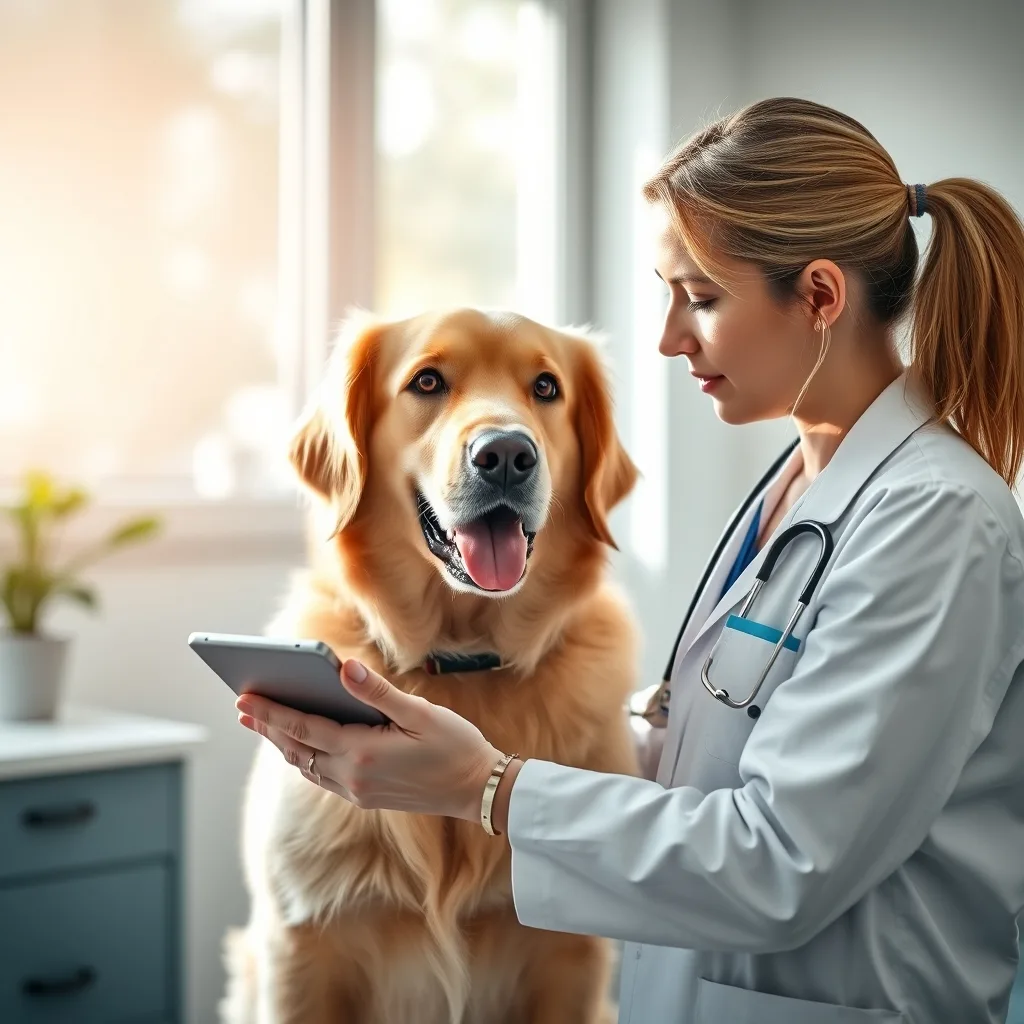
For centuries, the bond between humans and dogs has been built on a foundation of intuition and observation. We learn to read the subtle wag of a tail, the specific pitch of a bark, or the expectant look near the food bowl. However, dogs are masters of stoicism. Evolutionary instincts drive them to hide pain and discomfort, a survival mechanism inherited from their wild ancestors. By the time a dog shows visible signs of illness, the condition is often well-advanced. This communication gap has long been the greatest challenge for even the most dedicated pet parents. Enter the era of advanced pet technology: the “Pawsome Health Check” concept. Modern dog health apps are no longer just simple logs for vaccination dates; they have evolved into sophisticated diagnostic tools that utilize artificial intelligence, wearable sensors, and big data to understand your dog’s physiology and behavior with a precision that exceeds human observation.
Key takeaways
- Use wearable sensors to establish a personalized health baseline for your dog rather than relying on generic breed standards.
- Monitor changes in resting respiratory and heart rates during sleep to identify early signs of cardiovascular or internal health issues.
- Track repetitive behaviors like scratching or licking to detect allergies, anxiety, or infections before visible symptoms appear.
- Share exported health data reports with your veterinarian to provide objective evidence for more accurate diagnoses and treatment plans.
- Integrate caloric intake with tracked energy expenditure to manage your dog's weight and prevent obesity-related diseases.
The Evolution of Pet Care: From Intuition to Data
In the past, pet care was largely reactive. You noticed your dog limping, you went to the vet. You noticed they weren’t eating, you sought help. The shift toward proactive care is being driven by the democratization of veterinary-grade data. Just as humans use smartwatches to track their sleep cycles and heart rate variability, the “Pawsome Health Check” approach applies these same principles to our canine companions. This evolution is critical because dogs cannot tell us when they have a dull headache, a slight stiffening in their joints, or a fluctuating heart rate.
By leveraging data, we move away from the “I think he feels okay” mindset to “I know his resting respiratory rate has increased by 15% over the last three days.” This granular level of detail allows for early intervention, which is often the difference between a simple treatment and a costly, traumatic emergency procedure. The modern health app acts as a 24/7 guardian, identifying patterns that the human eye, no matter how loving, simply cannot detect during the hustle and bustle of daily life.
How Smart Pet Apps Work: Decoding the Technology
At the heart of any comprehensive dog health app is a combination of hardware and software. Most high-end systems utilize a wearable device—often a small tracker attached to the collar—equipped with 3-axis accelerometers and, in some cases, GPS and temperature sensors. These devices capture thousands of data points per second, recording every shake, scratch, sleep position, and step. This raw data is then processed through machine learning algorithms specifically trained on canine biomechanics.
For example, an app can distinguish between a dog scratching an occasional itch and the repetitive, frantic scratching associated with an allergic flare-up or flea infestation. It can differentiate between a deep, restorative sleep and a restless night spent adjusting due to joint pain. The “smart” aspect of these apps comes from the baseline. After a week or two of wear, the app establishes a “normal” profile for your specific dog. This is vital because a “normal” activity level for a three-year-old Border Collie is vastly different from that of an eleven-year-old Basset Hound. The app doesn’t just compare your dog to a generic standard; it compares your dog to themselves.
Monitoring Vital Signs and Activity Levels
One of the most powerful features of a comprehensive health app is the ability to monitor vitals and activity without causing stress to the animal. Resting Respiratory Rate (RRR) and Resting Heart Rate (RHR) are two of the most significant indicators of cardiovascular health and internal comfort. Many apps now use proprietary algorithms to estimate these metrics while the dog is in a deep sleep, providing a level of accuracy that was previously only possible in a clinical setting.
Activity tracking goes far beyond a simple step count. It categorizes movement into intensities: sedentary, low, moderate, and high. A sudden drop in “high-intensity” play, even if the total step count remains similar, can indicate the early onset of lethargy or exercise intolerance. Conversely, an increase in nighttime activity might suggest cognitive dysfunction or physical discomfort that prevents the dog from settling. For instance, a Labrador who usually sleeps through the night but begins pacing at 3:00 AM may be experiencing the early stages of arthritis or a urinary tract infection. The app flags these deviations long before the owner notices a change in the dog’s daytime demeanor.
Nutritional Tracking and Weight Management
Obesity is the leading preventable cause of death in dogs, contributing to diabetes, joint failure, and heart disease. Most owners struggle to accurately assess their dog’s body condition score, often underestimating their pet’s weight. A “Pawsome Health Check” app removes the guesswork by integrating caloric intake with energy expenditure. By inputting the specific brand and type of food you use, the app can calculate exactly how many grams or cups your dog needs based on their actual activity that day.
Practical application of this feature is transformative. If your dog had a particularly lazy day due to rain, the app might suggest reducing their dinner portion by 10%. If you spent the afternoon hiking, it might recommend a slight increase. Furthermore, these apps often include a database of ingredients to help identify potential triggers for dogs with sensitive stomachs. By logging bowel movements and skin condition alongside diet, the app can help you and your vet identify food sensitivities with scientific rigor rather than trial and error.
Behavior Analysis: Detecting the Signs You Might Miss
Dogs communicate through behavior, but much of that communication is “invisible” because it happens when we aren’t looking or because the signs are too subtle to register. Advanced health apps track behaviors like licking, scratching, and head shaking. While all dogs do these things, an increase in frequency is often a sign of a medical issue. Excessive paw licking can indicate anxiety or environmental allergies, while frequent head shaking often points to an ear infection.
Anxiety is another area where data excels. Separation anxiety often manifests in behaviors that occur immediately after the owner leaves—pacing, whining, or destructive chewing. An app with behavioral monitoring can provide a timeline of these events, helping owners understand the severity of their dog’s distress. This data is invaluable for animal behaviorists and trainers, as it provides an objective look at the dog’s emotional state in their natural environment, free from the “white coat syndrome” that often masks behaviors at a vet clinic.
Preventive Care and Early Detection
The true value of a health app lies in its ability to predict the future. By analyzing long-term trends, the software can identify the slow slide into chronic conditions. For example, a gradual increase in water consumption and frequency of urination (tracked through log entries or smart water bowls integrated with the app) can be an early warning sign of kidney disease or Cushing’s disease. Early detection of these conditions can add years to a dog’s life and significantly reduce treatment costs.
Consider the case of a senior Beagle. The owner might assume the dog is “just slowing down due to age.” However, the app data shows a sharp decline in activity specifically during the first hour after waking up. This pattern is classic for osteoarthritis—stiffness that improves with movement. Armed with this specific data, the vet can prescribe targeted pain relief or joint supplements, returning the dog to a high quality of life that might otherwise have been lost to the assumption of “old age.”
Integrating App Data with Veterinary Visits
One of the most common frustrations for veterinarians is the “vague history.” When a vet asks, “How long has he been coughing?” or “When did the lethargy start?”, many owners struggle to provide accurate dates. A health app changes this dynamic entirely. Most “Pawsome Health Check” style apps allow you to export a health report—a PDF or digital dashboard that you can email to your vet before your appointment.
This report provides a comprehensive overview of the dog’s vitals, activity, and behaviors over the preceding weeks or months. It allows the vet to see the “real” dog, not just the stressed version in the exam room. This data-driven approach leads to more accurate diagnoses and more personalized treatment plans. It also creates a collaborative relationship between the pet owner and the professional, where decisions are based on objective evidence rather than subjective memory. In some cases, the data might even save you a trip to the vet, as you can use the app’s built-in telehealth features to consult with a professional about whether a specific symptom warrants an in-person visit.
Choosing the Right Health App for Your Dog
Not all pet health apps are created equal. When selecting the right tool for your dog, consider the following criteria:
- Hardware vs. Software: Decide if you need a dedicated wearable (more accurate for vitals and activity) or if a manual logging app is sufficient for your needs.
- Breed-Specific Logic: Ensure the app uses algorithms tailored to your dog’s breed, age, and weight. A Great Dane has very different health markers than a Toy Poodle.
- User Interface: The app should be easy to use. If logging a meal or a walk feels like a chore, you won’t do it consistently.
- Battery Life and Durability: If using a wearable, it needs to be waterproof and have a battery that lasts at least several days to ensure continuous data collection.
- Data Privacy: Check the app’s policy on data sharing. Your dog’s health data should be secure and used only to improve the service or help your vet.
The best apps are those that provide actionable insights rather than just raw numbers. Look for features that explain *why* a certain metric matters and what steps you should take next. The goal is to reduce your anxiety as a pet parent, not to give you more things to worry about.
The Ethics and Privacy of Pet Data
As we integrate more technology into our pets’ lives, we must consider the ethical implications. Who owns the data? Most companies use anonymized data to improve their algorithms, which benefits the entire canine population. For instance, by analyzing data from thousands of Golden Retrievers, researchers can better understand the early signs of hemangiosarcoma, a common cancer in the breed.
However, users should be aware of how their personal information (and their location, if using GPS trackers) is stored. Always read the terms of service to ensure your data isn’t being sold to third-party marketers without your consent. Furthermore, technology should never replace the physical bond. An app is a tool to enhance your understanding, but it cannot replace the feeling of your dog’s coat, the smell of their breath (which can also indicate health issues), or the intuitive connection you share. Use the data to inform your love, not to automate it.
Managing the Pack: Multi-Pet Synchronization and Behavioral Dynamics
For households with multiple dogs, the utility of a health app expands from individual monitoring to the complex analysis of pack dynamics. When two or more dogs live together, their health and activity levels are often intrinsically linked. Advanced apps now offer multi-pet dashboards that allow owners to overlay the data of one dog against another. This is particularly useful for identifying the “influence factor.” For instance, if a high-energy puppy is introduced to a home with a senior dog, the app might show a 20% increase in the senior dog’s activity. While this might initially seem positive, a granular look at sleep quality data might reveal that the senior dog is experiencing interrupted rest cycles, leading to hidden stress or physical exhaustion.
Furthermore, these apps can help identify subtle shifts in social hierarchy or resource guarding that might lead to medical issues. If the app tracks two dogs using smart bowls, it can flag if one dog is consistently finishing their meal in half the time they used to, which often indicates competitive eating or anxiety caused by the other dog’s presence. Conversely, a sudden synchronization of lethargy across multiple pets can be an immediate red flag for environmental toxins, such as a carbon monoxide leak or a shared viral infection, which might be missed if the owner was only looking at each dog in isolation. The ability to see the “household health” as a single ecosystem provides a layer of safety that individual observation rarely achieves.
The Smart Home Ecosystem: Integrating Wearables with Automated Hardware
The next frontier of the “Pawsome Health Check” concept is the integration of wearable data with smart home hardware, creating a seamless loop of care. We are moving beyond the app simply telling you your dog is thirsty; we are entering an era where the wearable communicates directly with an automated water fountain to log exact fluid intake. This “Internet of Pets” (IoP) allows for precise monitoring of polydipsia (excessive thirst), a key symptom of diabetes and kidney failure. If the wearable detects a high-intensity play session in the backyard, it can signal a smart pet door to remain open for an extra ten minutes or trigger a smart feeder to dispense a small, protein-rich snack to aid muscle recovery.
Edge cases for this technology include the management of dogs with specific medical triggers. For a dog with noise phobia, a wearable that detects a spike in heart rate and trembling (via the accelerometer) can automatically trigger a smart home system to play calming white noise or close motorized blinds to dampen the sound of a brewing thunderstorm. This proactive environmental adjustment happens in real-time, often before the owner is even aware that the dog is distressed. By connecting the app to the physical environment, the technology shifts from a passive observer to an active participant in the dog’s well-being, mitigating stress triggers automatically.
Post-Operative Recovery and Physical Rehabilitation Tracking
One of the most stressful periods for any pet parent is the weeks following a major surgery, such as a TPLO (Tibial Plateau Leveling Osteotomy) or spinal surgery for IVDD (Intervertebral Disc Disease). Veterinarians typically prescribe “strict crate rest” or “minimal activity,” but defining “minimal” is difficult in a home setting. A health app becomes an essential recovery tool by setting “activity ceilings.” The owner can program the app to send an immediate alert if the dog exceeds a certain movement threshold, such as attempting to jump on a couch or pacing excessively in their recovery pen.
During the rehabilitation phase, the app’s ability to track gait symmetry and weight distribution becomes invaluable. Some advanced wearables use multiple sensors to detect if a dog is favoring one limb over another, providing a “lameness score” that can be tracked over time. As the dog undergoes physical therapy, the owner can see an objective trend line of improvement. If the data shows a plateau or a regression in limb usage on a Tuesday, the owner can consult the vet immediately, rather than waiting for a visible limp to reappear on Friday. This level of precision ensures that the recovery process is neither rushed (leading to re-injury) nor unnecessarily prolonged.
Detecting Cognitive Decline: Monitoring the “Invisible” Signs of Aging
Canine Cognitive Dysfunction (CCD), often referred to as dog dementia, is notoriously difficult to diagnose in its early stages because the symptoms—such as staring into space or minor changes in sleep patterns—are often dismissed as normal aging. However, a health app that has tracked a dog since its youth has a decade of baseline data to compare against. The app can detect the “sundowning” effect, where a dog becomes increasingly active or restless during the evening hours while their daytime activity remains stagnant. It can also track “aimless pacing”—a specific type of repetitive movement pattern that differs from the purposeful movement of a dog walking to a door or a bowl.
By analyzing the frequency of nighttime wake-ups and the duration of deep sleep (REM) cycles, the app can provide a quantitative assessment of cognitive health. If the data shows a 40% increase in nighttime activity over a six-month period, it serves as a prompt for the vet to begin neuro-protective supplements or dietary changes. Early intervention in CCD can significantly slow the progression of the disease, preserving the dog’s quality of life and the strength of the human-animal bond. The app essentially acts as a longitudinal study of one, catching the tiny, incremental shifts in behavior that the human brain is wired to overlook.
Environmental Monitoring: Protecting Your Dog from the Elements
While most health apps focus on the dog’s internal metrics, the most advanced systems also account for external environmental factors. Dogs are significantly more susceptible to heatstroke and humidity-related respiratory distress than humans, largely because they cannot sweat and rely on panting for thermoregulation. A wearable device equipped with an ambient temperature and humidity sensor can provide a “RealFeel” safety index tailored to the specific dog. For example, a flat-faced (brachycephalic) breed like a French Bulldog will have a much lower heat tolerance threshold than a German Shorthaired Pointer.
The app can send “Danger Zone” alerts to the owner’s phone when the local temperature reaches a point that is hazardous for that specific breed and weight. Furthermore, it can track the dog’s recovery time after exercise in different temperatures. If the app notices that it takes the dog 30 minutes to return to a resting heart rate after a walk in 80-degree weather, but only 10 minutes in 70-degree weather, it can recommend adjusting walk times to earlier in the morning. This feature is a literal lifesaver for active owners who take their dogs hiking or running, providing a data-backed “stop” signal before the dog reaches the point of physical collapse.
The “Golden Hour” and Emergency Response Integration
In a veterinary emergency, the first sixty minutes—often called the “Golden Hour”—are critical. When a dog is rushed to an emergency clinic, the staff often has no access to the dog’s medical history, current medications, or baseline vitals. Modern health apps solve this by offering an “Emergency Mode.” With a single tap, the owner can generate a temporary access code or a QR code that gives the emergency vet instant access to the dog’s entire health profile, including recent heart rate trends, known allergies, and a log of the last meal consumed.
This data is vital for making quick decisions regarding anesthesia or drug interactions. For instance, if the app shows that the dog has had an elevated resting heart rate for the past 48 hours, the vet might choose a different sedative protocol. Additionally, if the dog is wearing a GPS-enabled tracker, some apps can automatically alert the nearest 24-hour emergency clinic that a pet is en route, transmitting the dog’s vitals in real-time as the owner drives. This level of preparedness transforms the app from a daily wellness log into a high-stakes medical device that can bridge the information gap when every second counts.
Breed-Specific Health Algorithms and Genetic Predispositions
A significant limitation of early pet tech was the “one-size-fits-all” approach to data. A heart rate of 60 beats per minute might be athletic for a Greyhound but potentially bradycardic for a Chihuahua. The “Pawsome Health Check” evolution involves the use of breed-specific algorithms that filter all incoming data through the lens of genetic predisposition. For breeds prone to certain conditions, such as Mitral Valve Disease in Cavalier King Charles Spaniels or Hip Dysplasia in German Shepherds, the app can prioritize the monitoring of specific markers.
For a Doberman Pinscher, a breed highly susceptible to Dilated Cardiomyopathy (DCM), the app might place a heavy emphasis on tracking subtle changes in heart rate variability (HRV) and sleeping respiratory rates. For a Dachshund, the focus might be on the “verticality index”—tracking how many times the dog jumps or climbs stairs, which puts stress on their long spines. By tailoring the analysis to the breed’s known weaknesses, the app provides a bespoke health surveillance system. It doesn’t just look for general illness; it looks for the specific illnesses that are most likely to affect *your* dog, allowing for a level of preventative care that was previously only available through expensive, frequent clinical screenings.
Frequently Asked Questions
1. Are these health apps accurate enough to replace a vet visit?
Absolutely not. These apps are designed to be early warning systems and data-gathering tools, not diagnostic replacements. They can identify patterns that suggest something is wrong, but only a licensed veterinarian can perform a physical exam, run blood work, and provide a definitive diagnosis. Think of the app as a bridge between your home and the clinic.
2. My dog is very small; will a wearable tracker be too heavy?
Most modern trackers are designed to be extremely lightweight, often weighing less than an ounce. Many are specifically shaped to fit comfortably on collars for dogs as small as five pounds. However, always check the manufacturer’s weight recommendations. For very small or sensitive dogs, manual logging apps that don’t require a wearable are an alternative, though they provide less automated data.
3. Do I need a subscription for these apps to work?
Many of the most advanced apps require a monthly or annual subscription. This fee usually covers the cost of the cellular data (for GPS units), the cloud storage for your dog’s extensive health history, and the ongoing development of the AI algorithms. While there are free apps available, they often lack the deep analytical features and automated tracking of the premium versions.
4. Can the app help if my dog goes missing?
If the app is paired with a GPS-enabled wearable, yes. Many “Pawsome Health Check” style devices include real-time location tracking. You can set up “safe zones” like your house or yard, and the app will send an immediate alert to your phone if your dog leaves that area. This dual functionality of health monitoring and safety tracking is a major selling point for many pet owners.
5. How do I get my dog used to wearing a tracker?
Most dogs don’t even notice a well-fitted tracker on their collar. If your dog is sensitive to new objects, introduce the tracker gradually. Let them sniff it, then attach it for short periods during high-value activities like mealtime or walks. Within a day or two, most dogs will view it as just another part of their collar. Ensure the tracker is positioned so it doesn’t interfere with their movement or ability to lie down comfortably.
Related posts:
 Health Benefits of Dog Ownership
 Luxury Hotels That Pamper Your Pet as Much as They Pamper You
 Austin Travel Guide: Dog-Friendly Map With Castor & Pollux
 Dog Food Rotation Guide
 Yes, Your Dog Can Get Sunburned (Here’s How to Prevent It)
 Stylish Dog Beds That Won’t Ruin Your Home Decor
 Practical Tips for Sustainable and Eco Friendly Pet Care
 Paws and Wellness: Meet Instagram’s Healthiest and Cutest Canine Influencers