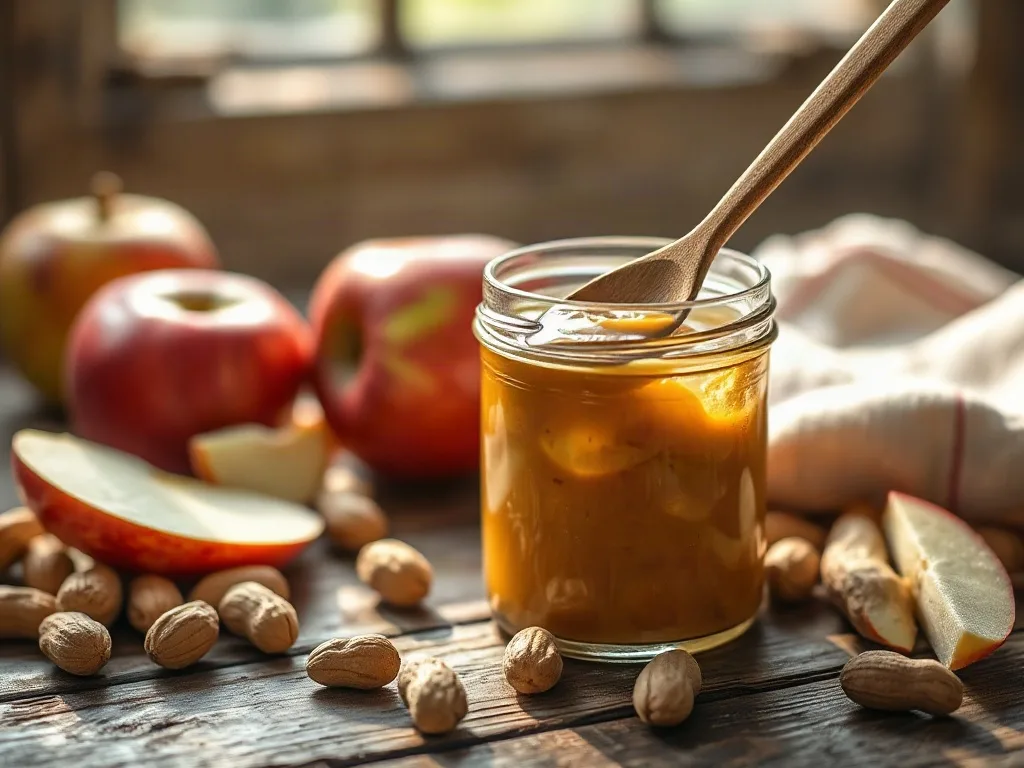
Peanut butter is a pantry staple that appears on everything from breakfast toast to post‑workout smoothies. Its creamy texture, satisfying taste, and reputation as a protein‑rich spread make it an attractive option for anyone looking for a quick snack. But the question many health‑conscious readers ask is: Is peanut butter actually a healthy snack? The answer isn’t a simple yes or no; it depends on the type of peanut butter you choose, how much you eat, and how it fits into your overall diet. This article breaks down the science, offers practical guidance, and equips you with the tools to decide whether peanut butter belongs in your snack rotation.
Key takeaways
- Choose natural peanut butter containing only peanuts and salt to avoid added sugars, hydrogenated oils, and excess sodium.
- Measure portions carefully, as peanut butter is calorie-dense; a standard serving is two tablespoons (approximately 190 calories).
- Pair peanut butter with fiber-rich foods like fruits or whole grains to promote satiety and stabilize blood sugar levels.
- Store natural peanut butter in the refrigerator after opening to prevent oil oxidation and maintain nutritional quality.
Understanding the Nutritional Profile of Peanut Butter
A typical serving size for peanut butter is two tablespoons (about 32 grams). In that modest portion you’ll find roughly:
- 190 calories
- 16 grams of fat (about 3 grams saturated, the rest mostly monounsaturated)
- 8 grams of protein
- 6 grams of carbohydrates
- 2 grams of fiber
- 3 grams of sugar (naturally occurring, unless added)
- ~150 mg of sodium (varies by brand)
Beyond macronutrients, peanut butter provides micronutrients such as vitamin E, magnesium, potassium, phosphorus, and B‑vitamins like niacin and folate. It also contains phytochemicals, including resveratrol and p‑cumaric acid, which have antioxidant properties. Because the majority of its fat is monounsaturated, similar to olive oil, it can support heart‑healthy eating patterns when consumed in moderation.
Types of Peanut Butter: Natural vs. Processed
Not all peanut butter is created equal. The two main categories are:
- Natural or “no‑added‑oil” peanut butter: Typically contains only peanuts and a pinch of salt. It may separate, leaving a layer of oil on top, which is normal and can be stirred back in.
- Processed or “conventional” peanut butter: Often includes added sugars, hydrogenated or palm oils, and higher levels of sodium to improve texture and shelf stability.
When you compare the nutritional facts, a natural brand usually has fewer grams of added sugar (often 0–1 g per serving) and no trans fats, while a conventional brand can contain 3–5 g of added sugar and 2–4 g of saturated fat from added oils. For a snack focused on health, the natural version is generally the better choice.
Portion Control and Calorie Awareness
Peanut butter is calorie‑dense. Even though it supplies protein and healthy fats, it’s easy to over‑consume. A single tablespoon (16 g) provides about 95 calories, so two tablespoons quickly add up to 190 calories. If you’re watching your weight or trying to stay within a specific calorie budget, measuring your portion is essential.
Practical tip: Use a small spoon or a dedicated measuring scoop. Keep a single‑serve packet (often 1 oz or 28 g) on hand for work or travel; these packets are pre‑measured and eliminate the guesswork.
Peanut Butter and Heart Health
Research consistently shows that diets rich in monounsaturated fats can improve blood lipid profiles. The American Heart Association notes that replacing saturated fats with monounsaturated fats may lower LDL (“bad”) cholesterol while preserving HDL (“good”) cholesterol. Peanut butter’s fat composition aligns with this recommendation.
Additionally, peanuts contain phytosterols, plant compounds that compete with cholesterol absorption in the intestine, potentially reducing overall cholesterol levels. A 2010 meta‑analysis of randomized trials found that daily consumption of 30–50 g of peanuts or peanut butter modestly reduced total cholesterol and LDL cholesterol compared with control diets.
However, the benefit is contingent on choosing a low‑sodium, low‑added‑sugar product and keeping portions reasonable. Excess sodium can raise blood pressure, offsetting the heart‑healthy fats.
Peanut Butter for Blood Sugar Management
Peanut butter has a low glycemic index (GI) of around 14, meaning it causes a slow, gradual rise in blood glucose. Pairing it with a high‑fiber food (such as an apple or whole‑grain crackers) further blunts any spike, making it a suitable snack for people with type 2 diabetes or anyone looking to maintain stable energy levels.
Protein and fat also promote satiety, which can reduce cravings for high‑glycemic snacks later in the day. The key is to avoid varieties loaded with added sugars, which raise the GI and diminish the blood‑sugar‑stabilizing effect.
Allergy Considerations and Alternatives
Peanut allergy is one of the most common food allergies worldwide, affecting roughly 1–2 % of the population. Even trace amounts can trigger severe reactions in sensitized individuals. If you or a family member has a peanut allergy, it’s essential to keep peanut butter out of shared spaces and to read labels carefully for cross‑contamination warnings.
Fortunately, there are several nutritious alternatives:
- Almond butter: Higher in calcium and vitamin E, slightly lower in calories, but also more expensive.
- Sunflower seed butter: Free of tree‑nut allergens, contains comparable protein, and has a mild flavor.
- Cashew butter: Creamier texture, rich in copper and magnesium.
Each alternative has its own nutrient profile, so choose one that aligns with your dietary goals and any allergy restrictions.
Sustainable and Ethical Aspects of Peanut Production
Beyond personal health, many readers wonder about the environmental footprint of their snack choices. Peanuts are legumes that fix nitrogen in the soil, reducing the need for synthetic fertilizers. Compared with tree nuts like almonds, peanuts require significantly less water—approximately 3,400 L per kilogram versus 10,000 L for almonds.
However, conventional peanut farming can involve pesticide use and monoculture practices that impact biodiversity. When possible, look for certifications such as USDA Organic or Fair Trade, which indicate more stringent environmental and labor standards.
Practical Ways to Incorporate Peanut Butter into a Balanced Snack
Below are eight snack ideas that keep portion size in check while pairing peanut butter with fiber, protein, or healthy carbs.
- Apple slices with 1 tbsp peanut butter: The crisp fruit adds fiber and natural sweetness, while the peanut butter supplies protein and healthy fat.
- Celery sticks topped with 2 tbsp peanut butter and raisins (“ants on a log”): A classic kid‑friendly snack that balances crunch and chew.
- Greek yogurt parfait: Stir 1 tbsp peanut butter into ¾ cup plain Greek yogurt, layer with berries and a sprinkle of granola for a protein‑packed treat.
- Whole‑grain toast with peanut butter and banana: Slice half a banana over 1 tbsp spread for potassium, carbs, and satiety.
- Energy balls: Mix ½ cup rolled oats, ¼ cup natural peanut butter, 2 tbsp honey, and a handful of dark‑chocolate chips. Roll into bite‑size balls and refrigerate.
- Smoothie boost: Blend 1 tbsp peanut butter with a cup of unsweetened almond milk, a handful of spinach, frozen berries, and a scoop of protein powder.
- Rice‑cake snack: Spread 1 tbsp peanut butter on a plain brown rice cake, top with sliced strawberries.
- Vegetable dip: Combine 2 tbsp peanut butter with a splash of soy sauce, a dash of ginger, and a little water to create a quick Asian‑style dip for sliced bell peppers.
Each of these ideas stays within the 1–2 tbsp serving range, ensuring you reap the nutritional benefits without over‑loading on calories.
Actionable Guidance for Making Peanut Butter a Smart Snack Choice
- Read the label: Choose products that list only peanuts (and possibly salt). Avoid added sugars, hydrogenated oils, and high sodium.
- Measure portions: Use a tablespoon or a pre‑packaged single‑serve packet to keep calories in check.
- Pair with fiber‑rich foods: Apples, carrots, whole‑grain crackers, or oats help balance blood sugar and increase satiety.
- Store properly: Natural peanut butter should be refrigerated after opening to prevent oil oxidation and extend shelf life.
- Rotate nuts and seeds: To avoid over‑reliance on one food and to diversify nutrient intake, alternate peanut butter with almond, cashew, or sunflower seed butter a few times a week.
Peanut Butter in Performance Nutrition and Recovery
For athletes and active individuals, the timing and composition of a snack can be as important as the workout itself. Peanut butter offers a unique blend of macronutrients that makes it a valuable component of both pre‑exercise fuel and post‑exercise recovery. Each tablespoon delivers roughly 4 grams of protein and 8 grams of fat, the latter being predominantly monounsaturated. While the protein quantity is modest compared with whey or soy isolates, the amino‑acid profile of peanuts is well‑balanced, providing essential residues such as arginine, leucine, and lysine that support muscle protein synthesis.
Pre‑workout strategy: Consuming 1–2 tbsp of natural peanut butter 60–90 minutes before a training session can supply a steady release of calories without causing gastrointestinal distress. Pair the spread with a high‑glycemic carbohydrate (e.g., a banana or a slice of white rice cake) to raise blood glucose quickly, while the fat slows absorption, extending energy availability for longer endurance activities. For example, a simple pre‑run snack could be a rice cake topped with 1 tbsp peanut butter and a drizzle of honey; the total carbohydrate load (≈25 g) and caloric content (≈200 kcal) are ideal for a 60‑minute run.
Post‑exercise repair: After intense effort, muscle glycogen stores are depleted and protein synthesis is primed. A snack that combines fast‑acting carbs with the protein and healthy fats of peanut butter can accelerate recovery. A common evidence‑based ratio is 3 g of carbohydrates for every 1 g of protein. Mixing 1 tbsp peanut butter (≈4 g protein) with a cup of oat‑based milk (≈15 g carbs) or a small baked sweet potato (≈20 g carbs) meets this guideline. The added fat also blunts the insulin spike, allowing for a more gradual nutrient delivery that may improve muscle repair over the ensuing hours.
Vegan and plant‑based athletes: Because peanut butter is entirely plant‑derived, it fits seamlessly into vegan regimens. However, vegans often need to supplement with additional branched‑chain amino acids (BCAAs) or combine peanut butter with other protein sources (e.g., pea protein powder, soy yogurt) to reach the leucine threshold (~2.5 g) that maximally stimulates muscle synthesis. A practical post‑workout shake could include 1 tbsp peanut butter, 1 scoop pea protein, a handful of frozen berries, and unsweetened almond milk.
Edge cases and cautions: Individuals with a history of exercise‑induced asthma may find that the high fat content of peanut butter slows gastric emptying, potentially triggering reflux during high‑intensity intervals. In such cases, a smaller portion (½ tbsp) combined with a low‑fat carbohydrate (e.g., a slice of toast) may be preferable. Similarly, those prone to allergic reactions should substitute seed‑based spreads (e.g., sunflower butter) while preserving the same macronutrient ratios.
Overall, when used strategically—aligned with training goals, timing, and personal tolerance—peanut butter can be a convenient, nutrient‑dense ally in an athlete’s snack arsenal.
Digestive Health: Fiber, Prebiotics, and Gut Microbiome Interactions
The gut microbiome has emerged as a central player in metabolic health, immunity, and even mood regulation. Peanut butter contributes to gut health in several ways beyond its modest 2 g of dietary fiber per serving. First, the fiber present is a mix of soluble and insoluble types that add bulk to stool, promoting regularity and preventing constipation. Second, peanuts contain resistant starch and oligosaccharides that escape digestion in the upper gastrointestinal tract and become substrates for fermentation by beneficial bacteria such as Bifidobacterium and Lactobacillus.
Fermentation of these prebiotic fibers yields short‑chain fatty acids (SCFAs) like acetate, propionate, and butyrate. SCFAs serve as energy sources for colonocytes, reinforce the intestinal barrier, and exert anti‑inflammatory effects throughout the body. A small study published in Nutrition Journal (2018) found that participants who added 30 g of natural peanut butter to their daily diet experienced a modest increase in fecal butyrate concentrations after four weeks, suggesting a positive shift in microbial metabolism.
Low‑FODMAP considerations: For individuals with irritable bowel syndrome (IBS) who follow a low‑FODMAP diet, peanuts are generally considered low in fermentable oligosaccharides, disaccharides, monosaccharides, and polyols. However, the portion size matters: a typical serving (≈2 tbsp) stays within the low‑FODMAP threshold, while larger amounts may trigger symptoms due to the cumulative load of fermentable carbohydrates. If you are sensitive, start with ½ tbsp and monitor tolerance.
Gut‑friendly pairing ideas:
- Probiotic‑rich yogurt + peanut butter dip: Mix 1 tbsp peanut butter into ¼ cup plain kefir or Greek yogurt; the live cultures work synergistically with the prebiotic fibers.
- Fermented vegetables + peanut sauce: Drizzle a thin peanut‑based dressing over kimchi or sauerkraut to add texture and healthy fats without overwhelming the probiotic content.
- Whole‑grain crackers + peanut butter: The whole grains provide additional resistant starch, amplifying the prebiotic effect.
When incorporating peanut butter for gut health, remember that freshness matters. Rancid oils can irritate the intestinal lining and produce off‑flavors. Store natural peanut butter in the refrigerator after opening to preserve its antioxidant profile and prevent oxidation.
Peanut Butter on Specialized Diets: Keto, Paleo, and Low‑Carb Strategies
Low‑carbohydrate and ancestral eating patterns have surged in popularity, and peanut butter often appears on menu boards for these diets. Its macronutrient distribution—approximately 6 g carbs, 8 g protein, and 16 g fat per 2 tbsp—makes it a natural fit for ketogenic (keto) and Paleo frameworks, provided that the product is free of added sugars and refined oils.
Keto compatibility: The keto diet typically limits net carbs (total carbs minus fiber) to 20–50 g per day. A 2‑tbsp serving of natural peanut butter contains about 4 g net carbs, leaving ample room for other vegetables and protein sources. Moreover, the high fat content helps meet the 70–80 % caloric ratio required for ketosis. A popular keto snack is a “fat bomb”: combine 2 tbsp peanut butter, 1 tbsp coconut oil, a pinch of stevia, and a handful of unsweetened shredded coconut, then chill until firm.
Paleo alignment: Paleo adherents prioritize whole foods that could theoretically have been obtained by hunter‑gatherers. While peanuts are legumes (and thus technically excluded by strict Paleo purists), many modern Paleo interpretations accept nut and seed butters as acceptable because they are minimally processed. The key is to select a brand with only peanuts and sea salt, avoiding emulsifiers, hydrogenated oils, or added sweeteners.
Low‑carb, high‑protein variations: For those tracking protein intake closely (e.g., bodybuilders on a low‑carb diet), peanut butter alone may not provide sufficient protein per meal. Pairing it with a high‑protein source—such as a hard‑boiled egg, a slice of low‑carb cheese, or a scoop of collagen peptides—creates a balanced snack that respects carbohydrate limits while boosting protein to 15–20 g.
Potential pitfalls:
- Hidden sugars: Some “keto‑friendly” peanut butter brands add erythritol or monk fruit; while these are low‑calorie sweeteners, they can cause digestive upset in large amounts.
- Caloric density: On a calorie‑restricted low‑carb plan, the 190 kcal per 2 tbsp can quickly exceed daily targets if not measured.
- Electrolyte balance: High‑fat, low‑carb diets can increase sodium loss through urine. Choosing an unsalted or lightly salted peanut butter and supplementing with magnesium or potassium can prevent cramps and fatigue.
By mindfully selecting a clean‑label product and pairing it with complementary low‑carb foods, peanut butter can be a versatile, satisfying component of keto, Paleo, and other carbohydrate‑restricted eating plans.
Cooking, Baking, and Culinary Creativity with Peanut Butter
Beyond simple spreads, peanut butter shines as a culinary ingredient that can add depth, creaminess, and a nutty umami note to both sweet and savory dishes. Understanding how its fat and protein structure behaves under heat enables cooks to harness its full potential without compromising texture.
Savory sauces and marinades: A classic example is Thai peanut sauce, which blends 3 tbsp peanut butter with soy sauce, lime juice, ginger, garlic, and a splash of coconut milk. The emulsifying property of the peanut butter helps bind the liquid components, creating a glossy coating for grilled chicken, tofu, or roasted vegetables. When heating the sauce, keep the temperature moderate (≤80 °C) to avoid separating the oil and creating a grainy texture.
Stir‑fry boost: Adding a teaspoon of peanut butter at the end of a vegetable stir‑fry can transform the dish into a richer, more satisfying meal. The fat coats the vegetables, enhancing mouthfeel, while the protein contributes a subtle satiety factor. For a quick weeknight dinner, toss broccoli, bell peppers, and sliced shrimp in a wok with a drizzle of sesame oil, then finish with 1 tsp peanut butter, a dash of fish sauce, and crushed peanuts for crunch.
Baking applications: In baked goods, peanut butter can replace part of the butter or oil to lower the overall saturated fat content while adding flavor. A rule of thumb is to substitute up to ¼ of the fat with an equal weight of peanut butter; this maintains crumb structure because the natural oils in peanut butter are less solid at room temperature than butter. For gluten‑free brownies, combine ½ cup almond flour, ¼ cup cocoa powder, ¼ cup natural peanut butter, ¼ cup maple syrup, 2 eggs, and a pinch of salt; bake at 175 °C for 20 minutes for a fudgy, protein‑enhanced treat.
Egg‑free binding: For vegans or those with egg allergies, peanut butter works as a binder in recipes such as veggie patties or falafel. Blend 1 cup cooked chickpeas, 2 tbsp peanut butter, chopped herbs, and spices; process until coarse, then form patties and pan‑fry. The peanut butter’s viscosity helps the mixture hold together while imparting a nutty flavor.
Edge‑case flavor pairings:
- Spicy chocolate‑peanut butter truffles: Melt dark chocolate (70 % cacao), stir in 1 tbsp peanut butter and a pinch of cayenne, chill, then roll into bite‑size balls and dust with cocoa powder.
- Peanut‑butter‑infused vinaigrette: Whisk together 2 tbsp peanut butter, 1 tbsp apple cider vinegar, 1 tsp Dijon mustard, 2 tsp honey, and 3 tbsp olive oil for a creamy dressing that pairs well with kale and roasted sweet potatoes.
- Breakfast oatmeal upgrade: Stir 1 tbsp peanut butter into hot steel‑cut oats just before serving; the heat melts the butter, creating a velvety texture and a protein boost.
When experimenting, remember that peanut butter can darken when exposed to prolonged high heat, developing a slightly bitter note. To preserve its flavor, add it toward the end of cooking or use it as a finishing drizzle.
Myths, Misconceptions, and Emerging Research on Peanut Butter
Despite its popularity, peanut butter is surrounded by a swirl of myths that can mislead consumers. Below we dissect the most common misconceptions and highlight recent scientific findings that add nuance to the conversation.
Myth 1: Peanut butter raises cholesterol because it’s high in fat. The reality is that the majority of peanut butter’s fat is monounsaturated, which has been shown to improve LDL/HDL ratios. A 2021 systematic review in BMJ Nutrition, Prevention & Health concluded that regular consumption of 30–50 g of peanuts or peanut butter modestly reduces LDL cholesterol without affecting HDL, provided the product is low in added saturated fat and sodium.
Myth 2: Peanut butter is inherently “bad” for weight loss. Weight management hinges on energy balance, not on a single food. Because peanut butter is calorie‑dense, portion control is essential, but its protein and fat content promote satiety, which can reduce overall daily intake. A randomized crossover trial (2020) demonstrated that participants who replaced a high‑glycemic snack with a peanut‑butter‑based snack consumed 15 % fewer calories over the subsequent 24‑hour period.
Myth 3: All peanuts are contaminated with dangerous aflatoxins. Aflatoxin contamination is a legitimate concern for improperly stored peanuts, but stringent regulatory limits (≤20 ppb in the U.S.) and modern processing methods keep levels well below harmful thresholds. Choosing certified organic or reputable brands further minimizes risk.
Myth 4: Peanut butter is a “complete” protein. While peanuts contain all nine essential amino acids, they are low in methionine, making them an incomplete protein when considered in isolation. Pairing peanut butter with complementary plant proteins (e.g., whole grains, legumes) creates a complete amino‑acid profile, which is especially relevant for vegans.
Emerging research on cognition: A 2022 double‑blind study published in Frontiers in Nutrition examined the effect of daily 32 g peanut butter consumption on memory performance in adults aged 55–70. After 12 weeks, the intervention group showed a modest but statistically significant improvement in delayed recall tasks compared to a control group receiving an isocaloric rice‑based spread. Researchers hypothesized that the combination of vitamin E, magnesium, and resveratrol‑like polyphenols in peanuts may underlie the neuroprotective effect.
Emerging research on gut‑brain axis: A 2023 pilot trial investigated whether the prebiotic fibers in peanut butter could modulate gut microbiota composition and, consequently, mood. Participants reported lower scores on the Beck Depression Inventory after eight weeks of consuming 2 tbsp natural peanut butter daily, alongside a measurable increase in fecal Bifidobacterium abundance. While preliminary, these findings suggest a possible link between peanut‑derived prebiotics and mental well‑being.
Understanding the evidence behind these topics helps readers move beyond anecdote and make informed choices about incorporating peanut butter into their diet.
Practical Purchasing Guide: Cost, Quality, Certifications, and Shelf‑Life Management
Even the healthiest peanut butter can become a poor investment if you purchase the wrong product or store it improperly. Below is a step‑by‑step framework for selecting, buying, and maintaining peanut butter to maximize both nutritional value and budget efficiency.
1. Evaluate cost per gram of protein: Calculate the price of each jar, then divide by the total grams of protein it contains. For example, a 500‑g jar priced at $5 that provides 8 g protein per 32‑g serving yields roughly $0.31 per gram of protein. Compare this metric across brands; natural, bulk‑size jars often outperform single‑serve packets in cost‑effectiveness.
2. Look for certifications:
- USDA Organic: Guarantees that peanuts were grown without synthetic pesticides or fertilizers, which can be important for consumers seeking reduced chemical exposure.
- Non‑GMO Project Verified: Confirms that the peanuts and any added ingredients are not genetically modified.
- Fair Trade Certified: Indicates that growers received equitable wages and that labor practices meet certain standards.
- Gluten‑Free: While peanuts are naturally gluten‑free, cross‑contamination can occur in facilities that process wheat; a gluten‑free label assures safety for celiac patients.
3. Scrutinize the ingredient list: The ideal list reads “peanuts, salt.” Any additional ingredients—especially sugars (sucrose, high‑fructose corn syrup), hydrogenated oils, or emulsifiers (e.g., mono‑ and diglycerides)—should raise a red flag. Some brands use “palm oil” as a stabilizer; while not a trans‑fat, its sustainability profile is controversial.
4. Assess freshness at the point of purchase: Check the “best‑by” date; choose the jar with the furthest future date. If buying in bulk, consider the storage environment—cool, dark shelves are optimal. Avoid jars with dents or bulging lids, which may indicate compromised sealing.
5. Store for longevity:
- Refrigerated natural peanut butter: After opening, refrigerate to slow oxidative rancidity. Expect a shelf life of 6–9 months; the oil will solidify slightly, making stirring easier.
- Processed peanut butter: Can be stored at room temperature for up to a year due to added stabilizers, but still benefits from refrigeration to preserve flavor.
- Freezing: If you buy in large quantities, freezing in airtight containers for up to 12 months is safe; thaw in the refrigerator and stir before use.
6. Detect rancidity: Fresh peanut butter has a mild, roasted aroma. A sour, bitter, or “paint‑like” smell signals oxidation. Taste a small amount; if it feels sharp or metallic, discard the product. Rancid oils not only taste bad but also generate free radicals that can negate the antioxidant benefits of the nuts.
7. Bulk buying strategies: Purchase a larger jar (e.g., 1 kg) when sales or coupons are available, then portion the excess into smaller, resealable containers for daily use. This reduces the frequency of opening the main jar, limiting exposure to air and moisture.
By applying these purchasing and storage principles, you ensure that every spoonful of peanut butter delivers the intended nutritional punch, flavor, and cost‑effectiveness, turning a simple pantry staple into a well‑managed component of your healthy eating plan.
Frequently Asked Questions
1. Can peanut butter help with weight management?
When eaten in appropriate portions (1–2 tbsp) and combined with high‑fiber or high‑protein foods, peanut butter can promote satiety and reduce overall calorie intake later in the day. However, because it is calorie‑dense, over‑consumption can hinder weight‑loss goals.
2. Is peanut butter safe for people with high blood pressure?
The healthy monounsaturated fats in peanut butter can support cardiovascular health, but the sodium content varies. Choose low‑sodium or unsalted varieties and keep portions modest to avoid excess sodium intake.
3. How do I choose the healthiest peanut butter?
Look for labels that list only peanuts (and maybe salt). Avoid added sugars, hydrogenated oils, and excessive sodium. Organic certifications can further assure minimal pesticide residues.
4. Are there nutritional differences between smooth and crunchy peanut butter?
The macronutrient profile is essentially the same; the only difference is the inclusion of peanut pieces in crunchy varieties, which adds a slight texture benefit but no significant nutrient change.
5. How often can I include peanut butter in my snack routine?
Most nutrition experts suggest 1–2 servings per day as part of a balanced diet. If you have specific calorie or macronutrient goals, adjust the frequency accordingly.
Related posts:
 Peanut Butter Cookie Magic
 The Slow Beauty Movement’s Secret Hydration Recipes
 Healthy Canned Foods Worth Stocking Up On
 Managing Fiber Intake with IBS
 High-Protein Foods That Pack a Serious Nutritional Punch
 Healthy Homemade Peanut Butter Cup Recipe
 The One-Ingredient Swap That Makes Any Salad Dressing Healthier
 Zoe Kravitz’s Coconut Oil Hair Care Secret