Maintaining optimal hydration is often framed as a simple task: drink eight glasses of water a day. However, anyone who has navigated a busy workday, an intense workout, or a challenging climate knows that hydration is rarely one-size-fits-all. Our bodies have complex, fluctuating needs based on our weight, activity levels, diet, and environmental conditions. This is where the intersection of biological markers and digital technology becomes invaluable. Enter Pee and See, a hydration app designed to take the guesswork out of water intake by monitoring one of the body’s most reliable indicators of hydration status: the color of your urine.
While it might seem unconventional to use a smartphone to analyze bathroom habits, the science behind urine color is well-established. By providing a personalized, data-driven approach to hydration, Pee and See helps users move away from generic guidelines and toward a nuanced understanding of their own physiological needs. In this comprehensive guide, we will explore how the app works, the science of hydration, and how you can integrate this tool into a broader holistic wellness routine.
Understanding the Science of Hydration and Urine Color
To appreciate the utility of the Pee and See app, it is first necessary to understand what the body is telling us through urine color. The primary pigment responsible for the yellow hue of urine is called urochrome (or urobilin), a byproduct of the breakdown of hemoglobin from old red blood cells. When you are well-hydrated, your kidneys dilute this pigment with more water, resulting in a pale, straw-like color.
Conversely, when the body is dehydrated, the kidneys conserve water, leading to a higher concentration of urochrome and other waste products. This results in a darker yellow or amber color. The spectrum of urine color serves as a real-time biological feedback loop:
- Transparent/Clear: This often indicates over-hydration. While generally not harmful in the short term, it may suggest you are drinking more water than your body can efficiently process, potentially flushing out essential electrolytes.
- Pale Straw to Lemonade: This is the “gold standard” for most healthy adults, indicating a state of euhydration (optimal balance).
- Dark Yellow to Amber: This is a clear signal of mild to moderate dehydration. Your body is signaling that it needs more fluid to maintain cellular function and kidney health.
- Brown or Orange: These colors can indicate severe dehydration or may be linked to other health issues, such as liver dysfunction or the effect of certain medications.
By digitizing this observation, Pee and See removes the subjectivity of “guessing” your hydration level, providing a consistent benchmark for users to track their status throughout the day.
How the Pee and See App Works
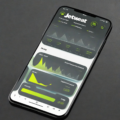
The Pee and See app functions as a digital health companion that combines image recognition technology with a personalized hydration log. The core mechanism is straightforward but scientifically grounded. When a user visits the restroom, they use the app’s camera interface to capture a photo of their urine against a neutral background (usually the side of the toilet bowl or a provided reference card).
The app then employs an algorithm to analyze the color spectrum of the image, adjusting for lighting conditions to ensure accuracy. Once the color is identified, the app categorizes the hydration level (e.g., “Optimal,” “Mildly Dehydrated,” or “Over-hydrated”) and prompts the user to log their current water intake. This creates a powerful data set that correlates what you drink with how your body actually responds.
Beyond simple color analysis, the app includes several key features to enhance the user experience:
- Hydration History: A calendar view that shows trends over weeks or months, helping users identify patterns (such as dehydration during specific workdays or after certain types of exercise).
- Smart Reminders: Instead of generic hourly alerts, the app can send reminders based on your recent logs and the time elapsed since your last “optimal” reading.
- Integration with Wearables: By syncing with smartwatches, the app can factor in sweat loss from tracked workouts, adjusting your hydration targets in real-time.
Setting Your Personalized Hydration Goals
One of the biggest pitfalls of traditional hydration advice is the lack of personalization. A 200-pound athlete training in the humidity of Florida has vastly different needs than a 130-pound office worker in a cool climate. Pee and See addresses this by helping users establish a personalized baseline.
To set an accurate goal, the app considers several variables during the onboarding process:
1. Body Composition: Since muscle tissue holds more water than fat tissue, your weight and body composition play a significant role in how much fluid you require to maintain homeostasis.
p>2. Environmental Factors: Temperature and humidity significantly affect fluid loss through perspiration and respiration. The app can integrate with local weather data to suggest increased intake on exceptionally hot or dry days.
3. Activity Levels: Exercise increases the demand for water to regulate body temperature and lubricate joints. By logging the intensity and duration of a workout, users can see exactly how much “recovery water” is needed to return their urine color to the optimal pale-yellow range.
4. Dietary Intake: Not all hydration comes from a glass of water. The app allows users to log hydrating foods—such as cucumbers, watermelon, and celery—which contribute to the overall fluid balance and can influence the color readings.
Beyond the Color: Integrating Water Intake Tracking
While the “Pee” part of the app provides the diagnostic data, the “See” part involves the proactive management of water intake. Tracking is not just about counting ounces; it is about understanding the timing and quality of hydration. The app encourages users to log not only plain water but also other beverages, as different liquids affect the body differently.
For example, the app distinguishes between hydrating liquids (water, herbal teas, diluted fruit juices) and diuretic liquids (coffee, strong black teas, alcohol). Diuretics encourage the kidneys to release more water, which can lead to a paradoxical situation where you are drinking fluids but becoming more dehydrated. By logging these, users can see the direct impact a third or fourth cup of coffee has on their urine color a few hours later.
To make tracking sustainable, the app offers actionable guidance such as:
- The “Front-Loading” Strategy: Encouraging users to drink a significant portion of their water in the first half of the day to avoid midnight bathroom trips while ensuring daytime cognitive function.
- The “Sip, Don’t Chug” Method: Educating users that the body absorbs water more efficiently when consumed in smaller, frequent amounts rather than large volumes all at once.
- Electrolyte Pairing: Suggesting a pinch of sea salt or an electrolyte drink after heavy sweating to ensure that the water being consumed is actually entering the cells rather than just passing through.
Recognizing the Warning Signs of Dehydration
While the app provides a visual metric, it is crucial to remember that hydration is a systemic issue. Pee and See encourages users to pair their color logs with a “symptom check.” Dehydration often manifests in ways that precede a change in urine color, or occur simultaneously.
Common physical and cognitive markers of dehydration include:
- Cognitive Fog: A sudden drop in concentration, irritability, or a mild headache often indicates that the brain is lacking sufficient fluid for optimal neurotransmitter function.
- Dry Mucous Membranes: Dry lips, a sticky feeling in the mouth, or dry eyes are early warnings that the body is conserving water.
- Physical Fatigue: When blood volume drops due to dehydration, the heart has to work harder to pump oxygen to the muscles and brain, leading to a feeling of lethargy.
- Skin Turgor: A simple test where you pinch the skin on the back of your hand; if it doesn’t snap back immediately, you are likely dehydrated.
By documenting these symptoms alongside the urine color logs, users can create a personal “dehydration map.” For instance, you might discover that you experience a headache every Tuesday at 3 PM, and your app logs show a consistent trend of amber-colored urine at that time. This realization turns a vague symptom into a solvable problem.
The Dangers of Over-Hydration (Hyponatremia)
In a culture obsessed with “more is better,” it is easy to fall into the trap of over-hydration. This is where the Pee and See app provides a critical safety check. Drinking excessive amounts of water in a short period can lead to hyponatremia, a condition where the sodium levels in your blood become dangerously diluted.
Sodium is essential for maintaining the balance of fluids inside and outside of your cells. When sodium levels drop too low, water enters the cells, causing them to swell. This is particularly dangerous when it happens in the brain (cerebral edema), leading to confusion, nausea, seizures, and in extreme cases, coma.
The app alerts users when their logs consistently show crystal-clear urine accompanied by high water intake. In these instances, the app provides guidance on:
- Balancing with Minerals: Suggesting the intake of potassium and sodium-rich foods to balance the fluid influx.
- Listening to Thirst Cues: Reminding users that while tracking is helpful, the body’s natural thirst mechanism is a powerful tool that should not be ignored.
- Moderating Intake: Setting upper limits on hourly water consumption to prevent overwhelming the kidneys’ filtration capacity.
Creating a Sustainable Hydration Routine
The goal of using an app like Pee and See is not to become a slave to notifications, but to build an intuitive, lifelong habit. To move from “tracking” to “living” a hydrated life, users can implement the following practical strategies:
1. The “Anchor” Habit: Pair your water intake with an existing habit. For example, drink a full glass of water every time you brush your teeth, or every time you wait for the coffee machine to brew. This reduces the cognitive load of remembering to drink.
2. Invest in a Tool You Love: Whether it is a high-quality insulated bottle that keeps water cold or a glass carafe on your desk, the physical environment influences behavior. If water is visible and accessible, you are more likely to drink it.
3. Eat Your Water: Incorporate water-rich foods into your meals. Cucumbers (96% water), zucchini, celery, and strawberries provide hydration along with essential vitamins and fiber, slowing the absorption of water and keeping you hydrated longer.
4. The “First Thing” Rule: Start your day with 16 ounces of water before any caffeine. Your body loses significant moisture through breathing and perspiration during sleep; rehydrating immediately upon waking jumpstarts your metabolism and clears morning brain fog.
Privacy and Data Security in Health Tracking
Using an app to monitor bodily functions naturally raises concerns about privacy. Because Pee and See handles sensitive health data and images, security must be a priority. Users should be aware of how their data is stored and shared.
A reputable health app should employ several layers of protection:
- Local Processing: Ideally, the image analysis of urine color should happen on the device (on-device AI) rather than being uploaded to a cloud server. This ensures that sensitive images never leave the user’s phone.
- End-to-End Encryption: Any data synced to the cloud for backup purposes should be encrypted, meaning only the user holds the key to unlock the information.
- Anonymized Aggregation: If the app uses data for research to improve its algorithms, it must be completely anonymized, removing all personally identifiable information (PII).
Users are encouraged to review the app’s privacy policy to ensure that their health data is not being sold to third-party advertisers or insurance companies, which is a critical consideration in the modern digital health landscape.
Integrating Hydration into a Holistic Wellness Plan
Hydration does not exist in a vacuum. It is a pillar of health that supports every other system in the body. When you use Pee and See to stabilize your hydration, you will likely notice a positive ripple effect across other areas of your wellness routine.
Skin Health: Proper hydration is the foundation of skin elasticity and glow. While expensive creams help, the most effective “moisturizer” is the water you drink, which helps the skin maintain its barrier function and flush out toxins.
Digestive Efficiency: Water is essential for the movement of food through the gastrointestinal tract. Adequate hydration prevents constipation and supports the microbiome by ensuring that nutrients are absorbed and waste is eliminated efficiently.
Sleep Quality: Dehydration can lead to dry mouth and snoring, which disrupt sleep cycles. Conversely, over-hydration right before bed leads to nocturia (frequent nighttime urination). Using the app to balance your intake throughout the day helps you achieve a deeper, uninterrupted sleep.
Mental Clarity: The brain is approximately 75% water. Even mild dehydration can shrink brain tissue slightly, affecting mood, memory, and executive function. By maintaining an “optimal” color range, you are essentially providing your brain with the fuel it needs to perform at its peak.
Frequently Asked Questions
Q: Can certain foods or vitamins change my urine color and trick the app?
A: Yes. Certain substances can significantly alter urine color regardless of hydration levels. For example, B-vitamins (especially Riboflavin) can turn urine a bright, neon yellow. Beets can give urine a pinkish or reddish hue, and some medications can turn it orange. Pee and See includes a “Modifier” log where you can note these supplements or foods so the algorithm can account for the color shift without incorrectly labeling you as dehydrated.
Q: Is it possible to be “dehydrated” even if my urine is a pale yellow?
A: While urine color is a strong indicator, it isn’t the only one. If you have recently consumed a large amount of water but are still experiencing symptoms like dizziness or extreme fatigue, you may be dealing with an electrolyte imbalance. In such cases, your urine may look hydrated, but your cells are not actually absorbing the water. This is why the app encourages logging minerals and observing physical symptoms.
Q: How often should I be using the app to log my color?
A: For most users, 2 to 4 times a day is sufficient to identify a trend. Logging every single time you go to the bathroom may be overkill for some, while once a day might miss the fluctuations caused by a mid-day workout or a stressful afternoon. The goal is to find a rhythm that provides enough data to be useful without becoming a chore.
Q: Does the app replace the need for a medical diagnosis?
A: Absolutely not. Pee and See is a wellness tool designed for hydration management, not a medical diagnostic device. If you notice persistent changes in urine color (such as blood, cloudiness, or dark brown hues) regardless of your water intake, or if you experience pain during urination, you should consult a healthcare professional immediately.
Q: I drink a lot of water but my urine is still dark. Why?
A: This could be due to several factors. You might be losing more water than you realize through heavy sweating, rapid breathing, or a high-protein diet (which requires more water for the kidneys to process urea). It could also be a sign of an underlying health condition. If you are drinking well above your calculated needs and your urine remains dark, it is a signal to speak with a doctor to rule out kidney or liver issues.