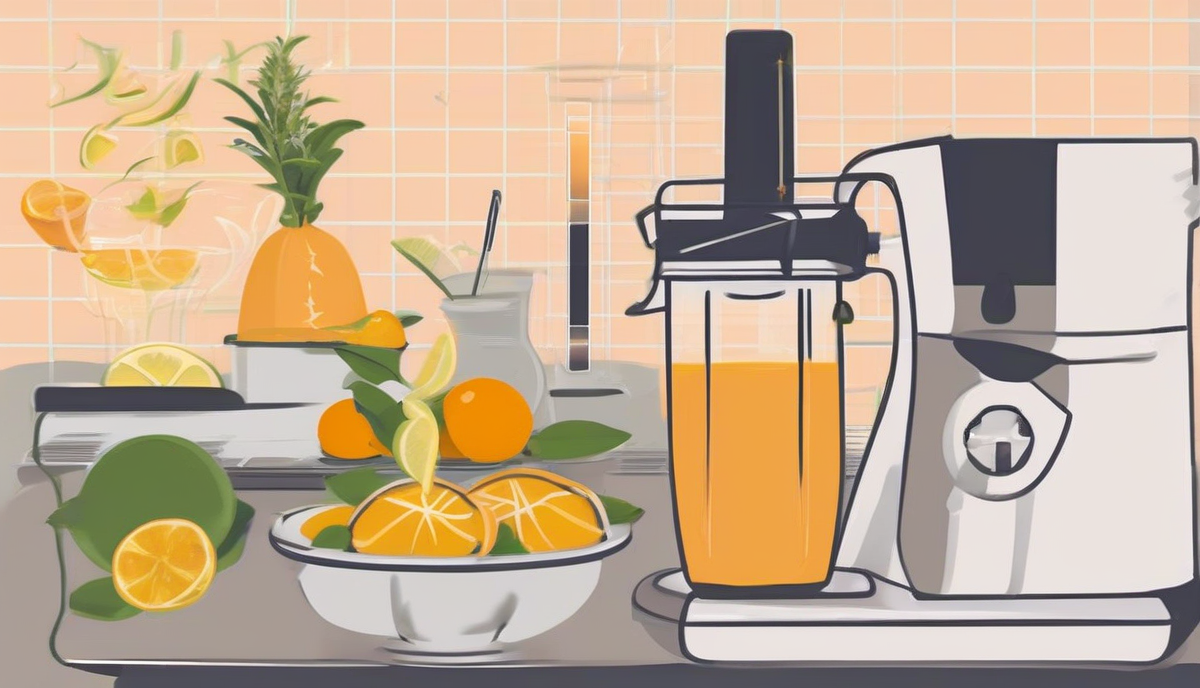
Introduction to Citrus Juicing
Citrus juicing is a refreshing and nutritious way to enjoy the benefits of fruits like oranges, lemons, limes, and grapefruits. This guide will walk you through everything you need to know to make the perfect citrus juice at home.
Benefits of Citrus Juicing
Citrus fruits are packed with vitamins, especially vitamin C, antioxidants, and other essential nutrients. Juicing these fruits can help boost your immune system, improve skin health, and provide a natural energy boost.
- Rich in Vitamin C
- Antioxidant properties
- Hydrating and refreshing
- Supports immune function
- May aid in weight loss
Choosing the Right Citrus Fruits
Not all citrus fruits are created equal when it comes to juicing. Here are some popular options:
Oranges
Oranges are a classic choice for juicing, offering a sweet and tangy flavor. Navel and Valencia oranges are particularly good for juicing.
Lemons and Limes
Lemons and limes are great for adding a zesty kick to your juice. They are also excellent for detoxifying and improving digestion.
Grapefruits
Grapefruits are slightly bitter but highly nutritious. They are rich in antioxidants and can help support heart health.
Best Tools for Citrus Juicing
Having the right tools can make a big difference in the juicing process. Here are some of the best tools you can use:
- Manual Citrus Juicer: Simple and effective, a manual juicer is great for small amounts of juice.
- Electric Juicer: Ideal for larger quantities, electric juicers can save you time and effort.
- Citrus Reamer: A handheld reamer is perfect for quickly juicing lemons and limes.
Step-by-Step Citrus Juicing Process
Follow these steps to make the perfect citrus juice:
- Wash the Fruit: Rinse your citrus fruits thoroughly to remove any dirt or pesticides.
- Cut the Fruit: Slice the fruits in half to prepare them for juicing.
- Juice the Fruit: Use your preferred juicing tool to extract the juice from the fruit halves.
- Strain the Juice: Pour the juice through a strainer to remove any pulp or seeds.
- Serve and Enjoy: Pour the juice into a glass, add ice if desired, and enjoy your refreshing drink.
Helpful Tips for Citrus Juicing
Here are some additional tips to enhance your juicing experience:
- Room Temperature Fruits: Juicing fruits at room temperature yields more juice than cold fruits.
- Roll the Fruits: Rolling the fruits on the counter before cutting helps release more juice.
- Use a Strainer: If you prefer pulp-free juice, use a fine strainer to remove any pulp.
- Mix and Match: Experiment with different citrus combinations to create unique flavors.
Deep Dive into Citrus Varietals and Seasonal Selection
While standard grocery store oranges and lemons are the workhorses of the juicing world, understanding the nuances of specific varietals can elevate your juice from a simple beverage to a gourmet experience. The sugar-to-acid ratio, often measured by professional growers as the Brix level, fluctuates significantly between species. For instance, the Valencia orange is widely considered the gold standard for juicing because of its high juice content and lack of limonin, a compound that can cause juice to turn bitter shortly after extraction. In contrast, Navel oranges are wonderful for eating fresh, but they contain high levels of Limonoate A-ring lactone. When the fruit is juiced, this compound is converted into bitter limonin through exposure to air, a phenomenon known as “delayed bitterness.” If you are juicing Navels, they must be consumed immediately to avoid this flavor shift.
Beyond the common orange, consider the Cara Cara Navel, which offers a complex, berry-like undertone and lower acidity, making it ideal for those with sensitive stomachs. If you are looking for visual flair, Blood Oranges (such as the Moro or Sanguinello varieties) provide a deep crimson hue and a flavor profile that hints at raspberry and pomegranate. When selecting lemons, the Meyer Lemon—a cross between a lemon and a Mandarin orange—offers a much sweeter, floral profile compared to the sharp, acidic Eureka or Lisbon lemons. This makes Meyer lemons perfect for “lemonade” style drinks where you want to minimize added sugars.
Seasonality plays a critical role in yield. Citrus fruits do not continue to ripen after being picked, so they must be harvested at their peak. Late-winter citrus typically boasts the highest sugar concentrations. When inspecting fruit, weight is your most reliable metric; a heavy fruit indicates a high juice-to-pulp ratio. Avoid fruit with thick, pebbly skins if you are using a manual reamer, as these often have a thicker pith (the white bitter layer) and less internal juice volume. Smooth-skinned citrus is generally a better indicator of a thin albedo and a high volume of juice vesicles.
Advanced Extraction Dynamics: Pressure, Heat, and Oxidation
The mechanics of how you extract juice significantly impact the final flavor and nutritional profile. Most home juicers focus on volume, but the quality of the extraction is governed by three enemies: heat, oxygen, and pith contamination. When using an electric centrifugal juicer, the high-speed spinning blades can introduce a small amount of heat and a large amount of oxygen. This oxygenation leads to rapid degradation of Vitamin C and the oxidation of delicate aromatic oils. For the highest quality juice, cold-press or masticating juicers are superior. These machines use a slow-turning auger to crush the fruit, which minimizes air incorporation and keeps the juice temperature low, preserving the enzyme activity and the bright, “top-note” aromatics of the fruit.
The amount of pressure applied during extraction is another critical variable. If you use a heavy-duty lever-press juicer, there is a temptation to apply maximum force to get every last drop. However, excessive pressure can rupture the oil sacs in the zest and the bitter cells in the pith. While a small amount of zest oil (limonene) adds a pleasant fragrance, too much can create a harsh, burning sensation on the back of the throat. The goal is to compress the juice vesicles without crushing the white albedo. If you notice your juice has a chalky or overly astringent finish, you are likely over-pressing your fruit.
Edge case: Vacuum Blending. Some modern high-end blenders now offer vacuum attachments that remove air from the canister before blending. If you choose to blend whole citrus (peeled) to retain all the fiber, doing so under a vacuum prevents the juice from frothing and turning a duller color. This results in a vibrant, neon-bright liquid that stays stable for much longer than traditionally blended citrus.
The Science of Flavor Stability and Storage Chemistry
Understanding why citrus juice changes over time is key to successful batch prepping. The primary culprit in flavor degradation is enzymatic activity. Specifically, pectinesterase is an enzyme found in citrus that causes the pectin in the juice to break down, leading to “clarification” where the juice separates into a clear liquid and a thick sediment. To prevent this in a professional setting, juice is often flash-pasteurized, but at home, you can manage this through temperature control. Always chill your fruit before juicing if you plan to store the liquid; starting with cold fruit slows down these enzymatic reactions from the moment of extraction.
Light is another factor often overlooked. Riboflavin (Vitamin B2) in citrus juice is photosensitive. When exposed to sunlight or even strong kitchen lights, it can trigger a photochemical reaction that alters the flavor profile, sometimes referred to as “light-struck” juice. For storage, use opaque or amber glass containers rather than clear plastic. Glass is also non-reactive; the high acidity of lemons and limes (pH between 2.0 and 2.6) can cause certain plastics to leach chemicals or absorb odors over time.
If you find yourself with an abundance of juice, consider the fractional freezing method. Because sugar and acids have a lower freezing point than water, the first 20% of a juice bottle to thaw will contain the highest concentration of flavor and nutrients. Conversely, if you are freezing juice cubes for later use, be aware that the freezing process can slightly alter the perception of acidity. Thawed juice often tastes slightly flatter than fresh juice, which can be corrected with a tiny pinch of sea salt or a fresh grating of zest to reintroduce the volatile aromatics lost during the freeze-thaw cycle.
Beyond the Glass: Culinary Applications and Acid Adjustment
Citrus juice is not merely a beverage; it is a fundamental tool in culinary “acid-balancing.” In professional mixology and high-end cooking, the concept of acid adjustment allows you to swap one citrus for another while maintaining the same structural balance. For example, orange juice is roughly 1% citric acid, while lime juice is about 6%. By adding 5 grams of citric acid powder to 100ml of orange juice, you can give it the “punch” of a lime while retaining the orange flavor profile. This allows for incredible creativity in sauces, marinades, and cocktails.
In savory cooking, citrus juice acts as a denaturant. This is the principle behind ceviche, where the citric acid in lime or lemon juice alters the proteins in raw fish, essentially “cooking” it without heat. When juicing for marinades, consider the Pomelo. Its juice is less acidic and more floral, providing a subtle lift to poultry and seafood without the aggressive “bite” of a standard lemon. Additionally, the juice of the Yuzu—a Japanese citrus—is prized for its incredibly complex aroma that survives the cooking process better than almost any other citrus juice.
For pastry applications, the juice’s pH affects the set of pectins and the browning of crusts (the Maillard reaction). If you are using fresh juice in a curd or a glaze, be aware that the acidity can vary from fruit to fruit. Professional bakers often use a pH strip to ensure their juice is consistent, ensuring that their lemon tarts set perfectly every time. If your juice is too acidic, it can break down the starch bonds in a thickening agent, resulting in a runny sauce.
Upcycling and Zero-Waste Juicing Strategies
A significant portion of a citrus fruit’s weight is in the peel and pulp, which are often discarded. However, these “waste” products contain the highest concentration of essential oils and bioflavonoids. Before juicing, you should always zest the fruit. This zest can be dehydrated and ground into a powder, or mixed with salt and sugar to create flavorful rims for glasses. A popular technique among bartenders is the creation of Oleo Saccharum (oil sugar). By tossing citrus peels in sugar and letting them sit for several hours, the sugar draws out the essential oils, creating a thick, intensely flavored syrup that captures the essence of the fruit far more effectively than juice alone.
The leftover pulp, if you have strained your juice, is a rich source of pectin. You can simmer this pulp with a bit of water and sugar to create a natural thickening base for jams or jellies. Even the spent husks have utility. Because of the high concentration of d-limonene in the skins, citrus peels are natural degreasers. You can submerge spent lemon or orange halves in white vinegar for two weeks to create a powerful, non-toxic household cleaner that smells significantly better than industrial alternatives.
For those with a garden, citrus remains are excellent for compost, but with a caveat: the high acidity and antimicrobial properties of citrus oils can slow down the decomposition process if added in massive quantities. To mitigate this, chop the peels finely and mix them with “brown” compost materials like dried leaves or cardboard to balance the nitrogen levels and pH. This ensures that the nutrients from the fruit return to the soil rather than ending up in a landfill.
Troubleshooting Texture, Bitterness, and Yield Issues
One of the most common complaints in citrus juicing is a juice that feels “thin” or lacks body. This is often a result of over-straining. While a crystal-clear juice is aesthetically pleasing, the suspended solids (small bits of juice vesicle walls) contain much of the fruit’s fiber and flavor complexity. If your juice feels watery, try using a wider-mesh strainer or re-incorporating a tablespoon of the fine pulp back into the pitcher. This provides a better “mouthfeel” and can actually make the juice taste sweeter by slowing down the transition of the liquid across the tongue.
If your juice is consistently too bitter, the issue may not be the fruit, but your preparation technique. Many people slice through the center of the seeds when cutting the fruit in half. Citrus seeds contain intense bitter compounds that can leak into the juice if they are nicked by a knife. To avoid this, try “cheeks” cutting (slicing around the core) or simply use a duller knife that is less likely to slice through the hard seed coats. Additionally, ensure you are washing the fruit with warm water before cutting; many commercial citrus fruits are coated in a food-grade wax to prevent moisture loss, and this wax can sometimes carry a chemical aftertaste that transfers to your hands and then to the juice.
FAQ
Can I use a blender for citrus juicing?
Yes, you can use a blender, but it may require additional straining to remove the pulp and seeds.
How long does fresh citrus juice last?
Fresh citrus juice is best consumed immediately but can be stored in the refrigerator for up to 48 hours.
Is citrus juice good for weight loss?
Citrus juice can be part of a healthy diet and may aid in weight loss due to its low calorie and high nutrient content.
Can I freeze citrus juice?
Yes, you can freeze citrus juice in ice cube trays and use it later in smoothies or as a refreshing addition to water.
What are the best citrus fruits for juicing?
Oranges, lemons, limes, and grapefruits are some of the best fruits for juicing due to their high juice content and nutritional benefits.
Related posts:
 Liquid Gold: The Surprising Health Benefits of Drinking Aloe Vera Juice
 Dry January Mocktail Guide
 PHA Bodyweight Workout: Efficient Fitness Anywhere, Anytime
 Meet the New Powerhouse Behind Organic Cold-Pressed Juicing in California
 The Health Benefits of Cara Cara Oranges
 The Healthy Halloween Cocktail Recipe Everyone Will Be Making
 The 5 Best New Books on Juicing, Cleansing, and Detoxing
 Green Juice Recipe: Simone De La Rue’s Go-To Formula for Dance Cardio Days