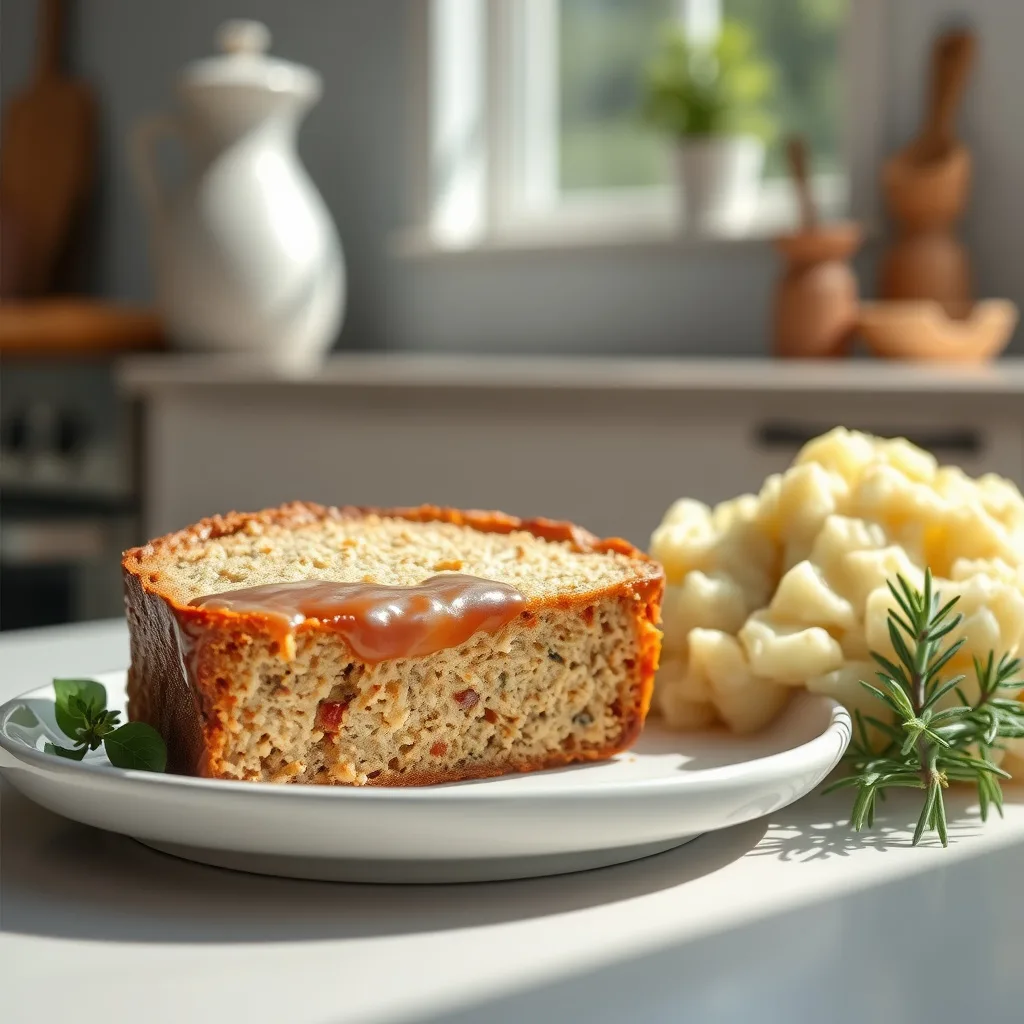
Finding the perfect meatless meatloaf recipe is often considered the holy grail of plant-based cooking. For many, meatloaf represents the pinnacle of home-cooked comfort—a dish that is hearty, savory, and deeply nostalgic. Transitioning to a meat-free lifestyle shouldn’t mean giving up these culinary milestones. However, the challenge lies in replicating the specific texture and depth of flavor that ground beef traditionally provides. A successful meatless loaf must be firm enough to slice, moist enough to enjoy, and packed with enough umami to satisfy even the most dedicated carnivore.
Key takeaways
- Combine lentils, mushrooms, and walnuts to replicate the texture and savory depth of traditional ground beef.
- Sauté vegetables and mushrooms thoroughly to remove excess moisture and prevent the loaf from becoming mushy.
- Use flax eggs and breadcrumbs or oats as binding agents to ensure the loaf holds its shape when sliced.
- Layer umami-rich ingredients like tomato paste, soy sauce, and nutritional yeast to build a deep, savory flavor profile.
- Allow the loaf to rest for 15 to 20 minutes after baking so the binders can properly set.
In this comprehensive guide, we will explore the science and art of the meatless meatloaf. We will move beyond simple substitutions and delve into how different plant-based ingredients interact to create a cohesive, delicious centerpiece for your dinner table. Whether you are a lifelong vegetarian or simply participating in Meatless Monday, this guide provides the foundational knowledge and specific techniques required to master this classic dish.
Understanding the Base: Choosing Your Protein
The foundation of any meatloaf is its protein source. In a traditional recipe, beef provides both the structure and the fat. In a meatless version, we often use a combination of ingredients to achieve a similar result. There are several popular directions you can take, each offering a different profile.
Lentils: Brown or green lentils are perhaps the most popular base. When cooked until tender but not falling apart, they offer a pleasant “bite” and a natural earthiness. They are rich in protein and fiber, making the meal incredibly satiating. It is essential to drain them thoroughly to prevent the loaf from becoming soggy.
Mushrooms: Mushrooms are the kings of umami. Varieties like cremini, shiitake, or portobello contain high levels of glutamate, which mimics the savory flavor of meat. When finely chopped and sautéed to remove excess moisture, they provide a meaty texture and deep color. Many chefs prefer a 50/50 mix of lentils and mushrooms for the ultimate balance.
Walnuts and Pecans: Nuts add essential fats and a satisfying crunch. When pulsed in a food processor, they create a crumbly texture that helps break up the density of legumes. Walnuts, in particular, have a slightly bitter edge that complements savory glazes perfectly.
Store-Bought Plant-Based Grounds: For those seeking a result that is nearly indistinguishable from beef, modern plant-based “mince” products are an excellent option. These are engineered to behave like meat, making them the easiest choice for beginners. However, they lack the whole-food nutritional profile of lentils and nuts.
The Secret to Texture: Binding Agents
The most common complaint regarding meatless meatloaf is that it falls apart when sliced. Without the natural proteins in meat that coagulate during cooking, we must rely on plant-based binders. Achieving the right structural integrity is a delicate balance of moisture and dry ingredients.
The Role of Flax Eggs: A “flax egg” (one tablespoon of ground flaxseed meal mixed with three tablespoons of water) acts as a powerful emulsifier. The mucilage in the flax helps hold the ingredients together much like a chicken egg would. For a firmer loaf, using two flax eggs is often recommended.
Breadcrumbs vs. Oats: Dry components absorb excess moisture from the vegetables. Panko breadcrumbs offer a lighter texture, while traditional breadcrumbs create a denser, more traditional loaf. For a gluten-free option, rolled oats (pulsed slightly in a blender) work exceptionally well and add a boost of heart-healthy fiber.
Cooked Grains: Adding a half-cup of cooked quinoa or brown rice can improve the “chew” of the loaf. These grains provide structure and prevent the interior from feeling like a mash or a purée. The goal is a variegated texture where you can see individual pieces of lentil, nut, and grain.
Building Deep Umami Flavors
Meatless cooking requires an intentional approach to seasoning. Since we don’t have the natural fats of beef to carry flavor, we must layer savory elements throughout the mixture. This is known as building an “umami bomb.”
To achieve this, consider incorporating the following ingredients into your mix:
- Soy Sauce or Tamari: Adds salt and deep fermented notes.
- Vegan Worcestershire Sauce: Provides that classic tangy, savory meatloaf profile (ensure it is anchovy-free).
- Tomato Paste: Concentrated tomato adds acidity and richness. Sautéing the paste with your vegetables before mixing it in will deepen the flavor further.
- Nutritional Yeast: Often used for cheesy flavors, in small amounts it simply adds a savory, nutty depth.
- Smoked Paprika or Liquid Smoke: A tiny drop of liquid smoke can replicate the char-grilled or smoked flavor often associated with hearty meat dishes.
Don’t be afraid to taste your mixture before adding the binders (if using flax eggs, it is safe to taste). The mixture should taste slightly over-seasoned, as the flavors will mellow during the baking process.
Essential Aromatics and Vegetables
A meatless meatloaf is an incredible vehicle for vegetables. However, vegetables contain a high percentage of water. If you simply grate raw vegetables into your loaf, they will release steam during baking, resulting in a mushy mess. The key is to sauté your aromatics first.
Start with a classic mirepoix: finely diced onion, celery, and carrots. Sauté these in olive oil until they are soft and the onions are translucent. This process concentrates their natural sugars. Adding finely minced garlic during the last minute of sautéing ensures it becomes fragrant without burning.
For additional depth, you can add finely diced bell peppers or even grated zucchini—just be sure to squeeze the water out of the zucchini using a kitchen towel before adding it to the pan. This step is non-negotiable for a firm, sliceable loaf.
Step-by-Step: Crafting Your Perfect Meatless Meatloaf
Now that we understand the components, let’s look at the assembly process. Precision in the preparation of ingredients ensures a consistent result every time.
1. Preparation: Pre-cook your lentils or grains if using whole foods. Ensure they are cooled to at least room temperature. If they are hot, they may prematurely cook your binders or turn the breadcrumbs into a paste.
2. The Sauté: Cook your onions, carrots, celery, and mushrooms in a skillet. Continue cooking until the mushrooms have released all their liquid and are beginning to brown. Stir in your tomato paste and spices at the very end to toast them.
3. The Pulse: Place about half of your lentil/vegetable mixture into a food processor. Pulse a few times until it forms a coarse paste. This “paste” acts as a secondary binder, while the remaining whole pieces provide texture.
4. The Mix: In a large bowl, combine the pulsed mixture, the whole mixture, your nuts, breadcrumbs, flax eggs, and liquid seasonings. Use your hands to mix—this allows you to feel the consistency. It should feel like damp sand; it should hold its shape when squeezed but not stick excessively to your fingers.
5. The Pack: Line a loaf pan with parchment paper, leaving an overhang on the sides. This allows you to lift the loaf out easily. Pack the mixture into the pan firmly. Air pockets are the enemy of a solid slice, so use a spatula to press down into the corners.
The Glaze: The Finishing Touch
The glaze is more than just a topping; it provides a necessary acidic contrast to the rich, savory interior. It also protects the top of the loaf from drying out in the oven. While a simple ketchup topping is traditional, a sophisticated glaze can elevate the entire dish.
A classic meatless glaze usually involves a base of ketchup or tomato sauce, mixed with brown sugar or maple syrup for sweetness, apple cider vinegar for tang, and a hint of dry mustard or sriracha for heat. For a more modern twist, try a balsamic reduction glaze or a smoky BBQ sauce base.
Apply half of the glaze before the loaf goes into the oven. Apply the remaining half during the last 15 minutes of baking. This creates a thick, tacky, and caramelized layer that is visually appealing and flavor-packed.
Cooking and Resting: The Crucial Final Steps
Patience is the most important ingredient in the final stage of cooking. Most meatless meatloaves require about 45 to 60 minutes at 350°F (175°C). You are looking for the edges to pull away slightly from the sides of the pan and the internal temperature to reach approximately 165°F (74°C) if using store-bought grounds, or simply until the loaf feels firm to the touch in the center.
The Resting Period: This is where many home cooks go wrong. If you slice a meatless meatloaf immediately after removing it from the oven, it will likely crumble. As the loaf cools slightly, the starches and binders set. Let the loaf rest in the pan for at least 15 to 20 minutes. Then, use the parchment paper “handles” to lift it onto a cutting board. Wait another 5 minutes before slicing with a sharp, serrated knife.
Serving Suggestions and Side Pairings
To round out the meal, pair your meatless meatloaf with classic sides that mirror the comfort-food theme. Garlic mashed potatoes (made with olive oil or vegan butter) are a natural partner. A side of steamed green beans with lemon zest or a crisp green salad provides a fresh counterpoint to the density of the loaf.
If you find your loaf is slightly on the drier side, a mushroom gravy can be a lifesaver. Simply sauté mushrooms and onions, add flour to make a roux, and slowly whisk in vegetable broth until thickened. This adds moisture and an extra layer of savory flavor.
Leftovers are perhaps the best part of making meatless meatloaf. Cold slices make excellent sandwiches the next day, especially when pan-seared briefly to create a crispy crust on the cut sides.
Troubleshooting Common Meatless Meatloaf Issues
Even with the best intentions, things can sometimes go awry. Here is how to fix common problems:
If the loaf is too mushy: This usually means there was too much moisture in the vegetables or the lentils were overcooked. Next time, ensure you sauté the mushrooms longer and consider adding an extra quarter-cup of breadcrumbs or oats. You can also try baking the loaf on a flat baking sheet (free-formed) rather than in a loaf pan to allow more moisture to evaporate.
If the loaf is too dry: This happens when there aren’t enough liquid binders or fats. Adding a tablespoon of olive oil or a bit more tomato sauce to the mix can help. Be careful not to over-process the ingredients in the food processor, as this can sometimes lead to a dry, mealy texture.
If it lacks flavor: Don’t be shy with the salt and acid. A splash of lemon juice or extra vinegar in the glaze can brighten the entire dish. Ensure your spices are fresh; old dried herbs lose their potency quickly.
Beyond the Lentil: Harnessing the Power of Beans and Soy
While lentils and mushrooms are the standard-bearers for meatless loaves, expanding your repertoire to include a wider variety of legumes and soy products can drastically alter the final texture and nutritional profile. Black beans, for instance, offer a much denser, heartier consistency than lentils. When slightly mashed, they release starches that act as a natural secondary binder, reducing the need for excessive breadcrumbs. For a southwestern-inspired loaf, black beans provide a robust color and a flavor that stands up well to bold spices like cumin and chipotle. The key with black beans is to roast them in the oven for 10-15 minutes before mixing; this removes excess moisture and prevents the dreaded “mushy” interior.
Chickpeas (garbanzo beans) offer a completely different experience. They have a firmer, nuttier bite that mimics the texture of coarsely ground poultry or pork. If you are aiming for a “white meat” style loaf, chickpeas are your best asset. When using chickpeas, try pulsing them with a touch of tahini. The fat from the sesame paste replicates the mouthfeel of animal fats, while the chickpeas provide a satisfying resistance to the tooth. For those avoiding legumes entirely, firm or extra-firm tofu can be grated using a box grater. This creates long, thin strands that, when baked, take on a texture strikingly similar to finely ground meat. To succeed with tofu, it must be pressed for at least 30 minutes to remove every possible drop of water, then seasoned aggressively, as tofu is a blank canvas that absorbs the flavors of its surrounding ingredients.
Tempeh is perhaps the most overlooked protein for meatless loaves. Because it is fermented, tempeh possesses a natural funk and complexity that mimics aged meats. It is also incredibly firm. By crumbling tempeh into small, pea-sized bits and steaming them briefly before adding them to your mix, you introduce a chewy, resilient texture that won’t break down during the long baking process. This makes it an ideal candidate for those who find lentil-based loaves too soft. Mixing tempeh with a small amount of liquid aminos or dark soy sauce during the steaming phase ensures the savory flavor is locked into the core of the protein, rather than just sitting on the surface.
The Seitan Strategy: Engineering a Meaty Chew with Vital Wheat Gluten
For home cooks who desire a loaf that is truly “meat-like” in its elasticity and chew, vital wheat gluten (the primary ingredient in seitan) is a game-changer. Unlike beans or vegetables, which provide bulk and softness, vital wheat gluten provides a protein matrix that stretches and bounces. Incorporating just half a cup of vital wheat gluten into a vegetable-heavy mix can transform a crumbly loaf into one that is remarkably sturdy, allowing for paper-thin slicing—ideal for cold-cut style sandwiches the next day.
When working with vital wheat gluten, the order of operations is critical. You cannot simply stir it in at the end. Instead, mix your wet ingredients—including your sautéed vegetables, liquid seasonings, and any pureed beans—first. Once the wet base is perfectly seasoned, gradually fold in the wheat gluten. Be careful not to over-knead the mixture; too much agitation will develop the gluten bonds too far, resulting in a rubbery or “bouncy” loaf that is difficult to chew. You want just enough structure to hold the vegetables together.
An advanced technique involves the “double-bind” method. Use a traditional binder like a flax egg to handle the initial cohesion, and then use a small amount of wheat gluten to provide the internal tension. This hybrid approach ensures the loaf remains moist and tender on the inside while maintaining a firm, professional-grade exterior. If you choose this route, increase your baking time by about 10 minutes and ensure the loaf is tightly covered with foil for the first half of the bake to allow the gluten to steam and set before the dry heat of the oven crisps the outside.
Global Flavor Architectures: From Mediterranean to East Asian Profiles
The traditional meatloaf is often defined by its ketchup and Worcestershire profile, but the meatless format is uniquely suited to international flavor palettes. Because plant-based proteins like tofu and beans are neutral, they can be steered toward almost any culinary tradition. For a Mediterranean-style loaf, replace the traditional mirepoix with a base of sautéed leeks, sun-dried tomatoes, and Kalamata olives. Instead of breadcrumbs, use panko mixed with dried oregano and lemon zest. The saltiness of the olives and the acidity of the sun-dried tomatoes provide the necessary umami without relying on meat-mimicking sauces.
To create an East Asian-inspired loaf, look toward miso paste and gochujang. Miso is a concentrated source of fermented umami that provides a depth of flavor far beyond soy sauce alone. A tablespoon of red miso mixed into a base of mushrooms and ginger creates a savory profile that is both earthy and sophisticated. For the glaze, swap the ketchup for a mixture of hoisin sauce, rice vinegar, and a drizzle of toasted sesame oil. This version pairs exceptionally well with a side of charred bok choy or a cold noodle salad, breaking away from the standard mashed potato routine.
For a Smoky Southwestern profile, incorporate canned adobo sauce and finely chopped walnuts. The fats in the walnuts carry the heat of the chipotle peppers beautifully. You can even add a small amount of cornmeal to the binder to give the loaf a texture reminiscent of tamales. This version benefits from a “reverse glaze”—instead of a sweet tomato topping, use a thick layer of salsa verde or a cumin-spiced tomato reduction applied during the final 10 minutes of baking to create a zesty, caramelized crust.
Advanced Structural Techniques: Stuffed Centers and Braided Loaves
Once you have mastered the basic loaf, you can begin to experiment with its physical architecture. A stuffed meatless loaf is not only visually impressive as a centerpiece but also allows you to introduce textures and flavors that would otherwise get lost in a uniform mix. One popular variation is the “cheese-core” loaf. By creating a hollow trench in the center of your packed mixture and filling it with high-quality vegan mozzarella or a cashew-based herbed cheese, you create a molten surprise when the loaf is sliced.
Another sophisticated option is a spinach and roasted red pepper stuffing. Sauté a large quantity of spinach with garlic until completely dry, then layer it with strips of roasted peppers in the middle of the loaf. This creates a beautiful tri-color effect (brown, green, and red) when the loaf is served. To ensure the loaf doesn’t split at the seams where the stuffing meets the base, lightly dust the stuffing ingredients with a bit of flour or cornstarch before sealing them inside. This acts as a “glue” that prevents the layers from sliding apart during the cooling process.
For those who find the traditional loaf shape too plain, consider the “free-form braid.” Instead of using a loaf pan, divide your mixture into three long logs and gently braid them together on a parchment-lined baking sheet. This increases the surface area of the loaf, meaning you get more of the crispy, glazed exterior in every bite. Because there is no pan to hold in moisture, a braided loaf will cook faster and result in a firmer, drier texture—perfect for those who prefer a “well-done” crust. Ensure the mixture is slightly more moist than usual if you choose this method to prevent the braid from cracking.
Modern Appliance Mastery: Air Fryers, Slow Cookers, and Convection Tips
While the standard oven is the traditional choice, modern kitchen appliances offer unique advantages for the meatless meatloaf. The air fryer, in particular, is a revelation for small-batch cooking. Because an air fryer is essentially a high-powered convection oven, it circulates hot air around the loaf much more efficiently than a standard oven. This results in an incredibly crispy, almost fried exterior while keeping the inside moist. To cook in an air fryer, use a mini loaf pan or form the mixture into “meatloaf muffins.” Cook at 325°F (160°C) for about 20-25 minutes. The lower temperature is necessary to ensure the center cooks through before the outside burns.
The slow cooker offers a different set of benefits, primarily for those who want a very tender, moist loaf. This method is ideal for lentil or bean-based recipes that tend to dry out in the oven. To prevent the loaf from becoming soggy in the slow cooker, place a few slices of bread or a layer of folded parchment paper at the bottom to elevate the loaf away from any accumulating juices. Cook on “Low” for 4 to 6 hours. The lack of dry heat means you won’t get a natural crust, so it is highly recommended to finish the loaf under a broiler for 3-5 minutes after it comes out of the slow cooker to caramelize the glaze.
If you are using a convection oven, remember to reduce the temperature by 25°F and check the loaf about 10 minutes earlier than the recipe suggests. Convection heat is excellent for meatless loaves because it helps to evaporate the surface moisture of the vegetables, leading to a firmer set. However, it can also dry out the edges prematurely. To combat this, you can place a small pan of water on the bottom rack of the oven to create a slightly humid environment, which helps the plant-based proteins set without becoming brittle.
Seasonal Produce Integration: Adapting Your Loaf to the Calendar
A truly great meatless loaf should feel like it belongs to the season in which it is served. In the autumn, you can replace a portion of the liquid binder with pumpkin puree or mashed butternut squash. These ingredients add a natural sweetness and a silky texture that pairs perfectly with sage, rosemary, and nutmeg. The orange hue of the squash also gives the loaf a rich, appetizing color that mimics the deep browns of a traditional meat-based dish. During this season, consider using pecans as your primary nut source, as their buttery flavor complements the fall spices.
In the spring, transition to a lighter, more vibrant profile. Incorporate finely chopped asparagus or fresh peas into the mix. Instead of heavy tomato-based glazes, try a bright herb oil or a mustard-apricot glaze. Using green lentils instead of brown lentils during the spring provides a peppier flavor and a firmer bite that matches the snap of fresh spring vegetables. Fresh dill and parsley should be used liberally, added at the very end of the mixing process to preserve their bright green color and volatile oils.
Summer offers the opportunity to use fresh corn and zucchini. As mentioned in the existing guide, zucchini must be squeezed dry, but its inclusion adds a wonderful lightness to the loaf. Fresh corn kernels provide little “pops” of sweetness that contrast beautifully with a smoky BBQ glaze. For a winter loaf, lean into root vegetables like parsnips and rutabagas. These can be grated and sautéed until caramelized, providing a sugary, earthy depth that stands up to the coldest nights. During winter, a rich mushroom gravy is almost mandatory, providing the warmth and comfort that define the season.
The Second Life of the Loaf: Gourmet Repurposing and Transformation
The culinary utility of a meatless meatloaf extends far beyond the initial dinner service. In fact, many enthusiasts argue that the loaf is actually better on the second day, once the flavors have had 24 hours to fully meld and the structure has completely set. One of the most sophisticated ways to repurpose leftovers is to crumble the loaf into a rich tomato sauce to create a “Meatless Loaf Bolognese.” Because the loaf is already seasoned and contains binders, it creates a sauce with incredible body and a complex, multi-layered flavor that you can’t achieve by simply adding raw plant-based mince to a pan.
Another excellent transformation is the “Meatless Loaf Benedict.” Sauté thick slices of the cold loaf in a skillet with a bit of vegan butter until both sides are deeply browned and crispy. Place these on a toasted English muffin, top with a poached egg (or a seasoned silken tofu slice for a vegan version), and smother with a lemon-tahini “hollandaise.” The crispiness of the pan-seared loaf provides a perfect textural counterpoint to the creamy sauce and soft muffin.
Finally, for a quick and satisfying lunch, consider “Meatless Loaf Tacos.” Crumble the leftover loaf into a hot pan with a splash of lime juice and a sprinkle of chili powder. The breadcrumbs and binders in the loaf will crisp up into delicious, savory bits that mimic the texture of “carnitas.” Serve in warm corn tortillas with pickled red onions and fresh cilantro. This versatility makes the meatless meatloaf one of the most efficient “meal prep” items in a plant-based kitchen, as one single loaf can provide the foundation for three or four entirely different meals throughout the week.
Frequently Asked Questions
1. Can I make this meatless meatloaf gluten-free?
Absolutely. To make the recipe gluten-free, substitute the breadcrumbs with certified gluten-free rolled oats or gluten-free breadcrumbs. Also, ensure that your soy sauce is replaced with tamari and that your Worcestershire sauce is a gluten-free variety.
2. Can I freeze meatless meatloaf?
Yes, this dish freezes exceptionally well. You can freeze the entire loaf (either before or after baking) or freeze individual slices for quick meals. If freezing before baking, thaw it completely in the refrigerator before putting it in the oven. If freezing after baking, wrap slices tightly in foil and plastic wrap to prevent freezer burn.
3. Can I make this recipe without a food processor?
While a food processor makes it easier to achieve the right texture, you can certainly do it by hand. Finely mince the vegetables and nuts with a sharp knife. For the lentils, you can use a potato masher to crush about half of them into a paste before mixing everything together.
4. How do I prevent the loaf from sticking to the pan?
The most effective method is using parchment paper. Grease the pan slightly, then lay a strip of parchment paper across the width of the pan, leaving enough overhang to act as handles. This ensures the loaf can be lifted out perfectly without the bottom or sides sticking.
5. Is meatless meatloaf healthy?
Generally, yes. When made with whole-food ingredients like lentils, vegetables, and nuts, it is high in fiber, plant-based protein, and essential minerals. It is typically lower in saturated fat than a traditional beef meatloaf. However, the nutritional content will vary depending on the specific ingredients and the amount of sugar in the glaze.
Related posts:
 Vegetable-Rich Dinner Ideas
 4 Soy Sauce Substitutes for Cooking
 Vegetarian Main Dishes for Thanksgiving
 5 Fish Sauce Substitutes for Cooking
 Magic Avocado Sauce Recipe
 Delicious Ground Chicken Recipes
 Beyond Breakfast: The Plant-Based Sausage That’s Changing the Morning Game
 Matcha Banana Bread Recipe That’s Actually Healthy