

Understanding how nutrients work together can transform the way you approach meals. While we often focus on individual vitamins and minerals, the real magic happens when certain nutrients team up. Some combinations dramatically improve absorption, while others provide complementary benefits that support overall health. Learning these pairings helps you get more nutritional value from the foods you already eat.
The Science Behind Nutrient Synergy
Nutrient synergy refers to the phenomenon where two or more nutrients work together to produce health benefits greater than the sum of their individual effects. This concept explains why whole foods often outperform supplements in research studies. The matrix of nutrients found in whole ingredients includes cofactors that enhance each other’s bioavailability and function.
Bioavailability describes how much of a nutrient your body actually absorbs and uses. Many factors influence this process, including the presence of other nutrients, the form of the nutrient, and individual digestive health. For example, fat-soluble vitamins require dietary fat for absorption, while certain minerals compete for the same absorption pathways.
Food preparation methods also affect nutrient synergy. Cooking can break down cell walls to release more nutrients, but excessive heat may destroy delicate vitamins. Pairing certain ingredients together at the same meal ensures these synergistic relationships have the opportunity to work.
Vitamin D and Calcium for Strong Bones
Calcium receives plenty of attention for bone health, but without adequate vitamin D, your body struggles to absorb it effectively. Vitamin D promotes the production of calcium-binding proteins in the intestines, which transport calcium into the bloodstream. Without this crucial helper, much of the calcium you consume simply passes through unabsorbed.
This partnership becomes particularly important as we age. Bone density naturally decreases over time, making efficient calcium absorption essential for preventing fractures and maintaining mobility. Many people supplement calcium without addressing vitamin D status, potentially limiting the benefits.
Food sources of calcium include dairy products, leafy greens like kale and bok choy, canned sardines with bones, and fortified plant milks. Vitamin D occurs naturally in fatty fish, egg yolks, and fortified foods. Sunlight exposure triggers vitamin D production in the skin, though this varies by season, latitude, and skin tone.
Practical combinations include salmon with a yogurt sauce, fortified cereal with milk, or a leafy green salad topped with hard-boiled eggs. If you take supplements, consider timing them together, though always consult a healthcare provider about appropriate dosing.
Vitamin C and Iron for Better Energy
Iron deficiency remains one of the most common nutritional deficiencies worldwide, causing fatigue, weakness, and impaired cognitive function. The type of iron in plant foods, called non-heme iron, absorbs less efficiently than the heme iron found in animal products. However, vitamin C can significantly improve non-heme iron absorption by converting it to a more bioavailable form.
Studies suggest that consuming vitamin C alongside plant-based iron sources can increase absorption by several fold. This interaction occurs in the stomach, where vitamin C creates an acidic environment that keeps iron in a form more easily absorbed by intestinal cells. The effect is particularly valuable for vegetarians, vegans, and women of reproductive age who have higher iron needs.
Excellent plant-based iron sources include lentils, chickpeas, tofu, pumpkin seeds, and quinoa. Vitamin C-rich foods include bell peppers, citrus fruits, strawberries, kiwi, broccoli, and tomatoes. Adding just a small amount of vitamin C to an iron-rich meal can make a meaningful difference.
Try lentil soup with a squeeze of fresh lemon juice, spinach salad with sliced strawberries, or a tofu stir-fry with bell peppers. Keep in mind that coffee and tea contain compounds called tannins that can inhibit iron absorption, so enjoy these beverages between meals rather than with iron-rich foods.
Fat-Soluble Vitamins and Healthy Fats
Vitamins A, D, E, and K dissolve in fat rather than water, which means they require dietary fat for proper absorption. Consuming fat-free meals rich in these vitamins may result in significantly reduced nutrient uptake. This principle explains why a fat-free salad dressing might diminish the nutritional value of your carefully prepared vegetable bowl.
Carotenoids, the precursors to vitamin A found in colorful vegetables, exemplify this relationship. Research shows that adding avocado to a salad can increase carotenoid absorption by several times compared to a fat-free version. Similarly, vitamin E from nuts and seeds absorbs better when consumed with other sources of fat.
Vitamin K, essential for blood clotting and bone metabolism, also demonstrates improved absorption when paired with fats. Leafy greens like spinach and Swiss chard contain impressive amounts of vitamin K, but adding a drizzle of olive oil helps your body access more of this nutrient.
Practical applications include avocado toast with sliced tomatoes, carrots dipped in hummus, or a mixed green salad with olive oil vinaigrette and nuts. The type of fat matters too. Choose sources of unsaturated fats like olive oil, nuts, seeds, and avocado rather than relying solely on saturated fats from animal products.
Magnesium and Vitamin B6 for Metabolic Support
Magnesium participates in over 300 enzymatic reactions in the body, including energy production, muscle function, and nervous system regulation. Vitamin B6 enhances magnesium’s uptake into cells, where it can perform these critical functions. This partnership supports everything from muscle recovery after exercise to stress resilience and sleep quality.
Many people fall short of recommended magnesium intake, partly due to depleted soil minerals and processed food consumption. Symptoms of inadequate magnesium can include muscle cramps, fatigue, irritability, and poor sleep. Vitamin B6 deficiency is less common but can occur with certain medications and health conditions.
Food sources of magnesium include dark leafy greens, pumpkin seeds, almonds, black beans, and dark chocolate. Vitamin B6 appears in chickpeas, salmon, chicken breast, bananas, and potatoes. Combining these foods creates mutually beneficial effects.
Consider a banana smoothie made with cocoa powder and almond butter, or a grain bowl featuring black beans, sweet potato, and pumpkin seeds. These combinations support energy metabolism and can be particularly helpful for active individuals or those experiencing stress.
Protein and Carbohydrates for Muscle Recovery
Athletes and active individuals have long known that combining protein with carbohydrates after exercise supports recovery. Carbohydrates stimulate insulin release, which helps shuttle amino acids from protein into muscle cells where they can repair tissue and support growth. This combination also replenishes glycogen stores depleted during physical activity.
The timing of this combination matters less than once thought, but consuming protein and carbohydrates within a few hours after intense exercise remains a sensible approach. The ratio of carbohydrates to protein can vary based on activity type and duration, with endurance activities typically requiring more carbohydrates and strength training benefiting from higher protein.
Quality matters as much as the combination itself. Choose whole food sources rather than highly processed recovery products when possible. Greek yogurt with fruit, a turkey and vegetable wrap, or a smoothie with protein powder and banana offer balanced options for post-workout nutrition.
For those not engaged in intense exercise, this combination still provides steady energy and satiety. Protein slows the digestion of carbohydrates, leading to more gradual blood sugar changes and sustained energy throughout the day.
Zinc and Protein for Immune Function
Zinc plays a critical role in immune function, wound healing, and protein synthesis. However, zinc absorption from plant sources can be limited by compounds called phytates. Consuming zinc-rich foods alongside adequate protein, particularly from animal sources, can enhance zinc bioavailability through different absorption pathways.
Animal proteins contain zinc in highly bioavailable forms and may help improve absorption of zinc from other foods in the same meal. This relationship benefits both immune health and the many enzymatic processes that require zinc as a cofactor.
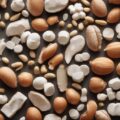
Rich zinc sources include oysters, beef, pumpkin seeds, cashews, and chickpeas. Combining these with protein creates satisfying, nutritionally synergistic meals. A beef and vegetable stir-fry with pumpkin seeds, or a chickpea and chicken curry demonstrate practical applications.
Vegetarians can improve zinc absorption by soaking and sprouting legumes and grains, which reduces phytate content. Including dairy products or eggs with plant-based zinc sources may also enhance absorption through the protein relationship.
Turmeric and Black Pepper for Anti-Inflammatory Benefits
Curcumin, the active compound in turmeric, demonstrates impressive anti-inflammatory and antioxidant properties in research. However, curcumin has notoriously poor bioavailability when consumed alone. Piperine, a compound found in black pepper, can increase curcumin absorption by up to 2000 percent, according to some studies.
This combination has roots in traditional Ayurvedic medicine, where turmeric preparations almost always include black pepper. Modern research has validated this ancient wisdom, showing that the two compounds work synergistically to enhance each other’s effects.
Incorporating this combination into daily cooking is straightforward. Golden milk made with turmeric, black pepper, and a fat source like coconut milk offers a warming beverage. Curries, soups, and rice dishes can all benefit from generous additions of both turmeric and black pepper.
The anti-inflammatory benefits of this combination may support joint health, cognitive function, and cardiovascular wellness. While turmeric supplements with added piperine are available, culinary amounts used regularly can contribute meaningful benefits over time.
Practical Tips for Combining Nutrients
Applying nutrient synergy principles does not require complex calculations or strict rules. Simple awareness of beneficial pairings can naturally improve the nutritional quality of your meals without added stress or expense.
Start by building balanced plates that include protein, healthy fats, and colorful vegetables. This basic formula naturally creates many synergistic combinations. Add a source of vitamin C to plant-based iron meals, include fat with your vegetables, and consider adding black pepper when cooking with turmeric.
Variety throughout the day and week matters more than perfection at every meal. Your body maintains pools of many nutrients, so synergistic relationships can occur across meals, not just within them. However, the strongest effects happen when complementary nutrients are consumed together.
Cooking methods influence these relationships too. Gentle cooking can increase nutrient availability, while excessive heat may damage sensitive vitamins. Raw and cooked foods both have places in a nutrient-optimized diet.
Consider your individual needs and health status. Athletes may prioritize protein-carbohydrate timing, while those with low iron might focus on vitamin C pairings. Consulting a registered dietitian can help tailor these principles to your specific situation.
Selenium and Iodine for Thyroid Health
The thyroid gland requires both selenium and iodine to produce and regulate hormones that control metabolism, energy, and body temperature. Iodine serves as a primary building block for thyroid hormones, while selenium-dependent enzymes convert the inactive form of thyroid hormone (T4) into its active form (T3). Without adequate selenium, this conversion process stalls, potentially leaving you with symptoms of low thyroid function even when iodine intake is sufficient.
This interdependence explains why supplementing with iodine alone sometimes worsens thyroid symptoms in people who are selenium deficient. The iodine stimulates hormone production, but without enough selenium to support conversion and protect the thyroid from oxidative stress, the gland can become inflamed and less functional. Addressing both nutrients simultaneously produces better outcomes than focusing on either one in isolation.
Geographic variations in soil selenium content create regional differences in the selenium levels of food. Areas with selenium-poor soil, including parts of Europe, China, and New Zealand, produce crops with lower selenium concentrations. This makes conscious food choices more important for people living in these regions. Brazil nuts stand out as one of the richest selenium sources, with just one to two nuts providing a full day’s recommended intake. Other sources include seafood, organ meats, eggs, and sunflower seeds.
Iodine occurs naturally in seaweed, cod, shrimp, tuna, and dairy products. Many countries fortify table salt with iodine to prevent deficiency, though specialty salts like sea salt and Himalayan pink salt often lack this fortification. Combining iodine and selenium sources creates meals that support comprehensive thyroid function. Consider cod seasoned with sunflower seeds, nori-wrapped sushi rolls, or eggs served alongside Brazil nuts as a snack.
Testing thyroid function before making significant dietary changes provides useful baseline information. Both selenium and iodine have relatively narrow optimal ranges, and excessive intake of either can cause problems. Working with a healthcare provider to assess thyroid hormones and nutrient levels helps ensure appropriate intake for your individual situation.
Vitamin K2 and Calcium for Arterial and Bone Health
While the existing article covers vitamin D and calcium for bone health, vitamin K2 plays an equally critical but often overlooked role in directing calcium to the right places. Vitamin K2 activates proteins called osteocalcin and matrix GLA protein. Osteocalcin helps bind calcium to bones, while matrix GLA protein prevents calcium from depositing in soft tissues like arteries and kidneys. Without adequate K2, calcium may end up in blood vessels rather than bones, potentially contributing to arterial calcification over time.
This relationship helps explain why some research on calcium supplementation has shown mixed results for cardiovascular outcomes. Taking calcium without the supporting nutrients needed to direct it appropriately may create unintended consequences. Vitamin D increases calcium absorption, but vitamin K2 ensures that absorbed calcium reaches skeletal tissue rather than accumulating elsewhere.
Vitamin K1, found abundantly in leafy greens, primarily supports blood clotting. The body can convert small amounts of K1 to K2, but this conversion occurs inefficiently in many people. Direct sources of K2 include natto (fermented soybeans), which contains the highest concentrations, along with hard cheeses, egg yolks, butter from grass-fed cows, chicken liver, and sauerkraut. The MK-7 form of K2 from fermented foods appears particularly effective and has a longer half-life in the body than other forms.
Practical meal combinations that support this triad of nutrients include a cheese omelet with leafy greens, which provides calcium from cheese, vitamin D and K2 from egg yolks, and complementary nutrients from the vegetables. Grass-fed dairy products offer a more favorable K2 profile than conventional dairy. For those who do not consume animal products, natto remains the standout plant source, though fermented vegetables and some cheeses made with vegetarian cultures can contribute meaningful amounts.
People taking blood thinners like warfarin need medical guidance before increasing vitamin K intake, as these medications work by interfering with vitamin K-dependent clotting factors. Consistent vitamin K intake matters more than avoiding it entirely, but dramatic changes should only occur with physician oversight.
Vitamin A and Zinc for Immune Resilience
Vitamin A and zinc work together at multiple levels of immune function. Zinc is required for the synthesis of retinol-binding protein, which transports vitamin A in the blood. Without adequate zinc, vitamin A cannot reach the tissues where it supports immune cell development and function. Conversely, vitamin A deficiency impairs zinc absorption and can exacerbate zinc deficiency symptoms. This bidirectional relationship means that addressing one nutrient without the other often produces disappointing results.
Both nutrients support the integrity of skin and mucous membranes, which serve as the first line of defense against pathogens. They also play roles in the development and function of various immune cells, including T cells and natural killer cells. Children in developing countries frequently receive combined vitamin A and zinc supplementation because the combination produces more significant improvements in infection rates and mortality than either nutrient alone.
Preformed vitamin A (retinol) comes from animal sources including liver, egg yolks, whole milk, and fish liver oils. Provitamin A carotenoids, which the body converts to retinol, appear in orange and dark green vegetables like sweet potatoes, carrots, spinach, and kale. However, this conversion varies significantly between individuals based on genetics, gut health, and fat intake during the meal. Some people convert carotenoids to active vitamin A quite poorly, making animal sources more reliable for meeting needs.
Zinc sources overlap with vitamin A sources in some cases, particularly in shellfish like oysters, which are rich in both. Beef, liver, crab, and pumpkin seeds provide zinc. Combining liver (high in both nutrients) with zinc-rich accompaniments creates a powerful immune-supporting meal. A breakfast of eggs with zinc-rich cheese or a dinner of beef liver with pumpkin seed pesto exemplifies this combination.
Signs of marginal deficiency in both nutrients can include frequent infections, poor wound healing, night blindness, and skin problems. Because both nutrients can accumulate to toxic levels if supplemented excessively, food-based approaches offer a safer strategy than high-dose supplements for most people. Liver contains such concentrated vitamin A that consuming it more than once weekly could exceed safe limits, particularly for pregnant women who should limit retinol intake.
B Vitamins and Magnesium for Stress Management
The B vitamin family and magnesium function as essential cofactors in numerous pathways involved in stress response, neurotransmitter synthesis, and energy production. Magnesium regulates the hypothalamic-pituitary-adrenal axis, which controls cortisol release during stress. B vitamins, particularly B6, B12, and folate, participate in the synthesis of serotonin, dopamine, and GABA, neurotransmitters that influence mood and stress resilience. When magnesium status is poor, stress responses can become exaggerated and recovery prolonged.
Stress itself depletes both magnesium and B vitamins through increased urinary excretion and higher metabolic demands. This creates a potential cycle where stress reduces nutrient status, which then reduces the capacity to handle stress, leading to further depletion. Breaking this cycle requires attention to both nutrient families simultaneously rather than addressing them separately.
Food sources of B vitamins vary by specific vitamin but include whole grains, legumes, eggs, meat, fish, dairy, and leafy greens. Nutritional yeast provides a concentrated source of B vitamins for those who enjoy its savory flavor. Magnesium sources were covered in the existing article and include dark chocolate, pumpkin seeds, almonds, and leafy greens. The overlap between these sources makes combination relatively straightforward.
A meal featuring wild salmon (B6, B12), quinoa (B vitamins, magnesium), and sautéed spinach (folate, magnesium) addresses this combination comprehensively. Dark chocolate with a few almonds makes a stress-supportive snack that provides magnesium alongside small amounts of B vitamins. For those who choose to supplement, B-complex and magnesium supplements often work well taken together, though magnesium can be calming and may be better suited to evening use for some people.
Chronic stress affects nutrient needs beyond what typical dietary recommendations assume. Someone under significant ongoing stress may require higher amounts of these nutrients than a relaxed individual eating the same diet. This does not necessarily mean supplementation is required, but increased attention to nutrient-dense food choices becomes more important during stressful periods.
Complementary Amino Acids for Complete Protein
Protein quality depends not just on total protein intake but on the profile of amino acids consumed. Animal proteins generally contain all essential amino acids in proportions that match human needs, but plant proteins often lack adequate amounts of one or more essential amino acids. Combining complementary plant proteins throughout the day allows vegetarians and vegans to meet amino acid requirements without animal products. The body maintains an amino acid pool and can combine amino acids from different meals, making strict food combining at every meal unnecessary.
Classic complementary combinations include legumes with grains (beans and rice, lentils with quinoa, hummus with pita) and legumes with nuts or seeds (chickpeas with tahini, lentil soup with pumpkin seeds). Grains tend to be low in lysine but adequate in methionine, while legumes show the opposite pattern. Consuming both within the same day provides a complete amino acid profile. Some plant foods, including quinoa, buckwheat, hemp seeds, chia seeds, and soy, contain complete protein profiles on their own.
Protein complementarity matters most for people eating limited diets with little variety. Someone consuming only one type of grain or legume as their primary protein source might fall short of certain amino acids over time. Dietary variety protects against this issue almost automatically for most people. Including diverse protein sources throughout the week ensures adequate intake of all essential amino acids without requiring mathematical precision.
Athletes and older adults have higher protein needs and may benefit from more intentional attention to complementary proteins. Spreading protein intake across meals rather than concentrating it at dinner optimizes muscle protein synthesis throughout the day. A breakfast of oatmeal with hemp seeds and almond butter, a lunch of lentil soup with whole grain bread, and a dinner of stir-fried tofu with quinoa demonstrates varied protein combining across a day.
Soaking, sprouting, and fermenting legumes and grains can improve protein digestibility and reduce compounds that interfere with mineral absorption. These traditional preparation methods enhance not just amino acid availability but also the bioavailability of other nutrients in these foods.
Beta-Glucans and Vitamin C for Immune Modulation
Beta-glucans, a type of soluble fiber found in oats, barley, mushrooms, and yeast, interact with immune cells in ways that prime them for more effective response to pathogens. Unlike simple immune stimulants, beta-glucans appear to modulate immune function, enhancing response when needed while avoiding the inflammatory overactivation that characterizes some immune-enhancing compounds. Vitamin C supports various immune cell functions and may help maintain the structural integrity of beta-glucan molecules during digestion.
Research on beta-glucans has explored their potential to reduce upper respiratory infection incidence and duration, particularly in stressful situations like intense athletic competition. The combination with vitamin C represents a practical approach for immune support during cold and flu season or periods of increased stress. Beta-glucans appear to work through interaction with receptors on intestinal immune cells, making oral consumption through food or supplements an effective delivery method.
Oats and barley represent the most accessible food sources of beta-glucans for most people. A bowl of oatmeal provides about 2-3 grams of beta-glucans. Medicinal mushrooms including shiitake, maitake, and reishi contain beta-glucans in forms that show particular immune activity in research, though culinary mushrooms like button mushrooms also contain meaningful amounts. Baker’s yeast represents another source, though its beta-glucans differ slightly in structure from those in grains and mushrooms.
Combining beta-glucan sources with vitamin C-rich foods creates practical immune-supporting meals. Oatmeal topped with strawberries or kiwi brings together oat beta-glucans and vitamin C. A stir-fry featuring shiitake mushrooms and bell peppers combines mushroom beta-glucans with one of the richest vegetable sources of vitamin C. Barley soup with tomatoes offers another combination, though cooking reduces vitamin C content, making it sensible to add fresh tomatoes or a side salad to the meal.
The immune benefits of this combination develop over time rather than appearing immediately. Regular consumption of beta-glucan-containing foods appears to maintain a state of enhanced immune readiness. Starting this dietary pattern before exposure to seasonal illnesses offers advantages over beginning only after symptoms appear.
Coenzyme Q10 and Fats for Cellular Energy
Coenzyme Q10 (CoQ10) plays an essential role in the mitochondrial electron transport chain, where it helps generate ATP, the primary energy currency of cells. Like other fat-soluble compounds, CoQ10 requires dietary fat for optimal absorption. The ubiquinol form of CoQ10, which represents the active antioxidant form in the body, demonstrates better bioavailability than ubiquinone, the oxidized form more common in supplements and some foods.
CoQ10 levels naturally decline with age and can be depleted by statin medications, which inhibit the same pathway the body uses to produce CoQ10. People taking statins may experience muscle pain or weakness that sometimes relates to CoQ10 depletion. While the clinical evidence for CoQ10 supplementation with statins remains mixed, ensuring adequate intake through food represents a reasonable approach, particularly given the cardiovascular benefits of the foods that contain CoQ10.
Food sources of CoQ10 include organ meats (heart, liver, kidney), beef, pork, chicken, fatty fish, and some vegetable sources like spinach, broccoli, and cauliflower. Organ meats contain substantially more CoQ10 than muscle meats, with beef heart providing particularly high concentrations. Among plant foods, the amounts are relatively modest, making animal products the primary dietary source for most people. The body also synthesizes CoQ10 internally, though this production decreases with age.
Because CoQ10 is fat-soluble, pairing these foods with healthy fats enhances absorption. A spinach salad with olive oil and sardines combines multiple CoQ10 sources with the fat needed for absorption. A stir-fry of beef heart (an acquired taste for many but a nutritional powerhouse) with vegetables in sesame oil represents another approach. For those who do not eat organ meats, fatty fish with a side of broccoli drizzled with olive oil provides a more familiar combination.
People with conditions involving fatigue or those taking statin medications might consider more intentional attention to CoQ10 intake, though food sources alone may not fully address statin-related depletion in all cases. Discussing CoQ10 supplementation with a healthcare provider makes sense for those with specific concerns, as the appropriate form and dose vary by individual situation.
Frequently Asked Questions
Do I need to pair nutrients at every single meal?
No, focusing on nutrient synergy at every meal is not necessary for good health. Your body maintains reserves of many nutrients and can utilize them across meals. Aim for generally balanced eating patterns that include complementary nutrients most of the time, and the details will take care of themselves.
Can I rely on supplements instead of food combinations?
Supplements can play a role in addressing specific deficiencies, but whole foods offer advantages that isolated nutrients cannot match. Foods contain hundreds of compounds that work together in ways scientists are still discovering. Think of supplements as complementary to a nutrient-rich diet, not a replacement for thoughtful food combinations.
How quickly will I notice benefits from better nutrient pairing?
Effects vary based on your current nutritional status, overall diet quality, and specific health concerns. Some benefits, like improved energy from better iron absorption, might become noticeable within weeks. Others, such as bone health support from vitamin D and calcium, develop over months and years. Consistency matters more than immediate results.
Are there any nutrient combinations I should avoid?
Some nutrients can interfere with each other when taken in supplement form at high doses. For example, calcium supplements can inhibit iron absorption, and zinc supplements can interfere with copper absorption when taken together. These interactions are less concerning with food sources, where amounts are generally appropriate and other compounds help balance absorption.
Does cooking destroy the benefits of nutrient combinations?
Cooking affects nutrients in complex ways. Some nutrients, like vitamin C, can be reduced by heat, while others become more bioavailable when cooked. Lycopene in tomatoes, for instance, becomes more absorbable after cooking. Gentle cooking methods and including both raw and cooked foods in your diet help ensure you capture the benefits of various nutrient combinations.
Related posts:
 The Hidden Magnesium Power of Avocados Will Blow Your Mind
 Why Coffee and Magnesium Are the Power Couple Your Body Needs
 Brain-Boosting Foods
 Essential Nutrients for Vegetarians
 Best Foods to Combat PMS
 The Science-Backed Food Combinations That Supercharge Your Health
 Vegan vs Plant-Based: Which is Healthier?
 Best Sources of Zinc in Your Diet