
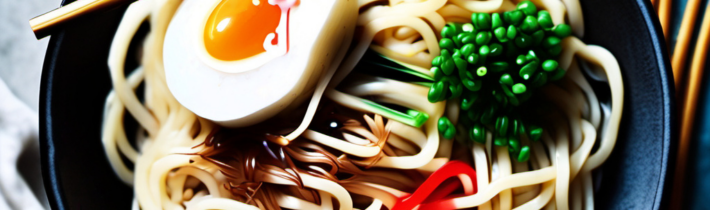
Somen noodles represent one of Japan’s most refreshing and elegant culinary traditions. These delicate wheat noodles, thinner than spaghetti and traditionally served chilled, offer a perfect canvas for creative cooking and mindful eating. Whether you’re preparing a light summer meal or exploring Japanese cuisine for the first time, mastering somen noodles opens doors to countless flavor combinations and cultural appreciation.
The beauty of somen lies in its versatility and simplicity. A perfect bowl requires understanding just a few key elements: proper cooking technique, quality ingredients, and balanced dipping sauces. This guide walks you through everything needed to create authentic, restaurant-quality somen at home.
Selecting and Storing Quality Somen Noodles
Finding the right somen noodles forms the foundation of your dish. Authentic somen typically comes dried and packaged, available at Japanese markets, specialty Asian grocers, or online retailers. Look for packages labeled “somen” specifically, as thickness matters for cooking time and texture.
Premium somen often includes oil as a preservative, which prevents sticking during storage and shipping. Some artisanal varieties use sesame oil or other plant-based oils, contributing subtle flavor notes. The noodle bundles should feel firm and smell pleasant without any musty or off odors.
Store unopened packages in a cool, dry cupboard away from direct sunlight. Properly stored dried somen keeps for years without quality degradation. Once opened, transfer remaining noodles to an airtight container to maintain freshness and prevent moisture absorption from the air.
Portion control becomes intuitive with practice. A standard serving uses roughly 50-80 grams of dried noodles per person, depending on whether somen serves as a main course or light appetizer. One noodle bundle typically weighs about 100 grams and feeds two people generously.
Mastering the Cooking Process
Cooking somen requires attention to timing and temperature. Bring a large pot of water to a rolling boil—the volume matters because somen needs room to move freely and cook evenly. A good ratio uses at least 1 liter of water per 100 grams of noodles.
Add noodles gradually to boiling water, gently separating bundles with chopsticks as they enter the pot. This prevents sticking and ensures uniform cooking. The water will return to a boil within 1-2 minutes. Once boiling resumes, reduce heat slightly to maintain a gentle rolling boil rather than aggressive bubbling, which can break delicate noodles.
Cooking time typically ranges from 1.5 to 3 minutes, depending on noodle thickness and your preference for texture. Begin tasting at the 1.5-minute mark. Somen should reach an al dente state—tender but with slight firmness when bitten. Overcooked somen becomes mushy and loses its appealing texture.
Testing for doneness involves removing a single noodle with a fork or chopsticks, running it under cold water briefly, and tasting. The noodle should bend easily without breaking but maintain slight resistance. Once satisfied with the texture, immediately drain noodles through a fine-mesh colander.
The Critical Cooling Technique
Proper cooling determines whether your somen achieves the ideal texture and temperature. Immediately after draining, rinse noodles under cold running water while gently separating them with your fingers or chopsticks. This stops the cooking process instantly and removes excess starch that would otherwise cause clumping.
Continue rinsing until water runs completely clear. This thorough rinsing removes the cloudy starch layer that accumulates during cooking, resulting in cleaner flavor and better texture. The process typically takes 30-60 seconds of running water.
For maximum chilling, prepare an ice bath while noodles cook. Fill a bowl with ice water, then plunge the drained and rinsed noodles into it for 1-2 minutes. This creates the cold, slightly firm texture that defines excellent chilled somen. Some restaurants use this technique immediately before serving to ensure optimal temperature.
Before serving, drain noodles completely and lightly coat with a small amount of neutral oil like sesame or vegetable oil. This prevents them from sticking together as they rest and adds a subtle richness. Serve somen immediately after this final preparation for best results.
Creating Traditional Dipping Sauce (Tsuyu)
The dipping sauce elevates somen from simple to extraordinary. Traditional tsuyu combines dashi broth, soy sauce, mirin, and sugar in balanced proportions. Dashi—the foundational Japanese broth—can be made from kombu kelp and bonito flakes or purchased as instant powder or liquid concentrate.
A classic tsuyu recipe uses 200 milliliters of dashi, 50 milliliters of soy sauce, 25 milliliters of mirin, and 1 teaspoon of sugar. Combine these ingredients in a small saucepan and heat gently, stirring until sugar dissolves completely. Bring the mixture to just below boiling point, then remove from heat immediately.
Allow tsuyu to cool completely before serving, ideally chilling it in the refrigerator for at least an hour. The cold sauce contrasts beautifully with chilled noodles. You can prepare tsuyu several hours or even a day ahead, storing it in a sealed container in the refrigerator.
For those with soy allergies or dietary restrictions, tamari makes an excellent substitute, offering similar depth without wheat content. Coconut aminos provides a milder, naturally sweet alternative. Experiment with these variations to discover your preferred balance of flavors.
Building Flavor with Toppings and Garnishes
While somen tastes wonderful with just noodles and dipping sauce, thoughtful toppings transform it into a more complete meal. Japanese tradition includes several classic options, each contributing texture and nutrition.
Nori seaweed strips add umami depth and visual appeal. Tear or cut sheets into bite-sized pieces just before serving. Shichimi togarashi—a seven-spice Japanese seasoning—provides gentle heat. Wasabi offers intense peppery notes for those who enjoy spice. Minced shiso leaf brings subtle anise-like flavor.
Protein options include thin slices of grilled chicken breast, chilled poached shrimp, or crispy tempura strips. Vegetable toppings might include thinly sliced cucumber, grated daikon radish, shredded carrot, or steamed edamame. Hard-boiled egg slices add richness and substance.
Fresh herbs work beautifully with somen. Thinly sliced green onions provide mild onion flavor, while fresh cilantro offers brightness. Even simple cooked corn kernels add sweetness and texture. Arrange toppings separately around the noodles or on a small plate beside the serving bowl, allowing diners to customize their experience.
Seasonal Variations and Creative Combinations
Somen’s popularity stems largely from its adaptability to seasonal ingredients and flavor preferences. Summer preparations typically emphasize refreshing, light accompaniments that complement the cold noodles and chill the body during warm months.
Spring somen might feature fresh green peas, young bamboo shoots, and delicate herbs. Summer calls for chilled vegetable combinations with cucumber, tomato, and mint. Autumn brings mushrooms, roasted vegetables, and sesame-based sauces. Even winter preparations work when served in warm broth instead of chilled with dipping sauce.
Asian fusion variations incorporate ingredients beyond traditional Japanese cuisine. Thai-inspired versions add fresh basil, lime juice, and a touch of chili oil to the sauce. Vietnamese-style somen might include fresh herbs like cilantro, mint, and basil with a lighter, lime-forward dipping sauce. Mexican-influenced versions introduce cotija cheese, jalapeños, and cilantro-lime sauce.
Protein variations make somen work for any dietary preference. Vegetarian bowls highlight grilled tofu, tempeh, or hearty mushrooms. Vegan versions skip eggs and opt for plant-based proteins. Pescatarian preparations feature grilled fish, cured tuna, or various seafood options. Ground meat options include seasoned ground chicken or pork mixed through the dipping sauce.
Equipment and Tools for Best Results
While somen requires minimal equipment, certain tools streamline the process and improve results. A large pot—at least 4-5 liters—provides adequate water volume and prevents boiling over. Avoid small saucepans that restrict noodle movement and cause uneven cooking.
A fine-mesh colander with handles allows efficient draining and rinsing. The mesh size should be small enough to catch individual noodles without letting them escape. Some cooks prefer wooden or bamboo colanders, which many find easier on delicate noodles than metal varieties.
Chopsticks or a pasta fork assist in separating noodles during cooking. Chopsticks prove particularly useful for Japanese cooking, and many prefer their precision and gentleness. Slotted spoons or skimming spoons help remove individual noodles for testing doneness without draining the entire pot.
Small serving bowls specifically designed for dipping sauce—often 2-3 inches in diameter—help control sauce consumption and prevent waste. A bamboo mat or zaru basket traditionally catches noodles before serving and provides attractive presentation. Small plates for toppings let diners arrange their preferred combinations.
Troubleshooting Common Issues
Even experienced cooks encounter occasional problems with somen preparation. Understanding common issues and their solutions ensures consistent results. If noodles stick together after cooking, increase rinsing time and ensure adequate separation during the cooking process. Some cooks lightly oil noodles before serving to prevent clumping during assembly.
Mushy texture indicates overcooking. Begin tasting at the lower end of the recommended cooking time range and develop intuition about your specific noodles and stovetop. Different somen brands cook at slightly different rates, so timing adjustments may be necessary.
If dipping sauce tastes too strong or salty, dilute it slightly with water or additional dashi. If it seems too light or bland, add a small amount of soy sauce or mirin. Balance develops through tasting and adjustment before guests arrive.
Noodles breaking during cooking usually indicates excessively boiling water or rough handling. Maintain a gentle rolling boil rather than aggressive bubbling, and stir gently and infrequently. If noodles fall apart before cooking time completes, reduce heat or remove the pot from direct heat slightly.
Serving Etiquette and Presentation
Proper somen service respects Japanese culinary traditions while creating an appealing experience. Serve noodles in individual bowls or on traditional bamboo plates. Place dipping sauce in small, shallow bowls—traditionally called guinomi or sake cups—set slightly above and to the right of the noodle bowl.
Arrange toppings either on the noodle surface or on a separate small plate. Some restaurants present somen in a tiered arrangement, with noodles cascading from higher levels into bowls below. While home service needn’t replicate this precisely, thoughtful arrangement elevates the experience.
Eating somen involves picking up a small bundle with chopsticks, dipping it into the tsuyu sauce, and eating in one motion. The tradition values making slurping sounds, which indicate enjoyment and help cool the noodles as they enter the mouth. This contrasts with typical Western dining etiquette and represents respect for the meal.
Leftover sauce typically contains accumulated noodle starch and bits. Traditionally, adding a small amount of hot water to this remaining sauce creates a flavorful broth called sobayu, which diners drink to conclude the meal. This practice avoids waste and provides a satisfying finish.
Nutritional Considerations and Health Benefits
Somen noodles provide several nutritional benefits when prepared thoughtfully. Made primarily from wheat flour, a typical serving contains moderate carbohydrates and some protein. One 50-gram serving of dried somen yields approximately 25 grams of carbohydrates and 3 grams of protein.
The noodles themselves contain minimal fat and no cholesterol. Nutritional value increases substantially through toppings and accompanying ingredients. Adding protein such as eggs, tofu, or seafood creates a more balanced meal. Vegetable toppings contribute vitamins, minerals, and fiber that the plain noodles lack.
Dashi broth contributes umami compounds and minerals from its kombu and bonito components. Mirin adds natural sugars but in moderate quantities within the dipping sauce. Soy sauce provides sodium and some amino acids, though use can be moderated by diluting the sauce or reducing serving size.
For those managing carbohydrate intake, somen can be modified by reducing portion size or substituting vegetable-based noodles. Zucchini noodles or shirataki noodles serve as lower-carbohydrate alternatives to traditional wheat somen while maintaining some of the traditional experience. These substitutes work well with traditional tsuyu sauce and toppings.
Regional Somen Styles and Cultural Significance
Somen noodles carry deep cultural meaning across different Japanese regions, with distinct preparation methods reflecting local ingredients and traditions. Nagasaki somen, produced in Kyushu’s Nagasaki Prefecture, represents one of Japan’s oldest somen-making centers, with production methods passed down through generations since the 17th century. These noodles typically feature a slightly thicker diameter than standard somen and develop unique flavor characteristics from the specific wheat varieties and mineral content of local water sources.
Miwa somen from Nara Prefecture holds protected geographical indication status, signifying its distinct origin and quality standards. The production process in Miwa involves hand-twisting and oil-coating techniques that create noodles with exceptional smoothness and subtle sweetness. Local legend attributes somen’s discovery in Miwa to monks who adapted Chinese noodle-making techniques during the 11th century, making it one of Japan’s oldest continuously produced foods.
Ito-yokan, another regional variant, emphasizes extreme thinness achieved through specialized hand-pulling techniques. These ultra-thin noodles cook in under one minute and require careful handling to prevent breakage. Regional differences extend to tsuyu preparation as well—some areas emphasize bonito-forward broths, while others feature kombu-dominant styles or incorporate regional ingredients like miso or local vegetables.
Understanding regional variations enriches appreciation for somen beyond simple home preparation. Seeking out specific regional products from Japanese importers introduces nuanced flavor differences and supports traditional producers maintaining these centuries-old techniques. Many Japanese specialty shops can recommend regionally specific somen suited to particular preparation styles or personal taste preferences.
Advanced Sauce Techniques and Umami Development
While basic tsuyu serves most occasions well, deeper exploration of sauce development unlocks sophisticated flavor dimensions that elevate somen to restaurant-quality experiences. Primary umami compounds in traditional tsuyu come from inosinate in bonito flakes and glutamate in kombu kelp. Developing umami intensity involves understanding extraction temperatures and timing for each component.
Creating dashi from scratch begins with selecting quality kombu—look for products labeled “Hidaka” or “Rishiri” kombu, which produce cleaner, more delicate broths than lower grades. Proper kombu steeping involves submerging dried kelp in room-temperature water for 30 minutes to several hours, extracting glutamic acid without boiling, which would release bitter compounds. Water temperature matters considerably; heating above 60°C (140°F) during this initial steep produces inferior results.
Bonito flake addition occurs after kombu removal, using water heated to just below boiling. Steeping bonito for 3-5 minutes extracts inosinate and proteins without over-extracting bitter compounds from prolonged contact. Timing proves critical—insufficient steeping leaves sauce flat and thin, while excessive steeping creates murky broth with unpleasant harsh notes. Straining through fine cheesecloth rather than standard colanders preserves clarity and delicate texture.
Advanced practitioners layer umami by combining bonito with additional elements like dried shiitake mushroom powder, anchovy stock, or shrimp paste in precise proportions. Mirin selection significantly impacts sauce character—aged mirin develops deeper, more complex sweetness than fresh mirin, though both have distinct applications. Experimenting with mirin-to-soy ratios creates personal signature sauces; some cooks favor 1:1 ratios for equal sweetness and saltiness, while others prefer 2:1 for pronounced mirin characteristics.
Temperature management during tsuyu service affects flavor perception substantially. Serving sauce at precisely 8-10°C (46-50°F) optimizes taste transmission compared to warmer or near-freezing temperatures. This specific temperature range enhances taste receptor sensitivity while maintaining the sauce’s intended balance. Preparing tsuyu in advance and refrigerating in shallow containers ensures rapid, even chilling to target temperature.
Textural Mastery and Mouthfeel Engineering
Achieving perfect somen texture represents a skill developed through repetitive practice and microscopic attention to variables. Texture quality stems from starch gelatinization during cooking—too brief heating leaves centers undercooked with chalky texture, while excessive cooking breaks down protein networks and creates mushiness. The sweet spot occurs when outer starches fully hydrate while inner starch granules remain slightly firm, creating noodles that bend without snapping and present slight resistance when bitten.
Water temperature stability during cooking influences texture profoundly. Many home cooks experience texture inconsistency because water temperature fluctuates after noodle addition; heat loss during the 1.5-3 minute cooking window can substantially impact results. Using larger pots with greater thermal mass maintains more stable temperatures. Some advanced cooks use thermometers to monitor water temperature, reducing heat slightly if water drops below 95°C (203°F) after noodle addition.
Starch removal through rinsing directly affects final texture and mouthfeel. Excessive starch coating creates sticky, gluey noodles that clump and lose definition. Thorough rinsing removes this surface starch while preserving internal structure, creating noodles with clean, distinct texture and reduced clumping tendency. The distinction between “al dente” somen and overcooked somen becomes immediately apparent in mouthfeel—proper texture presents slight springiness and tooth resistance, not flaccidity.
Post-cooking chilling methodology affects texture development. Ice bath submersion creates the coldest, firmest final product through rapid starch retrogradation, the process where cooked starch granules realign into crystalline structures. Noodles submerged in ice bath for 2-3 minutes develop noticeably firmer texture compared to room-temperature rinsing alone, though excessive ice bath time can create undesirably brittle noodles. Experienced cooks recognize optimal ice bath duration by texture feel rather than predetermined timing, developing intuitive judgment through repetition.
Oil coating applied to finished noodles serves dual purposes beyond preventing stickiness—minute oil layers create smoother texture sensation on the tongue and can slightly firm outer starch layers. Sesame oil imparts subtle aromatic qualities that enhance perceived flavor complexity, while neutral oils provide pure texture benefits without flavor contribution. Oil quantity proves important; excessive coating creates slippery, unpleasant texture, while minimal coating maintains noodle integrity without these negative effects.
Pairing Somen with Beverages and Complementary Dishes
Thoughtful beverage selection complements somen’s delicate profile while enhancing overall dining experience. Japanese tea varieties pair particularly well with chilled somen—sencha green tea’s grassy, slightly astringent character cuts through rich sauce and provides palate-cleansing properties. Genmaicha, green tea blended with roasted rice, offers warmer, nuttier notes that complement sesame-based sauces or nutty toppings. Hojicha, heavily roasted green tea, presents deeper, earthier flavor that supports heartier somen preparations with meat proteins.
Light Japanese beers complement somen superbly, particularly pilsner-style varieties with crisp, clean profiles that refresh between bites without overwhelming delicate flavors. Sake selections range from light, fruity junmai-daiginjo varieties that echo somen’s refinement to slightly sweet types that balance spicy topping variations. Sparkling sake presents interesting textural contrast against smooth noodles and works particularly well in warm weather service.
Wine pairing strategies emphasize crisp whites with high acidity rather than full-bodied varieties. Sauvignon Blanc, Pinot Grigio, and Albariño varieties offer sufficient acidity to cleanse the palate while respecting somen’s subtle flavor profile. Dry Riesling presents slightly fruity notes without sweetness that can clash with dipping sauce balance. Rosé wines work well with lighter, vegetable-focused preparations but may overpower delicate traditional somen.
Complementary dish pairings create balanced meals when somen serves as a main course component. Light appetizers like edamame, cucumber salad, or steamed vegetable dumplings provide variety in texture and flavor without overwhelming the senses. Grilled or steamed fish dishes work harmoniously, as do simple preparations of seasonal vegetables. Heavier protein dishes or rich sauces should precede somen rather than accompany it, allowing somen’s delicate flavors to shine as the primary focus.
Dessert selection following somen should emphasize lightness and freshness. Fruit-based preparations like mango sorbet, yuzu mousse, or simple fruit salads provide refreshing finales without leaving heavy residue in the mouth. Japanese sweets like mochi, taiyaki, or dorayaki present moderate sweetness that doesn’t overwhelm. Overly rich desserts like chocolate cake or cream-based preparations can create unpleasant flavor combinations with lingering sauce residues in the mouth.
Scaling Somen Preparation for Gatherings and Events
Preparing somen for multiple guests requires strategic planning that differs substantially from single-serving preparation. Cooking all noodles in one batch risks uneven texture due to crowding in the pot and inconsistent heat distribution. Instead, organize cooking into sequential batches using the same water—after initial batch cooking, water maintains proper temperature and requires less preheating for subsequent batches. This method increases efficiency while maintaining consistent texture across all servings.
Timing coordination becomes critical when serving 6-8 people simultaneously. Complete cooking of all batches approximately 5 minutes before service time, cool the final batch in the ice bath while guests settle, then plate immediately. This approach prevents noodles from developing storage-related texture degradation while ensuring all guests receive simultaneously prepared, properly chilled somen.
Batch-cooking logistics involve preparing adequate drained, cooled, lightly oiled noodles 1-2 hours before service, storing them separately in airtight containers without sauce. This allows rapid plating at service time without live cooking demands overwhelming the host. Prepare all toppings and sauce beforehand, arranging toppings on a central board where guests can select preferred combinations.
For very large gatherings (15+ people), consider setting somen as a self-service station where guests cook individual portions in a communal pot of boiling water maintained at serving temperature. Provide clearly marked cooking time guides (1.5, 2, 2.5, and 3 minutes) allowing guests to select preferred texture levels. This approach eliminates large-batch cooking challenges while adding interactive, hands-on elements that guests often find entertaining and engaging.
Sauce quantity scaling requires attention to ingredient proportions remaining consistent at larger volumes. A standard single-batch tsuyu (200ml dashi, 50ml soy sauce, 25ml mirin, 1 tsp sugar) serves 2-3 people comfortably. For 8 people, multiply ingredients by 3, creating 600ml dashi, 150ml soy sauce, 75ml mirin, 3 teaspoons sugar. This maintains flavor balance across larger quantities. Prepare sauce well in advance, chilling thoroughly to ensure proper serving temperature without last-minute pressure.
Troubleshooting Quality Issues and Salvage Techniques
Beyond basic troubleshooting, experienced cooks develop salvage techniques for challenging scenarios. If noodles become overcooked and mushy during batch cooking for guests, immediately shock them in ice water and separate carefully with chopsticks to halt cooking and firm exterior starch layers. While texture won’t fully recover, rapid cooling prevents further deterioration and maintains acceptable quality for service.
Dipping sauce that becomes too concentrated or develops excessive saltiness during preparation can be rescued through careful dilution. Add cold dashi incrementally while tasting, maintaining the umami profile while reducing intensity. This approach proves more effective than water alone, which dilutes all flavors equally rather than maintaining sauce complexity. A tablespoon of mirin added per 100ml of overly salty sauce rebalances sweetness components, creating more harmonious overall flavor.
Noodles that clump after cooling due to inadequate oil coating can be carefully separated and lightly re-oiled, though results prove slightly less satisfactory than proper technique initially. Submerge clumped noodles briefly in cool water (30-45 seconds), gently separate with chopsticks, then immediately apply oil while separating further. This technique partially recovers noodle quality though texture becomes slightly compromised.
If tsuyu develops off-flavors from sitting too long or improper storage, don’t attempt salvage—discard and prepare fresh sauce. Sour, fermented, or off-smelling sauce indicates bacterial growth or degradation that seasonings cannot mask. Food safety takes precedence over waste concerns; proper sauce storage in refrigeration at 4°C (39°F) prevents these issues by limiting bacterial multiplication.
Water that becomes excessively starchy from initial batch cooking and appears cloudy requires careful management for subsequent batches. While some practitioners reuse cooking water to maintain consistent mineral content and slightly improved texture, cloudy water from first batches should be partially replaced (50%) with fresh water after the second batch, then fully replaced before the third batch. This maintains cooking consistency while managing starch accumulation.
Cultural Context and Mindful Eating Practices
Somen consumption carries philosophical dimensions reflecting Japanese approaches to food and seasonal awareness. The tradition of eating cold somen during summer months connects to broader Japanese cultural practices around body cooling and seasonal harmony—consuming cool foods during hot periods aligns with ancient wellness concepts that continue influencing modern Japanese cuisine. Understanding this connection deepens appreciation for somen beyond pure gustatory enjoyment.
Mindful eating practices traditionally accompany somen consumption, particularly in formal settings or cultural events. The act of slurping—socially acceptable and even encouraged with somen and other noodle dishes—facilitates mixing noodles with air, which cools them and enhances flavor perception. This practice invites attention to sensory experience rather than rushing through meals mechanically. The sound itself signals enjoyment and respect for the meal’s preparation.
Portion awareness in somen preparation reflects Japanese culinary philosophy emphasizing sufficiency over excess. A balanced somen serving provides satisfaction without overwhelming the digestive system or creating postprandial heaviness. This contrasts with approaches prioritizing maximum quantity and protein density. Respecting portion sizes allows fuller appreciation of subtle flavor notes that might disappear when consumed alongside other dominant sensations.
Seasonal eating calendars guide somen preparation timing and ingredient selection throughout the year. Summer preparations (June-August) emphasize maximum cooling through chilled service and light toppings. Spring and early autumn (March-May, September-November) incorporate transitional elements. Winter adaptations shift to warm broth-based service maintaining somen’s delicate character while providing appropriate warming. Following these seasonal rhythms connects personal cooking practices to broader natural cycles and Japanese cultural traditions.
Gathering and sharing somen with others emphasizes community and connection beyond nutritional function. Preparing somen together—with some guests cooking their preferred texture levels while others arrange toppings—creates collaborative experiences distinct from more passive dining situations. This communal approach reflects traditional Japanese cultural values around food preparation and consumption as shared, meaningful activities rather than solitary sustenance.
Frequently Asked Questions
Can I make somen noodles from scratch at home? Making fresh somen noodles requires specialized equipment and considerable skill, as the dough must be kneaded, rested, oiled, twisted, and hand-pulled into extremely thin strands. Most home cooks use dried somen from reputable manufacturers, which produces excellent results without the complexity of making fresh pasta. Some specialty cooking schools offer somen-making classes for those interested in learning the traditional technique.
How far in advance can I prepare somen for a gathering? Cook noodles no more than 2-3 hours before serving, as they can develop an unpleasant texture if left to sit too long after cooling. However, you can prepare dipping sauce and cut vegetables hours or even a day ahead. For optimal quality, complete final cooking just before guests arrive. Store cooked, cooled noodles in an airtight container in the refrigerator, lightly oiled to prevent sticking.
What’s the difference between somen and other thin noodles like angel hair pasta? Somen uses a specific wheat flour blend and cooking technique that produces a distinctly tender texture when cooked properly. Angel hair pasta, while similarly thin, contains different flour compositions and often egg, resulting in different flavor and texture. Somen’s delicate nature requires gentler cooking and handling than Italian pasta. They’re not directly interchangeable, though angel hair can substitute in a pinch.
Is the tsuyu dipping sauce necessary, or can I serve somen other ways? While tsuyu represents the traditional accompaniment, somen adapts to various preparations. Warm tsuyu creates a noodle soup experience suitable year-round. Light cream-based sauces, Asian-inspired peanut sauces, or simple soy-vinegar dressings all work with somen. Some diners enjoy somen in cold salads with vinaigrette dressing or tossed with sesame oil and soy sauce. Experimentation helps discover your preferred preparation method.
How do I prevent somen noodles from absorbing too much water when stored? Store cooked somen separately from liquid and lightly coated with oil in airtight containers. Keep dipping sauce in a separate container. When combining noodles and sauce for serving, do so immediately before eating to prevent excessive water absorption. If you must prepare ahead, reserve noodles and sauce separately and combine only at service time. Some restaurants freeze cooked noodles after rapid cooling, thawing them gently before serving, though this takes considerable practice to execute successfully.
Related posts:
 Japanese Longevity Breakfast Recipes
 How to Make Restaurant-Quality Poke Bowls in Your Own Kitchen
 Keto Mexican Night: Cauliflower Enchiladas That Actually Taste Amazing
 These Ready-to-Cook Zoodles and Veggie Noodles Are a Dinner Game-Changer
 Magic of Liquid Gold Sauce
 5 Fish Sauce Substitutes for Cooking
 Japanese Knives: State of the Art Blades for the Aspiring Home Chef
 Japanese Diet Longevity Study