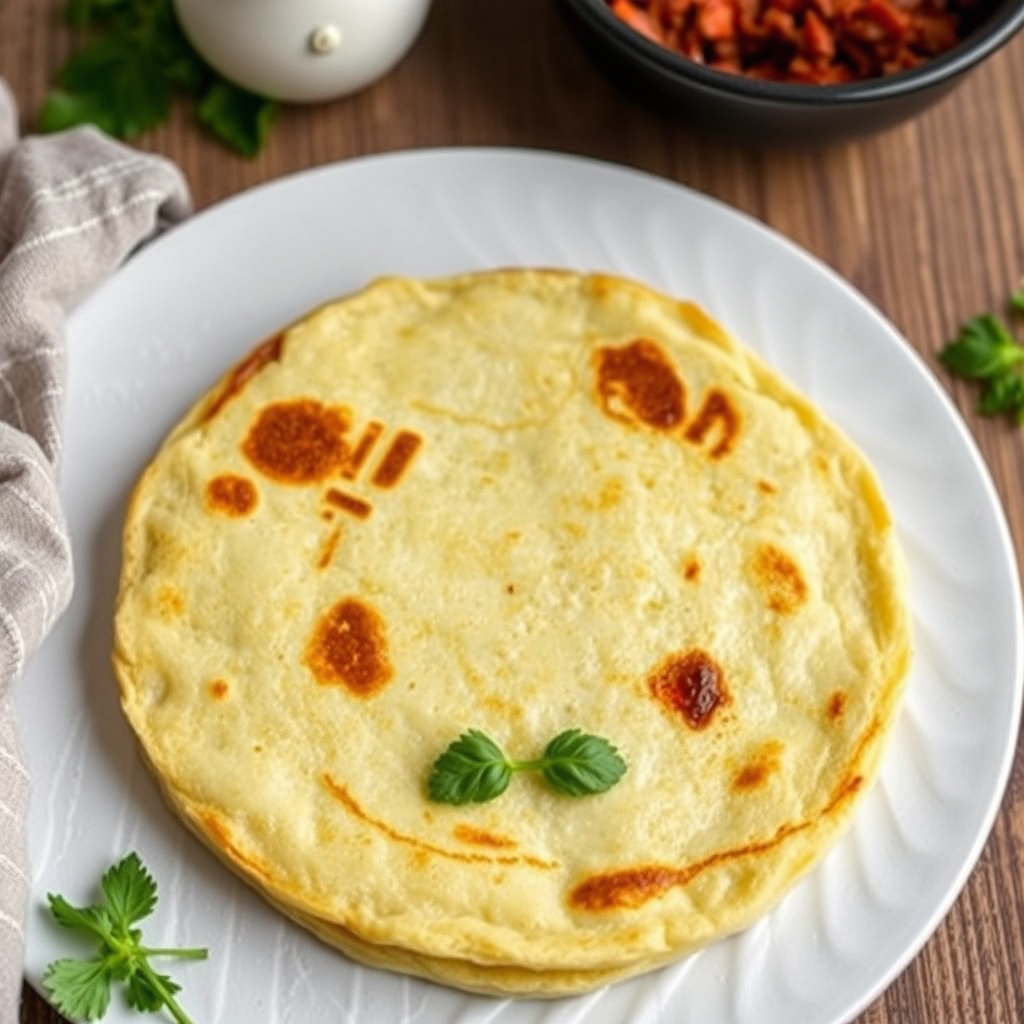
The Spanish tortilla, or tortilla española, is a testament to the beauty of simplicity. With only four primary ingredients—eggs, potatoes, onions, and olive oil—it remains one of the most iconic dishes in Spanish cuisine. Far from being a mere omelet, a perfectly executed tortilla is a harmonious balance of creamy, tender potatoes and savory, golden-brown egg curds. Mastering this dish is a rite of passage for any home cook, requiring patience and a gentle touch.
Understanding the Anatomy of a Classic Tortilla
At its core, a Spanish tortilla is a study in texture. Unlike French omelets, which are often light and airy, the Spanish tortilla is dense, rich, and substantial. The secret lies in the technique of poaching the potatoes in olive oil rather than frying them until crispy. You are looking for the potatoes to become tender enough to break with a fork while absorbing the rich flavor of the oil. The onion, while sometimes debated by purists, adds a subtle sweetness and moisture that prevents the dish from becoming overly dry. The quality of your olive oil is paramount, as it acts as the primary cooking medium and flavor base for the entire dish.
Selecting the Right Ingredients
Because the ingredient list is so short, each component must be of high quality. Use waxy potatoes, such as Yukon Gold or Kennebec, which hold their shape well during the poaching process. Avoid starchy baking potatoes like Russets, as they will disintegrate and turn the mixture into a mash. For the eggs, farm-fresh, pasture-raised options provide a richer color and a more robust flavor. Extra virgin olive oil is preferred for its depth, though a high-quality light olive oil can be used if you prefer a less aggressive flavor profile. Finally, use a yellow or white onion, diced finely enough to soften completely alongside the potatoes.
The Art of Poaching: The Foundation of Flavor
The most critical step in making a Spanish tortilla is the poaching process. Begin by peeling and slicing your potatoes into thin, uniform pieces—about an eighth of an inch thick. Heat a generous amount of olive oil in a non-stick skillet over medium-low heat. Add the potatoes and onions, ensuring they are mostly submerged in the oil. This is not a fast fry; you are gently cooking the vegetables until they are soft and translucent. This process should take approximately 20 to 25 minutes. Once the potatoes are tender, drain them thoroughly through a colander, reserving the excess oil for future cooking. This oil is now infused with potato and onion essence and is excellent for roasting vegetables.
The Importance of the Resting Phase
After draining the potatoes and onions, place them in a large mixing bowl and allow them to cool slightly. Meanwhile, crack your eggs into a separate bowl and beat them until they are well combined but not excessively frothy. Add the warm potato-onion mixture to the eggs and season generously with sea salt. Here is the secret: let this mixture sit for at least 10 to 15 minutes. This resting period allows the potatoes to absorb some of the egg, creating a cohesive structure that will hold together when flipped. If you rush this step, the interior of your tortilla may be runny or separate during the cooking process.
Achieving the Perfect Flip
The flip is the moment most home cooks fear, but with the right equipment, it is simple. Use a high-quality, 8-inch or 10-inch non-stick skillet. Heat a small amount of the reserved olive oil over medium-high heat until it shimmers. Pour in your egg and potato mixture, spreading it evenly with a spatula. Cook for about 3 to 5 minutes, or until the edges are set and the bottom is golden brown. Place a large, flat plate over the skillet, hold it firmly, and confidently invert the skillet. Slide the partially cooked tortilla back into the pan to cook the second side for another 2 to 3 minutes. The result should be a slightly runny center and a firm, golden exterior.
Temperature and Serving Suggestions
A Spanish tortilla is arguably at its best when served at room temperature. This allows the flavors to settle and the fats to solidify slightly, making the texture more luxurious. If you choose to serve it warm, let it rest for at least 10 minutes after cooking to ensure it sets properly. It can be served as a tapa, cut into small cubes with toothpicks, or as a main course accompanied by a fresh green salad with a sharp vinaigrette. Leftovers hold remarkably well, lasting up to three days in the refrigerator, and can be enjoyed cold or gently reheated.
Troubleshooting Common Tortilla Mistakes
If your tortilla is falling apart, it is usually due to insufficient resting time or using too few eggs for the amount of potatoes. Aim for a ratio where the eggs just barely cover the potatoes. If the center is too liquid, you may have used a pan that was too small or your heat was too high, causing the exterior to burn before the middle could cook. If the dish feels greasy, ensure you are draining the potatoes thoroughly after poaching. Remember that the goal is a moist, custardy interior, not a dry, scrambled egg texture. Practice is key; the more you make it, the more you will learn to gauge the perfect doneness by the feel of the pan.
Variations and Personal Touches
Once you have mastered the classic recipe, you can experiment with additions. Many Spaniards add bell peppers, chorizo, or even fresh herbs like parsley or chives to the mixture. For a gourmet twist, try incorporating sautéed mushrooms, caramelized leeks, or a layer of Manchego cheese in the center. While purists might argue these additions move away from the traditional recipe, the versatility of the tortilla makes it a perfect canvas for seasonal ingredients. Regardless of the additions, always maintain the core technique of poaching the potatoes in olive oil to ensure the integrity of the dish remains intact.
Advanced Knife Skills for Uniformity
The secret to a consistent tortilla lies in the uniformity of your potato slices. If your slices vary in thickness, the thinner pieces will disintegrate into a paste while the thicker pieces remain crunchy, creating a jarring, uneven mouthfeel. Aim for a consistent 3mm thickness. Using a mandoline is the most efficient way to achieve this, but if you prefer to use a chef’s knife, practice the “claw” grip to ensure stability. Consistency in size also ensures that every bite contains a balanced ratio of potato to egg. Furthermore, consider the shape of your slices; some chefs prefer thin rounds, while others prefer irregular shards. Regardless of shape, keep the dimensions uniform to ensure the potatoes cook at the same rate during the poaching phase.
The Chemistry of Egg Ratios
While many recipes suggest a loose ratio, professional Spanish kitchens often rely on weight rather than count. A good rule of thumb is 100 grams of potato for every 1 large egg. If you find your tortilla is consistently too dry, increase the egg count slightly or introduce a splash of heavy cream or full-fat Greek yogurt to the beaten eggs. This adds a level of richness and protein density that helps the structure hold its own when sliced. Always beat your eggs until they are a uniform, pale yellow color, but avoid whipping them into a frenzy; you want a homogeneous mixture, not a meringue, as excess air bubbles can cause the tortilla to puff and collapse unevenly during the flip.
Mastering the Pan Surface and Heat Management
The choice of pan is arguably as important as the quality of the olive oil. A heavy-gauge, non-stick skillet is non-negotiable for a beginner. However, experienced cooks often use seasoned carbon steel, which provides superior heat retention and a more durable non-stick surface over time. If your pan is too thin, you will encounter hot spots that lead to burnt edges and raw centers. Before you begin the flip, ensure the pan is sufficiently seasoned. If you notice the tortilla sticking, it is likely because the pan was not hot enough when the egg mixture was added or the surface has lost its non-stick coating. Never use metal utensils on these surfaces; a heat-resistant silicone spatula is the ideal tool for loosening the edges and sides before the inversion.
The Salt-Potato Interaction
Salt is not just a flavor enhancer here; it is a structural agent. Many home cooks make the mistake of salting only the eggs. Instead, salt the potatoes and onions lightly *while* they are poaching. This draws out excess moisture, allowing the potatoes to absorb the infused olive oil more effectively. When you combine the warm, salted potatoes with the eggs, the salt continues to break down the starch slightly, which acts as a binder. Be mindful of your salt levels if you are adding ingredients like chorizo or salty cheeses, as these will contribute significant sodium to the final dish. Always taste a small piece of a potato during the poaching stage to ensure the seasoning is balanced before the final assembly.
The Science of the ‘Runny’ Center
The debate over the interior texture of a tortilla is fierce. A traditional ‘babosa’ (runny) tortilla is achieved by pulling the pan off the heat exactly when the center is still wobbly. If you are nervous about food safety, use a digital thermometer; the center should reach approximately 145°F (63°C). At this temperature, the eggs are pasteurized and safe, yet they maintain a creamy, custardy consistency. If you prefer a firmer texture, you must lower the heat and cover the pan during the final two minutes of cooking. This traps the residual steam, allowing the heat to penetrate the center without burning the bottom crust. Remember that the residual heat inside the tortilla will continue to cook the eggs for several minutes after it is removed from the pan.
Troubleshooting Failed Flips
If the dreaded “tortilla spill” occurs, do not panic. If the mixture is still mostly liquid, simply slide it back into the pan, rearrange the potatoes with a spatula, and let it set on low heat for a few extra minutes. If it breaks during the flip, you can often patch it by pressing the edges back together with a spatula while it is in the pan; the egg acts as a glue and will mend the break as it continues to cook. To prevent this, always use a plate that is at least 2 inches wider than the pan. Ensure the plate is completely dry—moisture on the surface of the plate can cause the tortilla to steam or stick, leading to a messy inversion. If you are truly intimidated, try cooking the tortilla in a smaller, 6-inch pan, which makes the flip significantly more manageable.
Frequently Asked Questions
Why do my potatoes turn into mush when I cook them?
This usually happens if you are using starchy potatoes like Russets. Switch to a waxy variety like Yukon Gold, and be careful not to stir the potatoes too aggressively while they are poaching in the oil.
How do I know when the tortilla is ready to flip?
The edges of the tortilla will look opaque and set, and the center will still be slightly wiggling but not liquid. If you shake the pan gently, the tortilla should slide around, indicating the bottom has released.
Can I make a Spanish tortilla ahead of time?
Yes, it is excellent when made ahead. In fact, many people prefer it after it has rested for a few hours. Keep it covered at room temperature for a few hours, or store it in the refrigerator and bring it to room temperature before serving.
What is the ideal thickness for a Spanish tortilla?
A traditional tortilla should be about 1.5 to 2 inches thick. If your pan is too large, the tortilla will be thin and likely overcook; if it is too small, it will be difficult to flip and the center may stay too raw.
Is it necessary to use that much olive oil?
Yes, the oil is essential for the poaching process, which gives the potatoes their unique, creamy texture. You are not deep-frying in the traditional sense, and since you reserve the oil, it is not wasted and can be reused for other dishes.
Related posts:
 Poached Winter Fruit Desserts Are Fancy but So Easy
 Delicious Ground Chicken Recipes
 The Return of Flip Flops
 Perfect Hard-Boiled Eggs: A Simple Guide
 Keto Mexican Night: Cauliflower Enchiladas That Actually Taste Amazing
 Your Guide to Perfect Fall Baked Sweet Potatoes Every Time
 Perfect Egg Frying Pan Guide
 Beyond Breakfast: The Plant-Based Sausage That’s Changing the Morning Game