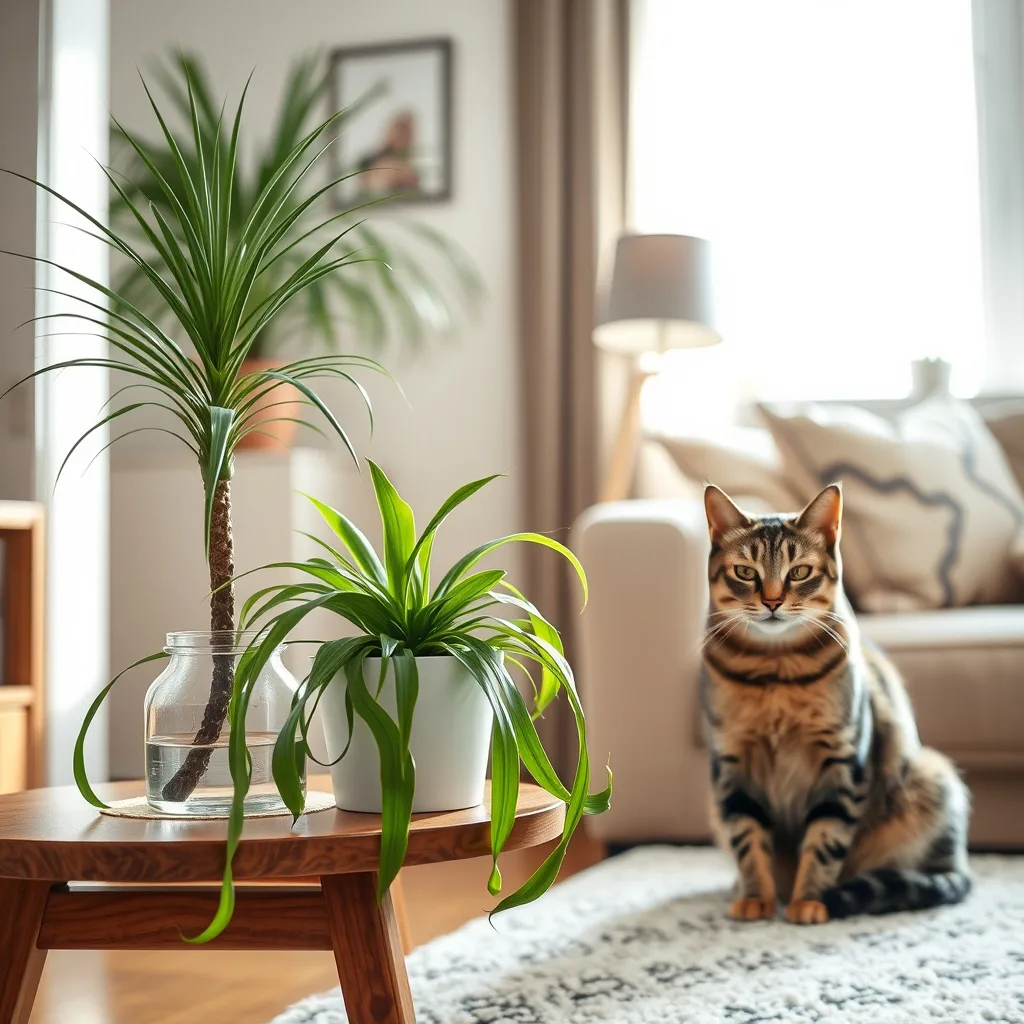
Bringing greenery into your home can transform a sterile space into a vibrant, living sanctuary. However, for pet owners, the joy of indoor gardening often comes with the anxiety of potential toxicity. Many popular houseplants, such as lilies, philodendrons, and snake plants, can cause severe illness or even fatality if ingested by curious cats or dogs. Fortunately, you do not have to choose between a lush indoor garden and the safety of your furry companions. By selecting non-toxic, pet-safe varieties, you can create a beautiful, healthy environment for everyone in your household.
Key takeaways
- Verify plant safety using botanical Latin names, as common names can be misleading and lead to accidental exposure to toxic species.
- Prioritize pet-safe greenery like Spider Plants, Calatheas, Boston Ferns, Parlor Palms, and Hoyas to avoid systemic toxicity.
- Secure plant pots with heavy containers or top-dressings like river rocks to prevent pets from digging in soil or ingesting fertilizers.
- Use vertical space, hanging planters, or plant stands to keep delicate foliage out of reach and protect plants from predatory play.
- Provide safe alternatives like cat grass and use sensory deterrents like citrus peels to discourage pets from chewing on houseplants.
Understanding Plant Toxicity and Your Pets
Before selecting plants, it is essential to understand why some are dangerous. Many common houseplants contain calcium oxalate crystals, which cause immediate irritation to the mouth, tongue, and throat if chewed. Others contain alkaloids, cardiac glycosides, or insoluble toxins that can cause kidney failure, neurological issues, or gastrointestinal distress. It is important to remember that even non-toxic plants can cause mild stomach upset if a pet consumes a large amount of foliage. The goal is to avoid plants that pose a systemic threat. Always cross-reference any potential purchase with the ASPCA’s comprehensive database of toxic and non-toxic plants, as common names can be misleading.
The Spider Plant: The Ultimate Beginner-Friendly Choice
The Spider Plant (Chlorophytum comosum) is a staple for pet owners for good reason. It is incredibly hardy, easy to propagate, and completely non-toxic to both cats and dogs. Its arching, variegated leaves add a dynamic aesthetic to hanging baskets or high shelves. Spider plants thrive in indirect sunlight and are forgiving if you occasionally forget to water them. They are also known for their air-purifying qualities, making them an excellent choice for bedrooms or living areas where you and your pets spend the most time.
Calatheas: The Statement Piece for Low-Light Homes
If you are looking for foliage with intricate patterns and deep, rich colors, Calatheas are the perfect solution. Often called “prayer plants” because their leaves fold up at night, species like the Calathea lancifolia (Rattlesnake Plant) or Calathea orbifolia are entirely safe for pets. These plants prefer higher humidity and indirect light, making them ideal for bathrooms or kitchens. Because they are non-toxic, you can feel comfortable placing them on lower surfaces where your cat might be tempted to bat at the leaves.
Boston Ferns: Adding Texture and Volume
For those who love the look of lush, feathery greenery, the Boston Fern (Nephrolepis exaltata) is a classic, safe option. These ferns love moisture and filtered light, making them perfect for hanging in a bright corner or sitting on a plant stand. Unlike many other decorative ferns, which can be irritating or toxic, the Boston Fern is safe for curious pets. To keep them looking their best, provide regular misting or place them in a humid room to prevent the fronds from turning brown at the tips.
Parlor Palms: Bringing the Tropics Indoors
If you want to add height and a tropical flair to your living room, look no further than the Parlor Palm (Chamaedorea elegans). Many palms are toxic, but the Parlor Palm is a notable exception that is safe for dogs and cats. It is a slow-growing plant that adapts well to lower light conditions, making it an excellent “corner filler.” Its feathery, frond-like leaves are visually appealing and provide a gentle, swaying movement that adds tranquility to your home decor without posing a risk to your pets.
Hoya Carnosa: The Beautiful Wax Plant
The Hoya, or Wax Plant, is a fantastic choice for pet owners who want a flowering indoor plant. The Hoya carnosa is non-toxic and produces beautiful, star-shaped clusters of fragrant flowers when given enough bright, indirect light. These plants are semi-succulent, meaning they do not require frequent watering and can handle a bit of neglect. Their trailing nature makes them perfect for shelves or hanging planters, keeping them slightly out of reach while still allowing you to appreciate their unique texture and blooms.
Peperomias: Variety Without the Risk
Peperomias are a diverse family of plants that offer a wide range of leaf shapes, textures, and colors, all while being completely pet-safe. Whether you choose the Baby Rubber Plant (Peperomia obtusifolia) with its thick, waxy leaves or the Watermelon Peperomia with its striking silver and green stripes, you are getting a compact, low-maintenance plant that fits perfectly on desks or side tables. They are generally resilient and do not require specialized care, making them an ideal starting point for new indoor gardeners.
Strategic Placement and Training
Even with pet-safe plants, it is wise to discourage your pets from treating your garden as a salad bar. Over-consumption of any plant material can cause digestive upset. Use hanging planters to keep plants out of reach, or use furniture placement to create barriers. You can also provide your pets with their own “garden,” such as a pot of cat grass (wheatgrass), which provides a safe outlet for their natural instinct to chew on greens. Positive reinforcement training—teaching your cat or dog that the plant pots are not play areas—is also a highly effective long-term strategy.
The Science of Soil Safety and Drainage Health
While the foliage of a plant may be non-toxic, the environment in which it grows can present hidden dangers for curious pets. Many commercial potting mixes contain perlite (the tiny white styrofoam-like balls), which can be a choking hazard or cause intestinal blockage if ingested in large quantities by puppies or kittens. Furthermore, synthetic fertilizers, systemic pesticides, and even organic additives like bone meal or blood meal can be highly attractive to dogs, who may be tempted to dig into the pot to consume the nutrient-rich soil. To mitigate these risks, always top-dress your pots with smooth, large decorative stones or river rocks. This prevents pets from accessing the soil surface and keeps the potting medium contained during watering. Additionally, ensure your pots have proper drainage; stagnant water in a saucer can harbor bacteria or mold, which can cause secondary health issues for pets that might sneak a drink from the base of a plant.
Orchids: Elegance Without the Toxicity
For those who crave the sophisticated aesthetic of high-end floral displays, the Phalaenopsis orchid is an excellent pet-safe choice. Unlike many tropical flowers that contain toxic alkaloids, the moth orchid is completely harmless to cats and dogs. These plants thrive in bark-based media rather than traditional potting soil, which minimizes the risk of dirt-digging behavior. Because orchids require specific light levels—bright, indirect, and filtered—they are often kept in locations like office desks or dining room centerpieces, where they are less likely to be treated as toys. If you struggle with the watering schedule of orchids, consider using the ice cube method, which provides a slow, controlled release of moisture that prevents the roots from sitting in water, thereby keeping the plant healthy and preventing the buildup of algae or mold in the decorative pot.
The Resilience of the Cast Iron Plant
If your home lacks the bright, sun-drenched windows preferred by many houseplants, the Cast Iron Plant (Aspidistra elatior) is your best friend. True to its name, this plant is nearly indestructible, tolerating low light, irregular watering, and fluctuating temperatures. Crucially for pet owners, it is non-toxic. Its deep green, leathery leaves are less appealing to chewers than the thin, grass-like fronds of other indoor plants, making it a low-temptation addition to your decor. Because it grows slowly, you won’t need to repot it frequently, reducing the amount of time your pet spends around loose soil and messy gardening supplies. It is the perfect “set it and forget it” plant for a busy pet owner who wants a touch of nature without the maintenance stress.
Air Plants: Elevated Design for Curious Cats
Tillandsia, or air plants, offer a unique opportunity for pet owners: they do not require soil at all. This completely removes the risk of soil ingestion or pot-tipping accidents. Because they absorb nutrients and moisture through their leaves, they can be displayed in wall-mounted terrariums, suspended from the ceiling in glass orbs, or attached to driftwood pieces high above the reach of even the most agile cat. While they are non-toxic, their small size and “wiggling” appearance can make them look like prey to predatory pets. By mounting them on surfaces that are physically inaccessible to your animals, you utilize vertical space to create a visually striking display that is entirely safe and immune to the “salad bar” behavior common with floor-dwelling foliage.
The Hoya Compacta and Texture-Rich Foliage
The Hoya carnosa ‘Compacta’, often referred to as the Hindu Rope plant, provides a fascinating, braided texture that adds depth to any room. Like other Hoyas, it is non-toxic and pet-safe. Its dense, curled leaves create a unique visual barrier that often discourages pets from attempting to bite or pull at them, as the surface is not smooth or grass-like. These plants prefer to be somewhat root-bound, meaning you will rarely have to disturb the pot or add fresh soil. When they do bloom, they produce sweet-smelling, waxy flowers. Keep in mind that while the plant is safe, strong fragrances can sometimes be overwhelming for animals with sensitive noses; if your pet shows signs of sneezing or avoidance, move the plant to a well-ventilated area.
Managing the “Digging Instinct” with Sensory Deterrents
Even when you fill your home with 100% non-toxic greenery, some pets simply cannot resist the urge to dig in the dirt. If your dog or cat views your plant pots as personal sandbox areas, consider using physical and sensory deterrents. A common trick is to place a layer of citrus peels or pinecones on top of the soil; the scent of citrus is naturally repulsive to most cats, and the texture of pinecones is uncomfortable for paws. Alternatively, you can cut a piece of plastic mesh or a decorative screen to fit snugly around the base of the plant, covering the soil completely while still allowing water to pass through to the roots. By changing the sensory experience of the pot from “inviting garden” to “unpleasant surface,” you can train your pet to ignore the plants entirely, ensuring your indoor sanctuary remains undisturbed.
Navigating the Risks of Botanical Essential Oils and Fragrances
While the focus is often on the physical ingestion of leaves and stems, it is critical to recognize that the volatile organic compounds (VOCs) and essential oils found within certain plants can be just as hazardous to pets as the plant tissue itself. For instance, aromatic plants like lavender or eucalyptus, while generally considered safe to touch, can cause respiratory irritation or allergic dermatitis in pets with sensitive olfactory systems. Furthermore, using plant-based diffusers or concentrated botanical sprays near your indoor garden can create an environment that feels overwhelming to animals whose sense of smell is exponentially more acute than our own. When selecting pet-safe greenery, prioritize plants that do not produce heavy, lingering perfumes. If you find your pet sneezing, rubbing their face, or avoiding a specific room where a blooming plant resides, it is a clear signal that the plant’s natural oils are causing distress, and the specimen should be relocated to a more ventilated area.
The Importance of Proper Identification via Latin Nomenclature
One of the most common pitfalls for pet owners is relying solely on common names, which are frequently used interchangeably by nurseries to describe entirely different species. A classic example is the term “lily,” which can refer to the highly toxic true lilies (Lilium and Hemerocallis species) or to the harmless, non-toxic Spider Plant, which is sometimes colloquially called a “St. Bernard’s Lily.” To ensure absolute safety, always look for the botanical (Latin) name on the nursery tag. If a tag only lists a common name, use your smartphone to search for the scientific name before heading to the checkout counter. Being a savvy consumer means verifying the Genus and species; for example, while the Parlor Palm is safe, the Sago Palm is deadly. Precision in identification is the first and most important line of defense against accidental poisoning.
Managing Plant Stress and Pet-Induced Physical Damage
Even with pet-safe plants, the physical interaction between a curious cat and a fragile plant can lead to the plant’s premature demise. Cats, in particular, are drawn to movement; the swaying of a long, thin leaf can trigger their predatory instincts, leading to shredded foliage and knocked-over pots. To protect your plants from your pets, consider using heavy ceramic or stone planters that have a low center of gravity. These are significantly harder to tip over than lightweight plastic or terracotta containers. Additionally, you can integrate your plants into the home decor by using tall, sturdy floor stands that raise the foliage above the level of a swiping paw. If a plant has been damaged, trim the bitten leaves cleanly with sanitized shears; jagged, torn edges can encourage a pet to continue chewing, whereas a clean cut helps the plant heal and removes the “frayed” texture that often attracts curious kittens.
Watering Strategies to Prevent Bacterial Growth and Pests
Maintaining a healthy indoor garden involves more than just selecting the right species; it involves managing the moisture levels in a way that doesn’t invite secondary health risks. Overwatering is the most common mistake, leading to root rot and the growth of mold or fungus in the potting medium—substances that can be toxic if your dog decides to investigate or lick the damp soil. To keep your garden pet-safe, employ a moisture meter or simply use the “finger test” to ensure the top two inches of soil are dry before watering. Furthermore, avoid leaving standing water in decorative cachepots. If you use a decorative outer pot without drainage holes, remove the inner plastic nursery pot to water it in the sink, allowing all excess moisture to drain completely before returning it to the display area. This simple habit prevents the accumulation of stagnant water, which can become a breeding ground for bacteria or attract insects that might tempt your pet to paw at the pot.
Seasonal Adjustments for Indoor Gardening with Pets
Your indoor garden’s needs will shift throughout the year, and your safety strategies should adapt accordingly. During the winter months, when indoor heating reduces humidity, many pet-safe tropicals (like Calatheas) may suffer from crispy leaf tips. While you might be tempted to use leaf-shine products to restore their luster, strictly avoid these. Many commercial leaf-shine sprays contain petroleum distillates or other chemical additives that are harmful if a pet grooms their fur after brushing against the plant. Instead, opt for a damp microfiber cloth to gently wipe dust from the leaves. This not only keeps the plant healthy and photosynthesizing efficiently but also ensures that no chemical residues are present for your pet to ingest. Additionally, as the sun’s angle changes, you may find yourself moving plants to new windows; always re-evaluate the accessibility of these new locations to ensure that a previously “out-of-reach” plant hasn’t suddenly become a target for a cat that has discovered a new vantage point on a windowsill.
Creating a Cohesive Pet-Safe Indoor Ecosystem
Designing a space that accommodates both plants and pets is ultimately about creating a harmonious flow. Rather than scattering plants randomly, try grouping your pet-safe varieties in a designated “green zone.” This allows you to monitor your pets’ interactions with the plants more effectively and makes it easier to implement protective measures, such as placing a decorative gate or a piece of furniture that acts as a buffer. By concentrating your collection, you can also better manage the microclimate for the plants—grouping humidity-loving ferns and palms together helps them thrive while keeping them away from high-traffic areas where pets might accidentally brush against them. This approach turns your indoor garden into a curated display rather than a collection of scattered pots, effectively minimizing the risk of accidents while maximizing the aesthetic appeal of your home sanctuary.
Frequently Asked Questions
Q: What should I do if my pet eats a plant I am unsure about? A: If you suspect your pet has ingested a plant, do not wait for symptoms to appear. Contact your veterinarian immediately or call an animal poison control center. Try to bring a sample of the plant or a clear photo of it with you to help the medical team identify the toxin.
Q: Are all succulents safe for pets? A: No, many succulents are toxic. For example, Jade plants and Aloe Vera are dangerous to pets. Always verify the specific botanical name of a succulent before bringing it home, as many are labeled simply as “succulents” in stores.
Q: How can I tell if a plant is causing a reaction in my pet? A: Common signs of plant toxicity include drooling, vomiting, diarrhea, lethargy, difficulty breathing, or irritation around the mouth and eyes. If you notice any sudden changes in behavior or physical health after your pet has been near your plants, seek professional care.
Q: Can I use fertilizers or pesticides on pet-safe plants? A: Be very cautious. While the plant itself may be non-toxic, the chemicals you apply to the soil or leaves can be highly poisonous. Always use organic, pet-safe fertilizers and avoid synthetic pesticides entirely.
Q: Does the size of the pet matter when it comes to plant toxicity? A: Yes, smaller pets, such as kittens, puppies, or small-breed dogs, are at a much higher risk. A smaller body mass means that even a small amount of a toxic substance can lead to severe or life-threatening complications much faster than in a large dog.
Related posts:
 Rose Crystal Garden in NYC
 CDC Releases Updated Holiday Guidelines for Safe Celebrations
 Pet-Safe House Plants
 Essential Tips for Better Garden Health
 Urban Outfitters’ Faux Plant Collection
 Luxury Hotels That Pamper Your Pet as Much as They Pamper You
 62. Tips for Adopting Cats
 The Best Full-Sun Plants for a Thriving Garden