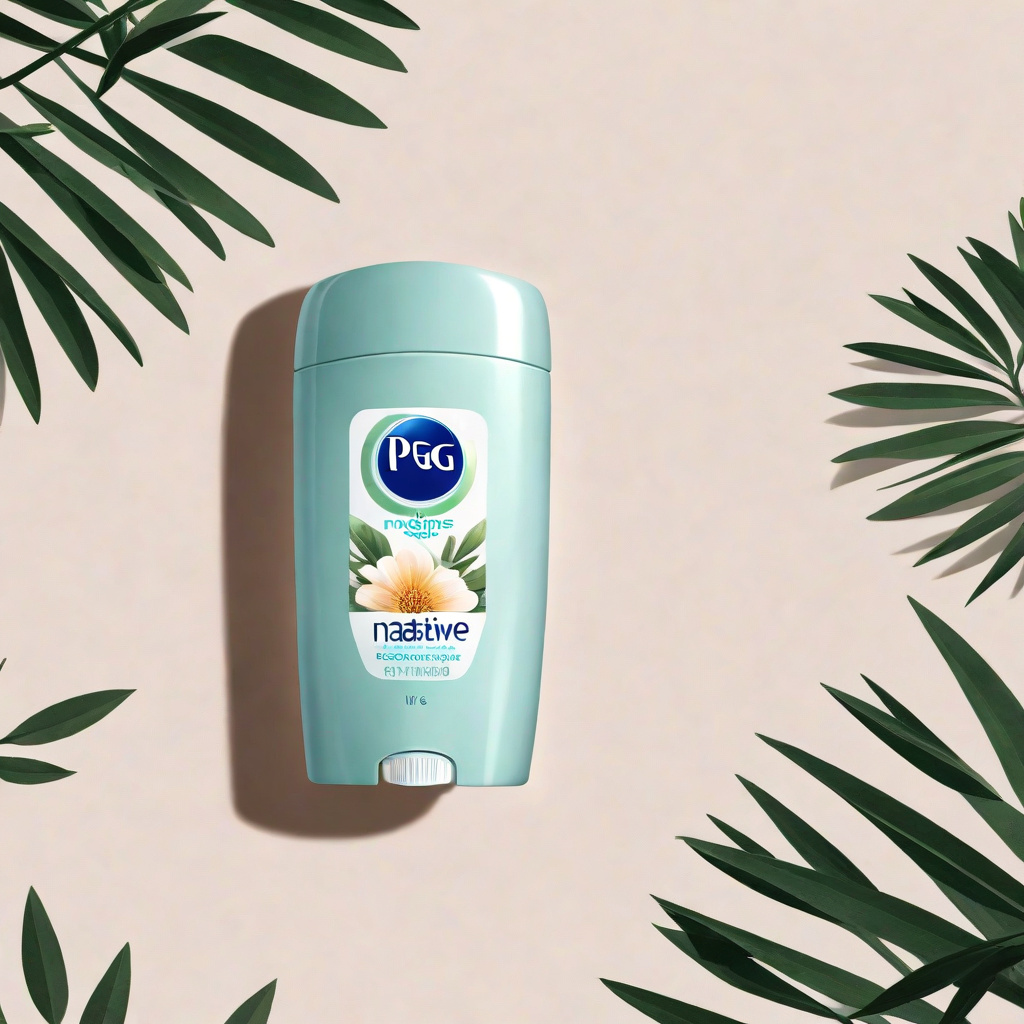
In a move that signals major shifts in the personal care industry, Procter & Gamble (P&G) has finalized its acquisition of Native, the popular natural deodorant brand. This merger between a consumer goods titan and a challenger brand born from direct-to-consumer roots is more than just a business transaction. It reflects evolving consumer priorities, changing market dynamics, and the future trajectory of the entire personal care sector. For everyday consumers, it raises practical questions about product quality, brand integrity, and what this means for the choices available on store shelves.
Why P&G Made This Strategic Move
Procter & Gamble is a household name, with a portfolio spanning from Tide and Pampers to Gillette and Crest. Their acquisition of Native, reportedly for $100 million, is a calculated strategic play. For decades, P&G dominated the deodorant aisle with brands like Secret and Old Spice, which rely on traditional formulations featuring aluminum-based antiperspirants and synthetic fragrances. However, the rise of the “clean” and natural beauty movement has chipped away at this dominance.
Native, founded in 2015, successfully tapped into a growing consumer desire for transparency and simplicity. Their promise of effective deodorant made with recognizable ingredients—like baking soda, coconut oil, and shea butter—and free from aluminum, parabens, and sulfates resonated deeply. By acquiring Native, P&G accomplishes several key objectives instantly. It gains a trusted, established player in the natural segment without having to build one from scratch. It acquires Native’s loyal, digitally-native customer base and its sophisticated direct-to-consumer marketing expertise. Most importantly, it hedges its bets against further market erosion in the core deodorant category by owning a piece of the very trend disrupting it.
The Native Brand Journey: From DTC Startup to P&G Subsidiary
Native’s story is a classic tale of modern entrepreneurship. Founders Moiz Ali and his sister started the company with a simple premise: create a deodorant people felt good about putting on their bodies. They launched online, using social media and targeted digital ads to build a community. Their branding was fresh, playful, and transparent, a stark contrast to the clinical or hyper-masculine/feminine marketing of traditional brands.
The company’s growth was explosive. It expanded from online into major retailers like Target, CVS, and Walgreens, proving that natural products could achieve mainstream shelf space. For consumers, Native represented more than a deodorant; it was a vote for a different kind of personal care. The acquisition by P&G is the culmination of this journey, representing a significant exit for its founders and investors, but also a pivotal transition point for the brand’s identity and operations.
What This Means for Product Formulation and Quality
This is the foremost concern for existing Native customers: will the product change? Historically, when large corporations acquire indie brands, there is a risk of “recipe creep”—subtle alterations to ingredients or sourcing to improve margins or integrate with large-scale manufacturing.
P&G has stated its commitment to maintaining Native’s product integrity. In the immediate term, it is unlikely we will see drastic changes. The value P&G is purchasing lies in Native’s specific formulation and brand reputation. However, over the long term, pressures for cost-saving, scalability, and shelf-life stability could lead to adjustments. The key for consumers is vigilant label reading. Watch for the introduction of new preservatives, changes in the sourcing of key ingredients (like switching to refined vs. unrefined coconut oil), or the subtle addition of synthetic fragrances masked under “natural fragrance.” For now, the pledge is to keep the core promise intact, but the proof will be in the next few production cycles.
Impact on Pricing and Accessibility
One potential upside of the acquisition is increased accessibility and possibly more competitive pricing. P&G’s unparalleled distribution network and manufacturing scale could bring Native deodorant to more stores in more regions, both domestically and internationally. This is a net positive for consumers who have had to seek it out in specific retailers or online.
Regarding price, the outcome is less certain. Scale can reduce unit costs, but P&G is also a publicly traded company answerable to shareholders seeking profit growth. They may choose to maintain Native’s premium price point to preserve its brand positioning as a higher-quality alternative. They might also introduce more frequent promotions or bundle deals, leveraging their massive trade marketing budgets. While a significant price drop is unlikely, greater availability and occasional sales could make the product more accessible to a broader audience.
The Future of “Clean” and Natural Branding
The P&G-Native deal is a bellwether for the “clean” beauty and personal care movement. It signifies that the trend has moved from a niche interest to a substantial, mainstream market force that even the largest corporations cannot ignore. However, it also raises questions about the dilution of the term “natural.” When a multinational known for synthetic chemicals owns a brand built on avoiding them, does the brand’s claim still hold the same weight?
This acquisition will likely accelerate the push for clearer, third-party certifications. Consumers may start to look beyond marketing claims to seals from organizations like EWG Verified, NSF, or USDA Organic, which have defined standards independent of corporate ownership. It underscores the importance of being an ingredient-savvy shopper, rather than just a brand-loyal one.
How Other Natural Brands May Respond
The competitive landscape is shifting. Other successful natural deodorant brands like Schmidt’s, Dr. Squatch, or Each & Every now find themselves competing not just with a fellow indie, but with a P&G-backed entity with immense resources. This could trigger a wave of consolidation, as other giants (Unilever, Colgate-Palmolive, L’Oréal) seek their own natural acquisitions.
Alternatively, it may push other independents to double down on their niche identities, emphasizing their small-batch production, radical transparency, or activist missions to differentiate themselves from a now-corporate Native. For the consumer, this could mean a richer, more diverse market with both widely available corporate-owned options and fiercely independent artisan brands.
Practical Guidance for the Conscious Consumer
So, what should you do if you’re a Native user or someone interested in natural deodorants?
- Don’t Panic, but Pay Attention: Your current stick of Native is the same product. Make no immediate switch, but monitor future purchases for any changes in scent, texture, or performance.
- Become Label-Literate: Learn the key ingredients you want and those you wish to avoid. Compare the ingredient list of your next Native purchase to an older one or the list on their website.
- Explore the Landscape: Use this moment as an opportunity to explore other brands. Many excellent natural deodorant companies operate with strong ethics and innovative formulas.
- Value Transparency: Support brands that openly share their sourcing, manufacturing processes, and ownership structure. Email them with questions and see how they respond.
- Define Your Own Standards: Decide what “natural” means to you. Is it about ingredient sourcing, corporate ownership, environmental impact, or all of the above? Let your personal standards guide your purchases.
The Bigger Picture: Corporate Responsibility and Innovation
This acquisition places a new level of responsibility on P&G. The consumer base they have inherited expects ethical sourcing, sustainable packaging, and corporate accountability. How P&G handles Native will be a test case. Will they apply Native’s more mindful approach to other brands in their portfolio? Could Native’s influence lead to greener packaging for Secret or a cleaner formulation for a Gillette body wash?
Furthermore, P&G’s vast R&D resources could be a boon for innovation in the natural space. They have the capability to solve longstanding challenges in natural deodorants, such as improving longevity, developing more effective non-aluminum antiperspirant alternatives, or creating truly biodegradable applicators. If P&G channels its expertise toward advancing the mission Native started, the entire category could benefit.
Decoding the Formulation Science Behind Natural Deodorants
To truly understand the implications of this acquisition, one must delve into the formulation science that distinguishes a brand like Native from P&G’s traditional offerings. Natural deodorants operate on a fundamentally different principle than antiperspirants. Aluminum-based compounds in conventional products form a temporary plug in sweat ducts, physically blocking perspiration. Natural formulas, in contrast, do not block sweat but instead neutralize odor through a combination of microbial inhibition, moisture absorption, and scent masking.
The efficacy of Native’s core formula hinges on specific ingredient interactions. Baking soda (sodium bicarbonate) raises skin pH, creating an environment less hospitable to odor-causing bacteria. However, baking soda can cause irritation for some users, leading many brands, including Native in certain lines, to develop “baking soda-free” alternatives using magnesium hydroxide or arrowroot powder as the primary absorbent. The switch to large-scale P&G manufacturing could affect the particle size and distribution of these powders, subtly altering texture and application feel. The shea butter and coconut oil base provides emollience but requires precise temperature control during production to prevent graininess or separation—a challenge when scaling from boutique batches to million-unit runs.
Perhaps the most sensitive component is the fragrance system. Native’s “natural fragrances” are complex blends of essential oils and natural isolates. These are inherently less stable and more variable than synthetic fragrance compounds. Sourcing consistency becomes paramount: a batch of lavender essential oil from France differs chemically from one grown in Bulgaria, which could lead to scent drift. P&G’s procurement might standardize sourcing to ensure batch-to-batch consistency, but this could mean shifting from small, specialized growers to large-scale essential oil distributors, potentially affecting the aromatic profile loyal customers expect.
The preservation challenge is another scientific frontier. Without parabens or synthetic preservatives, natural deodorants rely on the antimicrobial properties of ingredients like tocopherol (vitamin E) or rosemary extract. At a small scale, rapid turnover mitigates spoilage risk. On a global scale, with products sitting in warehouses and on shelves for longer periods, P&G’s formulators may face pressure to introduce stronger natural preservatives, such as potassium sorbate or citric acid at higher concentrations, or to adopt novel technologies like fermentation-derived preservatives that still qualify as “clean.” How they navigate this without triggering a consumer backlash will be a telling test of their commitment.
The Supply Chain Transformation: From Artisanal to Global
The journey of a Native deodorant stick is about to undergo a radical logistical transformation. Previously, the supply chain was built for agility and specialty sourcing. Key ingredients like responsibly sourced coconut oil or fair-trade shea butter were likely procured through direct relationships with cooperatives or niche distributors. This chain will now be integrated into P&G’s colossal global supply network, which prioritizes efficiency, cost containment, and resilience.
This integration presents both risks and opportunities. On the positive side, P&G’s leverage could secure larger, more stable supplies of core ingredients, potentially even investing in sustainable farming initiatives to ensure long-term access. Their advanced logistics could reduce the carbon footprint of raw material transportation through optimized routing and fuller container loads. However, the risk lies in homogenization. P&G’s standard vendor qualification process might inadvertently exclude the small, ethical suppliers Native championed, favoring larger agribusinesses that can guarantee volume but may not match the original ethical standards.
Packaging is another supply chain facet ripe for change. Native’s minimalist cardboard tubes represent a specific sustainability choice. P&G, with its deep expertise in materials science and packaging engineering, could improve upon this. They might introduce post-consumer recycled plastic content, develop a truly compostable bioplastic, or implement lightweighting to reduce plastic use further. Conversely, they might opt for cheaper, more manufacturable packaging to improve margins. The direction they choose will signal whether Native’s sustainability ethos is being adopted or assimilated.
Manufacturing location is a critical unknown. Native products were likely contract-manufactured in facilities specializing in natural cosmetics. P&G owns massive, hyper-efficient plants worldwide that produce billions of units annually. Retooling a line in an existing Gillette or Secret factory to produce Native formulas is technically feasible and would yield significant economies of scale. However, cross-contamination with synthetic ingredients or aluminum compounds is a legitimate concern for purity-focused consumers. Will P&G invest in dedicated, clean-label production lines, or will they blend Native into their existing infrastructure? The answer will be found not in press releases but in the subtle details of future packaging, such as changes to the “Made in” location or the addition of new facility codes.
Market Positioning and Brand Architecture Post-Acquisition
Within the sprawling P&G portfolio, Native now occupies a strategic position. How the corporation chooses to frame and grow the brand will create ripple effects across the entire personal care aisle. The immediate question is brand architecture: will Native remain a standalone, hero brand, or will it be subsumed as a sub-line under the Secret or Old Spice umbrella? P&G’s history suggests a preference for the former when acquiring distinct brand equity—think of its stewardship of brands like Gillette and Braun.
However, the potential for “technology transfer” is immense. P&G could deploy Native’s natural formulation expertise across its other deodorant brands, creating new lines like “Secret Natural” or “Old Spice Freshest,” which use a modified version of the Native base. This would allow them to compete directly in the natural segment at multiple price points, with Native at the premium apex. For consumers, this could create confusion: is “Secret Natural” as clean as Native, or is it a “natural-inspired” product with some synthetic components? The delineation between the acquired pure play and the corporation’s derived products will become a crucial marketing battlefield.
Retail shelf strategy will also evolve. Currently, Native often sits in a dedicated “natural beauty” section or alongside other indie brands. P&G’s formidable trade relationships could see Native moved into the main deodorant bay, positioned right next to Secret, Degree, and Dove. This increases impulse purchases but also places it in direct comparison on price and size. Will Native maintain its premium-ounce-price, or will it be forced to compete on volume with larger sizes? Furthermore, P&G might leverage Native as an entry point into entirely new categories. A line extension into natural body wash, bar soap, or shampoo, leveraging the same ingredient philosophy and scent profiles, seems an inevitable next step, using the deodorant as a trojan horse to build a full-body natural routine.
The brand’s voice and marketing are also at an inflection point. Native’s playful, direct-to-consumer tone—built on Instagram and email newsletters—may clash with P&G’s mass-market advertising playbook. Will the social media team retain its autonomy, or will campaigns become focus-grouped and sanitized? The first major post-acquisition campaign will be a key indicator. If it features polished TV spots with celebrity endorsements, the indie spirit may be fading. If it continues with user-generated content and community-driven initiatives, P&G may be practicing a new form of restrained stewardship.
Regulatory and Certification Implications in a New Era
Operating as a P&G subsidiary subjects Native to a different regulatory and legal landscape. As a small independent, Native’s compliance burden was significant but manageable. Under P&G, every claim on the package—”natural,” “effective,” “gentle”—will be scrutinized by a large legal department hypersensitive to litigation risk from class-action lawsuits or regulatory bodies like the FDA and FTC.
This could lead to a paradox: a more rigorously substantiated product, but potentially less aspirational marketing. The term “natural” itself is largely unregulated by the FDA for cosmetics. P&G may choose to preemptively adopt a stricter internal definition or seek third-party certifications to mitigate risk. This could be a win for consumers, moving the brand from marketing-led claims to verification-led assurances. We might see Native pursuing certifications like EWG Verified, NSF/ANS 305, or even USDA Organic for specific SKUs, adding a layer of credibility that was previously optional.
International expansion introduces another layer of regulatory complexity. The EU’s stricter regulations on cosmetics (EC 1223/2009) have different ingredient restrictions and labeling requirements than the US. P&G’s experience navigating these markets is a major asset. However, to sell in the EU or other regions, Native’s formula may need reformulation to comply with local rules—perhaps replacing a specific essential oil or adjusting preservative levels. Will these “international” versions be identical to the US product? This could create a two-tier system where formulation integrity is region-specific.
Furthermore, P&G’s corporate policies on animal testing come into play. While Native itself is cruelty-free, P&G historically engaged in animal testing where required by law (e.g., for certain markets like China, which previously required animal testing for imported cosmetics). Although China has recently relaxed some rules, P&G’s overall corporate stance could affect Native’s Leaping Bunny or PETA certification status. Maintaining these certifications will require clear firewalls and corporate policy adjustments, providing a tangible test of P&G’s willingness to adapt its practices for its new acquisition.
Competitive Dynamics and the Future of Indie Innovation
The acquisition doesn’t just change Native; it recalibrates the competitive calculus for every other player in the natural personal care space. For other mid-sized natural deodorant brands, the playing field has tilted. They now compete not just with a well-funded indie, but with a division of a company that spends more on R&D in a year than the entire niche’s collective revenue.
This pressure could catalyze two divergent strategies. First, a rush towards acquisition by other conglomerates (Unilever, Colgate-Palmolive, L’Oréal) seeking their own “Native.” This would accelerate industry consolidation, turning the natural segment into a battleground for giants, much like the organic food industry before it. Second, it could fuel a counter-movement of “hardcore indie” brands that reject acquisition as a goal. These brands might differentiate through even more radical transparency (live manufacturing feeds, open-source formulas), hyper-local sourcing, or activist-led missions that a public corporation could never authentically adopt. For consumers, this bifurcation could mean a clearer choice: the convenience and scale of corporate-owned naturals versus the purity and purpose of mission-driven independents.
The acquisition also changes the venture capital landscape. Native’s successful exit validates the DTC natural personal care model, likely attracting more investment into the sector. However, the expectation for an exit via acquisition by a CPG giant may now be baked into business plans from day one, potentially steering brand building towards attributes that are attractive to acquirers (scalable formulas, broad demographic appeal) rather than those that serve niche communities best.
Finally, it raises the bar for innovation. To compete with a P&G-backed Native, other brands will need to leapfrog in technology. This could spur advances in areas like microbiome-friendly prebiotic deodorants, fully waterless or powder formats, or personalized scent systems—innovations that keep the indie segment dynamic and prevent it from being solely defined by the corporate-owned benchmark.
Consumer Psychology and the Trust Equation
Beyond labels and logistics, this merger is a profound exercise in consumer trust transfer. Native customers developed a relationship with a brand they perceived as authentic, honest, and aligned with their values. That trust is now being transferred, by proxy, to P&G, a corporation with a mixed record on environmental and social issues in the eyes of many conscious consumers.
This creates a psychological contract with specific, often unspoken, terms. Violations of this contract—even minor ones—will be met with disproportionate backlash. For instance, if a new Native variant quietly includes a PEG compound (polyethylene glycol, often derived from petroleum) as an emulsifier, even if technically “safe,” it may be perceived as a fundamental betrayal. P&G must understand that for this customer base, the process is as important as the product. Changes must be communicated with radical transparency, perhaps even through a dedicated “Stewardship Report” that details any formulation or sourcing adjustments with clear justifications.
The “halo effect” and “guilt by association” are also in play. Successes by Native under P&G could improve perceptions of the parent company’s other brands. Conversely, a sustainability controversy elsewhere in P&G’s portfolio (e.g., plastic pollution from Tide pods) could tarnish Native’s green image. Native becomes both a beneficiary and a hostage of its parent’s corporate reputation.
This dynamic may also lead to a new form of consumer activism: “watchdogging.” Social media communities will likely spring up dedicated to dissecting every new Native batch, comparing ingredient lists, and reporting on performance changes. P&G will be under a microscope held by its own customers—a level of scrutiny its mainstream brands rarely face. How they respond to this vigilant, engaged, and sometimes skeptical audience will define the long-term success of the acquisition far more than any quarterly sales figure.
The Long-Term Strategic Play for P&G Beyond Deodorant
While the immediate prize is the natural deodorant market, P&G’s true strategic horizon likely extends much further. Native is a laboratory and a beachhead. First, it is a live laboratory for “clean” formulation at scale. The learnings from stabilizing natural fragrances, sourcing alternative preservatives, and manufacturing with novel butter/oil bases will be invaluable. This R&D can be reverse-engineered across P&G’s vast portfolio, informing the development of next-generation products in skin care, hair care, and oral care that meet emerging consumer demand for simpler ingredients.
Second, Native is a direct pipeline to a coveted demographic: millennials and Gen Z consumers who are skeptical of traditional advertising and value authenticity. P&G gains a legitimate, trusted channel to understand and engage these cohorts. The data on purchasing habits, subscription preferences, and communication responsiveness from Native’s DTC platform is a goldmine. This intelligence can be used to rejuvenate aging P&G brands, making them relevant to a new generation.
Third, the acquisition is a defensive move against the entire “disruption” model. By owning a successful DTC-native brand, P&G neutralizes a potential threat and co-opts the disruptive playbook. It sends a message to entrepreneurs and investors: the best outcome for a challenger brand is to be acquired, not to topple the giant. This shapes the competitive ecosystem in P&G’s favor over the long term.
Ultimately, the Native acquisition is a bet on the permanence of a values-driven consumption shift. P&G is not just buying a brand; it is buying insurance against a future where “clean,” transparent, and ethically sourced are not niche preferences but table stakes for all personal care products. Whether they can nurture the unique spark that made Native successful, or whether they inevitably smother it in the name of synergy and scale, will be a case study in corporate adaptation for years to come.
FAQ: Your Questions Answered
Will Native deodorant still be effective after P&G takes over?
P&G has a strong incentive to maintain the product’s effectiveness, as that is core to its reputation. Any significant decline in performance would alienate the customer base they just paid for. Initial formulations should remain consistent, though long-term tweaks for large-scale production are possible.
Are the ingredients going to change to cheaper alternatives?
This is the primary risk. While P&G promises no immediate changes, cost pressures over time may lead to ingredient substitutions or sourcing shifts. The commitment to being “aluminum-free” and “paraben-free” is likely to remain, but the quality of individual components (like oils or butters) could be vulnerable. Continuous label comparison is your best defense.
Should I switch to a different natural deodorant brand now?
There’s no urgent need to switch if you’re happy with the product. However, if corporate ownership is fundamentally at odds with your reason for choosing a natural brand, then exploring other independently-owned options makes sense. It’s a personal values decision, not a quality emergency.
Will Native products become more widely available in stores?
Yes, almost certainly. P&G’s distribution power is legendary. You can expect to find Native in more grocery stores, drugstores, and big-box retailers, both in the US and potentially abroad, making it much easier to find.
Does P&G own any other “natural” brands?
Yes, this is part of a broader strategy. P&G also owns brands like Herbal Essences (which has a “bio:renew” line) and has invested in others. The Native acquisition is their most direct and high-profile move into the dedicated, premium natural personal care space, signaling a deeper commitment to this market segment.
The acquisition of Native by Procter & Gamble is a defining moment. It validates the demand for cleaner personal care options while challenging the independence of the brands that created the movement. For the market, it brings scale and scrutiny. For consumers, it brings convenience but calls for increased vigilance. Ultimately, it reinforces that in today’s market, the most powerful tool a consumer has is informed, intentional choice. The story of Native and P&G is still being written, and its chapters will be determined by formulation labels, corporate decisions, and where shoppers ultimately decide to place their trust—and their dollars.
Related posts:
 Megababe Toe Deodorant Review
 Megababe Toe Deodorant Review
 Secret Deodorant Tips Revealed
 Kim K’s Deodorant Stain Solution
 Top Beauty Brands of 2019
 Corpus Naturals Deodorant Review: A Natural Solution for Fresh Confidence
 The Benefits of Glycolic Acid Deodorant
 8 Things You Probably Didn’t Know About Deodorant