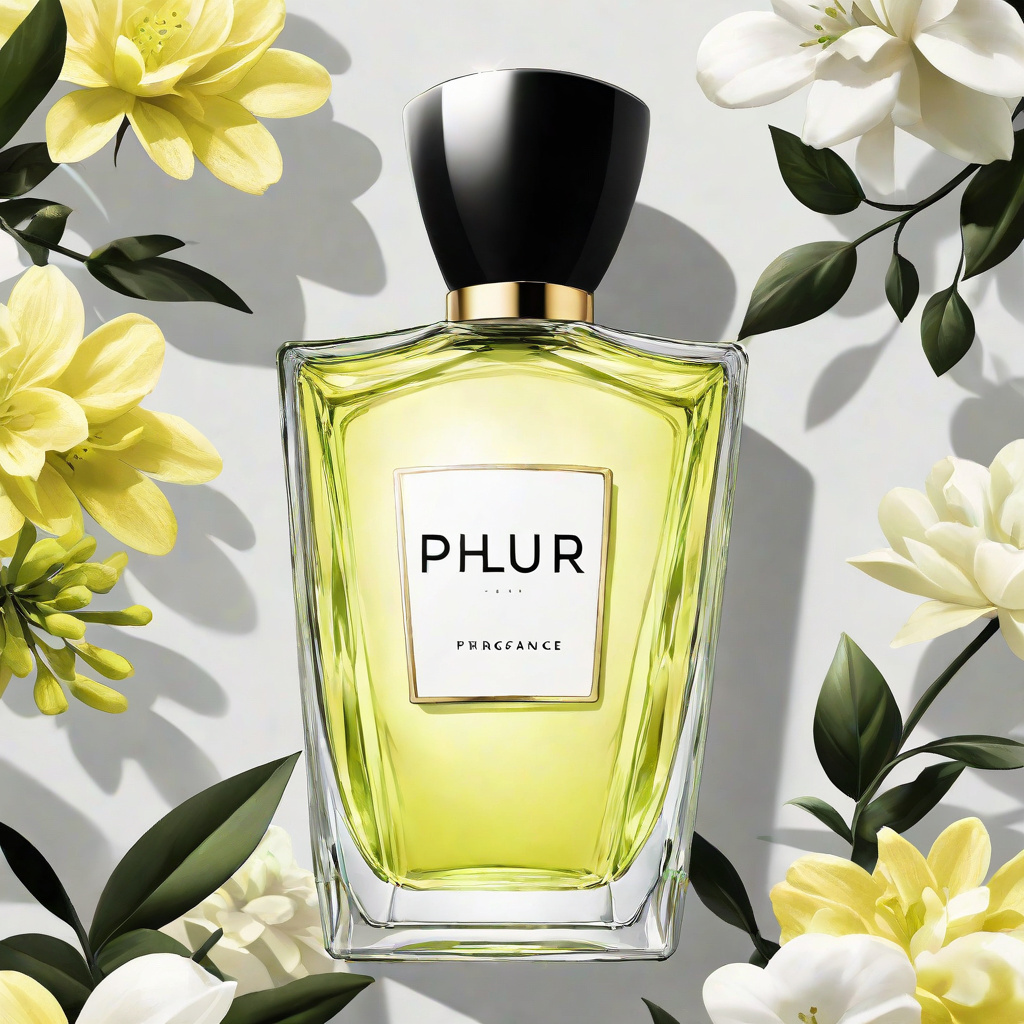
In the expansive and often opaque world of high-end perfumery, a quiet revolution has been brewing for years, but few brands have managed to capture the zeitgeist quite like Phlur. For a long time, the fragrance industry operated behind a veil of secrecy, protected by trade secret laws that allowed brands to hide hundreds of chemical components under the simple, singular label of “fragrance” or “parfum.” As consumers became more conscious of what they were putting on their skin and releasing into their environments, the demand for transparency grew. Phlur didn’t just join this movement; they redefined what it means to be a “clean” perfume brand by bridging the gap between clinical safety, environmental ethics, and high-fashion olfactive artistry.
The concept of clean beauty has often been mired in misinformation, with many brands leaning into fear-mongering or the “natural is always better” fallacy. Phlur took a different path. Under the creative direction of Chriselle Lim and the stewardship of The Center, the brand has championed a philosophy of “mindful synthetics” paired with sustainably sourced naturals. This approach acknowledges a complex truth: sometimes a lab-created molecule is safer for the skin and more sustainable for the planet than its botanical counterpart. By navigating this nuance, Phlur has moved clean fragrance out of the health-food store aisle and onto the vanity of the modern, discerning aesthetician.
The Evolution of Clean Beauty in the Fragrance Sector
To understand Phlur’s impact, one must first understand the historical context of the fragrance industry. Traditionally, perfumes were categorized into two camps: the prestige legacy houses that focused on heritage and mystery, and the niche natural brands that focused on purity but often lacked the longevity and complexity of traditional scents. The “clean” movement initially struggled in fragrance because many natural essential oils are actually potent allergens. Furthermore, the over-harvesting of natural resources like sandalwood or certain mosses led to significant environmental degradation.
Phlur entered the market with a commitment to transparency that was radical for its time. They were one of the first brands to provide a full list of ingredients, including the specific synthetic molecules used. This shift was monumental because it empowered consumers with allergies or sensitivities to make informed choices. However, Phlur’s definition of clean goes beyond just a “free-from” list. It encompasses the entire lifecycle of the product, from how the ingredients are farmed or synthesized to how the bottle is manufactured and how the liquid interacts with the wearer’s biology.
This evolution has forced the broader industry to take note. When a brand can create a viral sensation like “Missing Person”—a scent that famously sold out repeatedly and garnered a massive waitlist—while adhering to strict safety standards, it proves that consumers do not have to choose between their health and a luxury experience. Phlur has effectively de-stigmatized synthetic ingredients by rebranding them as “safe synthetics,” explaining that these molecules are often more stable, less allergenic, and more environmentally friendly than their natural alternatives.
Phlur’s Philosophy: Transparency Over Marketing
At the heart of Phlur’s success is a refusal to use “clean” as a mere marketing buzzword. Instead, they use it as a framework for rigorous formulation. The brand adheres to the standards set by the International Fragrance Association (IFRA), but they often go further, banning ingredients that are technically legal but ecologically or biologically questionable. This includes the exclusion of parabens, phthalates, and sulfates, as well as a commitment to being vegan and cruelty-free.
One of the most refreshing aspects of Phlur’s transparency is their willingness to discuss the “why” behind their ingredient choices. For instance, they might use a synthetic musk because natural musk (historically derived from animals) is unethical, and certain botanical musks are either endangered or highly irritating to the skin. By educating their audience on these distinctions, Phlur builds a relationship of trust that goes deeper than a standard transaction. They aren’t just selling a smell; they are selling a set of values.
This transparency also extends to the emotional narrative of the scents. Under Chriselle Lim’s leadership, the brand has leaned into the idea that fragrance is a deeply personal, almost archival experience. The marketing focuses on feelings and memories—the smell of a lover’s skin, the warmth of a summer afternoon, or the nostalgic comfort of a lost sweater. This human-centric approach, backed by scientific transparency, creates a holistic brand identity that resonates with a generation of consumers who value authenticity above all else.
The Science of Scent: Why Safe Synthetics Matter
A common misconception in the beauty world is that “natural” equals “safe” and “synthetic” equals “toxic.” In reality, some of the most common skin irritants are found in nature. For example, oakmoss and certain citrus oils can cause significant phototoxicity or allergic reactions in many people. Conversely, many synthetic molecules are designed in labs specifically to be hypoallergenic and stable. Phlur’s use of safe synthetics allows them to create complex, long-lasting fragrances that are accessible to those with sensitive skin who might have previously avoided perfume altogether.
Furthermore, the use of synthetics is often a win for biodiversity. Consider the case of Indian Sandalwood. Due to its popularity in fragrance, it was over-harvested to the point of near-extinction. While sustainable plantations now exist, the demand still outweighs the ethical supply. By using lab-developed molecules that mimic the creamy, woody profile of sandalwood, Phlur can deliver the desired scent profile without contributing to the depletion of a threatened species. This is what Phlur refers to as being “planet-positive.”
The technical term for this is “green chemistry.” It involves designing chemical products and processes that reduce or eliminate the use and generation of hazardous substances. Phlur’s perfumers utilize these principles to ensure that every note in their compositions serves a purpose, whether it’s for scent, stability, or safety. This scientific rigor ensures that the fragrance doesn’t just smell good in the bottle, but stays true to its profile on the skin for hours without degrading into potentially harmful byproducts.
Sustainability and Ethical Sourcing Practices
Sustainability in the fragrance industry is a multifaceted challenge that involves sourcing, manufacturing, and packaging. Phlur tackles this by auditing their entire supply chain. When they do use natural ingredients, they ensure those ingredients are ethically sourced and that the communities producing them are treated fairly. This includes supporting regenerative farming practices that give back to the soil rather than just stripping it of its resources.
Packaging is another area where Phlur has set a high bar. The fragrance industry is notorious for heavy, non-recyclable glass and excessive plastic wrap. Phlur has moved toward more sustainable materials, including FSC-certified paper for their boxes, which ensures the paper comes from responsibly managed forests. Their bottles are designed with a minimalist aesthetic that uses less material where possible, and they have explored ways to make their components more easily recyclable.
Beyond the physical product, Phlur’s commitment to ethics is seen in their corporate culture. By partnering with organizations that focus on environmental conservation and social equity, they integrate their mission into their business model. They recognize that a truly “clean” brand cannot ignore the human and environmental costs associated with global trade. This holistic view of sustainability is what differentiates a leader from a follower in the competitive lifestyle market.
Exploring the Iconic Scents: A Guide to the Collection
To truly understand how Phlur is redefining the category, one must experience the fragrances themselves. Each scent is a masterclass in balance, utilizing a mix of unexpected notes to create something familiar yet entirely new. Here are a few standout examples from their current lineup:
- Missing Person: This is perhaps the brand’s most famous creation. Designed to evoke the scent of someone you miss, it features skin musks, bergamot, and blonde wood. It is subtle, intimate, and incredibly emotive. It doesn’t smell like a perfume; it smells like a person.
- Solar Power: A bright, citrusy floral that captures the essence of sunshine on skin. It uses bergamot, red mandarin, and neroli, grounded by sea salt and driftwood. It’s a sophisticated take on the “beachy” scent that avoids the cloying sweetness of coconut.
- Tangerine Boy: A bold, energetic fragrance that leans into the zesty, spicy side of citrus. With notes of ginger, black pepper, and tangerine, it’s a unisex scent that challenges the tradition of citrus fragrances being fleeting or one-dimensional.
- Father Figure: A deeply comforting yet commanding scent that plays with the duality of lush greens and warm woods. It features fig, iris, and sandalwood, creating a creamy, earthy profile that feels grounded and mature.
- Hanami: One of the brand’s original staples, this scent is a minimalist’s dream. It’s light, airy, and features notes of white floral and hazelnut, designed to be worn close to the body.
Each of these fragrances demonstrates Phlur’s ability to use “clean” ingredients to achieve high-performance results. They have excellent sillage (the trail left by a perfume) and longevity, debunking the myth that non-toxic perfumes disappear within an hour of application.
How to Choose Your Signature Clean Scent
Finding a signature scent is a journey of self-discovery. Because Phlur’s fragrances are designed to interact with your unique skin chemistry, the way a perfume smells on a tester strip may be quite different from how it smells on your wrist after two hours. Here is a practical guide to finding your perfect Phlur match:
- Start with a Discovery Set: Phlur offers discovery sets that allow you to test multiple scents over several days. This is the most sustainable and cost-effective way to find a fragrance you truly love.
- Understand the Families: Are you drawn to florals, woods, citruses, or musks? Phlur has options in every category. If you like warmth and intimacy, start with the musks (like Missing Person). If you want energy, look toward the citruses (like Tangerine Boy).
- Test for Longevity: Apply the fragrance to your pulse points—wrists, neck, and behind the ears. Notice how the scent evolves from the “top notes” (the initial burst) to the “heart notes” and finally the “base notes” (the scent that lingers).
- Consider the Occasion: Some scents are “skin scents” meant for close contact and daily wear, while others are more “statement scents” with a stronger presence. Think about where you will be wearing the fragrance most often.
- Layering: Don’t be afraid to layer scents. Because Phlur’s compositions are so balanced and clean, many of them complement each other beautifully. Layering a citrus over a wood can create a custom profile that is uniquely yours.
The Emotional Connection: Why Modern Perfume Matters
We often think of perfume as an accessory, but it is actually one of our most powerful tools for self-care and emotional regulation. The olfactory bulb is directly connected to the amygdala and hippocampus—the parts of the brain responsible for emotion and memory. This is why a single whiff of a certain scent can transport you back to a specific moment in time or instantly change your mood.
Phlur leans into this biological reality by creating scents that are “mood-forward.” They recognize that in a fast-paced, often stressful world, the ritual of applying fragrance can be a grounding moment of mindfulness. When you choose a clean fragrance, you are also removing the underlying anxiety about potential toxins, allowing you to fully immerse yourself in the sensory experience. It becomes a form of “invisible armor” or a sensory sanctuary that you carry with you throughout the day.
This emotional resonance is what has built Phlur’s cult following. In a digital age, people are craving tactile, authentic experiences. A fragrance that feels “human” and “real”—like Missing Person—fills a void that traditional, overly-glamorized perfumes often miss. It’s about celebrating the beauty of the everyday and the complexity of the human experience.
Navigating the “Fragrance” Loophole with Confidence
For the savvy consumer, the word “fragrance” on a label can be a red flag. Historically, this term has been used to hide everything from endocrine disruptors to respiratory irritants. Phlur’s approach is to close this loophole through voluntary disclosure. By listing their ingredients, they are essentially saying, “We have nothing to hide.”
However, it’s important for consumers to know what to look for even when a brand isn’t as transparent as Phlur. Key things to watch out for include phthalates (often used to make scents last longer but linked to hormonal issues) and synthetic musks like Galaxolide, which can accumulate in the environment. Phlur avoids these, using safer alternatives that provide the same performance without the biological or ecological cost.
By supporting brands that prioritize this level of detail, consumers are voting with their wallets for a more transparent beauty industry. The success of Phlur is a clear signal to legacy brands that the old way of doing business—keeping secrets and prioritizing profit over safety—is no longer acceptable to the modern shopper. This shift toward accountability is perhaps Phlur’s greatest contribution to the world of beauty.
The Future of Responsible Luxury
As we look toward the future, the definition of luxury is changing. It is no longer just about the price tag or the prestige of the logo; it is about the ethics, the story, and the impact of the product. Phlur is at the forefront of this “responsible luxury” movement. They are proving that a product can be high-performing, aesthetically beautiful, and ethically sound all at once.
In the coming years, we can expect to see Phlur continue to innovate, perhaps by exploring even more sustainable packaging solutions or by utilizing new biotechnologies to create even safer and more unique scent molecules. As the brand grows, its influence on the industry will likely lead to stricter regulations and higher standards for all fragrance manufacturers. Phlur isn’t just a perfume brand; it’s a blueprint for the future of the lifestyle industry—one where transparency is the default, and beauty is never a compromise for health.
Ultimately, Phlur reminds us that fragrance is a celebration of life. It’s a way to mark our presence in the world, to connect with others, and to honor our own bodies. By redefining what clean perfume can be, they have given us the freedom to enjoy one of life’s greatest sensory pleasures with a clear conscience and a joyful heart.
The Architecture of a Viral Sensation: Analyzing the “Missing Person” Phenomenon
While many legacy fragrance houses rely on multi-million dollar ad campaigns featuring Hollywood A-listers, Phlur achieved unprecedented success through a different medium: the raw, emotional testimonials of digital creators. The launch of “Missing Person” represents a case study in modern brand building, where the product’s olfactive profile perfectly aligned with a cultural moment of collective longing. When creative director Chriselle Lim shared the scent, she didn’t just describe the notes of musk and bergamot; she described the feeling of a loved one’s absence. This resonated deeply on platforms like TikTok, where the #MissingPerson hashtag garnered millions of views, driven by users filming their genuine, often tearful reactions to the scent.
What makes “Missing Person” technically fascinating is its use of skin-mimicking accords. It relies heavily on a specific class of white musks and transparent florals that don’t project a loud “perfume” aura but instead create a hum of warmth. From a formulation perspective, it utilizes a high concentration of skin-compatible molecules that bond with the wearer’s natural oils. This is why the scent is famously polarizing in its strength; some people experience it as a powerful, comforting cloud, while others—due to the large molecular weight of certain musks—may experience temporary anosmia (scent blindness). This quirk of chemistry actually fueled the viral fire, as consumers debated whether the scent was a “powerhouse” or a “whisper,” leading to increased engagement and curiosity.
The success of this single SKU allowed Phlur to pivot from a niche direct-to-consumer brand to a major player in prestige retail. It proved that the modern consumer values emotional resonance and “vibe” over traditional olfactory pyramids. The “Missing Person” phenomenon also highlighted the brand’s ability to manage supply chain volatility. When the scent sold out repeatedly, Phlur used the scarcity not just as a marketing tool, but as an opportunity to educate their audience on the complexities of sustainable manufacturing, explaining that their commitment to quality meant they wouldn’t rush production at the expense of their “clean” standards.
The Chemistry of Intimacy: Understanding Skin Musks and Molecular Fragrance
To appreciate Phlur’s technical edge, one must look closely at the specific molecules that define their “skin scent” category. While traditional perfumery often relies on heavy base notes like civet or castoreum (historically animal-derived), Phlur utilizes advanced safe synthetics such as Ambrettolide and Ethylene Brassylate. These molecules are large, macrocyclic musks that provide a velvety, skin-like texture without the “laundry detergent” sharpness associated with cheaper synthetic musks. These ingredients are chosen specifically for their low irritation potential and their ability to act as fixatives, helping more volatile natural notes like citrus or light florals stay on the skin longer.
Another key player in the Phlur laboratory is the use of Iso E Super and Ambroxan. Iso E Super is a legendary molecule in the industry, known for its cedar-like, slightly sweet, and salty aroma. It is often described as more of an “effect” than a smell; it provides a fuzzy, pheromonal quality that seems to vanish and reappear throughout the day. Phlur’s perfumers, such as Constance Georges-Picot and Frank Voelkl, use these molecules to create a “second skin” effect. This molecular approach is particularly beneficial for individuals who find traditional perfumes overwhelming or headache-inducing. Because these molecules are designed to be stable and predictable, they lack the unpredictable chemical shifts that can occur with complex natural resins.
Furthermore, the brand’s focus on “linear” scent development is a deliberate departure from the classic French style. In a classic perfume, you have a distinct top, middle, and base that change significantly over time. Phlur often aims for a more consistent experience, where the scent you fall in love with in the first five minutes is largely the scent that remains six hours later. This is achieved through careful molecular balancing, ensuring that the evaporation rates of the various components are harmonized. For the consumer, this means no unpleasant surprises—the fragrance doesn’t turn “sour” or “dusty” as it wears down, a common complaint with many traditional formulations.
Advanced Layering: Creating a Bespoke Olfactive Wardrobe
One of the most practical ways to engage with Phlur’s collection is through the art of layering, a technique that the brand actively encourages. Because their compositions are built on a foundation of transparency and clarity, they lack the “muddiness” that can occur when mixing more traditional, complex perfumes. Layering allows a wearer to adjust a scent’s profile based on the season, their mood, or the specific setting. For instance, a common “recipe” among Phlur enthusiasts is the combination of “Tangerine Boy” and “Somebody Wood.” The zesty, sharp ginger and tangerine top notes of the former provide a bright opening, while the saffron and sandalwood of the latter offer a creamy, grounding finish that prevents the citrus from feeling too ephemeral.
For those looking to enhance the intimacy of their fragrance, “Missing Person” serves as the ultimate base layer. Its musk-heavy profile acts as a primer for the skin, grabbing onto other scents and extending their longevity. Pairing “Missing Person” with “Father Figure” creates a complex, green-woody aura that feels both fresh and deeply personal. The fig and orris root in “Father Figure” provide a sophisticated, slightly powdery texture that sits beautifully atop the warm skin-musk base. This practice of layering also addresses the “edge case” of skin chemistry; if a certain scent feels too sharp on your skin, layering it with a softer, muskier option can round out the edges and make it more wearable.
When layering, the sequence of application matters. A general rule of thumb with Phlur’s molecular scents is to apply the heaviest or most “opaque” scent first. Wood-based or musk-based scents should hit the skin first, followed by the lighter florals or citruses. This allows the heavier molecules to form a matrix on the skin that traps the smaller, faster-evaporating molecules of the lighter scent. Additionally, Phlur’s expansion into body care has introduced a new dimension to layering. Using a scented body wash or lotion in one fragrance (like “Solar Power”) and then applying a different perfume (like “Phloria”) can create a subtle, multi-dimensional trail that is far more nuanced than using a single product alone.
Beyond the Bottle: The Technical Challenges of Scented Body Care
Translating a complex fine fragrance into body care—such as Phlur’s body washes and lotions—is a significant technical feat that goes beyond simply adding perfume oil to a base. In a body wash, the surfactants (the cleansing agents) are designed to strip away oils and dirt, which can also strip away the fragrance molecules. Phlur’s chemists must use specific encapsulation technologies or “scent-locking” polymers to ensure that the fragrance survives the rinsing process and remains on the skin. This is particularly difficult with “clean” formulations, as many traditional chemicals used to stabilize scents in soap are on Phlur’s banned list.
The brand’s body lotions and oils are also formulated to be “fragrance-first,” meaning the emollient base is chosen specifically to not interfere with the scent’s profile. Many drugstore lotions use petroleum-based ingredients that have a faint, distinct odor of their own, which can distort a fine fragrance. Phlur utilizes neutral, high-quality plant oils and safe synthetics that provide a clean canvas. For example, their “Missing Person” Body Oil uses a blend of rosehip and jojoba oils that mimic the skin’s natural sebum, allowing the musk notes to meld seamlessly with the body’s own chemistry. This creates a longer-lasting scent than the EDP alone, as the oil provides a physical barrier that slows down the evaporation of the fragrance.
Home fragrance, specifically candles, presents another set of challenges. The way a scent behaves when cold (cold throw) versus when burning (hot throw) can vary wildly. Phlur’s candles are crafted using a vegan wax blend—often a mix of coconut and soy—which burns at a lower temperature than paraffin. This lower temperature is crucial for preserving the integrity of the delicate safe synthetics used in their scents. If a candle burns too hot, it can “scorch” the fragrance molecules, resulting in a burnt or chemical smell. By optimizing the wick size and wax density, Phlur ensures that their home scents, like the popular “Apricot Privee,” fill a room without becoming cloying or soot-heavy, maintaining the brand’s signature airiness.
The Design Language of Phlur: Aesthetic and Functional Sustainability
Phlur’s rebranding under Chriselle Lim introduced a new visual and tactile language that is as much a part of the “clean” experience as the juice itself. The bottles are designed with a heavy, weighted glass base that provides a sense of luxury and permanence, contradicting the idea that “clean” beauty must look clinical or flimsy. One of the most praised functional features is the magnetic cap. While seemingly a small detail, the magnetic closure ensures an airtight seal, protecting the fragrance from oxidation—a primary cause of scent degradation. For a brand that avoids many traditional chemical stabilizers, this mechanical protection is a vital component of the product’s longevity.
The color palette of the bottles is also intentional. Rather than using clear glass for everything, Phlur uses opaque or tinted glass for certain scents to protect the ingredients from UV light. Light exposure can break down both natural essential oils and synthetic molecules, leading to discoloration and a change in the scent profile. By integrating this protection into the design—using deep ambers, muted greens, and soft creams—Phlur marries form and function. This aesthetic also reflects a “gender-neutral” approach to luxury. The clean lines and lack of traditional feminine or masculine tropes allow the fragrances to be marketed as universal tools for self-expression, rather than being confined to a specific demographic.
Sustainability in design also extends to the “refill” conversation. While many brands offer refills that are difficult to use or still involve significant plastic, Phlur has focused on making their primary packaging as durable as possible so that it doesn’t feel disposable. Their shipping materials are also a point of pride; they use minimal plastic, opting instead for recycled cardboard and water-based inks. This holistic approach ensures that the “unboxing” experience—a critical touchpoint for a brand that grew through social media—is both aesthetically pleasing and environmentally responsible. It’s a recognition that for the modern consumer, the luxury of the product is diminished if the packaging feels like an environmental burden.
Navigating the Competitive Landscape: Phlur vs. Traditional Niche Houses
In the hierarchy of perfumery, Phlur occupies a unique space between the “accessible niche” and the “prestige legacy” houses. To understand their market position, it is helpful to compare them to brands like Le Labo or Byredo. While those brands often command prices upwards of $200-$300, Phlur has intentionally kept their price point around the $100 mark for a full-size bottle. This democratization of high-end scent is a core part of their strategy. They provide the same caliber of world-class perfumers—often the very same individuals who create scents for the top luxury houses—but without the traditional markup associated with heritage branding.
Where Phlur differs from legacy houses like Guerlain or Chanel is in their transparency regarding “safe synthetics.” Traditional houses often lean into the mystery of their formulas, citing secret ingredients passed down through generations. Phlur rejects this mystery, betting that the modern consumer would rather have a list of ingredients and a clear explanation of their safety profile. This shift is particularly appealing to Gen Z and Millennial shoppers, who are statistically more likely to research a brand’s ethics before making a purchase. Phlur’s success has forced these older houses to reconsider their own transparency, with several legacy brands recently beginning to publish more detailed ingredient information in response to the market pressure created by Phlur and its peers.
Another point of differentiation is the “wearability” of the scents. Many niche houses pride themselves on “challenging” fragrances—scents that might smell like damp earth, industrial rubber, or heavy incense. While these are artistic achievements, they are often difficult for the average person to wear in a professional or casual setting. Phlur’s collection is designed to be “effortless.” Even their more complex scents, like “Not Your Baby,” which features spicy mimosa and cardamom, are balanced with a softness that makes them appropriate for daily wear. They are scents that invite people in rather than pushing them away, a philosophy that aligns with the current cultural shift toward comfort and approachability in beauty.
The Future of Scent Technology: Biotech and Upcycled Ingredients
As Phlur continues to evolve, the next frontier in their “clean” journey is the integration of biotechnology and upcycled ingredients. Upcycling in perfumery involves creating scent molecules from waste products of other industries. For example, certain cedarwood notes can be derived from the sawdust left over from the furniture industry, and some citrus oils can be distilled from the peels discarded by the juicing industry. By utilizing these materials, Phlur can further reduce its environmental footprint, turning waste into high-value luxury components. This aligns perfectly with their “planet-positive” philosophy, as it requires no new land use or water consumption.
Biotechnology is also allowing Phlur to explore scents that were previously impossible to capture ethically or sustainably. Through a process called fermentation—similar to brewing beer—scientists can program yeast or bacteria to produce specific scent molecules that are identical to those found in nature. This is particularly exciting for rare or endangered botanicals. Instead of harvesting a rare flower that only blooms once a year, a lab can produce the exact same scent molecule in a controlled, sustainable environment. This technology ensures a consistent supply of ingredients without the volatility of climate-change-impacted harvests, and it guarantees a level of purity that is often impossible to achieve with wild-harvested materials.
Frequently Asked Questions
Is Phlur fragrance completely natural?
No, Phlur is not a 100% natural brand, and they are very intentional about that choice. They use a blend of sustainably sourced natural ingredients and “safe synthetics.” Their philosophy is that lab-created molecules are often safer for people with allergies and more sustainable for the planet than certain naturals. Every ingredient they use is vetted for safety and environmental impact, ensuring that the final product is “clean” according to modern scientific standards rather than just marketing trends.
How long do Phlur perfumes typically last on the skin?
Phlur fragrances are formulated for high performance, with many users reporting that they last between 6 to 10 hours. Longevity can vary depending on the specific scent and your individual skin chemistry. For example, deeper scents with woody or musky base notes like “Somebody Wood” or “Missing Person” tend to linger longer than lighter, citrus-based scents like “Tangerine Boy.” To extend the life of your fragrance, try applying it to well-moisturized skin or layering it with a matching body lotion.
Are Phlur products vegan and cruelty-free?
Yes, all Phlur fragrances and body care products are 100% vegan and cruelty-free. They do not use any animal-derived ingredients (such as natural musk or civet) and they do not test their products or ingredients on animals. This commitment is a core part of their “clean” philosophy, ensuring that their luxury products are ethical from start to finish.
What makes a perfume “clean” according to Phlur?
Phlur defines “clean” through several pillars: ingredient safety, transparency, and environmental responsibility. They exclude potentially harmful chemicals like parabens, phthalates, and sulfates. They also adhere to strict IFRA standards and provide full ingredient lists so consumers know exactly what they are wearing. Furthermore, their definition includes ethical sourcing of raw materials and a focus on sustainable packaging to minimize their ecological footprint.
Can I wear Phlur if I have sensitive skin?
Phlur is a great option for those with sensitive skin because they avoid many common irritants found in traditional perfumes. By using safe synthetics, they can often bypass the allergens found in high concentrations of certain essential oils. However, everyone’s skin is different. If you have a history of extreme sensitivity, it is always recommended to purchase a discovery set first and perform a patch test on a small area of skin before applying the fragrance more broadly.
Related posts:
 The Art and Science Behind the Creation of Perfume
 Lake and Skye Hand Soap
 Baccarat Rouge 540 Body Oil Review
 Foundation’s Impact on Skin
 Ellis Brooklyn Rives Perfume Review
 The Best Drugstore Body Products Worth Your Money
 PHA Bodyweight Workout: Efficient Fitness Anywhere, Anytime
 Top Beauty Brands of 2019