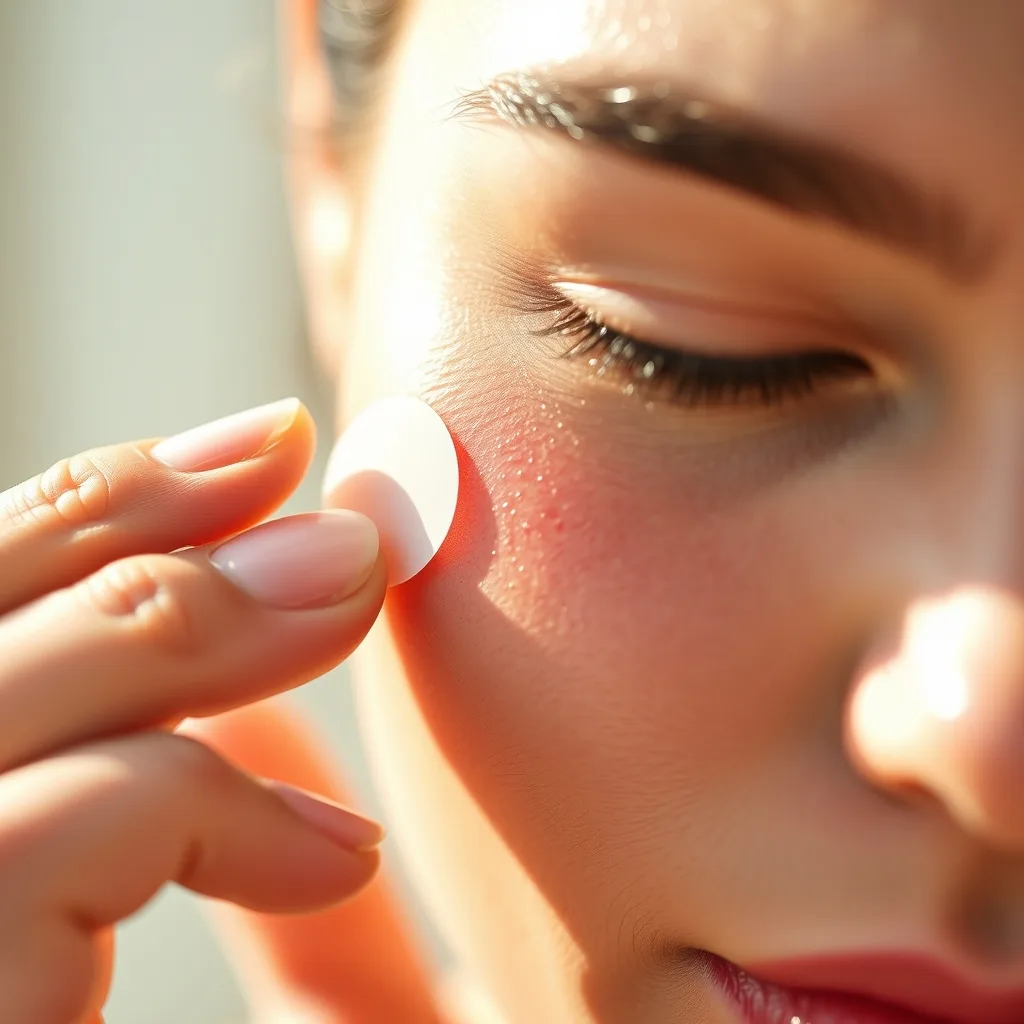
Acne is one of the most common skin concerns, affecting teenagers and adults alike. While traditional treatments—like topical creams, oral medications, and regular cleansing—can be effective, many people look for a faster, less invasive way to calm a sudden breakout. In recent years, a hybrid product called “pimple patches with darts” has gained attention for its ability to deliver active ingredients directly into a blemish while still offering the protective benefits of a hydrocolloid patch. This article explains how these patches work, how to choose the right one for your skin, and how to incorporate them into a balanced skincare routine for clearer, healthier skin.
Key takeaways
- Darts create painless micro-channels to deliver active ingredients like salicylic acid or niacinamide directly into the blemish.
- Always apply patches to clean, completely dry skin to ensure proper adhesion and prevent premature peeling.
- Use patches for 4–8 hours or overnight, but avoid leaving them on for more than 12 hours to prevent skin irritation.
- Darts are best for superficial whiteheads and are not suitable for treating deep, painful cystic acne or open wounds.
- Consult a dermatologist if acne persists beyond 12 weeks or if you experience signs of infection like fever or foul-smelling pus.
How Pimple Patches Work – The Science Behind Hydrocolloid and Darts
Traditional hydrocolloid patches are small, adhesive discs made from a gel‑forming material that creates a moist environment over a pimple. The gel absorbs excess fluid (known as exudate) and helps flatten the lesion, reducing redness and the temptation to pick. The protective barrier also shields the spot from external bacteria and pollutants.
The “dart” component adds a micro‑delivery system. Tiny, painless micro‑needles—often called darts—are embedded in the patch’s surface. When the patch adheres to the skin, the darts gently penetrate the outermost layer (the stratum corneum) without reaching deep tissue. This creates micro‑channels that allow a small amount of active ingredient—such as salicylic acid, niacinamide, or tea tree oil—to be released directly into the pore where the blemish is forming. By targeting the inflammation at its source, the darts can accelerate the drying‑out process while the hydrocolloid continues to draw out pus and oil.
Scientific studies on hydrocolloid patches have shown reduced lesion size and faster healing times compared to no treatment. Research on micro‑needling for acne is still emerging, but early data suggest that low‑depth needling can improve topical absorption without causing significant irritation. The combination leverages both mechanisms: protection, absorption, and targeted delivery.
What Are Darts? Design, Materials, and Safety
The darts are typically made from biocompatible polymers such as polycarbonate or medical‑grade silicone. They are engineered to be less than 0.2 mm in length—short enough to avoid pain but long enough to breach the surface barrier. The tips are often coated with a thin layer of the active ingredient, which dissolves when it contacts skin moisture.
- Material safety: Reputable brands use FDA‑cleared or EU‑CE marked materials, ensuring the darts do not contain heavy metals or allergens.
- Depth control: The manufacturing process guarantees a uniform depth, preventing deeper penetration that could cause bleeding or infection.
- Hygiene: Each patch is individually sealed in a sterile wrapper, reducing the risk of contamination.
Because the darts are painless and shallow, most users experience no discomfort. However, individuals with very sensitive skin, active eczema, or open wounds should perform a patch test on a small area before full use.
Choosing the Right Patch for Your Skin Type
Not every pimple patch with darts suits every complexion. Consider the following factors when selecting a product:
- Skin sensitivity: If you have a history of irritation, look for patches that use soothing agents like allantoin or panthenol alongside the darts.
- Active ingredient preference: Salicylic acid is oil‑soluble and works well for clogged pores, while niacinamide helps with redness and barrier repair. Tea tree oil offers antimicrobial benefits but can be sensitizing for some.
- Patch size: Small, round patches (about 1 cm) are ideal for isolated whiteheads or pustules. Larger, oval patches can cover inflamed papules or multiple nearby lesions.
- Transparency: Clear patches blend better under makeup, whereas opaque white patches may be preferable for nighttime use.
Read the ingredient list carefully. Avoid products that contain fragrances, parabens, or alcohol if you have reactive skin. Reputable brands often provide a “sensitive‑skin” line that uses lower concentrations of actives and a gentler adhesive.
Step-by-Step Application Guide
Proper application maximizes the benefits of both the hydrocolloid and the darts. Follow these steps for a consistent routine:
- Cleanse gently: Use a mild, sulfate‑free cleanser to remove excess oil and debris. Pat the skin dry with a clean towel—do not rub.
- Apply a thin toner (optional): A soothing, alcohol‑free toner can balance pH without leaving a residue that interferes with adhesion.
- Identify the blemish: Choose a spot that is raised, has a visible whitehead, or is inflamed. The darts work best when the pore is open.
- Open the sterile wrapper: Avoid touching the adhesive side with your fingers. If the patch is pre‑cut, it’s ready to use; otherwise, cut a piece slightly larger than the blemish.
- Press firmly: Place the patch directly over the pimple. Apply gentle pressure for 5–10 seconds to ensure full contact and activation of the darts.
- Leave in place: Keep the patch on for 4–8 hours, or overnight if you prefer. You’ll notice the patch turning white or cloudy as it absorbs fluid.
- Remove and assess: Gently peel the patch off. If the lesion has flattened and the surrounding skin looks less red, you can repeat the process the next night. If the patch sticks strongly or the skin feels irritated, remove it sooner and rinse with lukewarm water.
- Follow with moisturizer: Use a lightweight, non‑comedogenic moisturizer to restore barrier function.
Consistency is key. While a single application can reduce swelling, most dermatologists recommend using the patch for 2–3 nights in a row for noticeable improvement.
Integrating Pimple Darts into Your Skincare Routine
Acne treatment works best when it fits into a broader, balanced routine. Here’s a sample morning and evening schedule that incorporates pimple patches with darts:
- Morning:
- Cleanser (gentle, pH‑balanced)
- Vitamin C serum (antioxidant protection)
- Moisturizer (gel‑type, oil‑free)
- Sunscreen (minimum SPF 30, non‑comedogenic)
- Evening:
- Double cleanse if you wear makeup (oil‑based cleanser followed by a water‑based one)
- Toner or mild exfoliant (AHA/BHA 1‑2% on alternate nights)
- Targeted treatment (e.g., retinol or a light niacinamide serum)
- Apply pimple patch with darts on any active blemish
- Finish with a barrier‑repair moisturizer (containing ceramides)
Note that strong actives like retinol or high‑strength BHA should not be used at the exact same time as the patch, as they can increase sensitivity. If you apply a retinol serum, wait at least 20 minutes before placing the patch, or use the patch on a different night.
Common Mistakes and How to Avoid Them
Even a well‑designed product can underperform if used incorrectly. Below are frequent errors and practical fixes:
- Applying on wet skin: Moisture can dilute the adhesive, causing the patch to lift. Always apply to completely dry skin.
- Using on cystic acne: Darts are designed for superficial lesions. Deep cysts require professional treatment; using a patch may trap inflammation.
- Leaving the patch on too long: While overnight use is common, leaving a patch on for more than 12 hours can cause maceration (excessive skin softening) and irritation.
- Skipping the patch test: People with rosacea or very reactive skin should test a patch on the jawline for 24 hours before treating the face.
- Reusing patches: Each patch is single‑use. Re‑applying a used patch reduces efficacy and increases contamination risk.
By addressing these pitfalls, you’ll get the most out of the hydrocolloid‑dart combination and keep your skin barrier intact.
When to Seek Professional Help
Pimple patches with darts are an excellent over‑the‑counter option for mild to moderate breakouts, but they are not a substitute for medical care in certain situations. Consider seeing a dermatologist if you notice any of the following:
- Persistent or worsening acne that does not improve after 8–12 weeks of consistent home treatment.
- Severe cystic lesions that are painful, large, or leave deep scars.
- Signs of infection such as pus that is thick, foul‑smelling, or accompanied by fever.
- Acne that is hormonally driven (e.g., sudden flares around menstrual cycles) and unresponsive to topical measures.
- Allergic reactions—redness, itching, or swelling that spreads beyond the treated spot.
A dermatologist can prescribe oral antibiotics, hormonal therapy, or professional procedures like chemical peels and laser treatments that work synergistically with at‑home products.
Comparative Landscape: How Dart‑Enhanced Patches Stack Up Against Traditional Acne Solutions
When deciding whether to incorporate a micro‑dart pimple patch into a skincare regimen, it helps to view the product through a side‑by‑side comparison with the most common alternatives on the market. The table below outlines four major categories—hydrocolloid‑only patches, over‑the‑counter spot treatments, prescription‑grade topicals, and procedural interventions—and highlights where the dart‑enhanced hybrid excels, where it falls short, and which skin‑type scenarios make it the most logical choice.
| Category | Mechanism of Action | Typical Onset of Visible Improvement | Key Advantages Over Dart Patches | Key Disadvantages Compared to Dart Patches |
|---|---|---|---|---|
| Hydrocolloid‑Only Patches | Creates a moist wound‑healing environment that draws out pus and oil. | 24‑48 hours for noticeable flattening. | Zero active ingredients, virtually no irritation risk; excellent for very sensitive skin. | No direct anti‑inflammatory or keratolytic effect; slower clearance of stubborn whiteheads. |
| OTC Spot Treatments (e.g., benzoyl peroxide gels) | Chemical oxidation of Propionibacterium acnes and reduction of oil production. | 3‑7 days for reduction in redness and size. | Broad‑spectrum antibacterial action; can treat multiple lesions simultaneously. | Potential for dryness, peeling, and post‑inflammatory hyperpigmentation; may sting when applied to open pores. |
| Prescription Topicals (e.g., adapalene, dapsone) | Modulate keratinocyte turnover and reduce inflammatory mediators. | 2‑4 weeks for measurable lesion count reduction. | High efficacy for comedonal and inflammatory acne; can be combined with systemic therapies. | Requires physician oversight, higher cost, and a longer adaptation period; risk of photosensitivity. |
| Procedural Interventions (laser, light therapy, chemical peels) | Targeted destruction of bacteria, sebaceous glands, or hyper‑keratinized follicles. | Immediate post‑procedure erythema; longer‑term improvement over months. | Can treat extensive or resistant acne; results often visible after a single session. | Higher upfront cost, need for professional setting, downtime, and possible post‑procedure hyperpigmentation. |
| Micro‑Dart Hydrocolloid Patches | Combines a moisture‑locking matrix with ultra‑shallow needling that deposits actives directly into the pore. | 12‑24 hours for visible flattening; 48‑72 hours for reduced erythema when an anti‑inflammatory active is present. | Targeted delivery without systemic exposure; painless, discreet, and compatible with most skin‑care routines. | Limited to isolated lesions; not a replacement for comprehensive acne management in moderate‑to‑severe cases. |
For a teenager battling occasional whiteheads, a single‑use dart patch can be the fastest, least irritating fix. Conversely, an adult with hormonal acne that presents as numerous papules will likely need a layered strategy that includes prescription retinoids and possibly hormonal therapy, with patches reserved for flare‑ups that appear between appointments. Understanding where each modality fits helps avoid over‑reliance on any single product and reduces the risk of treatment fatigue.
Ingredient Spotlight: Advanced Actives and Their Synergy with Micro‑Dart Delivery
While many commercial patches pair the darts with familiar acne‑combatants like salicylic acid, the platform is versatile enough to host a broader spectrum of actives. Below is a curated list of emerging ingredients that have shown promise when delivered via micro‑needling, along with practical guidance on selecting a formulation that matches your skin’s current state.
- Lactobionic Acid (L‑Poly‑hydroxy Acid) – A larger molecule than glycolic acid, it penetrates slowly and offers antioxidant protection while gently exfoliating. When loaded onto a dart patch, the micro‑channels bypass the stratum corneum, allowing the acid to reach the follicular epithelium without the typical tingling associated with high‑strength AHAs.
- Azelaic Acid (15‑20% concentration) – Known for its dual anti‑bacterial and keratolytic properties, azelaic acid also reduces post‑inflammatory hyperpigmentation. The dart‑mediated delivery can concentrate the acid in the inflamed pore, shortening the time needed to see a fade in red marks.
- Niacinamide‑Infused Liposomes – Liposomal encapsulation stabilizes niacinamide and improves its ability to cross the epidermal barrier. The micro‑darts act as a physical conduit, releasing the liposomes directly into the sebaceous gland environment where they can modulate sebum output and reinforce the barrier.
- All‑Trans Retinoic Acid (tretinoin) Micro‑Dose – Traditional retinoid therapy can be irritating when applied over large areas. A micro‑dose (0.025% or lower) delivered through darts offers a “spot‑tretinoin” effect, encouraging cell turnover in the immediate vicinity of a pustule while sparing surrounding skin.
- Peptide‑Based Anti‑Inflammatories (e.g., Palmitoyl Tripeptide‑5) – These synthetic peptides can down‑regulate NF‑κB signaling pathways, curbing the cytokine cascade that fuels redness. The shallow depth of the darts ensures the peptide reaches the dermal‑epidermal junction where inflammatory cells congregate.
- Natural Antimicrobials (e.g., Manuka Honey, Propolis Extract) – Though viscous, these substances can be lyophilized and incorporated into the dart tip coating. Their osmotic activity helps dehydrate the lesion, while the antimicrobial peptides limit bacterial colonization.
When evaluating a patch, ask the manufacturer for a “technology sheet” that lists the exact concentration of each active, the carrier matrix, and any stabilizers used. A common pitfall is assuming that “natural” equals “non‑irritating”; for example, high‑strength tea tree oil can still provoke contact dermatitis if the dart delivers a concentrated dose. In contrast, a 0.5% tea tree oil formulation combined with soothing panthenol is typically well‑tolerated.
**Practical tip:** If you are already using a serum that contains one of the above actives, look for a patch that either mirrors the ingredient at a lower concentration (to avoid overdosing) or selects a complementary molecule. For instance, a niacinamide‑rich patch works well alongside a salicylic‑acid serum applied earlier in the routine, because the two agents target different pathways (sebum regulation vs. comedolysis).
Practical Considerations: Storage, Shelf Life, and Travel‑Friendly Usage
Because the darts rely on a precise coating of active ingredient, environmental factors such as temperature, humidity, and exposure to light can alter their efficacy. Below are evidence‑based storage guidelines that keep your patches performing at peak potency, whether they sit on a bathroom shelf or travel in a carry‑on bag.
- Temperature range: Most commercial patches are stable between 15 °C and 30 °C (59 °F–86 °F). Storing them in a cool, dry drawer away from radiators prolongs the active’s shelf life. If you live in a hot climate, consider a small insulated pouch or a refrigerator (sealed in a zip‑lock bag) to keep the temperature below 25 °C.
- Humidity control: Hydrocolloid polymers absorb moisture from the environment, which can pre‑hydrate the patch and reduce adhesion. Desiccant packets (silica gel) placed in the original box are standard practice. Replace the packet if it changes color (many include a humidity‑indicator bead).
- Light exposure: Certain actives—especially retinoids and some plant‑derived antioxidants—degrade under UV light. Keep the original packaging opaque; avoid leaving the box on a windowsill.
- Expiration dating: The active‑coated darts typically retain full potency for 12–18 months from the date of manufacture. After this period, the micro‑needles may still function as a barrier, but the therapeutic benefit diminishes. Always check the printed lot number and expiration date before purchase.
- Travel hacks: For airline carry‑on, place patches in a resealable plastic bag with a single desiccant packet. This prevents them from absorbing cabin humidity and protects them from pressure changes that could compromise the seal. If you need to use a patch on a long flight, apply it after you have passed through security—most airports have clean restrooms where you can perform the quick cleanse‑dry‑apply routine.
- Emergency kit idea: Assemble a mini‑kit containing three to five patches of varying sizes, a travel‑size gentle cleanser, and a small bottle of alcohol‑free toner. This kit fits easily in a purse or gym bag and ensures you can treat a surprise breakout without sacrificing hygiene.
**Edge case:** Users who live in high‑altitude locations (e.g., Denver, La Paz) often notice that patches dry out faster because of lower atmospheric pressure. In these settings, a brief pre‑application of a light, non‑comedogenic moisturizer can improve adhesion without negating the dart’s delivery function. Test the patch on a non‑acneic area first to confirm that the moisturizer does not create a barrier that blocks the micro‑channels.
Special Populations: Adapting Dart Patches for Sensitive, Pregnant, and Youthful Skin
While the baseline safety profile of micro‑dart patches is robust, certain demographic groups require tailored formulations or usage patterns to avoid adverse reactions.
- Highly Sensitive Skin (e.g., rosacea‑prone, eczema‑affected): Opt for patches that omit known irritants such as fragrance, high‑strength salicylic acid (>2%), and essential oils. Look for a “barrier‑support” line that incorporates soothing agents like allantoin, bisabolol, or colloidal oatmeal. A patch with a minimal active load (0.5% niacinamide) can still provide anti‑redness benefits without triggering flare‑ups.
- Pregnant or Nursing Individuals: The FDA classifies many topical acne actives (retinoids, high‑dose benzoyl peroxide) as Category C or D, advising avoidance during pregnancy. Dart patches that use low‑dose salicylic acid (≤0.5%) or botanical antimicrobials (e.g., green tea extract) are generally considered safe, but always consult a healthcare provider. A patch that relies solely on the hydrocolloid barrier, without any pharmacologically active coating, is the safest bet for this group.
- Adolescents (under 16): Young skin tends to have a more robust barrier but also reacts quickly to irritation. Choose patches with a gentle adhesive (often silicone‑based) and a low concentration of actives. Parents should supervise the first application and enforce a 24‑hour observation window for any signs of itching or swelling.
- Men’s Skin: Male skin typically produces more sebum and may be thicker in certain facial regions. Larger, oval‑shaped patches that cover a broader area of a papular lesion can be more effective. Additionally, men who shave after applying a patch should wait at least 30 minutes to allow the adhesive to set, preventing premature removal.
- Post‑Procedure Skin: After laser resurfacing or chemical peels, the epidermis is temporarily compromised. In these cases, a plain hydrocolloid patch (no darts) can aid re‑epithelialization, while dart‑enhanced versions should be avoided for at least 48 hours to prevent micro‑trauma.
**Case study:** A 28‑year‑old woman with mild adult‑onset acne and a history of mild eczema tried a standard salicylic‑acid dart patch and experienced a localized flare. Switching to a formulation that combined 0.5% niacinamide with a soothing oat‑derived extract resolved the breakout within two nights and left no residual irritation. This illustrates the importance of matching active potency to the individual’s barrier tolerance.
Troubleshooting and Optimization: When Patches Don’t Stick, Leave Residue, or Cause Unexpected Reactions
Even the most meticulously engineered product can encounter real‑world obstacles. Below is a diagnostic flowchart that helps you pinpoint the root cause of a problematic patch experience, followed by actionable remedies.
- Patch lifts or peels prematurely
- Potential cause: Residual moisture on the skin, oily residue from sunscreen, or excessive facial hair.
- Solution: After cleansing, pat the area dry with a lint‑free cloth, wait 2–3 minutes for natural skin tension to settle, then apply the patch. If facial hair is dense, consider trimming a tiny area around the lesion before placement.
- Sticky residue remains after removal
- Potential cause: High‑adhesive formulation interacting with sebum or a patch left on for >12 hours.
- Solution: Gently cleanse the spot with a mild micellar water or a fragrance‑free cleanser. For stubborn residue, a warm, damp cloth for 30 seconds can soften the adhesive.
- Redness or itching beyond the lesion
- Potential cause: Sensitivity to the active ingredient, allergic reaction to the polymer, or over‑penetration of the darts (rare but possible with compromised skin).
- Solution: Discontinue use immediately, rinse with cool water, and apply a barrier cream containing ceramides. If symptoms persist beyond 24 hours, seek medical advice.
- No visible improvement after 3‑4 applications
- Potential cause: Inadequate active concentration, wrong patch size (too small for the lesion), or underlying hormonal imbalance.
- Solution: Verify the product’s active percentage; switch to a higher‑strength version if tolerated. Use a larger oval patch for papules that exceed 1 cm in diameter. If breakouts are cyclical, consider a hormonal evaluation.
**Advanced tip:** For individuals who experience a “tight” sensation after removal—often due to the hydrocolloid pulling on the epidermis—apply a thin layer of a humectant (e.g., hyaluronic acid serum) immediately after patch removal. This restores moisture balance and prevents the skin from feeling “stretched.”
Future Directions: Emerging Technologies and Market Trends in Targeted Acne Care
The micro‑dart patch is part of a broader wave of precision dermatology that aims to deliver actives where they are needed most while minimizing systemic exposure. Several innovations on the horizon could reshape how we think about spot treatment.
- Smart‑Responsive Darts: Researchers are experimenting with temperature‑sensitive polymers that release their payload only when the skin’s surface temperature rises above a certain threshold (indicative of inflammation). This could prevent unnecessary exposure of actives to non‑inflamed skin.
- Biodegradable Microneedle Arrays: Instead of polymeric darts that remain embedded, future patches may use microneedles made from hyaluronic acid or gelatin that dissolve completely within minutes, leaving no foreign material behind.
- Integrated Biosensors: Tiny conductive inks woven into the patch could monitor pH or sebum levels in real time, sending data to a smartphone app that recommends when to replace the patch or adjust the active concentration.
- Combination with Probiotic Delivery: Some startups are loading live, skin‑friendly bacteria onto the dart tip, aiming to rebalance the facial microbiome directly within the pore—a concept that merges antimicrobial action with microbiome restoration.
- Custom‑Fit 3‑D Printed Patches: Using a quick facial scan, consumers could order patches that conform perfectly to the contours of their nose, chin, or back, improving adhesion and ensuring the darts align precisely with the target lesion.
- Regulatory Evolution: As these hybrid devices blur the line between cosmetics and medical devices, regulatory bodies in the US and EU are drafting new classification guidelines. Expect clearer labeling requirements for active concentration, depth of needle penetration, and mandatory post‑market safety reporting.
For early adopters, staying informed means watching for certifications such as “Medical Device Class II” in the US or “Medical Device Regulation (MDR) 2021” compliance in Europe. Products that meet these standards often undergo more rigorous clinical testing, which can translate into higher efficacy and safety guarantees.
**Bottom line:** The micro‑dart patch has already proven its utility as a fast, discreet acne solution. As technology converges with dermatological science, the next generation will likely offer smarter, more personalized, and even bio‑integrative options—making targeted acne care an increasingly precise art rather than a one‑size‑fits‑all approach.
Frequently Asked Questions
- 1. Are the darts painful?
- No. The micro‑needles are shorter than a human hair and are designed to be painless. Most users feel only a slight pressure when the patch adheres.
- 2. Can I use the patches on other parts of the body?
- Yes. They work on the back, chest, and shoulders where acne often appears. Just ensure the skin is clean and dry before application.
- 3. How often can I apply a new patch?
- You can apply a fresh patch to the same spot once the previous one is removed, provided the skin is not irritated. Typically, 2–3 nights in a row yields the best results.
- 4. Will the patches interfere with makeup?
- Clear patches are thin enough to wear under makeup, but they may cause slight smudging if you apply heavy foundation. For a flawless look, use the patch at night and apply makeup after removal.
- 5. Are there any ingredients I should avoid?
- If you have known sensitivities, avoid patches that contain high concentrations of salicylic acid, tea tree oil, or fragrance. Look for “sensitive‑skin” formulations that use lower percentages and soothing additives.
Related posts:
 The Best Toners for Acne-Prone Skin That Won’t Strip Your Face
 K-Beauty’s Secret Weapons for Winning the War Against Acne
 Can Collagen Really Clear Acne?
 DIY Natural Acne Treatment
 Proper Order of Skincare Application
 Dr. Pimple Popper’s Acne Solutions
 Pimple Patches Decoded: What Really Works and What’s Just Hype
 Do Hydrocolloid Acne Patches Actually Work?