
The Joys of Simplicity
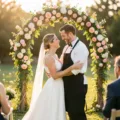
There is a growing trend towards minimalism in weddings these days. Rather than focusing on materialism, couples are choosing to center their ceremonies around deeper emotional connections. This allows their unique love to take the spotlight while they commit to each other.
Focusing on What Matters
A minimalist wedding is ultimately about prioritizing the essentials – your vows, your love, your community. The decorations, fancy food, and other frills fall away so that you and your partner can truly cherish the sacred union you are entering into.
Embracing Sustainability
With less consumption comes less waste. Minimalist weddings tend to be better for the environment with their reduced use of single-use plastics, fresh flowers flown from afar, extra lighting, and other resource-heavy choices. You can feel good about keeping your ecological footprint small.
Honoring Your Values
Perhaps simplicity helps reflect beliefs like living lightly, focusing on experiences over things, or spending money thoughtfully and charitably. A minimalist wedding allows you to start your marriage in alignment with deeply held convictions.
Lowering Stress
There are fewer decisions to make, details to track, and expectations to meet with a pared down celebration. Rather than feeling overwhelmed by spreadsheets and endless choices, you can relax into the meaning behind your wedding.
Curating an Intimate Guest List with Grace
The most effective way to strip away the noise of a traditional wedding is to carefully curate your guest list. Minimalism thrives on intimacy, and limiting your attendees to those who have actively shaped your lives creates a profound sense of shared history. When you move away from the obligation of inviting distant relatives or professional acquaintances, you move toward a room full of people who truly know your story. To manage this gracefully, use the “two-year rule”: if you haven’t spoken to or seen the person in the last two years, they likely don’t need to be part of your immediate wedding circle. Communicate this shift in tone early on by sending personal notes or phone calls rather than formal, expansive invitations. By explaining that you are hosting an intimate, intentional gathering, you remove the sting of exclusion and frame the decision as a commitment to deeper connection. This approach also allows you to invest more in the quality of time spent with each guest—perhaps opting for a single long, communal table where conversation can flow naturally across the entire group, rather than being fractured into separate tables.
The Art of Intentional Stationery and Communication
Minimalism in communication is about clarity and reducing the physical clutter that often accompanies wedding planning. Instead of heavy cardstock, multiple inserts, and elaborate wax seals, consider a single, high-quality digital landing page that serves as your central hub. This allows you to update details in real-time, provide directions, and accept RSVPs without the back-and-forth of paper trails. If you choose to send physical invites, opt for post-consumer recycled paper and a single-card design that conveys only the essential “who, when, and where.” By removing the “Save the Dates,” “Details Cards,” and “Registry Inserts,” you reduce your carbon footprint and the cognitive load on your guests. Furthermore, consider asking for “experience gifts” or donations to a charity close to your heart on your website, effectively eliminating the need for a physical gift registry that often results in the accumulation of household items you don’t actually need.
Designing a Sensory-Focused Menu
When you strip away the traditional multi-course plated dinner, you open the door to a more authentic, communal dining experience. A minimalist menu prioritizes quality over quantity, focusing on locally sourced, seasonal ingredients that require little preparation to taste exceptional. Think of a farm-to-table approach: a grazing table featuring high-quality cheeses, sourdough, seasonal fruits, and local honey, or a family-style meal served on large platters that guests pass amongst themselves. This style of eating encourages interaction and slows down the pace of the evening. For beverages, avoid a full, complicated bar setup. Instead, curate a selection of two signature drinks—perhaps a local craft beer and a seasonal botanical mocktail—which simplifies logistics, reduces waste, and lowers costs. By serving food that feels like a home-cooked meal shared among friends, you strip away the pretension of catering services and replace it with genuine warmth.
Streamlining Your Wedding Attire
Minimalist wedding attire is defined by the absence of unnecessary embellishment. For the bride, this might mean choosing a silhouette that prioritizes movement and comfort, such as a silk slip dress, a tailored jumpsuit, or a vintage piece sourced from a high-end consignment shop. The goal is to feel like an elevated version of yourself rather than a costume. Consider the “cost-per-wear” philosophy: if you choose a simpler, high-quality garment, you are more likely to have it altered or styled for future events, turning a one-time purchase into a lasting part of your wardrobe. For grooms, this might involve opting for a well-cut linen suit or a crisp shirt and trousers without the burden of a vest, tie, or formal jacket that feels restrictive. By focusing on natural fabrics like linen, cotton, or raw silk, you ensure that your clothing breathes and moves with you, allowing you to focus entirely on the ceremony rather than adjusting your outfit.
The Power of “No” in Vendor Management
A minimalist wedding is as much about what you exclude as what you include. Traditional wedding checklists are designed to sell services, but you have the power to say “no” to industry standards that don’t serve your vision. Do you really need a professional DJ to blast music, or would a carefully curated playlist on a high-quality speaker system set the mood better? Do you need a videographer following your every move, or is a single stationary camera capturing the vows sufficient? By eliminating the “must-haves” that the wedding industry insists upon—such as professional lighting rigs, elaborate photo booths, or structured timelines that dictate every minute of your day—you regain control of your time and your budget. This “subtractive” approach forces you to ask, “Does this item or service serve a purpose, or is it just noise?” If the answer is noise, cut it. This creates a vacuum that is filled by the authentic energy of your guests.
Cultivating a Timeless and Unstructured Timeline
Traditional weddings are often scheduled down to the minute, creating a frantic atmosphere that leaves little room for spontaneity. A minimalist wedding thrives on an unstructured flow. Instead of forcing a rigid transition from cocktail hour to dinner to dancing, allow the afternoon or evening to unfold organically. Perhaps you start with a mid-afternoon ceremony, followed by drinks and appetizers, and let the conversation dictate when it is time to move to the main meal. By removing the “Master of Ceremonies” or a formal agenda, you eliminate the pressure to perform. This allows you to linger in moments that feel special—like a particularly moving toast or a beautiful sunset—without feeling the urge to rush to the next scheduled event. This approach is inherently more relaxing, as it treats the wedding as a gathering of friends rather than a theatrical production that requires a director.
Reflecting Your Values Through Post-Wedding Rituals
Minimalism extends beyond the event itself into how you conclude your celebration. Instead of traditional party favors that often end up in the trash, consider a “minimalist exit.” This could be as simple as a heartfelt thank-you toast to your guests as they depart, or a small, consumable takeaway like a locally grown succulent or a packet of wildflower seeds. If you are planning a honeymoon, apply the same minimalist lens: choose one destination and stay for a longer period, rather than hopping between cities, to reduce your travel impact and increase the depth of your experience. By ensuring that your actions after the wedding remain consistent with the values you established during the planning process—such as prioritizing presence over possessions—you cement the minimalist approach as a lifestyle choice that will continue to benefit your marriage long after the vows have been exchanged.
FAQ
What are some ideas for a minimalist wedding ceremony?
Focus on simple, heartfelt vows; natural beauty for decor rather than elaborate florals; and personal music choices over lavish entertainment. The ceremony is about the two of you committing to each other in front of loved ones.
What does a minimalist wedding dress look like?
Anything from an unfussy white summer dress to an elegantly simple column gown can make a wonderful minimalist wedding dress. Some brides even opt to wear a dress they already own rather than buying something new. Choose what makes you feel the most like yourself.
How do you save money with a minimalist wedding?
Having fewer frills, a smaller guest list, a potluck reception, and eliminating elements like huge tiered cakes, limos, and abundant fresh blooms help substantially reduce wedding costs.
What are minimalist wedding decor ideas?
Some lovely options include string lights, luminaries, greenery without cut flowers, candles, fairylights, and decor you can repurpose from what you already own. The venue itself can shine when not competing with lavish decor.
Where are good places to have a minimalist wedding?
At home, in a park, on a mountaintop, on the beach, in a campground, at a summer camp, at an unfussy restaurant with an intimate back patio, or at a friend or family member’s scenic property are all wonderful minimalist wedding venue ideas.
Related posts:
 How to Practice Minimalism
 Inside Royal Wedding Cake Details
 Wedding and Wellness Budget Guide
 Gyms Are Actually Banning Sexy Workout Clothes and Here’s Why
 Modern Wedding Outfit Ideas
 This Indonesian Wedding Destination Will Change How You Think About Eco-Travel
 Amy Schumer Marries Celebrity Chef
 Wedding-Ready Sandals