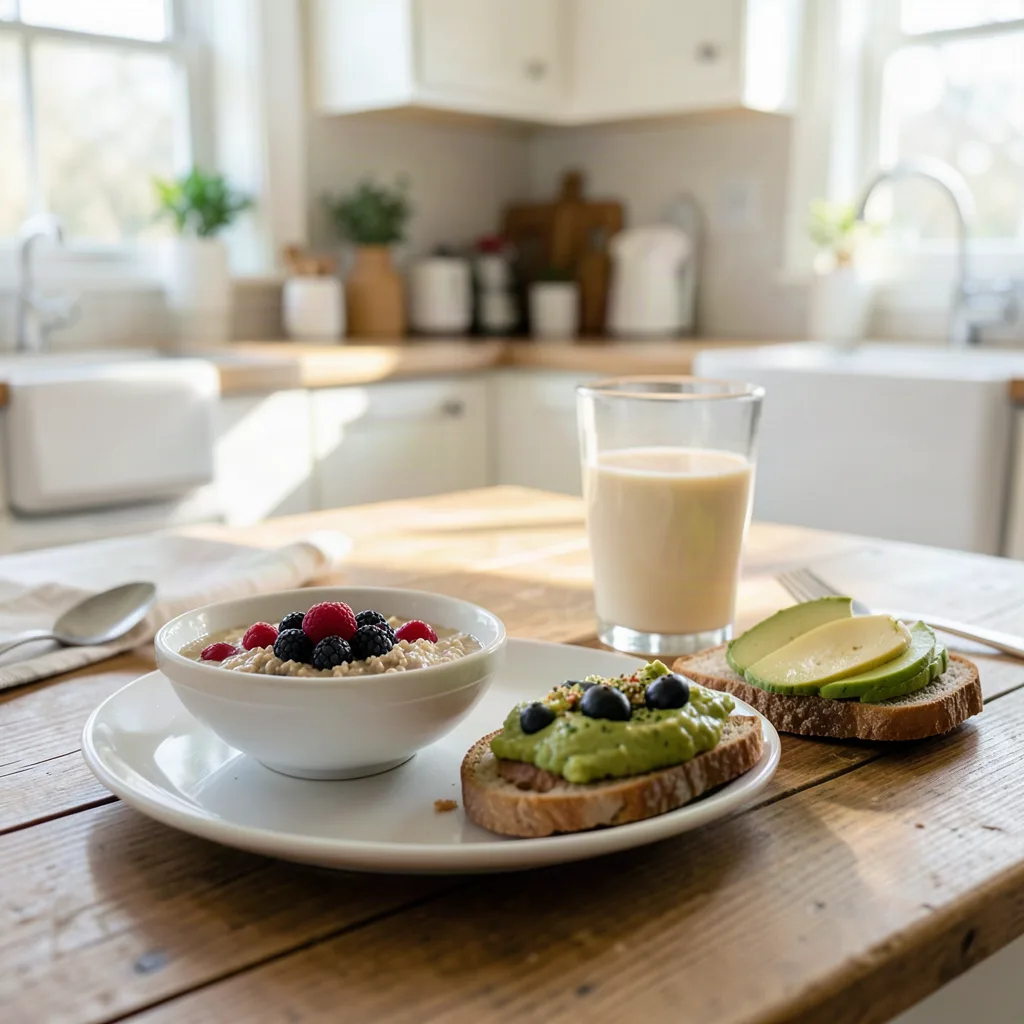
Starting the day with a plant based breakfast can set a positive tone for energy digestion and overall wellbeing. Whether you are fully vegan exploring flexitarian options or simply looking to add more whole foods to your morning routine there are countless ways to build a satisfying plate without animal products. This guide walks through eight versatile categories each offering practical recipes ingredient swaps and time saving tips so you can enjoy a nourishing start every day.
Key takeaways
- Use overnight oats, chia puddings, and grain bowls for efficient, make-ahead morning meals that save time.
- Build balanced, protein-packed plates using legumes, tofu, chickpea flour, and seeds instead of animal products.
- Leverage bulk pantry staples like dry beans, oats, and sunflower butter to keep costs under two dollars per serving.
- Customize meals with seasonal produce and functional boosters like adaptogens to support energy and gut health.
Overnight Oats and Chia Puddings
Overnight oats and chia puddings are the ultimate make ahead breakfast because they require only a few minutes of prep the night before. The base consists of rolled oats or chia seeds soaked in a plant milk of your choice along with a touch of sweetener and a pinch of salt. As the mixture rests the oats soften and the chia seeds swell creating a creamy texture that is ready to eat straight from the jar.
Basic ratio: combine one part oats or chia with two parts liquid. For oats use half cup oats with one cup almond milk. For chia use three tablespoons chia with one cup oat milk. Stir in a teaspoon of maple syrup or date paste and a dash of cinnamon. Seal the container and refrigerate for at least four hours or overnight.
Flavor variations keep the routine exciting. Try these combos:
- Berry bliss: add frozen mixed berries and a spoonful of almond butter
- Chocolate banana: stir in cacao powder and sliced banana
- Apple cinnamon: mix diced apple walnuts and a sprinkle of nutmeg
- Matcha green: whisk in culinary matcha and top with toasted coconut
Savory Toast Toppings
Toast is a blank canvas that can deliver protein healthy fats and fiber when topped thoughtfully. Choose a sturdy whole grain or sprouted bread that holds up to generous spreads without becoming soggy. Lightly toast the slices to add crunch and warmth.
Spread a base layer such as hummus mashed avocado or white bean puree. These provide creaminess and a protein boost. Then layer with vegetables herbs and a finishing sprinkle of seeds or nutritional yeast for a cheesy note.
Topping ideas to rotate through the week:
- Smashed avocado cherry tomatoes radish slices and hemp seeds
- Hummus roasted red pepper cucumber ribbons and za’atar
- White bean spread kale sautéed with garlic lemon zest and pumpkin seeds
- Peanut butter banana slices chia seeds and a drizzle of date syrup
Smoothie Bowls and Protein Shakes
Smoothie bowls turn a liquid breakfast into a spoonable meal that encourages mindful eating. The thick consistency comes from using frozen fruit minimal liquid and a thickening agent like frozen cauliflower or a handful of oats. Protein powders derived from pea rice or hemp can be added for staying power.
Formula for a balanced bowl: one cup frozen fruit half cup frozen vegetable one scoop plant protein one cup plant milk and a tablespoon of nut butter or seeds. Blend until smooth then pour into a bowl.
Toppings add texture and micronutrients. Consider these options:
- Granola cacao nibs and fresh berries
- Sliced kiwi toasted coconut and goji berries
- Chopped nuts seeds and a drizzle of almond butter
- Edible flowers for a visual treat
Tofu Scrambles and Chickpea Omelettes
Egg free scrambles deliver a familiar savory experience while providing complete protein from soy or chickpea flour. Firm tofu crumbled with turmeric nutritional yeast and black salt mimics the color and flavor of scrambled eggs. Chickpea flour batter cooked like a thin omelette offers a gluten free alternative with a slightly nutty taste.
Tofu scramble quick method: heat a tablespoon of oil in a skillet add crumbled tofu sauté for three minutes. Sprinkle turmeric nutritional yeast black salt and a pinch of cumin. Stir in diced bell pepper spinach and cherry tomatoes until wilted. Serve with whole grain toast.
Chickpea omelette recipe: whisk together half cup chickpea flour half cup water a teaspoon baking powder salt pepper and a pinch of turmeric. Let rest five minutes. Pour into a hot nonstick pan swirl thinly cook two minutes flip add sautéed mushrooms onions and fold. Slide onto a plate and garnish with fresh herbs.
Whole Grain Pancakes and Waffles
Fluffy pancakes and crisp waffles can be made entirely from whole grain flours such as oat buckwheat or spelt. Using mashed banana or applesauce as a binder eliminates the need for eggs while keeping the batter moist. A pinch of baking powder and a splash of plant milk create lift.
Basic batter: one cup flour one tablespoon ground flaxseed mixed with three tablespoons water (flax egg) one teaspoon baking powder half teaspoon cinnamon one cup plant milk and one mashed banana. Whisk until just combined; lumps are fine.
Add ins and serving ideas:
- Fold in blueberries or chopped apple before cooking
- Stir in a tablespoon of cocoa powder for chocolate version
- Top with warmed berry compote almond yogurt and a sprinkle of chopped nuts
- Serve with a side of sautéed greens for a savory twist
Breakfast Bowls with Grains and Legumes
Grain and legume bowls provide a hearty base that fuels long mornings. Cooked quinoa brown rice farro or barley paired with lentils black beans or edamame delivers a complete amino acid profile. Roasted vegetables and a flavorful sauce tie everything together.
Build your bowl using the formula: one cup cooked grain half cup cooked legume one cup roasted or raw vegetables two tablespoons sauce and a garnish of seeds or herbs. Prepare grains and legumes in batch at the start of the week.
Example bowls to inspire:
- Mediterranean: quinoa chickpeas cucumber olives sun dried tomatoes tahini lemon dressing
- Mexican: brown rice black beans corn roasted sweet potato salsa verde avocado
- Asian: farro edamame shredded carrot bok choy miso ginger dressing sesame seeds
- Autumn: barley lentils roasted Brussels sprouts apple cider vinaigrette walnuts
Quick Grab and Go Options
Busy mornings call for portable breakfasts that require zero cooking. Stock your pantry and fridge with items that can be assembled in under two minutes. The key is balancing macronutrients so you stay satisfied until lunch.
Ready made staples: individual nut butter packets roasted chickpea snacks fruit leather unsweetened plant yogurt cups and pre sliced veggie sticks. Pair a nut butter packet with a banana and a handful of trail mix for a complete mini meal.
DIY grab packs you can assemble on Sunday:
- Overnight oats jar with berries and nuts
- Chia pudding cup topped with granola
- Hummus veggie wrap using a whole wheat tortilla
- Energy ball mix of dates oats cocoa and peanut butter rolled into balls
Batch Prep and Meal Planning Strategies
Consistent plant based breakfasts become effortless when you invest a couple of hours each weekend in batch preparation. Cook a large pot of grains roast a tray of vegetables and prepare two to three sauce variations. Portion into containers for the week.
Sample weekly prep schedule: Sunday cook two cups quinoa two cups brown rice and one cup lentils. Roast a mix of sweet potato broccoli and bell pepper. Blend a green tahini sauce a spicy peanut sauce and a lemon herb vinaigrette. Monday through Friday assemble bowls smoothies or toast using the prepped components.
Storage tips to maintain freshness:
- Keep grains and legumes in airtight containers in the fridge up to five days
- Store sauces in separate jars to prevent soggy textures
- Freeze individual smoothie packs with fruit and greens for instant blending
- Label containers with date and contents to avoid waste
Seasonal Produce and Flavor Pairings for Plant‑Based Breakfasts
Aligning breakfast ingredients with the calendar keeps meals fresh, affordable, and nutritionally diverse. In spring, tender asparagus, peas, and radishes shine when folded into a warm quinoa porridge or blended into a bright green smoothie bowl with mint and lemon zest. Summer brings stone fruit such as peaches, nectarines, and cherries; they pair beautifully with coconut yogurt, toasted almond flakes, and a drizzle of maple‑date syrup. Autumn offers roasted butternut squash, apples, and pears that can be simmered into a spiced compote for overnight oats or stirred into a millet‑based hot cereal with cinnamon and nutmeg. Winter citrus — blood orange, grapefruit, and clementine — adds acidity that cuts through rich nut butters and adds vitamin C to support immunity.
When fresh produce is scarce, frozen equivalents retain most antioxidants and can be used straight from the bag. A handful of frozen berries thickens a smoothie bowl without extra ice, while frozen corn kernels add sweetness to a savory chickpea scramble. For edge cases like limited freezer space, consider dehydrating seasonal fruit in a low oven and storing the chips in airtight jars; they rehydrate quickly in hot oat milk and provide concentrated flavor.
- Spring: asparagus + lemon + nutritional yeast on toast
- Summer: peach + basil + hemp seeds in chia pudding
- Autumn: roasted squash + sage + pumpkin seeds in grain bowl
- Winter: blood orange + tahini + pomegranate arils on overnight oats
Experiment with herb‑infused oils — rosemary olive oil in winter, dill‑seed oil in summer — to finish dishes without adding sodium. A pinch of smoked paprika or a splash of apple cider vinegar can bridge sweet and savory profiles, making each seasonal plate feel intentional rather than improvised.
High‑Protein Breakfast Strategies Without Soy or Gluten
Many plant‑based eaters rely on tofu or seitan for protein, but allergies or preferences may rule them out. Legumes, pseudo‑grains, and seeds offer complete amino‑acid profiles when combined thoughtfully. A lentil‑based savory porridge — simmer red lentils with vegetable broth, turmeric, and a spoonful of miso — delivers roughly 18 g protein per cup and a creamy texture similar to oatmeal. Chickpea flour, also known as besan, creates a sturdy batter for a frittata‑style bake: whisk besan with water, nutritional yeast, black salt, and chopped vegetables, pour into a pre‑heated cast‑iron skillet, and bake until set. Each slice provides about 12 g protein and holds well for meal‑prep containers.
Quinoa flakes cook in ninety seconds and can be turned into a hot cereal fortified with hemp hearts (10 g protein per three tablespoons) and a swirl of almond butter. For a gluten‑free, soy‑free pancake stack, blend oat flour, banana, pea protein isolate, baking powder, and plant milk; the batter yields fluffy cakes with 15 g protein per serving. Edge cases include texture sensitivity — some find chickpea flour slightly gritty — which can be smoothed by soaking the flour for fifteen minutes before cooking. Adding a teaspoon of psyllium husk improves binding without altering flavor.
- Lentil porridge with miso and kale
- Besan frittata with spinach and sun‑dried tomato
- Quinoa flake cereal with hemp hearts and berries
- Pea protein pancakes topped with almond butter
Rotate these options weekly to avoid palate fatigue and to ensure a spectrum of micronutrients such as iron from lentils, zinc from pumpkin seeds, and magnesium from quinoa.
Kid‑Friendly and Family‑Scale Plant‑Based Morning Meals
Feeding a household means balancing nutrition, speed, and appeal. Miniature portions encourage autonomy; think bite‑size banana‑oat muffins baked in a silicone muffin tray — each muffin contains mashed banana, rolled oats, ground flax, and a handful of raisins, delivering fiber and natural sweetness without added sugar. For savory lovers, mini chickpea‑flour frittatas baked in a mini‑muffin tin can be packed with finely diced carrot, corn, and nutritional yeast; they reheat in thirty seconds and fit neatly into lunchboxes.
DIY yogurt parfaits become a fun assembly line: set out bowls of unsweetened coconut yogurt, granola, fresh berries, and a drizzle of date syrup. Children can layer their own cups, practicing fine motor skills while controlling portion size. For families that prefer a hot start, a large batch of steel‑cut oats cooked in an instant pot can be portioned into jars; each jar gets a different topping — cinnamon‑apple, peanut‑butter‑banana, or cocoa‑nib — so everyone feels they have a personalized breakfast.
Edge cases include picky eaters who reject texture; blending oats into a smooth batter for pancakes or waffles masks the graininess. Choking hazards are mitigated by cutting grapes and cherry tomatoes into quarters and by avoiding whole nuts for children under four — use nut butters or finely ground seed powders instead. Batch‑cooking on Sunday and freezing individual portions in silicone bags reduces weekday pressure and keeps the morning routine calm.
- Banana‑oat mini muffins (12 per batch)
- Chickpea‑flour veggie frittata bites
- Build‑your‑own yogurt parfait station
- Instant‑pot steel‑cut oats with rotating toppings
Budget‑Conscious Batch Cooking and Pantry Staples
A plant‑based breakfast program can cost well under two dollars per serving when staples are bought in bulk and prepared strategically. Dry beans, lentils, and chickpeas cost a fraction of canned versions; a one‑pound bag yields roughly six cups cooked, enough for a week of grain bowls, scrambles, and spreads. Pair these with bulk rolled oats, brown rice, and millet — each under $1.50 per pound — to create a rotating base. Seasonal vegetables purchased at farmers‑market close‑out prices (e.g., a five‑pound bag of carrots for $2) can be roasted in large trays and frozen in portion bags.
Nut butters are often the priciest item; sunflower seed butter offers a comparable protein‑fat profile at half the cost. Buying a five‑pound tub and dividing into reusable jars reduces per‑serving expense. For sweetness, date paste made by blending pitted dates with a splash of water replaces maple syrup and costs pennies per tablespoon. A simple cost breakdown: one cup cooked lentils ($0.15), half cup oats ($0.10), one tablespoon sunflower butter ($0.12), and a handful of frozen berries ($0.20) totals roughly $0.57 per bowl.
Storage hacks stretch shelf life: store cooked grains in shallow containers to cool quickly, then refrigerate; freeze individual smoothie packs with pre‑measured fruit, greens, and protein powder for grab‑and‑blend mornings. Label each container with a dry‑erase marker noting date and macro split (e.g., 20 g protein, 45 g carbs, 12 g fat) to simplify tracking. For single‑person households, scale recipes to two‑serving batches and freeze the remainder; this prevents waste and keeps variety high without extra cooking days.
- Bulk dry legumes + overnight soak + pressure cook
- Large‑tray roasted vegetables portioned for freezer
- Sunflower seed butter as affordable fat source
- Date paste for natural sweetening
Functional Add‑Ins: Adaptogens, Fermented Foods, and Micronutrient Boosters
Beyond macronutrients, targeted add‑ins can address stress resilience, gut health, and micronutrient gaps common in plant‑only diets. Adaptogenic powders such as maca, ashwagandha, and rhodiola blend smoothly into warm oat milk or smoothie bowls; start with half a teaspoon to assess tolerance, then increase to one teaspoon daily. Maca adds a subtle caramel note and supports endocrine balance, while ashwagandha’s earthy flavor pairs well with cinnamon and cacao.
Fermented foods introduce live cultures that improve digestion and vitamin K2 synthesis. A tablespoon of kimchi or sauerkraut stirred into a savory grain bowl adds tang and probiotics without overwhelming the dish. Plant‑based kefir made from coconut water or oat milk can replace regular yogurt in parfaits, delivering a fizzy texture and a broader strain profile. Miso paste, used sparingly (one teaspoon per serving), contributes umami and a modest B12 analogue, though fortified foods remain the reliable B12 source.
Micronutrient boosters include nutritional yeast (cheesy flavor, B‑vitamins, especially B12 when fortified), dulse flakes (iodine), and spirulina (iron, copper). Sprinkle a teaspoon of nutritional yeast on toast or into scramble; add a pinch of dulse to smoothies for a marine mineral lift. Spirulina’s intense color can be masked by blending with pineapple and mango. Edge cases: individuals on thyroid medication should monitor iodine intake from seaweed; pregnant people should consult a clinician before high‑dose adaptogens.
- Maca + cacao + banana smoothie
- Kimchi stirred into quinoa‑chickpea bowl
- Coconut kefir parfait with granola
- Nutritional yeast on avocado toast
- Dulse flakes in miso‑ginger broth
Global Breakfast Inspirations Adapted for a Plant‑Based Kitchen
Exploring international morning traditions expands flavor horizons while staying plant‑centric. A Japanese‑style breakfast can feature miso soup with wakame, tofu cubes, and scallions served alongside a small bowl of brown rice and quick‑pickled cucumber; the soup supplies probiotics and iodine, the rice provides sustained carbs. For a Mexican twist, bake corn tortilla triangles until crisp, then layer with black bean spread, roasted poblano strips, avocado slices, and a drizzle of cashew crema — essentially chilaquiles without cheese or eggs.
Indian besan chilla (chickpea flour crepes) become a protein‑rich canvas: whisk besan with water, turmeric, cumin, chopped cilantro, and grated carrot; pour thin onto a hot non‑stick pan, flip, and serve with mint‑coconut chutney. Ethiopian injera, traditionally teff‑based, can be mimicked with a fermented teff‑buckwheat batter cooked like a crepe; top with spiced red lentil stew (misir wot) for a hearty, iron‑dense meal. Middle Eastern ful medames — slow‑cooked fava beans with garlic, lemon, and olive oil — works beautifully when pre‑cooked beans are warmed with cumin and served with whole‑grain pita and sliced radish.
Adaptation tips: replace animal‑based broths with robust vegetable stock enriched with dried shiitake for depth; use aquafaba (chickpea brine) as an egg‑white substitute for fluffier batters; swap dairy yogurt for soy‑free coconut or almond versions in sauces. Edge cases include gluten‑free needs — opt for 100 % teff or buckwheat flour in injera and chilla — and nut allergies — choose seed‑based cremas and tahini instead of cashew. Rotating one global recipe per week keeps the breakfast rotation exciting and nutritionally diverse.
- Miso‑wakame soup with brown rice
- Baked chilaquiles with black bean spread
- Besan chilla with mint‑coconut chutney
- Teff‑buckwheat injera with misir wot
- Ful medames with whole‑grain pita
Frequently Asked Questions
Can I get enough protein from plant based breakfasts alone
Yes a combination of legumes tofu tempeh nuts seeds and whole grains provides all essential amino acids when varied throughout the day. Aim for at least 15 to 20 grams of protein at breakfast by including a protein rich component such as a tofu scramble or a protein powder smoothie.
What are the best plant milks for overnight oats
Oat milk and soy milk create a creamy texture while almond milk offers a lighter consistency. Choose unsweetened varieties to control added sugars and look for fortified options that supply calcium and vitamin D.
How can I make pancakes without eggs or dairy
Use a flax egg (one tablespoon ground flaxseed mixed with three tablespoons water) or mashed banana as a binder. Plant milk replaces dairy milk and a pinch of baking powder provides lift. Whole grain flours add structure and nutrition.
Are smoothie bowls high in sugar
They can be if loaded with fruit juice sweetened yogurt or excess dried fruit. Keep sugar in check by using mostly frozen vegetables a single serving of fruit and unsweetened plant milk. Add protein and healthy fats to slow glucose absorption.
What is the easiest way to meal prep breakfasts for a busy week
Pick two core bases such as overnight oats and grain bowls. Prepare large batches of each on Sunday portion into jars or containers and rotate toppings daily. This reduces decision fatigue and keeps variety high without extra cooking time.
Related posts:
 Is Peanut Butter Actually a Healthy Snack?
 Beyond Breakfast: The Plant-Based Sausage That’s Changing the Morning Game
 High-Protein Foods That Pack a Serious Nutritional Punch
 The Overnight Oats Recipe That Changed Everything for the Lactose Intolerant
 High Protein Breakfast Ideas for Busy Mornings
 Healthy Frozen Banana Desserts
 Vegan vs Plant-Based: Which is Healthier?
 Are We Really Too Busy for Breakfast?