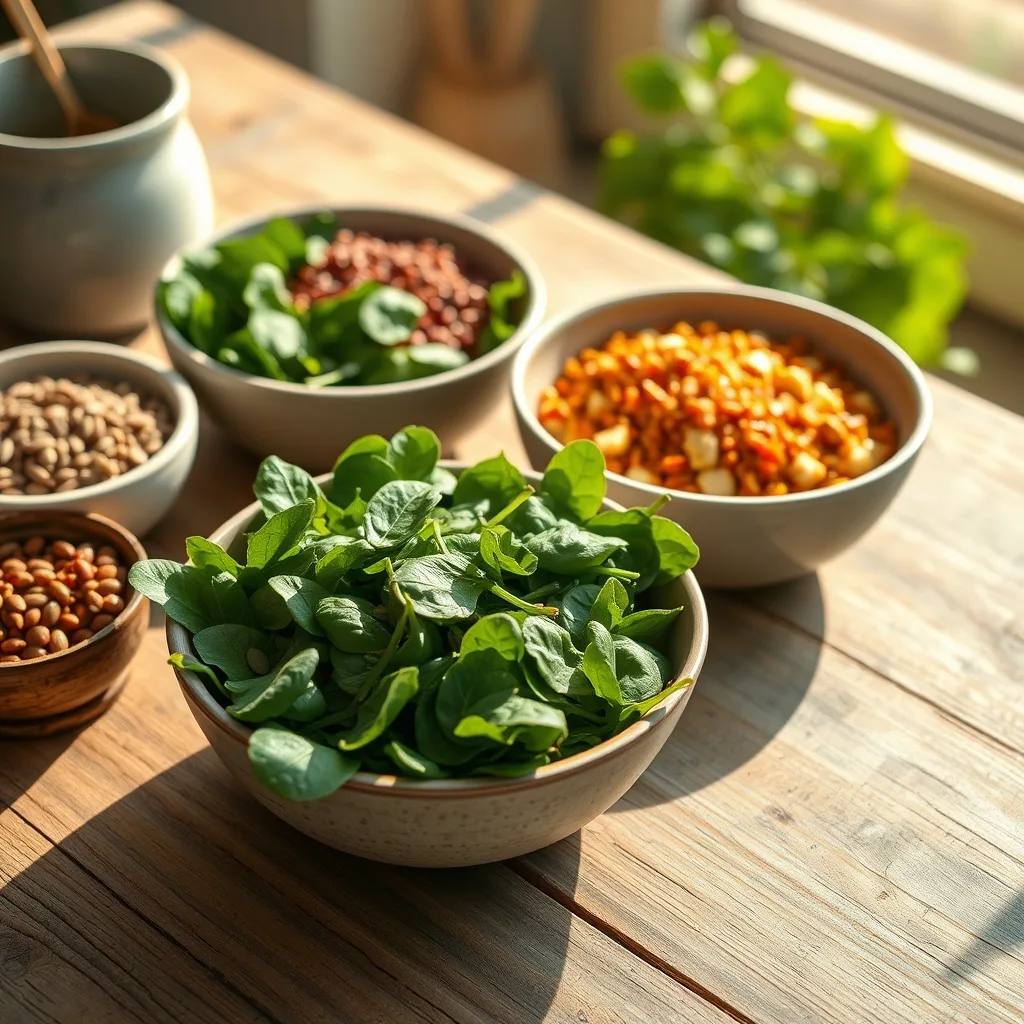
Iron is an essential mineral that supports oxygen transport, energy production, and immune function. For people following a vegan lifestyle, obtaining adequate iron can require a bit more planning because plant foods contain non‑heme iron, which is absorbed less efficiently than the heme iron found in animal products. This article walks you through the most reliable plant‑based iron sources, practical ways to boost absorption, and how to incorporate these foods into everyday meals without compromising taste or nutrition.
Key takeaways
- Eat iron-rich legumes, seeds, dark leafy greens, and fortified foods to meet your daily mineral needs.
- Pair plant-based iron with vitamin C sources, such as citrus or bell peppers, to boost absorption.
- Drink tea and coffee between meals rather than during them to avoid iron-blocking polyphenols.
- Soak grains and legumes or choose fermented options like tempeh to reduce phytate levels.
- Use cast-iron cookware to increase the amount of iron transferred into your food.
Why Iron Matters for Vegans
Even though the body can store iron for several months, regular intake is necessary to replace the iron lost through skin shedding, menstrual bleeding, and normal cellular turnover. Vegans may be at slightly higher risk of iron deficiency because they rely solely on non‑heme iron, which is influenced by other dietary components. Understanding the role of iron helps you prioritize foods that supply the mineral and adopt strategies that enhance its bioavailability.
Understanding Heme vs. Non‑Heme Iron
Heme iron, present in meat, poultry, and fish, is absorbed at a rate of 15‑35 % regardless of other dietary factors. Non‑heme iron, the type found in plants, is absorbed at a lower baseline rate of 2‑20 % and is more sensitive to enhancers (like vitamin C) and inhibitors (like phytates or polyphenols). While you cannot obtain heme iron on a vegan diet, you can maximize non‑heme iron absorption by pairing iron‑rich foods with vitamin C sources and reducing intake of strong inhibitors during meals.
Legumes and Beans: Iron‑Packed Powerhouses
Legumes are among the richest plant sources of iron. A cup of cooked lentils delivers about 6.6 mg of iron, roughly 37 % of the daily value (DV) for adults. Chickpeas, black beans, kidney beans, and soybeans also provide 2‑4 mg per cup. In addition to iron, legumes supply protein, fiber, and a range of B‑vitamins, making them versatile staples.
- Meal idea: Prepare a hearty lentil soup with carrots, celery, and a splash of lemon juice to boost vitamin C.
- Quick snack: Roast seasoned chickpeas for a crunchy, iron‑rich topping on salads.
- Batch cooking: Cook a large pot of mixed beans, freeze portions, and add to stir‑fries or grain bowls throughout the week.
Whole Grains: Steady Iron Contributors
Whole grains such as quinoa, amaranth, oatmeal, and brown rice contain modest amounts of iron, typically 1‑2 mg per cooked cup. Quinoa is notable because it is a complete protein and provides about 2.8 mg of iron per cup. Fortified cereals can also be excellent sources, often delivering 10‑18 mg per serving, but check the label for added sugars.
- Breakfast boost: Combine rolled oats with sliced strawberries and a sprinkle of pumpkin seeds; the vitamin C from strawberries aids iron uptake.
- Grain bowl: Mix cooked quinoa with roasted sweet potatoes, kale, and a tahini‑lemon dressing.
- Snack: Enjoy a handful of roasted soy nuts, which provide both iron and healthy fats.
Nuts and Seeds: Tiny Yet Mighty Sources
Nuts and seeds are dense in nutrients, and many offer a respectable iron contribution. Pumpkin seeds (pepitas) contain about 2.5 mg of iron per ounce, while sesame seeds provide roughly 1.3 mg per tablespoon. Hemp seeds, almonds, and cashews also contribute iron along with omega‑3 fatty acids and magnesium.
- Smoothie topper: Blend a banana with spinach, almond milk, and a tablespoon of hemp seeds; finish with a sprinkle of pumpkin seeds.
- Salad crunch: Toss a mix of toasted sesame seeds and sliced almonds over mixed greens.
- Energy bites: Combine dates, almond butter, and ground flaxseed; roll in sesame seeds for an iron‑rich snack.
Dark Leafy Greens: Iron in Every Leaf
Spinach, Swiss chard, collard greens, and kale are celebrated for their iron content. Cooked spinach provides about 3.6 mg of iron per half‑cup, while raw kale offers around 1 mg per cup. The cooking process reduces the volume of leafy greens, concentrating the iron and making it easier for the body to absorb.
- Sautéed side: Cook spinach with garlic and a squeeze of orange juice; the citrus adds vitamin C.
- Green smoothie: Blend kale, frozen mango, and a splash of fortified plant milk.
- Stir‑fry: Add chopped collard greens to a tofu and vegetable stir‑fry, finishing with a drizzle of tamari.
Dried Fruits: Sweet Iron Boosters
Dried apricots, raisins, and figs are convenient, portable sources of iron. A half‑cup of dried apricots supplies about 2 mg of iron, while the same portion of raisins offers roughly 1.5 mg. They also provide fiber and natural sugars, making them ideal for quick energy.
- Breakfast bowl: Top oatmeal with chopped dried apricots, walnuts, and a drizzle of maple syrup.
- Trail mix: Combine raisins, pumpkin seeds, and dark chocolate chips for a balanced snack.
- Dessert topping: Sprinkle sliced dried figs over a vegan yogurt parfait.
Iron‑Fortified Foods: Convenient Extras
Many plant‑based milks, breakfast cereals, and nutritional yeast products are fortified with iron, sometimes providing up to 100 % of the DV per serving. Fortified nutritional yeast also adds a cheesy flavor and B‑vitamins, making it a favorite among vegans.
- Fortified cereal: Choose a low‑sugar, iron‑fortified cereal and pair with fortified soy milk.
- Cooking aid: Sprinkle nutritional yeast over popcorn, pasta, or roasted vegetables.
- Smoothie enhancer: Add a tablespoon of fortified plant‑based protein powder to boost iron and protein.
Enhancing Iron Absorption: Practical Tips
Because non‑heme iron is less readily absorbed, pairing iron‑rich foods with vitamin C sources can increase uptake by up to 2‑3 times. Conversely, substances like phytates (found in whole grains and legumes), calcium, and polyphenols (in tea and coffee) can inhibit absorption.
- Vitamin C pairing: Add bell peppers, citrus juice, strawberries, or tomatoes to iron‑rich meals.
- Soaking and sprouting: Soak beans, lentils, and grains for several hours, then rinse before cooking to reduce phytate levels.
- Avoid tea/coffee with meals: Drink these beverages between meals rather than during meals.
- Cooking method: Use a cast‑iron skillet; a small amount of iron can leach into food, especially when cooking acidic dishes.
Sample One‑Week Meal Plan for Optimal Iron Intake
Below is a practical, balanced plan that incorporates a variety of iron‑rich foods while applying absorption‑enhancing strategies. Adjust portion sizes to meet your individual calorie needs.
- Monday: Breakfast – fortified oatmeal with sliced strawberries and pumpkin seeds. Lunch – quinoa salad with chickpeas, roasted red pepper, and orange vinaigrette. Dinner – lentil stew with kale and a side of brown rice.
- Tuesday: Breakfast – smoothie with spinach, mango, hemp seeds, and fortified soy milk. Lunch – whole‑grain wrap filled with black beans, avocado, and salsa topped with nutritional yeast. Dinner – stir‑fried tofu, broccoli, and bok choy served over millet; finish with a squeeze of lemon.
- Wednesday: Breakfast – chia pudding made with fortified almond milk, topped with dried apricots. Lunch – mixed greens with roasted sweet potato, pumpkin seeds, and a citrus dressing. Dinner – spaghetti with tomato‑based sauce enriched with lentil “meat” and a side of steamed Swiss chard.
- Thursday: Breakfast – fortified cereal with soy milk and a handful of raisins. Lunch – tempeh sandwich on whole‑grain bread with lettuce, tomato, and a spread of tahini mixed with lemon juice. Dinner – chickpea curry with spinach, served over brown rice.
- Friday: Breakfast – vegan yogurt parfait layered with granola, sliced figs, and a drizzle of agave. Lunch – quinoa bowl with roasted vegetables, edamame, and a ginger‑lime dressing. Dinner – black‑bean burger on a whole‑grain bun, topped with avocado and a side of kale chips.
- Saturday: Breakfast – buckwheat pancakes topped with sliced banana and a spoonful of fortified plant‑based yogurt. Lunch – lentil salad with diced bell peppers, parsley, and a mustard‑lemon dressing. Dinner – mushroom and spinach risotto made with fortified vegetable broth.
- Sunday: Breakfast – tofu scramble with turmeric, tomatoes, and spinach; serve with whole‑grain toast. Lunch – roasted cauliflower and chickpea bowl drizzled with tahini‑citrus sauce. Dinner – pasta primavera with peas, broccoli, and a sprinkle of nutritional yeast.
Sea Vegetables and Algae: Oceanic Iron Powerhouses
While most vegans think of iron as coming from soil‑grown crops, the marine world offers a surprising array of iron‑dense options that are often overlooked. Sea vegetables such as nori, kombu, wakame, dulse, and kelp can supply between 2 mg and 6 mg of iron per 10‑gram serving, depending on the species and drying method. Algal powders like spirulina and chlorella are even more concentrated, delivering roughly 2 mg of iron per tablespoon. These foods also bring a suite of trace minerals (iodine, calcium, magnesium) and unique phytonutrients that support thyroid health and antioxidant defenses.
Why sea vegetables work well for iron: The iron in marine plants is bound to polysaccharides that are less susceptible to phytate inhibition than grain‑based iron. Moreover, many seaweeds are naturally low in calcium and polyphenols, reducing competitive absorption issues. When paired with a vitamin C source, their iron becomes even more bioavailable.
- Simple sushi‑style snack: Sprinkle toasted nori flakes over a bowl of cold rice noodles, shredded carrots, cucumber, and a squeeze of lime. The citrus juice supplies vitamin C, while the nori adds a salty umami boost and a solid iron punch.
- Hearty miso broth: Dissolve a tablespoon of brown‑sea‑weed miso paste into hot water, add sliced shiitake mushrooms, tofu cubes, and a handful of wakame. Finish with chopped scallions and a drizzle of sesame oil. This soup delivers iron from both the miso and wakame, plus vitamin C from a side of pickled ginger.
- Spirulina smoothie: Blend 1 tbsp of spirulina powder with frozen pineapple, a banana, fortified oat milk, and a handful of fresh mint. The pineapple’s vitamin C amplifies iron uptake, while the spirulina contributes protein, B‑vitamins, and a vivid green hue.
- DIY sea‑weed seasoning: Combine powdered kelp, smoked paprika, garlic powder, and a pinch of sea salt. Sprinkle over roasted root vegetables or popcorn for an umami‑rich, iron‑enhancing finish.
For those concerned about iodine excess, it is advisable to rotate sea‑weed types and limit total intake to 5–10 grams of dried product per day, especially for individuals with thyroid disorders. Integrating a modest portion of sea vegetables a few times weekly can diversify iron sources without overwhelming iodine levels.
Fermented Plant Foods: Enhancing Iron Bioavailability
Fermentation transforms the nutrient profile of plant foods in ways that directly benefit iron absorption. By breaking down phytic acid and other antinutrients, lactic‑acid bacteria free up mineral binding sites, allowing iron to be more readily taken up in the gut. Classic fermented staples—tempeh, miso, sourdough bread, kimchi, and sauerkraut—each offer a unique combination of iron, probiotics, and flavor.
Key mechanisms:
- Phytate degradation: Microbial enzymes such as phytase hydrolyze phytate, reducing its chelating effect on iron.
- Organic acid production: Lactic acid and acetic acid lower the pH of the intestinal lumen, creating an environment that favors soluble iron forms.
- Gut‑microbiome synergy: Probiotic strains like Lactobacillus plantarum can up‑regulate iron transport proteins (e.g., DMT1) in enterocytes, further enhancing uptake.
Practical ways to incorporate fermented iron‑boosters:
- Tempeh‑centric bowl: Slice firm tempeh, marinate in tamari, ginger, and orange zest, then pan‑fry until golden. Serve over a base of millet and roasted Brussels sprouts, drizzled with a citrus‑based dressing.
- Miso‑glazed carrots: Toss carrot sticks with a mixture of white miso, maple syrup, and a splash of rice vinegar. Roast until caramelized; the miso adds iron while the roasting concentrates the natural sugars.
- Sourdough toast with avocado: Use a whole‑grain sourdough loaf (preferably fermented for ≥12 hours). Top with mashed avocado, a pinch of chili flakes, and a squeeze of lemon. The sourdough’s reduced phytate content makes the iron in the grain more accessible.
- Kimchi‑enhanced grain bowl: Combine cooked farro (a less common whole grain) with sautéed shiitake mushrooms, shredded cabbage, and a generous spoonful of kimchi. The probiotic‑rich kimchi not only adds flavor but also aids iron absorption from the farro.
When selecting fermented products, read labels for added sugars or excessive sodium, which can counteract health benefits. Opt for traditionally fermented items with short ingredient lists, and consider making your own sauerkraut or kimchi at home to control salt levels.
Root Vegetables, Tubers, and Uncommon Iron Sources
Beyond the familiar sweet potato, a variety of underground crops harbor meaningful iron quantities while delivering distinct textures and flavors. These foods are often inexpensive, store well, and can be prepared in myriad ways, making them ideal for budget‑conscious vegans seeking to diversify their iron intake.
- Beetroot: One cup of boiled beet cubes supplies roughly 1.3 mg of iron. The vibrant color also signals the presence of betacyanins, antioxidants that support cardiovascular health. Pair beets with a citrus vinaigrette to boost iron absorption.
- Parsnips: A medium‑sized parsnip provides about 0.9 mg of iron, along with a sweet, nutty flavor. Roast parsnips with rosemary and a drizzle of olive oil, then finish with a splash of orange juice.
- Turnips and turnip greens: While the root offers modest iron (≈0.6 mg per cup), the greens are richer, delivering about 1.5 mg per cup when cooked. Sauté turnip greens with garlic and a dash of apple cider vinegar for a tangy side.
- Yam (white or purple varieties): One cup of boiled yam contains approximately 1 mg of iron. Mash yam with a spoonful of almond butter and a pinch of cinnamon for a nutrient‑dense snack.
- Cassava (yuca): Although lower in iron (≈0.5 mg per cup), cassava is a versatile starch that can be boiled, baked, or fried. Serve cassava fries with a chili‑lime dipping sauce rich in vitamin C.
- Blackstrap molasses: This thick, dark syrup is a powerhouse, delivering up to 4.5 mg of iron per tablespoon. Use it as a natural sweetener in oatmeal, baked beans, or homemade granola bars.
- Cocoa powder and dark chocolate: Unsweetened cocoa contains about 3 mg of iron per tablespoon. Incorporate cocoa into smoothies, oatmeal, or make a vegan “chocolate‑avocado mousse” topped with fresh berries.
Edge‑case tip: When using high‑iron tubers in a single meal, combine them with a vitamin C‑rich element (e.g., a squeeze of grapefruit juice over beet salad) to maximize uptake. Additionally, because many root vegetables are high in potassium, individuals on potassium‑restricted diets should monitor portion sizes.
Strategic Meal Timing and Nutrient Pairing Beyond Vitamin C
Vitamin C is the most well‑known iron enhancer, but other nutrients and timing strategies can further tip the absorption balance in your favor. Understanding how calcium, certain amino acids, and even the gut’s circadian rhythm interact with iron can help you design meals that optimize mineral uptake without sacrificing variety.
- Calcium separation: Calcium competes with iron for the same transport channels (DMT1). Aim to consume calcium‑rich foods (e.g., fortified plant milks, tofu set with calcium sulfate, almonds) at least two hours apart from iron‑dense meals. For example, enjoy a calcium‑fortified soy latte in the morning and save an iron‑rich lunch for mid‑day.
- Vitamin A synergy: Retinol and provitamin A carotenoids (beta‑carotene, lutein) can up‑regulate iron‑release proteins in the bone marrow. Pair iron‑rich dishes with orange‑colored vegetables like carrots, pumpkin, or apricots to harness this effect.
- Protein‑derived amino acids: Cysteine and methionine facilitate iron’s reduction from Fe³⁺ to the more absorbable Fe²⁺ form. Incorporate soy‑based tempeh, lupin beans, or hemp protein powders alongside iron sources.
- Meal‑size consideration: Consuming a very large meal can dilute iron concentration in the digestive tract, reducing absorption efficiency. Splitting iron intake into two moderate‑size meals (e.g., a mid‑morning snack and an early dinner) can improve overall uptake.
- Evening iron intake: Some studies suggest that iron absorption may be slightly higher at night due to reduced competition from dietary phytates consumed earlier in the day. A light evening snack of fortified crackers with a citrus dip can be a strategic iron boost before sleep.
- Use of acidic cookware: Cooking iron‑rich foods in a cast‑iron skillet with an acidic component (tomato sauce, lemon juice) can leach additional elemental iron into the dish. A quick sauté of dandelion greens in a cast‑iron pan with a splash of balsamic vinegar adds both flavor and mineral content.
Practical example: For a post‑workout recovery snack, blend a scoop of pea‑protein isolate (rich in cysteine) with frozen mango, a tablespoon of blackstrap molasses, and fortified soy milk. Consume this 90 minutes after a calcium‑heavy dinner to avoid competitive inhibition.
Iron Monitoring, Supplementation, and When to Seek Professional Guidance
Even with meticulous meal planning, individual iron status can vary due to genetics, menstrual blood loss, gastrointestinal health, and lifestyle factors. Regular monitoring empowers vegans to detect early signs of deficiency and decide whether a supplement is warranted.
- Key blood markers: Ferritin (iron storage), serum iron, total iron‑binding capacity (TIBC), and hemoglobin. Ferritin is the most sensitive early indicator; values below 30 µg/L often signal depleted stores.
- Frequency of testing: For individuals with a history of anemia, menstruating women, pregnant vegans, or athletes, testing every 3–6 months is advisable. Otherwise, an annual check‑up suffices.
- Choosing a vegan‑friendly supplement:
- Ferrous gluconate or ferrous bisglycinate are gentle on the stomach and widely available in capsule or powder form.
- Iron‑only supplements avoid added vitamin C that can cause gastrointestinal upset in sensitive individuals.
- Look for certifications such as “vegan‑verified” or “certified vegan” to ensure no animal‑derived binders.
- Dosage guidelines: The typical therapeutic dose for mild deficiency is 18–27 mg of elemental iron per day, divided into two doses taken with meals that contain vitamin C. Do not exceed 45 mg daily without medical supervision, as excess iron can cause oxidative stress.
- Potential side effects: Nausea, constipation, and dark stools are common. To mitigate constipation, increase fluid intake, add soluble fiber (e.g., psyllium), and consider a probiotic supplement.
- When to consult a healthcare professional:
- Persistent fatigue, shortness of breath, or pica (craving non‑food substances) despite a balanced diet.
- Ferritin levels below 15 µg/L, indicating severe depletion.
- Pregnancy or planning to become pregnant, as iron demands rise sharply.
Edge‑case consideration: Individuals with inflammatory bowel disease (IBD) may have malabsorption despite adequate intake. In such cases, a healthcare provider might recommend a higher‑dose, slow‑release iron formulation or intravenous iron under supervision.
Budget‑Friendly Shopping and Seasonal Planning for Iron‑Rich Vegan Foods
High‑quality iron sources do not have to break the bank. By aligning purchases with seasonal harvests, bulk buying, and strategic storage, vegans can maintain iron adequacy while keeping grocery bills low.
- Buy in bulk and store: Dried beans, lentils (though already covered, we can still mention other varieties like adzuki or mung beans), and whole grains such as millet or teff are inexpensive when purchased in 5‑kg bags. Rinse, soak, and freeze portions to reduce cooking time later.
- Seasonal root vegetables: In autumn and winter, beetroot, parsnips, and turnips are at peak freshness and low cost. Purchase a sack, wash, chop, and freeze for future soups or stews.
- Frozen seaweed snacks: Many Asian markets sell bulk frozen nori sheets at reduced prices compared to fresh varieties. Thaw and crumble into salads for an instant iron boost.
- DIY blackstrap molasses glaze: Purchase a large container of molasses (often on sale in the baking aisle) and mix with a bit of mustard and apple cider vinegar. Use this glaze on roasted carrots, Brussels sprouts, or tofu for a sweet‑savory iron‑rich coating.
- Utilize farmers’ markets: Directly sourced produce often costs less per pound and may include heirloom varieties rich in micronutrients. Ask vendors about iron‑dense crops such as beet greens or dandelion leaves.
- Make your own fermented foods: Sourdough starter, kimchi, and sauerkraut can be prepared with inexpensive cabbage, carrots, and basic spices. The fermentation process not only preserves the vegetables but also enhances iron availability.
- Strategic pantry rotation: Keep a rotating stock of iron‑rich pantry staples—canned pumpkin (iron‑rich, especially when fortified), dried apricots, and cocoa powder—so you always have a backup when fresh produce is out of season.
Sample budget‑focused weekly grocery list (prices approximate, based on US average):
- 5 lb bag of dried black beans – $4.00
- 2 lb bag of frozen beetroot cubes – $3.50
- 1 lb bulk dried apricots – $5.00
- 1 quart blackstrap molasses – $4.00
- 2 lb bag of millet – $3.00
- 1 lb bulk cocoa powder – $4.50
- 1 lb fresh kale (for vitamin C pairing) – $2.00
Total: roughly $26.00, providing a week’s worth of iron‑dense meals when combined with strategic cooking methods. By planning meals around these cost‑effective items, vegans can sustain iron intake without relying on expensive specialty products.
Frequently Asked Questions
- 1. Can vegans meet their iron needs without supplements?
- Yes, most vegans can achieve adequate iron intake through a varied diet that includes legumes, whole grains, nuts, seeds, dark leafy greens, dried fruits, and fortified products. Consistently pairing these foods with vitamin C sources further supports absorption.
- 2. How much iron should an adult vegan aim for each day?
- The Recommended Dietary Allowance (RDA) for iron is 8 mg for adult men and 18 mg for adult women of child‑bearing age. Because non‑heme iron is less efficiently absorbed, many health professionals suggest vegans aim for the higher end of the range, especially women, while monitoring blood levels with a healthcare provider.
- 3. Does cooking destroy iron in vegetables?
- Cooking does not destroy iron; in fact, it can make iron more accessible by breaking down cell walls. However, overcooking may reduce vitamin C content, which is important for absorption, so a brief sauté or steaming is ideal.
- 4. Are iron‑fortified plant milks reliable sources?
- Fortified plant milks can be a reliable source, often providing 10‑20 % of the DV per cup. Check the nutrition label for the exact iron content and choose versions without excessive added sugars.
- 5. What are the best strategies to reduce phytate inhibition?
- Soaking, sprouting, and fermenting beans, grains, and seeds can lower phytate levels. Additionally, consuming vitamin C‑rich foods in the same meal helps counteract the inhibitory effect of remaining phytates.
Related posts:
 The 8 Vitamins Vegans May Be Missing Out On—and Where To Find Them
 Essential Nutrients for Vegetarians
 Perfect Nutrient Combinations
 High-Protein Foods That Pack a Serious Nutritional Punch
 The Best Vegan Sources of Calcium That Aren’t Dairy
 The Green Goddess Guide to Buying Leafy Perfection
 Vegan vs Plant-Based: Which is Healthier?
 How to Boost Energy With Iron, According to an RD