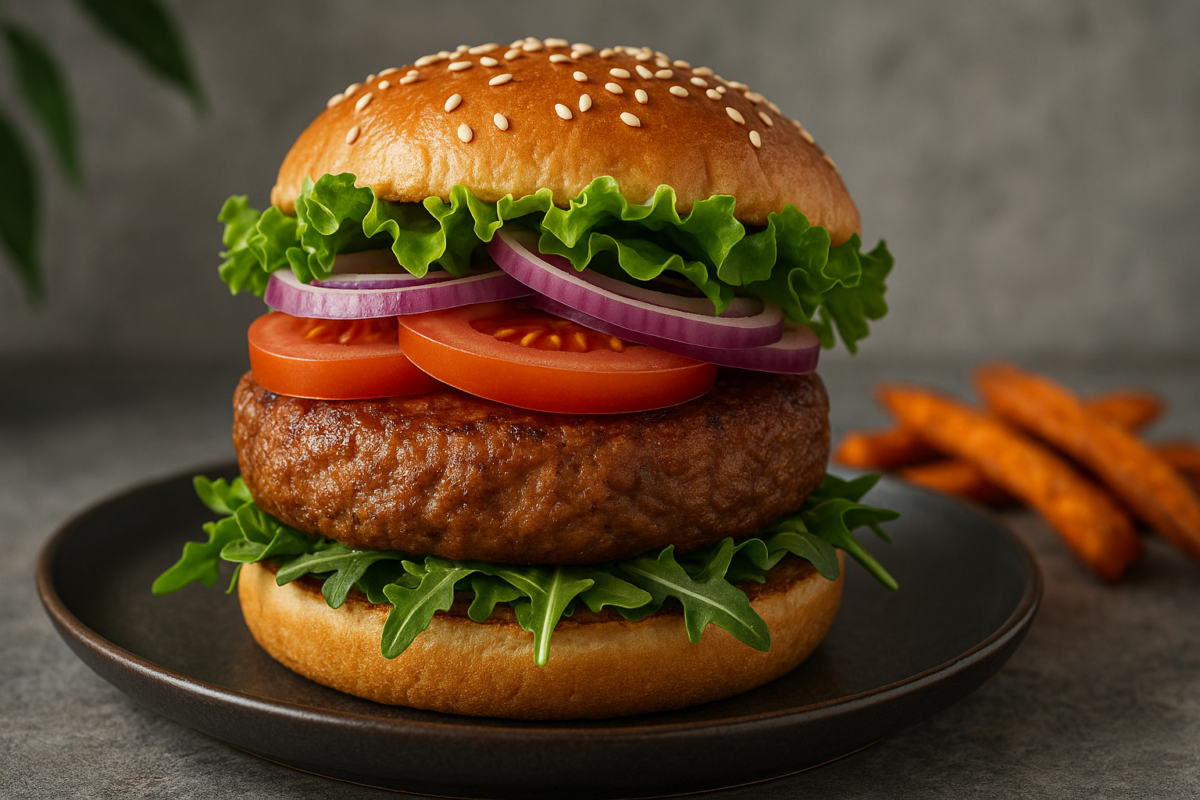
Plant based turkey burgers have moved from niche freezer aisle to backyard grill staple, and for good reason. When crafted with the right blend of proteins, spices, and binders they deliver the savory bite and juicy texture that many expect from a traditional turkey patty, but without the animal product. This guide walks you through every step, from ingredient selection to cooking technique, so you can serve a burger that satisfies both committed vegans and curious omnivores.
Why Plant Based Turkey Burgers Matter
Interest in plant based eating has surged as more people seek meals that align with health goals, environmental concerns, and animal welfare values. A turkey style burger made from plants offers a familiar format that eases the transition for households accustomed to poultry. It also provides a versatile canvas for global flavors, from smoky chipotle to herbaceous Mediterranean blends. Because the patty mimics the lean protein profile of turkey, it fits neatly into macro balanced plates while delivering fiber and phytonutrients that animal meat lacks.
Restaurants and home cooks alike appreciate the reduced cooking time and lower risk of foodborne illness. The absence of raw poultry eliminates cross contamination worries, making the burger a safer option for families with young children or immunocompromised members. Moreover, the carbon footprint of a plant based patty is typically a fraction of that for conventional turkey, contributing to a more sustainable food system.
Key Ingredients for Flavor and Texture
The foundation of a great plant based turkey burger lies in a protein matrix that mimics the fibrous chew of ground turkey. Textured vegetable protein, pea protein isolate, and finely shredded jackfruit each bring a different mouthfeel. Combining two of these creates a layered texture that resists mushiness. Binders such as methylcellulose, oat flour, or ground flaxseed mixed with water hold the patty together without adding a gummy residue.
Flavor depth comes from umami rich components. Miso paste, tomato paste, smoked paprika, and nutritional yeast supply savory notes. Fresh aromatics like onion, garlic, and celery, sautéed until golden, add sweetness and aroma. Herbs such as sage, thyme, and rosemary echo traditional turkey seasoning. A splash of apple cider vinegar or lemon juice brightens the mixture and balances richness.
Building the Perfect Patty
Start by hydrating textured vegetable protein in hot vegetable broth for ten minutes, then drain excess liquid. In a large bowl combine the hydrated protein with pea protein isolate, shredded jackfruit, and the chosen binder. Fold in the sautéed aromatics, umami boosters, herbs, and a pinch of salt and pepper. Mix until the mass holds together when pressed; overmixing can develop a dense texture.
Portion the mixture into 120 gram balls, then flatten gently to a thickness of about 1.5 centimeters. Chill the formed patties for at least twenty minutes. This rest allows the binders to set and the flavors to meld, resulting in a patty that holds its shape on the grill or skillet.
Cooking Methods That Deliver Juiciness
A cast iron skillet preheated over medium high heat with a thin film of high smoke point oil creates a caramelized crust while sealing interior moisture. Cook each side for three to four minutes until a deep golden brown forms. For grill enthusiasts, oil the grates and place patties over direct heat for two minutes per side, then move to indirect heat to finish cooking without burning.
An oven bake at 200 degrees Celsius for fifteen minutes, flipping halfway, yields a hands off approach ideal for batch cooking. Adding a splash of vegetable broth to the baking tray creates steam that keeps the interior tender. Air fryers set at 190 degrees Celsius for twelve minutes also produce a crisp exterior with minimal oil.
Toppings and Bun Pairings
Choose a bun that can support the patty’s weight without becoming soggy. Whole grain brioche, pretzel rolls, or sprouted grain buns add flavor and structural integrity. Lightly toast the cut sides to create a barrier against sauces.
Classic toppings include crisp lettuce, sliced tomato, red onion, and pickles. For a gourmet twist, spread a smoky chipotle mayo made from vegan mayo, adobo sauce, and lime juice. Avocado slices, caramelized onions, or a quick slaw of shredded cabbage, apple cider vinegar, and maple syrup add texture contrast. Cheese lovers can melt a slice of cultured cashew cheddar during the final minute of cooking.
Meal Prep and Storage Tips
Prepared patties freeze beautifully. Place parchment between each patty, store in a sealed container, and freeze for up to three months. Thaw overnight in the refrigerator before cooking. Cooked patties keep in the fridge for four days and reheat well in a skillet with a splash of broth to restore moisture.
For weekly meal prep, assemble burger kits: portion buns, pre sliced toppings, and sauce in separate compartments. This reduces assembly time on busy evenings and encourages balanced meals. Batch cooking a double batch of patties on Sunday can supply lunches and dinners throughout the week.
Nutrition Snapshot and Customization
A typical 120 gram plant based turkey burger delivers roughly 180 calories, 20 grams of protein, 6 grams of fiber, and 8 grams of fat, with zero cholesterol. Sodium varies based on added miso or soy sauce; aim for under 400 milligrams per patty by using low sodium broth and limiting added salt.
Customize macros by adjusting the protein blend. Adding hemp seeds boosts omega three fatty acids, while incorporating cooked quinoa raises carbohydrate content for endurance athletes. Gluten free eaters can swap oat flour for certified gluten free oat flour or almond flour. Spice level is easily tuned with cayenne, harissa, or fresh jalapeño folded into the mix.
Global Flavor Architectures: Adapting the Base Patty to World Cuisines
The neutral canvas of a plant based turkey patty invites culinary travel without leaving the kitchen. By swapping the herb and umami layer you can evoke distinct regional profiles while keeping the protein matrix and binder unchanged. For a Korean gochujang burger, fold two tablespoons of gochujang paste, one teaspoon of toasted sesame oil, and a handful of finely sliced scallions into the mix; finish with a quick kimchi slaw and a drizzle of vegan mayo blended with a touch of doenjang. A Mediterranean version leans on sun dried tomato paste, chopped kalamata olives, oregano, and a pinch of lemon zest; serve on a toasted pita with tzatziki made from coconut yogurt, cucumber, dill, and garlic. For a Mexican al pastor twist, hydrate the textured vegetable protein in achiote infused broth, add minced pineapple, guajillo powder, and a splash of lime juice; top with grilled pineapple rings, pickled red onion, and a cilantro lime crema. An Indian keema style patty incorporates ginger garlic paste, garam masala, turmeric, and frozen peas; pair with mint chutney and sliced raw onion on a millet bun. Each variation uses the same 120 gram portion and 1.5 centimeter thickness, so cooking times remain identical. Edge case: high moisture add ins like pineapple or kimchi juice can weaken binding; counter with an extra teaspoon of oat flour or a tablespoon of chickpea flour per batch. Taste test a mini patty before committing the full batch to ensure spice levels translate after cooking.
Troubleshooting Texture and Binding Failures: A Diagnostic Guide
Even a well tested formula can misbehave when humidity, ingredient age, or equipment vary. If patties crumble on the grill, the binder likely didn’t hydrate fully; remedy by letting the mixed mass rest ten minutes longer before portioning, or add a slurry of one tablespoon methylcellulose whisked into two tablespoons cold water. A gummy, dense interior signals overmixing or excessive pea protein isolate; fold ingredients with a spatula until just combined, and limit pea protein to 15 percent of total dry weight. Surface cracking during cooking indicates the exterior dries too fast; brush patties lightly with oil and lower heat by 10 degrees Celsius, or tent the skillet with a lid for the first minute to create steam. If the patty sticks aggressively to cast iron, the pan wasn’t hot enough or the oil film was too thin; preheat until a water droplet dances, then wipe with a high smoke point oil soaked paper towel. For air fryer users, patties that emerge pale and soft need a light spray of oil and a shake halfway through; overcrowding the basket blocks airflow, so cook in batches of four. Edge case: frozen patties cooked directly in a skillet often steam rather than sear; thaw fully or extend cooking time by two minutes per side with a splash of broth to prevent burning. Keep a troubleshooting log noting brand of textured vegetable protein, binder type, rest time, and cooking surface to build a personal reference chart.
Scaling Up: Cooking for Crowds, Meal Services, and Pop-Ups
Moving from a family dinner to a 50 patty pop up requires systematic workflow changes. Mix dry ingredients in a 20 liter cambro; hydrate textured vegetable protein in a separate hotel pan with measured hot broth to ensure consistent absorption. Use a commercial food processor with a dough blade for aromatics and jackfruit, pulsing in 500 gram batches to maintain texture uniformity. Portion with a 120 gram disher onto parchment lined sheet pans, then flash freeze for 30 minutes before vacuum sealing in stacks of ten; this prevents deformation during transport. For on site cooking, a two zone grill setup is essential: sear over high heat for two minutes per side, then shift to a 150 degree Celsius holding zone covered with a basting dome to finish without drying. Batch cooking in a combi oven at 180 degrees Celsius with 30 percent steam for 12 minutes yields 100 patties per rack with minimal labor. Service line assembly: pre toast buns, station sauces in squeeze bottles, and arrange toppings in chilled sixth pans. Edge case: outdoor events in wind or cold demand insulated holding cabinets set at 60 degrees Celsius; patties held longer than 45 minutes lose juiciness, so stagger grill batches every 15 minutes. Track yield by weighing raw mix versus cooked patty weight; a 12 percent moisture loss is typical, but higher loss signals overcooking or lean protein blend. Cost per patty drops 18 percent when buying pea protein isolate in 25 kilogram sacks and textured vegetable protein in bulk totes.
Allergen Conscious Formulations: Soy Free, Nut Free, Gluten Free, and Low FODMAP
Dietary restrictions need not compromise texture or flavor. For soy free, replace miso with chickpea miso or a blend of tomato paste, mushroom powder, and a dash of tamari made from coconut aminos; verify that textured vegetable protein is pea or wheat based, not soy. Nut free binders include psyllium husk powder (one teaspoon per 500 gram mix) or chia gel (one tablespoon chia seeds soaked in three tablespoons water). Gluten free requires certified gluten free oat flour or a 50/50 blend of rice flour and tapioca starch; avoid malt vinegar in sauces, use apple cider vinegar instead. Low FODMAP adaptation: omit onion and garlic, substitute with garlic infused oil and the green tops of scallions; use canned lentils (rinsed well) instead of textured vegetable protein which may contain fructans; choose a low FODMAP miso made from rice. Each substitution alters hydration slightly; run a 100 gram test batch and adjust liquid by plus or minus one tablespoon. Edge case: psyllium husk thickens rapidly, so mix and portion within five minutes. For school lunch programs requiring top eight allergen free, build a dedicated batch with pea protein, rice based textured vegetable protein, oat flour, and herb only seasoning; label clearly and store separately to avoid cross contact. Nutritional yeast remains safe for all listed restrictions and provides the savory backbone.
Beyond the Bun: Creative Repurposing of the Patty Mixture
The same mixture that forms a burger can anchor a week of diverse meals. Crumble raw mix into a skillet with diced bell pepper, onion, and marinara for a bolognese style sauce over lentil pasta; simmer 15 minutes until flavors meld. Press into a greased muffin tin and bake at 190 degrees Celsius for 20 minutes for portable protein muffins that freeze well for lunchboxes. Roll into 30 gram meatballs, sear, then simmer in a coconut curry broth with bamboo shoots and Thai basil for a quick soup. Stuff into roasted poblano peppers with black corn salsa and bake until heated through. For breakfast, crumble and scramble with turmeric, nutritional yeast, and spinach for a turkey style scramble; serve with roasted potatoes and avocado. Edge case: leftover cooked patties can be pulsed in a food processor with walnuts, breadcrumbs, and an egg replacer to form a new binder for stuffed mushrooms or savory hand pies. The mixture also works as a filling for empanada dough or samosa wrappers; seal edges with a fork and bake or air fry. When repurposing, adjust seasoning to the target cuisine; a patty mix heavy on sage may clash with Thai flavors, so plan a neutral base batch (salt, pepper, onion, garlic only) and divide before adding cuisine specific aromatics.
Equipment, Tools, and Gadgetry for Consistent Results
Investing in a few key tools transforms occasional success into repeatable precision. A digital kitchen scale with 0.1 gram resolution ensures each patty hits 120 grams, critical for even cooking and nutrition labeling. A 10 centimeter ring mold with a spring loaded plunger creates uniform thickness and clean edges; line with a parchment round for effortless release. An infrared thermometer gun verifies pan surface temperature (target 200 degrees Celsius for cast iron) without guesswork. For binding, a small immersion blender makes flax or chia gel in seconds, eliminating clumps. A offset spatula with a thin flexible blade slides under delicate patties without tearing. If you produce more than 20 patties weekly, a vacuum sealer with a pulse function preserves texture during freezing better than zip bags. Edge case: air fryer baskets vary in airflow; a silicone perforated mat prevents sticking and promotes even browning without added oil. For pop up events, a portable induction burner offers precise temperature control where gas isn’t available. Cleanup tip: soak the mixing bowl and utensils in hot water with a teaspoon of baking soda immediately after use; methylcellulose and pea protein residues harden quickly and become difficult to remove. Store dry protein powders in airtight containers with oxygen absorbers to prevent rancidity and clumping.
Frequently Asked Questions
Can I make these burgers without a food processor?
Yes. Finely chop jackfruit and sautéed vegetables by hand, then mix with the dry ingredients in a large bowl. The texture will be slightly more rustic but still holds together well.
What is the best binder for a gluten free version?
Ground flaxseed mixed with water at a ratio of one tablespoon flax to three tablespoons water works reliably and adds a subtle nutty flavor.
How do I prevent the patties from falling apart on the grill?
Chill the formed patties for at least twenty minutes, oil the grill grates generously, and avoid moving them until a crust forms. A gentle flip with a wide spatula preserves structure.
Are these burgers suitable for a low sodium diet?
Absolutely. Use low sodium vegetable broth, omit added salt, and choose a low sodium miso or tamari. The final patty can contain under 200 milligrams of sodium per serving.
Can I bake the patties directly from frozen?
Yes. Increase oven time to twenty minutes at 200 degrees Celsius, flipping halfway. The interior will heat through while the exterior crisps.
Related posts:
 Beyond Breakfast: The Plant-Based Sausage That’s Changing the Morning Game
 The Meat Blend Trend That’s Taking Over Grocery Stores
 15-Minute Dairy-Free Dinner Ideas
 TGI Friday’s Just Started Serving Beyond Meat and Everything Has Changed
 High-Protein Foods That Pack a Serious Nutritional Punch
 Bone Broth Gets a Coffee Shop Makeover
 Best Ways to Reheat Thanksgiving Leftovers
 Guilt-Free Cinnamon Roll Recipe