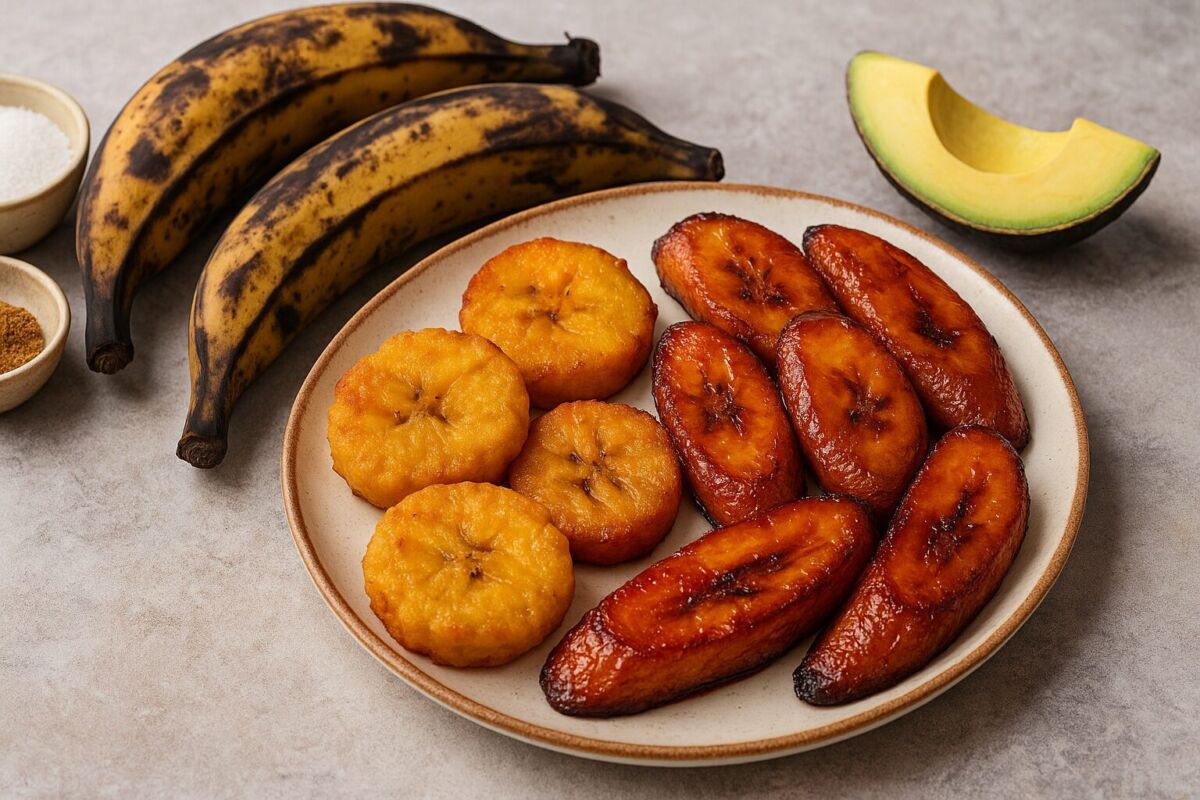
For many, the plantain is often mistaken for its cousin, the dessert banana. However, anyone who has tasted a perfectly salted tostone or a caramelized maduro knows that the plantain is in a league of its own. More than just a side dish, the plantain is a culinary powerhouse found across the Caribbean, Africa, and Latin America, offering a unique versatility that bridges the gap between a starchy vegetable and a sweet fruit. Whether you are looking for a gluten-free alternative to potatoes or a naturally sweet dessert base, the plantain revolution is here to transform your kitchen repertoire.
Understanding the Plantain Lifecycle: Green, Yellow, and Black
The secret to mastering plantain recipes lies in understanding the ripeness of the fruit. Unlike dessert bananas, which are eaten raw, plantains are almost always cooked. Their flavor profile and texture shift dramatically as they age, meaning one single ingredient can serve multiple roles in a meal.
Green Plantains: At this stage, plantains are starchy and neutral in flavor, very similar to a potato. They are low in sugar and high in resistant starch, making them ideal for savory, salty applications. If you want a crunch that holds up to heavy dipping sauces, green is the way to go.
Yellow Plantains: As the skin turns yellow, the starches begin to convert into sugars. These are “transitional” plantains. They possess a mild sweetness but still maintain enough structure to be used in savory dishes. They are excellent for roasting or light frying where a hint of sweetness is desired to balance a salty protein.
Black Plantains: When the peel becomes heavily spotted or completely black, the plantain has reached its peak sweetness. The texture becomes softer, and the natural sugars caramelize beautifully when exposed to heat. These are used for sweet side dishes, desserts, or as a natural sweetener in plant-based cooking.
Essential Preparation and Peeling Techniques
Peeling a plantain is not as intuitive as peeling a banana, especially when they are green. Because the skin is thicker and clings more tightly to the flesh, a few simple tricks can prevent bruising the fruit.
To peel a green plantain, start by cutting off both ends. Use a sharp knife to score the skin lengthwise—just deep enough to break the peel without cutting into the fruit. You can then use your thumb to gently pry the skin away from the flesh. For very firm plantains, some cooks prefer to soak the peeled fruit in salted water for a few minutes to prevent oxidation and enhance the flavor before cooking.
When slicing, consistency is key. For tostones, thick rounds (about half an inch) are necessary to allow for the “smash” process. For maduros, diagonal slices create more surface area for caramelization, resulting in those coveted golden-brown edges. Always ensure your oil is at the correct temperature—roughly 350°F (175°C)—to prevent the plantains from absorbing too much grease.
Savory Staples: The Art of the Perfect Tostones
Tostones, also known as patacones, are the gold standard of savory plantain preparations. These double-fried slices are crispy on the outside and tender on the inside, making them the perfect accompaniment to grilled fish, roast pork, or a simple avocado dip.
Step-by-Step Guide to Tostones:
- The First Fry: Heat vegetable or canola oil in a skillet. Fry thick rounds of green plantain for about 3-5 minutes per side until they are light yellow and tender, but not browned. Remove them from the oil and drain on paper towels.
- The Smash: While still warm, use a flat-bottomed glass, a tortilla press, or a specialized tostone press to flatten the rounds into discs. Be careful not to press too thin, or they will lose their heartiness.
- The Second Fry: Return the flattened discs to the hot oil. Fry for 2-3 minutes per side until they reach a deep golden brown and a satisfying crunch.
- The Finish: Immediately sprinkle with coarse sea salt while the oil is still glistening on the surface.
To elevate your tostones, try a Mojo dipping sauce made from garlic, olive oil, lime juice, and a pinch of cumin. The acidity of the lime cuts through the richness of the fried plantain, creating a balanced flavor profile.
Sweet Comforts: Mastering Caramelized Maduros
While tostones are about salt and crunch, maduros are about sweetness and softness. Using overripe black plantains, these are the ultimate comfort food. The high sugar content allows the fruit to virtually fry in its own sugars, creating a rich, jammy interior.
For the best results, slice the black plantains diagonally. Heat a small amount of oil or butter in a pan over medium heat. Fry the slices for about 3 minutes per side. Because of the sugar, maduros can burn quickly; keep a close eye on them until they are a deep mahogany brown.
Creative Variations for Maduros:
- The Sweet & Salty Twist: Serve maduros topped with a crumble of salty cotija or feta cheese. The contrast between the sweet fruit and the pungent cheese is a classic pairing.
- The Dessert Route: Dust your fried maduros with a pinch of cinnamon and a drizzle of honey or maple syrup. Serve with a dollop of Greek yogurt or coconut cream for a sophisticated, plant-based dessert.
- The Oven-Baked Method: For a healthier version, brush slices with melted coconut oil and bake at 400°F (200°C) for 15-20 minutes, flipping halfway through.
Plantains as a Nutrient-Dense Base and Substitute
Beyond the traditional fried snacks, plantains are an incredible base for main courses. Because of their density, they can replace potatoes or grains in many recipes, providing a unique flavor and a boost of nutrients like potassium, Vitamin A, and Vitamin C.
Plantain Mash: Instead of mashed potatoes, boil ripe yellow plantains until soft. Mash them with a bit of coconut milk, salt, and a touch of garlic powder. This creates a creamy, slightly sweet mash that pairs beautifully with savory stews or roasted vegetables.
The Plantain “Toast”: For a gluten-free breakfast, slice a green plantain lengthwise. Lightly pan-fry or air-fry the slices until tender. Use these as “toast” bases for smashed avocado, poached eggs, or almond butter and sliced berries. The starchy nature of the green plantain provides the structural integrity needed to hold heavy toppings.
Plantain Gnocchi: By mixing boiled and mashed plantains with a small amount of cassava flour or almond flour, you can create a tropical version of gnocchi. Sear the dumplings in a pan with brown butter and sage for a gourmet fusion dish.
Creative Fusion Recipes: Pushing the Boundaries
Once you have mastered the basics, it is time to experiment with fusion. The plantain’s ability to adapt to both sweet and savory profiles makes it a playground for culinary creativity.
Plantain Tacos: Use small, thin slices of fried maduros as the base for a taco. Fill them with shredded carnitas or spicy black beans, and top with pickled red onions and a squeeze of lime. The sweetness of the plantain balances the spice of the filling perfectly.
Mofongo-Style Bowls: Mofongo is a traditional Puerto Rican dish of mashed fried green plantains with garlic and pork cracklings. You can modernize this by creating a “Mofongo Bowl.” Place a scoop of garlic-mashed plantains at the bottom of a bowl and top it with shrimp scampi, sautéed kale, and a drizzle of garlic butter.
Plantain-Crusted Proteins: Instead of breadcrumbs, use dehydrated and pulverized plantain chips. Coat chicken breast or tofu in this plantain “dust,” then bake or air-fry. This adds a nutty, complex flavor and a superior crunch compared to traditional breading.
Healthy Cooking Methods: Reducing the Oil
While frying is the traditional method, plantains are incredibly versatile and can be prepared using healthier techniques without sacrificing flavor. The goal is to achieve the same caramelization or crispiness with less saturated fat.
Air Frying: The air fryer is a game-changer for plantains. For tostones, air-fry the slices at 375°F for 10 minutes, smash them, spray lightly with olive oil, and air-fry again for 5-7 minutes. For maduros, air-fry slices at 380°F for 12-15 minutes, turning once. You get the crisp edges and tender centers with a fraction of the oil.
Steaming and Boiling: Steamed green plantains are a staple in many West African diets. Steaming preserves the nutrients and provides a clean, mild taste. Once steamed, they can be eaten with a side of spicy peanut stew or sliced and lightly sautéed in a small amount of olive oil.
Roasting: Whole plantains can be roasted in their skins. Prick the skin with a fork and place them in the oven at 400°F until the insides are soft. Split them open and fill them with black beans, corn, and avocado for a nutrient-dense, filling meal.
Global Pairings and Flavor Profiles
To truly embrace the plantain revolution, you must pair them with flavors that highlight their natural characteristics. Depending on whether you are using green or black plantains, your seasoning strategy should change.
For Savory (Green) Plantains:
- Acids: Lime juice, apple cider vinegar, and tamarind are essential for cutting through the starch.
- Aromatics: Fresh garlic, onion, and cilantro create a bright, zesty profile.
- Spices: Cumin, smoked paprika, and chipotle powder add depth and a hint of smokiness.
For Sweet (Black) Plantains:
- Warm Spices: Cinnamon, nutmeg, and cloves enhance the natural caramel notes.
- Dairy & Alternatives: Creamy elements like mascarpone, coconut cream, or goat cheese provide a rich contrast.
- Fresh Fruit: Pairing maduros with fresh mango or pineapple creates a tropical symphony of flavors.
By experimenting with these pairings, you can move the plantain from a side dish to the center of the plate, creating meals that are culturally rich and nutritionally balanced.
The Alchemy of Plantain Flour: A Gluten-Free Baking Revolution
While fresh plantains are versatile, the transformation of green plantains into a fine, nutrient-dense flour opens a new frontier for the home baker. Plantain flour is not merely a substitute for wheat; it is a functional ingredient that provides a neutral flavor profile and a unique structural integrity to gluten-free baked goods. Because green plantains are rich in resistant starch, the resulting flour has a lower glycemic index than many traditional grain flours, making it a powerhouse for those managing blood sugar levels.
To create homemade plantain flour, the process begins with the most unripe green plantains available. Peel the fruit and slice them into very thin, uniform rounds—almost translucent. The goal is to maximize surface area for dehydration. Use a dehydrator at 125°F (52°C) or an oven on its lowest setting with the door slightly ajar until the slices are brittle and snap cleanly. Once completely dry, pulse the slices in a high-speed blender or coffee grinder until a fine powder forms. Sift the flour through a fine-mesh strainer to remove any larger granules.
Practical Applications in the Kitchen:
- The Perfect Gluten-Free Pancake: Replace half of your almond or oat flour with plantain flour. The starch in the plantain helps the pancakes hold together, preventing the “crumble” effect common in gluten-free recipes. Pair this with a pinch of cinnamon and a splash of coconut milk for a tropical breakfast.
- Thickening Agents for Stews: Instead of a cornstarch slurry or a roux, whisk a tablespoon of plantain flour into a savory stew or gravy. It thickens the liquid without altering the flavor, providing a silky mouthfeel that complements root vegetables and slow-cooked meats.
- Plantain-Based Breadcrumbs: Combine plantain flour with a bit of nutritional yeast, garlic powder, and smoked paprika. Use this mixture to coat tofu or eggplant before baking for a crust that is significantly crispier and more nutrient-dense than traditional breadcrumbs.
An edge case to consider is the “starch release.” When using plantain flour in liquid batters, allow the mixture to rest for 10 to 15 minutes. This allows the resistant starches to fully hydrate, resulting in a smoother batter and a more consistent rise during the baking process.
Global Plantain Traditions: Exploring West African Specialties
While the Caribbean influence on plantain cooking is widely recognized, West Africa offers a masterclass in utilizing the fruit’s versatility, often blending heat, sweetness, and smoke in ways that challenge the palate. In Ghana and Ivory Coast, plantains are not just sides; they are the soul of the meal, often prepared with bold spice profiles that differ significantly from Latin American styles.
Kelewele: The Ghanaian Spicy Treat:
Kelewele is a beloved Ghanaian street food consisting of ripe plantain cubes marinated in a potent blend of ginger, onions, cayenne pepper, and cloves. Unlike maduros, which rely on their own sugars for flavor, Kelewele is an intentional marriage of sweetness and heat. The plantains are cubed and tossed in the marinade, allowing the ginger to penetrate the fruit before they are deep-fried until the edges are charred and caramelized. This dish is often served as a snack or an accompaniment to roasted peanuts, creating a complex interplay of salty, spicy, and sweet.
Alloco: The Ivorian Staple:
In Ivory Coast, Alloco consists of fried ripe plantains, but the distinction lies in the presentation and the accompanying sauce. The plantains are sliced into thick diagonals and fried until golden. However, they are almost always served with a spicy, fresh tomato and onion sauce (piment). The acidity of the raw onion and the heat of the habanero peppers cut through the richness of the fried fruit, transforming a simple snack into a balanced meal. For a truly authentic experience, serve Alloco alongside grilled tilapia or smoked fish.
The Foutu and pounded Plantain Method:
In several West African regions, plantains are boiled and then pounded in a mortar and pestle until they reach a stretchy, dough-like consistency known as Foutu. This creates a dense, satisfying starch that is used to scoop up rich peanut stews or okra soups. The key to a successful Foutu is the timing; the plantains must be pounded while steaming hot to ensure the starches gelatinize properly, resulting in a smooth, elastic texture without lumps.
Plantain-Based Meat Alternatives: Creating Hearty Mains
The structural density of green plantains makes them an exceptional candidate for plant-based meat substitutes. Unlike tofu, which requires heavy marinating to gain flavor, or seitan, which can be rubbery, green plantains provide a “meaty” chew and a neutral canvas that absorbs savory glazes and smokey seasonings.
Plantain “Ribs” and Steaks:
To create plantain ribs, start with thick, lengthwise slabs of green plantain. Instead of frying them, steam them for 10 minutes to soften the interior while maintaining the shape. Once steamed, brush them generously with a mixture of liquid smoke, maple syrup, soy sauce, and smoked paprika. Roast them in a high-heat oven (425°F) or grill them over charcoal until the glaze caramelizes and creates a sticky, charred exterior. The result is a hearty, fibrous texture that mimics the experience of a slow-cooked rib.
The Plantain-Crust Savory Pie:
For a gluten-free alternative to a pot pie or quiche crust, use a mixture of boiled green plantain and a small amount of melted butter or coconut oil. Mash the plantains until completely smooth, then press the mixture into the bottom and sides of a tart pan. Bake the crust for 12 minutes at 375°F before adding your filling (such as sautéed mushrooms, spinach, and vegan ricotta). The plantain crust provides a sturdy, slightly nutty base that doesn’t get soggy, even with moist fillings.
Savory Plantain Lasagna:
Replace traditional pasta sheets with thinly sliced, lightly pan-seared yellow plantains. Layer these slices with cashew-based béchamel, sautéed zucchini, and vegan mozzarella. Because the yellow plantain has a hint of sweetness, it balances the saltiness of the cheese and the acidity of the vegetables. Bake until the top is bubbling and golden, ensuring the plantain layers have softened into a tender, pasta-like consistency.
Sophisticated Plantain Desserts: Beyond the Frying Pan
Most people associate sweet plantains with frying, but the fruit’s natural sugars and creamy texture lend themselves to high-end pastry and confectionery. By treating the black plantain as a fruit puree rather than a slice, you can create desserts that are elegant, refined, and naturally sweet.
Plantain-Infused Custard and Flan:
For a tropical twist on a classic flan, blend overripe black plantains with coconut milk, vanilla bean, and a touch of agave syrup until completely smooth. Strain the mixture to remove any fibers, then bake it in a traditional water bath over a layer of burnt caramel. The plantain adds a depth of flavor—reminiscent of dates or brown butter—that elevates the dessert beyond a standard vanilla custard.
The Plantain-Chocolate Torte:
Because of their starch content, mashed black plantains can act as a binder in flourless cakes. Combine mashed plantains with melted dark chocolate, cocoa powder, and a pinch of sea salt. Bake in a springform pan at 325°F. The result is a dense, fudgy torte where the plantain provides moisture and structure without adding an overwhelming fruit flavor. Top with a raspberry coulis to add a bright, acidic contrast to the rich chocolate.
Caramelized Plantain Tartlets:
Create a base using the plantain flour discussed previously. For the filling, sauté small cubes of black plantain in brown butter and cinnamon until they are jammy. Place these in the tartlet shells and top with a dollop of mascarpone cheese and a sprinkle of toasted hazelnuts. This dessert plays with textures—the crunch of the crust, the creaminess of the cheese, and the softness of the caramelized fruit.
Mastery of Preservation: Freezing and Dehydrating Techniques
Plantains ripen quickly, and it can be frustrating to find yourself with a bunch of black plantains when you need green ones for tostones. Mastering preservation techniques ensures that you can maintain a steady supply of plantains at every stage of ripeness throughout the year.
The Blanching Method for Green Plantains:
To freeze green plantains without them turning brown or losing their texture, you must blanch them. Peel the green plantains and slice them into the desired shape (rounds for tostones or strips for chips). Submerge them in boiling salted water for 2 minutes, then immediately plunge them into an ice bath. Pat them dry and freeze them in a single layer on a baking sheet before transferring them to a vacuum-sealed bag. This process stops the enzymatic browning and preserves the starchy integrity of the fruit.
Preserving Maduros for Quick Use:
Overripe plantains can be frozen as a puree. Peel the black plantains, mash them into a smooth paste, and add a squeeze of lemon juice to prevent oxidation. Store the puree in silicone molds or ice cube trays. Once frozen, these “plantain pucks” can be dropped directly into a pan for quick pancakes, smoothies, or as a base for a quick dessert sauce.
Low-Temperature Dehydration for Homemade Chips:
While frying is common, dehydrating plantains creates a healthy, long-lasting snack. Slice green plantains as thinly as possible using a mandoline. Toss them in a light coating of avocado oil and sea salt. Dehydrate at 135°F (57°C) for 8 to 12 hours. This low-temperature method preserves the nutrients and creates a crisp, snap-like texture that doesn’t feel greasy. Store these in an airtight glass jar with a silica gel packet to maintain crispness for up to a month.
Troubleshooting the Plantain Kitchen: Common Pitfalls and Fixes
Even experienced cooks can encounter issues when working with plantains, primarily because the fruit’s chemistry changes so rapidly. Understanding why a recipe fails is the first step toward culinary mastery.
The “Soggy Tostone” Syndrome:
If your tostones are absorbing too much oil and feeling greasy rather than crispy, the issue is usually oil temperature. If the oil is below 350°F, the plantain absorbs the fat instead of searing. To fix this, use a candy thermometer or a drop of water (if it sizzles violently, it’s ready). Additionally, ensure you are drying the plantains thoroughly after the first fry and before the second fry. Any residual moisture creates steam, which prevents the outer layer from crisping.
The “Burnt Maduro” Dilemma:
Maduros can go from golden to burnt in a matter of seconds due to their high sugar content. This often happens when using heat that is too high. The trick is to use medium heat and a fat with a higher smoke point, like coconut oil. If you notice the edges browning too quickly while the center remains firm, add a teaspoon of water to the pan; the resulting steam will help cook the center through without further scorching the exterior.
The “Rubbery Green” Texture:
When boiling or steaming green plantains, they can sometimes develop a rubbery, resistant texture. This is usually a sign of undercooking. Green plantains require a longer cooking time than potatoes to break down the complex starches. If your mash is lumpy or chewy, continue simmering with a bit of extra liquid (like coconut milk) and use a whisk or immersion blender to force the starches to emulsify. For a smoother result, always start with a cold pot of water and bring it to a boil slowly, which ensures even heat penetration to the core of the fruit.
Frequently Asked Questions
Q: Can I use a regular banana instead of a plantain for these recipes?
A: Generally, no. While they look similar, dessert bananas have a much higher sugar content and a softer texture. They will become too mushy when fried and lack the starch necessary to make tostones or a sturdy plantain mash. Always look for labels that specifically say “plantain” or “cooking banana.”
Q: How do I know when a plantain is perfectly ripe for maduros?
A: For maduros, you want the plantain to be very ripe. The peel should be mostly black or heavily spotted with black. If the peel is still mostly yellow, the plantain will be less sweet and may not caramelize as effectively. If the fruit feels slightly soft to the touch, it is ready for the pan.
Q: Are plantains gluten-free and vegan?
A: Yes, plantains are naturally gluten-free and vegan. They are an excellent alternative for those with gluten sensitivities who are looking for a hearty, starchy carbohydrate. To keep them vegan, simply use vegetable oil or coconut oil instead of butter for frying.
Q: How should I store plantains to speed up or slow down ripening?
A: To speed up ripening, place your plantains in a brown paper bag with an apple or a ripe banana; the ethylene gas will accelerate the process. To slow down ripening, keep them in a cool, well-ventilated area. Once they reach your desired ripeness, you can peel and freeze them for future use.
Q: What is the difference between tostones and patacones?
A: In essence, they are the same thing: twice-fried, smashed green plantains. The terminology usually depends on the region. “Tostones” is more common in Puerto Rico and the Dominican Republic, while “patacones” is more frequently used in Colombia, Ecuador, and Panama. Both are delicious and prepared using the same fundamental technique.
Related posts:
 Seed Flour by Simple Mills: A Nutritious Alternative for Baking Enthusiasts
 Guilt-Free Cinnamon Roll Recipe
 Almond Flour or Meal: How to Use It and Where to Get It
 Cassava Flour Is The Gluten-Free Baking Staple You Need To Know About
 The Rise of Apple Flour
 Our Place Fry Deck Review
 Does Flour Go Bad? Shelf Life and Storage Tips
 All-Black Birth Team Experience