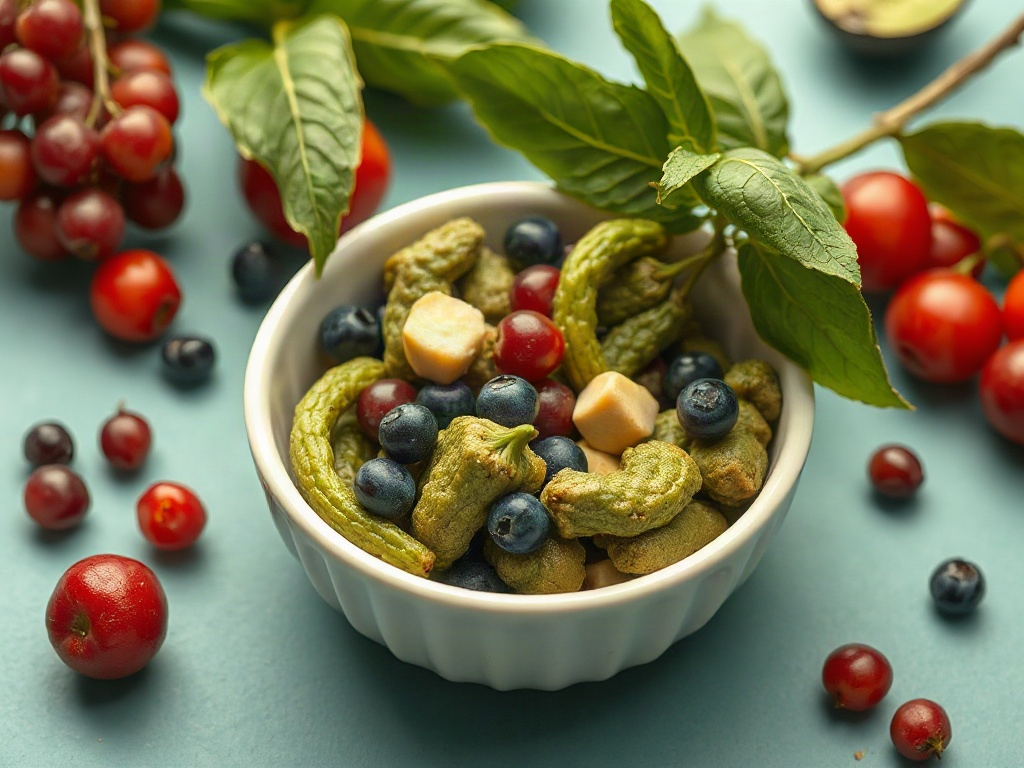
You have probably heard the word antioxidants thrown around in health conversations, but have you ever wondered what actually makes certain foods so powerful at the cellular level? The answer often lies in a remarkable class of compounds called polyphenols. These plant-based molecules are responsible for the vibrant colors in your favorite fruits, the astringent taste of tea, and many of the protective benefits associated with a diet rich in whole foods. Understanding how to incorporate more polyphenol-rich foods into your daily routine can transform your approach to eating and support your body’s natural defense systems in meaningful ways.
What Exactly Are Polyphenols and Why Do They Matter
Polyphenols are a broad category of naturally occurring compounds found in plants. They serve as the plant’s internal defense mechanism, protecting against ultraviolet radiation, pathogens, and oxidative stress. When we consume these plants, we benefit from those same protective properties. Scientists have identified over 8,000 different polyphenols, making them one of the largest groups of phytonutrients in our food supply.
These compounds work primarily as antioxidants, meaning they help neutralize unstable molecules called free radicals. Free radicals are produced naturally during metabolism and can increase due to environmental factors like pollution, cigarette smoke, and processed foods. When free radicals accumulate faster than the body can manage them, it leads to oxidative stress, which is linked to accelerated aging and various chronic conditions. Polyphenols help restore balance by donating electrons to free radicals without becoming unstable themselves.
Beyond their antioxidant capacity, polyphenols influence cellular signaling pathways, support healthy inflammatory responses, and interact with the gut microbiome in complex ways. This means their benefits extend far beyond simple free radical scavenging. They represent a sophisticated system of nutritional support that works best when consumed as part of a varied, whole-food diet rather than through isolated supplements.
The Major Classes of Polyphenols and Their Food Sources
Understanding the different types of polyphenols can help you diversify your intake and maximize benefits. Scientists generally categorize polyphenols into four main groups, each with distinct food sources and properties.
Flavonoids represent the largest and most studied category. They include subclasses like flavonols found in onions, kale, and apples; flavones found in parsley, celery, and chamomile tea; flavanones abundant in citrus fruits; isoflavones present in soy products; and anthocyanins that give berries, red grapes, and eggplant their deep purple and blue hues. Flavonoids have been extensively researched for their cardiovascular and cognitive benefits.
Phenolic acids make up about one-third of dietary polyphenols. Hydroxycinnamic acids like chlorogenic acid are found in coffee, blueberries, and tomatoes. Hydroxybenzoic acids appear in foods like tea, grapes, and walnuts. These compounds are often concentrated in the skins and outer layers of fruits and vegetables, making whole food preparation methods important for maximizing intake.
Stilbenes are less common but potent. Resveratrol, the most famous stilbene, is found in grape skins, red wine, and peanuts. Curcumin from turmeric is another notable example. These compounds have garnered significant research attention for their potential roles in longevity and healthy aging.
Lignans are present in seeds, whole grains, and vegetables. Flaxseeds are the richest source, but sesame seeds, broccoli, and berries also contribute meaningful amounts. Lignans are particularly interesting because gut bacteria convert them into compounds that may support hormonal balance.
Berries and Dark Fruits: Nature’s Polyphenol Powerhouses
If you want to pack maximum polyphenol power into every bite, berries deserve a starring role in your diet. Blueberries, blackberries, raspberries, strawberries, and cranberries all deliver impressive concentrations of anthocyanins and other flavonoids. The deep blues, purples, and reds you see in these fruits directly indicate their polyphenol content.
Blackberries and wild blueberries consistently rank among the highest polyphenol foods available. A single cup of wild blueberries contains over 13,000 total antioxidants, including significant anthocyanin levels. Cultivated blueberries are slightly lower but still excellent choices. Blackberries offer about 340 milligrams of polyphenols per 100 grams, along with fiber and vitamin C.
Beyond traditional berries, consider expanding your palate to include other dark-pigmented fruits. Pomegranate arils deliver potent punicalagins and anthocyanins. Tart cherries provide unique compounds that may support recovery after physical activity. Dark purple grapes, especially varieties with seeds, offer a spectrum of flavonoids including resveratrol in the skins. Elderberries and black currants, while less common in standard grocery stores, are exceptional sources often available frozen or as concentrates.
Practical tip: Choose fresh or frozen berries over dried versions when possible, as drying concentrates sugars and can degrade some heat-sensitive polyphenols. When buying frozen, check that no added sugars are present. Organic berries may have slightly higher polyphenol levels due to the plants needing to produce more protective compounds without synthetic pesticide protection.
Tea, Coffee, and Red Wine: Beverage Sources Worth Savoring
Your daily beverage choices can significantly contribute to your polyphenol intake. Tea, coffee, and moderate red wine consumption represent three of the most concentrated and accessible sources of these beneficial compounds.
Green tea stands out for its catechin content, particularly epigallocatechin gallate, often abbreviated as EGCG. This compound has been the subject of extensive research. A typical cup of properly brewed green tea provides 50 to 100 milligrams of catechins. Black tea, while lower in catechins due to oxidation during processing, contains theaflavins and thearubigins that offer their own distinct benefits. White tea, the least processed variety, retains high levels of catechins along with other polyphenols.
Coffee might surprise you as a major polyphenol contributor in many diets. Chlorogenic acid is the primary polyphenol in coffee, and a single cup can deliver 200 to 550 milligrams depending on the roast and brewing method. Lighter roasts typically retain more chlorogenic acid than darker roasts, which lose some compounds during extended heat exposure. Both caffeinated and decaffeinated versions offer similar polyphenol profiles, so you can choose based on your caffeine tolerance.
Red wine contains resveratrol, quercetin, and various anthocyanins absorbed from grape skins during fermentation. A five-ounce glass of red wine provides approximately 100 to 150 milligrams of polyphenols. Moderate consumption is key, as the potential benefits of red wine polyphenols must be weighed against the well-documented risks of excessive alcohol intake. If you do not currently drink alcohol, there is no reason to start for polyphenol purposes alone.
Brewing matters for all these beverages. Longer steeping times for tea and proper brewing temperatures help extract maximum polyphenols. Adding a squeeze of lemon to tea may enhance catechin stability and absorption.
Nuts, Seeds, and Healthy Fats With Impressive Polyphenol Profiles
While fruits and beverages often get the spotlight, several nuts, seeds, and healthy fat sources deliver substantial polyphenol content along with beneficial fatty acids and other nutrients. These foods offer an excellent way to diversify your polyphenol sources while adding satisfying texture and satiety to meals.
Walnuts rank highest among common nuts for polyphenol content, providing approximately 135 milligrams per ounce along with alpha-linolenic acid, an omega-3 fatty acid. The thin papery skin that surrounds walnut meat contains the highest concentration of polyphenols, so consume walnuts with the skin intact rather than removing it. Pecans follow closely behind, offering about 117 milligrams per ounce, along with chestnuts and hazelnuts.
Flaxseeds are particularly notable as the richest dietary source of lignans. Just one tablespoon of ground flaxseed provides about 50 milligrams of lignans, along with fiber and omega-3 fatty acids. Because whole flaxseeds can pass through the digestive system largely intact, grinding them fresh or buying pre-ground flaxseed stored in opaque packaging helps ensure you actually absorb the beneficial compounds. Sesame seeds offer another lignan-rich option, with sesame paste, also known as tahini, providing a convenient way to incorporate these seeds into savory dishes.
Extra virgin olive oil deserves special recognition as a polyphenol source that also serves as a dietary staple. The Mediterranean diet’s health benefits are partly attributed to the regular consumption of high-quality olive oil containing hydroxytyrosol, oleuropein, and other phenolic compounds. Look for olive oils with a harvest date on the label, as polyphenol content degrades over time. The peppery sensation you feel at the back of your throat when tasting fresh, high-polyphenol olive oil is actually caused by these beneficial compounds.
Dark chocolate and cacao products round out this category with their flavanol content. Choose chocolate with at least 70 percent cacao content to maximize polyphenols while minimizing added sugar. A one-ounce serving provides approximately 100 milligrams of flavanols along with minerals like magnesium and iron.
Vegetables, Herbs, and Spices That Pack a Polyphenol Punch
Vegetables may have lower polyphenol concentrations per gram compared to berries or nuts, but because they constitute a larger portion of most meals, they contribute significantly to total daily intake. Certain vegetables and nearly all culinary herbs and spices offer impressive polyphenol density.
Artichokes lead the vegetable category with one of the highest polyphenol contents measured, providing over 300 milligrams per 100 grams. Globe artichokes contain chlorogenic acid, cynarin, and other compounds that support liver function and digestive health. Red onions contribute quercetin and anthocyanins, with concentrations highest in the outermost layers. Spinach, kale, and other leafy greens provide various flavonoids along with carotenoids and minerals.
Herbs and spices represent the most concentrated polyphenol sources in existence, even though we consume them in small quantities. Cloves contain eugenol and have the highest measured polyphenol content of any food. Dried peppermint, star anise, oregano, celery seed, and sage all rank exceptionally high. Turmeric provides curcumin, which has been extensively studied for its anti-inflammatory properties. Adding fresh herbs and spices to your cooking not only enhances flavor without added sodium or sugar but also contributes meaningful polyphenols to every meal.
Practical tip: Store dried herbs and spices away from heat and light in airtight containers. Replace them every six to twelve months, as polyphenol content degrades over time. Fresh herbs like parsley, basil, and cilantro can be added at the end of cooking or used raw to preserve their heat-sensitive compounds.
Maximizing Absorption: Why Bioavailability Matters
Consuming polyphenol-rich foods is only the first step. Your body must actually absorb and utilize these compounds for them to provide benefit. This concept, known as bioavailability, varies significantly among different polyphenols and is influenced by food preparation, combinations, and individual factors like gut microbiome composition.
Most polyphenols exist in foods as bound compounds that must be released during digestion or metabolized by gut bacteria before absorption. Only about 5 to 10 percent of dietary polyphenols are absorbed in the small intestine. The remaining 90 to 95 percent travel to the colon, where gut bacteria break them down into metabolites that may be even more bioactive than the original compounds. This means maintaining a healthy gut microbiome through fiber intake, fermented foods, and minimal processed food consumption directly supports your ability to benefit from dietary polyphenols.
Pairing polyphenols with certain fats dramatically improves absorption of fat-soluble varieties. Adding olive oil to a salad, eating avocado with your vegetables, or including a handful of nuts with berries can significantly enhance the bioavailability of carotenoids and certain flavonoids. Curcumin in turmeric exemplifies this principle: consuming it with black pepper increases bioavailability by up to 2,000 percent, while adding fat further enhances absorption.
Vitamin C helps stabilize and regenerate certain polyphenols in the body. This is one reason why eating whole fruits, which naturally contain both polyphenols and vitamin C, may be more beneficial than taking isolated supplements. The combination of compounds in whole foods creates synergistic effects that researchers are still working to fully understand.
Cooking methods also influence polyphenol content and availability. Some polyphenols are heat-sensitive and degraded by prolonged cooking, while others become more bioavailable when cell walls are broken down. Gentle steaming or quick sauteing often preserves more polyphenols than boiling. For foods like tomatoes, however, cooking actually increases the bioavailability of lycopene, a related carotenoid compound. Variety in preparation methods helps ensure you receive different benefits from the same foods.
Building a Polyphenol-Rich Daily Eating Pattern
Knowledge about polyphenol sources becomes most valuable when translated into daily eating habits. Rather than obsessing over individual compounds or tracking milligrams, focus on creating patterns that naturally incorporate diverse polyphenol sources throughout each day and across seasons.
Start your morning with polyphenol potential. A cup of coffee or green tea provides a foundation. Add fresh berries to oatmeal, yogurt, or a smoothie. Consider sprinkling ground flaxseed or chia seeds into breakfast bowls. Even a simple slice of whole-grain toast topped with nut butter contributes polyphenols from multiple sources.
Lunch and dinner offer abundant opportunities to layer polyphenol-rich ingredients. Build salads with dark leafy greens, colorful vegetables, nuts or seeds, and a drizzle of high-quality olive oil. Include legumes like lentils or chickpeas, which provide their own polyphenol profile along with fiber and protein. Season generously with herbs and spices rather than reaching for the salt shaker. Serve fish or lean proteins alongside roasted vegetables seasoned with turmeric, rosemary, or thyme.
Snacks can be strategic polyphenol contributors. A small handful of walnuts, an apple with the skin on, a square of dark chocolate, or vegetable sticks with hummus all provide meaningful amounts. Keep a variety of options available so that reaching for polyphenol-rich foods becomes the easiest choice.
Think in terms of color diversity across your week. The pigments that make foods red, orange, yellow, green, blue, and purple largely reflect their polyphenol and carotenoid content. Aiming to eat the full spectrum of colors naturally ensures variety in your polyphenol intake. Visit farmers markets or join a community-supported agriculture program to discover new varieties and eat seasonally, which often means consuming foods at their peak nutrient density.
The Overlooked Power of Polyphenol-Rich Herbs and Spices
While berries and tea often dominate conversations about polyphenols, herbs and spices represent the most concentrated sources available—often containing ten to one hundred times more polyphenols per gram than fruits. The challenge is that we typically consume them in small quantities, but understanding their potency can transform how you approach seasoning.
Cloves contain the highest measured polyphenol content of any food, delivering over 15,000 milligrams per 100 grams. The active compound eugenol provides not only the characteristic warm aroma but also significant antimicrobial properties. A single teaspoon of ground cloves contains more polyphenols than an entire cup of blueberries, making it an efficient way to boost intake even in modest amounts. Consider adding cloves to oatmeal, smoothies, or homemade granola where their intense flavor works well.
Dried oregano ranks among the top polyphenol sources in the spice cabinet, with rosmarinic acid and thymol providing the primary benefits. Interestingly, oregano’s polyphenol content varies significantly based on its origin—Greek and Mediterranean varieties typically test higher than Mexican oregano, which comes from a different plant family entirely. A tablespoon of dried oregano sprinkled over roasted vegetables, mixed into tomato sauce, or blended into salad dressings contributes meaningful antioxidants along with depth of flavor.
Turmeric deserves special attention for its curcumin content, but the polyphenol story extends beyond this single compound. Turmeric contains over 300 different polyphenols working synergistically. The challenge with turmeric is bioavailability—curcumin is notoriously difficult to absorb. Traditional preparation methods in Indian cuisine solve this elegantly: heating turmeric in fat and always pairing it with black pepper. The piperine in black pepper inhibits enzymes that would otherwise break down curcumin too quickly, increasing absorption by up to 2,000 percent. This wisdom passed down through generations of cooking tradition now has scientific validation.
Fresh herbs should not be overlooked in favor of their dried counterparts. Fresh basil, parsley, cilantro, and mint all contain polyphenols that degrade during the drying process, though dried versions retain significant amounts. Fresh herbs also provide enzymes and vitamins that dried herbs lack. Growing a small herb garden—even just a few pots on a windowsill—ensures you always have fresh, potent polyphenol sources available. Add fresh herbs at the end of cooking or use them raw to preserve heat-sensitive compounds.
Practical storage matters enormously for preserving polyphenol content in herbs and spices. Light, heat, and oxygen all accelerate degradation. Store dried spices in airtight containers away from the stove—many people keep spice racks directly above their cooktop, which exposes them to heat and steam every time they cook. Instead, choose a cool, dark cabinet. Ground spices lose potency faster than whole spices, so buy whole versions when possible and grind small batches as needed using a dedicated coffee grinder or mortar and pestle.
Whole Grains and Legumes: The Unsung Polyphenol Contributors
Whole grains and legumes rarely appear on lists of top polyphenol foods, yet they contribute substantially to total daily intake for most populations. Their polyphenol content may be lower per gram compared to berries, but the quantities consumed at meals make them significant dietary sources. Understanding which grains and legumes offer the most benefits can inform choices beyond simply reaching for whole wheat.
Buckwheat stands out among grains with impressive rutin and quercetin content. Despite its name, buckwheat is not wheat at all—it is a seed related to rhubarb and is naturally gluten-free. Traditional buckwheat groats, used in Eastern European kasha dishes, provide approximately 200 milligrams of polyphenols per 100 grams. The compounds in buckwheat remain relatively stable during cooking, unlike some more delicate polyphenols in other foods. Buckwheat flour makes excellent pancakes, and soba noodles offer a way to incorporate buckwheat into Asian-inspired dishes.
Black rice, sometimes called forbidden rice, earned its historical name because Chinese emperors reserved it for their exclusive consumption. The deep purple-black color comes from anthocyanins—the same family of polyphenols found in blueberries and blackberries. Black rice provides about six times more anthocyanins than brown rice and offers a striking visual presentation. The flavor is slightly nutty with a chewy texture that works well in grain bowls, stir-fries, or as a dramatic alternative to white rice.
Oats contain avenanthramides, a class of polyphenols unique to this grain. These compounds have attracted research interest for their potential to reduce inflammation and itching, which explains the traditional use of oatmeal baths for skin conditions. Avenanthramides also appear to have cardiovascular benefits distinct from the soluble fiber beta-glucan that oats are famous for. Steel-cut and rolled oats retain more of these compounds than instant oatmeal, which undergoes more processing.
Among legumes, black beans, kidney beans, and pinto beans all deliver meaningful polyphenol content concentrated in their seed coats. The darker the bean, generally, the higher the anthocyanin content. Black beans provide approximately 60 milligrams of polyphenols per 100 grams, primarily anthocyanins and flavonoids. The combination of polyphenols with fiber and resistant starch in legumes creates particular benefits for gut health—colonic bacteria ferment the fiber and produce short-chain fatty acids while simultaneously breaking down polyphenols into bioactive metabolites.
Lentils offer perhaps the most practical polyphenol source among legumes due to their quick cooking time and versatility. Green and brown lentils provide phenolic acids and flavonoids, while red lentils—actually split and hulled—contain lower amounts because the polyphenol-rich seed coat has been removed. If you are new to cooking with lentils, start with the French green variety, which holds its shape well for salads and side dishes. The polyphenol content of lentils remains stable through cooking, and they readily absorb the flavors of herbs and spices added during preparation.
Seasonal Eating and Polyphenol Variability
The polyphenol content in foods is not fixed—it fluctuates based on growing conditions, harvest timing, storage duration, and seasonal factors. Understanding this variability can help you make choices that maximize the polyphenol density of your diet throughout the year.
Plants produce polyphenols partly as defense mechanisms against environmental stressors including UV radiation, pest pressure, and temperature fluctuations. This means that produce grown under challenging conditions often contains higher polyphenol levels than the same variety grown in ideal circumstances. A wild blueberry growing at the edge of a field, exposed to full sun and competing with other plants, will typically produce more protective compounds than a cultivated berry growing in optimized soil with irrigation. This principle explains why organic produce often shows slightly higher polyphenol content—plants must defend themselves without synthetic intervention.
Ripeness at harvest significantly affects polyphenol concentrations. Many fruits increase their polyphenol content as they ripen, reaching peak levels just before full maturity. However, fully ripe fruit also becomes more susceptible to spoilage, which is why commercially grown produce is often harvested under-ripe for shipping. Tomatoes allowed to vine-ripen develop higher lycopene and polyphenol levels than tomatoes picked green and ripened with ethylene gas. When possible, seek out locally grown produce that can be harvested closer to peak ripeness.
Seasonal eating aligns naturally with higher polyphenol intake. Spring brings early greens like arugula and watercress—peppery, bitter greens that signal their polyphenol content through their assertive flavors. Summer delivers berries, stone fruits, and tomatoes at their peak. Fall introduces apples, pears, and the paradox of winter squash: despite their long storage life, varieties like butternut and acorn squash maintain stable polyphenol content for months when kept cool and dark. Winter citrus provides flavanones exactly when fresh fruit options narrow.
Frozen produce deserves reconsideration as a year-round polyphenol source. Fruits and vegetables destined for freezing are typically harvested at peak ripeness and processed within hours, locking in nutrients that might otherwise degrade during shipping and storage. Studies comparing fresh and frozen berries often find comparable or even superior polyphenol levels in frozen versions, particularly for berries destined for smoothies or baking where texture differences become irrelevant. Choose frozen products without added sugars or sauces, and check that the fruit moves freely in the bag—clumping suggests partial thawing and refreezing, which damages cellular structure.
Storage conditions after purchase matter more than most people realize. Polyphenols degrade with exposure to light, oxygen, and warm temperatures. Berries stored on the counter lose polyphenol content faster than refrigerated berries. Cut vegetables and fruits begin losing antioxidants within hours due to oxidation at the cut surfaces. The practical approach is to shop frequently for smaller quantities, store properly, and minimize the time between cutting and consuming. For leafy greens, a study found that spinach lost nearly half its folate and significant polyphenol content after eight days of refrigeration—another argument for eating fresh greens soon after purchase.
Beyond Oxidative Stress: Polyphenols and the Gut Microbiome
The relationship between polyphenols and gut bacteria represents one of the most fascinating areas of current nutrition research. Far from simply being absorbed and utilized directly, most dietary polyphenols undergo transformation by gut bacteria, and the metabolites produced may be more important than the original compounds.
Only a small percentage of dietary polyphenols—typically estimated at 5 to 10 percent—are absorbed in the small intestine. The remaining 90 to 95 percent travel to the colon, where trillions of bacteria metabolize them into smaller, more bioavailable compounds. These bacterial metabolites enter circulation and reach tissues throughout the body. This means that two people consuming identical polyphenol-rich foods may experience different benefits based on their individual gut microbiome composition.
Specific bacterial species show particular prowess at polyphenol metabolism. Bacteria from the Bifidobacterium and Lactobacillus genera, commonly found in fermented foods and probiotics, can break down certain flavonoids. Eubacterium species metabolize isoflavones from soy. Akkermansia muciniphila, a bacterium associated with metabolic health, appears to thrive in the presence of certain polyphenols from berries and pomegranate. This creates a positive feedback loop: consuming polyphenol-rich foods supports the growth of bacteria that can metabolize polyphenols, which in turn enhances your ability to benefit from these foods.
Conversely, a gut microbiome depleted by antibiotics, low-fiber diets, or chronic stress may not efficiently process polyphenols. This helps explain why some studies on polyphenol supplementation show inconsistent results—researchers cannot control for participants’ gut microbiome status. It also suggests that the best approach combines polyphenol-rich foods with prebiotic fiber to feed beneficial bacteria, creating conditions where both the fiber and polyphenols can work effectively.
Fermented foods that combine polyphenols with probiotics offer an elegant solution. Fermented miso made from soy provides isoflavones along with beneficial bacteria. Fermented teas like kombucha contain catechins alongside the cultures produced during fermentation. Traditional Korean fermented vegetables like kimchi preserve the polyphenols from cabbage, radish, and seasonings while introducing bacterial species that may assist in their metabolism. Even yogurt topped with berries provides both the polyphenols from the fruit and the bacterial cultures from the yogurt, though more research is needed on how dairy probiotics interact with polyphenol metabolism in the colon.
The implications extend to personalized nutrition. As gut microbiome testing becomes more accessible, it may eventually help predict which polyphenol sources will be most beneficial for specific individuals. For now, the practical approach is to support your gut bacteria through diverse fiber intake, regular consumption of fermented foods, and consistent inclusion of polyphenol sources—all of which work together synergistically.
Strategic Pairings: Food Combinations That Enhance Benefits
The way you combine foods at meals can dramatically influence how many polyphenols you absorb and how effectively your body uses them. Rather than tracking milligrams of specific compounds, understanding a few key pairing principles allows you to optimize your existing dietary patterns.
Fat-soluble polyphenols require dietary fat for optimal absorption. Carotenoids like lycopene in tomatoes and beta-carotene in sweet potatoes absorb significantly better when consumed with fat. The same applies to certain flavonoids and to curcumin from turmeric. This explains why olive oil enhances the benefits of tomato-based dishes, why avocado belongs in salads, and why nut butter paired with apple slices represents more than just a tasty combination. A study found that adding avocado to salsa increased lycopene absorption by over four times compared to salsa alone. The practical takeaway is straightforward: include a source of healthy fat with vegetables and fruits at every meal.
Vitamin C stabilizes certain polyphenols and may regenerate oxidized forms, extending their antioxidant activity. Nature often packages these together—citrus fruits contain both flavanones and vitamin C; berries provide anthocyanins alongside vitamin C. But you can create synergistic combinations across foods. A spinach salad with strawberries provides the vitamin C from berries to support the flavonoids in spinach. Green tea with a squeeze of lemon helps protect the catechins from degradation in the digestive tract. The acidity from vitamin C-rich foods also helps maintain polyphenol stability during cooking, which is why adding a splash of vinegar or lemon juice to the cooking water can help preserve antioxidants.
Protein may influence polyphenol absorption in complex ways that researchers are still untangling. Some studies suggest that certain proteins can bind to polyphenols and reduce absorption, while others indicate that the amino acids released during protein digestion may enhance the stability of polyphenol metabolites. Dairy proteins specifically appear to bind to tea polyphenols, which is why adding milk to tea slightly reduces the bioavailability of catechins. However, the effect is modest, and if milk makes tea enjoyable enough that you drink more of it, the net benefit likely favors including it. For those seeking maximum polyphenol extraction from tea, drinking it without milk or with plant-based alternatives makes sense.
The timing of polyphenol consumption relative to meals may matter for certain compounds. Some research suggests that polyphenols consumed on an empty stomach absorb faster but may be metabolized more quickly, while those consumed with food absorb more slowly but maintain steadier blood levels. Coffee polyphenols appear to absorb well regardless of timing, though the caffeine content may dictate when you choose to drink it. For most practical purposes, consistency matters more than precise timing—incorporating polyphenol sources throughout the day ensures a steady supply of both the compounds themselves and the bacterial metabolites produced in the colon.
Avoiding certain pairings can also preserve benefits. Highly processed foods containing artificial colors, preservatives, and excessive sugar may compete with polyphenols for absorption or create oxidative stress that depletes antioxidant reserves. Alcohol in excess generates free radicals that can overwhelm dietary polyphenol intake. The goal is not perfection but rather creating an overall dietary context that supports rather than undermines the beneficial compounds you consume.
Practical Shopping and Preparation Strategies
Translating polyphenol knowledge into grocery shopping and kitchen habits need not be complicated. A few strategic shifts in how you select, store, and prepare food can significantly impact your daily intake without requiring dramatic dietary overhauls.
When shopping for produce, prioritize color intensity and variety. The same visual cues that make food appealing often indicate polyphenol density. Choose red onions over white, purple cabbage over green, dark red grapes over green grapes. The deeper the pigment, generally, the higher the polyphenol content. Within a single category, opt for the most colorful option available—red leaf lettuce over iceberg, rainbow carrots over orange alone, purple sweet potatoes over white. This single principle of choosing the most intensely colored version naturally diversifies your polyphenol intake.
Understanding labels on packaged foods can help identify meaningful polyphenol sources. For olive oil, look for harvest date rather than just best-by date, as polyphenols degrade over time. Extra virgin designation matters because refined olive oils lose most of their phenolic compounds during processing. For chocolate, cacao percentage indicates polyphenol content—70 percent dark chocolate contains significantly more flavanols than 50 percent, while milk chocolate offers negligible amounts. For tea, whole leaf varieties typically retain more catechins than tea bags containing fannings and dust, though both provide benefits.
Preparation methods significantly affect polyphenol retention. Water-soluble polyphenols leach into cooking water, so if you boil vegetables and discard the water, you lose valuable compounds. Steaming, roasting, and sauteing preserve more polyphenols because less contact with water occurs. When boiling is necessary—potatoes for mash, vegetables for purees—consider reserving the cooking liquid for soups or sauces. The cooking liquid from blanching green beans or asparagus contains leached polyphenols and can be used as a light vegetable broth.
Certain preparation techniques actually increase polyphenol bioavailability. Crushing and chopping garlic activates alliinase, an enzyme that converts alliin to allicin, a sulfur compound with antioxidant properties. Letting chopped garlic rest for ten minutes before cooking allows this reaction to complete. Similarly, chopping vegetables like broccoli and Brussels sprouts before cooking increases the conversion of glucosinolates to isothiocyanates, beneficial compounds that work alongside polyphenols. The general principle is that cell disruption through cutting or chewing often activates beneficial enzymatic reactions.
Batch preparation requires some consideration for polyphenol preservation. Cut fruits and vegetables begin losing antioxidants through oxidation at exposed surfaces. If you meal prep on Sundays, consider storing some items whole and cutting them closer to consumption. For items you do cut ahead, adding a bit of lemon juice can slow oxidation—this works particularly well for apples, pears, and avocado. Store prepared items in airtight containers with minimal headspace to reduce oxygen exposure. While some polyphenol loss is inevitable with storage, proper handling minimizes degradation over the few days between preparation and consumption.
Frequently Asked Questions About Polyphenols
Should I take polyphenol supplements instead of eating the foods?
While polyphenol supplements are widely available, they do not offer the same benefits as consuming whole foods. Isolated compounds lack the synergistic relationships found in nature, where hundreds of polyphenols and other nutrients work together. Supplements also cannot provide the fiber, vitamins, minerals, and other beneficial compounds present in whole foods. Additionally, high-dose supplements may interfere with medication absorption or cause unintended effects. Research consistently shows that people who consume polyphenol-rich foods experience better health outcomes than those taking supplements. Save your money and invest in quality ingredients instead.
How much polyphenol intake is optimal each day?
Scientists have not established an official recommended daily allowance for polyphenols, and optimal intake likely varies based on individual factors like age, activity level, and overall diet quality. Observational studies suggest that people consuming approximately 650 milligrams or more daily experience greater health benefits than those with lower intake. This amount is easily achievable through a diet rich in fruits, vegetables, nuts, whole grains, olive oil, and polyphenol-containing beverages. Rather than counting milligrams, focus on including polyphenol-rich foods at every meal and choosing whole foods over processed alternatives whenever possible.
Does cooking destroy the polyphenols in my food?
Cooking affects polyphenols in complex ways depending on the specific compound, food type, and cooking method. Water-soluble polyphenols can leach into cooking water, so methods like boiling may reduce content unless you consume the cooking liquid. Steaming, roasting, and sautéing generally preserve more compounds. Some polyphenols become more bioavailable after cooking breaks down cell walls, while others degrade with extended heat exposure. The best approach is varying your preparation methods. Enjoy some vegetables raw in salads, others lightly steamed, and some roasted at moderate temperatures. This diversity ensures you capture different benefits from the same foods.
Are organic foods higher in polyphenols than conventional options?
Research suggests organic produce may contain slightly higher polyphenol levels on average, though results vary by crop and growing conditions. The theory is that plants grown without synthetic pesticides must produce more of their own protective compounds, resulting in higher polyphenol content. However, the differences are often modest compared to the impact of variety choice, ripeness at harvest, storage conditions, and time since harvest. A conventional berry eaten fresh will almost certainly provide more polyphenols than an organic berry that has sat in transit for weeks. Prioritize eating a wide variety of fruits and vegetables regardless of organic status, and choose organic when budget and availability allow.
Can I get enough polyphenols on a restricted diet or with food allergies?
Absolutely. While berries and nuts are excellent sources, they are far from the only options. People with nut allergies can focus on seeds like flax, chia, sunflower, and pumpkin seeds. Those avoiding fruits due to blood sugar concerns can emphasize vegetables, olive oil, herbs, spices, tea, and coffee. Individuals following low-FODMAP diets for digestive issues can select polyphenol-rich foods that fit their restrictions, such as strawberries, grapes, spinach, and certain teas. The key is working within your dietary parameters to identify the most concentrated sources available to you, ideally with guidance from a registered dietitian who understands your specific needs.
Related posts:
 Science Says Wine Actually Improves Your Gut Health
 High-Protein Foods That Pack a Serious Nutritional Punch
 The Game-Changing 50 Percent Rule That Makes Eating Vegetables Effortless
 DASH Diet’s Impact on Depression
 How to Make the Perfect Pitcher of Iced Tea Every Time
 Brain-Boosting Foods
 Vegan vs Plant-Based: Which is Healthier?
 Pegan Diet Explained: The Paleo-Vegan Hybrid Taking Over