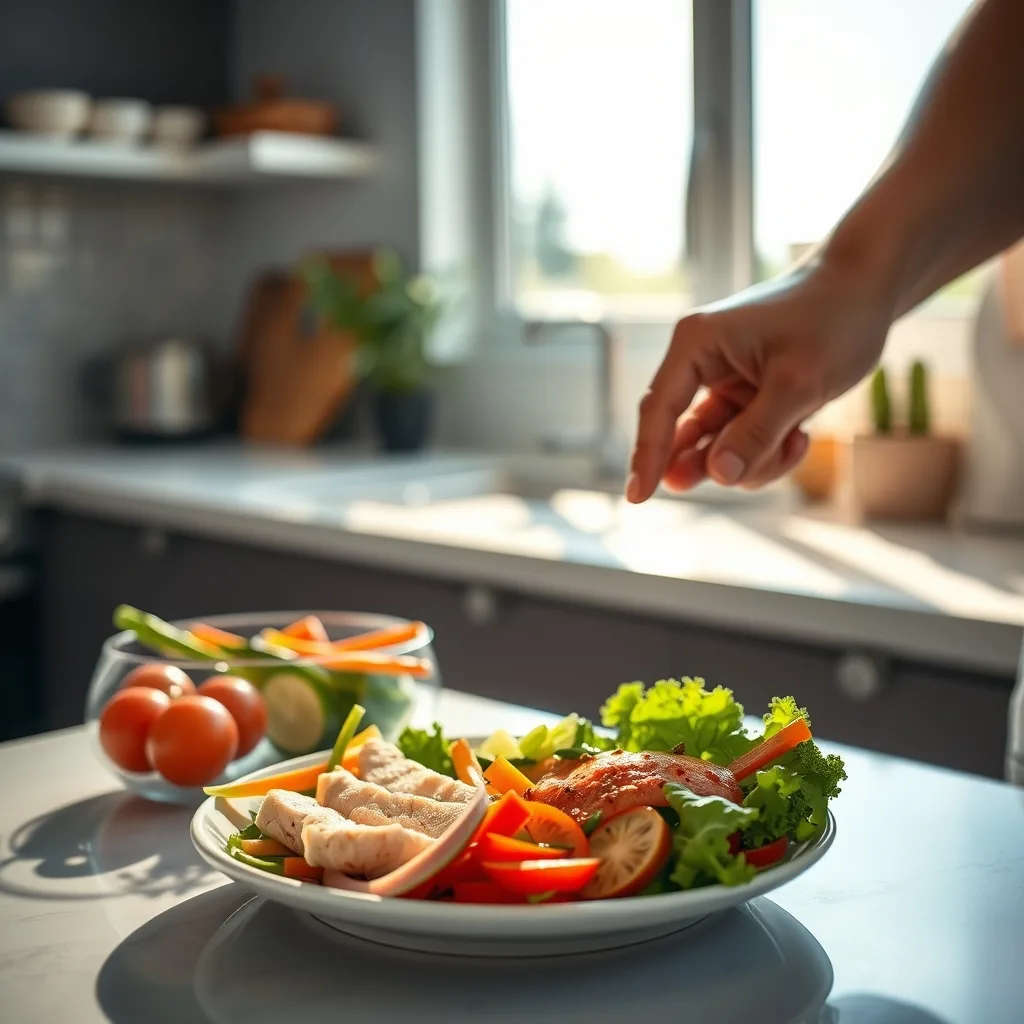
Finding a balance between enjoying food and keeping calories in check can feel like walking a tightrope. The good news is that you don’t have to starve yourself or count every single crumb to see results. By applying evidence‑based portion‑control hacks, you can satisfy cravings, maintain energy, and still make progress toward your health goals. Below you’ll discover practical, science‑backed strategies you can start using today—no fancy gadgets required.
Key takeaways
- Use the MyPlate model to balance your plate with non-starchy vegetables, lean proteins, and whole grains.
- Replace kitchen scales with visual cues like a deck of cards for protein or a tennis ball for carbohydrates.
- Drink water 15 minutes before meals and start with protein or fiber-rich foods to naturally suppress hunger hormones.
- Use smaller 9-inch plates and pre-portion snacks into containers to prevent overeating and mindless grazing.
- Slow down your eating pace by chewing thoroughly and putting utensils down between bites to allow satiety signals to register.
1. Understand Your Plate: The Foundation of Balanced Eating
Before you reach for any tool or trick, it helps to know what a balanced plate looks like. The USDA’s MyPlate model divides a meal into four visual zones:
- Half the plate should be non‑starchy vegetables (leafy greens, broccoli, peppers).
- One quarter is lean protein (chicken, tofu, beans).
- One quarter is whole grains or starchy vegetables (brown rice, quinoa, sweet potato).
- A small side of fruit or a dairy serving rounds out the meal.
When you visualize meals this way, you automatically limit excess calories while still feeling full. Try arranging your next dinner on a real plate rather than a bowl; the visual cue of space helps you stop before you overfill.
2. Use Visual Portion Guides Instead of Scales
Many people think they need a kitchen scale for every meal, but everyday objects can serve as reliable reference points:
- Protein: A deck of cards (≈3 oz) for meat, fish, or poultry.
- Carbohydrates: A tennis ball (≈½ cup) for cooked rice, pasta, or grains.
- Fats: The tip of your thumb (≈1 tsp) for oils, nut butter, or cheese.
- Snacks: A golf ball (≈¼ cup) for nuts or dried fruit.
These visual cues are quick, require no cleanup, and work well when you’re eating away from home. Keep a mental cheat‑sheet, and you’ll find yourself serving appropriate amounts without the mental fatigue of constant weighing.
3. Pre‑Portion Snacks and Meals for the Week
When food is already divided into containers, the temptation to “just have a little more” disappears. Follow these steps to create a ready‑to‑eat system:
- Choose a container size. A 4‑oz container works well for fruit, while a 6‑oz one fits a protein‑rich snack.
- Batch‑cook basics. Cook a large batch of quinoa, roasted vegetables, and grilled chicken on Sunday.
- Assemble portions. Combine ½ cup quinoa, 1 cup veggies, and 3 oz chicken in each lunch container.
- Label with dates. A simple sticker system prevents waste and keeps you honest.
Having these meals ready means you’re less likely to improvise with high‑calorie takeout or “just one more” scoop of rice.
4. Master the Art of Slow Eating
Studies show that it takes roughly 20 minutes for the brain to register fullness. Eating quickly can bypass that signal, leading to over‑consumption. Here are three ways to decelerate:
- Put down utensils between bites. This forces a pause and gives your stomach time to send satiety signals.
- Chew each bite 20‑30 times. More chewing increases saliva, which aids digestion and promotes a feeling of fullness.
- Set a timer. Aim for a 20‑minute window for your main meals; if you finish early, take a short walk before returning to the plate.
These habits not only curb calorie intake but also improve digestion and enjoyment of flavors.
5. Hydration and Fiber Strategies to Fill the Gap
Water and fiber are natural appetite regulators. Incorporate them strategically:
- Drink a glass of water 15 minutes before meals. This can reduce caloric intake by about 10‑15 % in many people.
- Start meals with a broth‑based soup or salad. The added volume adds only a few calories but increases satiety.
- Choose high‑fiber carbs. Foods like oats, beans, and berries keep you full longer than refined grains.
When you pair fiber with protein, the combined effect on fullness is even stronger, allowing you to eat less without feeling deprived.
6. Smart Plateware Choices: Size Matters
The size of your plate, bowl, or glass can subtly influence how much you serve yourself. Research shows that people serve 9‑20 % more food when using larger dishes. To harness this effect:
- Use 9‑inch plates for meals. This naturally limits the area for main components.
- Choose deep, narrow bowls for cereals or pasta. The vertical shape reduces the perceived volume.
- Opt for smaller glasses for sugary drinks. A 8‑oz glass curtails liquid calories without sacrificing enjoyment.
These inexpensive swaps can shave off ½‑1 cup of food per meal, adding up over weeks.
7. Mindful Grocery Shopping: Prevent Over‑Portioning Before It Starts
What you bring home sets the stage for what ends up on your plate. Adopt these habits to keep your pantry aligned with portion goals:
- Shop with a list. Stick to items you’ve pre‑planned for the week.
- Buy bulk only for non‑perishables. Whole grains, nuts, and legumes are fine, but avoid bulk chips or candy.
- Pre‑measure snacks before you leave the store. Portion out ¼‑cup servings of trail mix into zip‑top bags while still in the aisles.
- Place healthier options at eye level. Keep fruit, yogurt, and pre‑cut veggies front‑and‑center; store high‑calorie treats on higher shelves.
When your kitchen is organized for portion‑friendly eating, you’ll find it easier to stay on track during busy evenings.
8. Portion‑Friendly Recipe Tweaks You Can Implement Today
Even your favorite recipes can be adjusted without sacrificing taste:
- Swap half the cheese for a low‑fat alternative. You still get the melt, but with 50 % fewer calories.
- Use cauliflower rice instead of white rice for half the volume. It adds bulk and fiber while cutting carbs.
- Increase the vegetable‑to‑protein ratio. For stir‑fries, aim for a 2:1 veg‑to‑meat ratio; the extra crunch keeps you satisfied.
- Incorporate legumes as a protein filler. Adding a half‑cup of lentils to a meat sauce reduces overall meat quantity while boosting fiber.
These small swaps can reduce a typical dinner’s calorie count by 150‑300 kcal without a noticeable change in flavor or texture.
9. Tracking Without Obsession: The Gentle Accountability Method
Many people think that logging every bite is necessary, but that can become stressful. A lighter approach works just as well:
- Log only main meals. Record breakfast, lunch, and dinner; treat snacks as “mindful choices” without exact numbers.
- Use a color‑coded plate system. Green = ideal portion, yellow = a little extra, red = over‑portion. At the end of the day, note how many greens you achieved.
- Set a weekly “portion check‑in”. Review your food photos or notes on Sunday, adjust for the next week, and celebrate successes.
This method keeps you aware of habits without the pressure of perfect numbers, making sustainable change more attainable.
1. Leverage Satiety Science: Protein Timing, Fiber Pairing, and Acidic Foods
Beyond the obvious benefit of eating more protein, the timing and combination of macronutrients can dramatically influence how full you feel after a meal. Research on the hormone ghrelin (the “hunger hormone”) shows that a burst of high‑quality protein within the first 30 minutes of eating suppresses ghrelin for up to three hours. To harness this effect, start every main meal with a protein‑rich starter—think a boiled egg, a few slices of smoked turkey, or a Greek‑yogurt dip. Even a 10‑gram protein boost can lower subsequent cravings.
Pairing protein with soluble fiber creates a synergistic satiety response. Soluble fiber forms a gel‑like matrix in the stomach, slowing gastric emptying and prolonging the feeling of fullness. A practical example is a bowl of steel‑cut oatmeal topped with a spoonful of cottage cheese and a handful of berries. The oatmeal supplies the soluble fiber, while the cottage cheese adds the protein punch. This combination can reduce total caloric intake at lunch by roughly 120 kcal compared with a carbohydrate‑only breakfast.
Acidic foods—such as vinegar‑based dressings, citrus juices, or fermented vegetables—activate taste receptors that signal satiety more quickly than bland foods. A simple hack is to drizzle a tablespoon of apple‑cider vinegar over a salad or add a squeeze of lemon to steamed fish. In a crossover study, participants who added a tablespoon of vinegar to a meal reported a 10‑15 % reduction in overall intake without feeling deprived.
Edge‑case tip: If you’re following a low‑protein diet (e.g., certain kidney‑friendly plans), replace animal protein with plant‑based sources that are also high in fiber, such as lentils, chickpeas, or edamame. These legumes provide both the amino acids and the soluble fiber needed for a lasting satiety signal.
Transitioning to the next hack, consider how the physical environment of your kitchen can reinforce these nutritional strategies.
2. Design Your Kitchen Layout for Automatic Portion Discipline
Our surroundings shape behavior more than we realize. By arranging kitchen tools, containers, and food storage in a purposeful way, you can create a “portion‑first” mindset without constant mental calculations.
- Dedicated “portion stations.”strong> Set up three zones on your countertop: a protein zone (pre‑measured containers of chicken, tofu, or beans), a carb zone (portion‑controlled bags of quinoa, brown rice, or sweet potato), and a veg zone (pre‑washed, cut vegetables in clear bins). When you assemble a plate, you simply pull one container from each zone, guaranteeing balance.
- Transparent storage. Use clear glass jars for nuts, seeds, and dried fruit, and label each with the exact serving size (e.g., “¼ cup”). Seeing the exact amount helps avoid the “just a handful” guesswork that often leads to over‑consumption.
- Gravity‑based portion dispensers. For pantry staples like cereal or popcorn, install a small, weighted dispenser that releases a fixed volume each time the lever is pulled. This mechanical cue eliminates the need to eyeball scoops.
- Strategic utensil placement. Keep a small, “snack‑size” spoon in the drawer where you store snack containers, and a larger serving spoon in the main drawer. The size of the utensil subtly cues the amount you’ll serve yourself.
Edge‑case scenario: Small apartments often lack countertop space. In such cases, use a tiered rolling cart that can be tucked under the fridge when not in use. Assign each tier to a food group, and roll the cart out only when you’re ready to prep meals.
With your kitchen set up for success, the next logical step is to let technology reinforce the habits you’re building.
3. Smart Use of Technology: Apps, Wearables, and Photo Journaling
Digital tools can act as an external memory, freeing your brain from the burden of tracking every bite. The key is to choose platforms that complement, rather than dominate, your eating routine.
- Portion‑focused apps. Apps such as PortionControl+ let you photograph a plate, then overlay a semi‑transparent grid that matches the MyPlate proportions. The app automatically calculates the estimated calorie range based on the visual split, giving you instant feedback without manual entry.
- Wearable hunger alerts. Some fitness trackers now include a “hunger sensor” that monitors heart‑rate variability (HRV) and predicts when you’re likely to feel hungry. When the sensor detects a low‑HRV state (often associated with impending hunger), the device vibrates, prompting you to drink water or have a low‑calorie snack before you reach for a larger portion.
- Voice‑activated logging. Using a smart speaker, you can say, “Log a 3‑ounce chicken breast for lunch,” and the system updates your daily log. This hands‑free approach is especially handy while cooking, when your hands are messy.
- Photo‑journal backups. Even if you don’t use a full‑featured app, a simple photo‑journal on your phone can be powerful. At the end of each day, review the images and rate each meal on a “satisfaction” scale (1‑5). Over weeks, patterns emerge, showing which meals consistently leave you feeling full versus those that trigger cravings.
Edge‑case tip: If you’re on a low‑budget plan, free tools like Google Photos (with its built‑in image‑search) can replace paid apps. Tag photos with keywords like “protein‑high” or “snack‑low” to create a searchable archive.
Technology can guide you, but social situations often test your resolve. Let’s explore how to stay on track when the environment is less controlled.
4. Portion Strategies for Social Settings: Parties, Buffets, and Restaurants
Social gatherings are notorious for derailing portion‑control plans. The following tactics let you enjoy the occasion while keeping calories in check.
- Pre‑eat a small, protein‑rich snack. Consuming a 100‑calorie Greek‑yogurt or a boiled egg 30 minutes before you arrive reduces the urge to over‑indulge in party foods.
- Plate‑first rule at buffets. Instead of strolling with a plate, pick a small plate, walk to the buffet, and fill it once. Return to your seat, assess satiety, and only then decide if you need a second plate. This “single‑plate” habit cuts average intake by 25‑30 %.
- Strategic “skip‑the‑carb” swaps. At a pizza party, opt for a slice topped with vegetables and lean meat, and pair it with a side salad. At a BBQ, prioritize grilled chicken or fish and fill the rest of your plate with grilled veggies.
- Mindful sipping. Alcoholic drinks are liquid calories that don’t trigger satiety. Alternate each alcoholic beverage with a glass of sparkling water, and set a limit of two drinks per occasion. Use a “drink‑tracker” app to log each pour.
- Portion‑controlled dessert. Order a dessert to share, or request a “half‑portion” if the restaurant offers it. If not, ask for a to‑go box at the beginning of the meal and immediately place half of your dessert in it.
Edge‑case scenario: For cultural celebrations where sharing platters are the norm (e.g., Middle Eastern mezze, Indian thali), bring your own small “portion bowl.” Fill it with a balanced selection, and politely decline additional servings. Most hosts appreciate the effort to try a little of everything.
Having covered external environments, let’s dive into how to respect cultural food traditions while still controlling portions.
5. Cultural Cuisine Adaptations: Making Traditional Dishes Portion‑Friendly
Every cuisine has its own comfort foods, and many of them can be tweaked without sacrificing authenticity.
- Japanese bento restructuring. Traditional bento boxes already emphasize compartmentalization. Replace the white rice portion with a ½‑cup of mixed grain rice (brown, barley, and millet) and add a larger side of pickled vegetables (tsukemono). This maintains the visual balance while lowering the glycemic load.
- Mexican taco deconstruction. Instead of loading a tortilla with meat, cheese, and sour cream, use a lettuce “wrap” as the base, add a modest scoop of seasoned black beans (protein + fiber), and top with salsa and a sprinkle of cotija cheese. The lettuce adds volume without calories, and beans provide sustained fullness.
- Italian pasta portioning. Cook pasta al dente, then measure a ¾‑cup serving (about the size of a baseball). Toss with a tomato‑based sauce enriched with sautéed mushrooms, spinach, and a teaspoon of olive oil. The extra vegetables increase volume, and the reduced oil cuts hidden calories.
- Indian curry lightening. Use a base of pureed cauliflower or pumpkin instead of heavy cream. For protein, add paneer cubes sparingly (≈2 oz) and bulk the curry with chickpeas. Serve over a small portion of basmati (½ cup) and a large side of cucumber‑raita.
- Middle Eastern mezze moderation. Choose hummus (≈2 tbsp) and baba ganoush as dips, but pair them with sliced raw veggies rather than pita. If pita is essential, limit to one small whole‑wheat piece and fill the rest of the plate with tabbouleh, which is herb‑heavy and low‑calorie.
Edge‑case tip: For those following a strict low‑sodium diet, swap salty condiments (soy sauce, fish sauce) for low‑sodium versions or use citrus juice and herbs to add flavor without extra salt.
Now that you have a toolbox for cultural meals, consider the often‑overlooked source of hidden calories: beverages.
6. Beverage Portion Mastery: Alcohol, Coffee, and Calorie‑Dense Drinks
Liquid calories are easy to overlook because they don’t trigger the same satiety signals as solid food. Applying portion‑control principles to drinks can unlock significant calorie savings.
- Standardized alcohol servings. A typical “drink” contains 14 g of pure alcohol: 5 oz of wine, 12 oz of beer (5 % ABV), or 1.5 oz of 80‑proof spirits. Use a small, marked glass or a measuring cup to pour these amounts. If you prefer a “larger‑feeling” drink, add ice and sparkling water to stretch the volume without adding calories.
- Coffee with mindful add‑ins. A medium latte can contain 150‑250 kcal depending on milk type and syrups. Switch to a small (8‑oz) cup, use unsweetened almond milk, and limit flavored syrups to a single pump (≈5 kcal). If you crave sweetness, sprinkle cinnamon or cocoa powder instead.
- Smart smoothie sizing. Blended drinks often exceed 16 oz and pack in fruit sugars. Keep smoothies to 12 oz, use a base of water or unsweetened plant milk, and add a scoop of protein powder or a tablespoon of chia seeds for thickness without extra sugar.
- Pre‑portion sugary mixers. Store ¼‑cup packets of tonic, ginger ale, or fruit juice in the fridge. When you’re making a mixed drink, pour only one packet instead of an entire bottle.
- Hydration hierarchy. Prioritize water, sparkling water, or herbal tea as the default beverage. Keep a reusable bottle with volume markings (e.g., 0‑250‑500 ml) on your desk to remind you of intake goals.
Edge‑case scenario: For athletes who need post‑workout carbs, replace a sugary sports drink with a homemade electrolyte solution (water, pinch of sea salt, splash of citrus, and a teaspoon of honey). This provides the necessary minerals with far fewer calories.
Beyond what you drink, how you think about hunger and emotions plays a pivotal role in portion control. The final section addresses that mind‑body connection.
7. Mind‑Body Techniques: Hunger Cues, Emotional Awareness, and Stress Management
Even the most precise portion tools crumble when emotional eating takes over. Training the mind to recognize true physiological hunger versus emotional cravings can safeguard your portion goals.
- Three‑question hunger check. Before each eating occasion, ask yourself: (a) How hungry am I on a scale of 1‑10? (b) What am I feeling emotionally? (c) Will this food truly satisfy me? If the hunger rating is below 5, consider a non‑food coping strategy—stretching, a brief walk, or a breathing exercise.
- Label‑your‑craving technique. When a craving hits, write down the specific desire (e.g., “I want salty chips”). Then, choose a healthier alternative that matches the texture or flavor profile, such as roasted sea‑weed snacks or air‑popped popcorn with a pinch of nutritional yeast. This labeling creates a cognitive pause that often reduces the intensity of the urge.
- Stress‑reduction rituals. Chronic stress elevates cortisol, which can increase appetite for high‑fat, high‑sugar foods. Incorporate a 5‑minute mindfulness meditation before meals; focus on the breath, observe any tension, and set an intention to eat slowly and mindfully.
- Sleep‑hygiene link. Inadequate sleep disrupts leptin and ghrelin balance, leading to larger portion sizes. Aim for 7‑9 hours of quality sleep, and use a “no‑screen‑30‑minutes‑before‑bed” rule to improve hormone regulation.
- Progressive portion reduction. If a typical dinner feels too large, reduce the portion by 10 % each week rather than making a drastic cut. This gradual shift allows the gut to adapt, and the brain’s reward system recalibrates to find the smaller amount satisfying.
Edge‑case tip: For individuals with a history of disordered eating, consult a registered dietitian before implementing strict portion rules. A balanced approach that emphasizes intuitive eating cues can prevent triggering restrictive patterns.
By integrating these mind‑body practices with the earlier physical and environmental hacks, you create a holistic system that keeps you satisfied, nourished, and in control of every bite—no hunger pangs, no guilt, and no endless counting required.
FAQ
Q1: Will reducing portion sizes make me lose muscle?
A: Not if you keep protein intake adequate (≈0.8‑1 g per kg body weight) and continue resistance training. Portion control mainly targets excess calories from carbs and fats; protein portions stay consistent.
Q2: How can I enjoy restaurant meals without over‑portioni ng?
A: Ask for half the entrée to be boxed before it arrives, or share a main dish with a companion. Pair the meal with a side salad and drink water to fill up on low‑calorie volume.
Q3: Is it okay to skip meals if I’m controlling portions?
A: Skipping meals can lead to overeating later for many people. It’s generally better to eat regular, balanced meals with appropriate portions to keep blood‑sugar stable.
Q4: Do I need a food scale if I use visual cues?
A: Visual cues are sufficient for most everyday meals. A scale can be helpful when you’re learning new portion sizes or for foods that are difficult to estimate, such as nuts or cheese.
Q5: Can these hacks help with weight‑maintenance as well as weight loss?
A: Absolutely. Portion‑control techniques keep calorie intake aligned with your energy needs, whether you’re aiming to lose, maintain, or even gain weight in a controlled manner.
Related posts:
 Runner’s Hunger Explained
 NYC’s Healthiest Meal Delivery Services That Actually Taste Amazing
 Managing Fiber Intake with IBS
 7-Day 1,700 Calorie Meal Plan
 Does Calorie Counting Actually Matter for Diabetes and Heart Disease?
 High-Protein Foods That Pack a Serious Nutritional Punch
 Portion vs Serving Size Guide
 Fiber for Healthy Aging: Nourishing Your Body as You Grow Older