
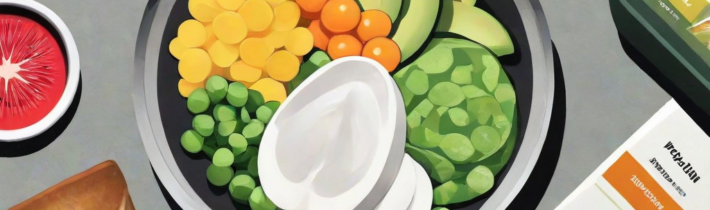
That satisfying feeling after a good run comes with an important question: what should you eat to help your body recover? Post-run nutrition plays a crucial role in how well you bounce back, how ready you feel for your next workout, and whether you progress toward your running goals. The right foods at the right time can reduce muscle soreness, replenish energy stores, and support the adaptations that make you a stronger runner.
Why Post-Run Nutrition Matters
Running depletes your body’s glycogen stores—the stored form of carbohydrates that fuels your muscles. It also creates microscopic tears in muscle fibers, which is a normal part of training that leads to stronger muscles when properly repaired. Without adequate nutrition after running, recovery slows, energy levels drop, and you may find yourself feeling fatigued or prone to injury.
Think of your post-run meal as the construction crew that shows up after the demolition. Your run has done the work of stressing your systems; now your body needs raw materials to rebuild stronger. Protein provides amino acids for muscle repair, carbohydrates restock glycogen, and fluids with electrolytes restore hydration balance. Missing this window doesn’t mean your workout was wasted, but it does mean slower recovery and potentially diminished benefits from your effort.
The Recovery Window: Timing Your Post-Run Meal
Sports nutrition research suggests there’s an optimal window for nutrient intake after exercise—often called the “anabolic window”—lasting roughly 30 to 60 minutes post-workout. During this time, your muscles are especially receptive to absorbing glucose and amino acids. However, this window isn’t as narrow or critical as once believed.
For most recreational runners, consuming a balanced meal or snack within one to two hours after running works well. If you’ve completed a long run over 90 minutes or an intense speed session, aiming for something within 30 to 45 minutes can help maximize glycogen replenishment. The key is consistency: developing a routine where you eat something nutritious after each run rather than stressing about exact timing.
If you’re running again within 8 hours—perhaps a morning run followed by an evening session—prioritizing that earlier recovery window becomes more important. For single daily runs, focus on getting quality nutrition within a reasonable timeframe rather than watching the clock.
Macronutrients Your Body Needs After Running
Understanding the roles of protein, carbohydrates, and fats helps you make informed food choices after your runs.
Protein supplies amino acids needed to repair damaged muscle tissue and build new muscle fibers. Research suggests consuming 15 to 25 grams of protein after running, depending on your body size and run intensity. Good sources include Greek yogurt, eggs, lean meats, fish, cottage cheese, tofu, and legumes. Some runners use protein powder for convenience, though whole foods offer additional nutrients.
Carbohydrates replenish the glycogen your muscles used during the run. The amount you need depends on run duration and intensity. A 30-minute easy run requires far less carbohydrate replenishment than a 2-hour long run. Aim for 0.5 to 0.7 grams of carbohydrate per pound of body weight within a few hours after longer or more intense runs. Quality sources include fruits, whole grains, starchy vegetables, and dairy products.
Fats play a smaller immediate role in recovery but are important for overall health and nutrient absorption. Including some healthy fats in your post-run meal—avocado, nuts, olive oil, or fatty fish—helps you feel satisfied and provides essential fatty acids. Just avoid excessive fat immediately after very long or intense runs if it delays consumption of needed carbohydrates and protein.
Hydration and Electrolyte Replacement
Rehydrating after a run is as important as eating. The amount of fluid you need depends on how much you sweat, the weather conditions, and run duration. A practical approach is to weigh yourself before and after running (without clothes) to understand your sweat rate. For each pound lost, aim to drink about 16 to 24 ounces of fluid over the next few hours.
Water suffices for shorter runs in mild conditions. For runs over 60 minutes, especially in hot or humid weather, you lose electrolytes—primarily sodium, but also potassium, magnesium, and calcium—through sweat. These minerals help regulate fluid balance, muscle contractions, and nerve function.
Replacing electrolytes can be as simple as having a sports drink, adding a pinch of salt to your post-run meal, or eating sodium-rich foods like pretzels or broth. Coconut water provides potassium, while bananas offer both potassium and carbohydrates. For heavy sweaters or those completing long runs, an electrolyte supplement may be beneficial.
Monitor your hydration by checking urine color—pale yellow indicates good hydration, while dark yellow suggests you need more fluids. Also pay attention to signs of dehydration including headache, fatigue, dizziness, and muscle cramping.
Best Foods to Eat After a Run
Real foods provide the nutrients your body needs along with vitamins, minerals, and other beneficial compounds. Here are excellent options for post-run meals and snacks.
Greek yogurt with fruit and granola delivers a powerful combination of protein (about 15-20 grams per cup), carbohydrates from fruit, and satisfying crunch. Berries add antioxidants that may help reduce inflammation.
Eggs are a complete protein source and versatile for any meal. Two large eggs provide about 12 grams of protein. Pair with whole-grain toast and vegetables for a balanced meal, or enjoy hard-boiled eggs with fruit for a quick snack.
Chocolate milk has gained popularity as a recovery drink because it naturally provides a 3:1 or 4:1 carbohydrate-to-protein ratio, which research suggests is effective for glycogen replenishment and muscle recovery. It also contains electrolytes and is easy to consume quickly.
Oatmeal with protein toppings works well after morning runs. Top with nuts, seeds, a dollop of nut butter, or even a scoop of protein powder to meet protein needs. Add fruit for natural sweetness and additional carbohydrates.
Smoothies offer infinite customization and are easy to digest. Blend fruit (fresh or frozen), protein (Greek yogurt, protein powder, or silken tofu), liquid (milk, plant milk, or water), and add-ins like spinach, nut butter, or oats. Include a pinch of salt if you’ve had a particularly sweaty run.
Lean protein with rice and vegetables creates a balanced recovery meal. Chicken, turkey, fish, or plant-based proteins like lentils and chickpeas paired with rice or sweet potatoes and colorful vegetables provides protein, carbohydrates, and micronutrients.
Trail mix combines nuts, dried fruit, and sometimes chocolate or seeds for a portable option when you can’t sit down for a full meal right away. Make your own to control ingredients and portions.
Post-Run Nutrition Based on Run Type
Not all runs require the same recovery approach. Tailoring your nutrition to your workout helps you meet your body’s needs without over or under-fueling.
Easy or recovery runs (30-45 minutes): These lower-intensity runs don’t deplete glycogen significantly. Focus on hydration and eat your next scheduled meal with adequate protein. You don’t need a large recovery snack unless it fits your overall nutrition plan.
Tempo or interval workouts (45-60 minutes): Higher intensity efforts use more glycogen and create more muscle stress. Aim for a snack or meal within an hour containing 15-20 grams of protein and moderate carbohydrates. A turkey sandwich, Greek yogurt parfait, or smoothie works well.
Long runs (75+ minutes): These deplete glycogen stores significantly and cause more muscle damage. Prioritize eating within 30-60 minutes, consuming 20-30 grams of protein and 0.5-0.7 grams of carbohydrate per pound of body weight. Chocolate milk followed by a balanced meal an hour later, or a substantial meal like eggs with toast and fruit, or a rice bowl with protein and vegetables, supports recovery.
Race day: After a race, your focus shifts from performance to recovery. Consume fluids with electrolytes and a mix of protein and carbohydrates within the recovery window. Many races provide recovery foods—take advantage of these offerings. Continue eating balanced meals throughout the day to support ongoing recovery.
Common Post-Run Nutrition Mistakes
Even well-intentioned runners can undermine their recovery with nutrition mistakes.
Skipping the post-run meal entirely is perhaps the biggest error. Life gets busy, and it’s easy to shower and move on with your day. But consistently missing post-run nutrition leads to cumulative fatigue, poor recovery, and increased injury risk. Set yourself up for success by having convenient options ready.
Overcompensating with calories is common, especially among those running for weight management. It’s easy to overestimate calories burned and underestimate calories consumed. A 30-minute jog doesn’t justify a 600-calorie muffin. Be honest about your run’s intensity and duration when planning your post-run food.
Ignoring protein in favor of carbohydrates alone misses half the recovery equation. That bagel gives you carbohydrates, but without protein, muscle repair suffers. Aim to include a protein source in every post-run meal or snack.
Relying too heavily on supplements instead of real food. Protein bars and recovery drinks have their place for convenience, but they can’t replicate the full nutritional profile of whole foods. Use supplements to fill gaps, not replace meals.
Forgetting about hydration after the run ends. It’s common to drink during a run but neglect rehydration afterward. Make water or an electrolyte drink part of your post-run routine.
Eating foods that don’t sit well can cause digestive discomfort. High-fat meals, excessive fiber, or spicy foods might not agree with you shortly after running. Learn what works for your body through experimentation.
Sample Post-Run Meals and Snacks
Having go-to options makes post-run nutrition simple. Here are meal ideas based on time of day and appetite level.
Quick snacks (eat within 30 minutes):
- Chocolate milk (8-12 ounces)
- Banana with 2 tablespoons nut butter
- Greek yogurt cup with berries
- Hard-boiled eggs (2) and an apple
- Protein smoothie with fruit
- Trail mix with nuts and dried fruit
Substantial meals:
- Breakfast burrito: scrambled eggs, black beans, cheese, and salsa in a whole-grain tortilla
- Oatmeal bowl: oats topped with Greek yogurt, berries, nuts, and a drizzle of honey
- Avocado toast: whole-grain bread topped with smashed avocado, a fried or poached egg, and a sprinkle of salt
- Grain bowl: quinoa or brown rice topped with grilled chicken, roasted vegetables, and tahini dressing
- Salmon with sweet potato and steamed broccoli
- Turkey and cheese sandwich on whole-grain bread with an orange
Prepare components in advance when possible. Having washed fruit, pre-portioned nuts, or cooked grains ready makes healthy choices easier when you’re tired after a run.
Anti-Inflammatory Foods That Speed Recovery
Running creates inflammation. It’s a natural part of the training process—those microscopic muscle tears trigger an inflammatory response that ultimately leads to stronger tissue. But excessive or prolonged inflammation can delay recovery, increase soreness, and potentially contribute to overuse injuries. What you eat after running can either amplify or moderate this inflammatory response.
Tart cherry juice has emerged as one of the most researched anti-inflammatory foods for athletes. Studies show that consuming tart cherry juice—about 8 ounces twice daily—can reduce muscle soreness and speed strength recovery after intense efforts. The anthocyanins that give tart cherries their deep red color act as potent antioxidants. Runners tackling long training blocks or back-to-back hard workouts may benefit from incorporating tart cherry juice into their routine. Start with a small amount to assess tolerance, as the tartness can be intense.
Berries of all kinds deliver similar benefits. Blueberries, strawberries, blackberries, and raspberries contain flavonoids that combat oxidative stress. Fresh or frozen options work equally well—the frozen variety often retains more nutrients due to immediate freezing after harvest. Add a handful to your post-run smoothie or oatmeal, or keep washed berries ready in the refrigerator for quick snacking.
Fatty fish like salmon, mackerel, sardines, and trout provide omega-3 fatty acids, specifically EPA and DHA, which modulate inflammation. Unlike the pro-inflammatory omega-6 fatty acids abundant in many processed foods, omega-3s help resolve inflammation after its initial protective role. Aim for two to three servings of fatty fish per week. If you don’t eat fish, consider an algae-based omega-3 supplement or incorporate plant sources like walnuts, chia seeds, flaxseeds, and hemp hearts—though plant omega-3s (ALA) convert less efficiently to the active EPA and DHA forms.
Leafy green vegetables like spinach, kale, and Swiss chard offer magnesium, which plays a role in muscle function and recovery, along with various antioxidants. Turmeric, the golden spice that gives curry its color, contains curcumin—a compound with well-documented anti-inflammatory properties. Adding turmeric to your post-run meal, perhaps in a smoothie with a pinch of black pepper to enhance absorption, can support the recovery process. Ginger similarly offers anti-inflammatory benefits and may help reduce muscle soreness when consumed regularly.
The key is consistency. One anti-inflammatory meal won’t transform your recovery, but building these foods into your regular eating patterns creates a nutritional environment that supports your body’s natural repair processes. Consider creating a post-run routine that includes at least one anti-inflammatory food—berries in your oatmeal, salmon for dinner after a long run, or a turmeric-ginger smoothie after hard workouts.
Plant-Based Recovery Options for Every Runner
More runners are exploring plant-based eating, whether for health reasons, environmental concerns, or personal ethics. The good news: plant-based recovery nutrition can be just as effective as animal-based approaches when done thoughtfully. The key is understanding how to combine foods for complete protein and paying attention to a few nutrients that require extra consideration.
Complete proteins contain all nine essential amino acids. Most animal proteins are complete by default, but many plant proteins are missing one or more essential amino acids. This doesn’t mean plant-based runners can’t meet their needs—it simply means eating a variety of protein sources throughout the day. Rice and beans together form a complete protein. Hummus with whole-grain pita does the same. Quinoa, buckwheat, soy products, and nutritional yeast are plant foods that are complete proteins on their own.
For the 15-25 grams of protein recommended post-run, consider these plant-based options: a smoothie with pea protein powder and fruit (20-25 grams protein), a tofu scramble with vegetables and toast (15-20 grams), lentil soup with whole-grain bread (18-22 grams per generous serving), or a quinoa bowl with chickpeas, tahini dressing, and roasted vegetables (20-25 grams). Tempeh, made from fermented soybeans, offers about 15 grams of protein per 3-ounce serving along with probiotics that support gut health.
Plant-based runners should pay attention to iron absorption. Plant iron (non-heme iron) is less readily absorbed than the heme iron in meat. Consuming vitamin C alongside iron-rich plant foods dramatically improves absorption. So that lentil dish with bell peppers or a spinach salad with strawberries isn’t just tasty—it’s nutritionally strategic. Avoid drinking tea or coffee with iron-rich meals, as tannins can inhibit iron uptake.
Zinc and vitamin B12 require attention too. Zinc supports immune function and tissue repair, and plant sources include pumpkin seeds, cashews, and chickpeas. Vitamin B12 is the one nutrient not found reliably in plant foods—fortified nutritional yeast, plant milks, and breakfast cereals can provide it, but many plant-based athletes opt for a B12 supplement to ensure adequacy.
Don’t assume plant-based means lower-calorie or less satisfying. Nuts, seeds, avocados, and plant oils provide concentrated energy that can help meet the caloric demands of training. A runner who suddenly feels fatigued after switching to plant-based eating may simply need to eat larger portions or more frequent meals to compensate for the lower calorie density of many plant foods.
Understanding the Glycogen Replenishment Timeline
While the existing article mentions that the recovery window isn’t as narrow as once believed, understanding the actual timeline of glycogen replenishment helps you plan your nutrition strategically, especially during periods of heavy training. Glycogen restoration is a process, not an event, and different scenarios call for different approaches.
After a glycogen-depleting run—typically 90 minutes or longer at moderate to high intensity—your muscles can synthesize glycogen at a rate of about 5-7% per hour under optimal conditions. This means complete restoration of a significantly depleted muscle glycogen store takes 24 to 48 hours, not just the hour after your run. The post-run window matters because it’s when muscle cells are most permeable to glucose, allowing faster initial uptake, but the process continues for days.
The enzyme glycogen synthase is most active immediately after exercise when glycogen stores are low. This enzymatic window lasts roughly 30-60 minutes, during which consuming carbohydrates (about 0.5 grams per pound of body weight) maximizes glycogen synthesis rate. After this window closes, glycogen synthase activity decreases, but synthesis continues at a slower pace. For runners with a single hard workout followed by rest or easy running, this slower rate is sufficient. But for those doubling—running twice in one day—or racing on consecutive days, taking advantage of that early high-rate window becomes critical.
Co-consuming protein with carbohydrates after a run actually enhances glycogen replenishment beyond what carbohydrates alone achieve, likely due to protein’s effect on insulin, which helps drive glucose into muscle cells. This is one reason the recommended 3:1 or 4:1 carbohydrate-to-protein ratio appears in recovery guidelines—it’s not just about muscle repair. A practical application: if you’re struggling to consume enough carbohydrates after a long run, adding protein can help maximize the glycogen storage from whatever carbohydrates you do manage to eat.
For runners training once daily with rest days or easy runs between hard efforts, the timing pressure is minimal. Your body will fully replenish glycogen before the next demanding session even with relatively relaxed post-run nutrition. But during race weeks, training camps, or periods with multiple hard sessions close together, pay attention to that immediate post-run carbohydrate intake. Consider having a recovery drink or snack ready before you even start your run, especially for long or intense sessions where you know depletion will be significant.
Sleep significantly impacts glycogen restoration. Growth hormone release during deep sleep supports tissue repair and glycogen storage. A runner who trains hard but consistently sleeps poorly may find recovery compromised regardless of post-run nutrition. This interconnection between sleep and nutrition means both need attention—great nutrition can’t fully compensate for poor sleep, and adequate sleep can’t make up for consistently poor recovery nutrition.
Night-Time Recovery: What to Eat Before and After Sleep
For runners who train in the evening, post-run nutrition intersects with sleep preparation. The foods you choose—and when you eat them—can either support or interfere with quality sleep, which is itself crucial for recovery. Understanding this interplay helps evening runners optimize their routine.
After an evening run, you still need recovery nutrition, but you also need to consider how close to bedtime you’re eating a substantial meal. Going to bed hungry can disrupt sleep, as can eating a large meal immediately before lying down. A practical approach: have a moderate recovery snack within 30-45 minutes of your run, then a smaller, easily digestible meal or snack 1-2 hours before bed if still hungry. This might look like a protein smoothie right after the run, followed by Greek yogurt with berries or a small bowl of cereal with milk before sleep.
Some foods may actually promote better sleep when consumed before bed. Tart cherry juice, mentioned earlier for its anti-inflammatory properties, also contains natural melatonin and may improve sleep quality. Consuming it in the evening accomplishes two recovery goals simultaneously. Similarly, foods rich in tryptophan—turkey, chicken, milk, nuts, seeds—support serotonin production, which in turn supports melatonin synthesis. The old advice about warm milk before bed has some scientific basis.
Caffeine deserves attention for evening runners. That post-run coffee might sound appealing, but caffeine consumed within 6 hours of bedtime can reduce sleep quality even if you don’t feel its stimulating effects. If you train in the evening, save the coffee for earlier in the day. Alcohol similarly disrupts sleep architecture—while it might help you fall asleep, it reduces time spent in restorative deep sleep and REM sleep. That post-run beer is better saved for an occasion when you can prioritize sleep quality.
Casein protein, found in dairy products, digests slowly and provides a sustained release of amino acids throughout the night. Cottage cheese is particularly rich in casein, making it a popular pre-sleep choice for athletes. Some research suggests consuming casein before bed supports overnight muscle protein synthesis. If your evening run leaves significant time before sleep, cottage cheese with a small amount of fruit can serve as both recovery nutrition and sleep-supporting food.
The hydration balance is tricky for evening runners. You need to rehydrate after your run, but consuming large amounts of fluid right before bed leads to disrupted sleep for bathroom trips. Begin rehydrating immediately after your run, then taper fluid intake in the hour or two before bed. If you’ve had a particularly sweaty evening run, prioritize electrolytes with your fluids to improve retention rather than simply drinking more volume.
Nutrition for Back-to-Back Training Days
Training on consecutive days—whether it’s a Saturday long run followed by Sunday recovery miles, or a structured training block with limited rest—places different demands on your nutrition than single sessions with recovery days between. Understanding how to fuel for back-to-back training helps you maintain quality and avoid the cumulative fatigue that leads to poor performance or injury.
The fundamental principle: recovery from one session becomes preparation for the next. Your post-run nutrition on day one isn’t just about recovering from that run—it’s setting up your glycogen stores, hydration status, and muscle condition for day two. This means the 24-48 hour glycogen replenishment timeline becomes immediately relevant, not just theoretical. You need to start replenishing immediately after day one’s run, continue fueling well throughout the day, and pay attention to your pre-run meal on day two.
After the first day’s session, follow the standard recovery nutrition guidelines but don’t stop there. Continue consuming carbohydrates throughout the day to support ongoing glycogen restoration. This doesn’t mean constant eating, but rather ensuring your meals and snacks include quality carbohydrates. Think oatmeal at breakfast, fruit as a snack, rice or potatoes with lunch, pasta or grains at dinner. The cumulative carbohydrate intake across the day matters more than any single dose.
Protein distribution across the day also influences recovery. Rather than consuming most of your protein at dinner—a common pattern in Western eating—aim for 20-30 grams of protein at each meal. This approach provides a steady stream of amino acids for muscle repair and may be more effective for muscle protein synthesis than the same total amount consumed in fewer, larger doses. For a runner training on consecutive days, this might look like eggs at breakfast, Greek yogurt as a mid-morning snack, chicken or tofu at lunch, and fish or legumes at dinner.
The morning of day two, consume a pre-run meal that tops off glycogen without causing digestive distress. If you’re running early and have limited time, a simple carbohydrate snack—banana, toast with jam, or sports drink—works well. If you have 2-3 hours before the run, a more substantial breakfast with carbohydrates and some protein supports both performance and comfort. Pay attention to what you ate before successful back-to-back runs and replicate those patterns.
Between consecutive training days, sleep becomes arguably as important as nutrition. Deep sleep triggers growth hormone release, which supports tissue repair and glycogen storage. A runner who eats perfectly but sleeps poorly between training days may still experience compromised recovery. This is worth emphasizing: during periods of back-to-back training, protect your sleep as vigilantly as you protect your nutrition.
Consider your overall training context. If you’re in a build phase with multiple hard weeks in a row, you may never fully recover between sessions—and that’s intentional. Coaches call this functional overreaching, and it stimulates adaptation when followed by adequate recovery. Nutrition during these blocks doesn’t need to achieve perfect recovery between every session; it needs to support consistent training without breaking you down. Eat enough to train well, prioritize sleep, and trust the process.
Pre-Run Meals That Complement Your Recovery
Post-run nutrition doesn’t exist in isolation. What you eat before your run affects your recovery needs and influences how well you can execute your post-run nutrition plan. A well-fueled run depletes fewer resources than an underfueled one, meaning less aggressive recovery nutrition is required. Understanding this relationship helps you plan your eating around training.
The timing and composition of your pre-run meal affects glycogen availability during the run. Running in a glycogen-depleted state—whether intentionally for certain training adaptations or unintentionally from poor planning—increases the recovery demand post-run. You’ll need more carbohydrates to replenish what wasn’t there, more protein to repair the additional muscle stress from running on empty, and more time before you feel fully recovered. For most training runs, starting with adequate glycogen stores makes recovery more manageable.
For runs lasting 60-90 minutes or longer, consuming carbohydrates before running can spare glycogen and reduce depletion. A banana, slice of toast with honey, or small bowl of cereal 30-60 minutes before the run provides readily available glucose that your body can use alongside stored glycogen. For shorter runs, pre-run fueling is less critical—your glycogen stores are likely sufficient for the effort. The key is matching your pre-run intake to the demands of the session.
Running fasted has gained attention for potential metabolic benefits, particularly for training the body to use fat as fuel. However, fasted training increases cortisol and muscle breakdown compared to fed training. If you choose to run fasted—perhaps for early morning runs when eating beforehand feels impossible—your post-run nutrition becomes even more important. Prioritize protein to address the additional muscle stress, and don’t delay your recovery meal. Some runners find a small protein intake before fasted runs (like half a protein shake) mitigates muscle breakdown while still allowing the metabolic benefits.
Your pre-run meal should minimize the chance of digestive distress during the run. Foods high in fat, fiber, or protein slow gastric emptying and may cause discomfort if consumed too close to running. Save the high-fiber vegetables, fatty meals, and large protein portions for post-run or rest days. Before running, choose easily digestible carbohydrates with small amounts of protein if you have adequate time. This isn’t about restriction—it’s about timing your nutrition appropriately throughout the day.
Hydration before the run also affects recovery. Starting a run already dehydrated means you’ll finish more dehydrated, increasing the rehydration burden and potentially compromising the run quality. Drink normally throughout the day before your run, and in the 2-4 hours before running, consume about 16 ounces of fluid. This allows time for any excess to pass through your system before you start running. Urine color before the run should be pale yellow—clear might indicate overhydration, while dark yellow suggests you need more fluids.
Frequently Asked Questions About Post-Run Nutrition
What should I eat after a morning run if I’m not hungry?
It’s common to have a suppressed appetite after running, especially in heat or after intense efforts. In this case, focus on liquid nutrition. A smoothie, chocolate milk, or even a sports drink provides nutrients without requiring you to eat a full meal. Try to consume something within the recovery window, even if it’s small. Your appetite will likely return within an hour or two, and you can have a proper meal then.
Do I need protein powder after running?
Protein powder is convenient but not necessary. You can meet your protein needs through whole foods like Greek yogurt, eggs, lean meats, fish, tofu, or legumes. Protein powder offers advantages when you need portable nutrition, have a smaller appetite, or struggle to consume enough protein through food alone. If you choose to use protein powder, look for products with minimal added sugars and simple ingredient lists.
How soon after eating can I run again?
This depends on meal size and your individual tolerance. After a small snack (like a banana or piece of toast), most people can run comfortably within 30 to 60 minutes. After a full meal, wait 2 to 3 hours to avoid digestive discomfort. For harder workouts like intervals or tempo runs, allow more time after eating. Everyone’s digestion is different, so experiment to find your optimal timing. If you must run sooner after eating, choose easily digestible foods and keep the portion small.
Is chocolate milk really a good recovery drink?
Research supports chocolate milk as an effective recovery beverage because it provides an appropriate ratio of carbohydrates to protein (roughly 3:1 or 4:1), contains electrolytes, and is widely available. The carbohydrates help replenish glycogen, the protein supports muscle repair, and the fluid aids rehydration. However, it’s not magic—any combination of protein and carbohydrates in similar proportions works well. Chocolate milk is simply a convenient, affordable option that many runners enjoy. Choose low-fat versions if you prefer, and be mindful of added sugars if that’s a concern for your overall diet.
What if I’m trying to lose weight—should I still eat after running?
Yes, post-run nutrition remains important even with weight loss goals. Skipping recovery nutrition can backfire by leaving you fatigued, increasing injury risk, and potentially leading to overeating later when hunger catches up. Instead of eliminating post-run calories, be strategic about them. Choose nutrient-dense foods that satisfy hunger and support recovery, account for your post-run snack or meal in your overall daily intake, and adjust portion sizes based on run duration and intensity. A 30-minute easy run warrants a smaller snack than a 90-minute long run. Quality matters—prioritize whole foods over processed options, and include protein to help maintain muscle while losing fat.
Related posts:
 Bliss Out: The Most Relaxing Post-Workout Recovery Techniques
 Perfect Your Glute Bridge
 Pegan Diet Explained: The Paleo-Vegan Hybrid Taking Over
 Funny Running Stories About Runners’ Diarrhea
 Runner’s Hunger Explained
 Kelly Grant’s Energy-Boosting Running Tips
 Intermittent Fasting for Complete Beginners
 Vegan vs Plant-Based: Which is Healthier?