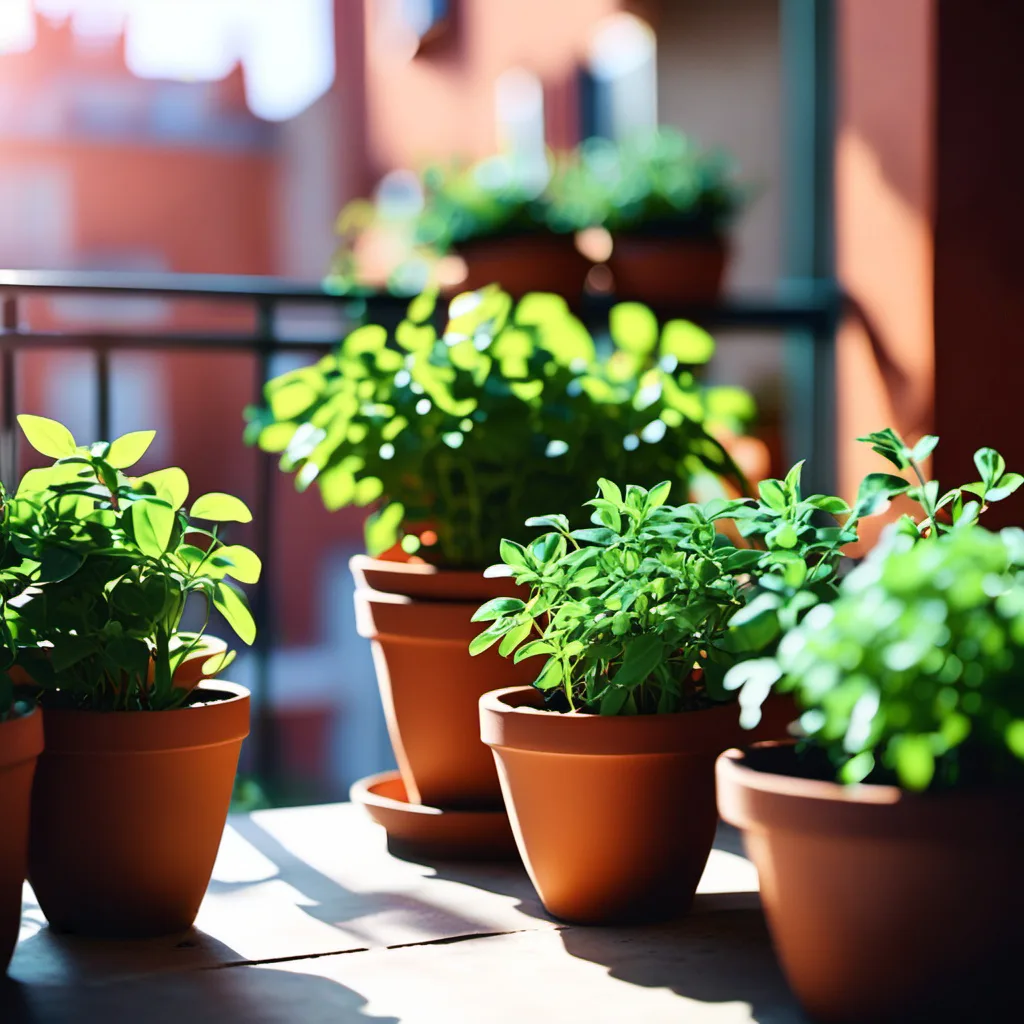
There is a unique sense of satisfaction that comes from stepping outside your door and plucking a handful of fresh basil for a pasta sauce or a sprig of mint for a refreshing summer drink. For those living in urban environments, a balcony may seem like a limited space, but it is actually a prime opportunity to create a thriving, aromatic sanctuary. Growing herbs on a balcony is one of the most accessible entry points into gardening, offering immediate rewards with relatively low initial investment. Whether you have a sprawling terrace or a tiny Juliet balcony, the principles of container gardening can turn a concrete slab into a productive edible garden.
Key takeaways
- Group herbs by light needs, placing sun-lovers in direct light and shade-tolerant varieties like mint or parsley in cooler spots.
- Use high-quality potting mix instead of garden soil to ensure proper drainage, aeration, and nutrient retention for container plants.
- Prevent root rot by using pots with drainage holes and watering only when the top two inches of soil feel dry to the touch.
- Maximize yields by regularly pruning stems, which encourages bushier growth and prevents herbs from flowering prematurely.
p>
The beauty of herb gardening lies in its flexibility. Unlike large vegetable patches that require significant tilling and space, herbs are generally compact and adaptable. However, the transition from a ground-based garden to a container-based balcony garden requires a shift in perspective. You are essentially creating a self-contained ecosystem where you control every variable—from the quality of the soil to the amount of water and light. By understanding the specific needs of different plant species and the unique environmental challenges of elevated spaces, anyone can cultivate a lush herb collection that enhances both their cooking and their mental well-being.
Assessing Your Balcony’s Environment
Before purchasing seeds or seedlings, it is crucial to perform a “site analysis” of your balcony. The two most influential factors in a balcony garden are sunlight and wind. Sunlight is the fuel for your plants, and different herbs have vastly different requirements. Most culinary herbs originate from the Mediterranean, meaning they crave “full sun,” which typically translates to at least six to eight hours of direct sunlight per day. If your balcony faces south (in the Northern Hemisphere), you likely have an abundance of light. However, if your balcony faces north or is shaded by neighboring buildings, you will need to select shade-tolerant herbs like mint, parsley, or chives.
Wind is an often-overlooked challenge of balcony gardening. Higher floors are subject to stronger gusts, which can lead to two primary problems: physical damage to delicate stems and accelerated evaporation. Wind strips moisture from the leaves and the soil much faster than in a ground-level garden. To mitigate this, consider the placement of your pots. Placing more delicate plants behind larger, sturdier ones can create a natural windbreak. Additionally, using heavier pots—such as terracotta or stone—can prevent smaller plants from tipping over during a storm. If your balcony is particularly windy, you might consider installing a trellis or a permeable screen that breaks the force of the wind without completely blocking the airflow, which is still necessary to prevent fungal growth.
Choosing the Right Containers and Pots
The container is the only home your herb will ever know, so choosing the right material and size is paramount. The most common mistake beginners make is choosing a pot based solely on aesthetics rather than functionality. Drainage is the single most important technical aspect of a container; without holes at the bottom, water collects at the root level, leading to root rot—a condition that can kill a healthy plant in a matter of days. Always ensure your pots have adequate drainage holes and consider using “pot feet” or saucers to prevent water from staining your balcony floor or dripping onto neighbors below.
Different materials offer different benefits. Terracotta and clay pots are porous, meaning they allow air and water to move through the walls of the pot. This is excellent for Mediterranean herbs like rosemary, thyme, and oregano, which prefer their soil to dry out slightly between waterings. However, terracotta dries out quickly, which can be a liability in the peak of summer. Plastic and resin pots are non-porous and retain moisture much longer, making them ideal for thirstier plants like basil or mint. Fabric “grow bags” have become increasingly popular because they provide superior aeration and prevent roots from circling the pot, encouraging a more robust root system.
Size also matters. While it is tempting to put a small seedling in a small pot, remember that herbs need room to grow. A pot that is too small will lead to root-bound plants that struggle to absorb nutrients and water. For most individual herbs, a pot with a diameter of 8 to 12 inches is sufficient. For larger, woody perennials like rosemary, a deeper pot (12 to 15 inches) is necessary to accommodate their extensive root systems. If you are using a window box, ensure it is deep enough for the specific herbs you are planting; shallow boxes are fine for thyme, but basil will struggle if its roots are cramped.
The Best Herbs for Balcony Gardening
Selecting the right herbs depends on your light levels and your culinary preferences. To maximize your success, group your herbs by their environmental needs. This makes watering and maintenance much more efficient.
Sun-Loving Herbs (6+ hours of sun):
- Basil: The king of summer herbs. Basil loves heat and plenty of water. It is an annual in most climates, meaning you will plant it every spring.
- Rosemary: A hardy, woody perennial that thrives in sandy, well-draining soil. It is very drought-tolerant once established.
- Thyme: Another Mediterranean favorite. Thyme is low-growing and works well as a “filler” plant in larger containers.
- Oregano: Similar to thyme, oregano is rugged and prefers a sunny spot. It can be invasive, so it is best kept in its own pot.
Partial Shade Herbs (3-5 hours of sun):
- Mint: Extremely hardy and grows almost anywhere. However, mint is aggressive; it will quickly choke out any other plant in a shared pot. Always give mint its own dedicated container.
- Parsley: Prefers a bit more moisture and can handle filtered sunlight. It grows slower than basil but provides a steady harvest throughout the season.
- Chives: These are incredibly resilient and often come back year after year. They handle partial shade well and produce beautiful edible purple flowers.
- Cilantro: Cilantro is tricky because it tends to “bolt” (go to seed) quickly in high heat. Placing it in a cooler, partially shaded area can extend its harvest window.
Soil and Nutrition: Creating the Perfect Foundation
One of the most critical rules of balcony gardening is to never use “garden soil” or “topsoil” from the ground in a container. Ground soil is too heavy; it compacts easily in a pot, squeezing out the oxygen that roots need to breathe and preventing water from draining properly. Instead, use a high-quality potting mix. Potting mixes are typically soil-less, consisting of peat moss, coconut coir, perlite, and vermiculite. These ingredients ensure the medium remains fluffy, retains the right amount of moisture, and allows for excellent aeration.
Because containers have a limited amount of soil, nutrients are washed away more quickly than they are in a traditional garden. To keep your herbs lush and flavorful, you will need to supplement their nutrition. Organic options are highly recommended for edible plants. A slow-release organic fertilizer applied at the beginning of the growing season provides a steady stream of nutrients. Alternatively, you can use a liquid seaweed or fish emulsion fertilizer every two to four weeks during the peak growing season. Be careful not to over-fertilize; too much nitrogen can lead to rapid, leggy growth with very little flavor in the leaves.
For an extra boost, consider adding a handful of organic compost to your potting mix. Compost introduces beneficial microorganisms to the soil, which help the plant absorb nutrients more efficiently. If you have a small-scale worm bin or a compost tumbler, adding your own “black gold” is the most sustainable way to nourish your balcony garden.
Watering Strategies for Container Gardens
Watering is where most new gardeners struggle. In a balcony setting, plants can dry out surprisingly fast due to wind and sun, but they can also drown if the soil doesn’t drain. The golden rule of watering is to water the soil, not the leaves. Wetting the foliage can encourage fungal diseases like powdery mildew, especially in humid environments. Instead, aim your watering can at the base of the plant.
To determine when to water, use the “finger test.” Insert your finger about two inches into the soil. If the soil feels dry at that depth, it is time to water. If it feels moist, wait another day. Overwatering is often more dangerous than underwatering because it leads to anaerobic conditions that kill roots. For those who travel or struggle with consistency, self-watering pots can be a lifesaver. These pots feature a reservoir at the bottom that allows the plant to wick up moisture as needed, maintaining a more consistent hydration level.
Timing is also key. The best time to water is early in the morning. This allows the plant to hydrate before the heat of the day hits and ensures that any accidental water on the leaves evaporates quickly. Watering in the evening can leave the soil too damp overnight, which increases the risk of slugs and fungal infections. During heatwaves, you may find yourself watering once or even twice a day; this is normal for small containers in high sun.
Pruning and Harvesting for Maximum Yield
Many beginners are afraid to cut their herbs, fearing they might kill the plant. In reality, the opposite is true: regular harvesting and pruning actually encourage the plant to grow fuller and produce more leaves. The goal is to prevent the plant from becoming “leggy” (long stems with few leaves) and to discourage it from flowering too early.
For “pinch-back” herbs like basil, never just pluck the largest leaves from the bottom. Instead, pinch off the stem just above a pair of leaves. This signals the plant to split its growth, creating two new branches where there was once one. This process transforms a single stem into a bushy shrub. Similarly, for mint and oregano, frequent clipping prevents the plant from becoming overly woody and keeps the new growth tender and flavorful.
When harvesting, try to take no more than one-third of the plant at a time. This ensures the plant has enough foliage to continue photosynthesizing and growing. If you notice your herbs producing flowers (bolting), pinch them off immediately. Once a plant flowers, it redirects its energy from leaf production to seed production, which often makes the leaves taste bitter or tough. By removing the flower buds, you trick the plant into staying in its vegetative state for longer.
Managing Pests and Diseases Naturally
Even on a high-rise balcony, pests will find your herbs. Aphids, spider mites, and fungus gnats are the most common culprits. The key to managing these is early detection. Check the undersides of leaves regularly for tiny insects or sticky residue (honeydew). Because you are growing food, it is best to avoid harsh chemical pesticides.
A simple and effective remedy for many soft-bodied insects is a mixture of water and a few drops of organic castile soap. Spraying this on the affected areas disrupts the insects’ outer membranes and removes them without harming the plant. For more persistent issues, neem oil—a natural derivative of the neem tree—acts as both a pesticide and a fungicide. Always apply neem oil or soap sprays in the evening to avoid burning the leaves under the midday sun.
Companion planting can also help. While space is limited on a balcony, pairing certain herbs can deter pests. For example, the strong scent of rosemary and thyme can confuse pests looking for more palatable plants. Additionally, ensuring good airflow between pots prevents the stagnant, humid conditions that fungi love. If you notice a white, powdery substance on your leaves (powdery mildew), increase the spacing between your pots and avoid overhead watering.
Seasonal Care and Overwintering
As the temperature drops, your balcony garden will need a change in strategy. Herbs generally fall into two categories: perennials and annuals. Annuals, like basil, will die off at the first frost. You can try to bring them inside to a sunny windowsill, but they often struggle with the lower light levels of winter. Perennials, like rosemary, sage, and thyme, can survive the winter, but container roots are more exposed to freezing temperatures than ground roots.
To protect your perennials, you can “winterize” your pots. This can involve wrapping the pots in burlap, bubble wrap, or placing them inside a larger pot filled with straw or mulch to insulate the root ball. Moving pots closer to the building wall can also provide a slight temperature buffer, as the building radiates heat. Some gardeners choose to bring their perennial herbs indoors to a cool, bright room, though it is important to reduce watering significantly during this period to prevent root rot in the dormant phase.
Spring is the time for renewal. Prune back any dead or woody growth to make room for new shoots. Refresh the top few inches of soil with new compost to replenish nutrients lost over the winter. If your plants have become root-bound, this is the ideal time to transplant them into a slightly larger pot to give them room to thrive for the coming season.
Creative Layouts and Vertical Gardening
When floor space is limited, the only way to go is up. Vertical gardening allows you to multiply your growing area without taking up more square footage. One of the simplest methods is using a tiered plant stand or a ladder shelf. This not only saves space but also allows you to place sun-loving herbs on the top shelf and shade-tolerant ones on the lower shelves.
Hanging baskets are excellent for trailing herbs like thyme or mint. By suspending them from the balcony ceiling or railing, you keep them away from ground-level pests and make the most of the air circulation. Wall-mounted planters or “living walls” are another modern solution. You can install a grid or a series of pockets on a wall to create a tapestry of greens. Just be mindful of the weight; wet soil is heavy, so ensure your mounting hardware is secure.
Another creative option is the “railing planter,” which clips directly onto the balcony edge. These are perfect for small herbs like chives and parsley. However, ensure the railing is sturdy and that the planters are secure so they don’t fall during a storm. By combining these vertical elements with traditional pots, you can create a dense, lush herb garden that feels like an outdoor room, providing both aesthetic beauty and culinary utility.
From Seed to Sprout: Starting Your Balcony Garden
While purchasing established seedlings from a nursery provides instant gratification, starting your herbs from seed offers a wider variety of cultivars and a deeper connection to the growth cycle. However, seed starting on a balcony requires a strategic approach, as the environment can be volatile. For most gardeners, the best practice is to start seeds indoors 6-8 weeks before the last expected frost. Use a sterile seed-starting mix—which is lighter and more porous than potting soil—to ensure delicate radicles can push through the surface without resistance.
A common edge case for urban gardeners is the “damping off” fungus, which causes young seedlings to collapse at the stem. To prevent this, ensure adequate airflow using a small electric fan and avoid overwatering. Once the seedlings have developed their first set of true leaves (the second set of leaves that appear), they can be transplanted into larger pots. However, the most critical and often skipped step is “hardening off.” Moving a plant directly from a climate-controlled living room to a windy, sun-drenched balcony can result in transplant shock or leaf scorch.
Hardening off is a gradual process that takes about 7-10 days. Place your seedlings on the balcony for just one or two hours a day in a shaded spot, gradually increasing their exposure to direct sunlight and wind. This allows the plant’s cuticle—the waxy outer layer of the leaf—to thicken, protecting it from the harsh elements of an elevated environment. For those who prefer not to start from seed, be cautious when buying “grocery store herbs.” These are often grown in hydroponic systems with high nitrogen and are crammed too tightly into small pots; they frequently require immediate repotting and a period of adjustment to soil-based gardening.
Navigating Balcony Micro-Climates and Urban Heat
A balcony is not a uniform environment; it is a collection of micro-climates. The temperature and light levels can vary significantly between the railing and the wall, or between the floor and a hanging basket. One of the most potent factors in urban gardening is the “heat island effect,” where concrete, brick, and glass absorb heat during the day and radiate it back at night. This can keep your herbs warmer than they would be in a backyard, which is beneficial for Mediterranean species but can stress cool-weather herbs like cilantro and parsley.
Consider the impact of reflective surfaces. A white wall or a glass sliding door can act as a mirror, intensifying the sunlight hitting your plants. While this can boost growth for rosemary or oregano, it can lead to “leaf burn” on more sensitive species. If you notice brown, crispy patches on the leaves despite adequate watering, your plants may be receiving too much reflected radiation. In such cases, placing a decorative trellis or a light-colored fabric screen between the plant and the reflective surface can diffuse the light.
Wind tunnels are another common balcony phenomenon, especially in high-rise buildings where air is forced between structures, creating high-velocity drafts. These drafts don’t just threaten to tip over pots; they cause rapid transpiration, where the plant loses water through its leaves faster than the roots can absorb it. To combat this, group your pots together to create a communal humidity zone. This “clustering” effect reduces the amount of wind hitting individual stems and helps maintain a more stable moisture level around the foliage, effectively creating a miniature greenhouse environment on your concrete slab.
Advanced Hydration and Irrigation Systems
As a balcony garden grows in complexity, manual watering with a can can become inefficient and inconsistent. For those managing more than five or six pots, implementing a simple drip irrigation system can be a game-changer. Many urban gardeners use battery-operated timers attached to an outdoor faucet, which deliver a precise amount of water to each pot through narrow tubing and emitters. This ensures that plants are watered at the optimal time—usually dawn—without the risk of human error or forgotten watering schedules during a vacation.
If a full irrigation system is not feasible, consider the “bottom watering” method. By placing pots in shallow trays of water for 30 minutes, the soil wicks up moisture through capillary action. This encourages the roots to grow downward, creating a deeper and more resilient root system, and completely eliminates the risk of foliage diseases caused by overhead watering. However, be careful not to leave plants in standing water for too long, as this can lead to the same root rot issues mentioned previously.
Water quality is another nuance of urban gardening. Many city water supplies are heavily chlorinated or have high mineral content (hard water), which can lead to a buildup of salts in the potting mix. Over time, these salts can burn the tips of the leaves or alter the pH of the soil, making nutrients unavailable to the plant. To mitigate this, you can let your watering can sit uncovered for 24 hours to allow some of the chlorine to dissipate, or occasionally “flush” the soil by watering deeply until water runs freely out of the drainage holes, washing away accumulated salts.
Expanding Your Palette: Aromatic and Medicinal Herbs
Beyond the standard culinary staples, balconies are ideal for growing aromatic and medicinal herbs that provide therapeutic benefits and attract pollinators. Lavender is a favorite for its scent and beauty, but it is an edge case in container gardening because it requires extreme drainage. To succeed with lavender, mix a generous amount of coarse sand or perlite into your potting soil to mimic the rocky soils of the Mediterranean. Avoid placing lavender in plastic pots; terracotta is non-negotiable here to prevent the roots from staying too damp.
Lemon Balm and Stevia are excellent additions for those looking for versatility. Lemon Balm is a member of the mint family and is equally aggressive, meaning it must be kept in its own container to avoid choking out neighbors. It thrives in the partial shade of a balcony and is excellent for calming teas. Stevia, the natural sweetener, is a perennial that loves sun and heat, though it can be finicky about soil pH. Keeping the soil slightly acidic—perhaps by adding a small amount of organic compost—will help Stevia produce its characteristic sweet leaves.
For those interested in pollinators, planting Calendula or Chamomile can turn a balcony into a sanctuary for bees and butterflies. These herbs generally prefer a looser, airier soil and are less demanding than basil or rosemary. When growing these, place them on the outer edge of your balcony to make them more accessible to flying insects. Be mindful that some medicinal herbs can be sensitive to the fertilizers used for culinary herbs; always check the specific nutrient requirements of these species to avoid “burning” them with high-nitrogen mixes.
Preserving Your Harvest for the Off-Season
The goal of a balcony garden is not just to enjoy fresh herbs in the summer, but to extend that bounty into the winter. Because balcony yields can be concentrated, you may find yourself with more basil or mint than you can use in a week. Learning preservation techniques ensures that none of your hard work goes to waste. Air-drying is the most traditional method, ideal for “hardy” herbs like rosemary, thyme, and sage. Tie these in small bundles and hang them upside down in a cool, dry area with good airflow—avoiding direct sunlight, which can bleach the color and dissipate the essential oils.
For “soft” herbs like basil, cilantro, and parsley, air-drying often results in a loss of flavor and a brown, unappealing color. The best method for these is freezing in oil. Simply chop the fresh leaves and place them into ice cube trays, filling the remaining space with a high-quality olive oil. Once frozen, transfer the cubes to a freezer bag. When it is time to cook, you can drop a cube of herb-infused oil directly into a pan; the oil protects the leaves from freezer burn and preserves the vibrant green color and aromatic potency.
Another sophisticated method is salt-curing. By layering chopped herbs with coarse sea salt in a jar, you create a preserved herb paste. The salt draws out moisture and acts as a preservative, concentrating the flavor. This is particularly effective for parsley and chives. When using salt-cured herbs, remember to reduce the additional salt in your recipes. These preservation methods transform your balcony from a seasonal hobby into a year-round pantry, providing a sustainable source of flavor regardless of the weather outside.
Upcycling and Sustainable Container Solutions
Creating a balcony garden doesn’t have to involve a trip to a big-box store for expensive plastic pots. Upcycling household items is not only environmentally friendly but can also lead to a more eclectic and personalized aesthetic. Old wooden crates, galvanized buckets, and even large food-grade plastic containers can be converted into planters. The only non-negotiable rule is the addition of drainage; any upcycled container must be drilled with holes in the bottom to prevent root rot.
For those looking to minimize their environmental footprint, coconut coir is a sustainable alternative to peat moss. Peat harvesting destroys carbon-sequestering bogs, whereas coir is a byproduct of the coconut industry. Similarly, you can create your own sustainable drainage layer by using broken pieces of old terracotta pots or clean river stones at the bottom of your containers instead of purchasing synthetic drainage pellets. This not only recycles old materials but also provides a stable base for the potting mix.
Frequently Asked Questions
Q: Can I grow herbs in a spot that gets no direct sunlight?
A: While most herbs need sun, some can tolerate low-light conditions. Mint, parsley, and chives are the most resilient in shade. However, “no direct sunlight” is a challenge. If your balcony is truly dark, you might consider adding a small, full-spectrum LED grow light to supplement the natural light, which will prevent your herbs from becoming leggy and weak.
Q: Why are the leaves on my basil turning yellow?
A: Yellow leaves on basil are usually a sign of one of three things: overwatering, a nitrogen deficiency, or a lack of sunlight. First, check the soil moisture; if it’s soggy, let it dry out. If watering is correct, try a diluted organic liquid fertilizer. If the plant is in a dark corner, move it to the sunniest part of your balcony.
Q: Do I need to use pesticides on a balcony?
A: In most cases, no. Because balcony gardens are smaller, you can often manage pests manually by wiping leaves with a damp cloth or picking off insects by hand. If an infestation occurs, stick to natural remedies like neem oil or insecticidal soap to keep your herbs safe for consumption.
Q: How often should I harvest my herbs?
A: You should harvest your herbs frequently. For most herbs, picking a few leaves every few days encourages more growth. The key is to avoid taking more than 30% of the plant’s foliage at once, which ensures the plant remains healthy and continues to produce new growth.
Q: Can I plant multiple herbs in one large container?
A: Yes, but only if they share the same needs. For example, rosemary, thyme, and oregano all love sun and dry soil, so they make great roommates. However, do not plant mint with other herbs, as it will take over the entire pot. Similarly, don’t pair a water-loving plant like basil with a drought-tolerant plant like rosemary.
Related posts:
 DIY Plant Pot Recycling Ideas
 Vertical Garden Home Guide
 The Best Full-Sun Plants for a Thriving Garden
 The Best Potting Soil for Houseplants, According to Plant Parents
 The Best Indoor Herb Garden Kits for Fresh Flavors Year-Round
 Essential Tips for Better Garden Health
 Rose Crystal Garden in NYC
 Tiny Green Therapy: How Mini Plants Are Revolutionizing the Workspace